
 IN
Planetary Mixers
10 products available
What are Planetary Mixers?
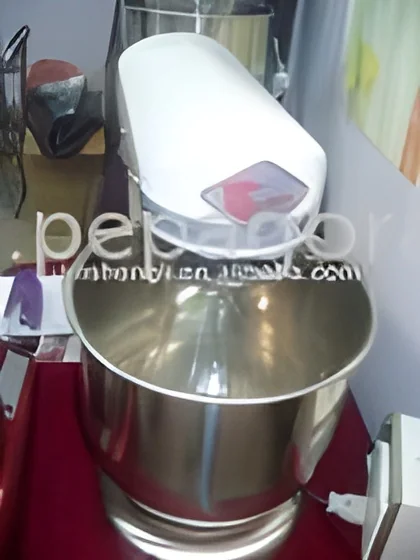
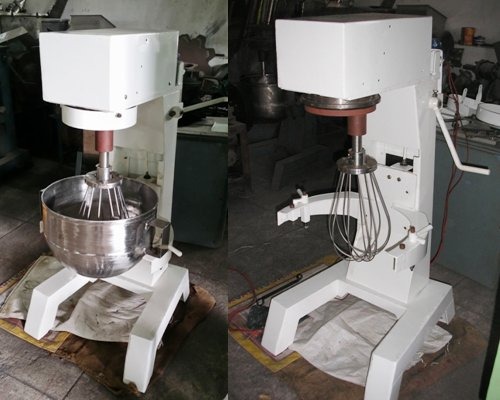
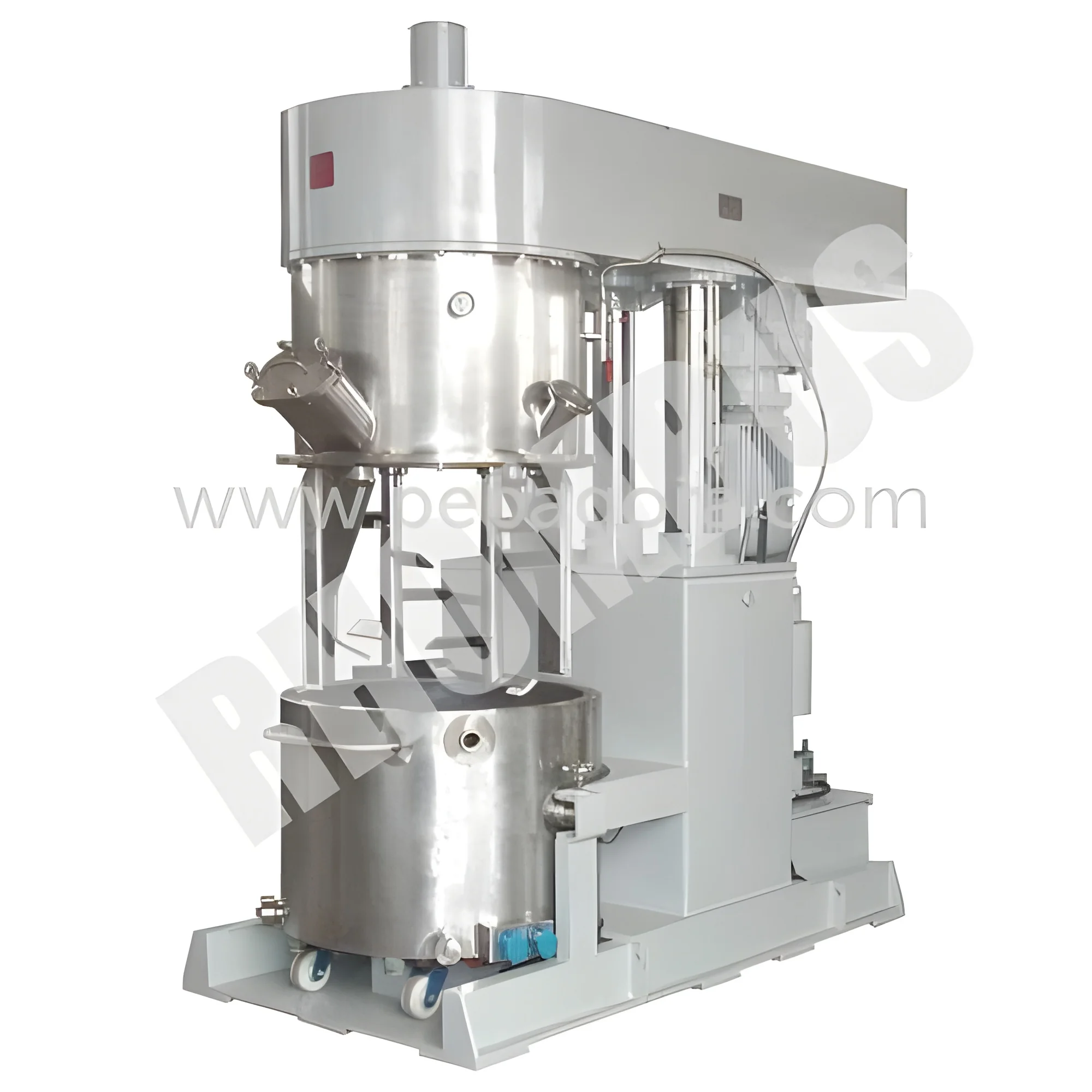
Planetary mixers are specialized industrial equipment designed to efficiently mix, blend, and knead various materials. Their unique structure allows for multiple mixing actions, as the mixing blades rotate around both their own axis and the axis of the bowl. This dual motion ensures thorough mixing of materials with different viscosities and densities, making them ideal for applications where uniformity is critical.
These mixers find extensive use across a range of industries, including food processing, pharmaceuticals, and cosmetics. They are particularly adept at handling heavy mixtures, such as doughs and pastes, and can also be employed in the production of creams and ointments. Businesses leverage planetary mixers for their ability to achieve consistent product quality, speed up production processes, and reduce labor costs.
In the current market, planetary mixers are increasingly recognized for their versatility and efficiency. As industries strive for higher quality standards and faster production times, these mixers have become essential tools for manufacturers looking to optimize their operations. The growing demand for customized and high-quality products further enhances their relevance in various sectors.
Key Features and Specifications
Planetary mixers come equipped with several features that enhance their performance and usability. These features cater to diverse manufacturing needs, allowing businesses to select mixers that best align with their production requirements.
Key specifications include:
1. Mixing Capacity
- Varies based on model and design
- Typically ranges from 5 liters to 500 liters
2. Motor Power
- Determines the mixing effectiveness
- Commonly ranges from 0.5 kW to 15 kW
3. Speed Settings
- Allows for customized mixing based on material type
- Often includes multiple speed options, typically ranging from 30 to 300 RPM
4. Bowl Material
- Usually stainless steel for durability and hygiene
- Some models may offer additional coatings for specific applications
5. Control Systems
- Options include manual and digital interfaces
- Digital systems often have programmable settings for consistency
6. Safety Features
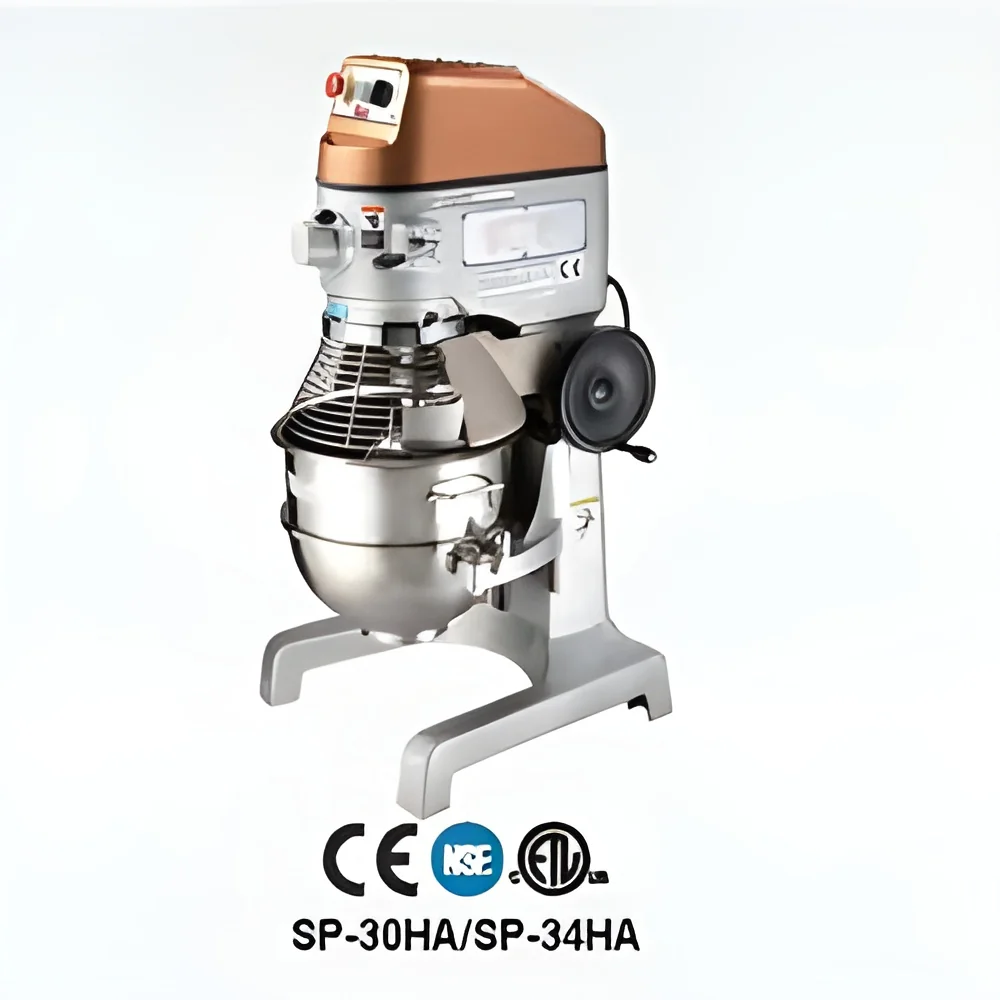
- Emergency stop buttons and protective covers
- Compliance with safety standards for industrial equipment
7. Dimensions
- Varies by model
- Important for determining space requirements in production areas
8. Weight
- Heavier models provide stability during operation
- Weights can range from 100 kg to over 1000 kg
In summary, planetary mixers are available in various configurations and specifications. Understanding these features helps businesses select the right equipment for their unique applications.
Common Applications and Use Cases
Planetary mixers serve numerous industries, showcasing their versatility and efficiency.
1. Food Processing: They are widely used for mixing doughs, batters, and sauces, ensuring consistent texture and flavor in baked goods and other food products.
2. Pharmaceuticals: In this sector, planetary mixers facilitate the blending of powders and pastes for creams and ointments, meeting stringent quality control standards.
3. Cosmetics: These mixers help in the production of lotions, creams, and other cosmetic products, ensuring homogenous mixtures while maintaining product integrity.
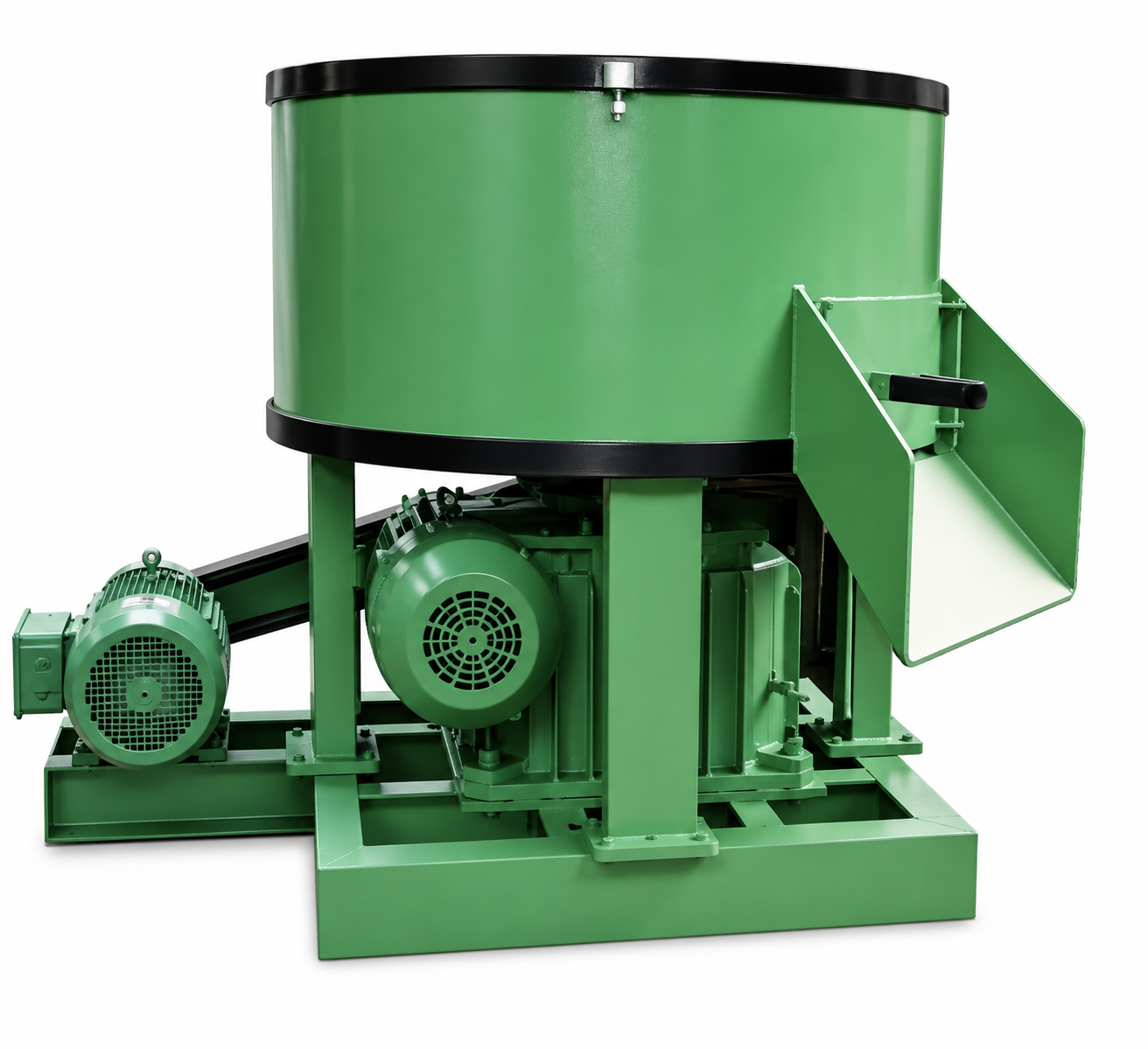
4. Chemicals: Planetary mixers are employed to mix various chemical compounds, aiding in the production of paints, coatings, and adhesives.
5. Construction: In construction, they can be used to mix materials like mortar and concrete, providing uniformity and enhancing workability.
6. Nutraceuticals: They assist in blending supplements and health products, ensuring even distribution of active ingredients.
7. Plastics: In the plastics industry, planetary mixers help in processing and blending different plastic compounds for manufacturing.
Product Variants and Subcategories
Planetary mixers come in various designs to cater to different manufacturing needs.
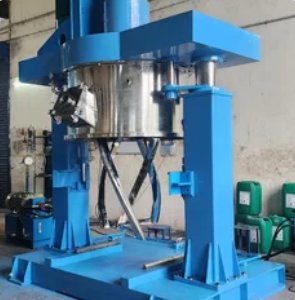
Heavy-Duty Planetary Mixers
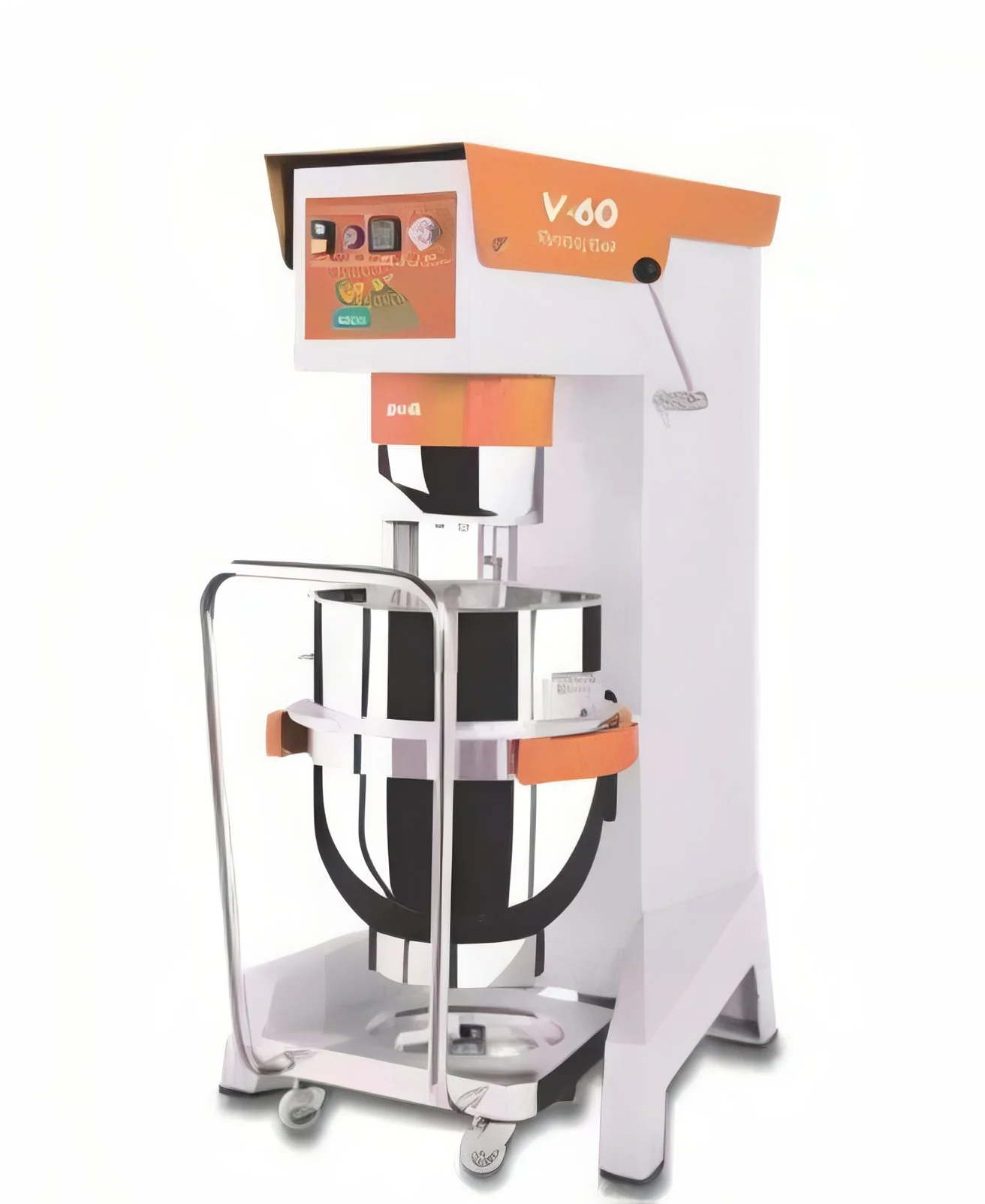
These mixers are designed for high-volume production, making them suitable for large-scale food processors and manufacturers. They often feature robust motors and increased mixing capacities.
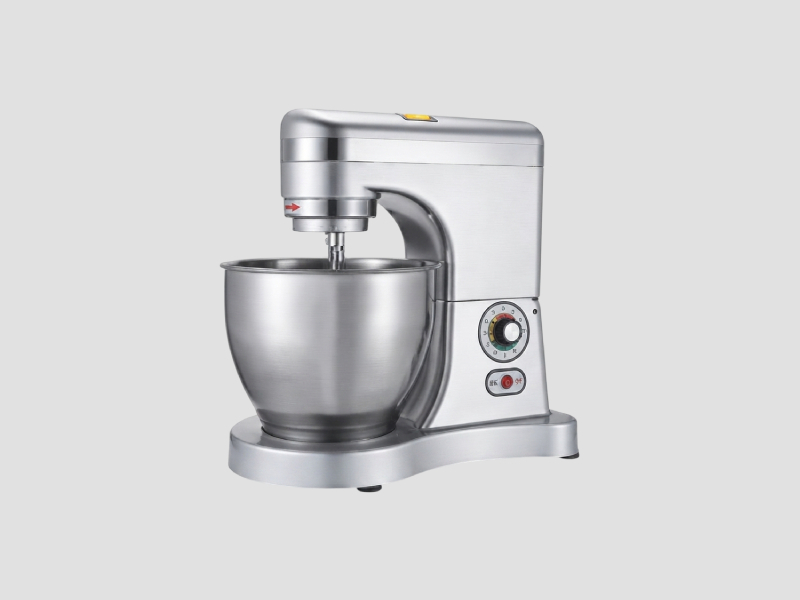
Compact Planetary Mixers
Ideal for smaller operations, these mixers are perfect for businesses with limited space but still require efficient mixing capabilities. They offer similar features as larger models but in a more space-efficient design.
Portable Planetary Mixers
These mixers provide flexibility, allowing users to move them easily between different production areas. They are commonly used in smaller workshops or labs.
Benefits and Advantages
Planetary mixers offer numerous benefits that can significantly enhance production processes.
1. Improved Mixing Efficiency: Their unique mixing action ensures thorough blending of materials, leading to consistent product quality.
2. Versatility: Capable of handling a wide range of materials, planetary mixers can be used across various industries.
3. Time Savings: With faster mixing times compared to traditional mixers, they help reduce overall production time.
4. User-Friendly Operation: Many models come with digital controls and programmable settings, simplifying operation and reducing the learning curve.
5. Enhanced Durability: Built with high-quality materials, they withstand the rigors of industrial use and require minimal maintenance.
6. Customization Options: Many manufacturers offer mixers that can be tailored to specific requirements, making them adaptable to unique business needs.
Buying Guide for B2B Buyers
When sourcing planetary mixers, businesses should consider various factors to ensure they choose the right equipment.
1. Quality Assessment: It is crucial to evaluate the quality of the mixers, looking for certifications and compliance with industry standards.
2. Supplier Verification: Vetting suppliers for their reputation, reliability, and history of customer satisfaction can mitigate risks associated with procurement.
3. Pricing and MOQ: Understanding the cost structures and minimum order quantities is essential for budget planning and ensuring that suppliers meet business needs.
4. Delivery and Lead Times: It is important to discuss logistics and expected delivery times to align with production schedules.
5. Compliance Requirements: Familiarizing oneself with the relevant regulatory standards and certifications, such as CE, can ensure that the equipment meets safety and quality requirements.
Compliance and Certifications
Planetary mixers must adhere to various quality standards and certifications to ensure safety and effectiveness.
ISO 9001 is a widely recognized standard that ensures consistent quality management systems in manufacturing processes. Compliance with this standard indicates a commitment to quality and continuous improvement.
HACCP and GDP are crucial in industries like food processing and pharmaceuticals, ensuring that production processes meet health and safety guidelines. These certifications help businesses maintain product integrity and safety.
In addition, CE certification is necessary for machines sold within the European Union, demonstrating compliance with EU safety, health, and environmental protection standards.
Safety and testing requirements are paramount, and manufacturers must ensure their products undergo rigorous testing. Regional compliance considerations may also apply, depending on the market in which the mixers will be used, requiring businesses to stay informed about local regulations.
Why Source Planetary Mixers from Pepagora?
Pepagora offers a trusted platform for sourcing planetary mixers, providing several key advantages to B2B buyers.
Verified Supplier Network: Pepagora ensures that all suppliers are thoroughly vetted, allowing buyers to have confidence in the quality and reliability of the products offered.
Streamlined RFQ Process: The platform simplifies the request for quotation process, enabling buyers to easily compare options and make informed decisions based on their specific needs.
Trade Assurance and Support: Buyers benefit from trade assurance, ensuring protection throughout the purchasing process, including quality assurance and dispute resolution if necessary.
Regional Coverage: With a presence in India, GCC, and Southeast Asia, Pepagora offers extensive regional coverage, facilitating access to a wide range of suppliers and products tailored to local market demands.
By choosing Pepagora, businesses can streamline their procurement processes while ensuring access to high-quality planetary mixers that meet their operational needs.



Frequently Asked Questions
What are Planetary Mixers?
Planetary mixers are industrial machines designed to mix, knead, and blend various materials in a bowl. They feature a unique mixing action where the mixing tools rotate around their own axis while also revolving around the bowl, ensuring thorough mixing of ingredients.
What are the different types of Planetary Mixers?
There are several types of planetary mixers, including bench-top mixers, floor mixers, and heavy-duty mixers. Each type varies in size, capacity, and application, catering to different industrial needs such as baking, confectionery, and food processing.
How do I choose the right Planetary Mixers?
To choose the right planetary mixer, consider factors such as the mixing capacity, the type of materials you will be processing, and the specific features you require, like variable speed settings or additional attachments. It's also essential to evaluate the manufacturer's reputation and customer support.
What are the standard specifications for Planetary Mixers?
Standard specifications for planetary mixers typically include motor power (measured in horsepower), mixing capacity (in liters), and speed settings (RPM). Additionally, some mixers may have features like a stainless-steel bowl and multiple mixing attachments to accommodate various applications.
What is the price range for Planetary Mixers?
The price range for planetary mixers can vary widely depending on the size, manufacturer, and features. Generally, you can expect prices to start from around INR 30,000 and can go up to several lakhs for high-capacity, specialized models.
What quality standards apply to Planetary Mixers?
Quality standards for planetary mixers often include compliance with international safety and manufacturing standards such as ISO 9001. Additionally, they should meet specific industry regulations, particularly in food processing, to ensure safety and hygiene.
Where can I find Planetary Mixers suppliers in India?
You can find planetary mixers suppliers in India through various online B2B marketplaces, industrial equipment directories, and trade shows. Websites like Pepagora.com provide listings of reputable manufacturers and suppliers to help you connect with them.
Can Planetary Mixers be customized?
Yes, many manufacturers offer customization options for planetary mixers to meet specific operational needs. Customizations may include modifications in size, bowl design, and additional features like digital controls or specific mixing attachments.
What is the typical minimum order quantity for Planetary Mixers?
The typical minimum order quantity (MOQ) for planetary mixers varies by supplier but generally ranges from 1 to 5 units. It's advisable to check with individual manufacturers for their specific policies regarding MOQs.
What is the typical lead time for Planetary Mixers?
The typical lead time for planetary mixers can vary based on the manufacturer and the complexity of the order. Generally, you can expect lead times to range from 2 to 6 weeks, depending on availability and customization requirements.
Why Businesses Trust Pepagora
Thousands of companies trust Pepagora to source smarter and sell faster
Expand Your Sales Globally

Source Smarter,Grow Faster
