IN
IN₹
Apparel & Fashion
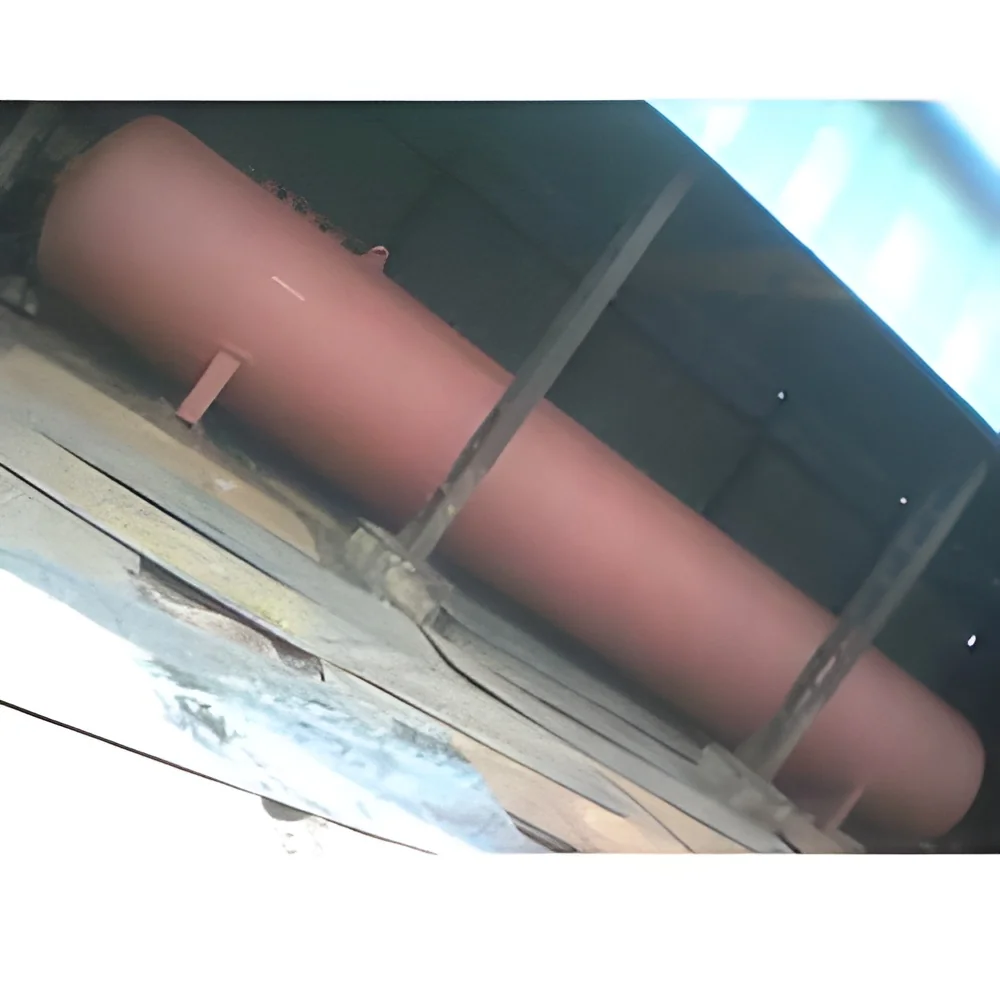
Description
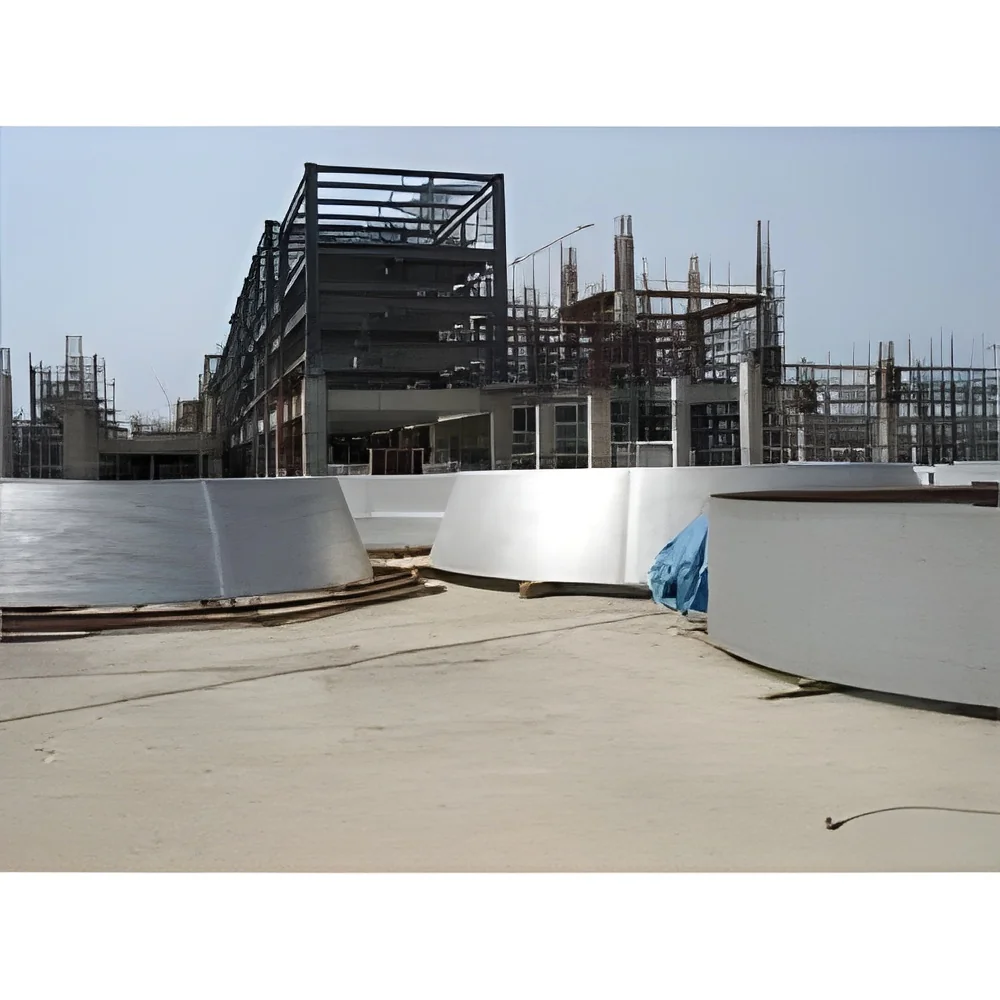
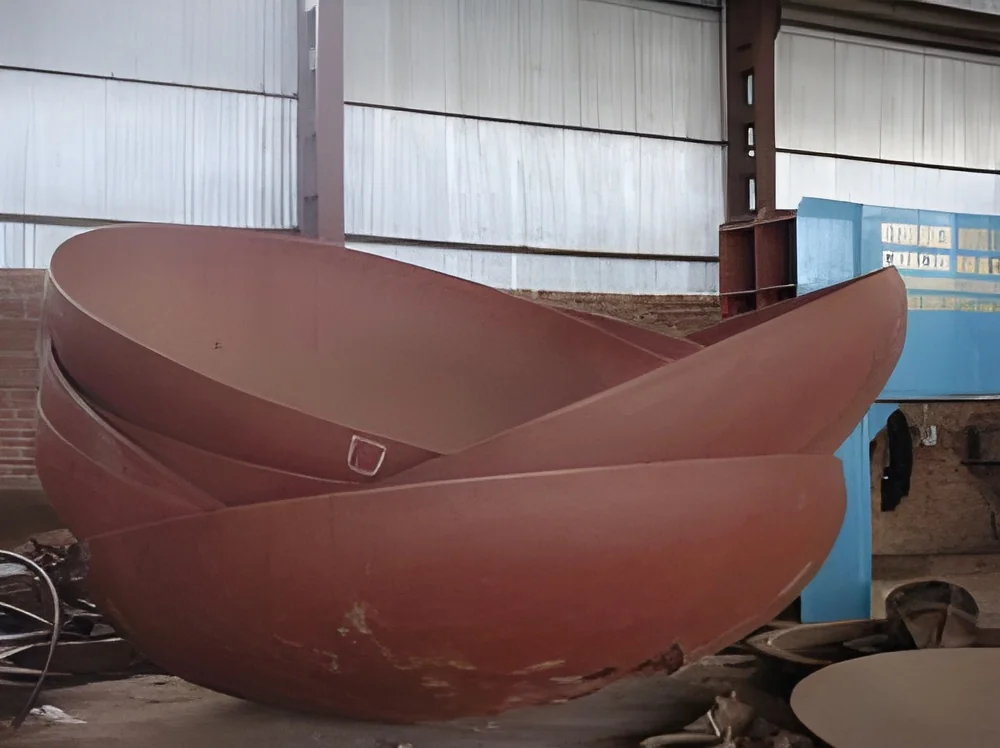
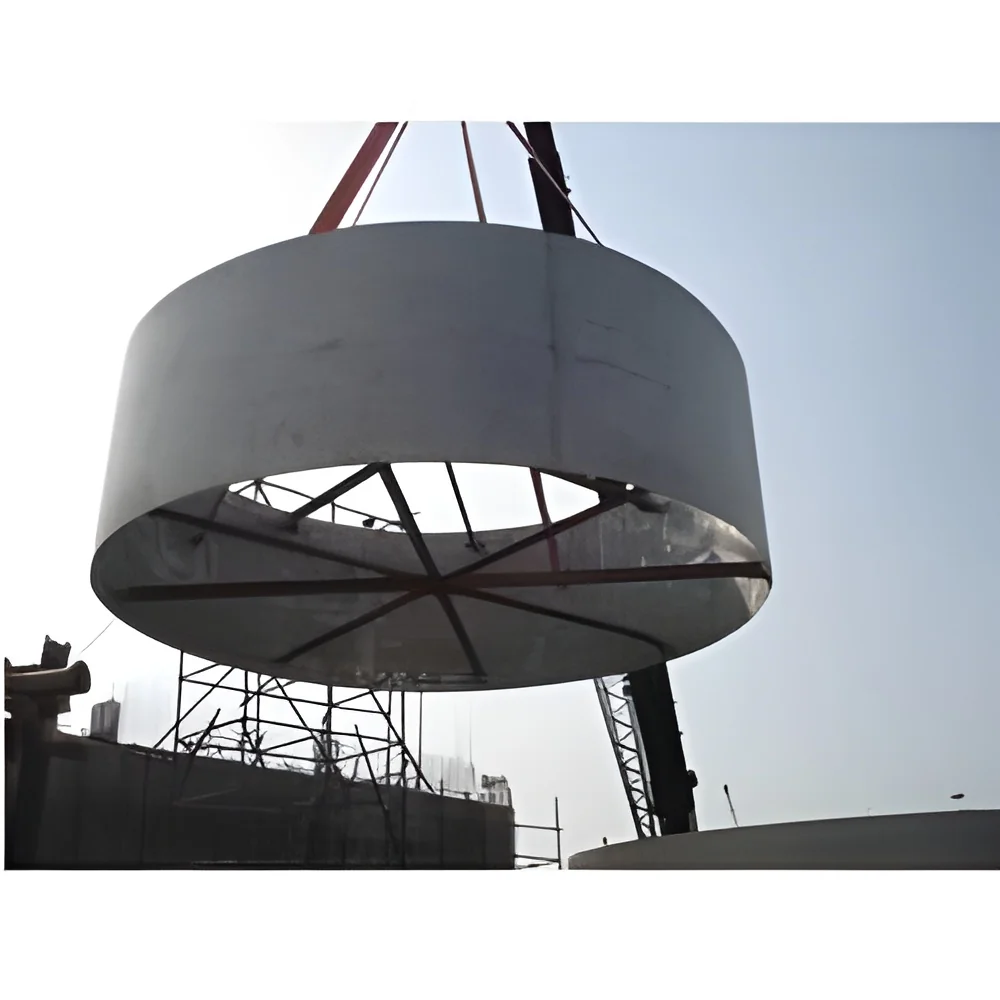
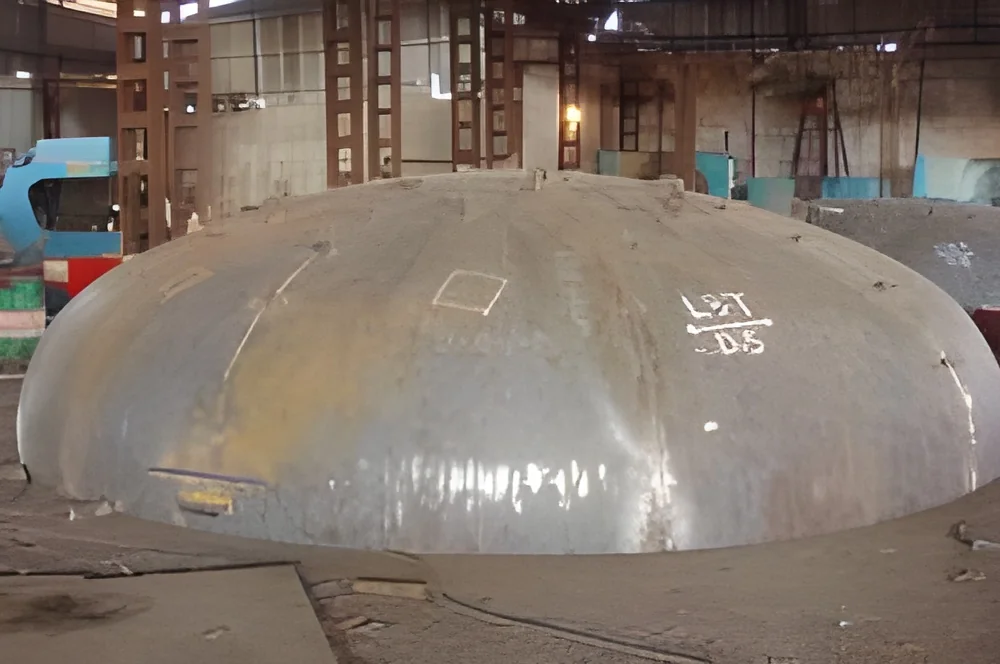
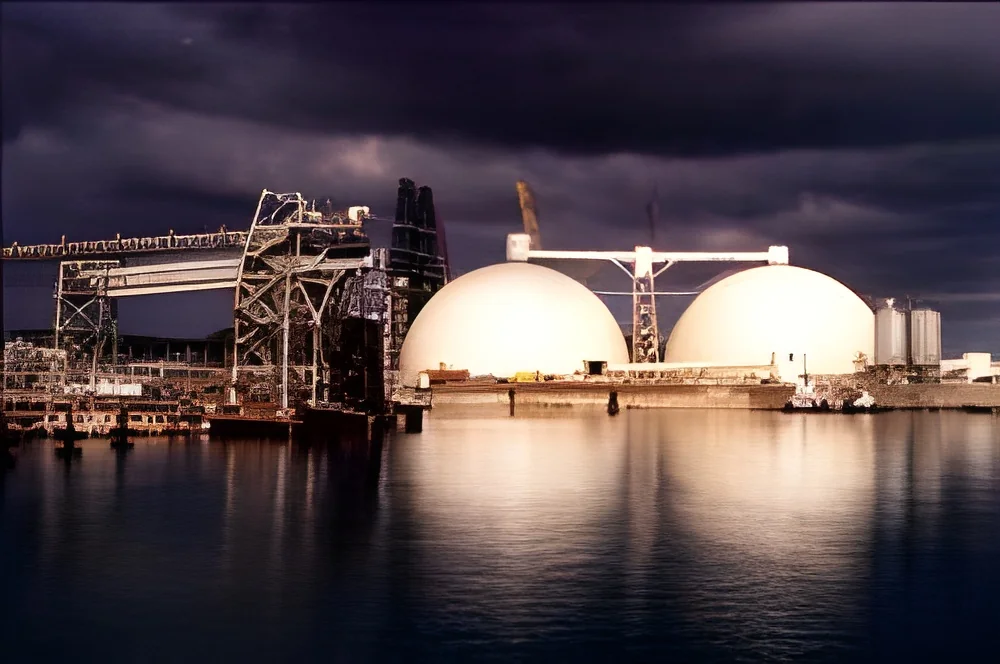
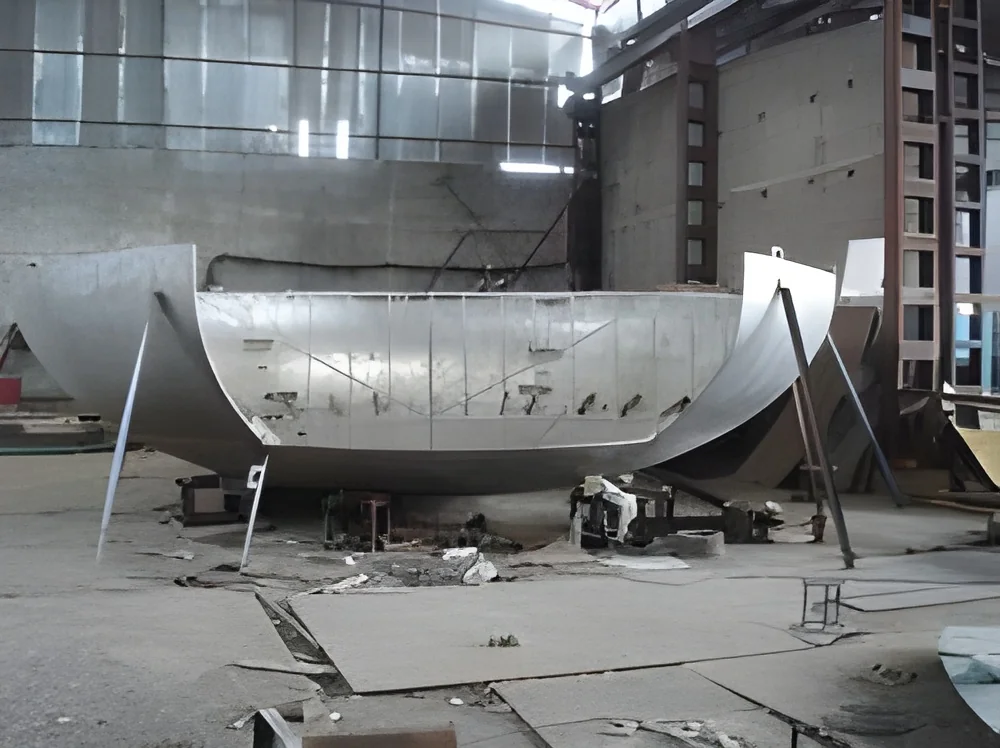
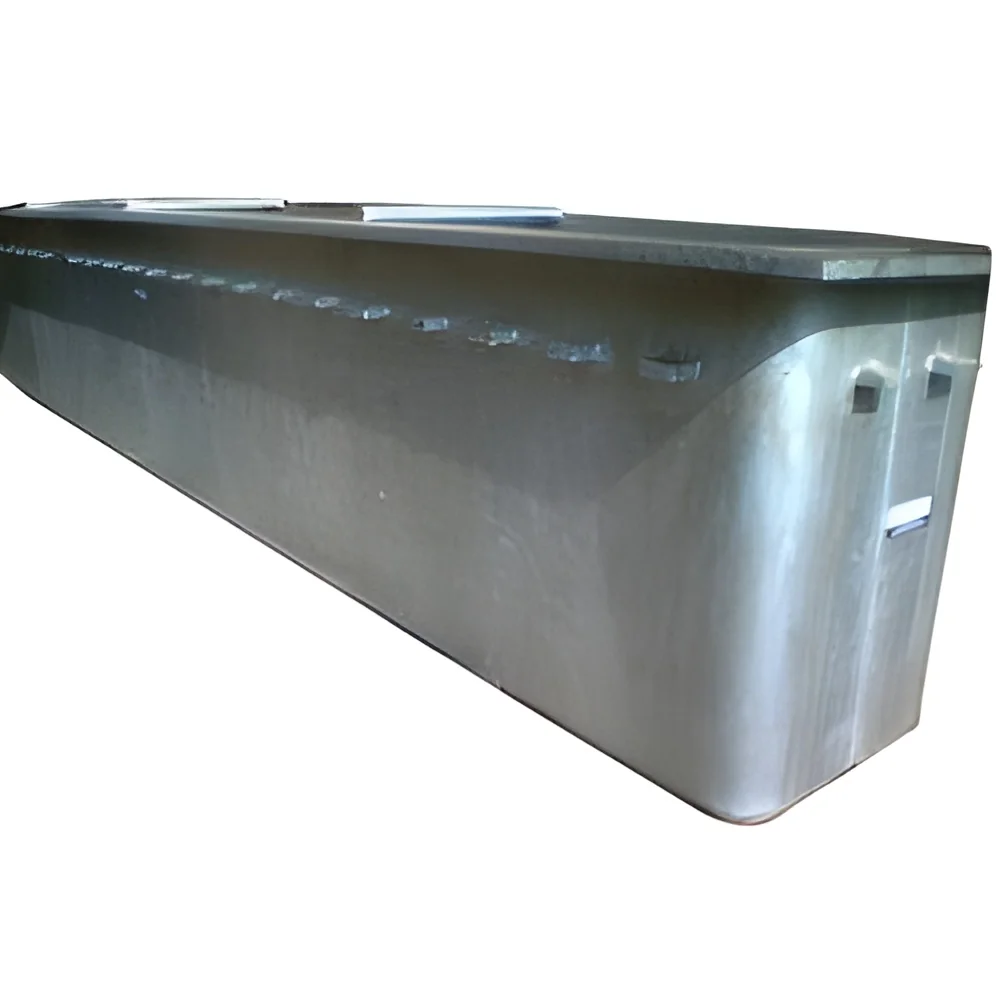
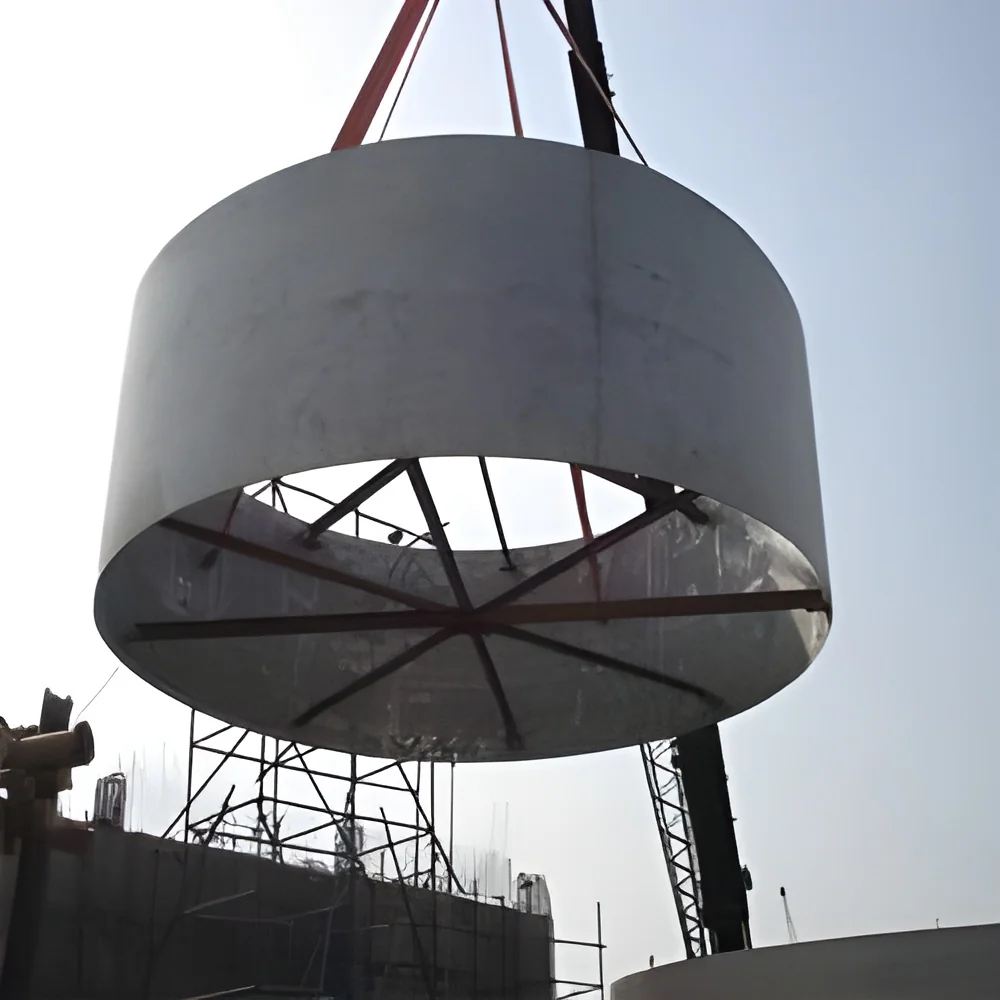
Industrial high pressure thick vessels represent engineered containment systems specifically designed to manage gases and liquids at pressures significantly different from ambient conditions. Manufactured using high-strength materials and advanced fabrication techniques, these vessels guarantee maximum safety and operational durability. Each unit undergoes meticulous engineering to handle precise pressure ratings, temperature extremes, and challenging environmental conditions. Rigorous testing protocols including hydrostatic examinations and non-destructive testing ensure compliance with international standards such as ASME and PED. The thick-walled construction provides enhanced safety margins, significantly reducing risks associated with deformation or failure during cyclic loading and extreme operational scenarios.

These pressure vessels find extensive application across multiple critical industries where performance reliability is non-negotiable. Within oil and gas operations, the...
Industrial high pressure thick vessels represent engineered containment systems specifically designed to manage gases and liquids at pressures significantly different from ambient conditions. Manufactured using high-strength materials and advanced fabrication techniques, these vessels guarantee maximum safety and operational durability. Each unit undergoes meticulous engineering to handle precise pressure ratings, temperature extremes, and challenging environmental conditions. Rigorous testing protocols including hydrostatic examinations and non-destructive testing ensure compliance with international standards such as ASME and PED. The thick-walled construction provides enhanced safety margins, significantly reducing risks associated with deformation or failure during cyclic loading and extreme operational scenarios.

These pressure vessels find extensive application across multiple critical industries where performance reliability is non-negotiable. Within oil and gas operations, they serve as separators, scrubbers, and accumulators throughout upstream and downstream processes. The chemical manufacturing sector depends on them for reactors and storage tanks handling aggressive substances and volatile compounds. Power generation facilities utilize thick pressure vessels within boiler systems and heat exchangers to manage high-temperature steam and process fluids. Water treatment installations employ them for advanced filtration systems, while manufacturing operations incorporate them within autoclaves and hydraulic systems. Their versatility extends to emerging energy sectors including hydrogen storage and carbon capture technologies where pressure integrity remains paramount.

Investment in industrial high pressure thick vessels delivers substantial long-term business value through enhanced operational efficiency and minimized downtime. The robust engineering design reduces maintenance requirements while extending service life, resulting in lower total cost of ownership. Reliability stems from quality material selection including carbon steel, stainless steel, and specialized alloys combined with precision manufacturing processes. Strict adherence to international safety codes mitigates operational risks and ensures regulatory compliance, protecting both personnel and valuable assets. The proven durability and consistent performance establish these vessels as trusted solutions for industrial operators prioritizing safety, efficiency, and long-term operational excellence.

Key Features:
- Constructed with high-grade materials providing superior strength and corrosion resistance
- Engineered to meet specific pressure, temperature, and capacity operational requirements
- Compliance with international standards including ASME Section VIII and PED
- Advanced welding and fabrication techniques ensuring structural integrity
- Comprehensive testing using hydrostatic and non-destructive examination methods

Benefits:
- Enhanced operational safety through robust construction and thorough testing protocols
- Long service life with minimal maintenance requirements reducing operational costs
- Reliable performance under extreme pressure and temperature conditions
- Compliance with international standards ensuring regulatory acceptance
- Versatile application across multiple industrial sectors and processes
Specifications
| Additional Information | |
|---|---|
| Country of Origin | India |
Application
Industrial high pressure thick vessels provide secure containment solutions for gases and liquids operating under extreme pressure conditions. Their heavy-duty construction ensures operational integrity in critical processes, preventing system failures while maintaining stability in volatile environments. These vessels meet stringent international safety standards, making them suitable for high-risk applications where reliability cannot be compromised.
These specialized vessels serve multiple critical functions across industrial sectors. They function as chemical reactors, storage tanks for compressed gases, and heat exchange systems in power generation facilities. Their adaptability allows for precise engineering to match specific operational requirements, pressure ratings, and material compatibility needs across diverse industrial applications.
- Storage and transportation of compressed natural gas and liquefied petroleum gas in energy sector operations
- Chemical processing reactors for polymerization, hydrogenation, and other high-pressure reactions
- Power generation systems as steam receivers and heat recovery units in turbines and boilers
- Water treatment plants for reverse osmosis and desalination processes under high pressure
- Pharmaceutical and food processing industries for sterilization and high-purity processing applications
Trade Details
| Available Stock | In Stock |
| Sample Availability | No |
Payment Terms
| Payment Terms |
|
Company Profile

Dish India Pvt Ltd, New Delhi
 New Delhi, India
New Delhi, IndiaIndustrial Equipment & Machinery•Manufacturer•Distributor / Wholesaler
Factory Details
Factory SizeBelow 1000 sqm
Annual Production Capacity0
Main Markets
South Asia
Industrial High Pressure Thick Vessels For Oil Gas Chemical Power
Industrial high pressure thick vessels for oil, gas, chemical, and power applications. Engineered for reliability and safety in demanding environments with robust construction and long-term performance.
Min. Order Quantity: 1 unit
Shipping
Shipping fee and delivery date to be negotiated. Contact supplier now for more details.
Dish India Pvt Ltd
 New Delhi, India
New Delhi, IndiaIndustrial Equipment & MachineryManufacturer