IN
IN₹
Apparel & Fashion
Description
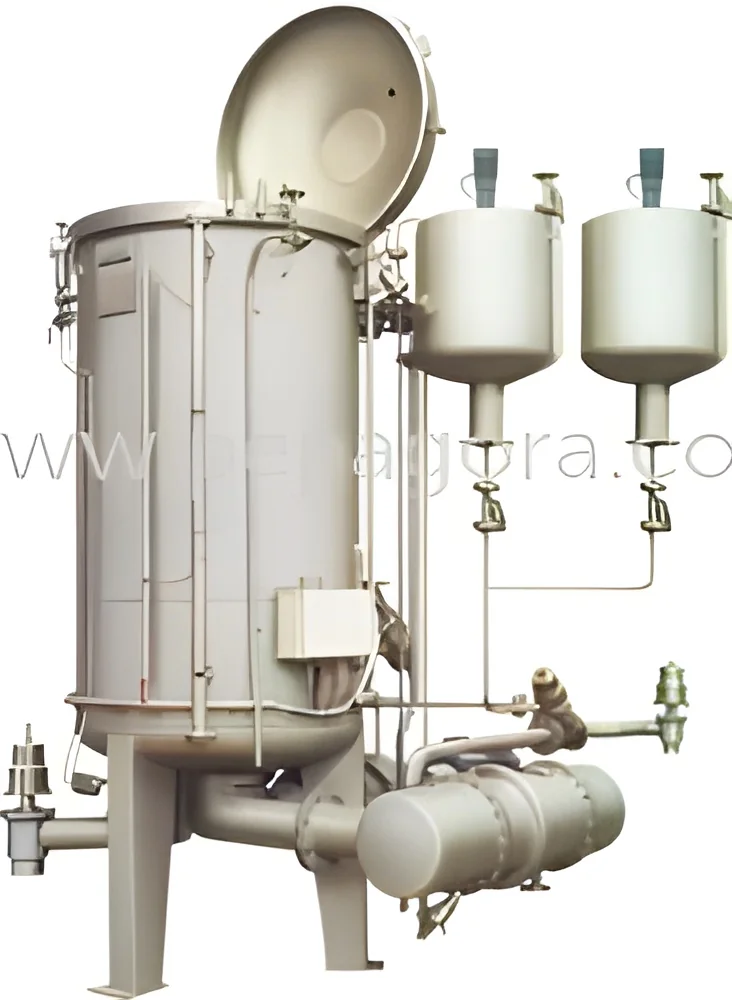
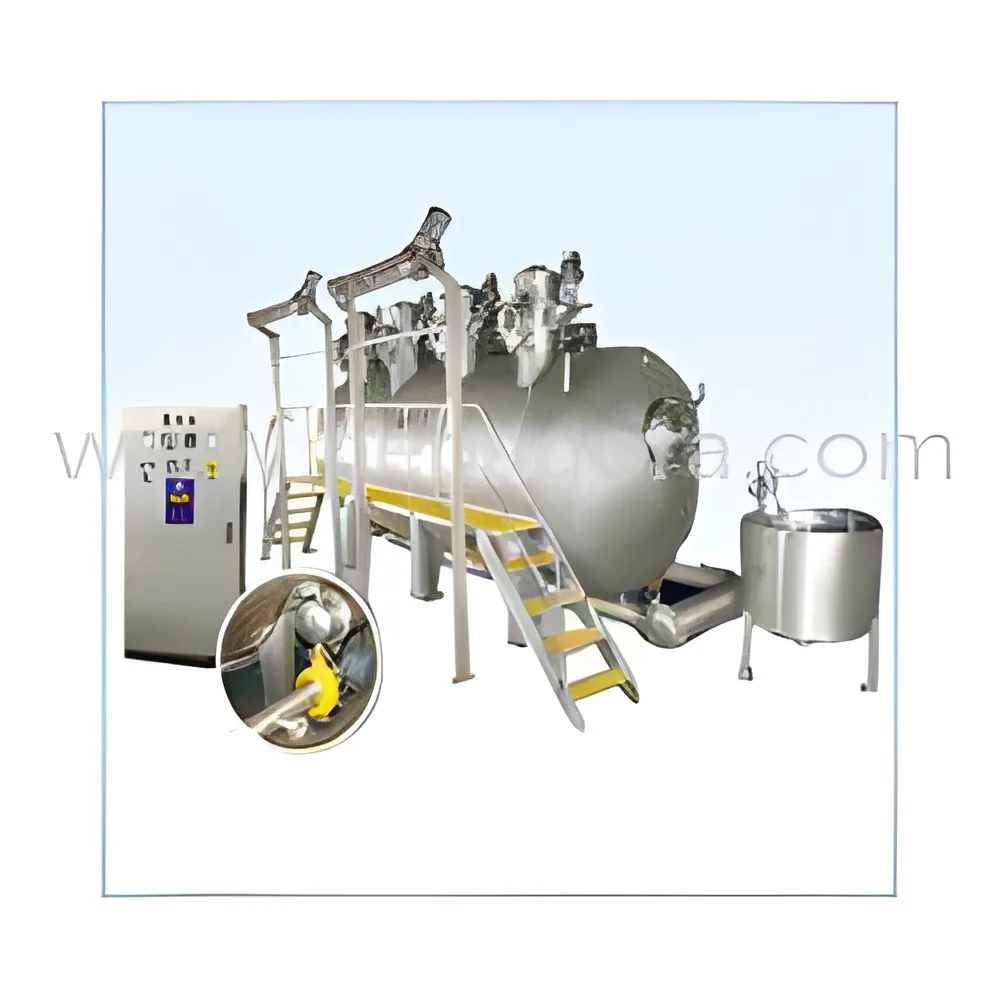
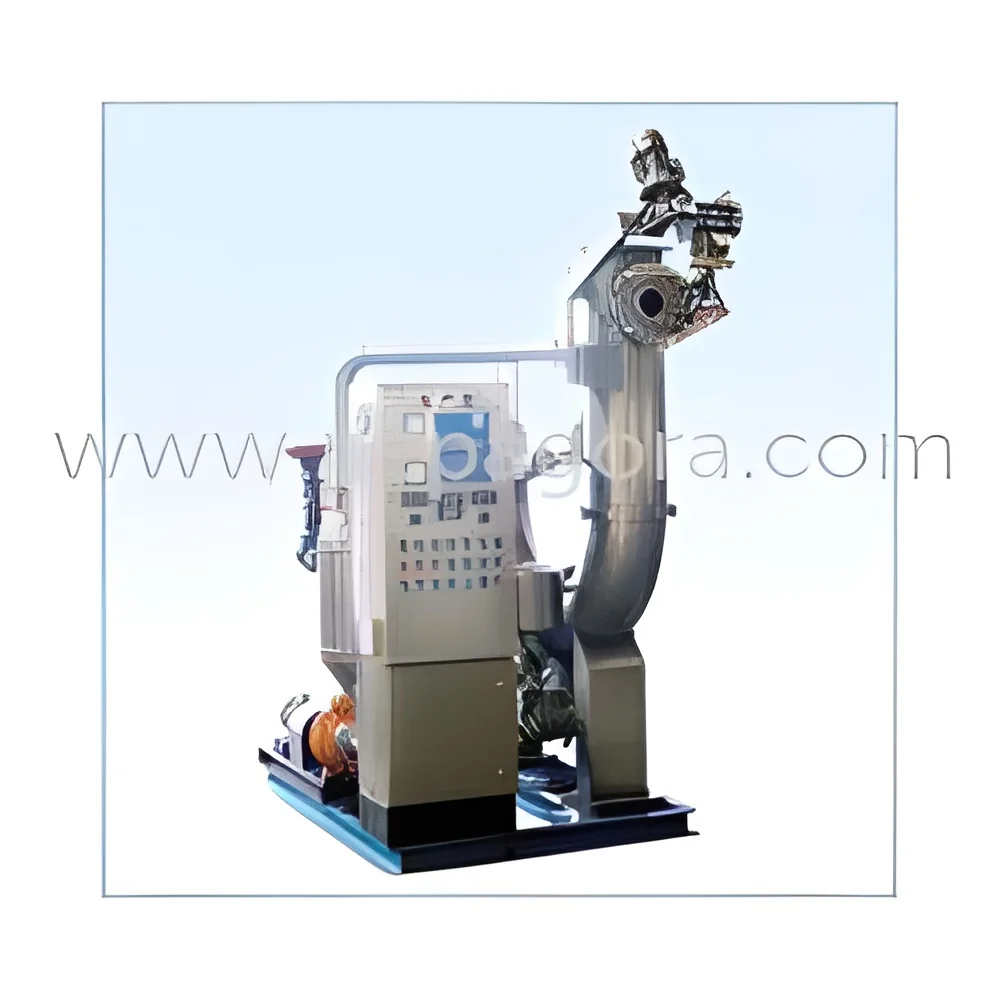
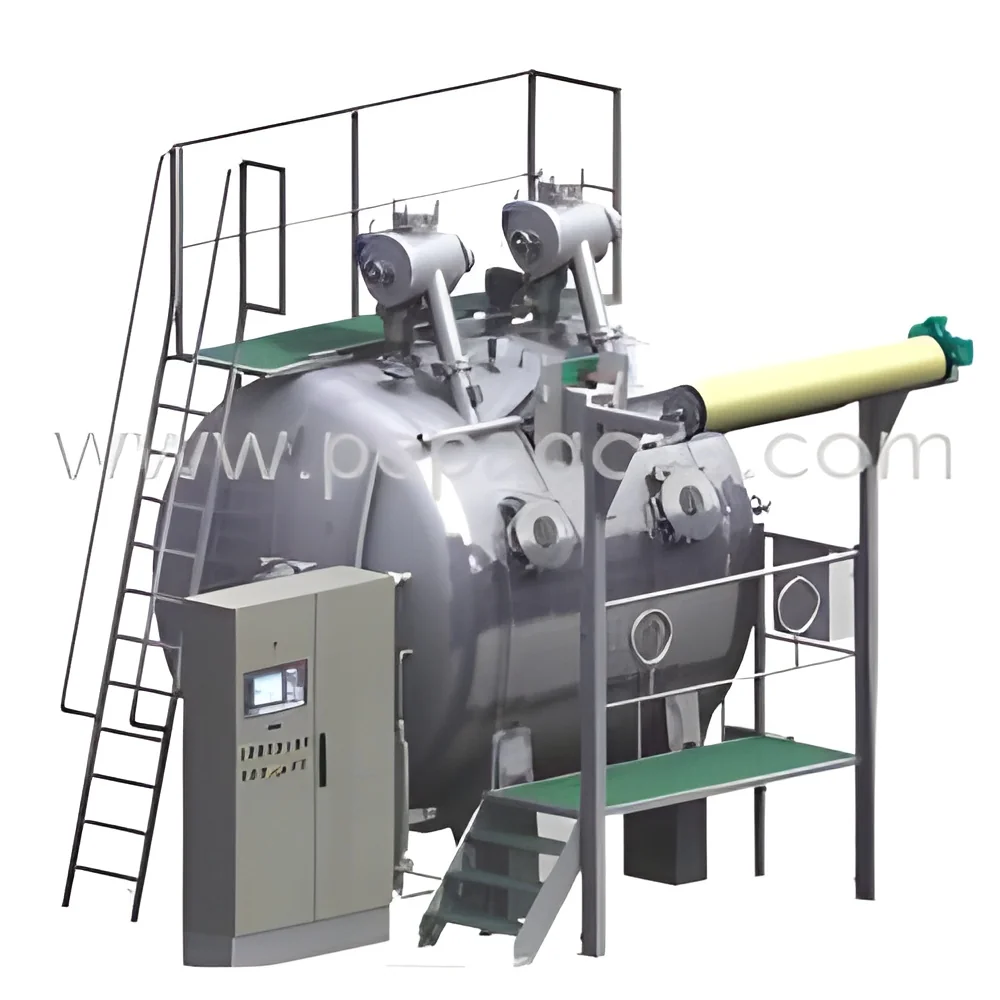
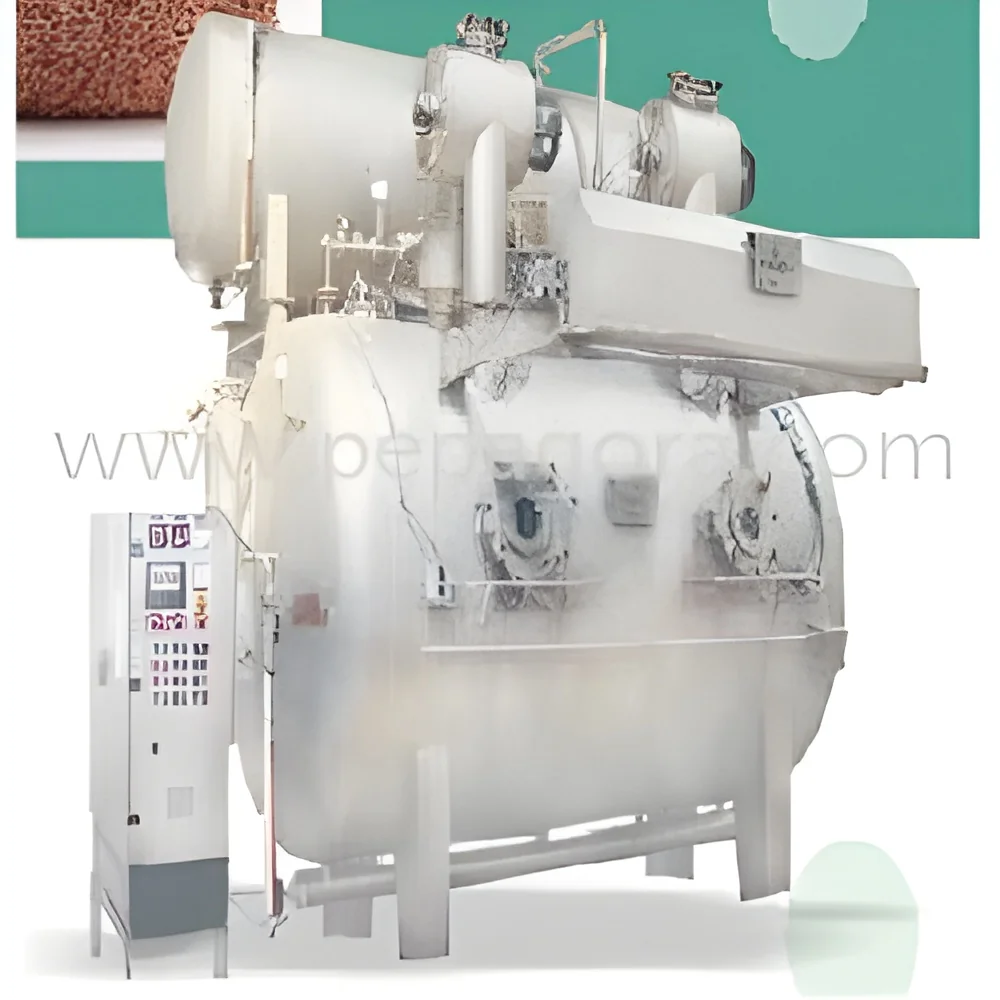
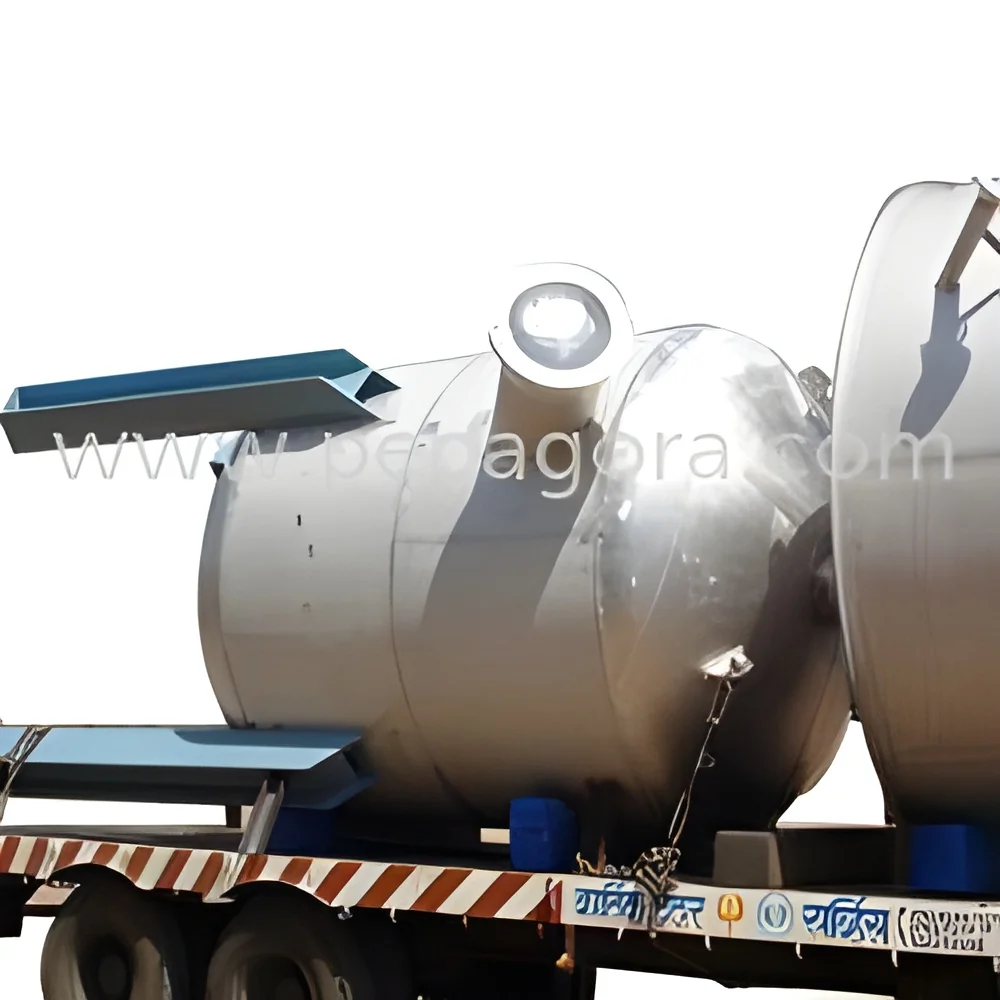
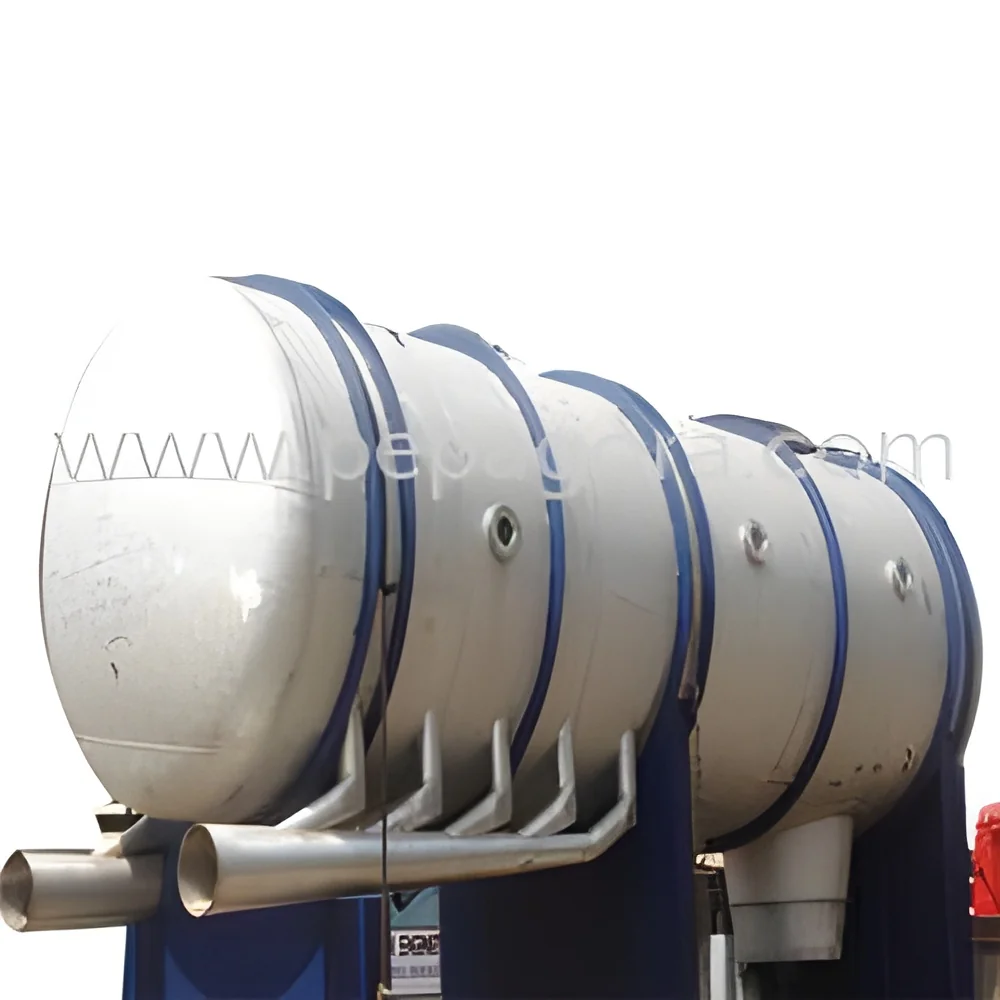
Industrial deaeration vessels are specialized equipment designed to remove dissolved and entrained gases from process liquids and fiber suspensions. These systems operate on proven principles to efficiently separate gases like oxygen, carbon dioxide, and nitrogen from liquid streams, ensuring optimal fluid purity for downstream processes. Engineered for industrial environments, they feature robust construction with materials selected for corrosion resistance and durability. The vessels are fabricated to handle specific flow rates, temperature ranges, and pressure conditions, providing a reliable solution for maintaining process efficiency and protecting equipment from gas-related damage. Their design prioritizes effective gas-liquid separation, ensuring consistent performance even with varying feed conditions and operational demands.

These vessels serve critical functions across multiple heavy industries where gas removal is essential for product quality and operational safety. In the...
Industrial deaeration vessels are specialized equipment designed to remove dissolved and entrained gases from process liquids and fiber suspensions. These systems operate on proven principles to efficiently separate gases like oxygen, carbon dioxide, and nitrogen from liquid streams, ensuring optimal fluid purity for downstream processes. Engineered for industrial environments, they feature robust construction with materials selected for corrosion resistance and durability. The vessels are fabricated to handle specific flow rates, temperature ranges, and pressure conditions, providing a reliable solution for maintaining process efficiency and protecting equipment from gas-related damage. Their design prioritizes effective gas-liquid separation, ensuring consistent performance even with varying feed conditions and operational demands.

These vessels serve critical functions across multiple heavy industries where gas removal is essential for product quality and operational safety. In the pulp and paper sector, they are integral to stock preparation, removing gases from fiber suspensions to improve sheet formation and reduce defects. Power generation facilities utilize them for boiler feedwater treatment, where oxygen removal prevents corrosion in high-pressure steam systems. Chemical processing plants rely on deaeration for purifying process streams, preventing unwanted reactions and maintaining catalyst effectiveness. The equipment's ability to perform under extreme conditions makes it suitable for continuous operation in demanding environments, supporting round-the-clock production schedules without compromising reliability or output quality.

The business value of industrial deaeration vessels lies in their contribution to operational reliability, cost reduction, and quality assurance. By effectively removing corrosive gases, they extend the service life of pumps, valves, heat exchangers, and other downstream equipment, reducing replacement frequency and maintenance expenses. Their efficient operation lowers energy consumption compared to less effective gas removal methods, contributing to overall plant efficiency. The consistent fluid quality they ensure leads to fewer product rejects and process upsets, enhancing production yield. Their durable construction minimizes unplanned downtime, supporting continuous manufacturing operations. For serious buyers, this translates to protected capital investment, predictable operating costs, and sustained production capacity, delivering a strong return on investment through improved system longevity and reduced total cost of ownership.

Key Features:
- Efficient removal of dissolved gases including oxygen from process liquids and fiber suspensions
- Robust construction designed to withstand high temperatures, pressure variations, and harsh chemical environments
- Durable fabrication using corrosion-resistant materials for long-term reliability
- Engineered for continuous operation with minimal maintenance requirements
- Effective gas-liquid separation design ensuring consistent performance across variable feed conditions

Benefits:
- Prevents corrosion in pipelines and downstream equipment, extending asset lifespan
- Enhances heat transfer efficiency in thermal systems by removing non-condensable gases
- Improves product quality and consistency by maintaining pure process fluids
- Reduces maintenance costs and unplanned downtime through reliable operation
- Lowers energy consumption compared to alternative gas removal methods
Specifications
| Additional Information | |
|---|---|
| Country of Origin | India |
Application
Industrial deaeration vessels are engineered to efficiently eliminate dissolved gases like oxygen from process water and fiber suspensions. This critical function prevents corrosion in pipelines and equipment, enhances heat transfer efficiency, and maintains consistent product quality. The removal of entrapped gases ensures smooth operations and protects sensitive downstream components from damage, reducing unexpected downtime and maintenance costs across continuous production environments.
These robust systems perform reliably under high temperatures, pressure variations, and chemically challenging conditions. Their durable construction using quality materials ensures long-term operation with minimal intervention. The design focuses on efficient gas separation and removal, making them indispensable where process integrity depends on fluid purity. They integrate seamlessly into existing plant layouts, providing a dependable solution for improving overall system efficiency and protecting valuable capital equipment.
- Pulp and paper manufacturing for deaerating fiber suspensions in stock preparation systems
- Power generation plants for treating boiler feedwater to prevent corrosion and scaling
- Chemical processing industries for purifying solvents, reagents, and process liquids
- Textile production for conditioning water used in dyeing and finishing processes
- Food and beverage processing for deaerating liquids to ensure flavor and shelf-life consistency
Trade Details
| Available Stock | In Stock |
| Sample Availability | No |
Payment Terms
| Payment Terms |
|
Company Profile
Exolloys Engineering Pvt Ltd, Maharashtra
 Maharashtra, India
Maharashtra, IndiaIndustrial Equipment & Machinery•Manufacturer•Distributor / Wholesaler•Importer / Exporter
Factory Details
Factory SizeBelow 1000 sqm
Annual Production Capacity0
Industrial Deaeration Vessels For Process Liquids And Fiber Suspensions
Industrial deaeration vessels expertly remove dissolved gases from process liquids and fiber suspensions. Built for harsh conditions in pulp, paper, power, and chemical industries with high reliability and durable construction.
Min. Order Quantity: 1 unit
Shipping
Shipping fee and delivery date to be negotiated. Contact supplier now for more details.
Exolloys Engineering Pvt Ltd
 Maharashtra, India
Maharashtra, IndiaIndustrial Equipment & MachineryManufacturer