Key Features and Specifications
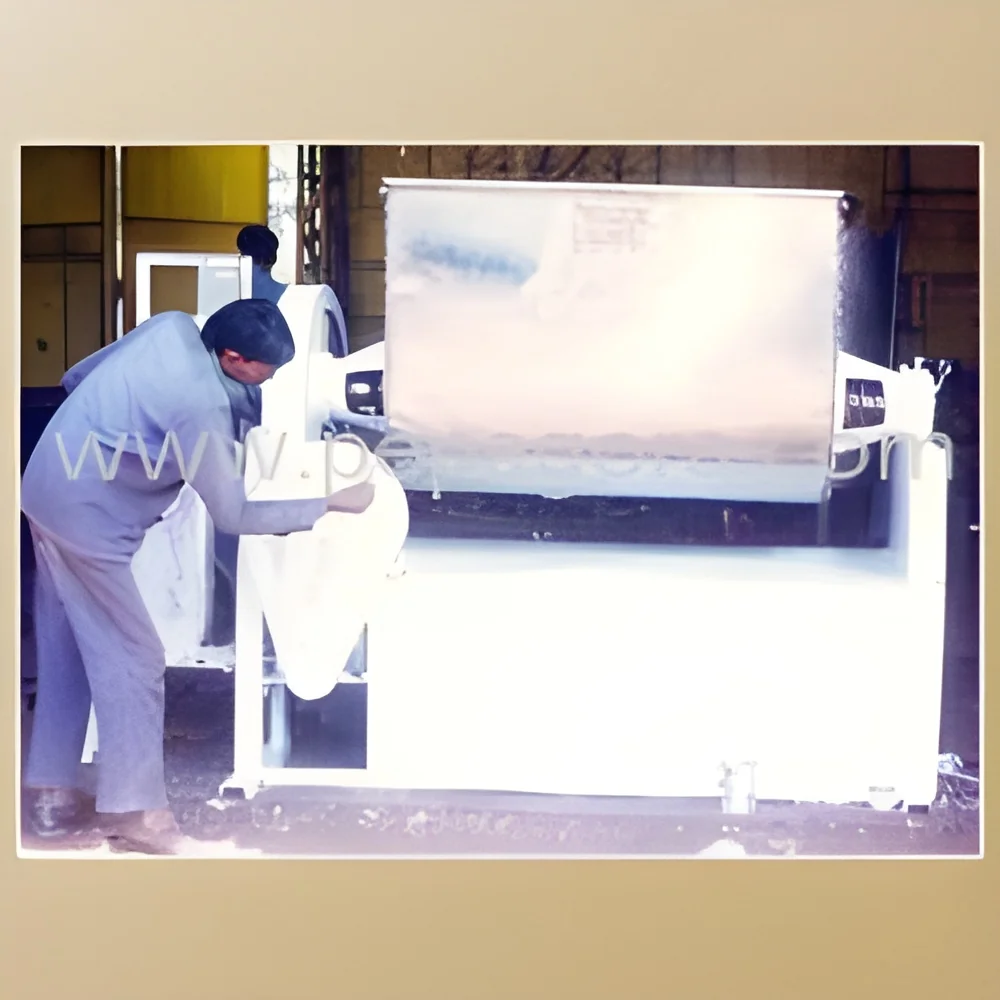
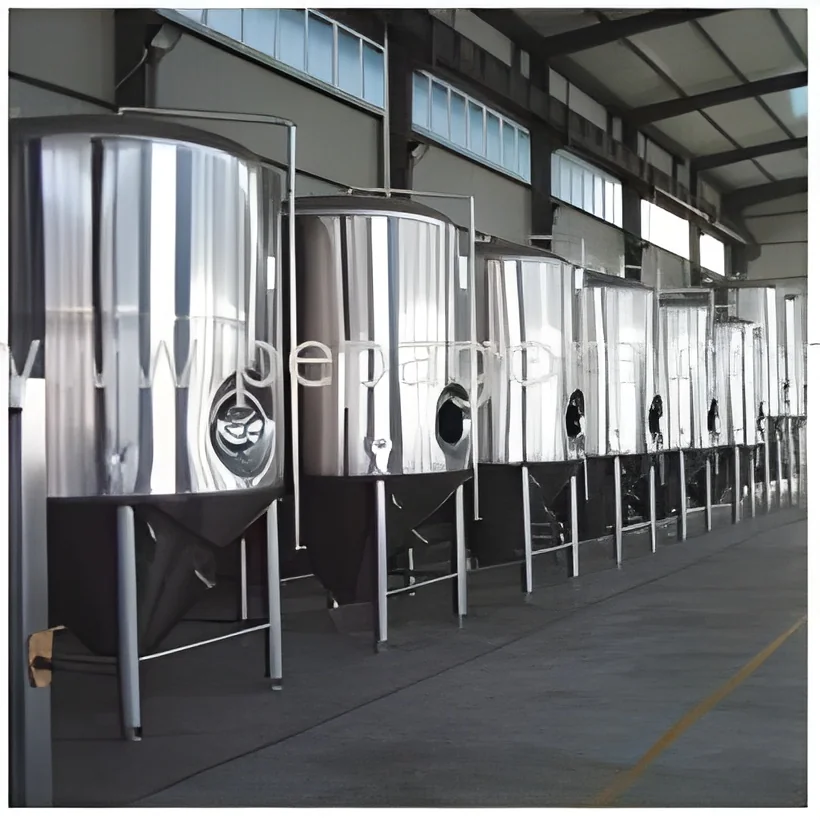
Pharma Grade Mixers (GMP) are characterized by their advanced features that meet the stringent standards of the pharmaceutical industry. These mixers are designed to provide high performance while ensuring compliance with various regulatory requirements.
Key specifications include:
1. Construction Material
- Typically made from stainless steel or other non-reactive materials
- Ensures durability and resistance to contamination
2. Mixing Capacity
- Varies based on model, ranging from small batches to large-scale production
- Capable of handling different volumes of raw material
3. Mixing Mechanism
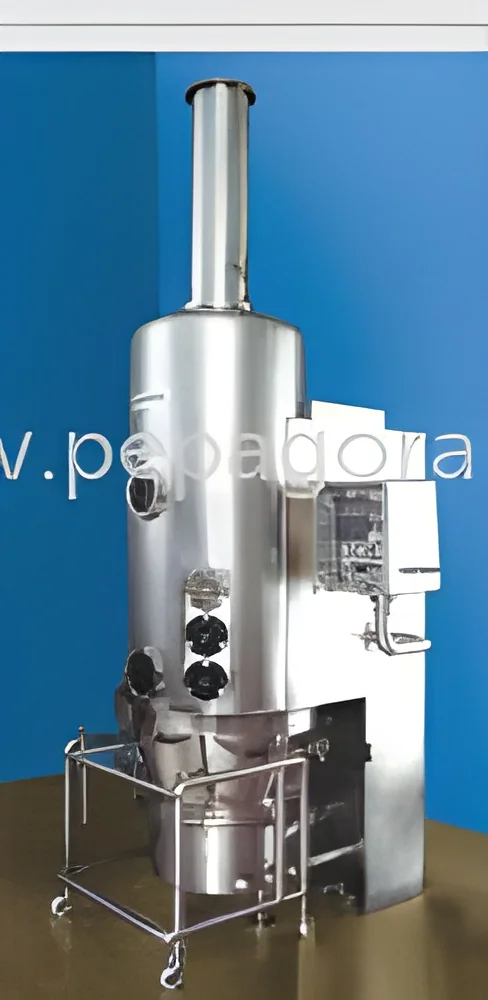
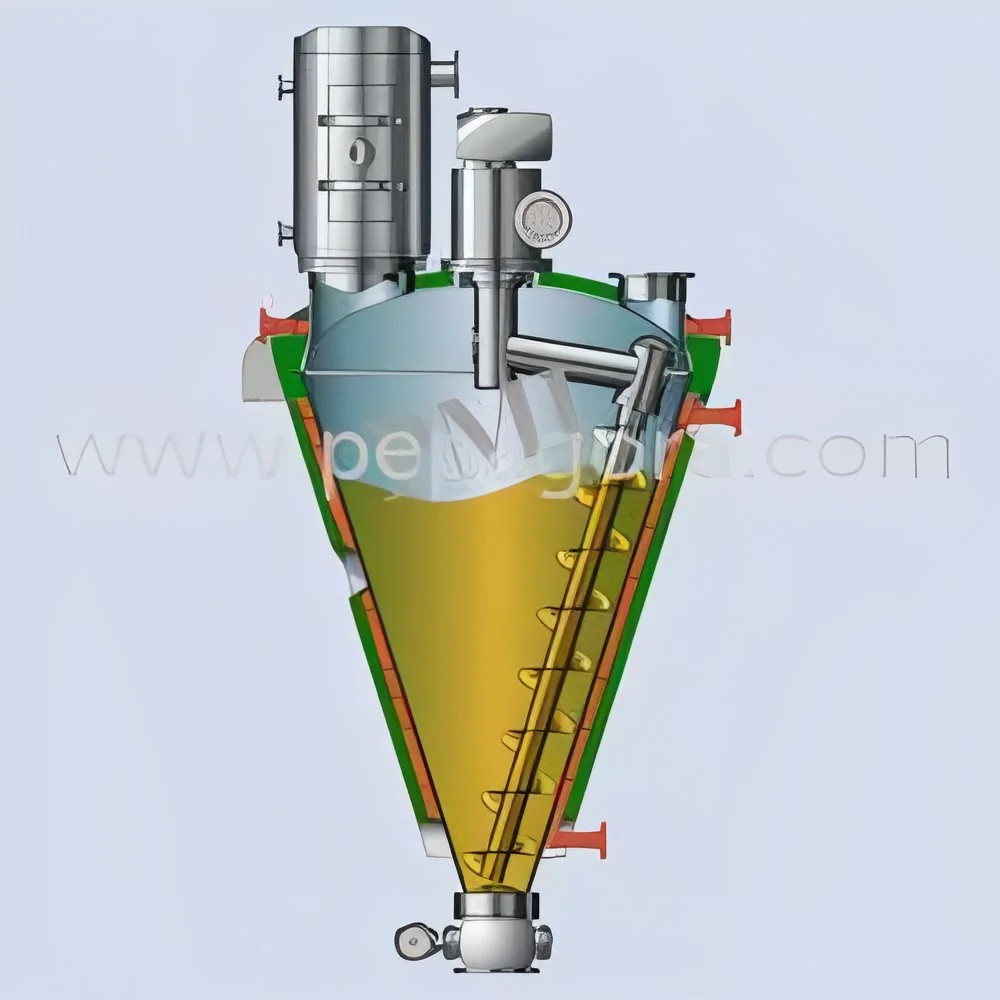
- Incorporates various technologies such as ribbon blades, paddle mixers, or high-shear mixers
- Provides efficient blending of diverse product formulations
4. Control Systems
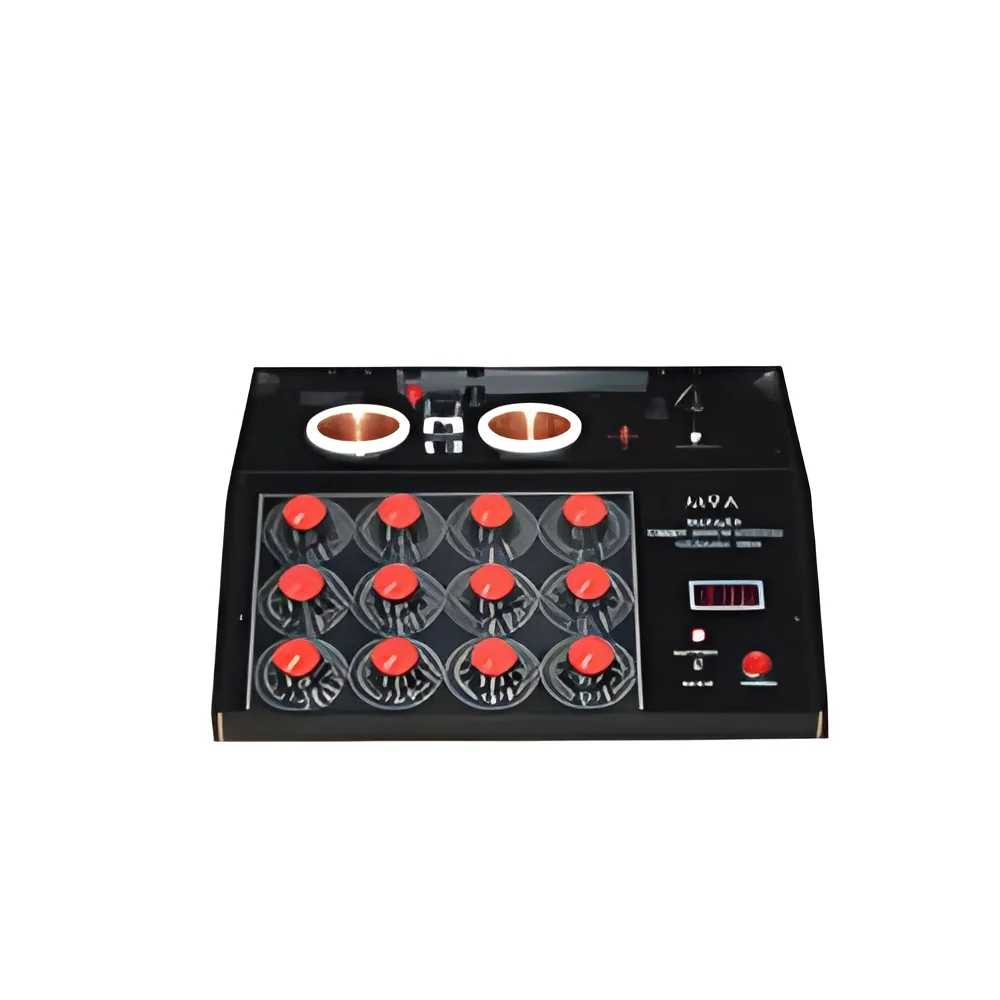
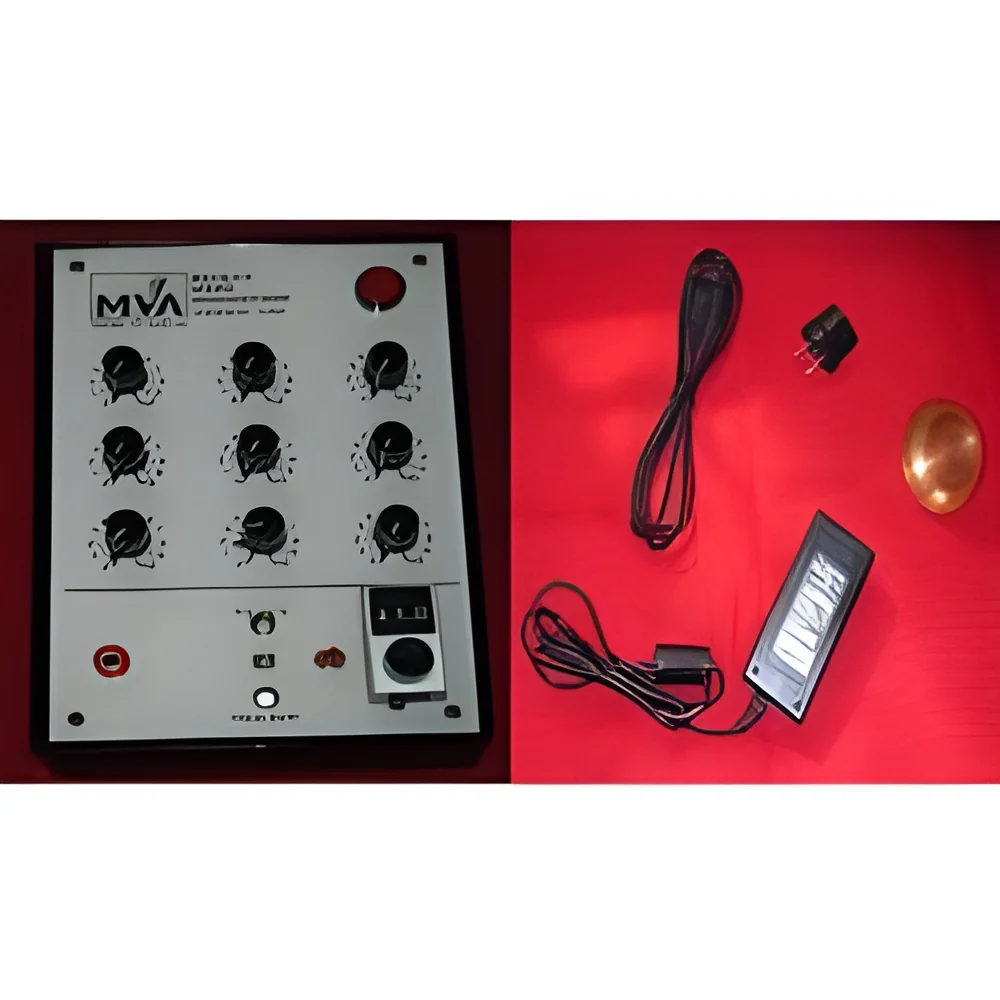
- Equipped with advanced digital controls for precise mixing parameters
- Facilitates monitoring of speed, time, and temperature
5. Cleanability
- Designed for easy disassembly and cleaning
- Meets hygiene standards to prevent cross-contamination
6. Compliance with Standards
- Adheres to industry certifications such as CE
- Meets Good Manufacturing Practices (GMP) requirements
7. Customization Options
- Available in various designs to suit specific production needs
- Can be tailored to accommodate unique mixing requirements
8. Safety Features
- Includes safeguards such as overload protection and emergency shut-off
- Ensures operator safety during operation
These specifications highlight the importance of selecting a Pharma Grade Mixer that aligns with production needs and regulatory demands.
Common Applications and Use Cases
Pharma Grade Mixers (GMP) find extensive applications across multiple sectors within the pharmaceutical industry. Their versatility allows them to cater to various production requirements.
1. Pharmaceutical Manufacturing: Used for mixing APIs with excipients to create uniform formulations for tablets, capsules, and syrups.
2. Biotechnology: Essential in the preparation of biologics and biopharmaceuticals, where precise blending is crucial for product efficacy.
3. Nutraceuticals: Employed in the formulation of dietary supplements, ensuring even distribution of active ingredients.
4. Veterinary Medicine: Utilized in the production of veterinary drugs and supplements, requiring stringent quality control.
5. Cosmetics: Applied in the formulation of cosmetic products, where consistent texture and quality are vital.
6. Food and Beverage: Used in pharmaceutical food products that require adherence to safety and quality standards.
7. Research and Development: Ideal for small-scale mixing in R&D laboratories, facilitating the development of new drug formulations.
These applications showcase the critical role of Pharma Grade Mixers in ensuring product quality and compliance across various industries.
Product Variants and Subcategories
Pharma Grade Mixers (GMP) come in a variety of configurations to meet diverse mixing needs. Each variant offers unique features tailored for specific applications.
High-Shear Mixers
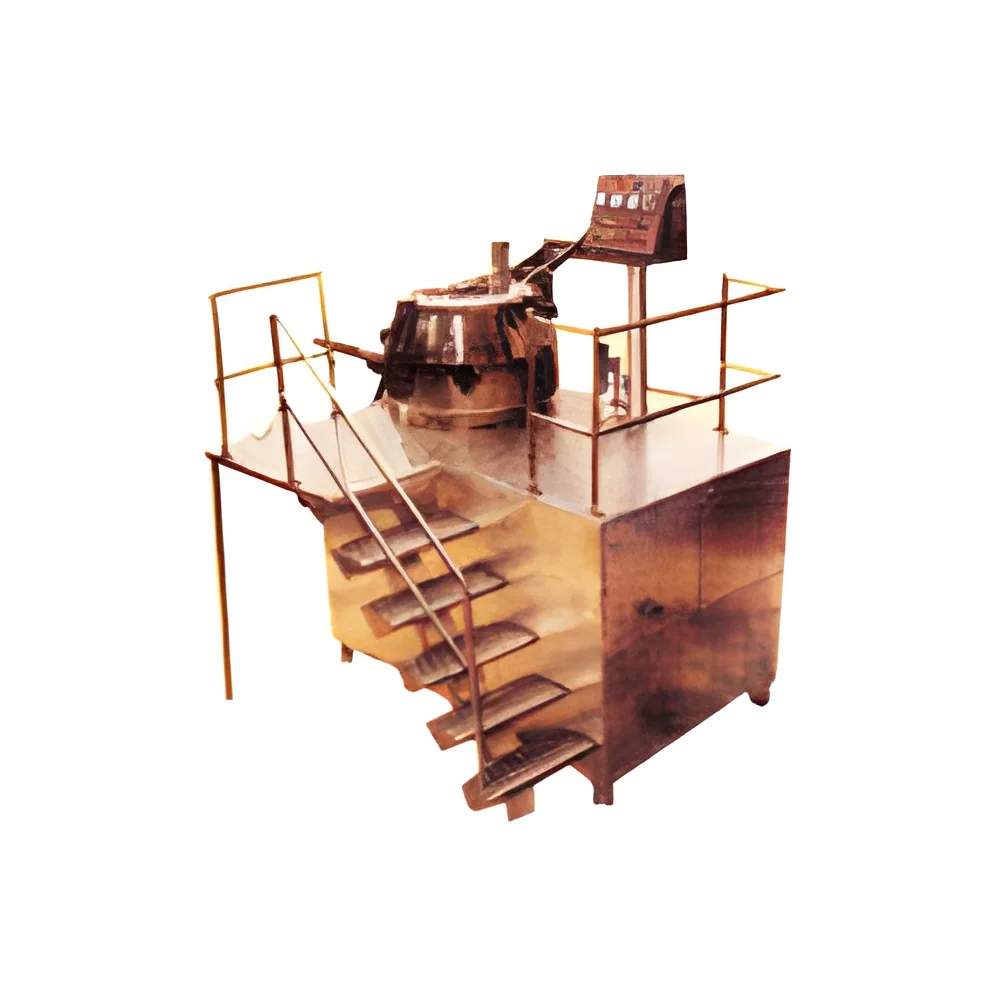
These mixers are designed for applications requiring intense mixing and dispersion. They are ideal for producing emulsions and suspensions, ensuring uniformity in high-viscosity products.
Ribbon Mixers
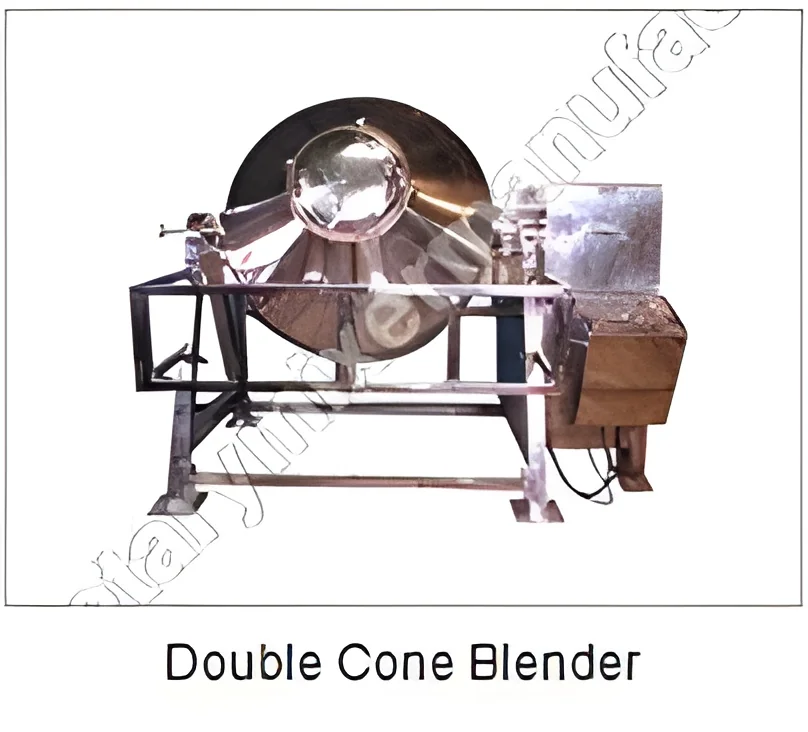
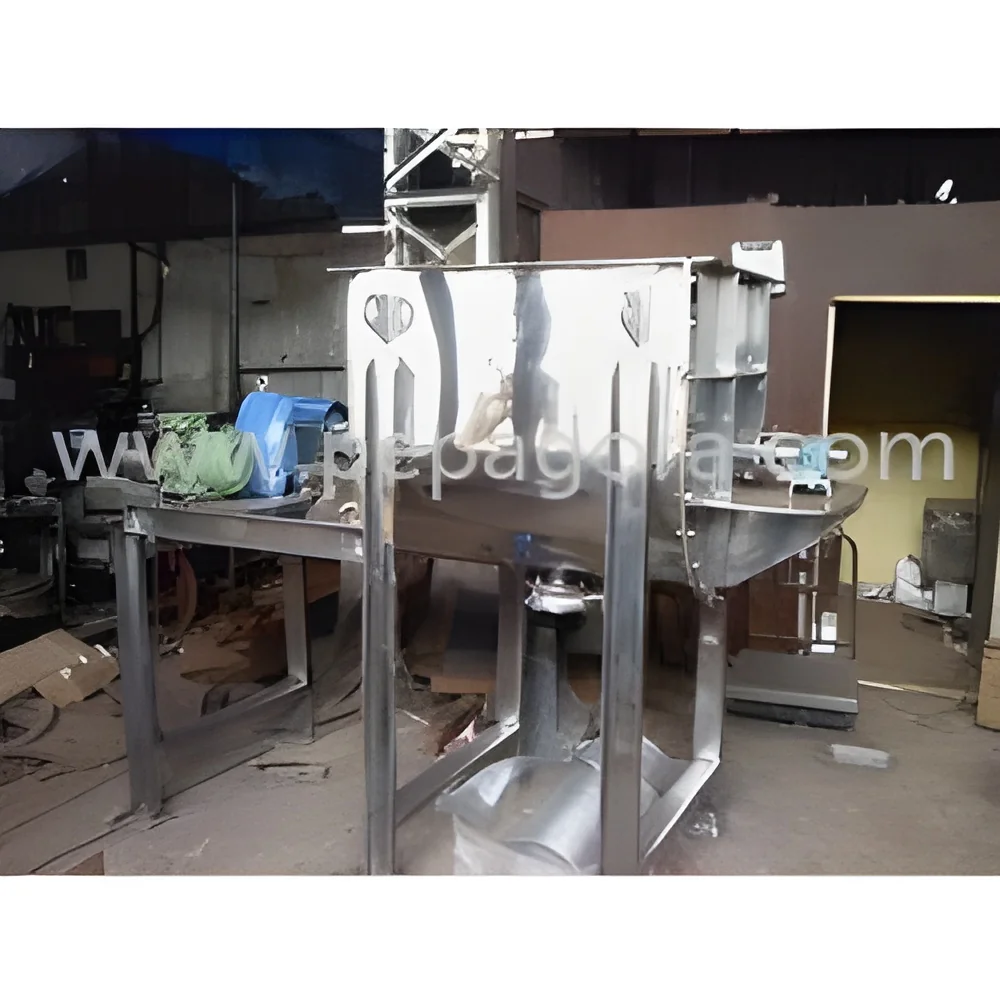
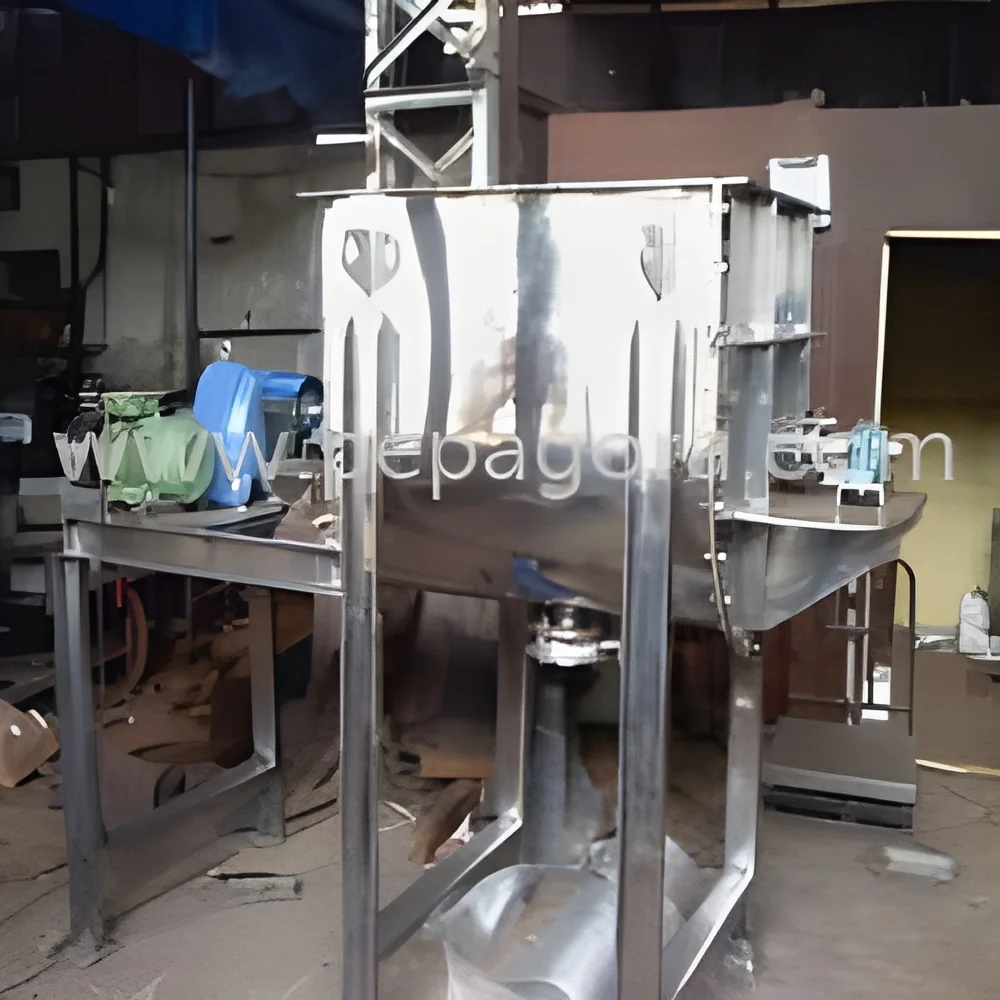
Ribbon mixers provide effective blending for powders and granules. Their design allows for thorough mixing while minimizing the risk of product degradation, making them suitable for a wide range of pharmaceutical applications.
Batch Mixers
Batch mixers are employed for specific production runs, allowing for flexibility in manufacturing processes. They are commonly used in small to medium-scale operations, providing efficient mixing capabilities.
Continuous Mixers
These mixers are designed for large-scale production, offering streamlined processes for ongoing mixing requirements. They are effective for high-volume applications while maintaining product consistency.
Benefits and Advantages
Pharma Grade Mixers (GMP) provide numerous benefits that enhance production efficiency and product quality in the pharmaceutical industry.
1. Enhanced Product Quality: Ensures uniform mixing of ingredients, leading to consistent product quality and efficacy.
2. Compliance Assurance: Meets stringent regulatory standards, helping manufacturers avoid compliance issues.
3. Increased Efficiency: Streamlined mixing processes reduce production times and improve operational efficiency.
4. Versatility: Capable of handling various formulations and batch sizes, accommodating diverse production needs.
5. Improved Safety: Designed with safety features to protect operators and minimize risks during operation.
6. Cost-Effectiveness: Optimized mixing solutions can reduce waste and lower overall production costs.
These advantages make Pharma Grade Mixers a valuable investment for businesses seeking to enhance their manufacturing capabilities.
Buying Guide for B2B Buyers
When sourcing Pharma Grade Mixers (GMP), it is crucial for B2B buyers to consider various factors to ensure they select the right equipment for their needs.
1. Quality Assessment: Evaluate the quality of mixers by reviewing certifications and compliance with industry standards. Look for mixers that adhere to GMP guidelines.
2. Supplier Verification: Vet potential suppliers to ensure they have a proven track record of providing reliable and efficient mixers. Checking customer reviews and references can be beneficial.
3. Pricing and MOQ: Understand the pricing structure and minimum order quantity (MOQ) requirements. Compare costs across suppliers to make informed purchasing decisions.
4. Delivery and Lead Times: Inquire about logistics and delivery schedules to ensure timely procurement of mixers, especially for production deadlines.
5. Compliance Requirements: Ensure that the mixers meet all regulatory and compliance requirements specific to the pharmaceutical industry in your region.
This guide will help buyers make informed choices when investing in Pharma Grade Mixers.
Compliance and Certifications
Pharma Grade Mixers (GMP) are subject to rigorous compliance and certification standards to ensure product quality and safety. Key quality standards include ISO 9001, which focuses on maintaining quality management systems, and HACCP, which emphasizes food safety and risk management.
In addition, mixers must comply with Good Distribution Practices (GDP) to ensure the integrity of pharmaceutical products throughout the supply chain. Certifications such as CE indicate that the products meet European safety and health requirements.
Safety testing is a critical component of the manufacturing process, and mixers should undergo thorough evaluations to ensure they meet industry safety standards. Furthermore, regional compliance considerations may vary, requiring manufacturers to stay informed about local regulations.
Adhering to these compliance and certification requirements is essential for companies looking to maintain their reputation and ensure the safety of their products.
Why Source Pharma Grade Mixers (GMP) from Pepagora?
Pepagora offers a reliable platform for sourcing Pharma Grade Mixers (GMP) with several key advantages that cater to the needs of B2B buyers.
Verified Supplier Network: Pepagora connects buyers with a network of verified suppliers, ensuring that all listed manufacturers meet high standards of quality and compliance.
Streamlined RFQ Process: The platform features a straightforward request for quotation (RFQ) system that allows buyers to easily compare offers from multiple suppliers, saving time and effort in the sourcing process.
Trade Assurance and Support: Pepagora provides trade assurance and support to buyers, helping to protect their investments and ensure that transactions are secure and reliable.
Regional Coverage: With a focus on geographic regions such as India, the GCC, and Southeast Asia, Pepagora ensures that buyers can access a diverse range of suppliers and products tailored to their specific needs.
These advantages make Pepagora an ideal choice for businesses looking to source high-quality Pharma Grade Mixers efficiently and effectively.

 IN
IN