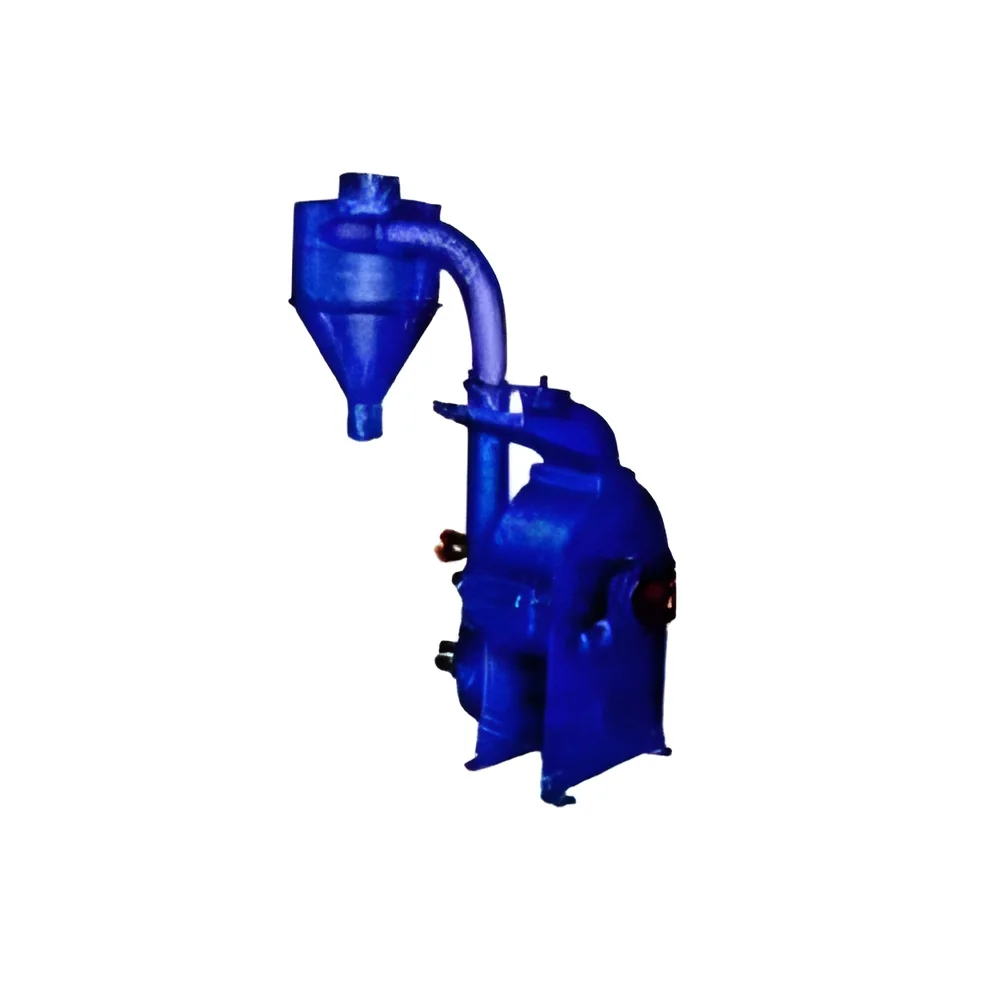
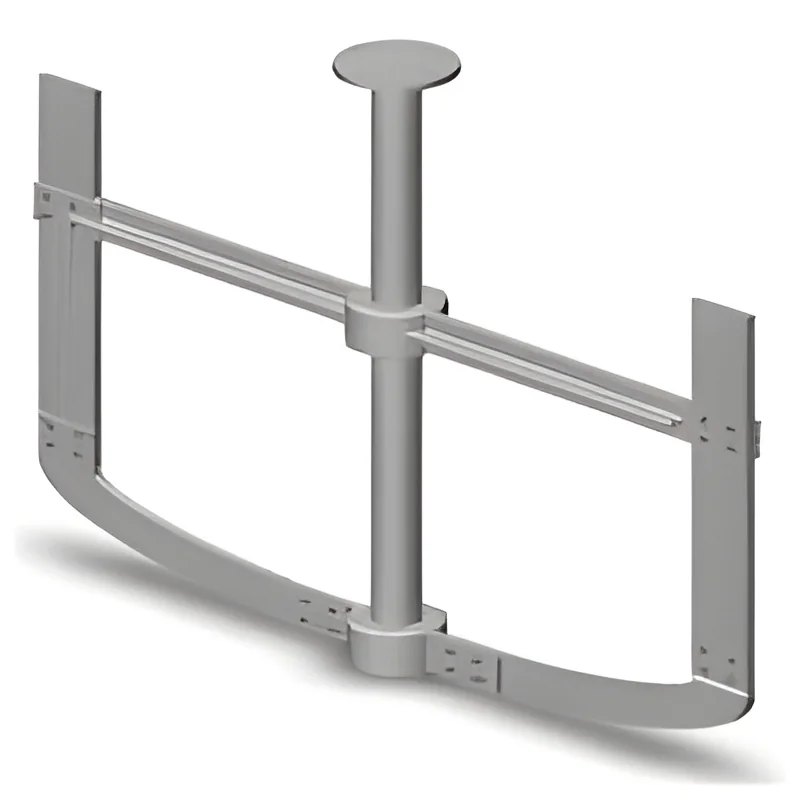
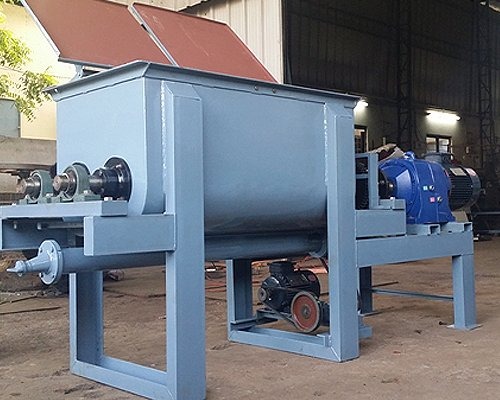
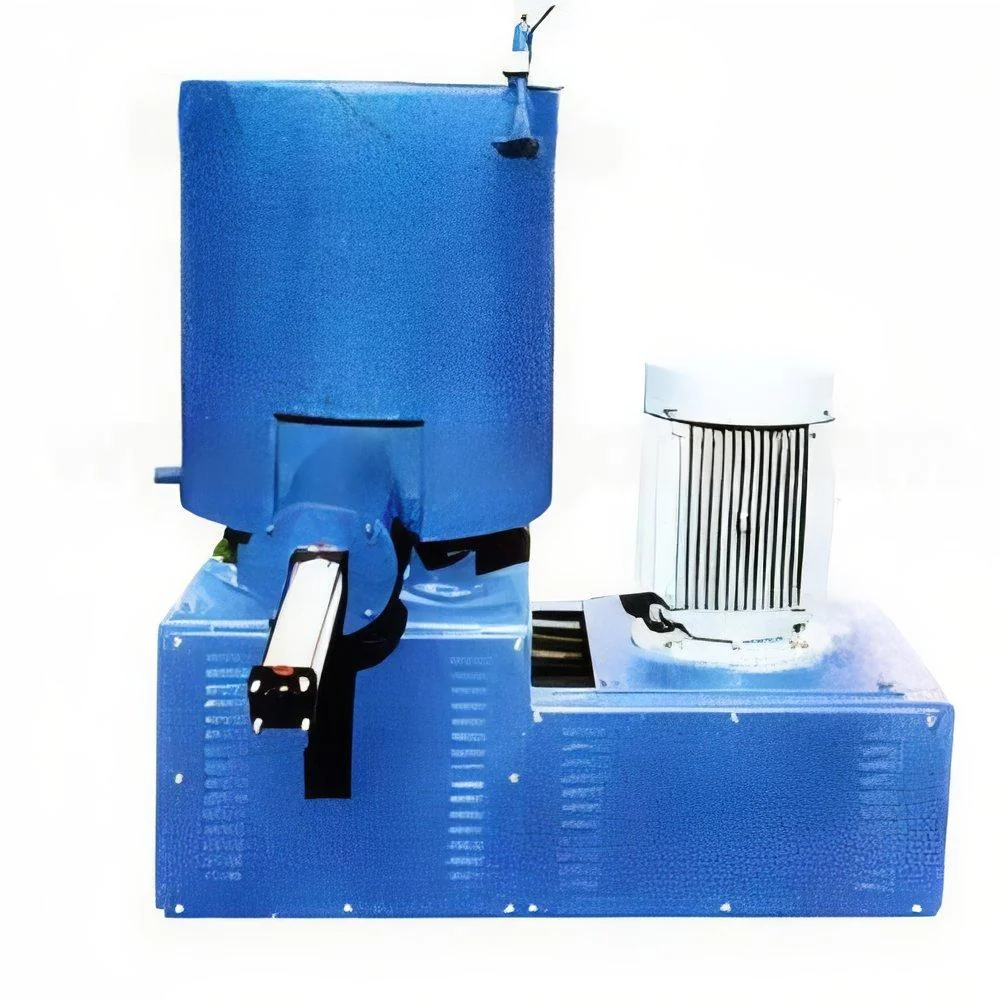
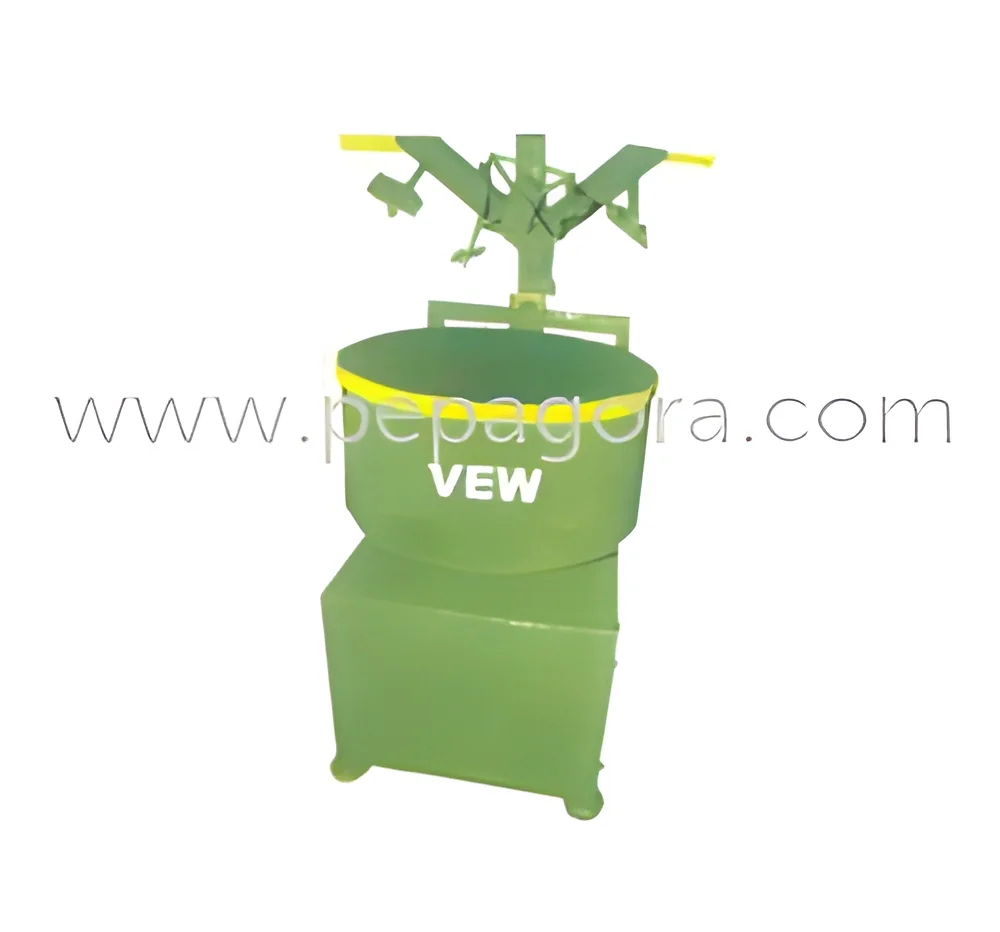
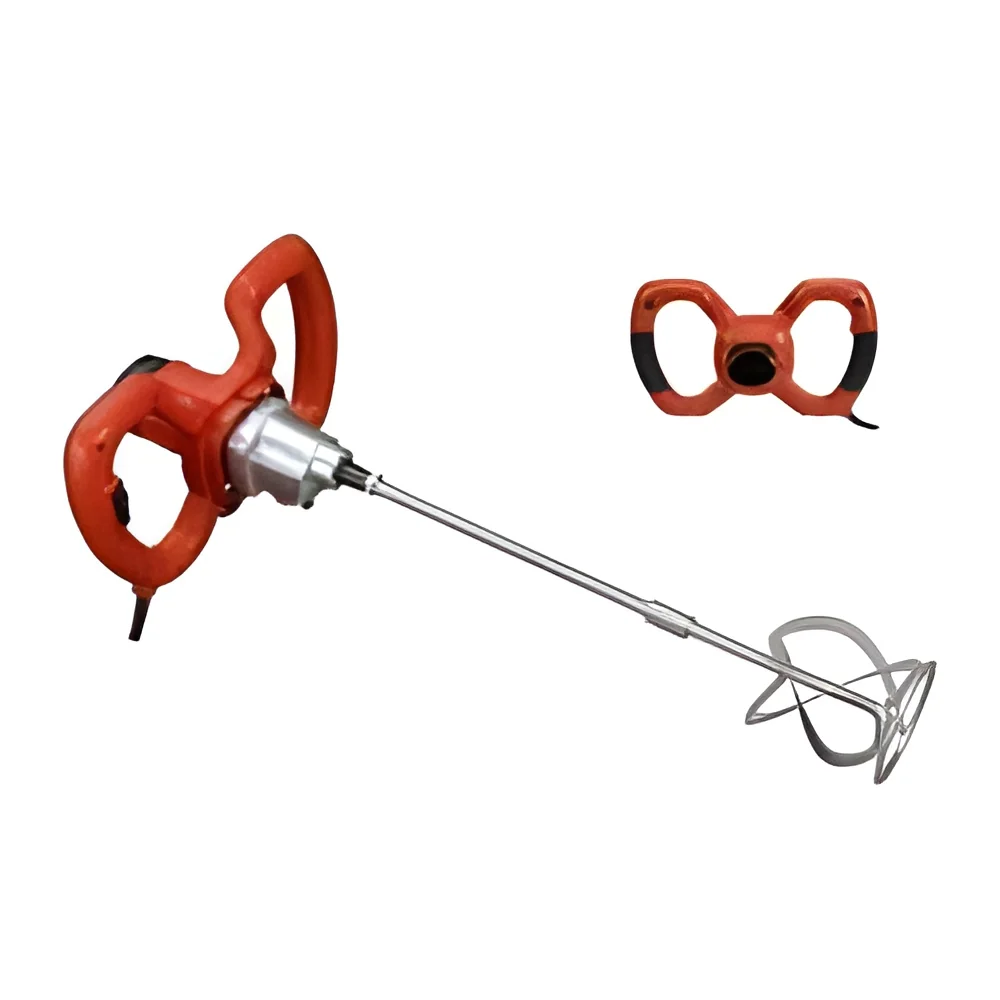
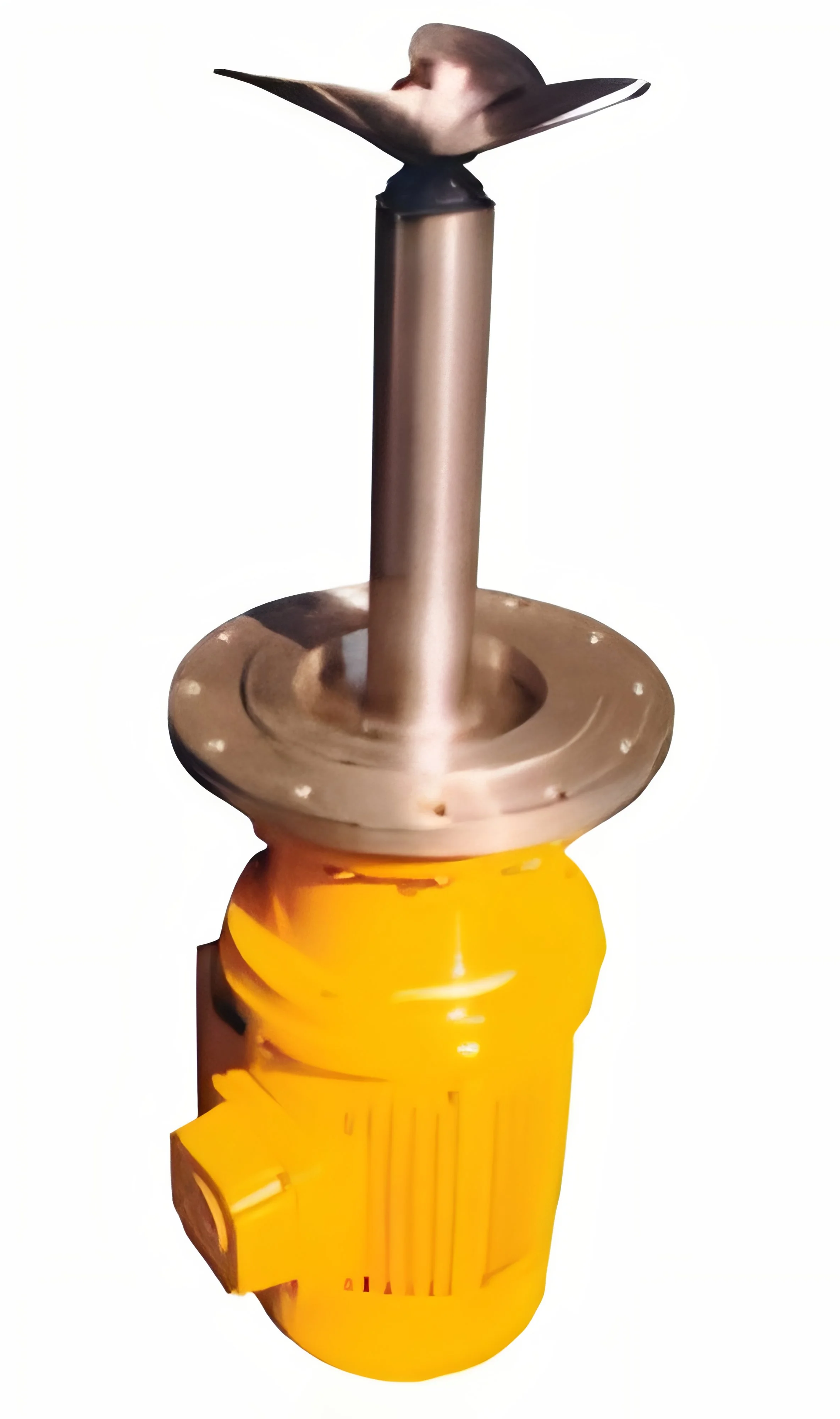
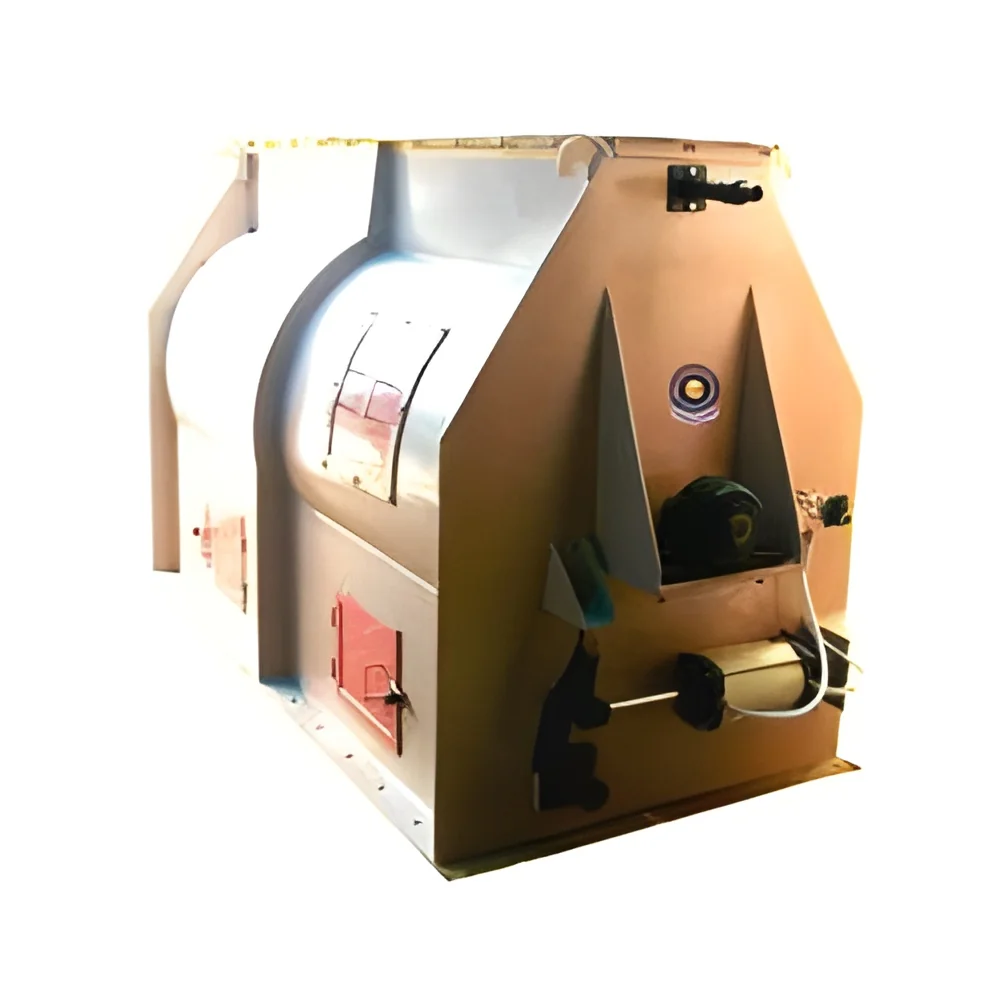
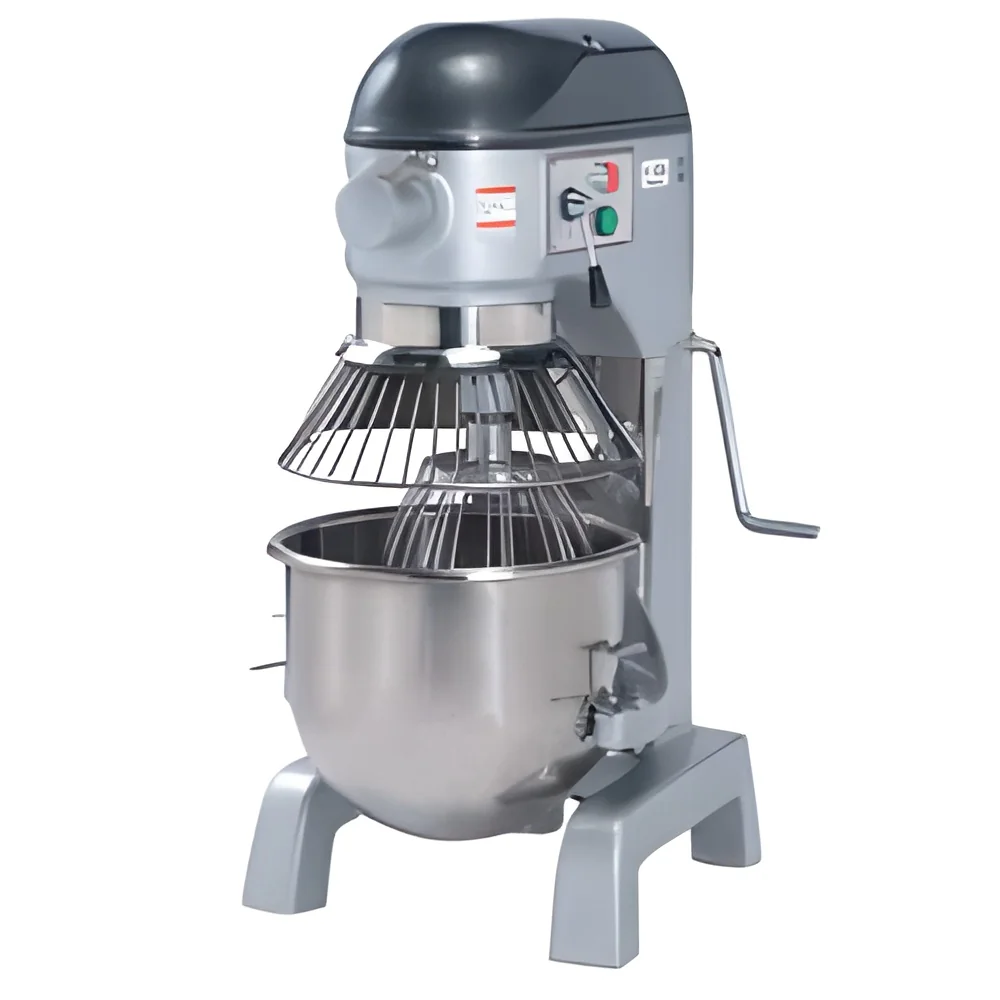
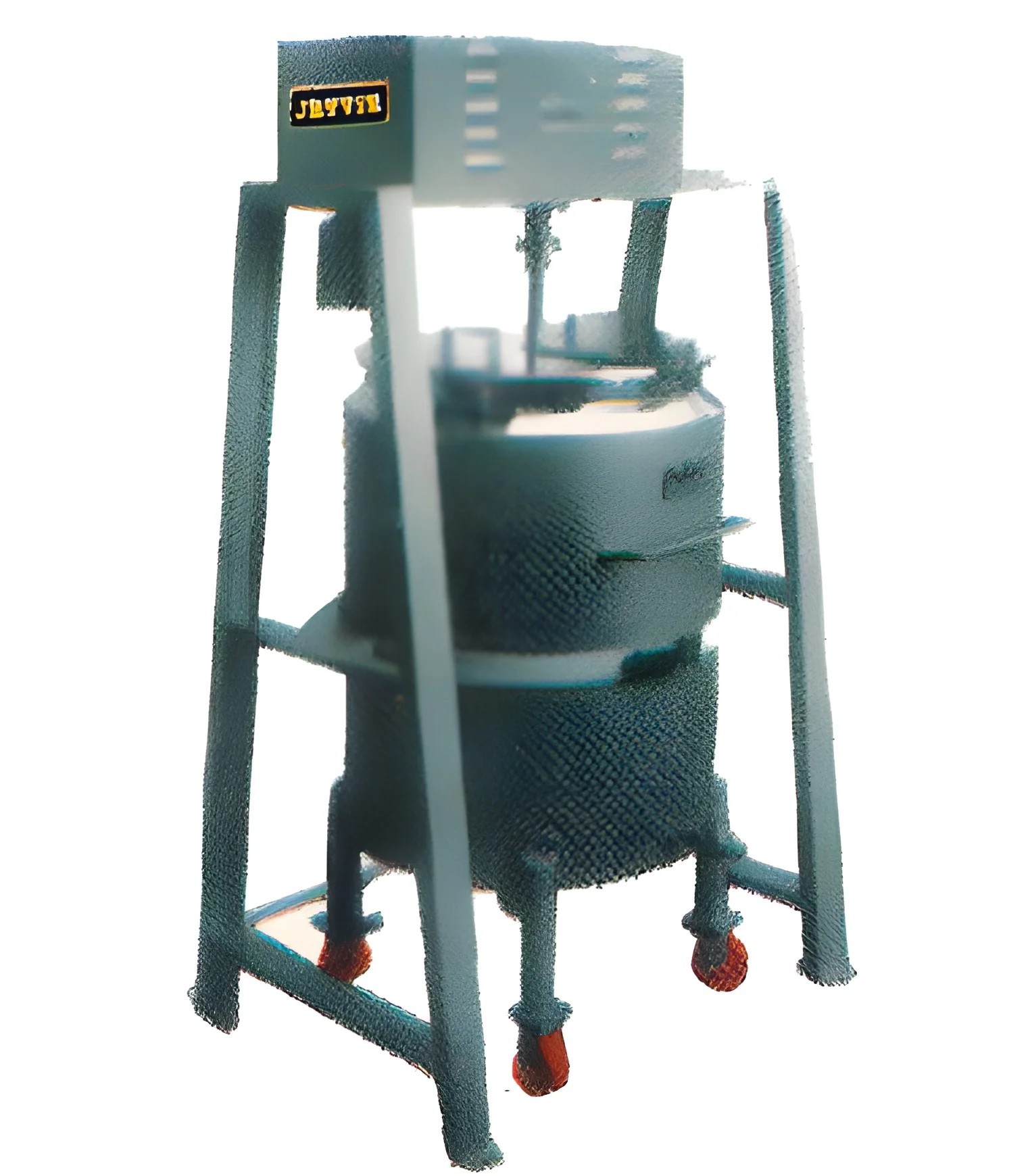
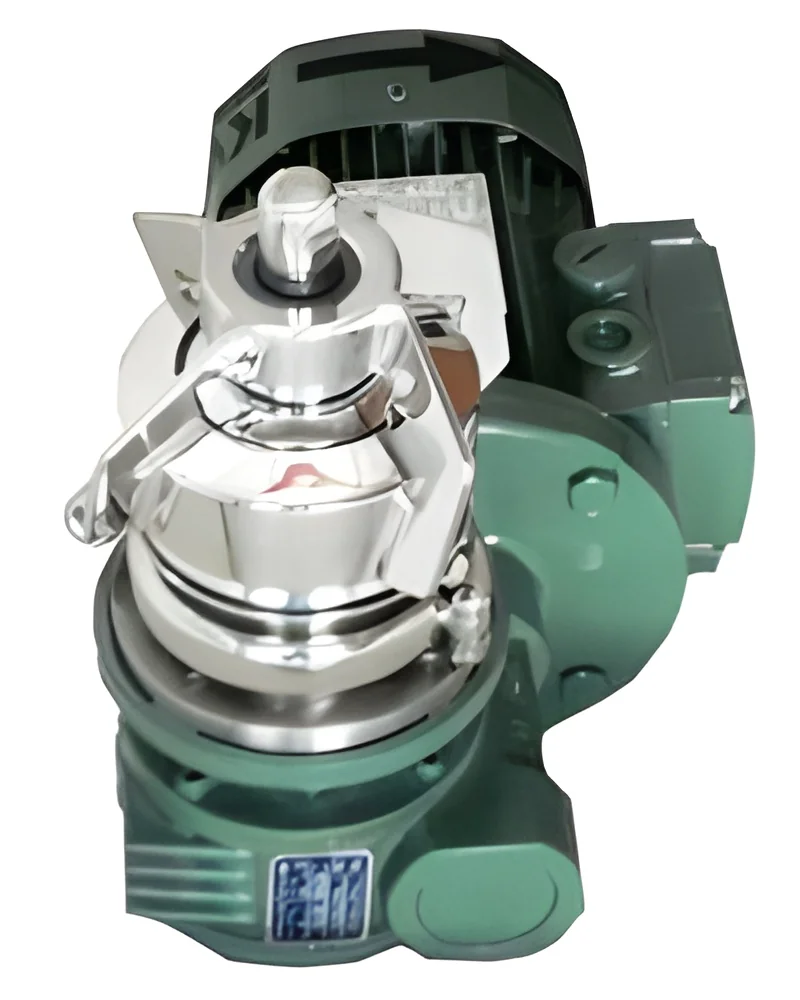
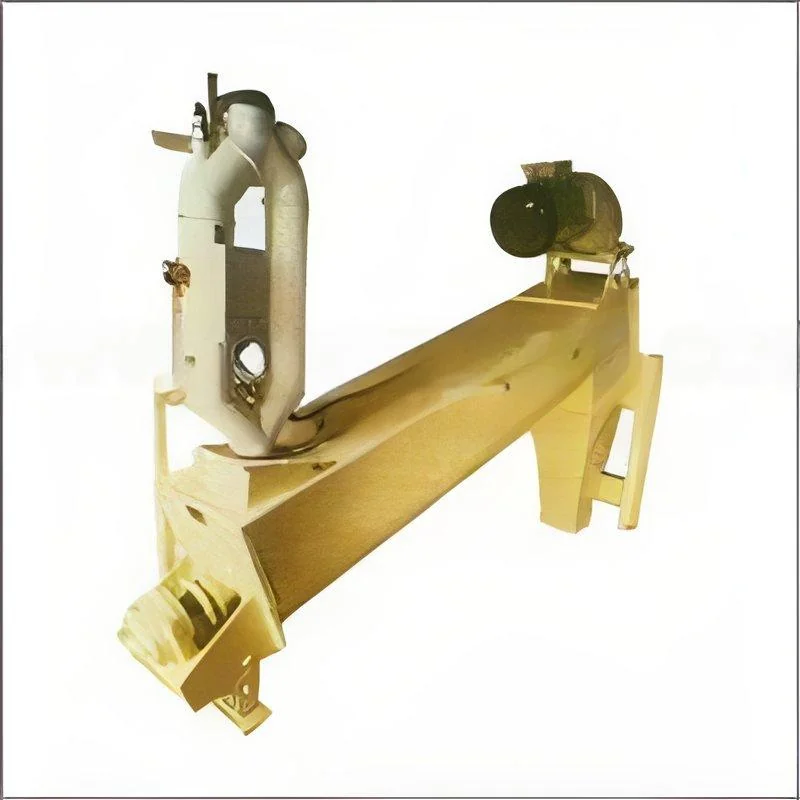
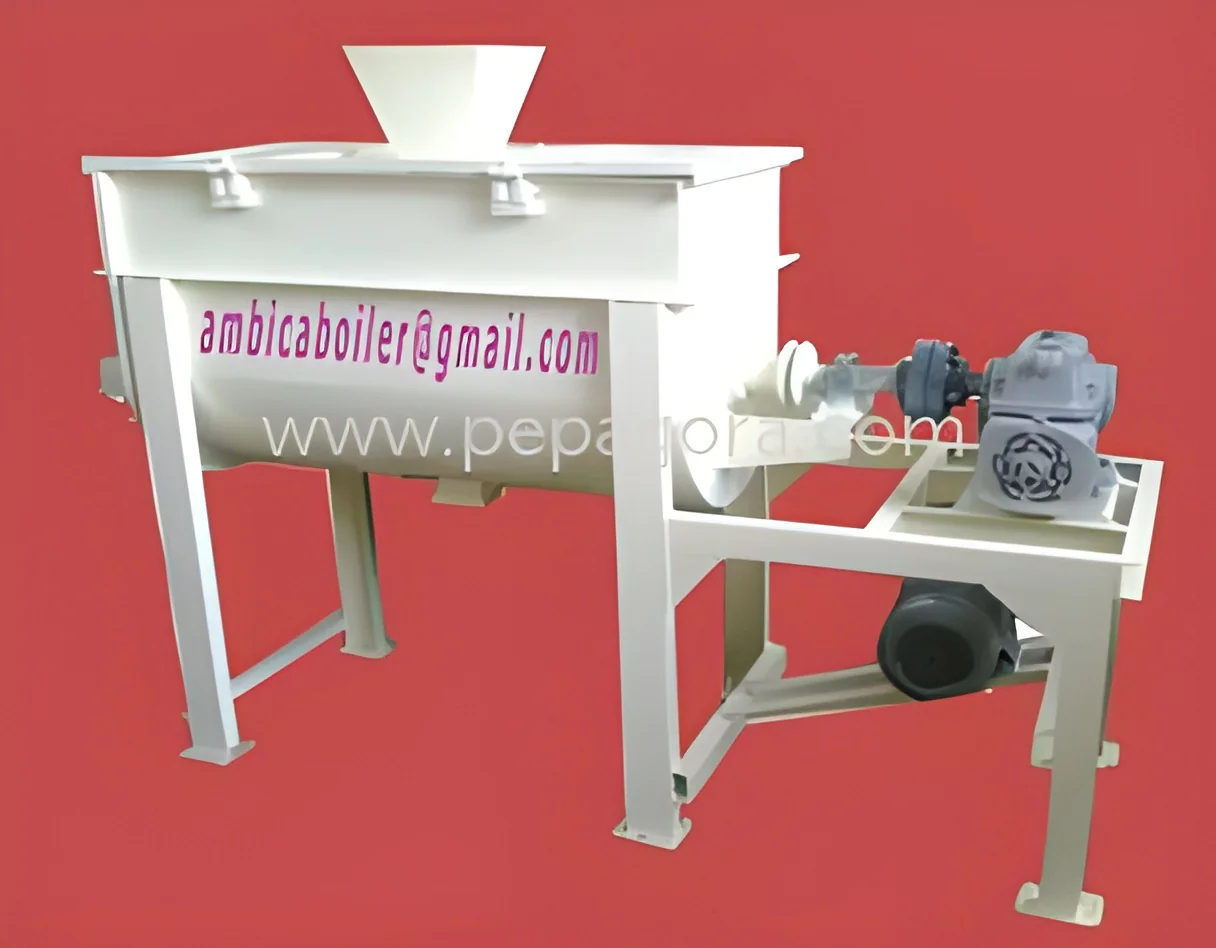
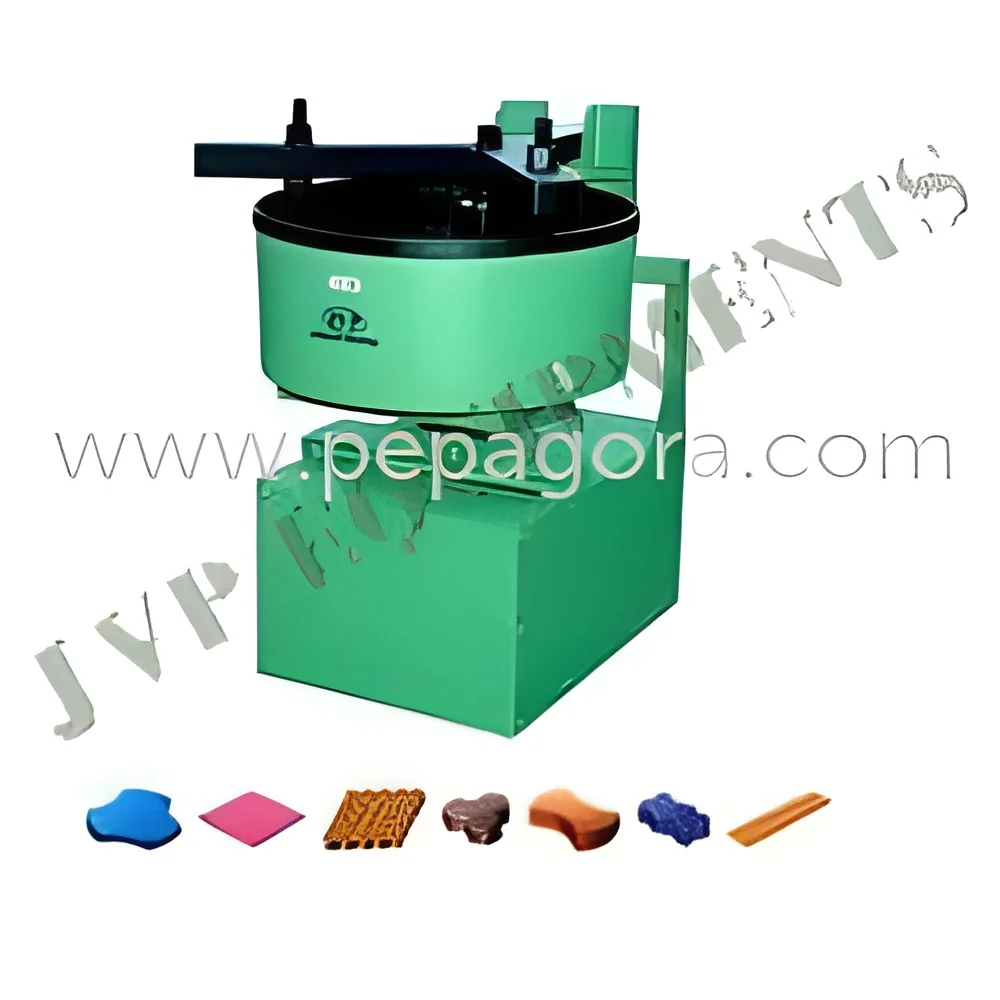
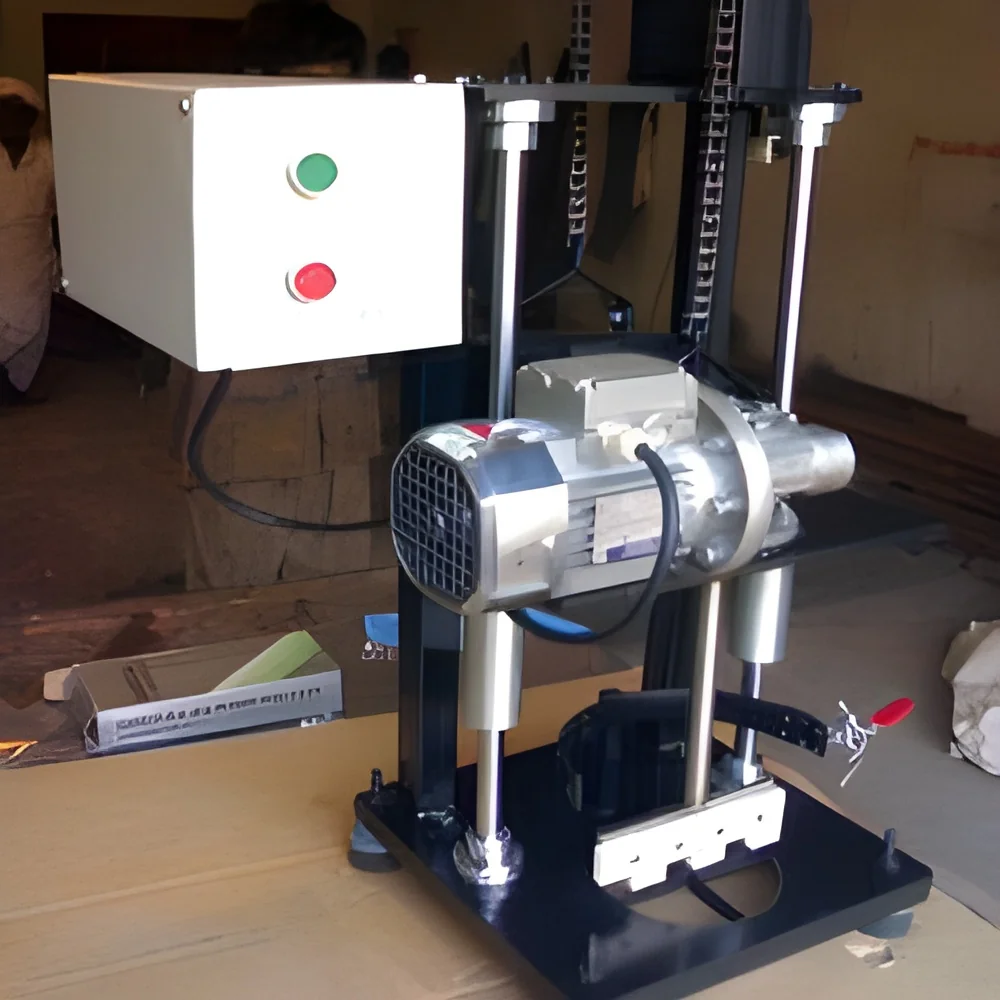
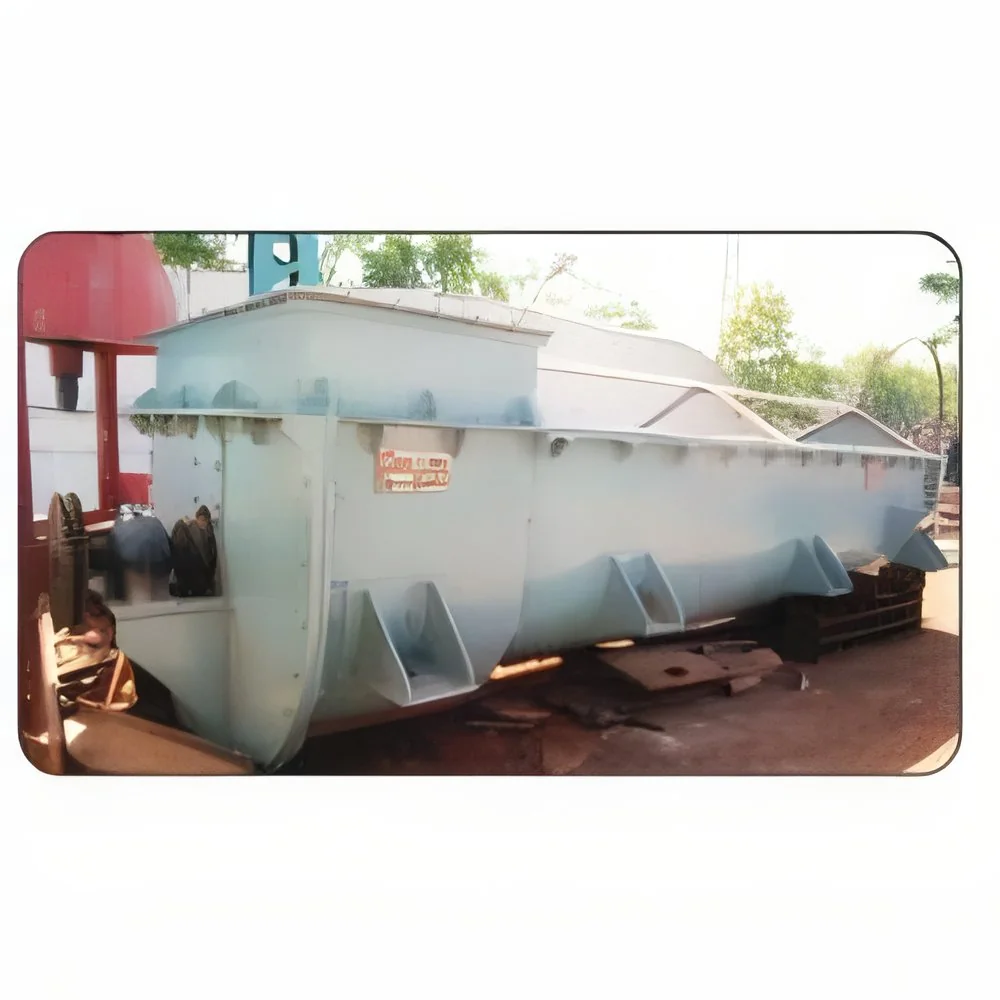
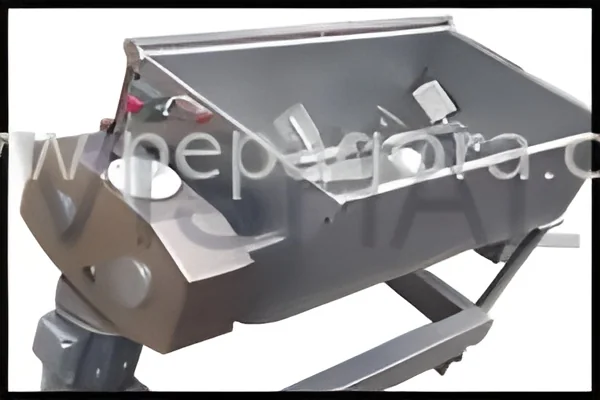
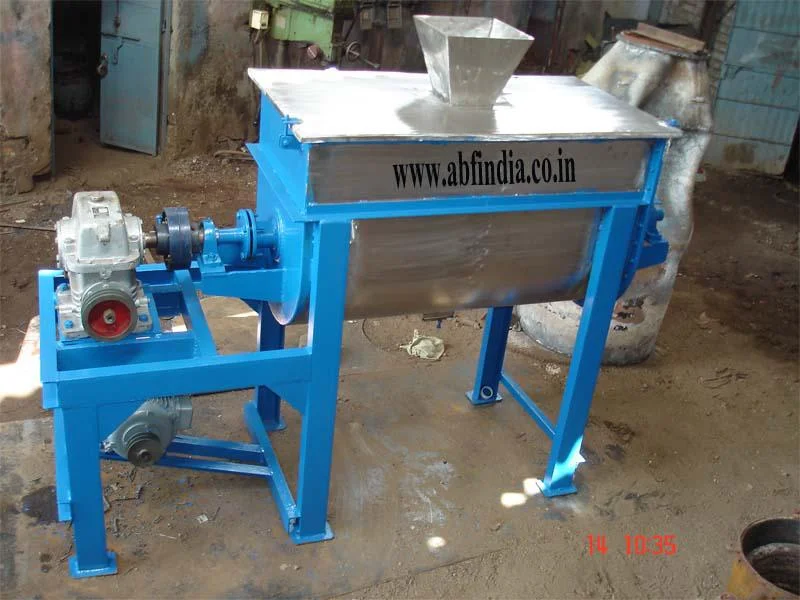
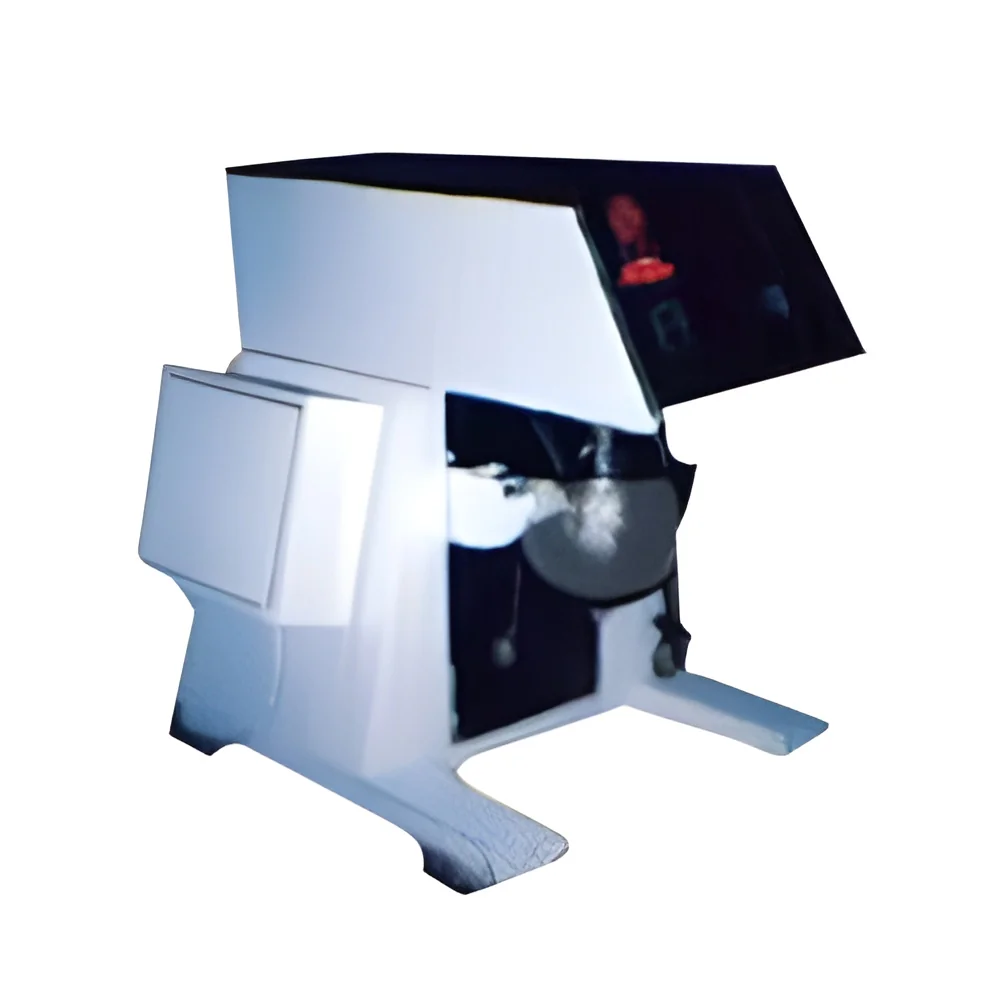
What are High Shear Mixers?
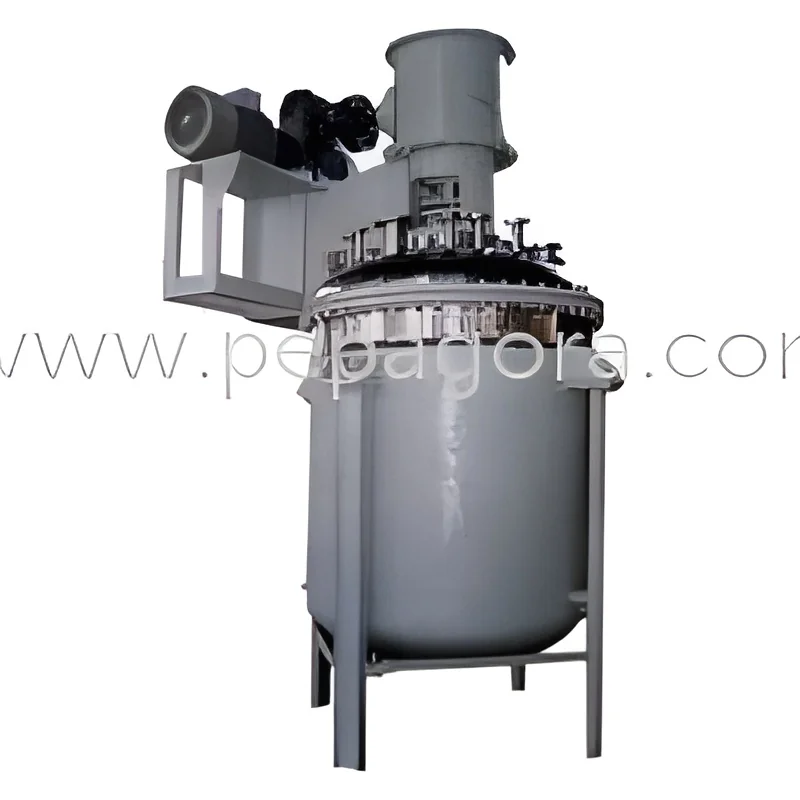
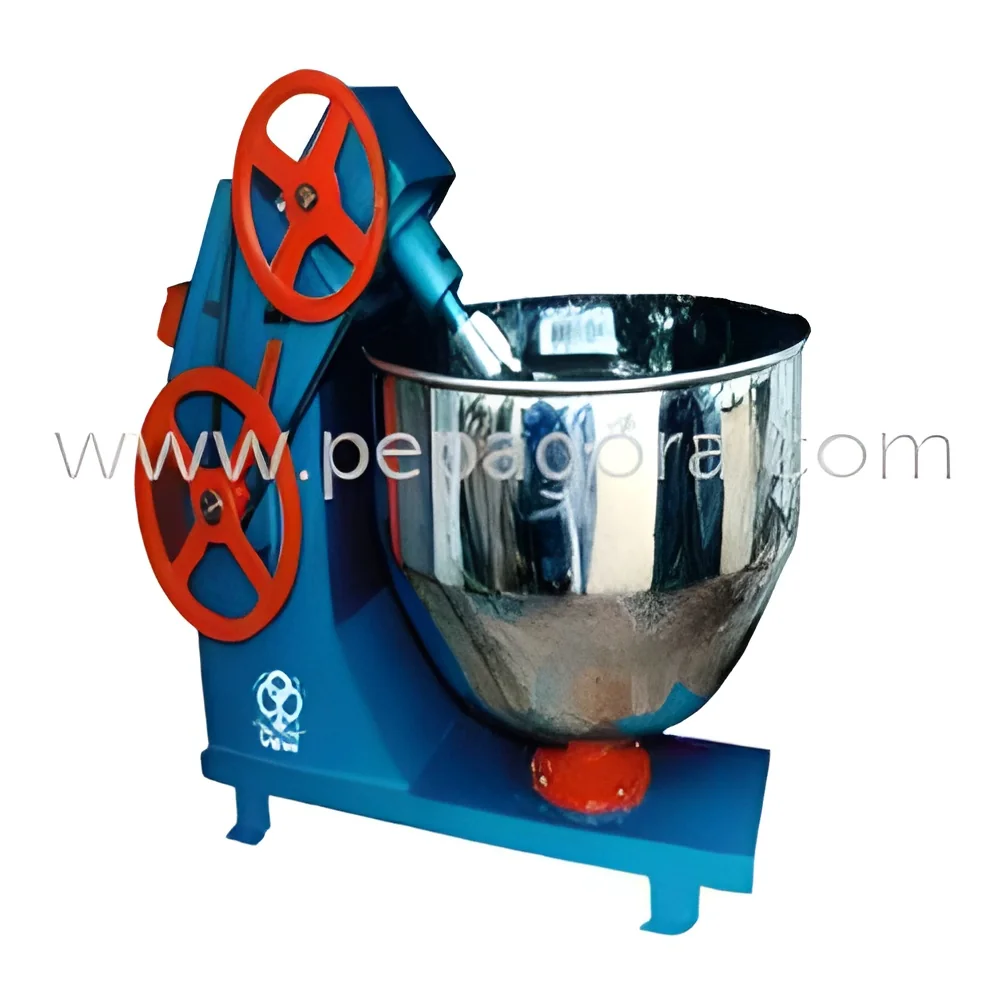
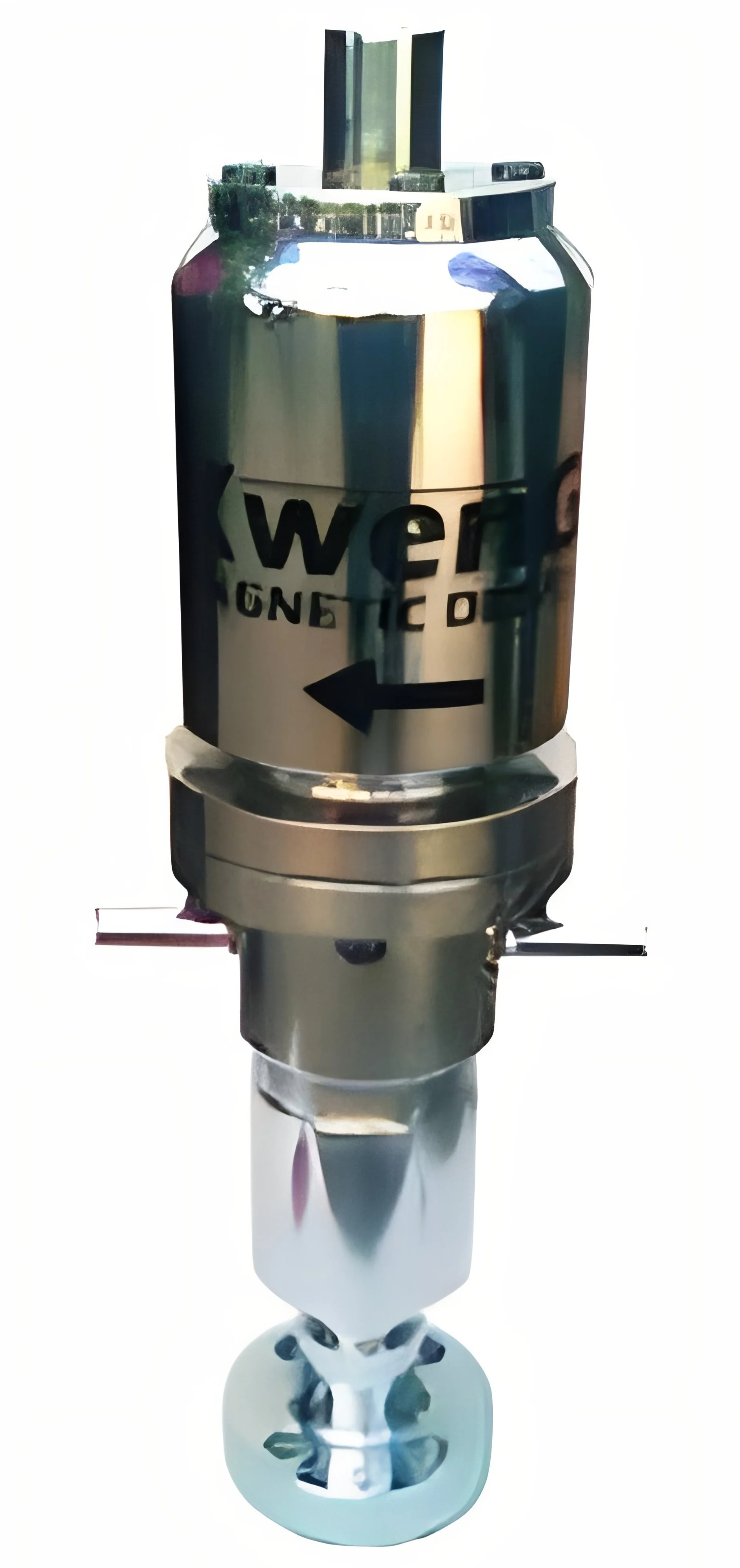
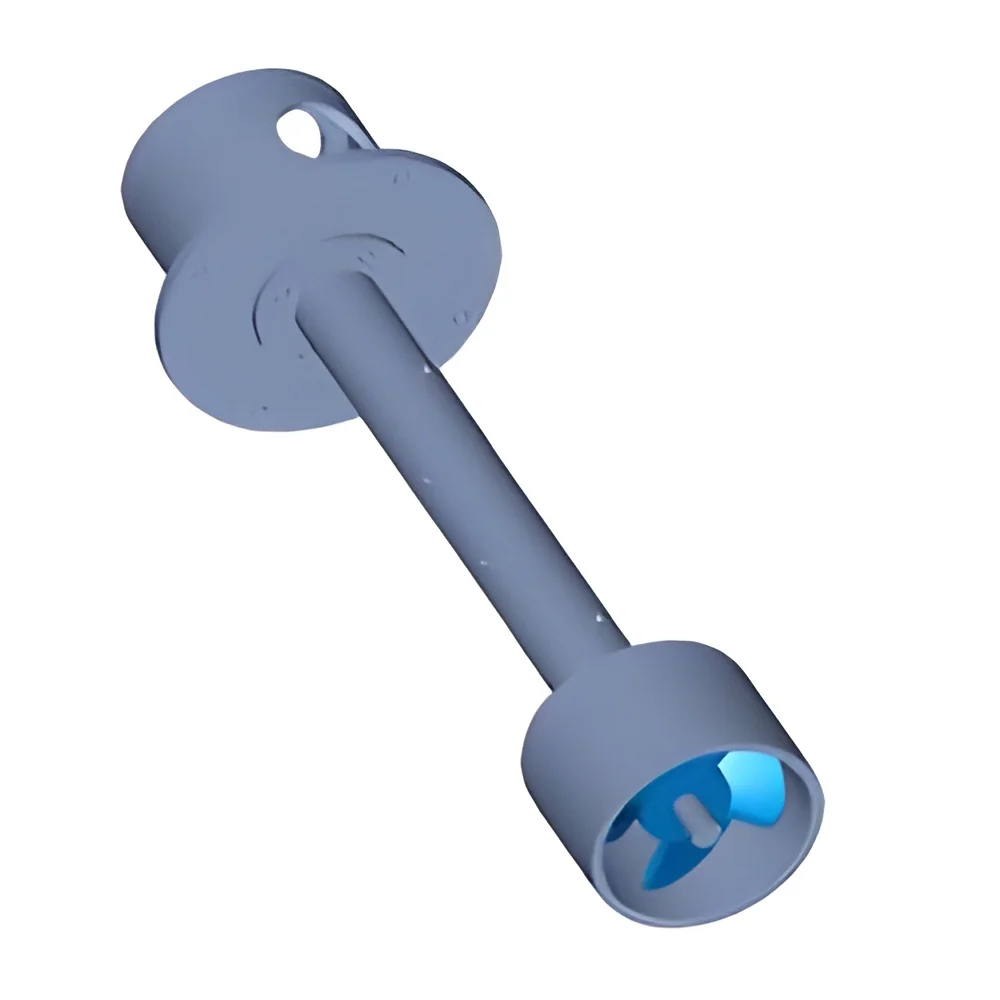
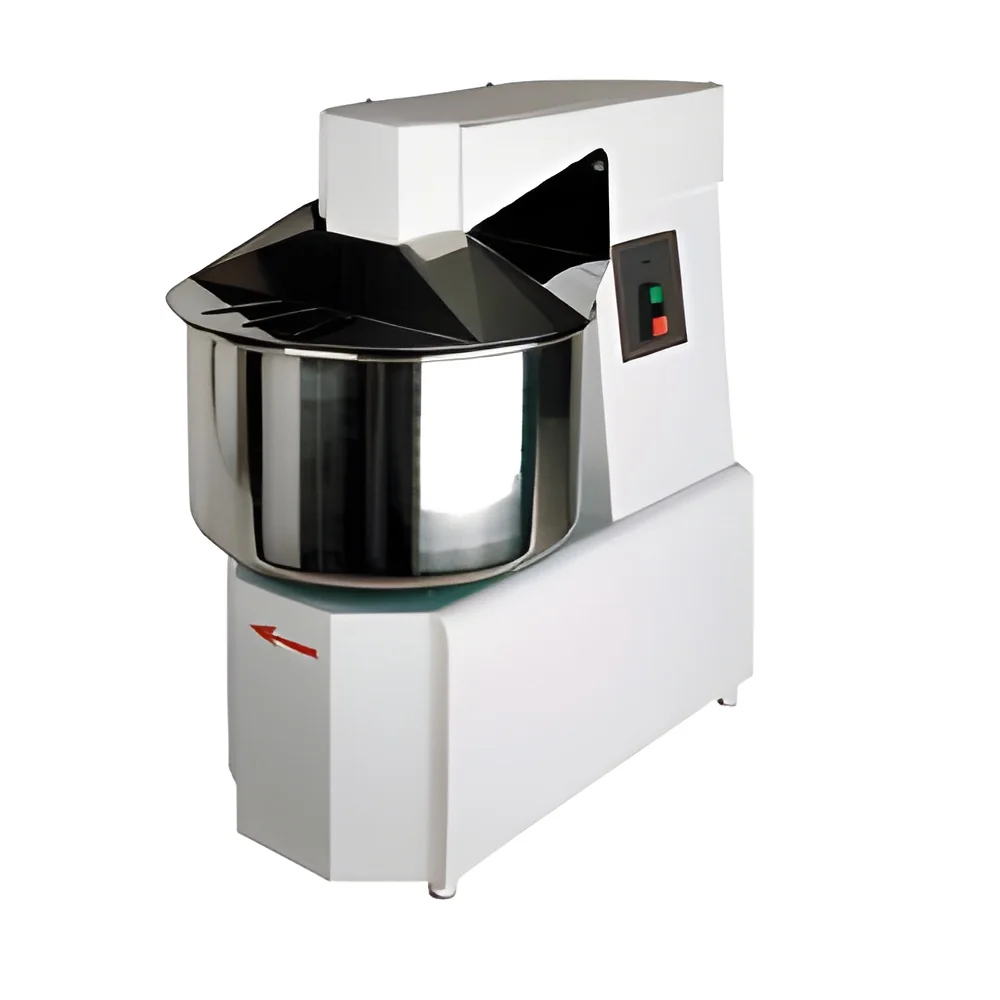
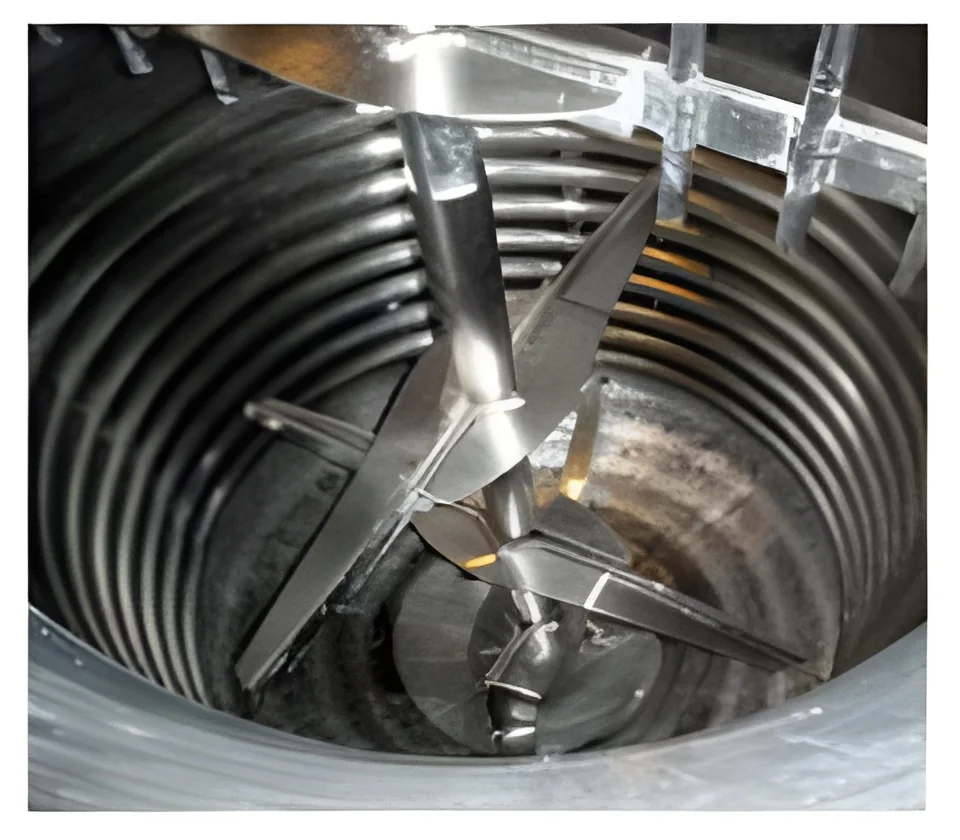
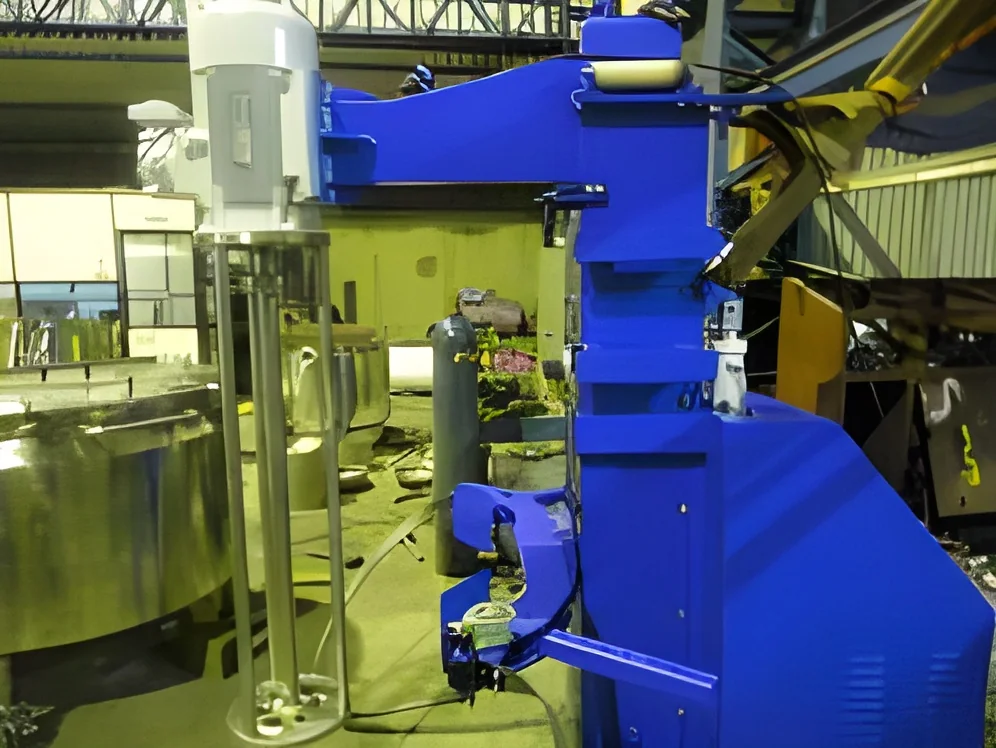
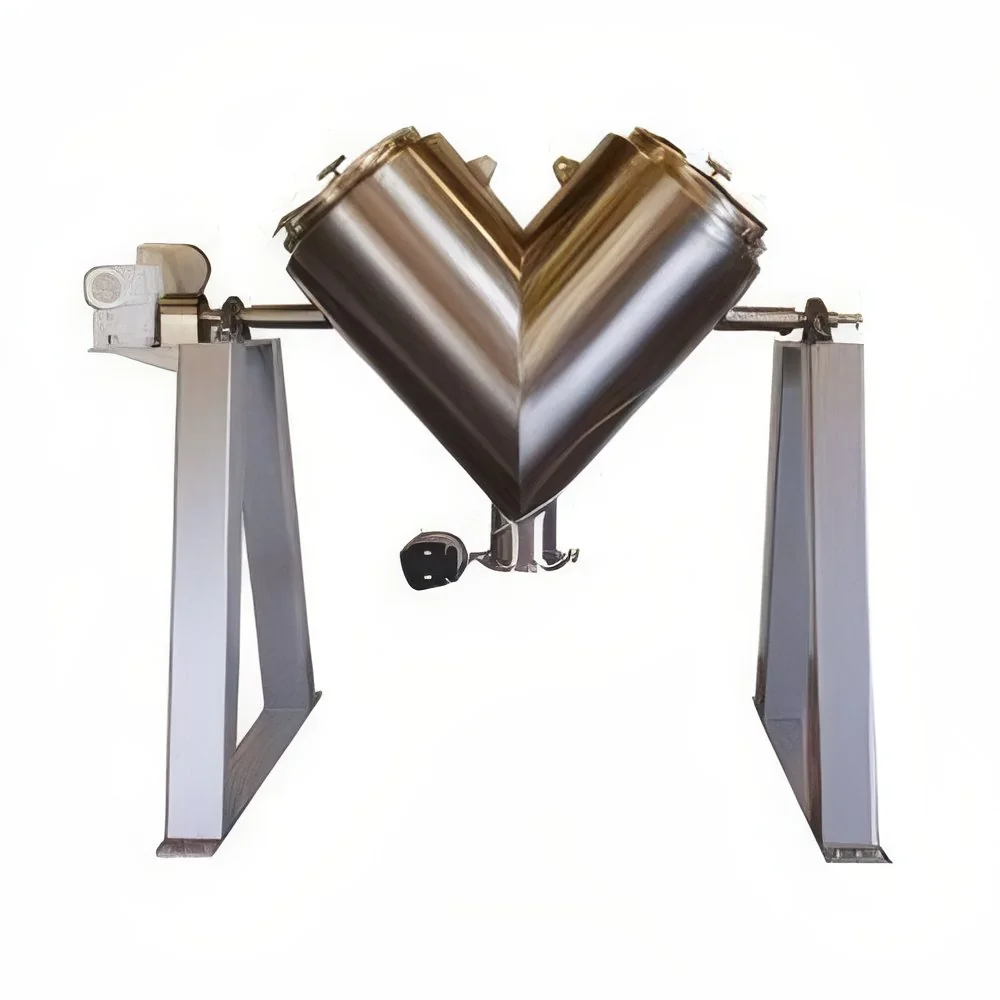
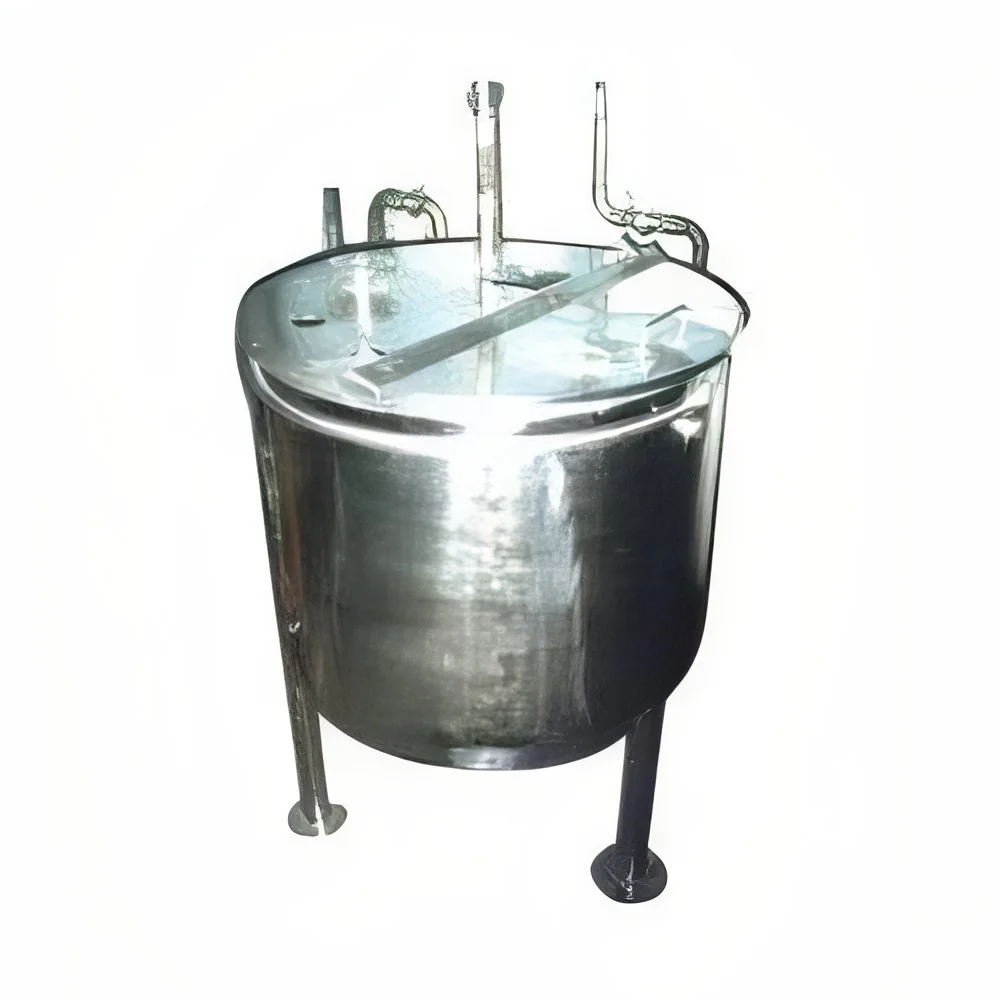
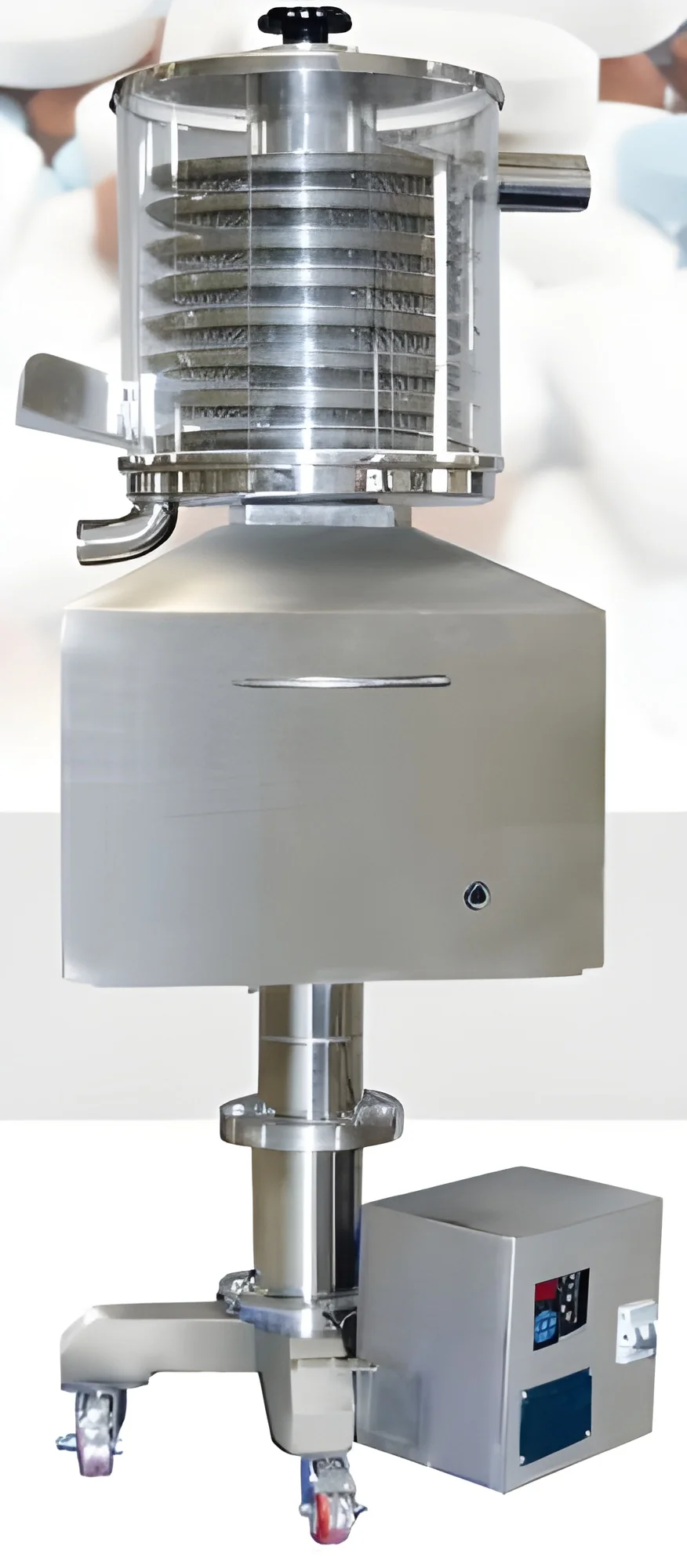
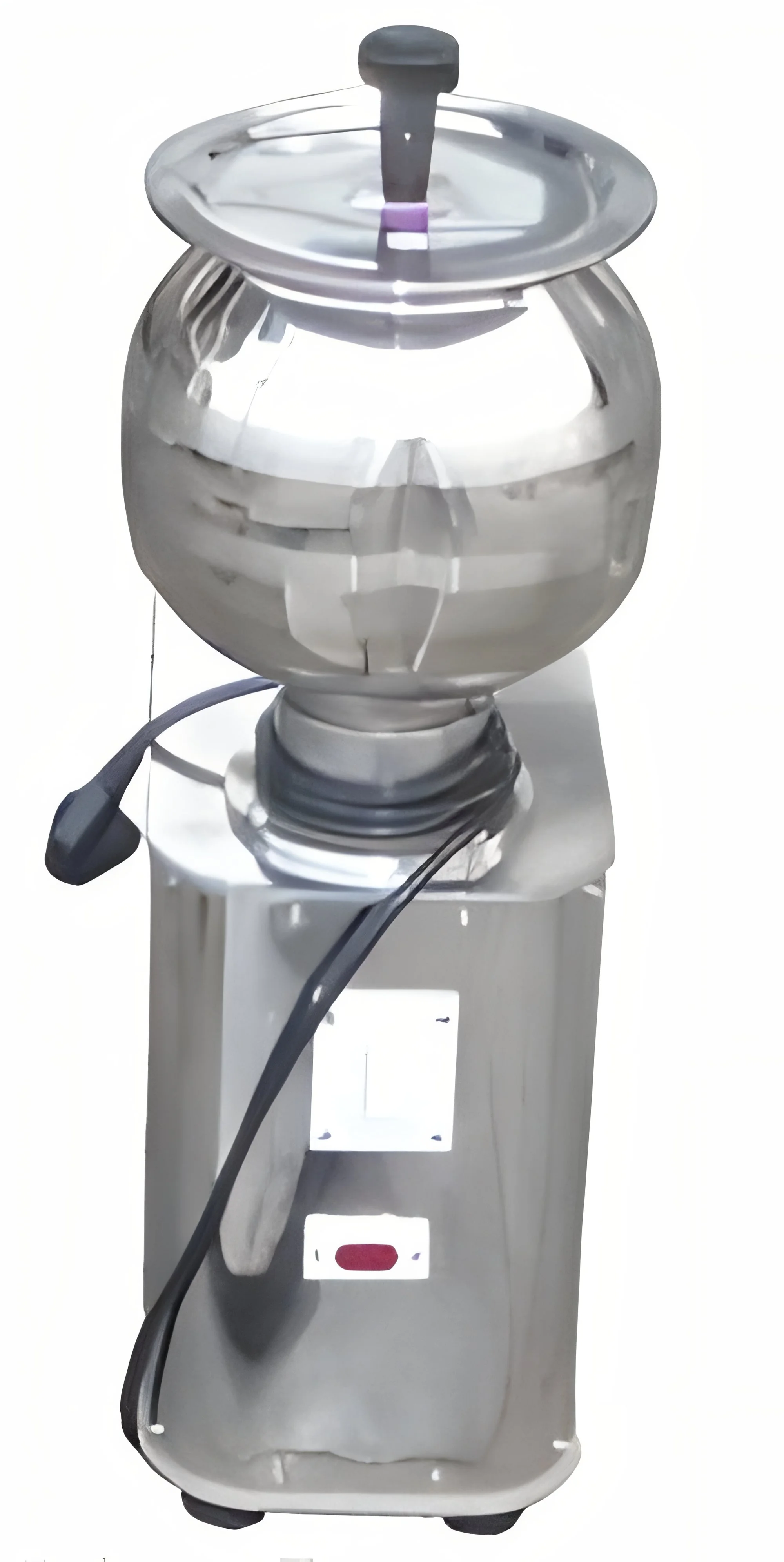
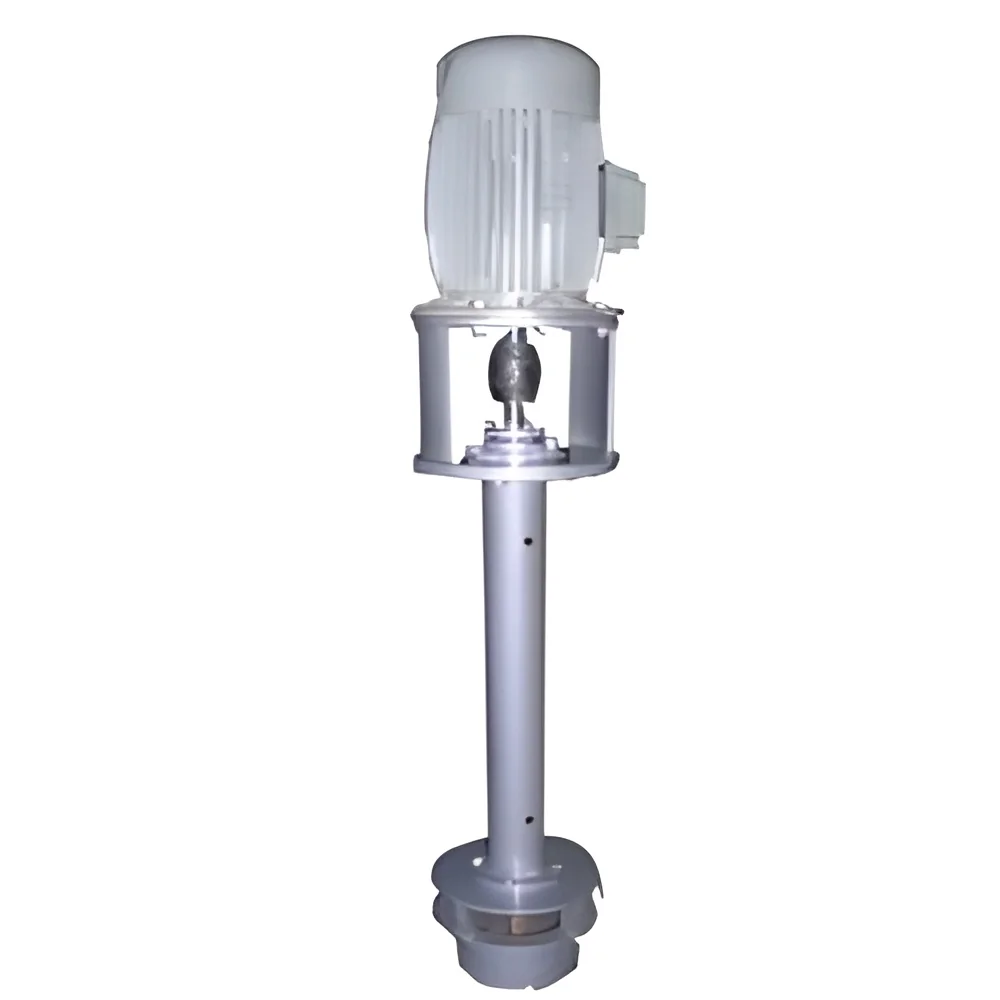
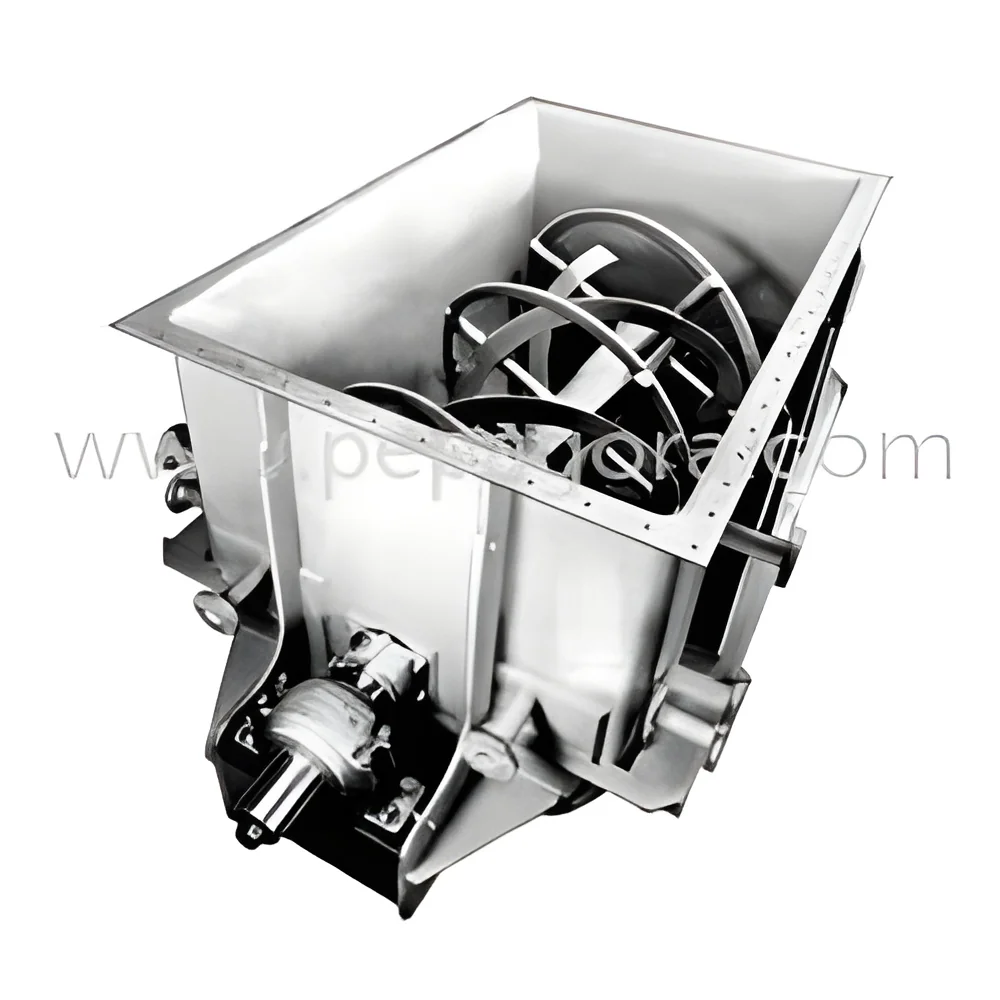
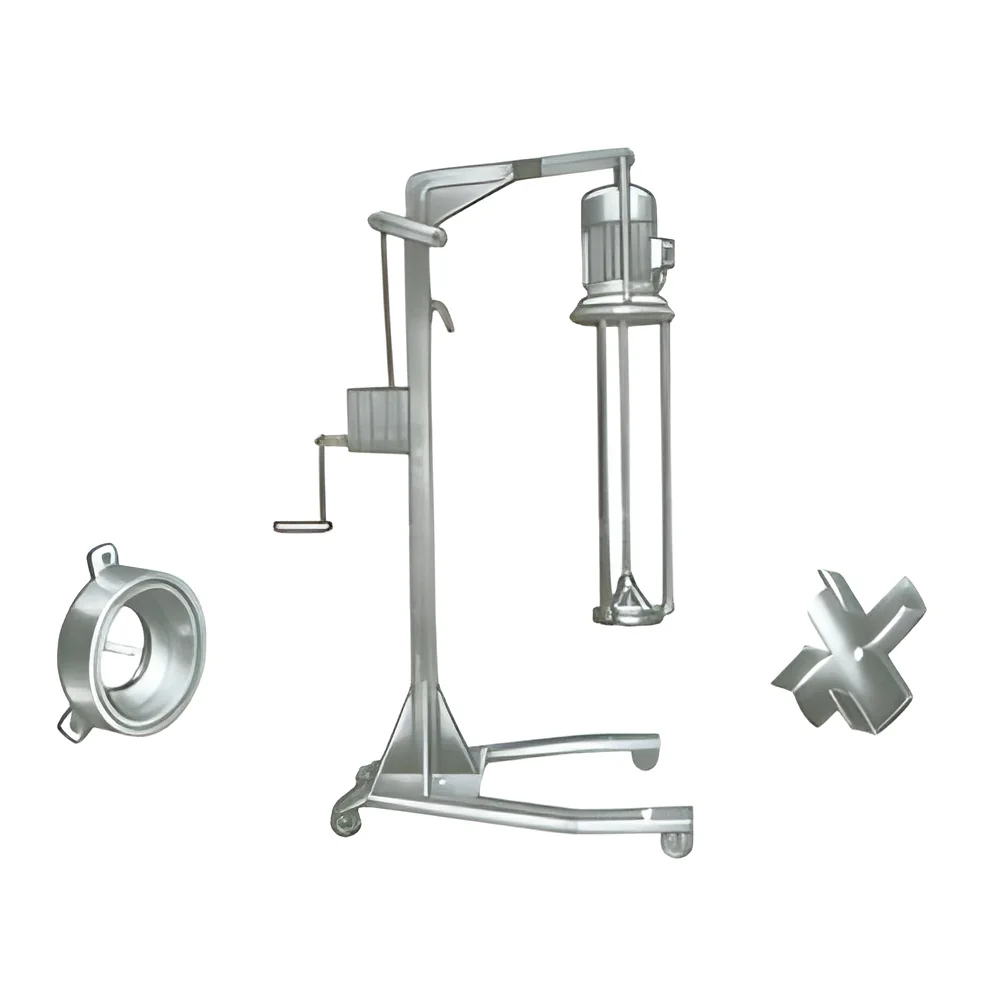
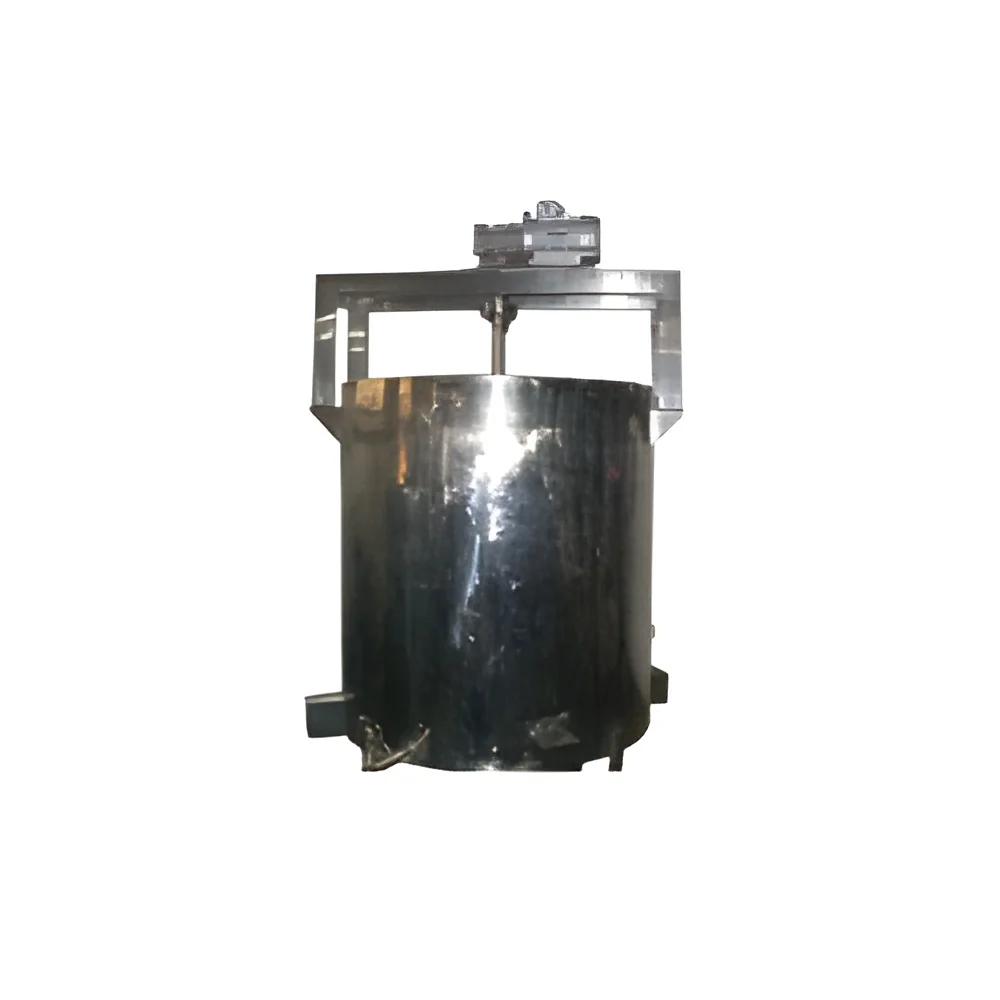
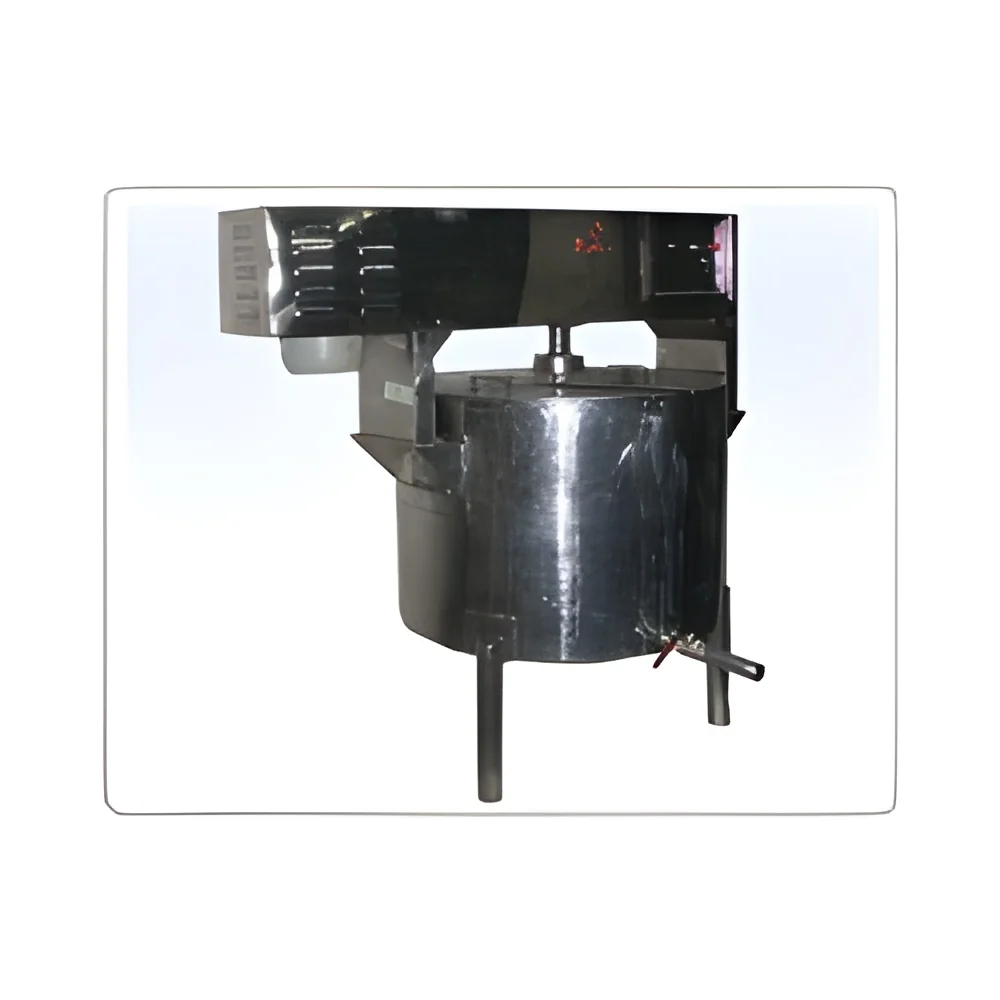
High shear mixers are specialized equipment designed to mix, emulsify, and homogenize materials with high efficiency. They utilize a combination of mechanical and hydraulic forces to create a uniform blend of ingredients at a molecular level. This process is essential in industries where particle size reduction and dispersion are critical for product quality.
These mixers are widely used in various business applications, including food and beverage production, pharmaceuticals, cosmetics, and chemicals. They can process a range of materials, from viscous pastes to liquid emulsions. High shear mixers are particularly valuable in creating stable products with consistent texture and appearance, which is crucial for maintaining brand integrity and meeting regulatory standards.
In the context of the industrial market, high shear mixers play a vital role in enhancing productivity and efficiency. As industries continue to demand higher quality products with shorter production times, the relevance of high shear mixers is expected to grow. Their ability to provide precise mixing solutions makes them a key component in the manufacturing processes of many sectors.
Key Features and Specifications
High shear mixers come equipped with a variety of features and specifications that enhance their functionality and versatility. Understanding these specifications is crucial for selecting the right mixer for specific applications.
Key specifications include:
1. Mixing Speed
- High shear mixers typically operate at a range of speeds to accommodate different materials and desired outcomes.
- Speed ranges can vary from low RPM for gentle mixing to high RPM for intense shear action.
2. Power Consumption
- The power rating of high shear mixers is an important consideration for energy efficiency.
- Motors can range from fractional horsepower for small units to several horsepower for larger industrial mixers.
3. Capacity
- Capacity refers to the volume of material that the mixer can handle in a single batch.
- High shear mixers range from small laboratory models with capacities of a few liters to large-scale industrial units capable of handling thousands of liters.
4. Material Construction
- Most high shear mixers are made from stainless steel or other corrosion-resistant materials to ensure durability and hygiene.
- These materials are essential for applications in food and pharmaceuticals.
5. Heating/Cooling Jackets
- Some models include integrated heating or cooling jackets to maintain precise temperature control during mixing.
- Temperature control is vital for sensitive formulations.
6. Discharge Options
- High shear mixers may offer various discharge configurations, including bottom discharge and tri-clamp fittings for easy material transfer.
- This feature enhances efficiency in production workflows.
7. Control Systems
- Advanced control systems may be integrated for easy operation, including digital displays and programmable settings.
- These systems allow for precise adjustments during mixing.
8. Certification
- Many high shear mixers comply with industry certifications such as CE, ensuring they meet safety and performance standards.
- Compliance is essential for regulatory approval in various industries.
In summary, the specifications of high shear mixers are designed to meet diverse industrial needs, ensuring efficiency and quality in mixing processes.
Common Applications and Use Cases
High shear mixers serve a wide array of industries, each with specific applications that highlight their versatility and effectiveness.
1. Food and Beverage: In this industry, high shear mixers are used for emulsifying sauces, dressings, and dairy products. They ensure uniform texture and prevent separation.
2. Pharmaceuticals: These mixers are critical in the production of creams, ointments, and suspensions, where consistent particle size and dispersion are necessary for efficacy and stability.
3. Cosmetics: In the cosmetics industry, high shear mixers are used to create lotions, creams, and gels. The ability to mix viscous materials effectively is essential for product quality.
4. Chemicals: High shear mixers are employed in chemical manufacturing for blending pigments, adhesives, and coatings, ensuring homogeneity in complex formulations.
5. Plastics: In the plastics industry, these mixers help in dispersing additives and fillers uniformly in polymer compounds, enhancing performance characteristics.
6. Paints and Coatings: High shear mixers are used to disperse pigments and other components in paint formulations, resulting in consistent color and finish.
7. Biotechnology: In biotech applications, high shear mixers aid in the preparation of cell cultures and other biological solutions, where precise mixing is crucial.
Product Variants and Subcategories
High shear mixers come in various designs and configurations to meet different processing needs. Each variant is tailored to specific applications and industries.
Laboratory High Shear Mixers
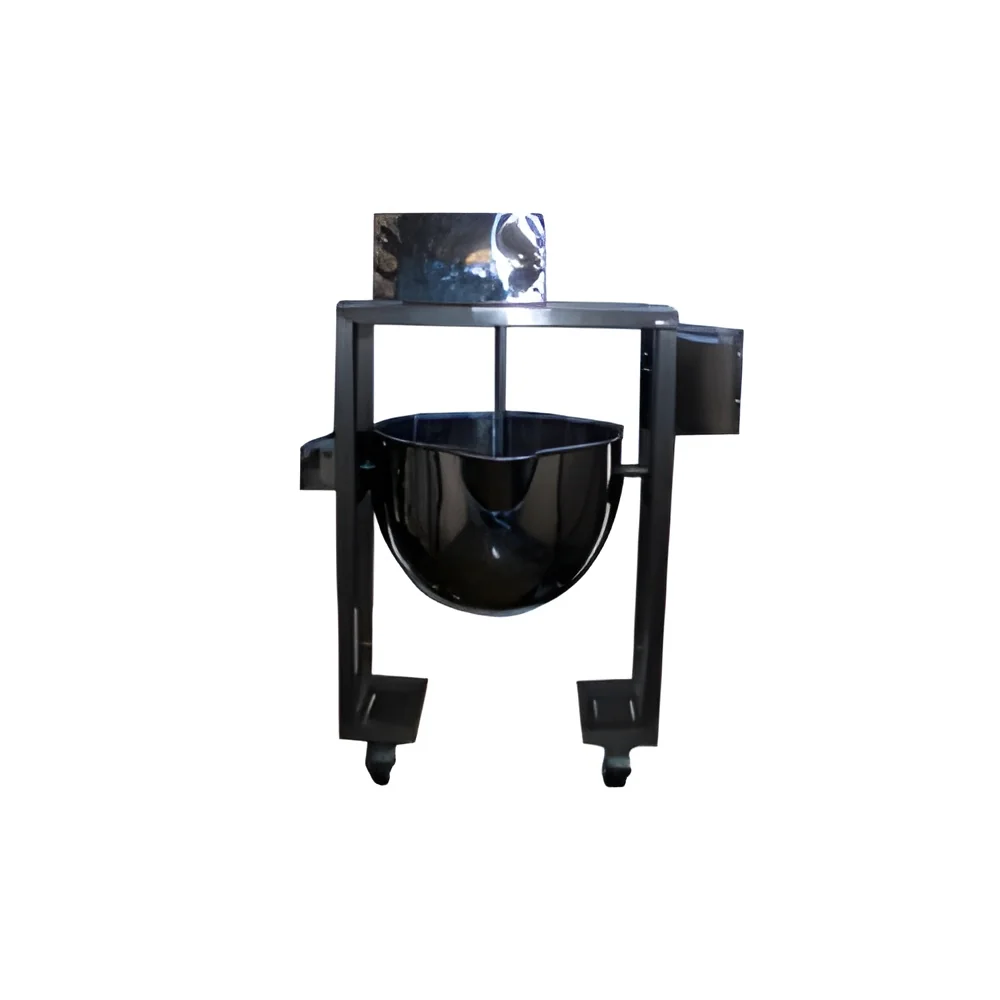
These compact mixers are designed for small-scale applications and research environments. They allow for precise adjustments and are ideal for testing formulations before scaling up.
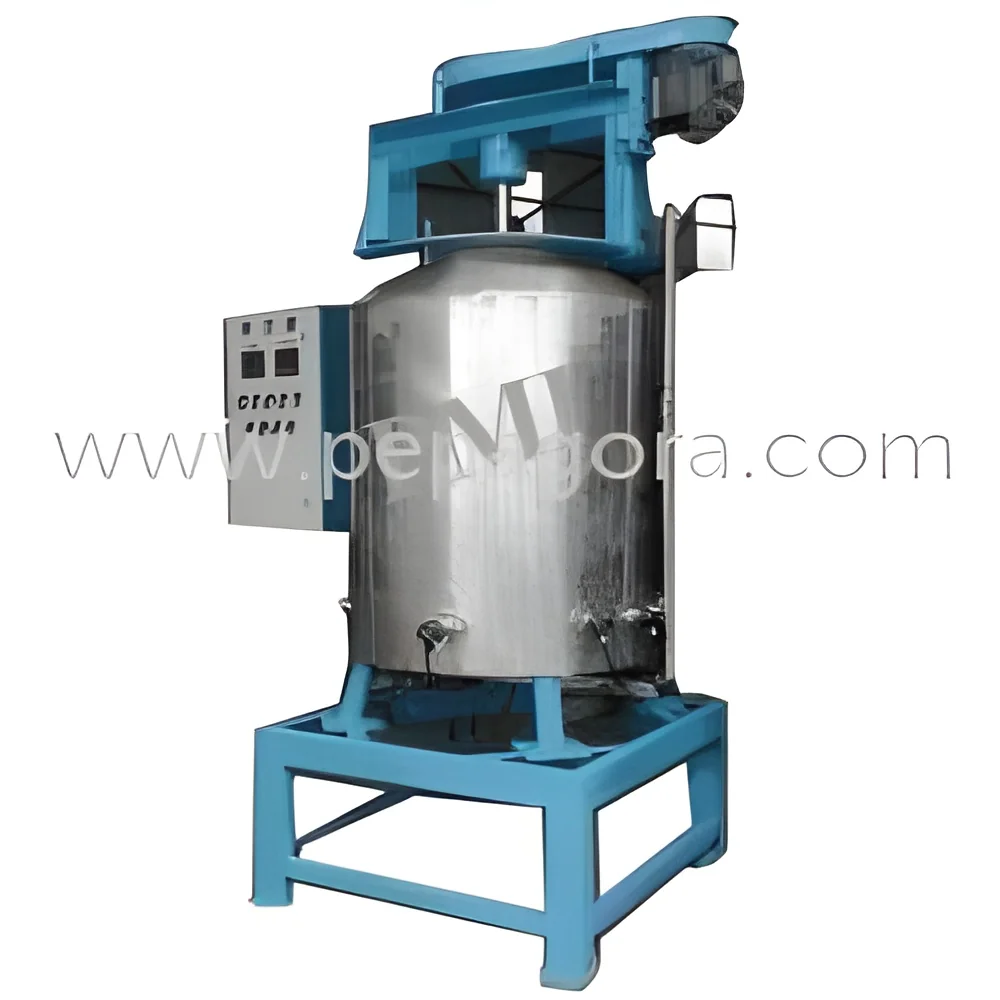
Industrial High Shear Mixers
These larger units are built for high-volume production. They offer robust construction and advanced features suitable for continuous operation in demanding environments.
Batch High Shear Mixers
These mixers operate on a batch processing basis, making them suitable for applications where specific quantities of materials need to be mixed. They provide flexibility in production.
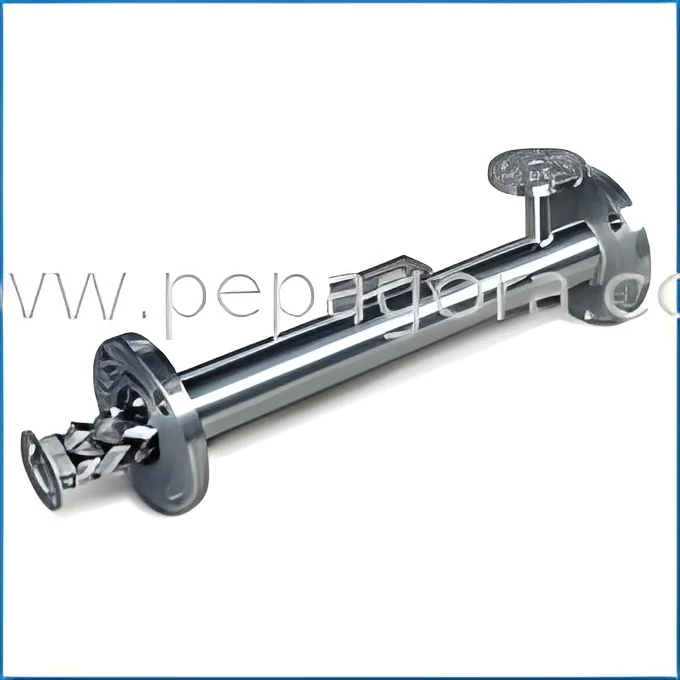
Inline High Shear Mixers
Inline mixers are designed for continuous mixing processes. They can be integrated into existing production lines, allowing for seamless operation and enhanced efficiency.
Benefits and Advantages
High shear mixers offer numerous benefits that contribute to improved manufacturing processes and product quality.
1. Improved Product Consistency: These mixers ensure a uniform blend, which is critical for maintaining quality and meeting customer expectations.
2. Enhanced Efficiency: The ability to mix materials quickly and effectively reduces production times, leading to increased output and cost savings.
3. Versatility: High shear mixers can handle a wide range of materials, making them suitable for various industries and applications.
4. Precision in Mixing: With adjustable speed and control features, these mixers provide precise mixing tailored to specific formulations.
5. Reduced Labor Costs: Automation and advanced controls minimize the need for manual intervention, streamlining operations and reducing labor expenses.
6. Compliance with Standards: Many high shear mixers meet industry standards, ensuring safety and quality throughout the manufacturing process.
Buying Guide for B2B Buyers
When sourcing high shear mixers, several factors should be considered to ensure the right choice for your business needs.
1. Quality Assessment: Evaluate the quality of the mixers by reviewing manufacturer specifications, materials used, and compliance with industry standards. Quality equipment contributes to reliable performance.
2. Supplier Verification: It is essential to vet suppliers thoroughly. Look for established manufacturers with a proven track record and positive customer feedback to ensure reliability.
3. Pricing and MOQ: Understand the pricing structure and minimum order quantities (MOQ) before making a commitment. Ensure that costs align with your budget and production needs.
4. Delivery and Lead Times: Assess the supplier's delivery capabilities and lead times. Timely delivery is crucial for maintaining production schedules and avoiding delays.
5. Compliance Requirements: Ensure that the mixers meet all relevant regulatory and safety standards for your industry. Compliance is vital for operational legitimacy and product safety.
Compliance and Certifications
Compliance and certifications play a significant role in the manufacturing and use of high shear mixers. Various quality standards, including ISO 9001, ensure that manufacturers adhere to quality management principles, enhancing product reliability and consistency.
In addition, industry certifications such as CE indicate compliance with European health, safety, and environmental protection standards. These certifications are essential for gaining market access and building customer trust.
Safety and testing requirements must also be met to ensure that high shear mixers operate safely and effectively. Manufacturers often conduct rigorous testing to confirm that their products meet industry standards.
Regional compliance considerations can vary, so it is crucial for buyers to be aware of local regulations that may affect the use and certification of high shear mixers in their specific market.
Why Source High Shear Mixers from Pepagora?
Pepagora provides a trusted platform for sourcing high shear mixers, offering several key advantages to B2B buyers.
Verified Supplier Network: Pepagora connects buyers with a network of verified suppliers, ensuring that every vendor has undergone a thorough vetting process. This gives buyers confidence in the quality of products they are sourcing.
Streamlined RFQ Process: The platform features a streamlined Request for Quotation (RFQ) process, allowing buyers to easily communicate their needs. This system facilitates quick responses from suppliers, helping businesses to make informed decisions rapidly.
Trade Assurance and Support: Pepagora offers trade assurance and buyer protection, ensuring that transactions are secure. This support helps mitigate risks associated with procurement, giving buyers peace of mind.
Regional Coverage: With a strong presence in India, the GCC, and Southeast Asia, Pepagora provides access to a broad market reach. This geographic coverage allows for efficient sourcing and delivery of high shear mixers tailored to local needs.

 IN
IN