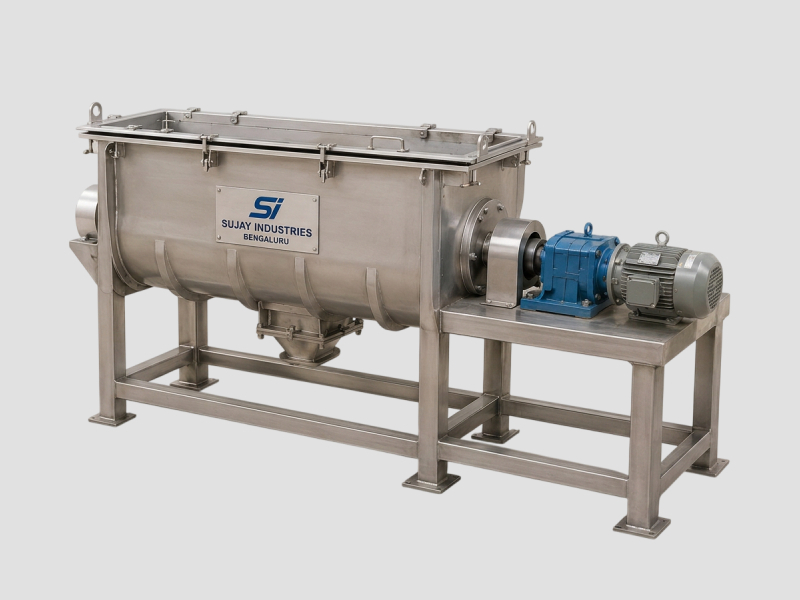
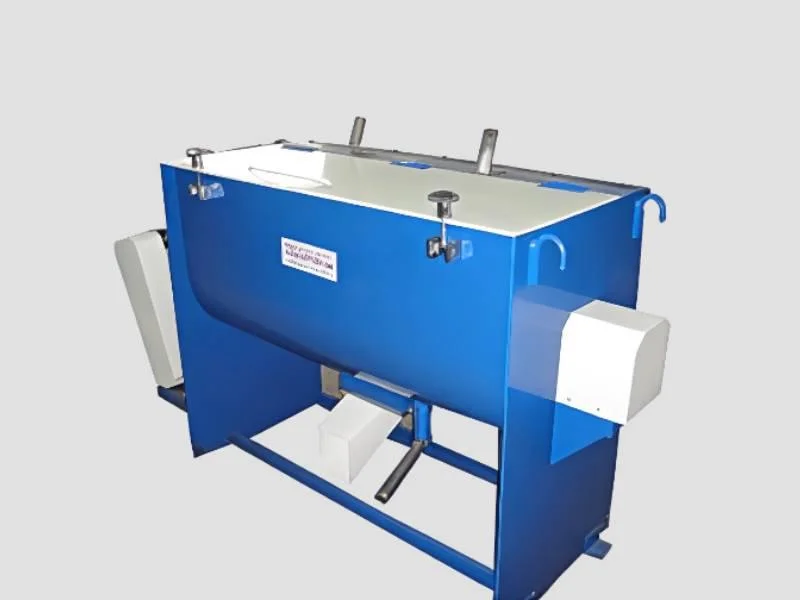
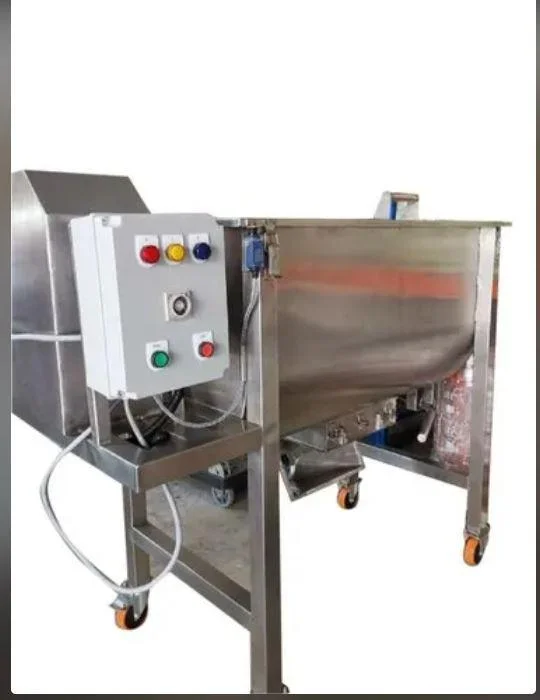
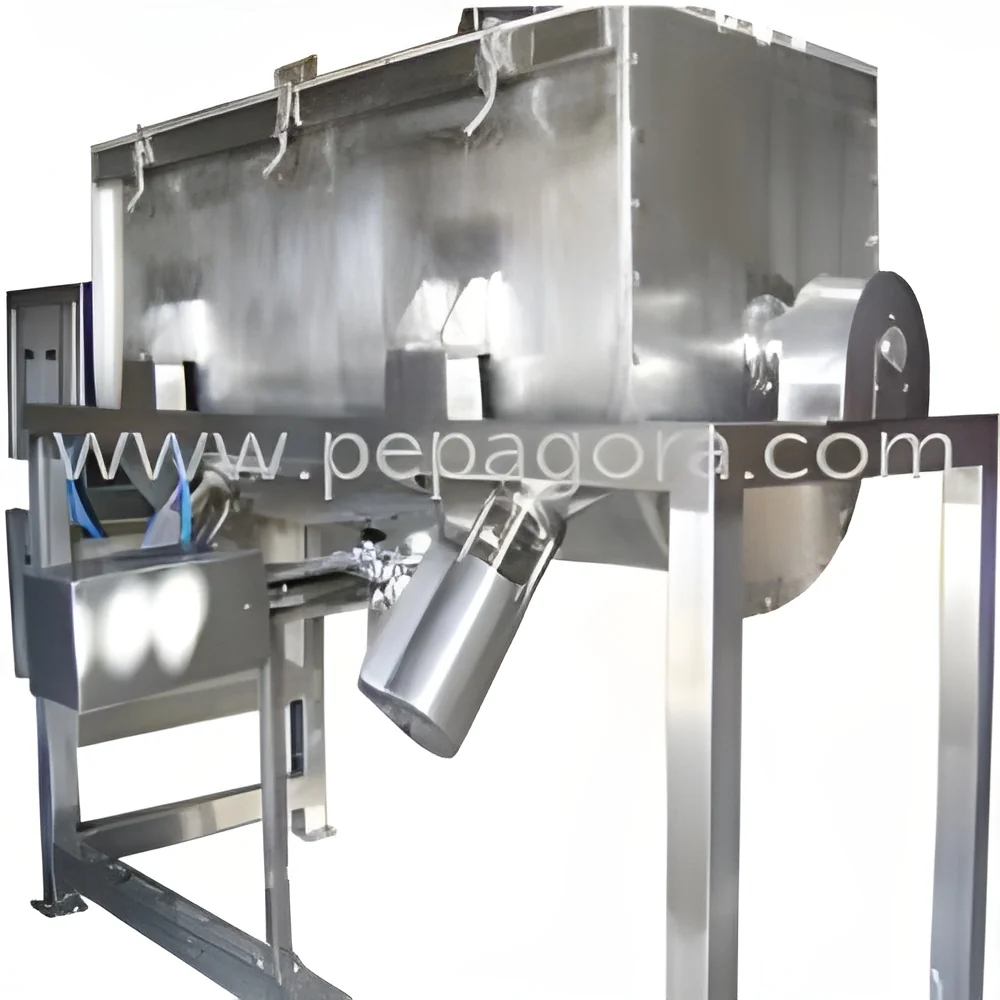
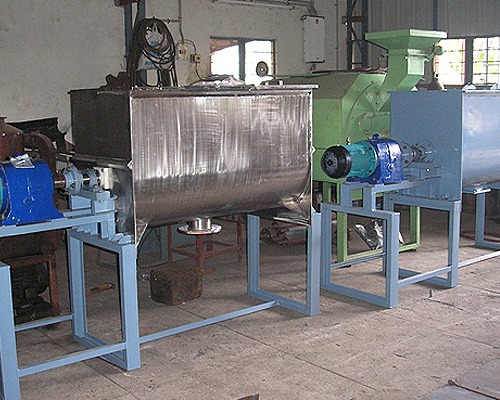
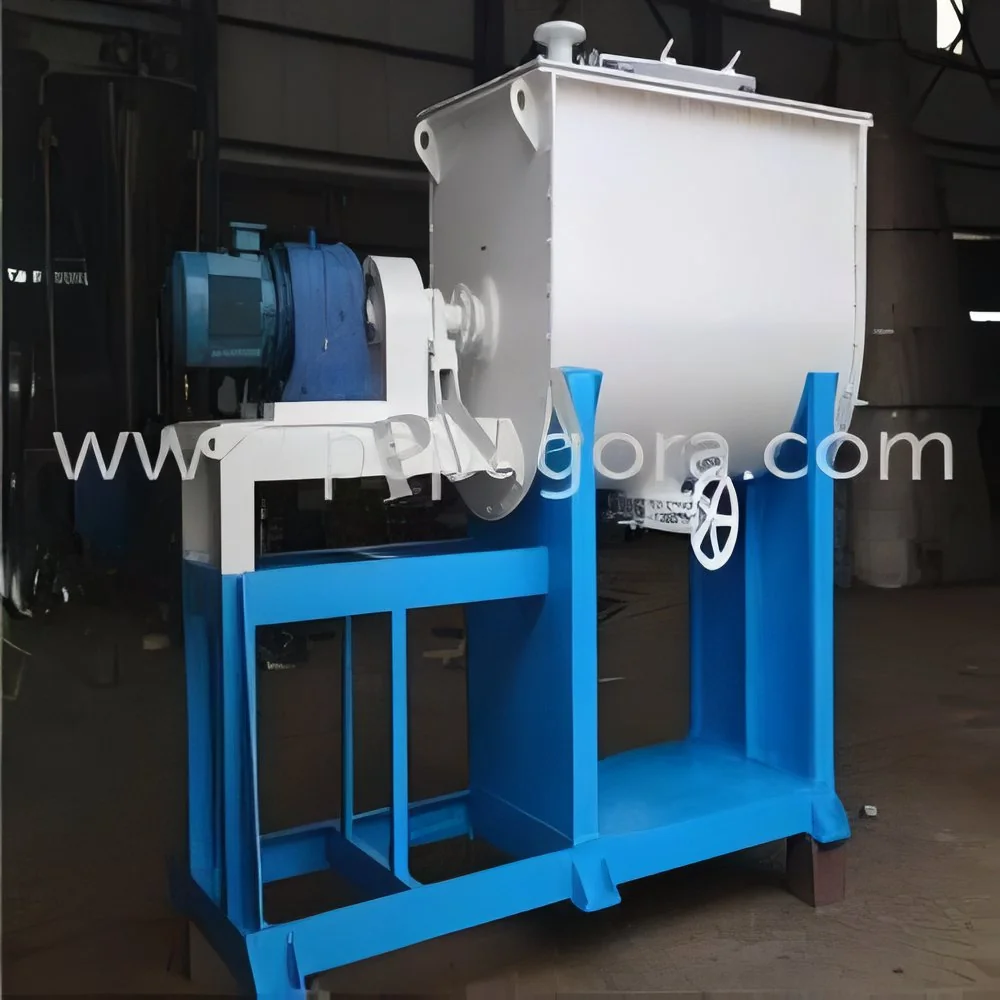
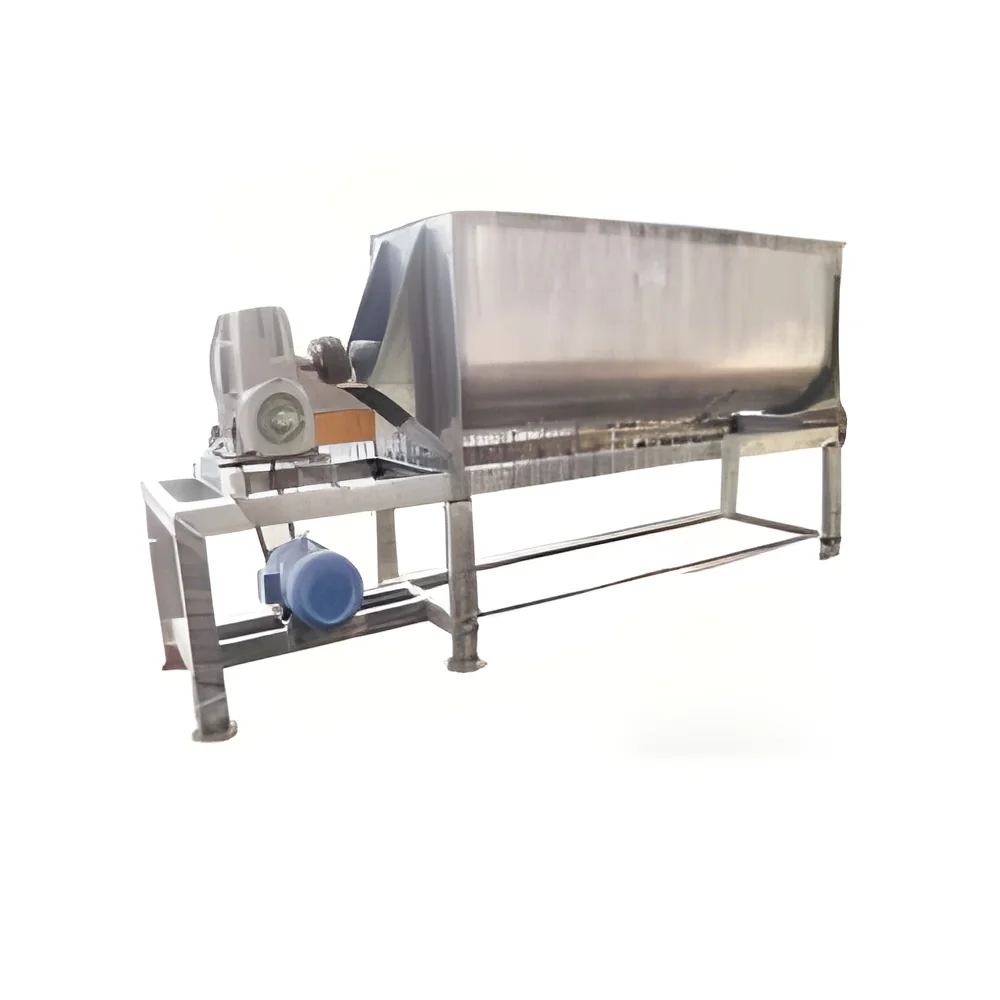
What are Ribbon Blenders?
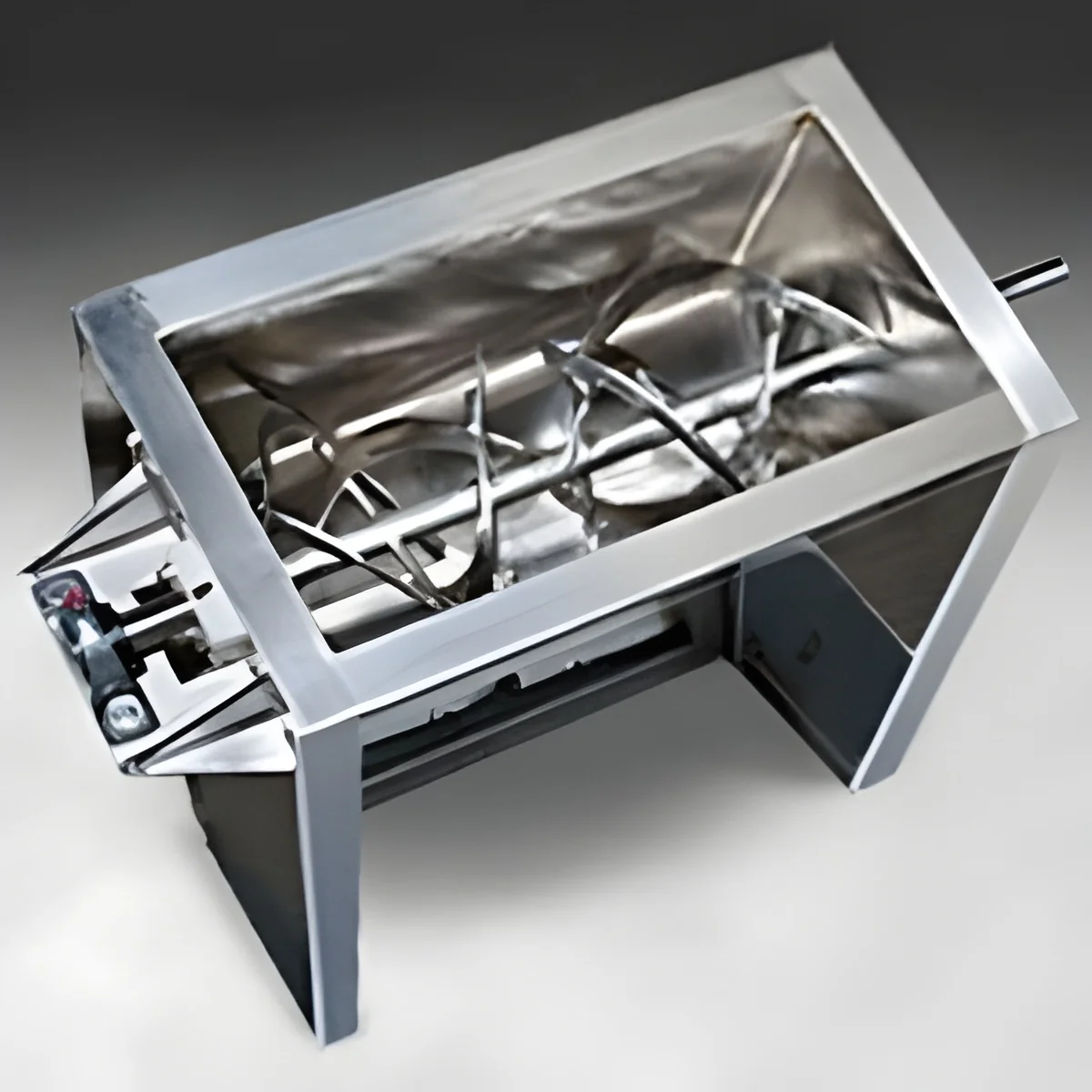
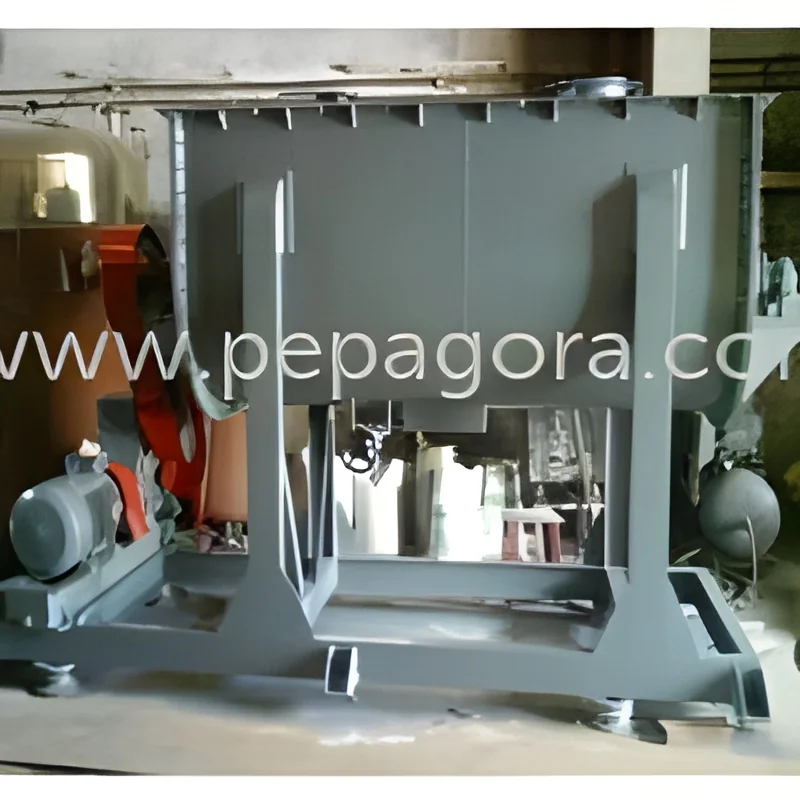
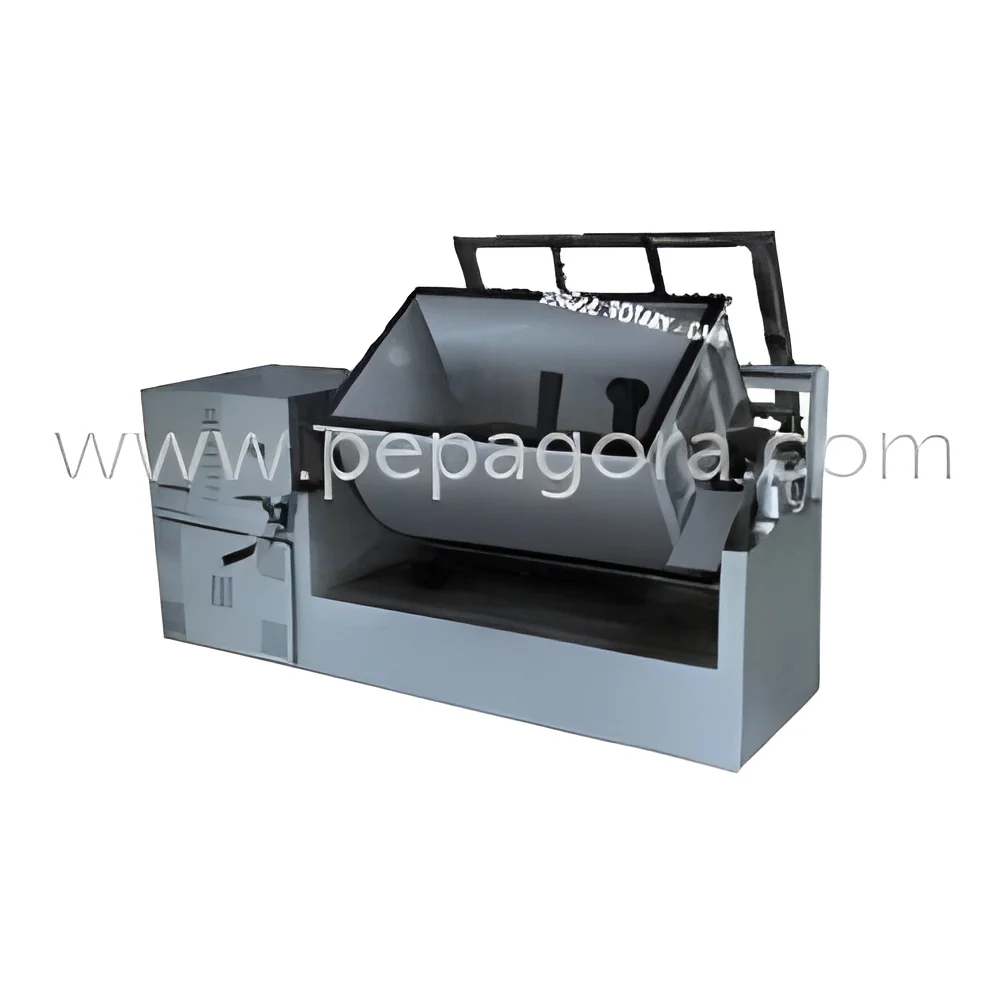
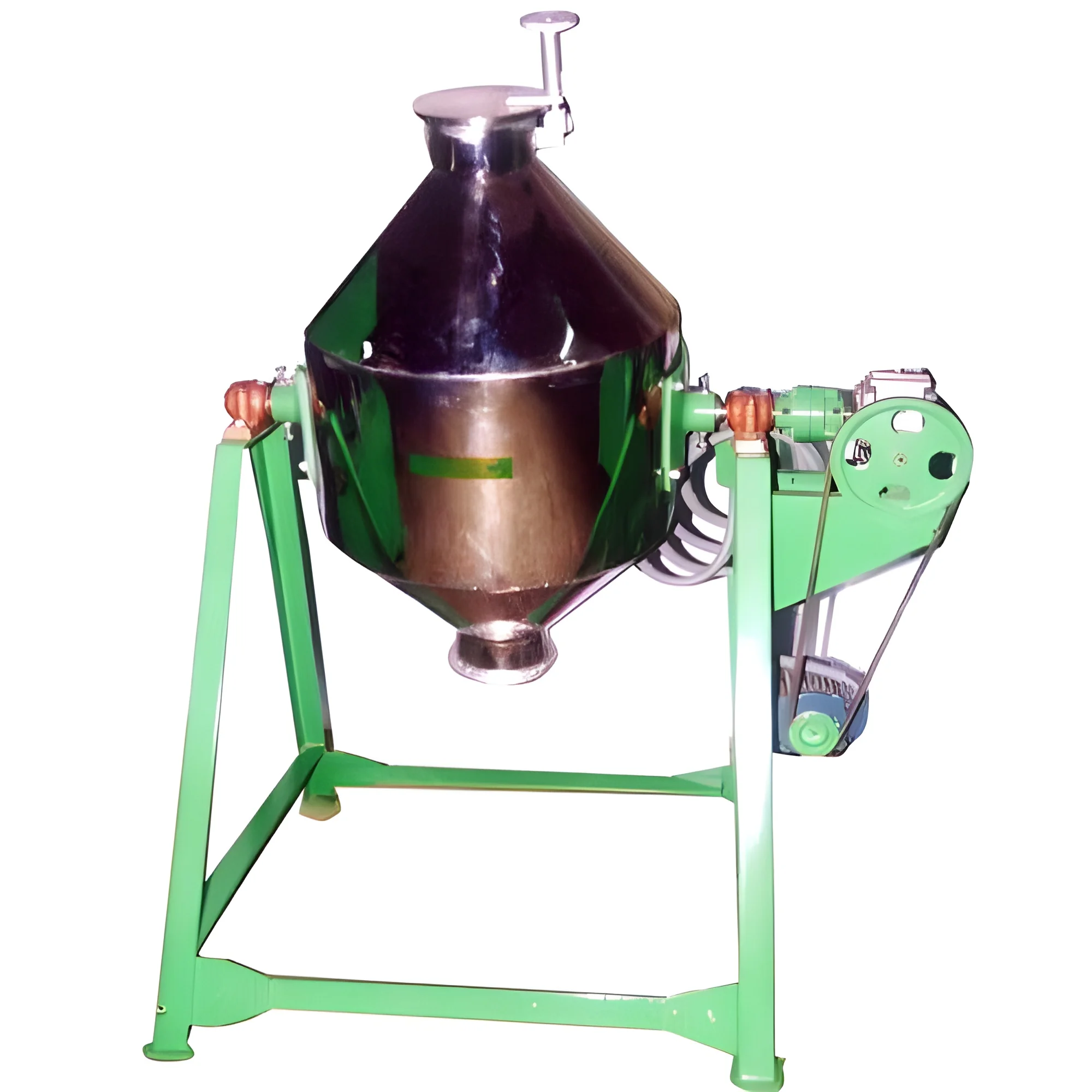
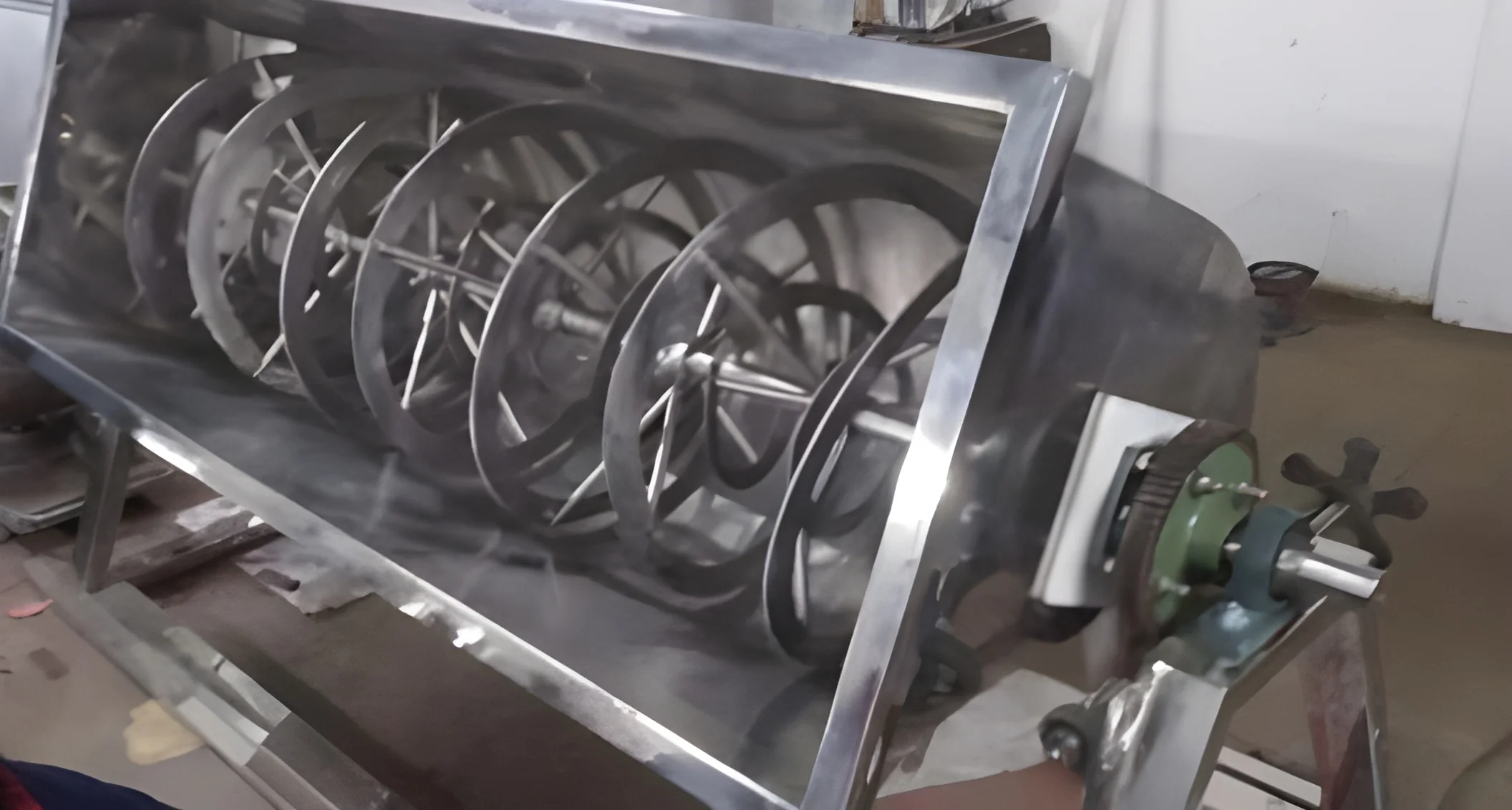
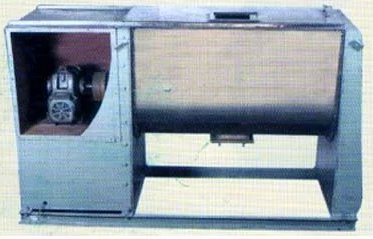
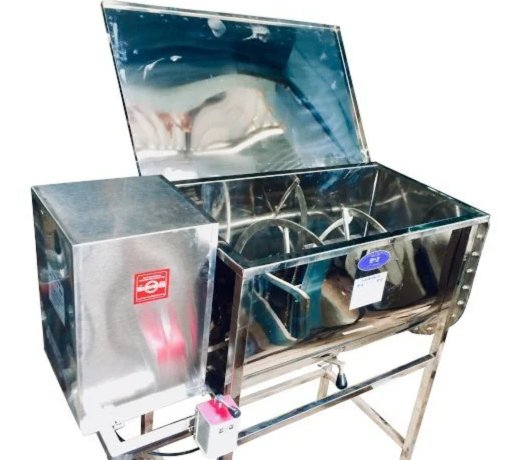
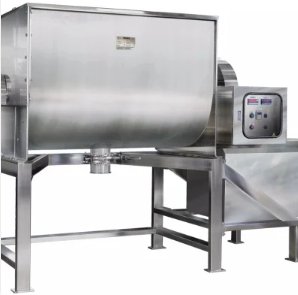
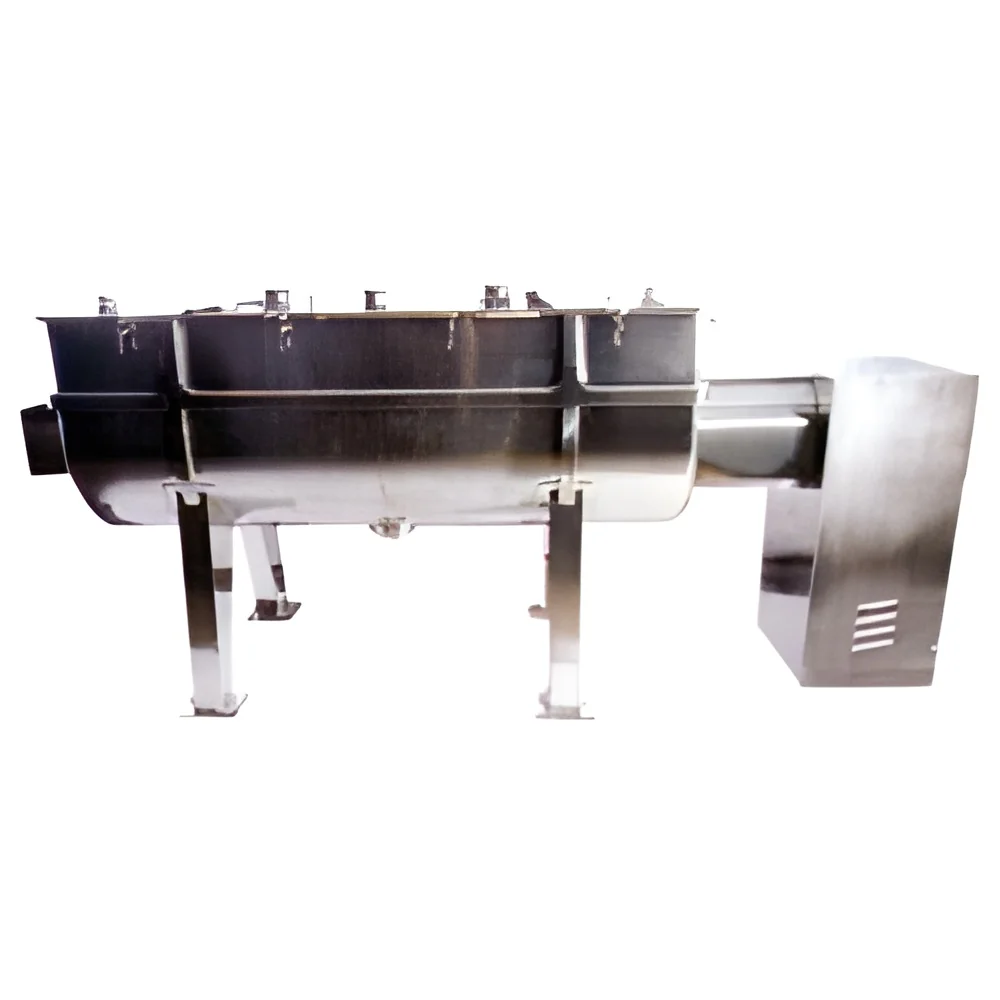
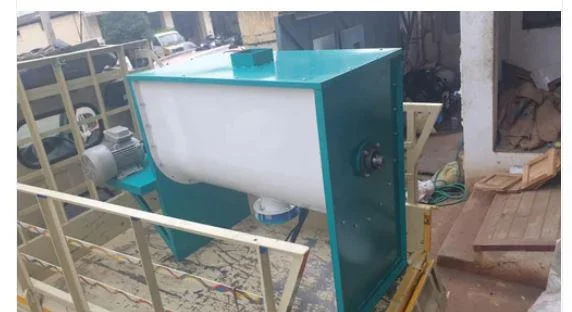
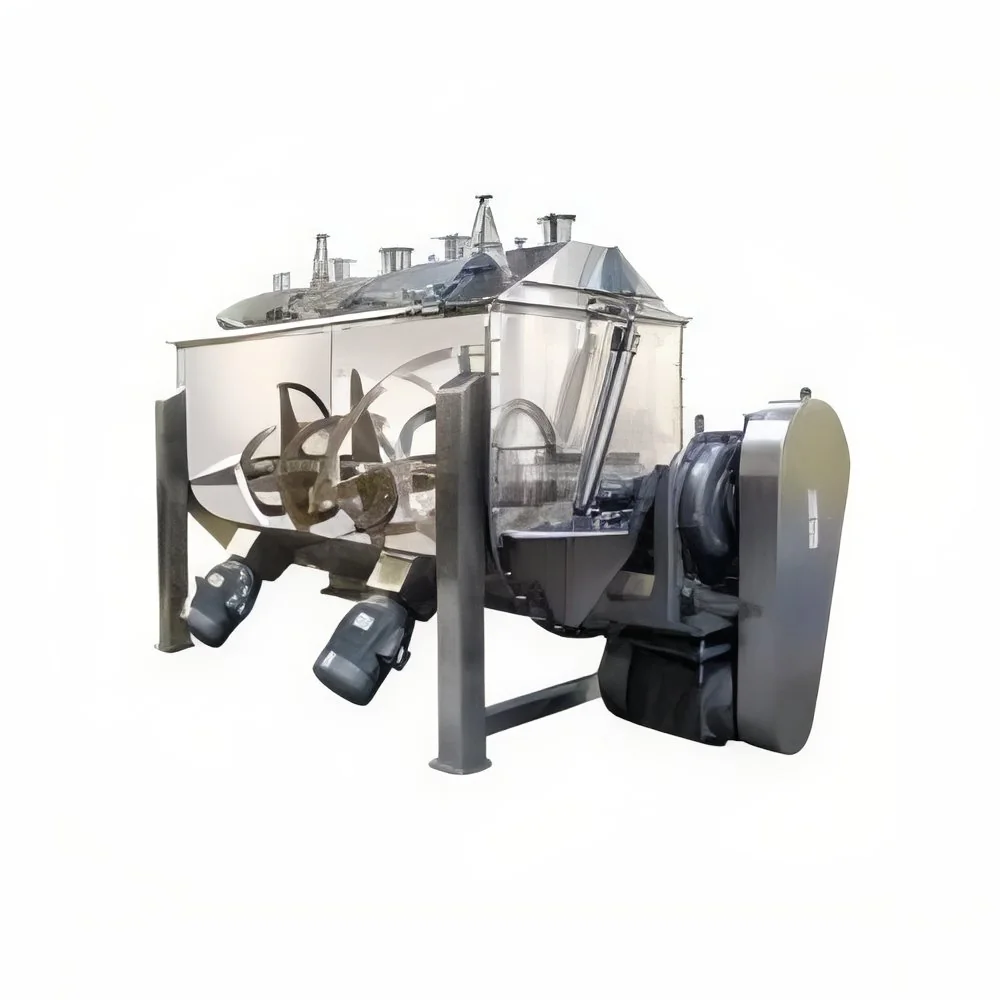
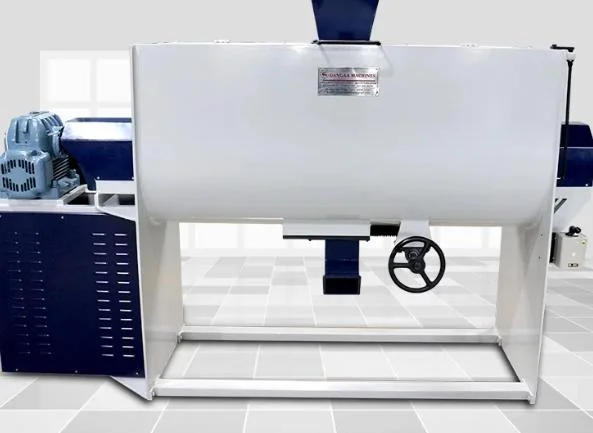
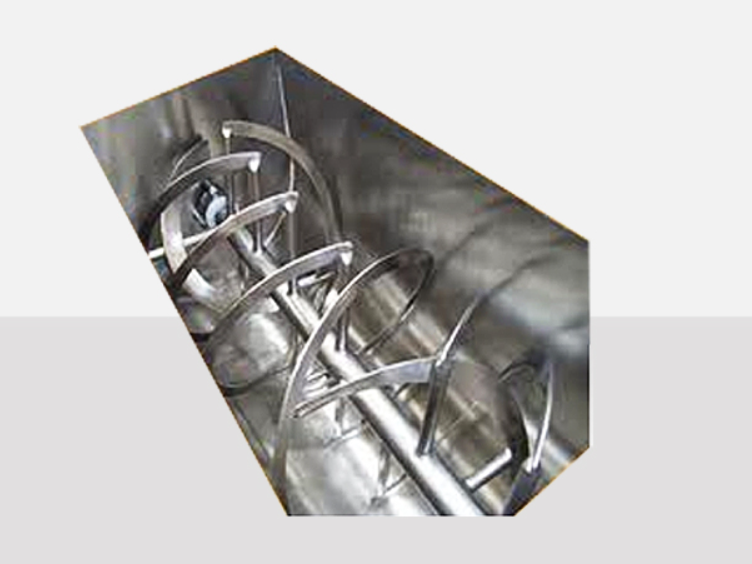
Ribbon blenders are industrial mixing equipment designed for the uniform blending of bulk materials. They consist of a horizontal cylindrical chamber with a set of inner ribbons or blades that rotate around a central shaft. This unique design allows for efficient and thorough mixing of powders, granules, and other dry ingredients. The ribbons create a dual flow pattern that promotes consistent material distribution, reducing the risk of segregation.
These mixers are commonly used in various industries including food processing, chemicals, pharmaceuticals, and plastics. Their primary applications include blending powders, granulations, and even some semi-liquid materials. Due to their efficiency and versatility, ribbon blenders are a preferred choice for companies seeking to improve their production processes. In today’s competitive market, the demand for reliable and effective mixing solutions continues to rise, making ribbon blenders a significant asset in manufacturing.
Key Features and Specifications
Ribbon blenders are equipped with several features that enhance their performance and usability. These features help to ensure effective mixing, durability, and ease of operation.
Key specifications include:
1. Mixing Capacity
- Available in various capacities ranging from small batch sizes to thousands of liters.
- Tailored to meet specific production needs.
2. Construction Material
- Typically made from stainless steel for corrosion resistance.
- Options for carbon steel or specialized coatings for specific applications.
3. Drive System
- Equipped with heavy-duty gear motors for reliable operation.
- Variable speed options available for different mixing requirements.
4. Ribbon Design
- Designed for efficient material flow and mixing.
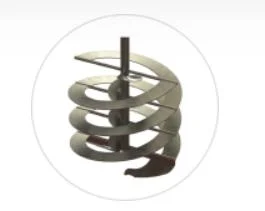
- Available in single or double ribbon configurations.
5. Discharge Mechanism
- Features include slide gates or pneumatic actuators for smooth material discharge.
- Ensures minimal residual material remains in the blender.
6. Customization Options
- Can be customized for specific applications, including size and configuration.
- Options for heating or cooling jackets for temperature-sensitive materials.
7. Safety Features
- Includes safety guards and emergency stop controls.
- Complies with industry safety standards for operational safety.
Ribbon blenders are designed to meet the diverse needs of various industries, ensuring reliability and efficiency in mixing operations.
Common Applications and Use Cases
Ribbon blenders serve various industries by providing effective mixing solutions tailored to specific applications.
1. Food Industry: They are used to blend dry ingredients like flour, sugar, and spices, ensuring uniformity in food products.
2. Chemical Industry: Ribbon blenders mix powders and granules for the production of fertilizers, pigments, and other chemical products.
3. Pharmaceutical Industry: Used to blend active ingredients with excipients in the production of tablets and capsules.
4. Plastics Industry: They blend various polymer powders to create consistent material properties for plastic manufacturing.
5. Building Materials: Ribbon blenders are utilized for mixing dry mortar, cement, and other construction materials.
6. Agriculture: They mix fertilizers and pesticides to ensure even distribution of nutrients and active ingredients.
7. Detergent Manufacturing: Used for blending powders for laundry and cleaning products to achieve consistent formulations.
Product Variants and Subcategories
Ribbon blenders come in various designs to cater to different production requirements.
Standard Ribbon Blender: This is the most common variant, known for its versatility in handling a wide range of materials. It offers efficient mixing and is suitable for bulk powder applications.
Heavy-Duty Ribbon Blender: Designed for more demanding applications, this variant features reinforced construction to handle abrasive materials. Ideal for the chemical and mining industries.
Vacuum Ribbon Blender: This variant allows for mixing under vacuum conditions. It is perfect for heat-sensitive materials or processes that require moisture control during blending.
Benefits and Advantages
Ribbon blenders offer numerous benefits that make them a valuable addition to any manufacturing facility.
Key benefits include:
1. Efficient Mixing: The unique ribbon design ensures thorough mixing of materials, reducing batch times and improving product consistency.
2. Versatility: They can handle a wide variety of materials, from powders to granules, making them suitable for different industries.
3. Customization: Ribbon blenders can be tailored to meet specific production needs, including size, capacity, and configuration.
4. Durability: Made from high-quality materials, these blenders are built to withstand rigorous industrial use.
5. Ease of Operation: Simple controls and automated options facilitate user-friendly operations, minimizing training requirements.
6. Cost-Effectiveness: Their efficiency can lead to lower operational costs and improved productivity over time.
Buying Guide for B2B Buyers
When sourcing ribbon blenders, it is essential to consider several key factors to ensure you select the right equipment for your needs.
1. Quality Assessment: Look for manufacturers that adhere to high-quality standards. Certifications such as ISO 9001 can be indicative of product reliability.
2. Supplier Verification: It is important to vet suppliers to ensure they have a proven track record. Check for reviews, references, and industry reputation.
3. Pricing and MOQ: Evaluate pricing structures and minimum order quantities. Understand how these factors align with your budget and production needs.
4. Delivery and Lead Times: Discuss logistics with suppliers to ensure timely delivery. Consider lead times in your production schedule to avoid delays.
5. Compliance Requirements: Ensure that the ribbon blenders meet relevant industry standards and regulations. This may include safety certifications and environmental compliance.
Compliance and Certifications
Ribbon blenders must adhere to several industry standards to ensure safety and reliability.
Quality standards such as ISO 9001 are important for manufacturers, as they indicate a commitment to quality management systems. This ensures that the production process meets customer and regulatory requirements.
In addition, compliance with HACCP and GDP standards is crucial for industries like food and pharmaceuticals, where safety and traceability are paramount. These standards help to minimize risks and ensure that products are safe for consumption or use.
CE certification is also significant, particularly for equipment used within Europe. It demonstrates that the product meets EU safety, health, and environmental protection requirements.
Moreover, manufacturers must consider regional compliance requirements, which may vary based on local regulations. Being aware of these factors helps ensure that ribbon blenders are suitable for specific markets.
Why Source Ribbon Blenders from Pepagora?
Pepagora provides a trusted platform for sourcing ribbon blenders, offering several key advantages to buyers.
Verified Supplier Network: Pepagora connects buyers with verified suppliers, ensuring that you work with reputable manufacturers. This reduces the risk of unqualified vendors and enhances product reliability.
Streamlined RFQ Process: The platform features an efficient Request for Quotation (RFQ) system that simplifies the procurement process. Buyers can easily compare quotes and select the best options for their needs.
Trade Assurance and Support: Pepagora offers trade assurance to protect buyers, ensuring secure transactions and support throughout the purchasing process. This builds trust and confidence in sourcing equipment.
Regional Coverage: With a focus on regions like India, GCC, and Southeast Asia, Pepagora ensures extensive market reach. Buyers can find suppliers that meet their specific regional needs, making it easier to source ribbon blenders effectively.

 IN
IN