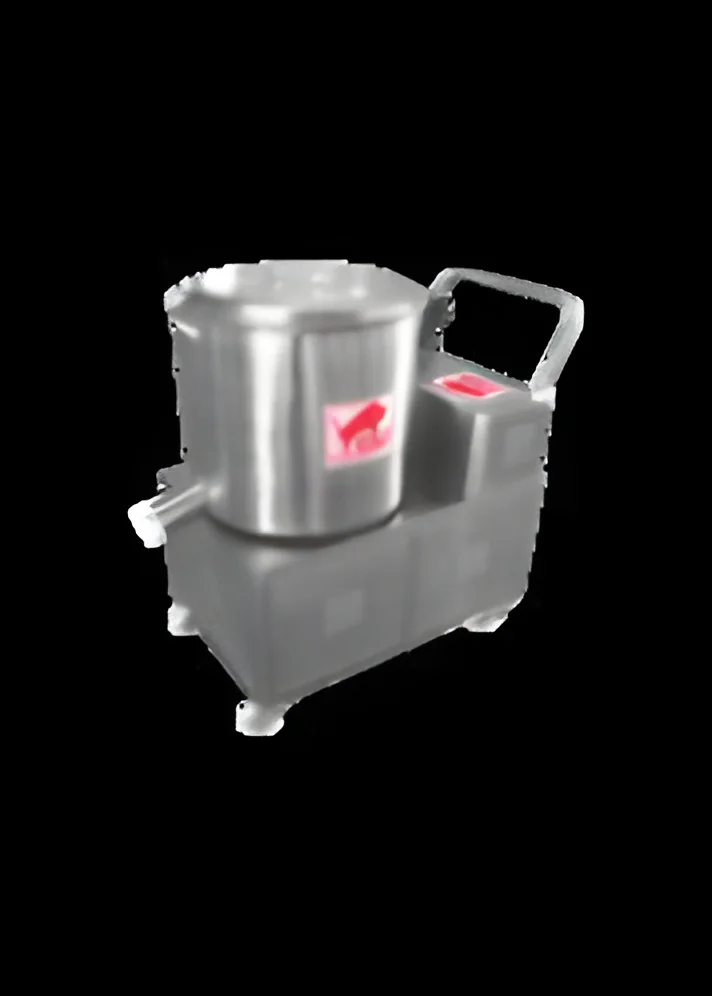
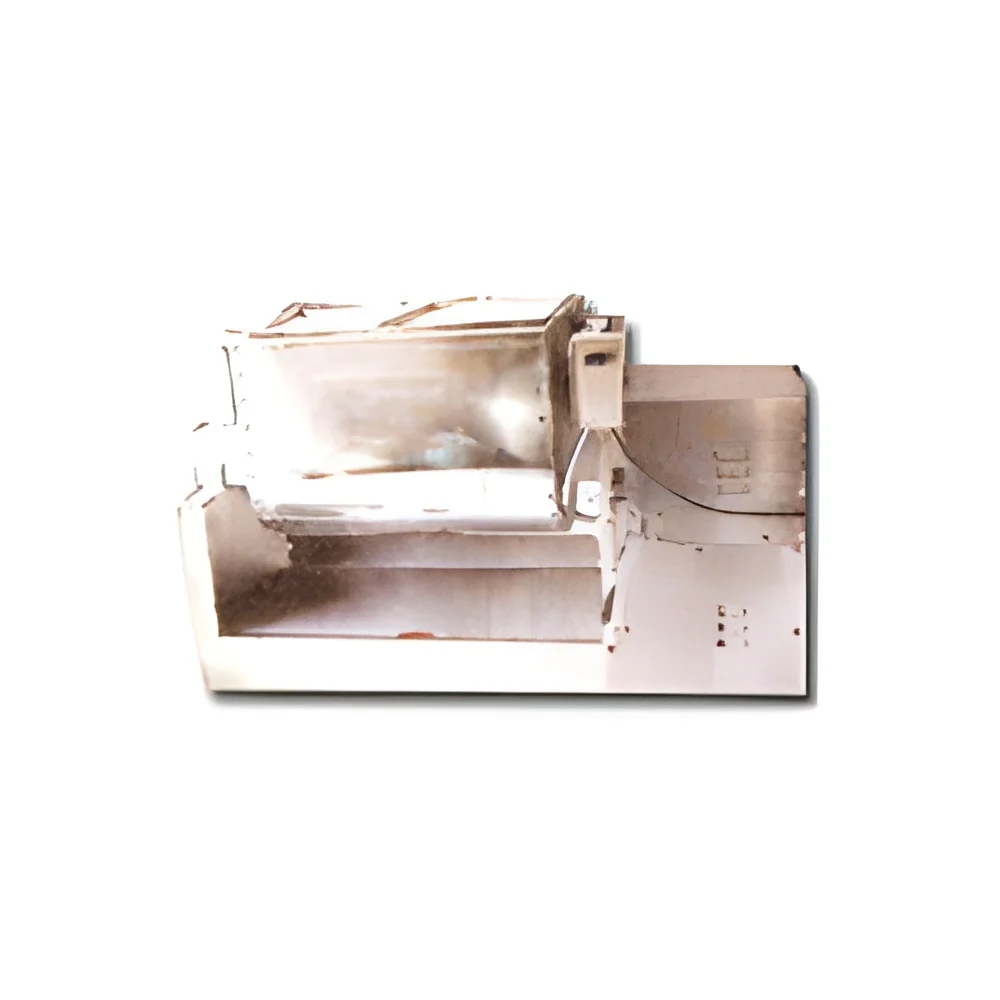
What are Load Cell Based Batch Mixers?
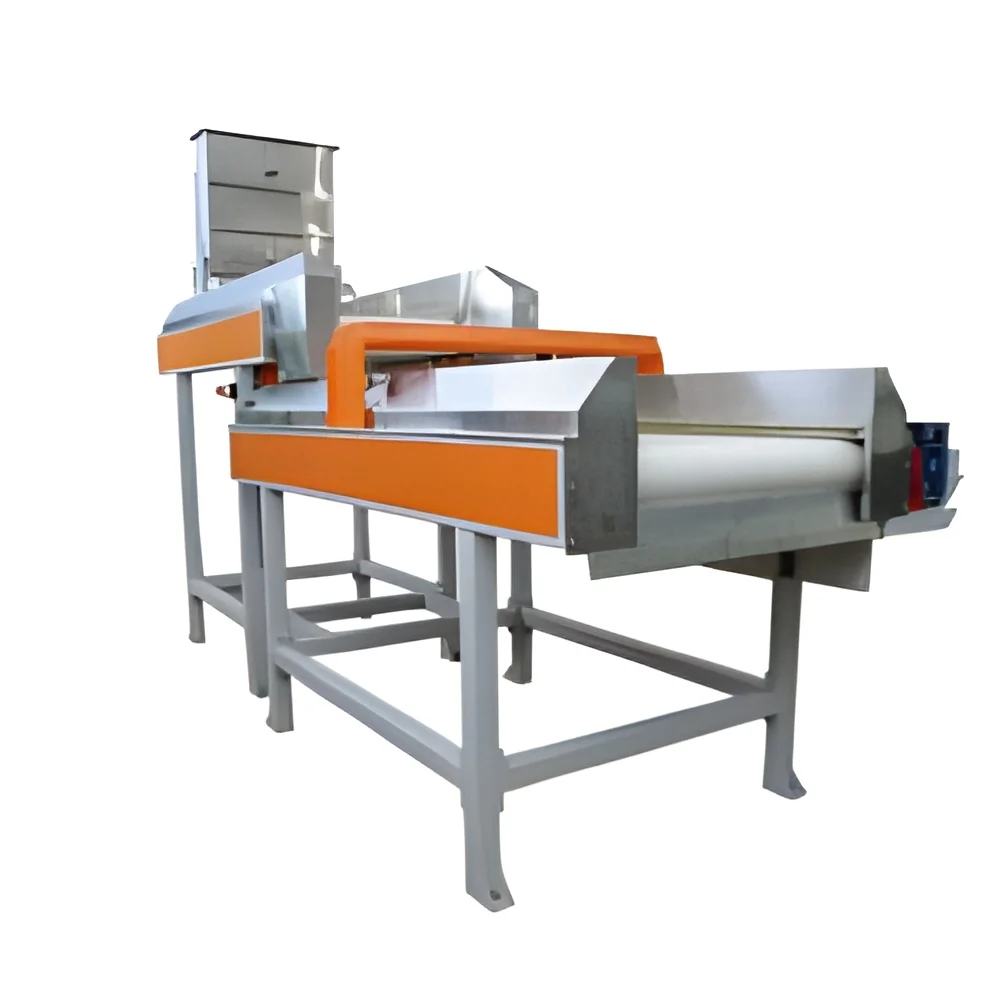
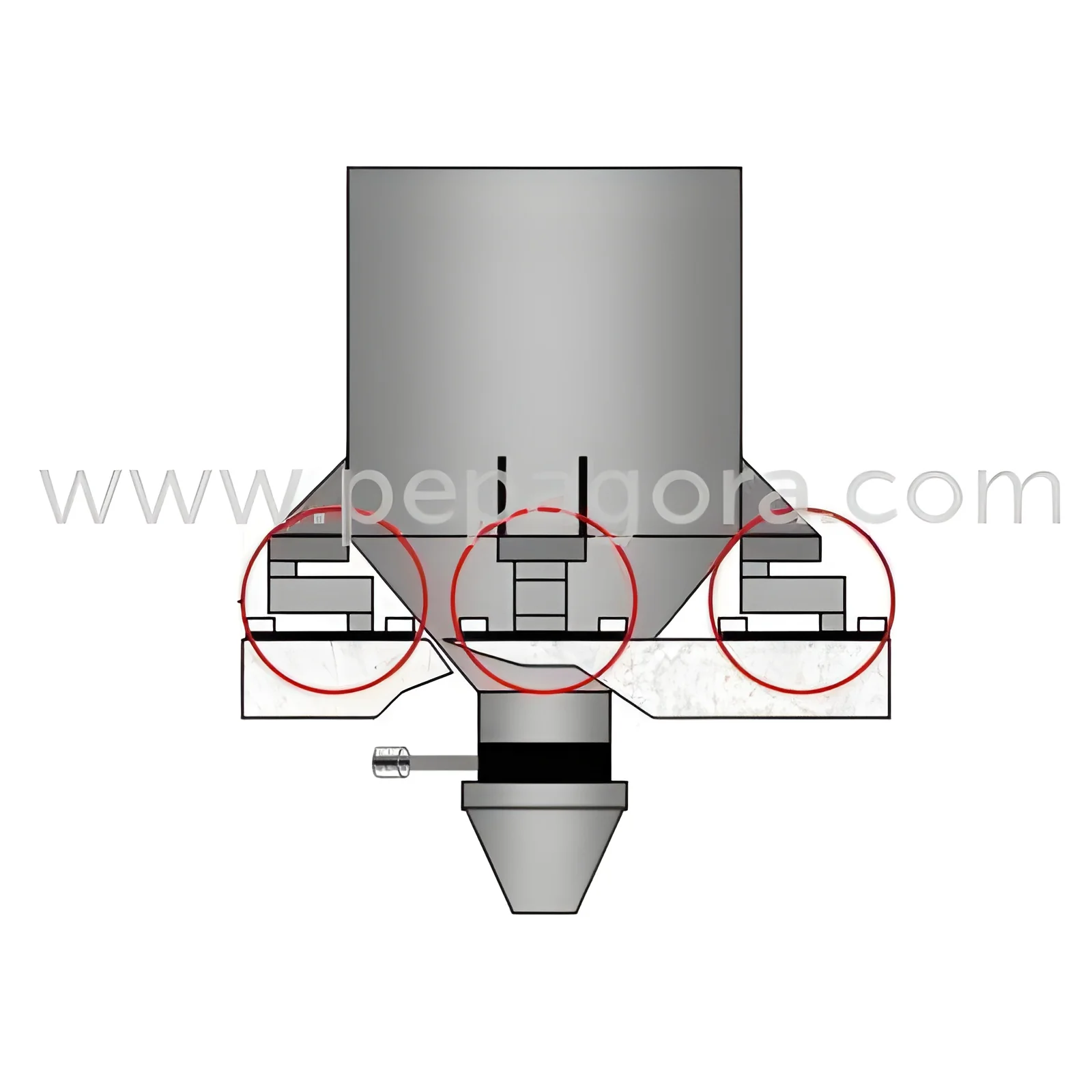
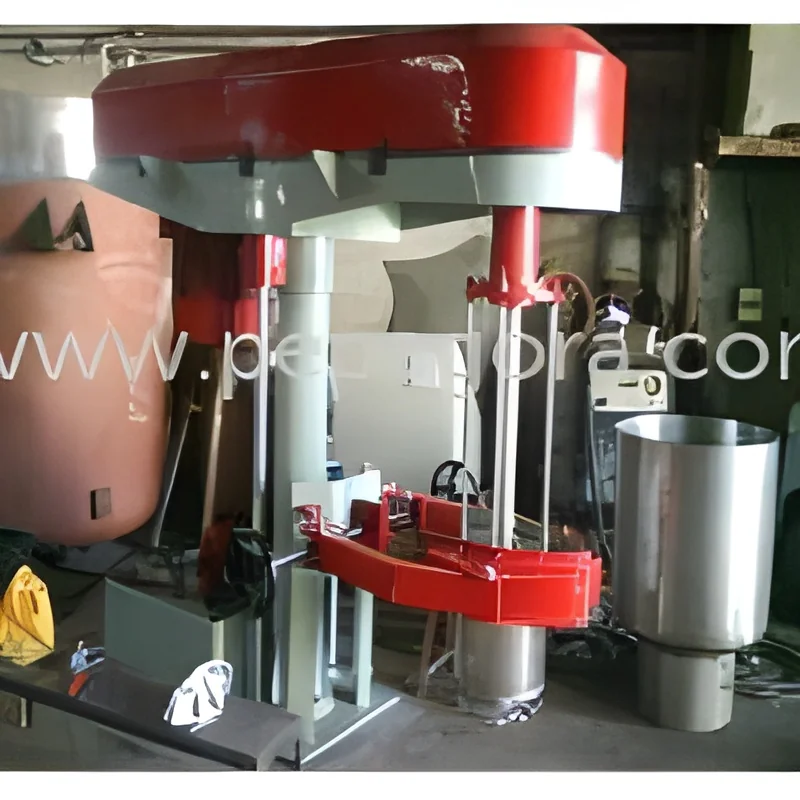
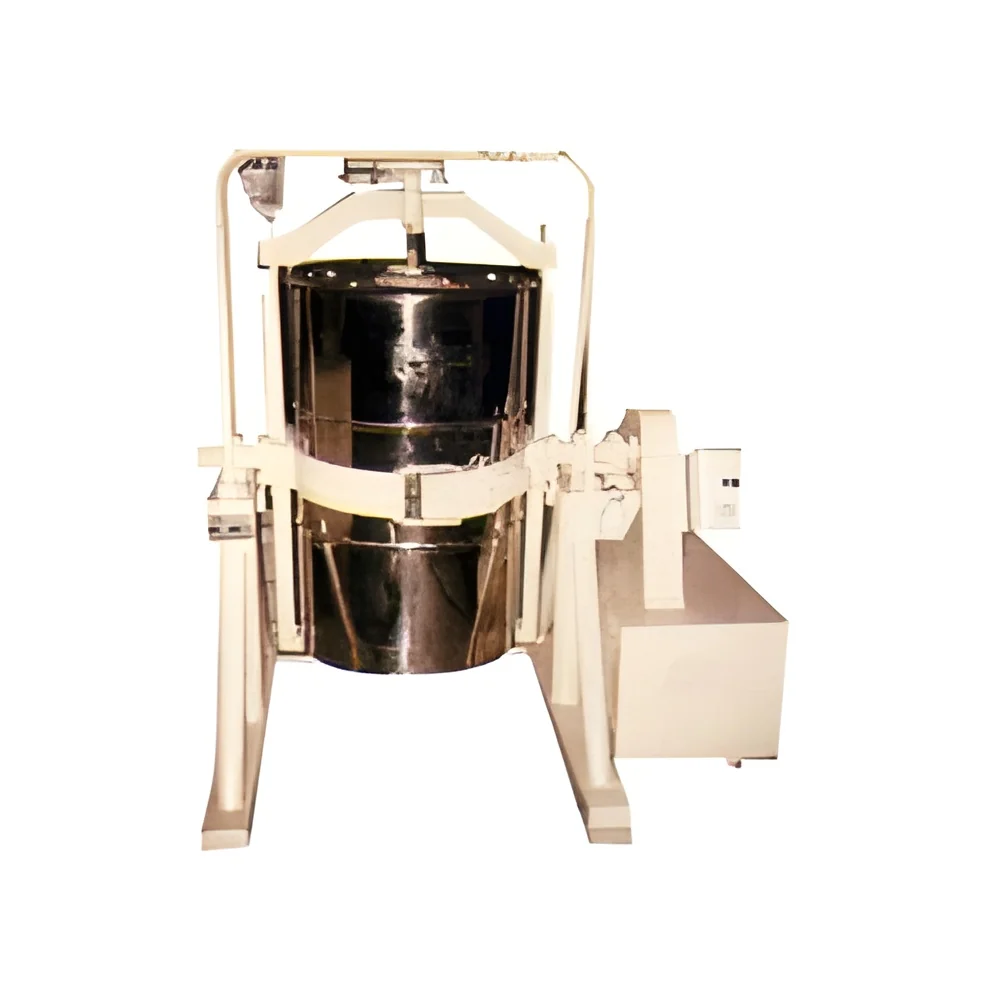
Load Cell Based Batch Mixers are advanced equipment designed to accurately blend materials in a controlled environment. These mixers utilize load cell technology to measure the weight of ingredients during the mixing process, ensuring precise batch formulations. By continuously monitoring the weight of the materials, these mixers can automatically adjust the addition of components to achieve the desired mixture ratio, leading to enhanced consistency and quality in production.
These mixers are primarily used in industries such as food and beverage, pharmaceuticals, and chemicals, where precise ingredient measurement is crucial. Businesses rely on Load Cell Based Batch Mixers to streamline operations and reduce waste by ensuring that each batch meets specific formulation requirements. The ability to track weight in real-time not only improves efficiency but also enhances product quality, making them an essential tool for manufacturers.
With the growing emphasis on automation and precision in various manufacturing sectors, Load Cell Based Batch Mixers have gained significant relevance. They align with modern production demands for high accuracy, repeatability, and compliance with industry standards. As companies continue to optimize their processes, the market for these mixers is expected to expand further.
Key Features and Specifications
Load Cell Based Batch Mixers come with a variety of features that enhance their functionality and performance. These specifications provide insight into what makes these mixers a reliable choice for industrial applications.
Key specifications include:
1. Load Cell Accuracy
- Provides precise weight measurements for ingredient addition.
- Typically ranges from ±0.1% to ±0.5% of full scale.
2. Mixing Capacity
- Indicates the total volume of material that can be processed in one batch.
- Common capacities range from 100 liters to over 5000 liters.
3. Control System
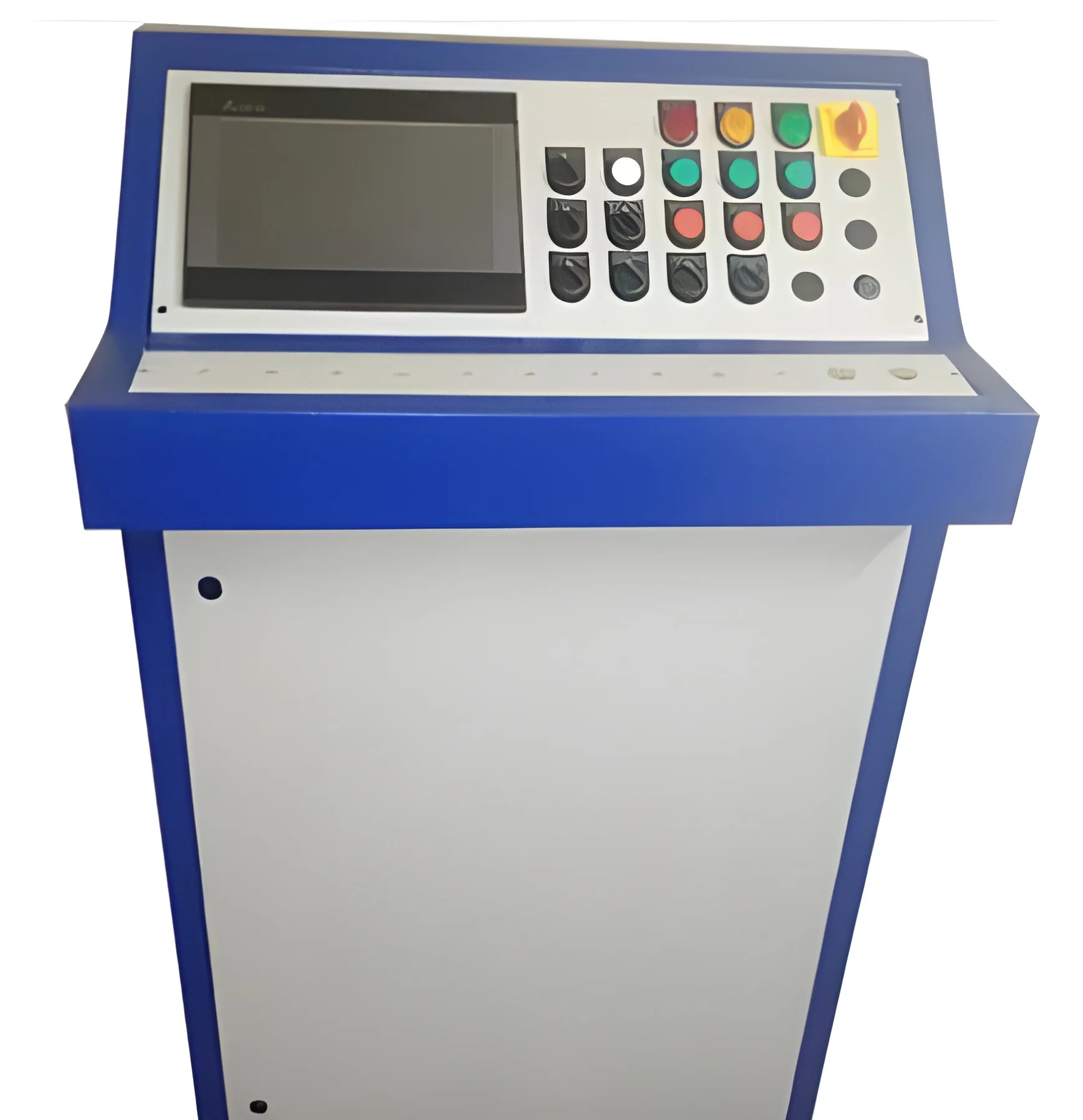
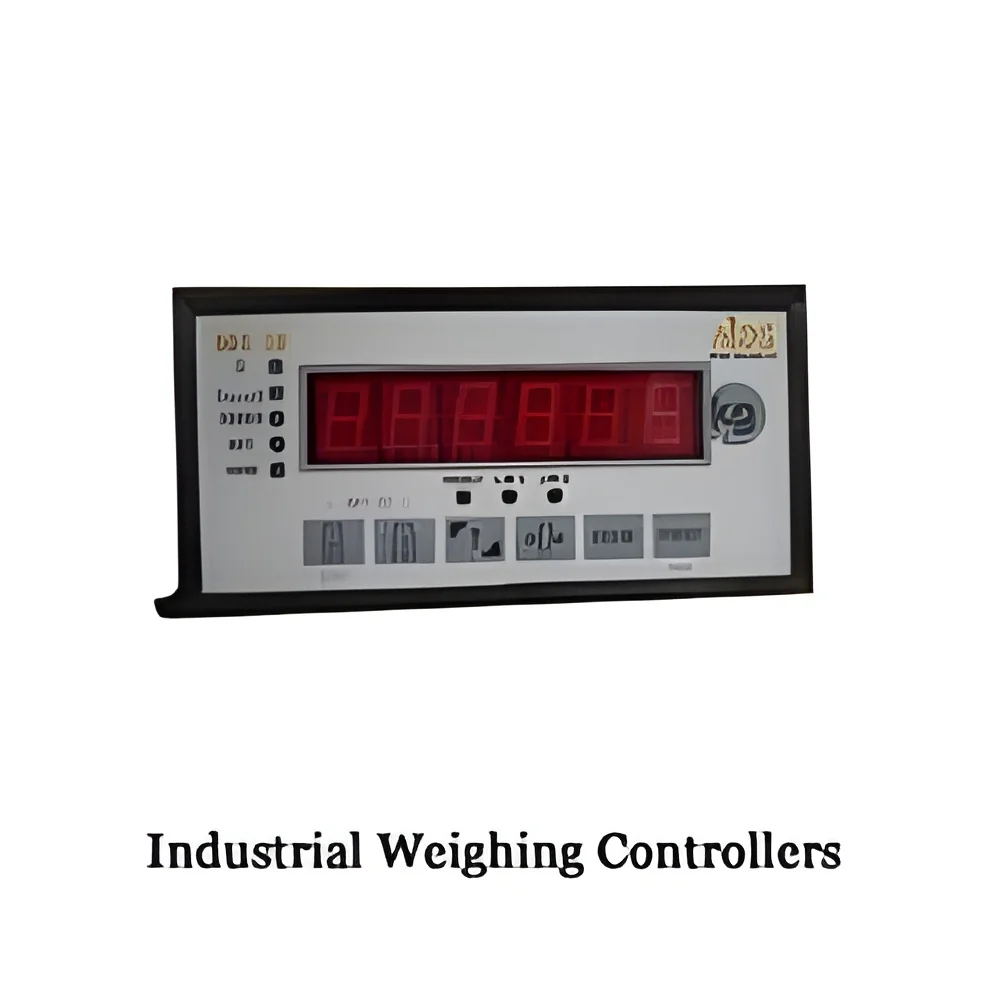
- Features programmable logic controllers (PLC) for automation.
- Allows for user-friendly operation and monitoring.
4. Material Construction
- Often made from stainless steel for durability and cleanliness.
- Corrosion-resistant finishes are available for harsh environments.
5. Integration Compatibility
- Can be integrated with existing production lines for seamless operation.
- Supports various input/output options for data exchange.
6. Safety Features
- Equipped with emergency stop buttons and overload protection.
- Ensures safe operation during mixing processes.
7. User Interface
- Features touchscreen displays for easy operation and monitoring.
- Provides real-time feedback on mixing status and ingredient weights.
8. Cleaning Mechanism
- Designed for easy disassembly and cleaning.
- Often includes CIP (Clean-In-Place) capabilities for hygiene compliance.
In summary, these specifications highlight the advanced technology and thoughtful design behind Load Cell Based Batch Mixers, making them essential for industries that require precise and efficient mixing processes.
Common Applications and Use Cases
Load Cell Based Batch Mixers are versatile tools that serve various industries, enhancing their production processes and ingredient management.
1. Food and Beverage: These mixers ensure accurate blending of ingredients, such as flour, sugar, and additives, to maintain consistent flavor and quality across products.
2. Pharmaceuticals: In this industry, precise ingredient measurement is critical for compliance with stringent regulations. Load Cell Based Batch Mixers help achieve the exact formulation needed for medications.
3. Chemicals: Manufacturers of chemical products rely on these mixers to accurately combine raw materials, ensuring product quality and reducing waste.
4. Plastics: The mixers are used for blending polymers and additives, where consistent ratios are crucial for product performance.
5. Construction: Load Cell Based Batch Mixers aid in the mixing of concrete and other materials, ensuring the correct proportions are maintained for structural integrity.
6. Cosmetics: These mixers facilitate the combination of various ingredients, allowing for the production of creams, lotions, and other cosmetic products with uniform texture and formulation.
7. Agriculture: Used for mixing fertilizers and pesticides, these mixers help achieve the precise ratios necessary for effective application.
Product Variants and Subcategories
Load Cell Based Batch Mixers are available in a range of configurations to meet diverse industrial needs. This product diversity allows manufacturers to select mixers tailored to specific applications.
Standard Model
This model offers a balance of capacity and accuracy, making it suitable for general-purpose mixing in food and beverage industries. It features a user-friendly interface and robust construction.
High-Capacity Model
Designed for large-scale production, this variant can handle substantial volumes of materials, perfect for industries such as chemicals and plastics. It includes enhanced automation features for efficient operation.
Compact Model
Ideal for facilities with limited space, this smaller variant retains the essential features of larger models while providing flexibility in smaller batches and laboratory settings.
Batch Control Systems
These systems often come with advanced software for tracking and managing multiple batches simultaneously. They are designed for manufacturers focused on achieving high levels of consistency and traceability.
Benefits and Advantages
Choosing Load Cell Based Batch Mixers offers numerous advantages for businesses looking to optimize their mixing processes.
Key benefits include:
1. Improved Accuracy: The use of load cells allows for precise weight measurements, reducing the risk of formulation errors.
2. Enhanced Efficiency: Automated controls streamline the mixing process, saving time and labor costs.
3. Consistent Quality: By ensuring exact ingredient ratios, these mixers help maintain product quality across batches.
4. Waste Reduction: Accurate measurements minimize excess material usage, contributing to cost savings and environmental sustainability.
5. Easy Integration: These mixers can be seamlessly integrated into existing production lines, minimizing disruption during implementation.
6. Compliance Assurance: Advanced features ensure adherence to industry standards, critical for regulated sectors like food and pharmaceuticals.
Buying Guide for B2B Buyers
When sourcing Load Cell Based Batch Mixers, it is important for buyers to consider several key factors to ensure they choose the right equipment for their needs.
1. Quality Assessment: Evaluate the quality of materials and construction to ensure durability and reliability in operations. Look for industry certifications that indicate adherence to quality standards.
2. Supplier Verification: Conduct background checks on suppliers to confirm their credibility and experience in manufacturing Load Cell Based Batch Mixers. A reputable supplier should provide references and support.
3. Pricing and MOQ: Understand the pricing structure and minimum order quantities to align purchasing decisions with budget constraints. Compare quotes from multiple suppliers for better negotiation.
4. Delivery and Lead Times: Discuss delivery schedules and lead times to ensure that the mixers will arrive when needed for production. Consider potential delays that may affect operations.
5. Compliance Requirements: Review any regulatory compliance needs specific to your industry, such as safety standards and hygiene regulations, to ensure the mixers meet these requirements.
Compliance and Certifications
Load Cell Based Batch Mixers must adhere to several compliance and certification standards, ensuring they meet industry regulations and safety requirements.
Relevant quality standards such as ISO 9001 ensure that manufacturers maintain high-quality processes during production. This certification indicates that the product meets international quality management principles, enhancing customer satisfaction.
Additionally, industry certifications such as CE mark compliance are crucial for products sold in European markets. It signifies that the product has been tested and meets safety, health, and environmental protection standards.
Safety and testing requirements are paramount in ensuring that the mixers operate safely in industrial settings. Regular testing and maintenance are essential to uphold these standards.
Moreover, regional compliance considerations may vary, so it is important for buyers to understand local regulations that apply to their specific industries and locations.
Why Source Load Cell Based Batch Mixers from Pepagora?
Pepagora provides a trusted platform for sourcing Load Cell Based Batch Mixers with several key advantages that make the procurement process seamless and reliable.
Verified Supplier Network: Pepagora has established a network of verified suppliers, ensuring that buyers can trust the quality and reliability of the products offered. Each supplier undergoes rigorous vetting to meet industry standards.
Streamlined RFQ Process: The platform simplifies the request for quotation (RFQ) process, allowing buyers to easily compare multiple quotes from different suppliers. This efficiency helps in making informed purchasing decisions quickly.
Trade Assurance and Support: Pepagora offers trade assurance programs that protect buyers, providing peace of mind during transactions. Comprehensive support services are also available to assist with any inquiries or issues.
Regional Coverage: With a strong presence in regions such as India, the GCC, and Southeast Asia, Pepagora caters to a wide range of buyers, ensuring that businesses can find the right Load Cell Based Batch Mixers for their operational needs.

 IN
IN