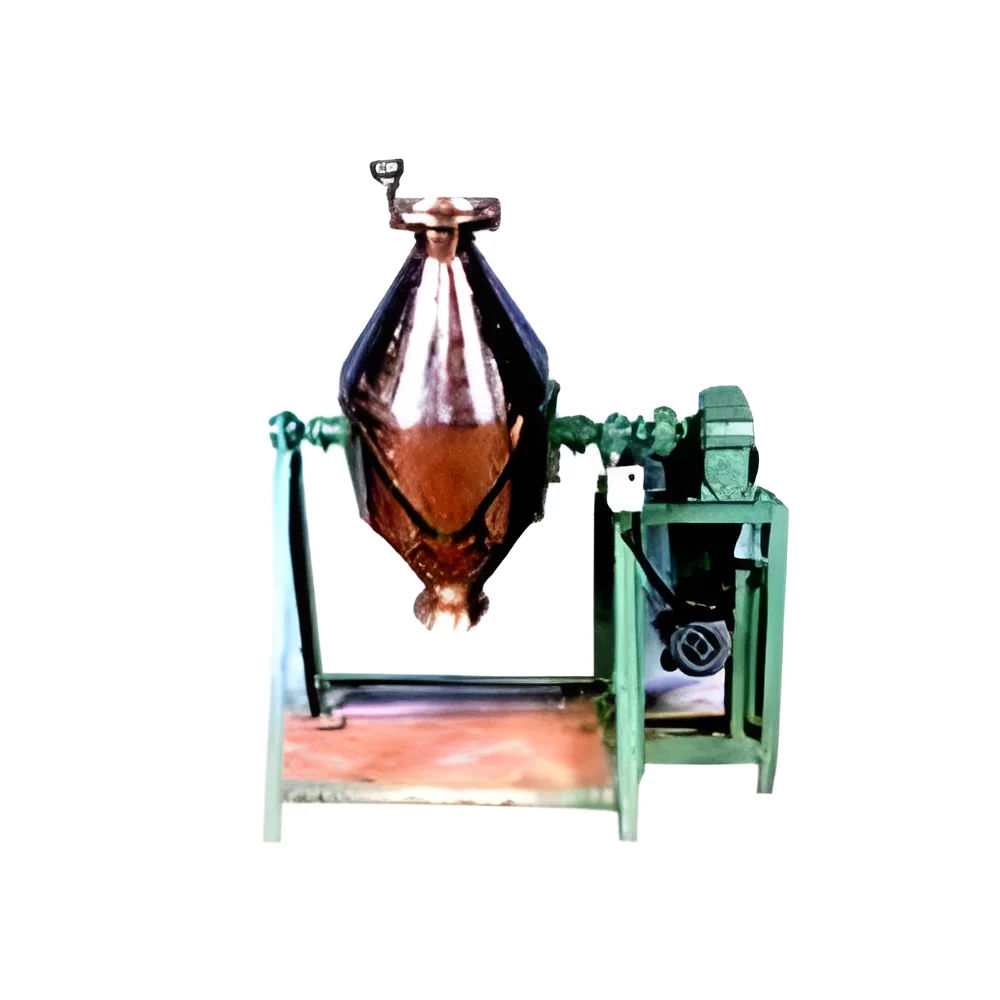
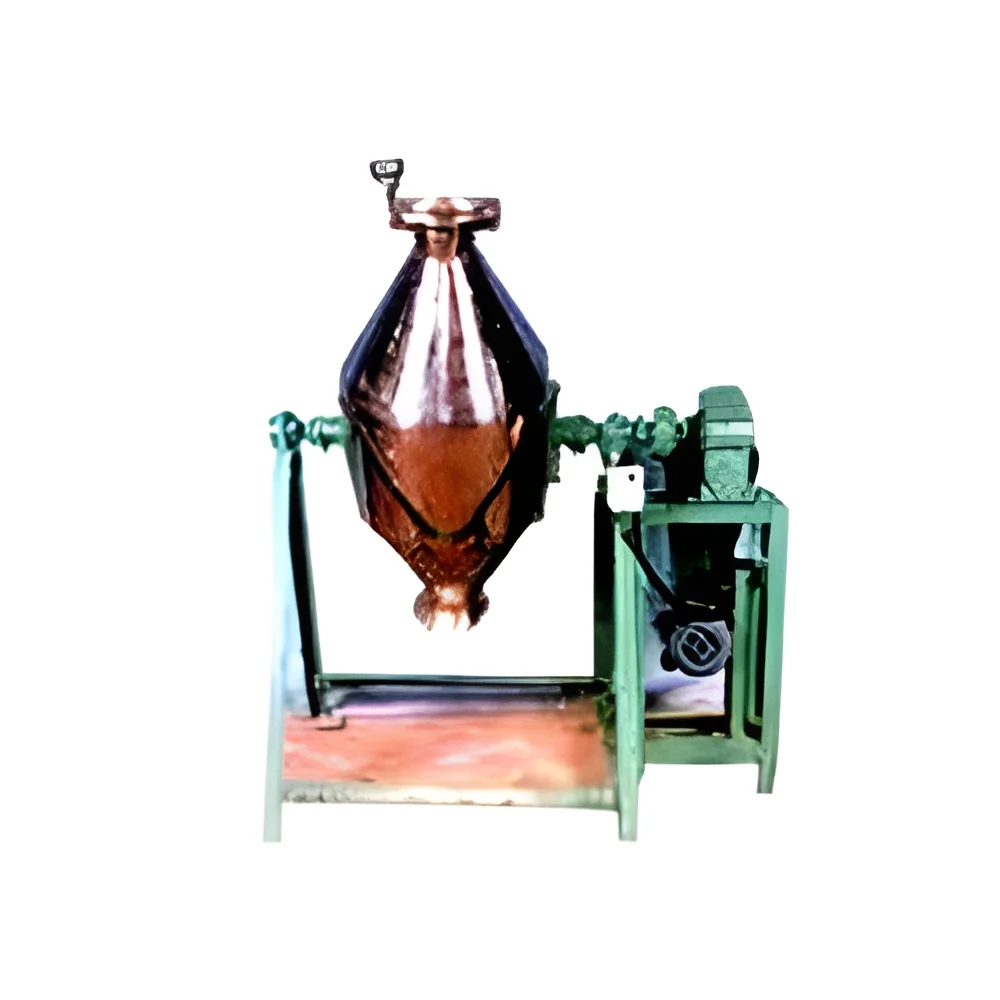
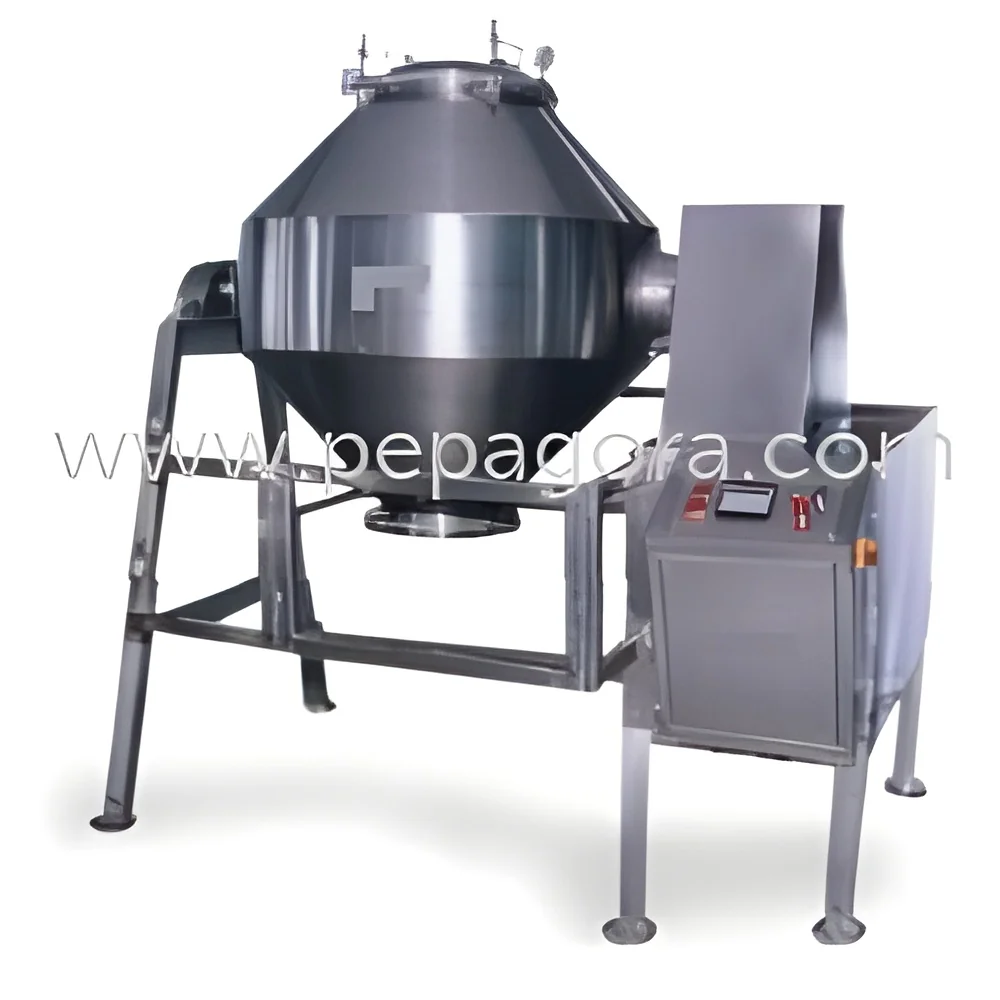
What are Double Cone Blenders?
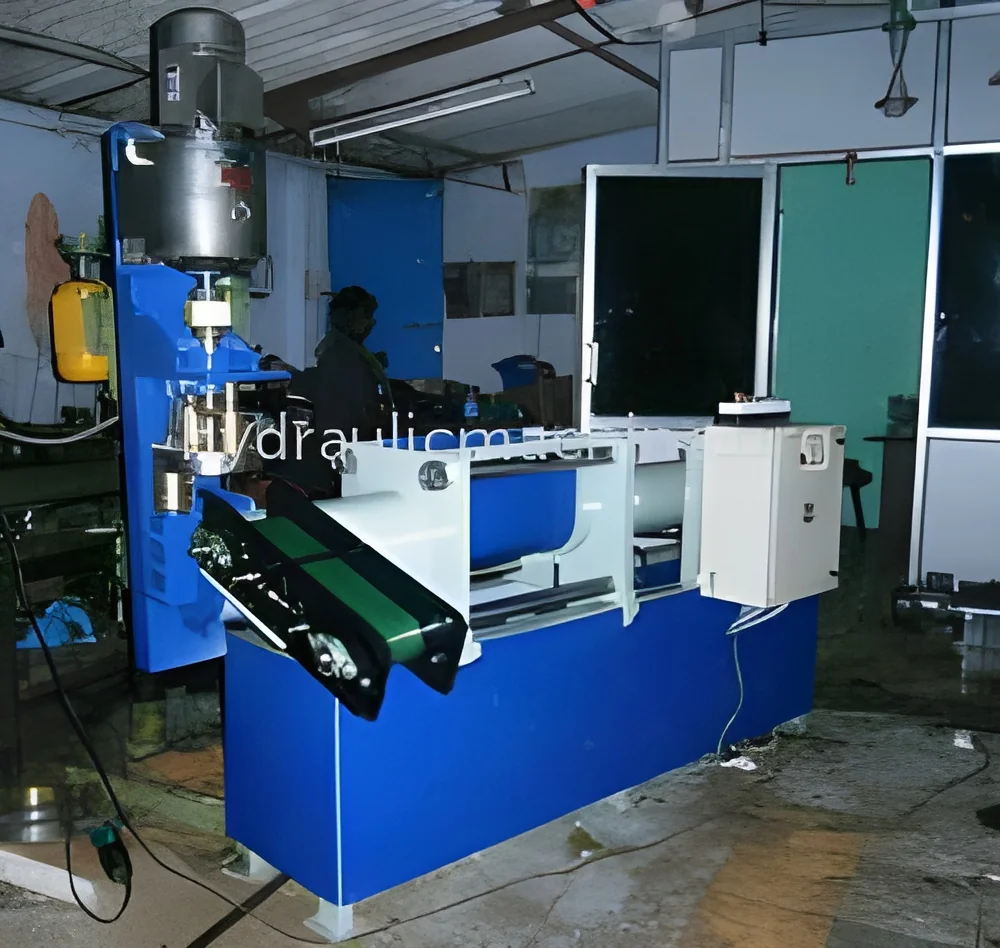
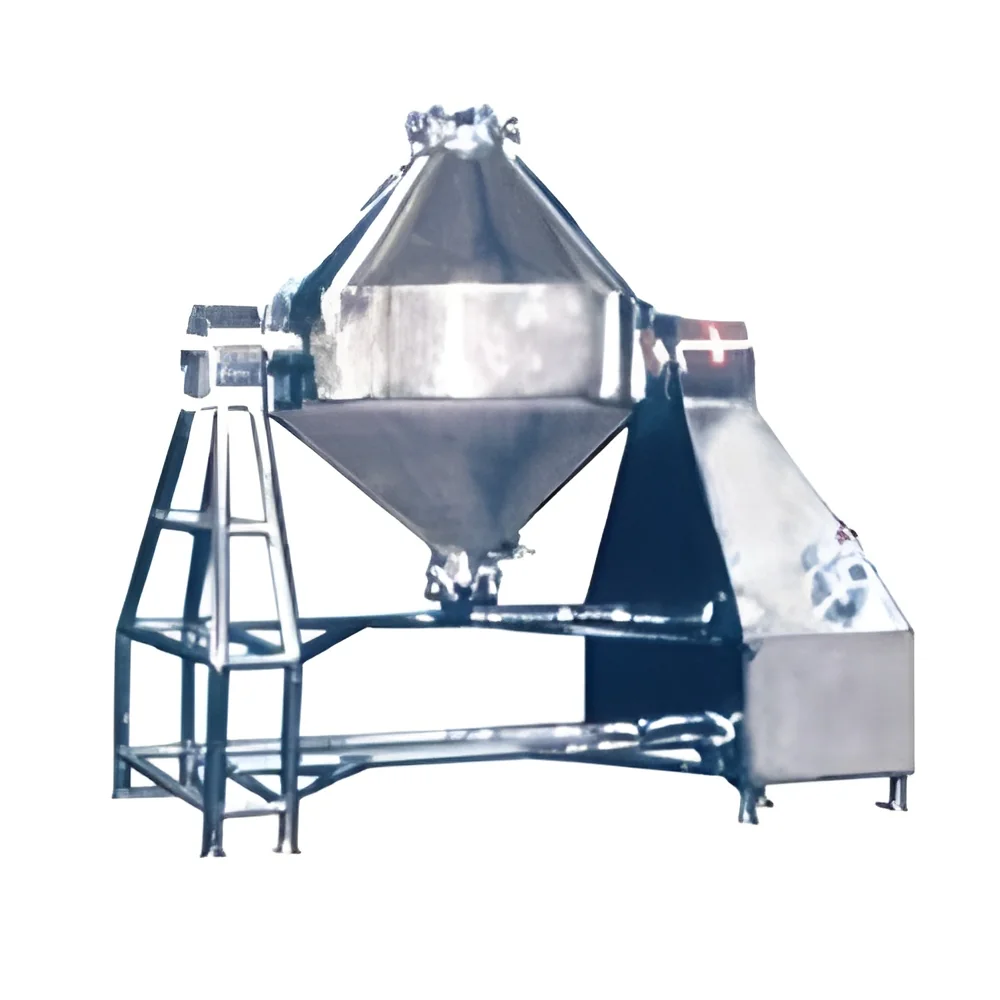
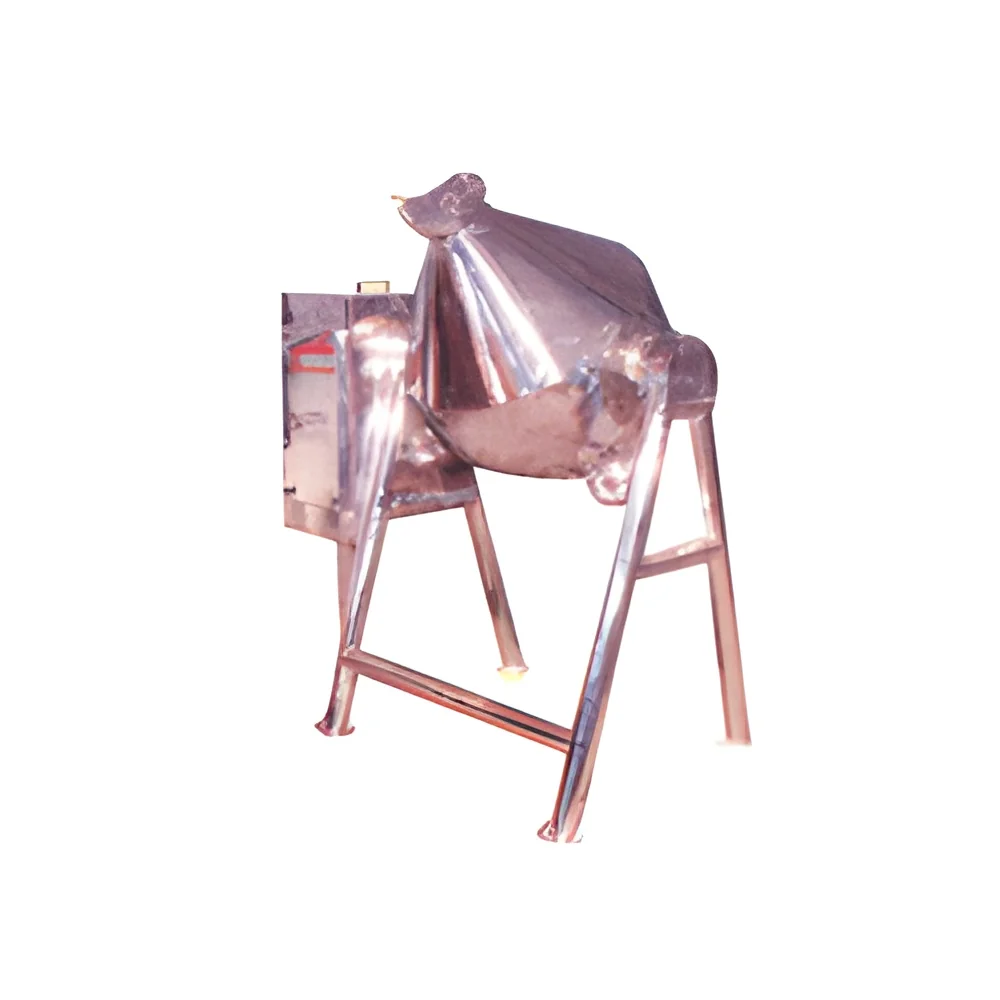
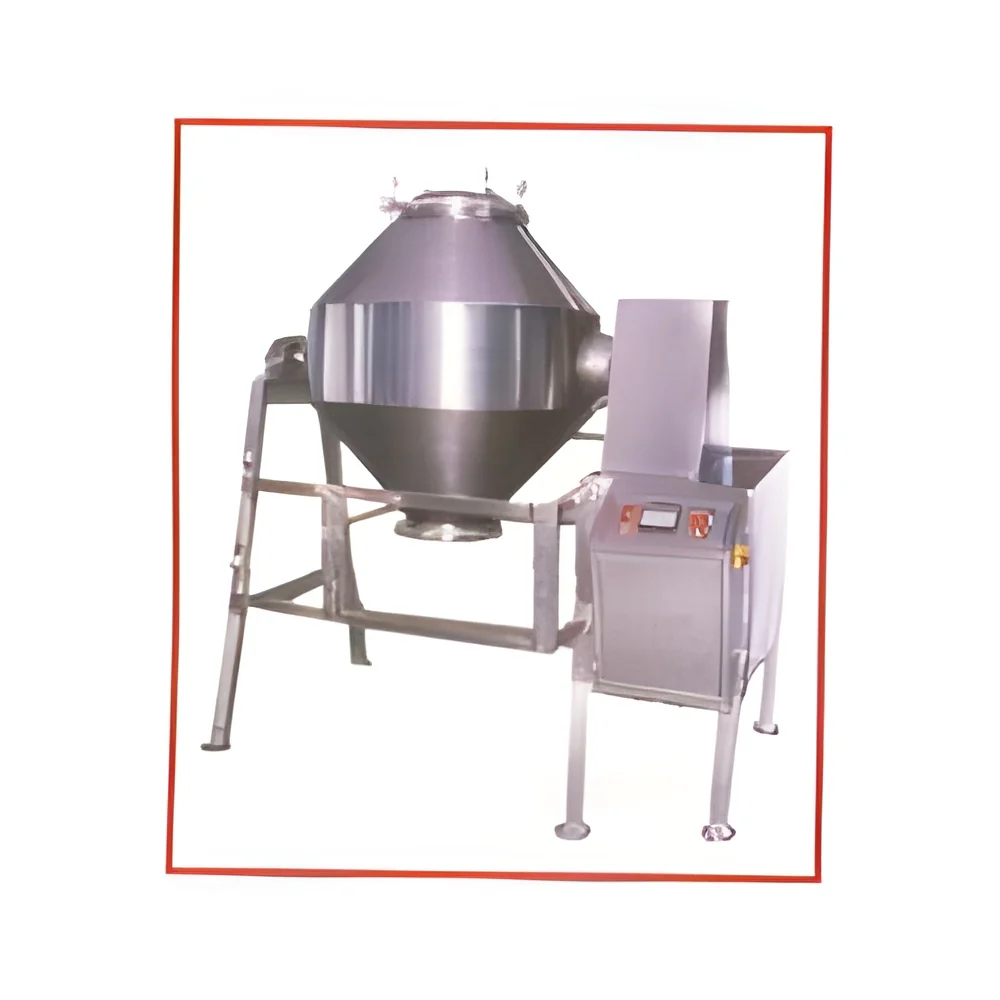
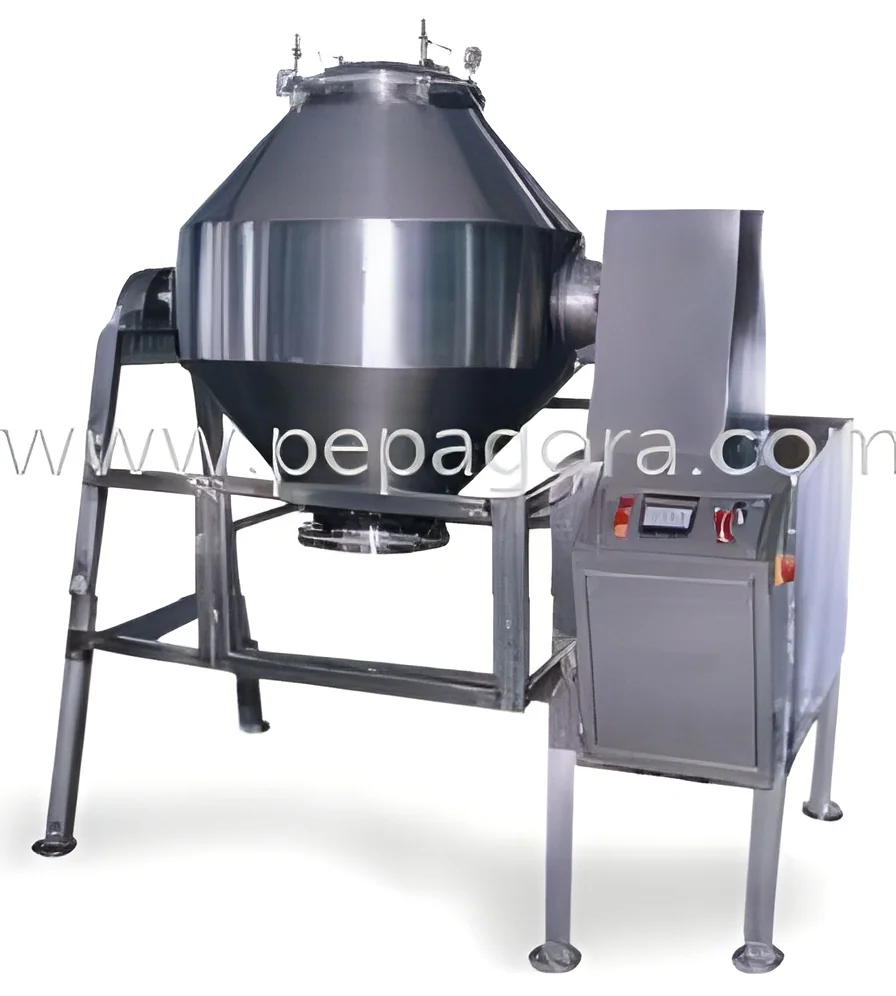
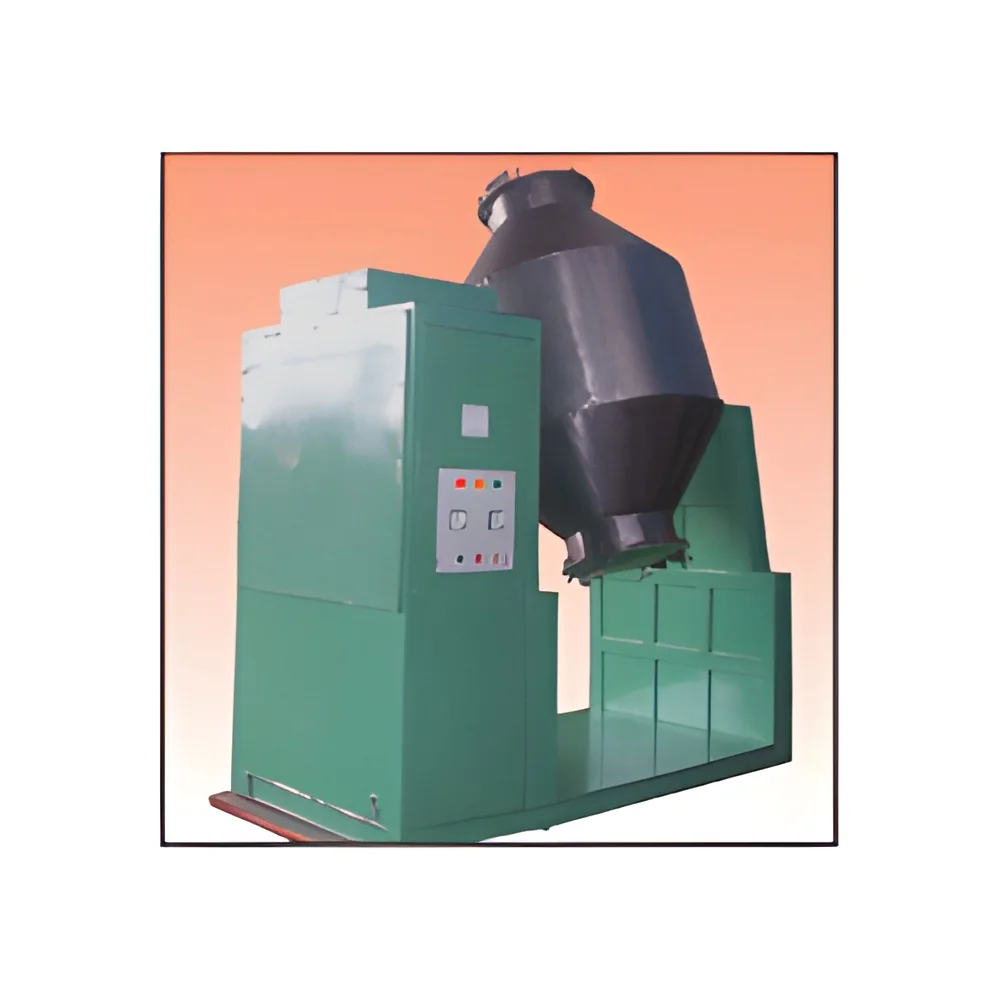
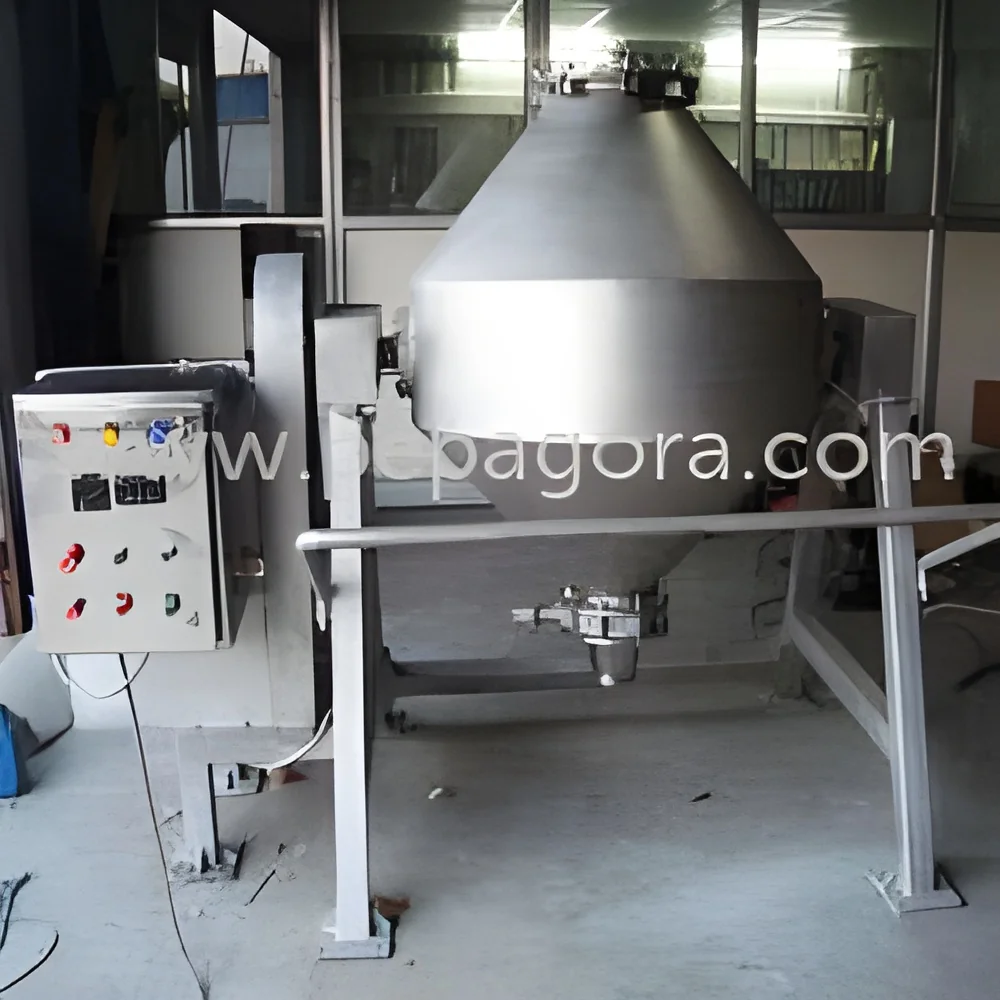
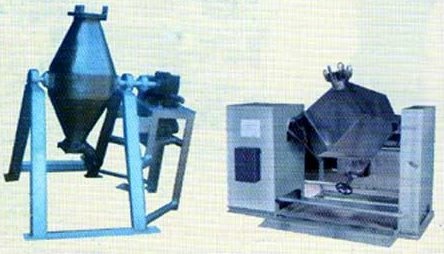
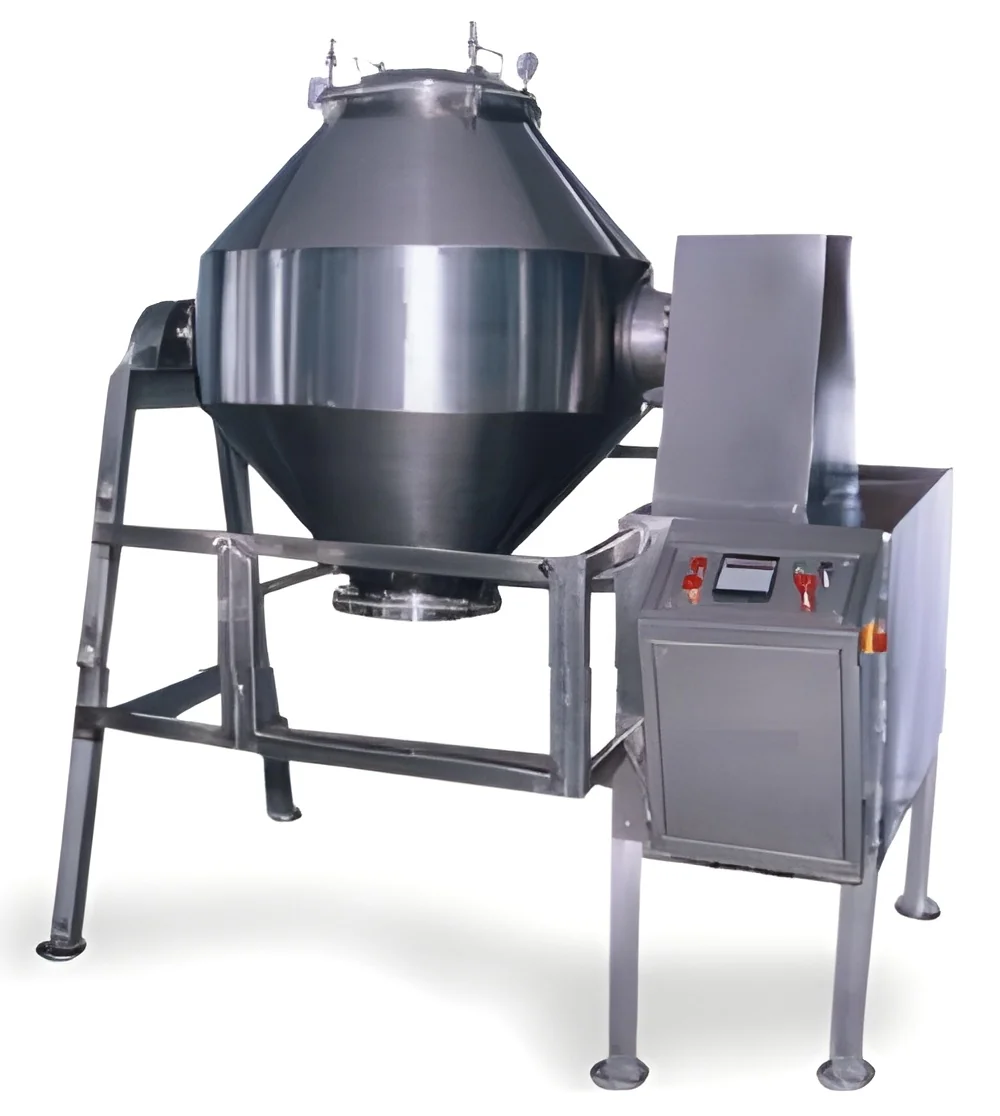
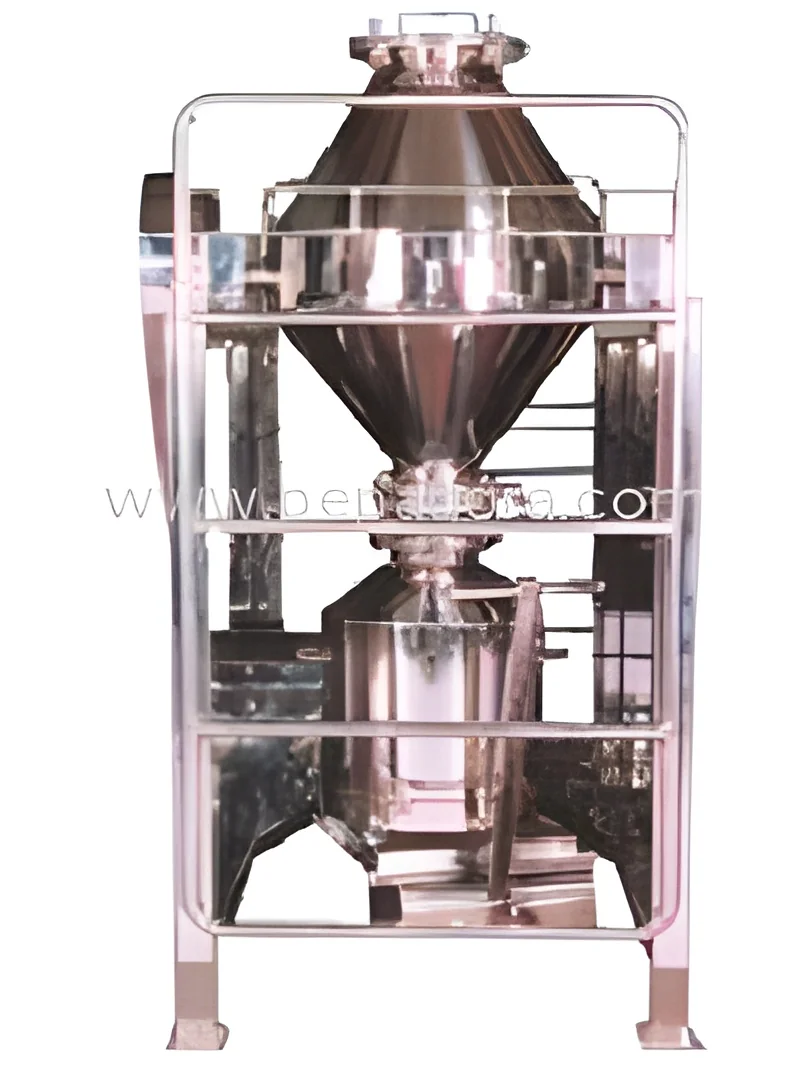
Double Cone Blenders are specialized mixing machines designed for the uniform blending of dry powders and granules. Their unique double cone shape allows for efficient and thorough mixing, minimizing the risk of segregation. The design features two conical ends that facilitate smooth rotation, ensuring that all materials are evenly distributed throughout the blend. This makes them an essential piece of equipment in various manufacturing processes.
These blenders are primarily used in industries such as pharmaceuticals, food production, and chemicals. They are ideal for mixing bulk powders, granules, and other dry ingredients, ensuring consistency in the final product. The versatility of Double Cone Blenders allows them to handle a wide range of materials, from pharmaceutical compounds to food additives. The equipment's relevance in the market is marked by its capability to improve production efficiency and product quality, which are critical factors for businesses looking to maintain a competitive edge.
Key Features and Specifications
Double Cone Blenders come with several features that enhance their functionality and efficiency. Understanding these specifications can aid businesses in selecting the right equipment for their needs.
Key specifications include:
1. Capacity
- Range varies depending on model
- Common capacities include 100 liters to 5000 liters
2. Material of Construction
- Typically made from stainless steel for durability
- Options for other materials based on application needs
3. Mixing Time
- Average mixing time ranges from 15 to 30 minutes
- Varies based on the material being blended
4. Speed Control
- Adjustable speed settings to accommodate different materials
- Typically ranges from 10 to 30 RPM
5. Discharge Mechanism
- Includes manual or pneumatic discharge options
- Design ensures minimal residual product left in the blender
6. Safety Features
- Equipped with overload protection and emergency stop buttons
- Designed to comply with safety standards
7. Cleaning Ease
- Smooth surfaces and minimal crevices for easy cleaning
- Can be disassembled for thorough cleaning
8. CE Certification
- Complies with European safety standards
- Ensures reliability and safety in operation
In summary, Double Cone Blenders offer a range of specifications that cater to various industrial requirements, ensuring efficient and safe blending processes.
Common Applications and Use Cases
Double Cone Blenders serve a multitude of industries, demonstrating their versatility and effectiveness.
1. Pharmaceuticals: In the pharmaceutical industry, these blenders are used for mixing active pharmaceutical ingredients (APIs) with excipients, ensuring uniformity for tablet and capsule production.
2. Food Processing: They are utilized for blending dry ingredients such as spices, flour, and food additives, maintaining consistency and quality in food products.
3. Chemicals: In chemical manufacturing, Double Cone Blenders mix powders and granules to produce fertilizers, detergents, and other chemical products, ensuring proper formulation.
4. Cosmetics: They are used to blend powdered ingredients in cosmetic products, achieving uniformity in formulations like makeup and skincare.
5. Plastics: In the plastics industry, these blenders mix additives and colorants with base materials, ensuring uniform color and properties in plastic products.
6. Animal Feed: They are employed to mix various feed ingredients, enhancing nutritional value and consistency in animal feed production.
7. Construction: Used for blending dry cement, sand, and other additives to ensure uniformity in construction materials.
Product Variants and Subcategories
Double Cone Blenders come in various models and sizes to cater to different industrial needs. Their diverse designs allow businesses to select the most suitable option for their specific applications.
Standard Model
This model is designed for general blending applications and is available in various capacities. It features robust construction and is suitable for mixing a wide range of powders and granules.
High-Capacity Model
A larger variant designed for high-volume production. This model offers increased capacity and is ideal for industries requiring bulk mixing capabilities.
Laboratory Model
This smaller version is tailored for R&D applications, allowing for precise mixing in smaller batches. It is perfect for testing new formulations before scaling up production.
Benefits and Advantages
Investing in Double Cone Blenders provides several significant advantages for businesses.
1. Uniform Mixing: They ensure thorough blending of materials, reducing variability in product quality.
2. Versatility: Capable of handling a wide range of materials across different industries, making them suitable for diverse applications.
3. Improved Efficiency: The design promotes efficient mixing, reducing processing time and increasing productivity.
4. Easy Cleaning: Their design allows for quick disassembly and cleaning, ensuring compliance with hygiene standards.
5. Durability: Constructed from high-quality materials, these blenders offer long service life and reliability.
6. Safety Features: Equipped with necessary safety mechanisms, ensuring safe operation during use.
Buying Guide for B2B Buyers
When sourcing Double Cone Blenders, it is essential for buyers to consider several key factors to ensure they make informed decisions.
1. Quality Assessment: Review the materials used in construction and the manufacturing processes. Look for certifications that demonstrate compliance with industry standards.
2. Supplier Verification: Vet suppliers by checking their credentials, customer reviews, and track record in the industry. A reliable supplier will provide support and service.
3. Pricing and MOQ: Understand the pricing structure and minimum order quantities to align with your budget and production needs.
4. Delivery and Lead Times: Inquire about the expected delivery timelines and logistics to ensure timely availability of the equipment.
5. Compliance Requirements: Ensure that the blenders meet local and international regulatory standards to avoid issues in operation.
Compliance and Certifications
Double Cone Blenders must adhere to various quality and safety standards to ensure they are safe and effective for industrial use. Relevant quality standards include ISO 9001, which focuses on quality management systems, and HACCP, which ensures food safety in food production environments.
Industry certifications such as CE indicate compliance with European safety regulations, providing assurance of the product's safety and reliability. Additionally, manufacturers may need to meet specific safety and testing requirements depending on the industry they are serving. Regional compliance considerations should also be taken into account to ensure that the equipment meets local regulations and standards.
Why Source Double Cone Blenders from Pepagora?
Pepagora offers a trusted platform for sourcing Double Cone Blenders, providing several key advantages for businesses.
Verified Supplier Network: Pepagora has established a network of verified suppliers, ensuring that buyers have access to reliable and high-quality equipment.
Streamlined RFQ Process: The platform simplifies the request for quotation process, making it easier for buyers to compare prices and features from different suppliers.
Trade Assurance and Support: Pepagora provides buyer protection and support, helping businesses navigate their purchasing decisions with confidence.
Regional Coverage: With a strong presence in India, the GCC, and Southeast Asia, Pepagora is well-positioned to serve a diverse range of markets, ensuring quick and efficient service.

 IN
IN