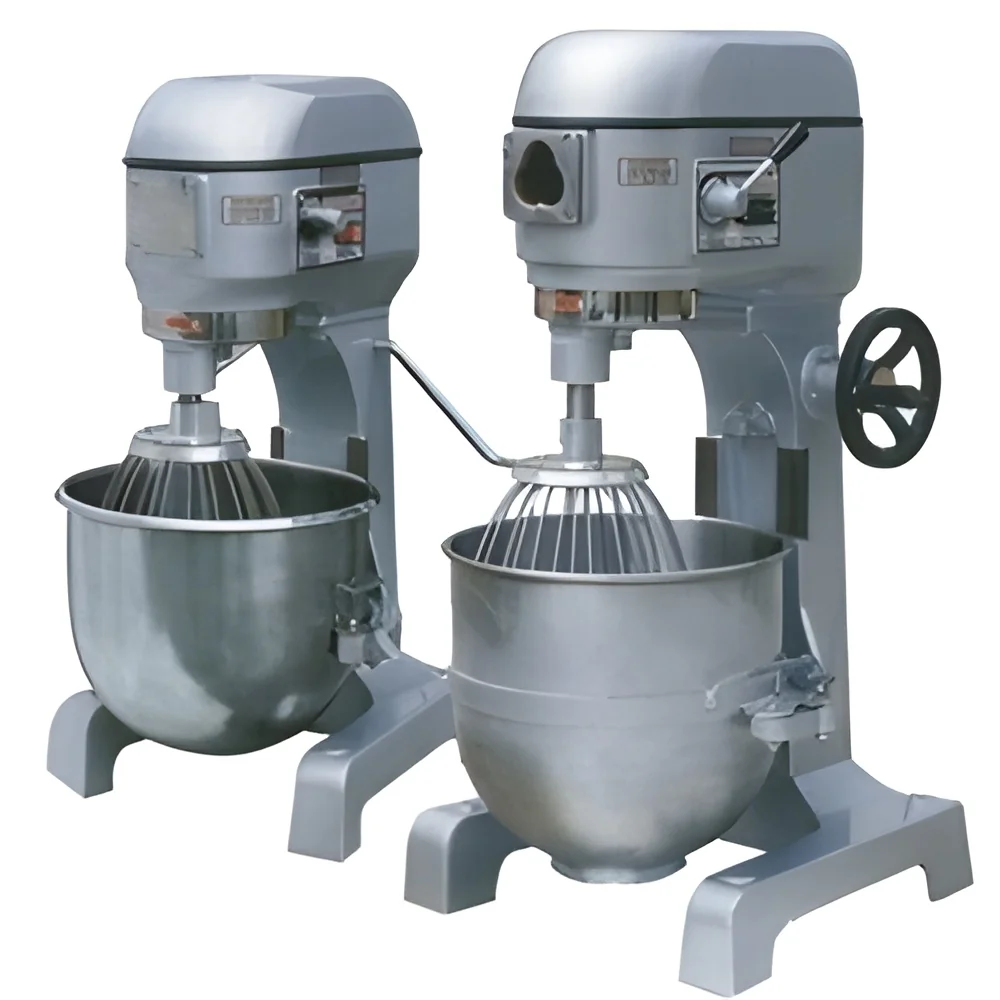
What are Vacuum Sigma Mixers?
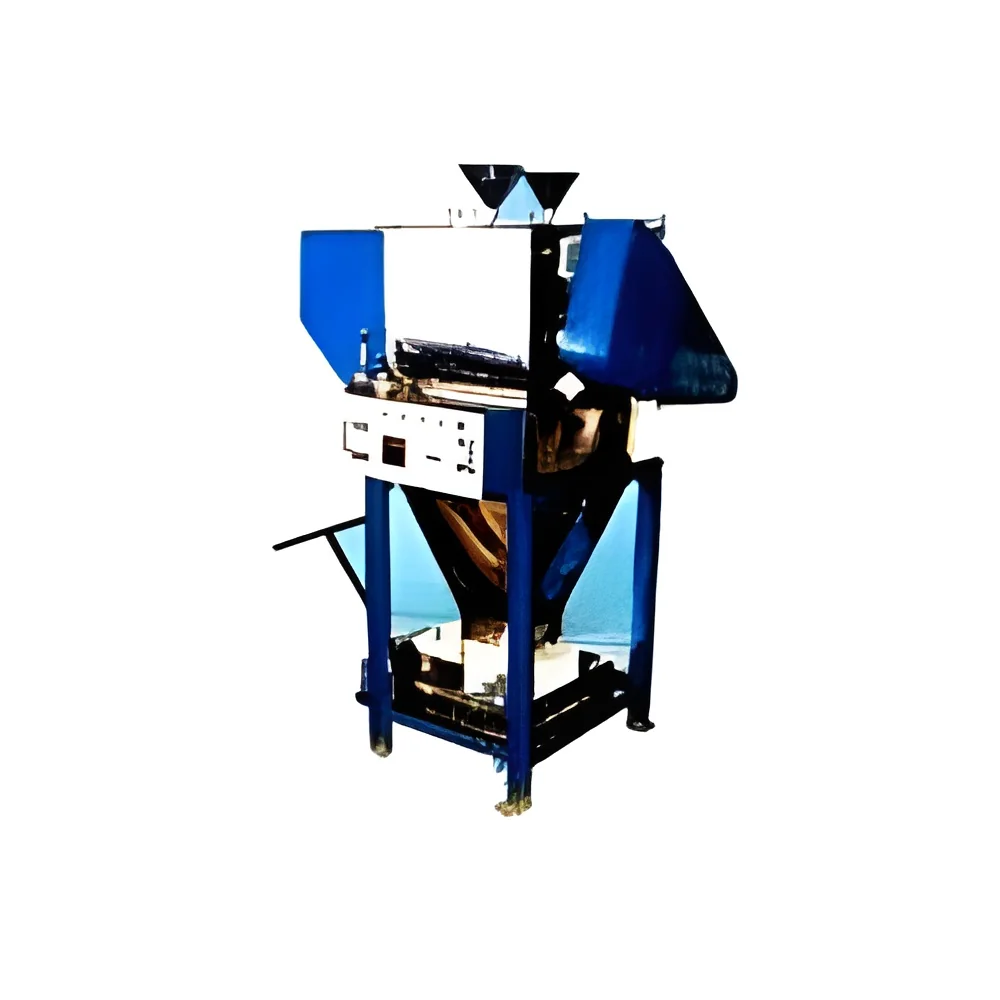
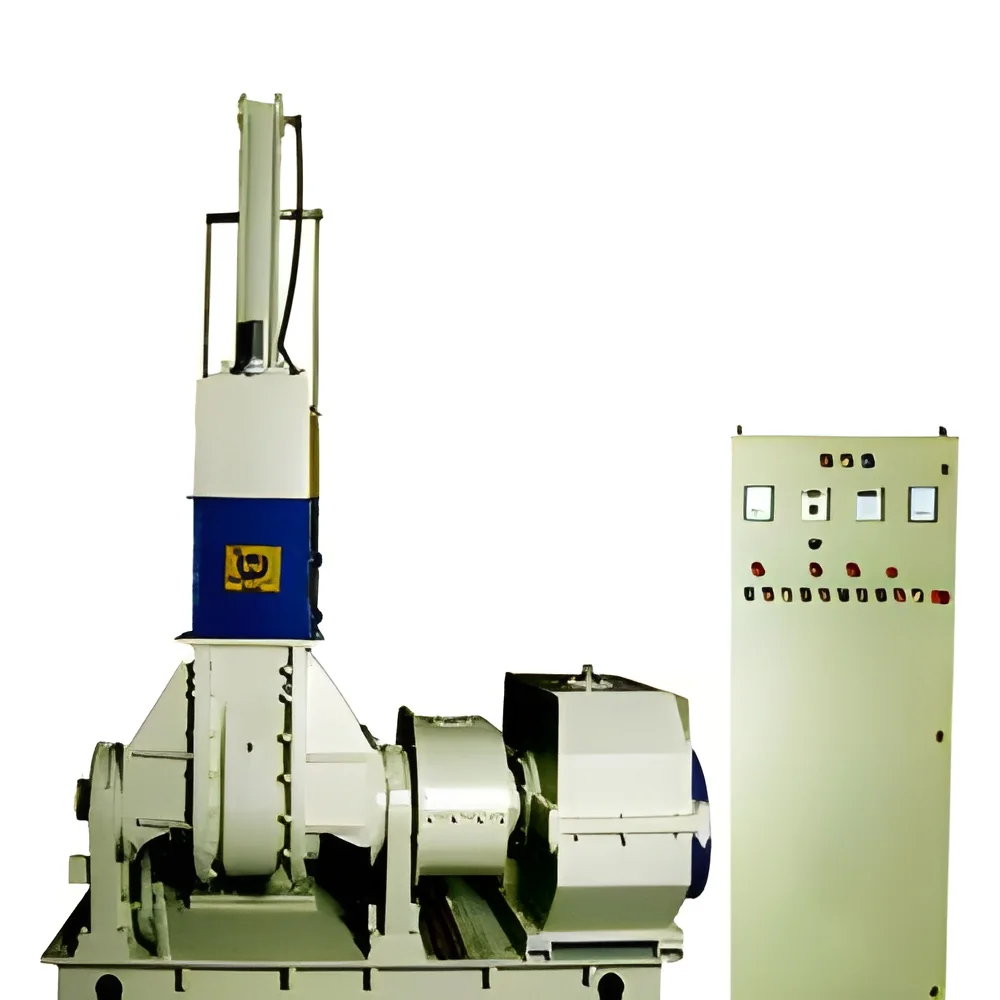
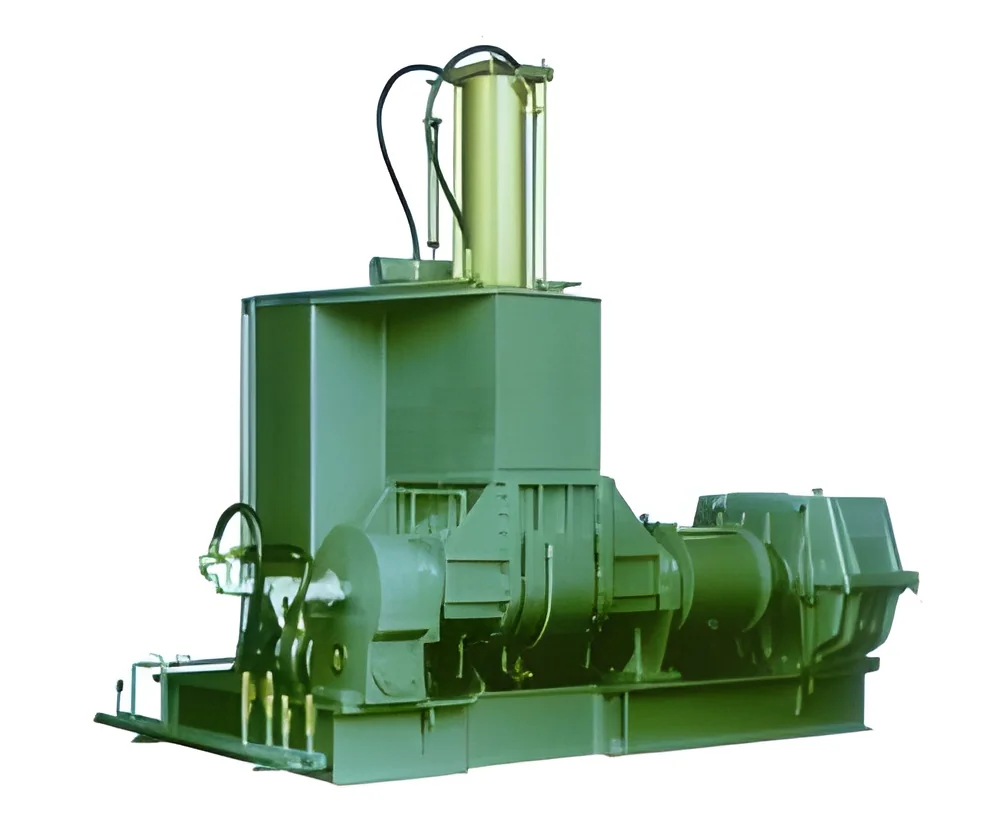
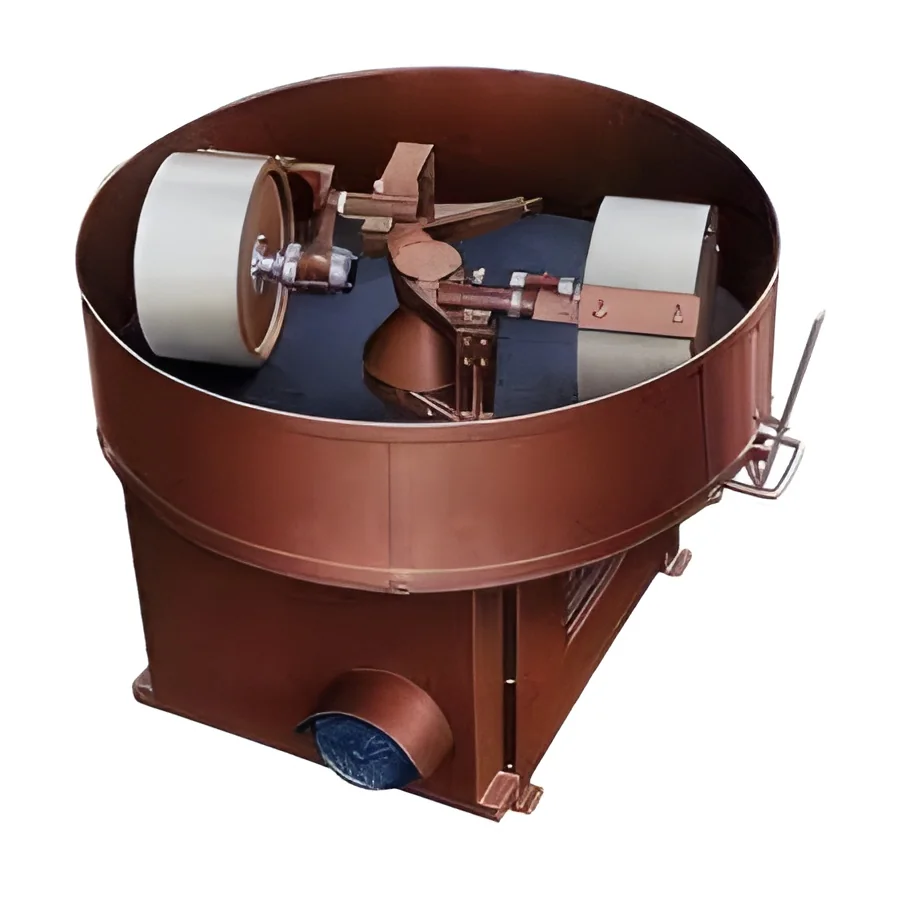
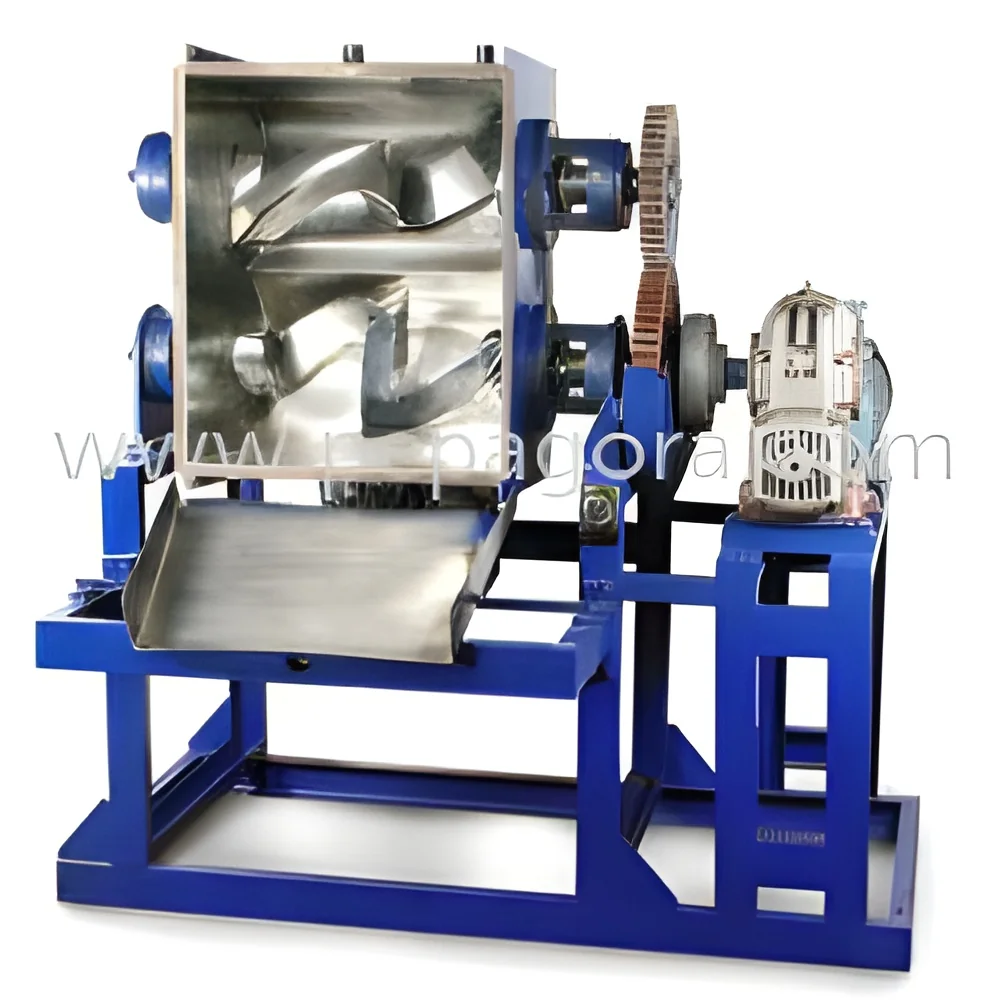
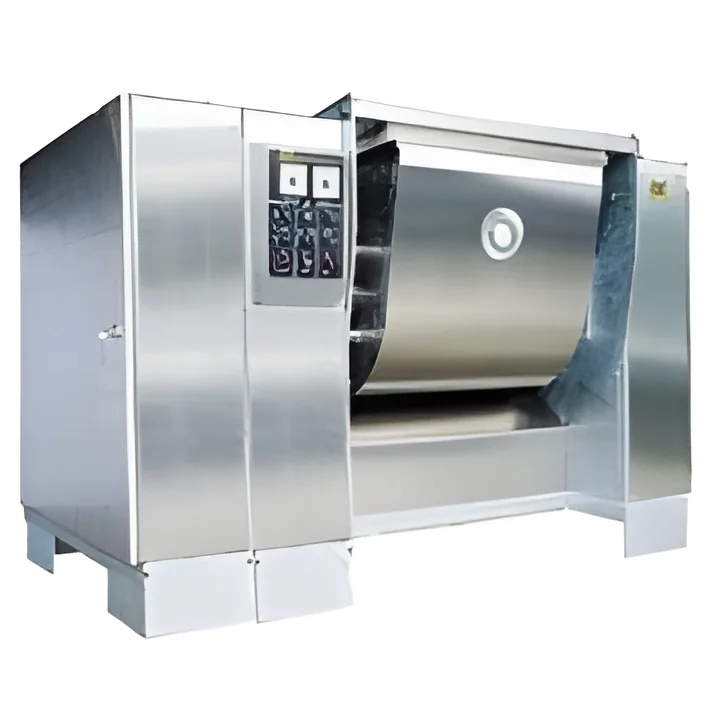
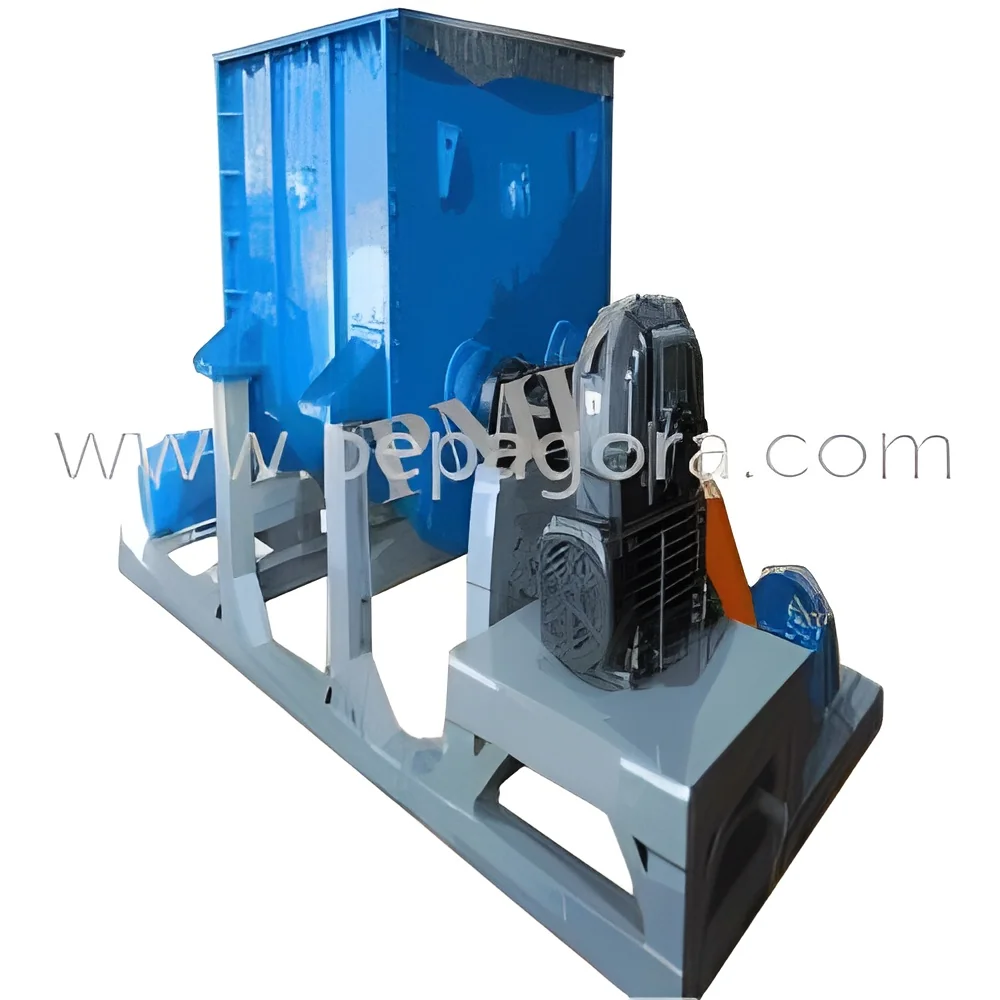
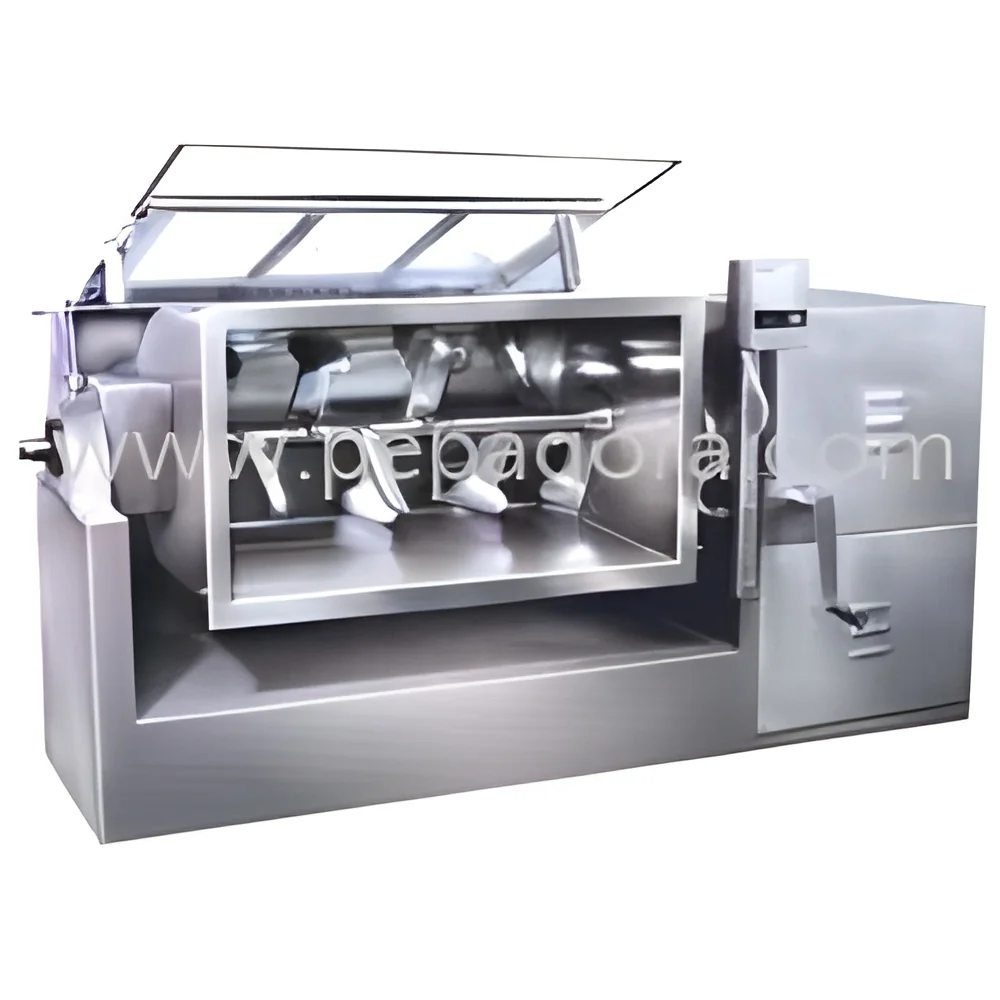
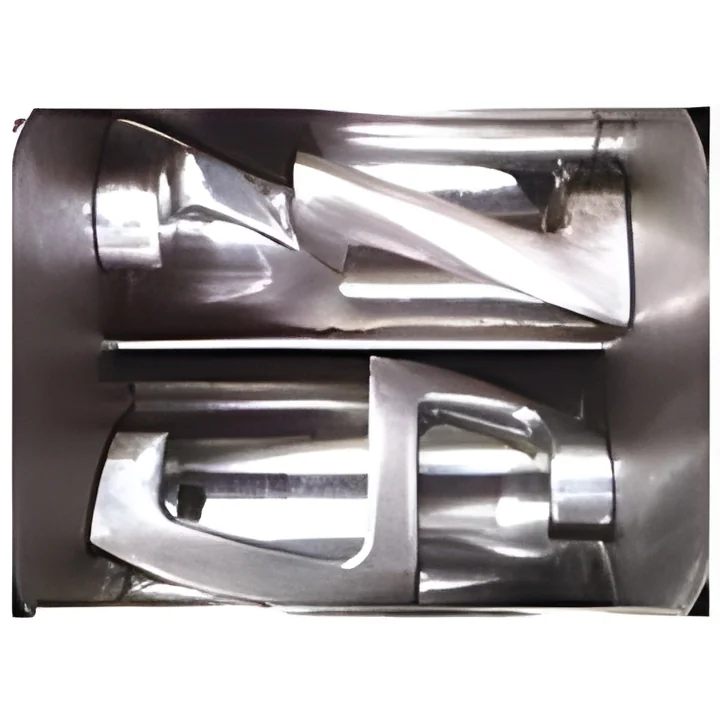
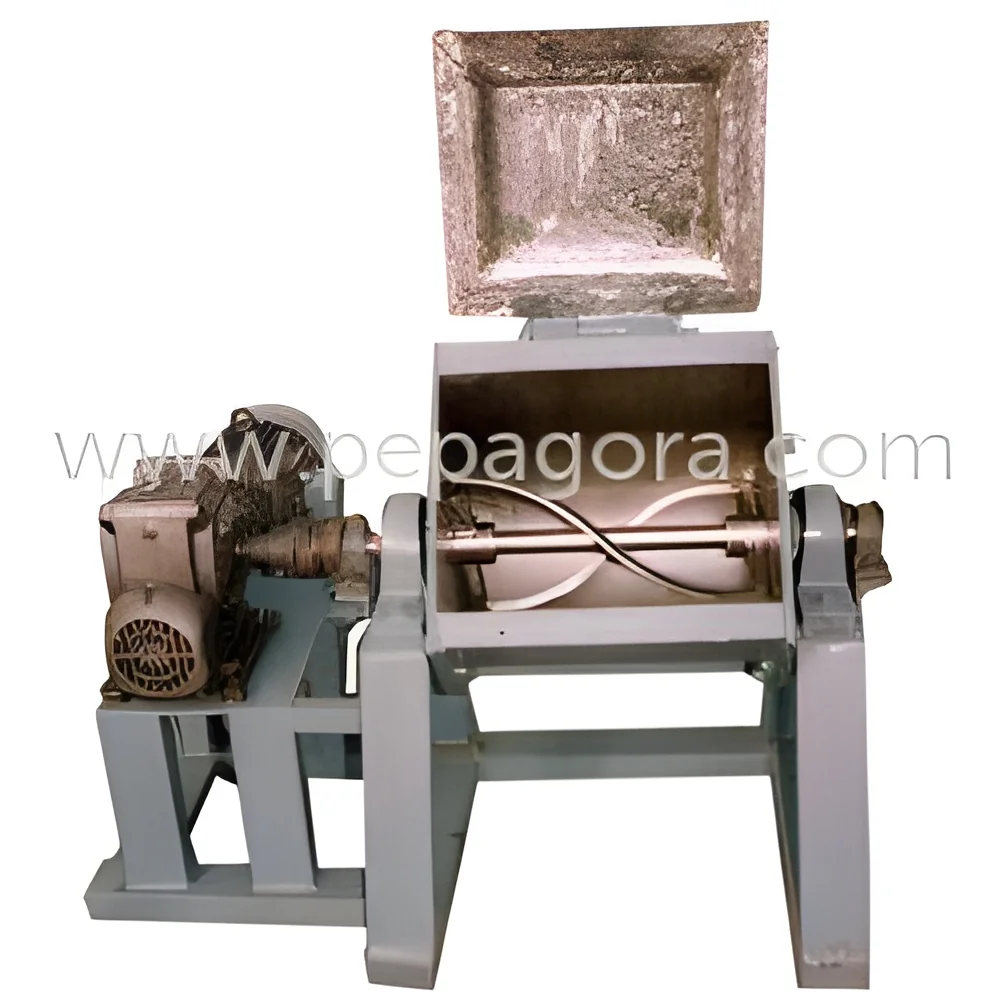
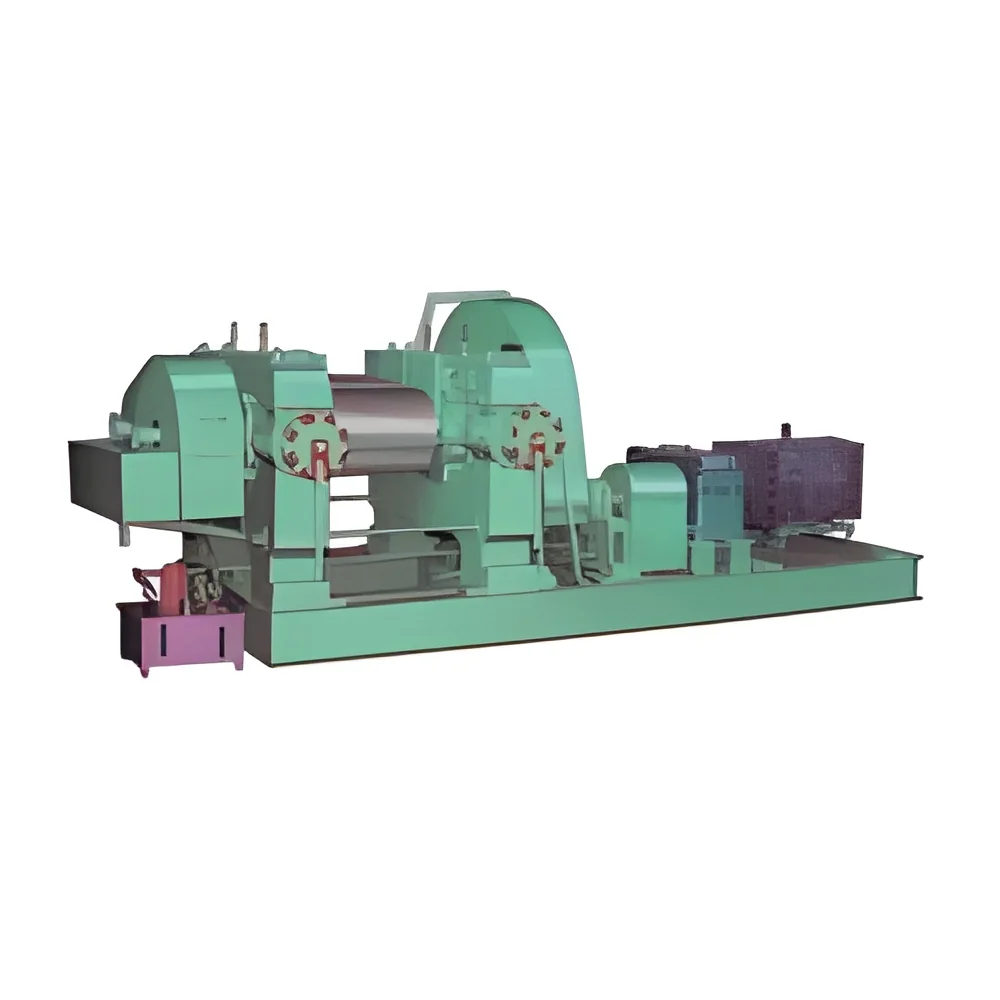
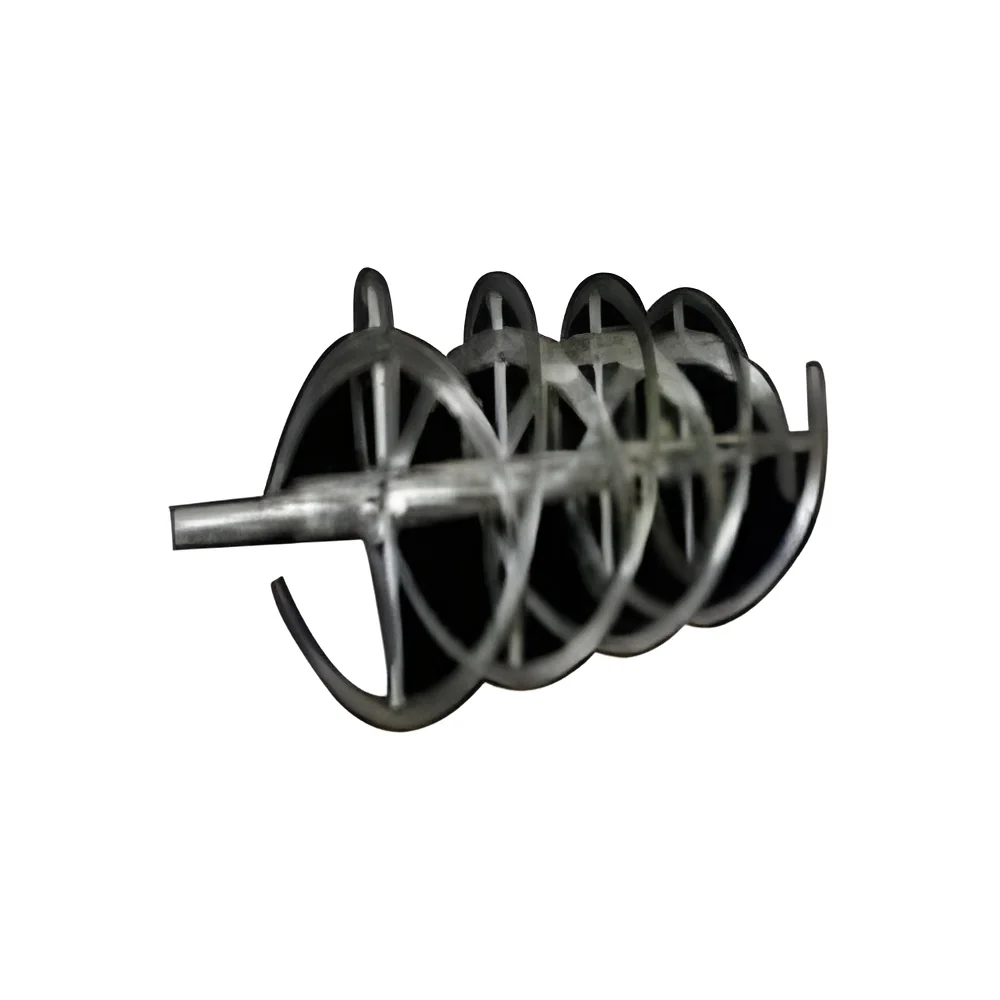
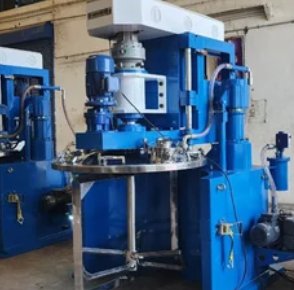
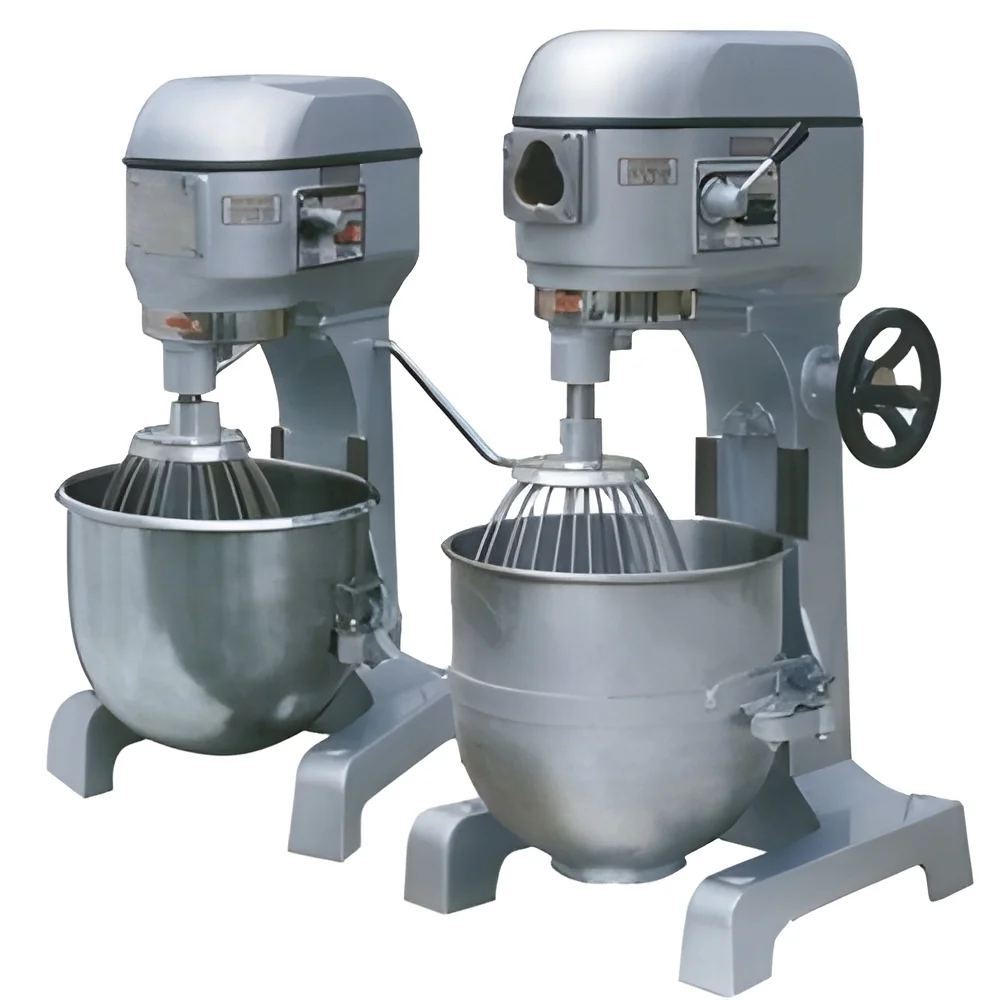
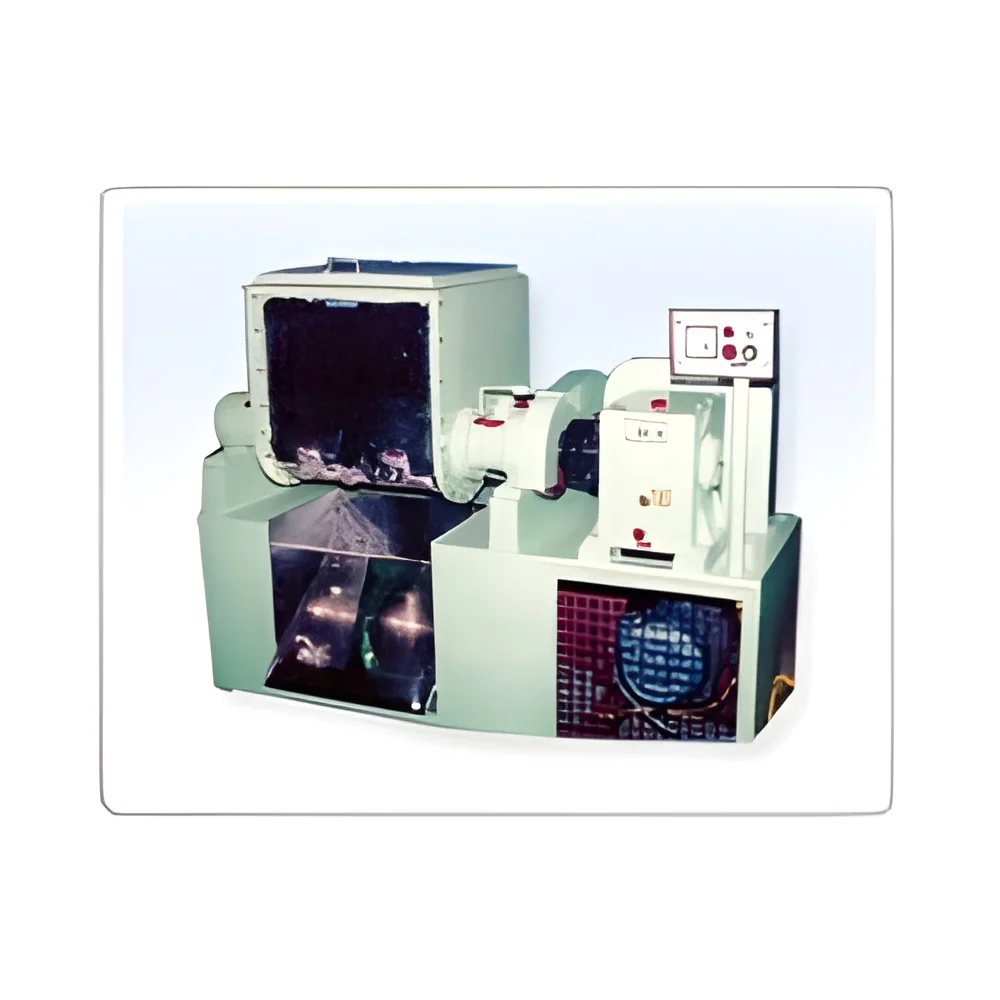
Vacuum Sigma Mixers are specialized industrial machines designed to efficiently mix and process various materials under vacuum conditions. These mixers consist of two counter-rotating blades that provide thorough mixing while minimizing air incorporation. The vacuum environment allows for the removal of trapped air and moisture, resulting in higher quality products and improved consistency.
These mixers are widely used in industries such as food processing, pharmaceuticals, cosmetics, and chemicals. They are particularly effective for products that require precise mixing and blending, as well as those that need to maintain specific temperature or humidity levels. The ability to operate under vacuum enhances the quality and shelf life of the final product, making Vacuum Sigma Mixers highly valuable in competitive markets.
As industries continue to evolve toward greater efficiency and quality standards, the demand for Vacuum Sigma Mixers is expected to grow. Businesses are increasingly seeking advanced mixing solutions that can handle complex formulations and reduce production times. This market trend highlights the significance of Vacuum Sigma Mixers in modern manufacturing.
Key Features and Specifications
Vacuum Sigma Mixers offer a range of features that enhance their functionality and efficiency in various applications. These machines are designed to deliver consistent results while ensuring easy operation and maintenance.
Key specifications include:
1. Mixing Capacity
- Available in various sizes to accommodate different production volumes
- Typical capacities range from 20 liters to over 2000 liters
2. Vacuum Level
- Capable of achieving low vacuum levels to remove air and moisture
- Vacuum levels can typically be adjusted between 0.1 and 0.9 bar
3. Heating/Cooling System
- Integrated heating or cooling jackets to maintain optimal processing temperatures
- Temperature control typically ranges from -10°C to 150°C
4. Blade Design
- Features counter-rotating blades for thorough mixing and homogenization
- Blades can be customized based on specific application needs
5. Control System
- Equipped with advanced PLC control for automated operation
- User-friendly interfaces for monitoring and adjusting settings
6. Material Construction
- Constructed from stainless steel or other corrosion-resistant materials
- Designed to meet food safety and pharmaceutical standards
7. Safety Features
- Includes safety interlocks and emergency stop functions
- Complies with industry safety standards
8. Customization Options
- Capable of being tailored to specific production requirements
- Options for additional monitoring and control features
In summary, Vacuum Sigma Mixers are robust machines that combine innovative design with advanced technology to meet the needs of various industries.
Common Applications and Use Cases
Vacuum Sigma Mixers are utilized across multiple sectors due to their versatility and efficiency.
1. Food Processing: These mixers are ideal for producing sauces, creams, and pastes where consistency and quality are paramount. The vacuum environment ensures that products remain free from air pockets, enhancing flavor and shelf life.
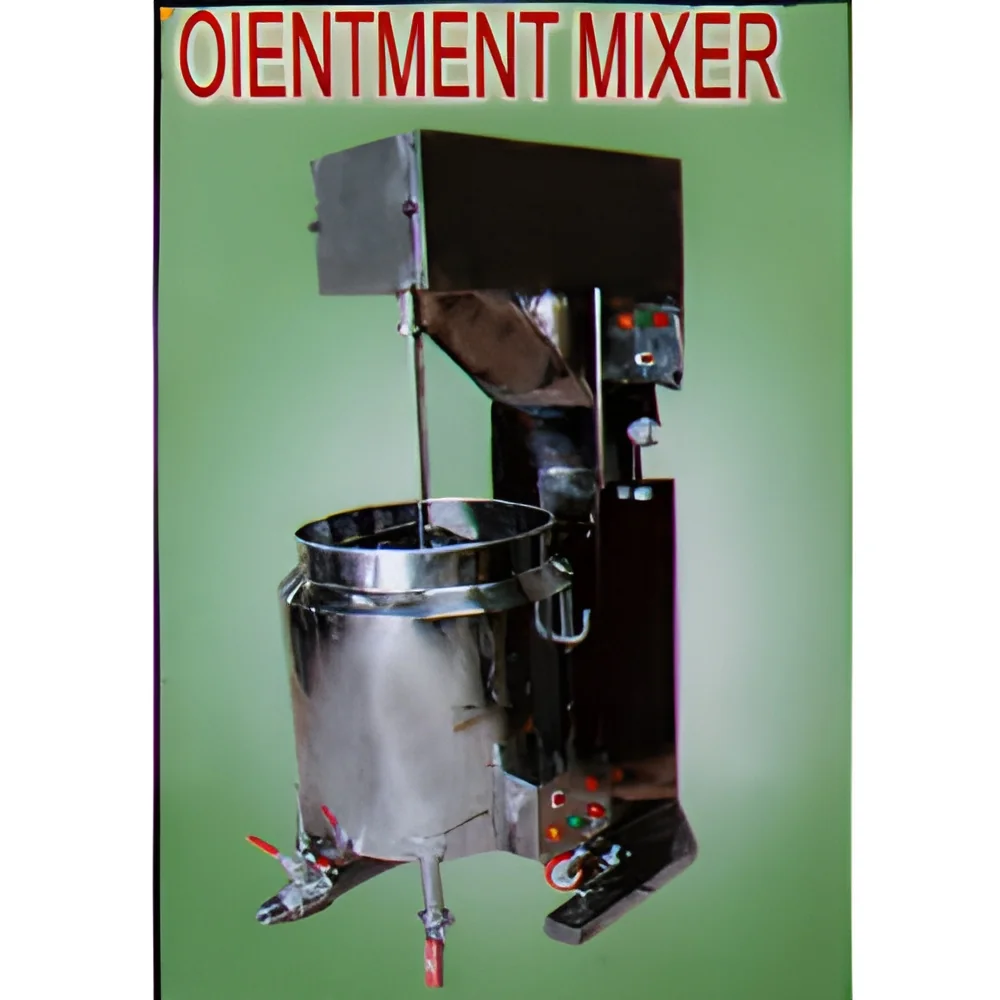
2. Pharmaceuticals: In the pharmaceutical industry, Vacuum Sigma Mixers are essential for creating ointments, gels, and creams. Their ability to maintain sterile conditions is critical for ensuring product safety and efficacy.
3. Cosmetics: Vacuum Sigma Mixers are used for formulating lotions, creams, and other cosmetic products. The vacuum process helps in achieving a smooth texture and uniform consistency.
4. Chemicals: These mixers are effective in producing adhesives, sealants, and coatings. The vacuum environment allows for the proper blending of various chemical components while minimizing volatile emissions.
5. Plastics: In the plastics industry, Vacuum Sigma Mixers are used for compounding and mixing additives with polymers, ensuring even distribution and improved material properties.
6. Paints and Coatings: These mixers enable the production of paints and coatings with consistent color and viscosity. The vacuum process helps to eliminate air bubbles, leading to a smoother finish.
7. Agriculture: Vacuum Sigma Mixers are employed in producing fertilizers and other agricultural products. The ability to mix various components thoroughly ensures effective formulation.
Product Variants and Subcategories
Vacuum Sigma Mixers come in various configurations to cater to different production needs and industry requirements.
Standard Model
This variant is designed for general-purpose mixing and is suitable for a wide range of applications across industries. It features basic mixing capabilities with options for customization based on user needs.
High-Viscosity Model
This variant is specifically engineered for mixing high-viscosity materials. It is equipped with enhanced blade designs and a more powerful motor to handle thicker mixtures effectively.
Laboratory Model
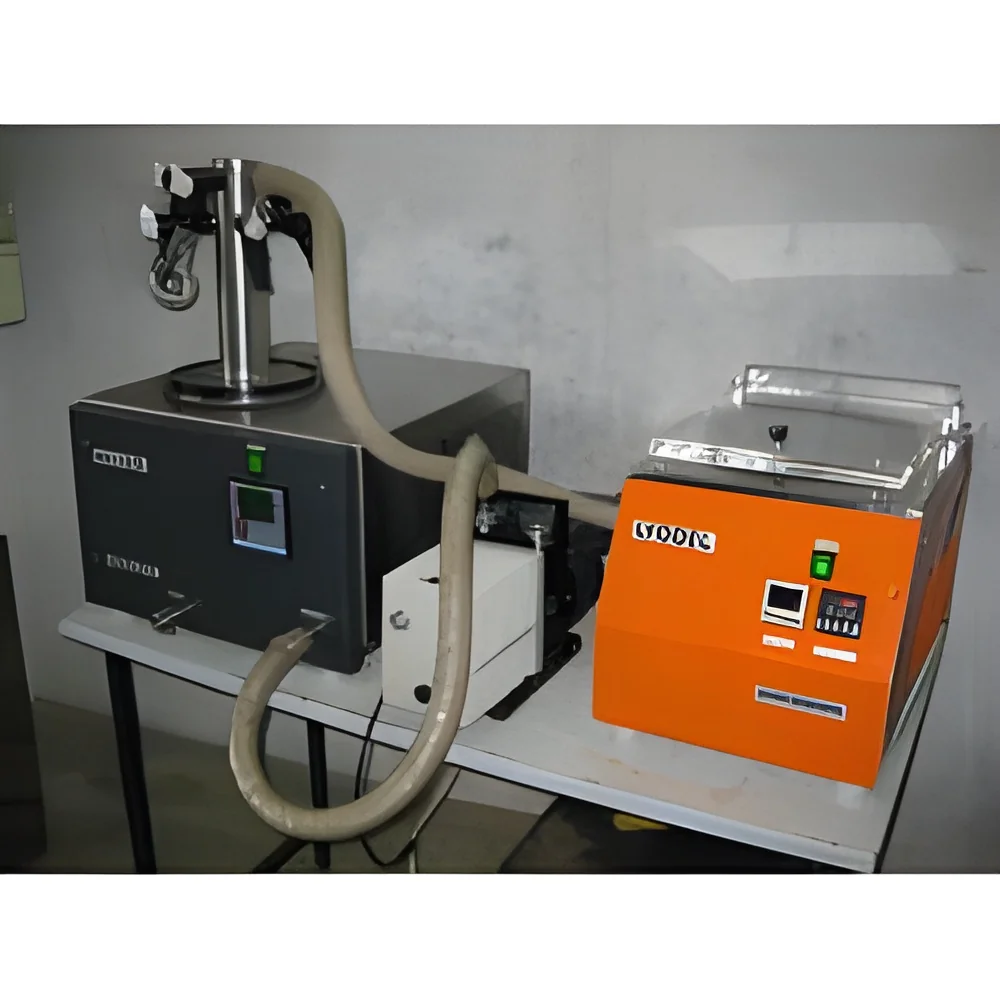
This smaller-scale model is ideal for research and development purposes. It allows for precise mixing in smaller batches, making it ideal for testing new formulations before scaling up to larger production.
Benefits and Advantages
Vacuum Sigma Mixers offer numerous benefits that make them an attractive choice for manufacturers.
1. Enhanced Product Quality: The vacuum environment reduces air inclusion and moisture, resulting in higher quality products with improved shelf life.
2. Efficient Mixing: The counter-rotating blades ensure thorough mixing, reducing processing times and increasing productivity.
3. Versatility: These mixers can handle a wide range of materials, making them suitable for various industries and applications.
4. Consistent Results: Advanced control systems enable precise monitoring and adjustments, ensuring uniformity in product quality.
5. Reduced Contamination Risks: The vacuum process minimizes exposure to external contaminants, crucial for industries like pharmaceuticals and food processing.
6. Customization Options: Manufacturers can tailor mixers to meet specific needs, ensuring optimal performance for unique applications.
Buying Guide for B2B Buyers
When sourcing Vacuum Sigma Mixers, several factors should be considered to ensure the best purchase for business needs.
1. Quality Assessment: Evaluate the quality of materials and construction. Look for mixers that meet industry standards and have a reputation for reliability and durability.
2. Supplier Verification: Vet suppliers to ensure they have a good track record and offer reliable support. Check for certifications and customer reviews.
3. Pricing and MOQ: Understand the pricing structure and minimum order quantity (MOQ) requirements. Compare quotes from different suppliers to ensure competitive pricing.
4. Delivery and Lead Times: Inquire about delivery schedules and lead times to plan production accordingly. Ensure the supplier can meet your timelines.
5. Compliance Requirements: Ensure that the mixers comply with relevant industry regulations and standards. This is particularly important in industries such as food and pharmaceuticals.
Compliance and Certifications
Vacuum Sigma Mixers must adhere to various quality and safety standards to ensure their reliability and safety in industrial applications.
Common quality standards include ISO 9001, which focuses on quality management systems, ensuring consistent quality in production processes. HACCP (Hazard Analysis and Critical Control Points) is essential in food processing to identify and mitigate potential hazards.
Additionally, CE certification is critical for compliance in European markets, indicating that products meet safety and health requirements. Manufacturers should also consider safety and testing requirements relevant to their specific industries.
Regional compliance is another factor to consider, as different regions may have specific regulations governing the use of industrial machinery. Companies must be aware of these regional differences to ensure compliance and avoid potential legal issues.
Why Source Vacuum Sigma Mixers from Pepagora?
Pepagora provides a trusted platform for sourcing Vacuum Sigma Mixers with several key advantages.
Verified Supplier Network: Pepagora offers access to a network of verified suppliers, ensuring that buyers can find reliable manufacturers who meet industry standards.
Streamlined RFQ Process: The platform simplifies the request for quotation (RFQ) process, allowing buyers to quickly gather and compare quotes from multiple suppliers, saving time and effort.
Trade Assurance and Support: Pepagora offers trade assurance to protect buyers, providing support throughout the purchasing process and ensuring a smooth transaction.
Regional Coverage: With a focus on regions such as India, the GCC, and Southeast Asia, Pepagora connects buyers with local suppliers, facilitating easier communication and logistics.
By choosing Pepagora, businesses can enhance their sourcing experience for Vacuum Sigma Mixers and ensure they receive high-quality products tailored to their needs.

 IN
IN