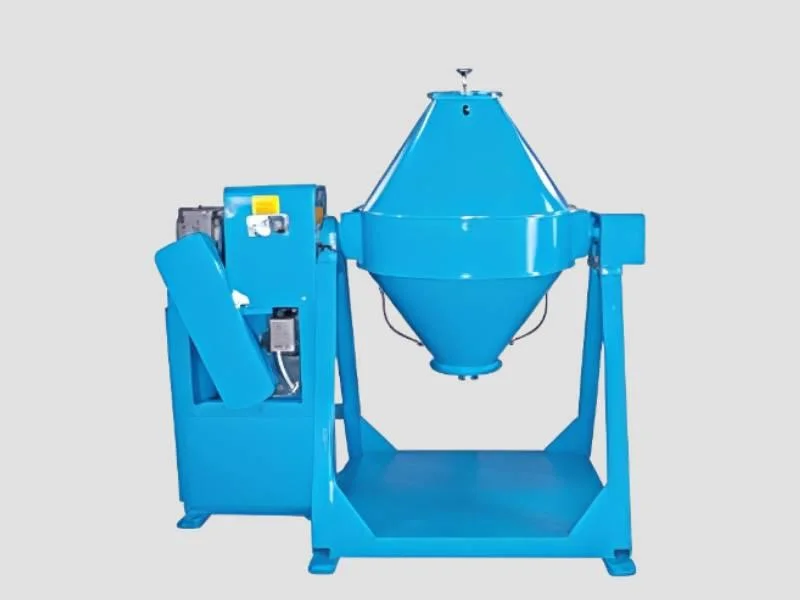
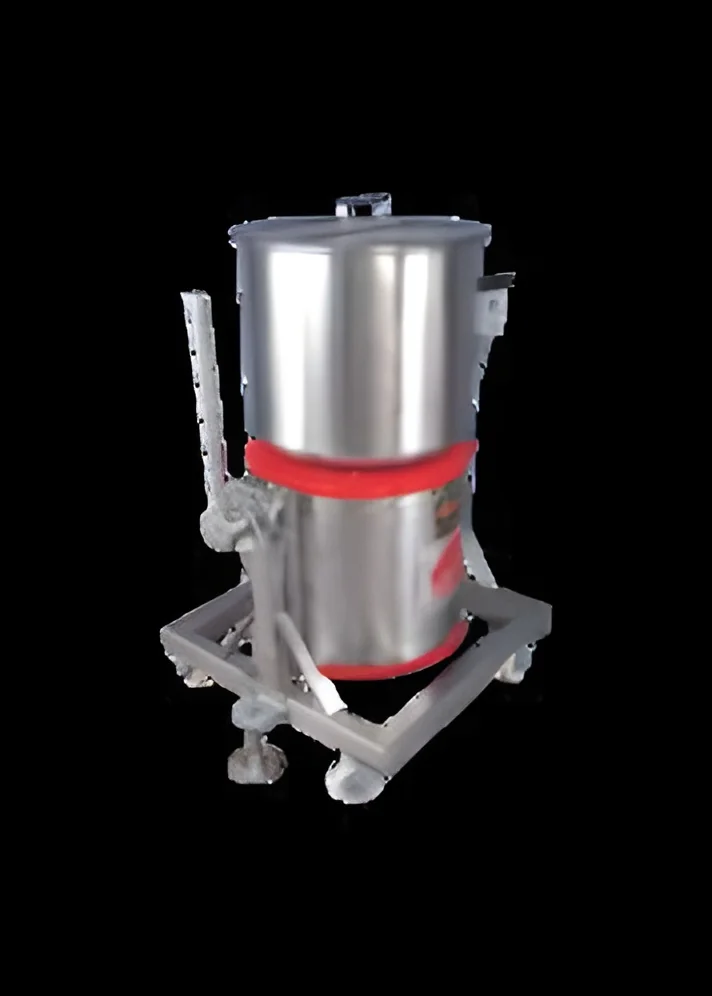
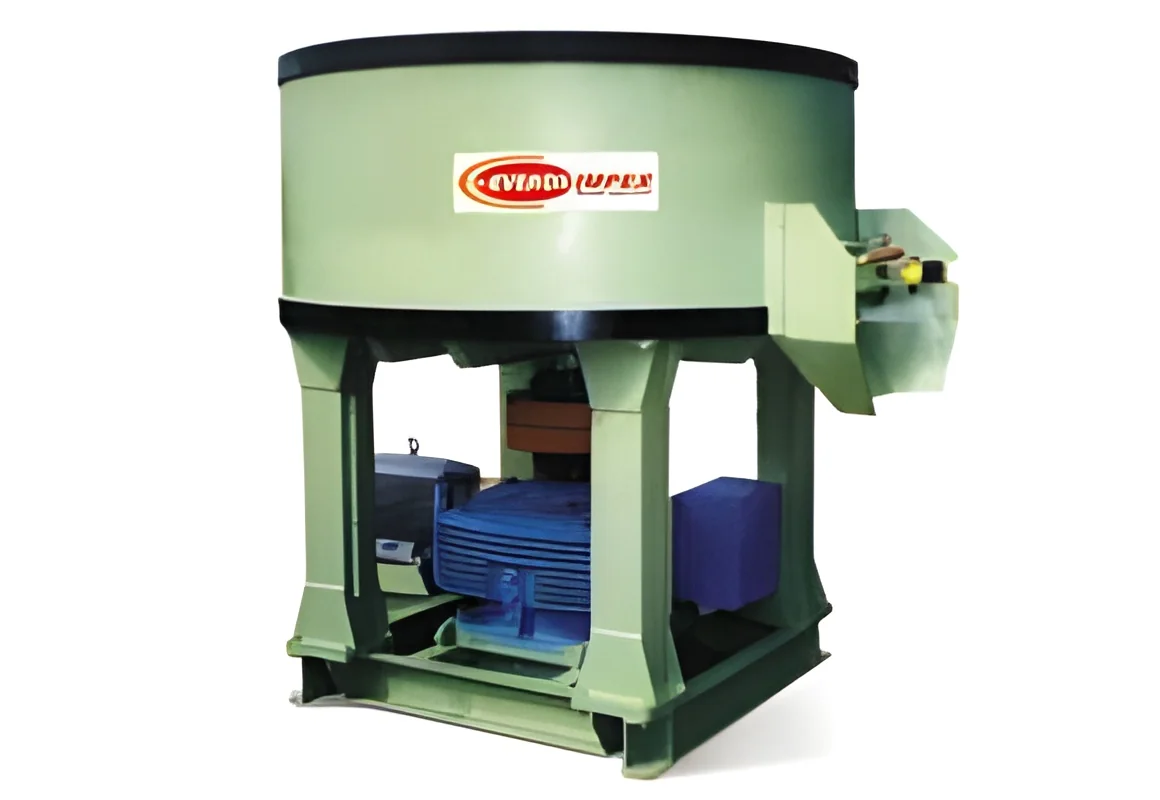
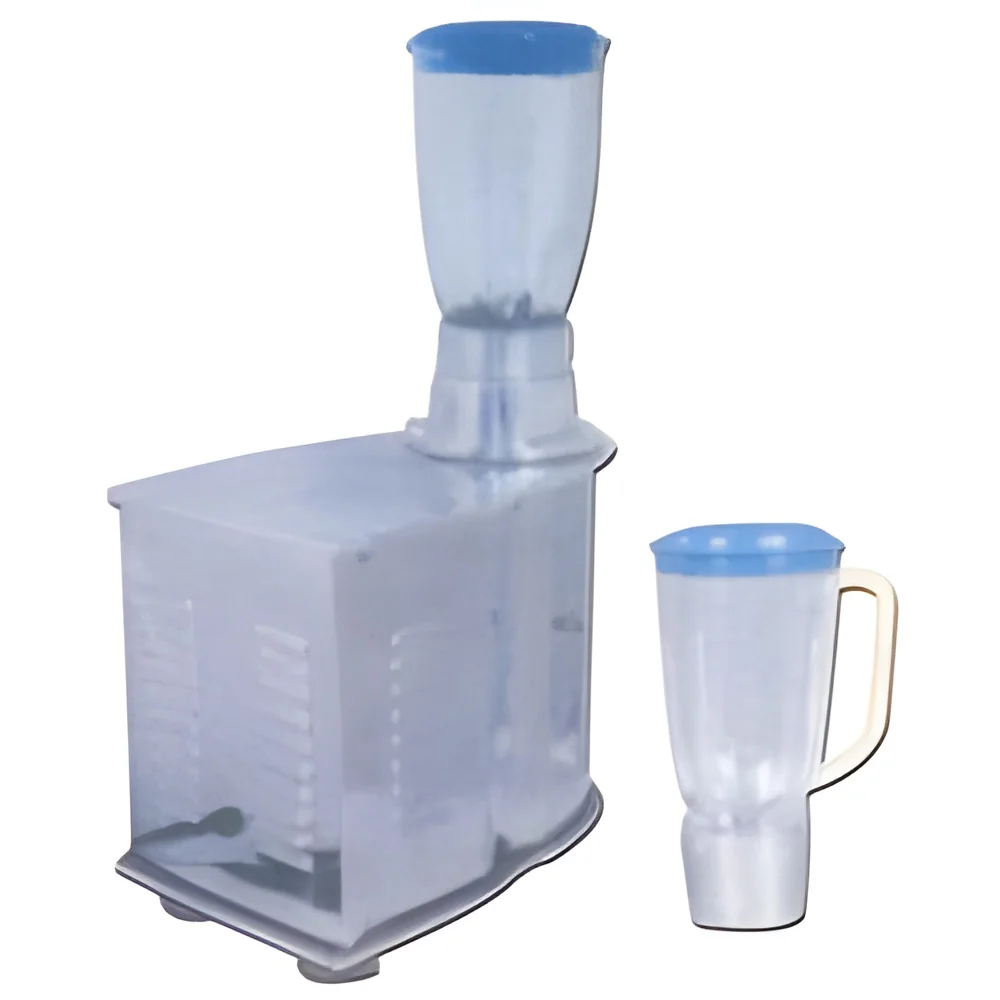
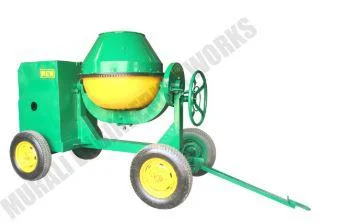
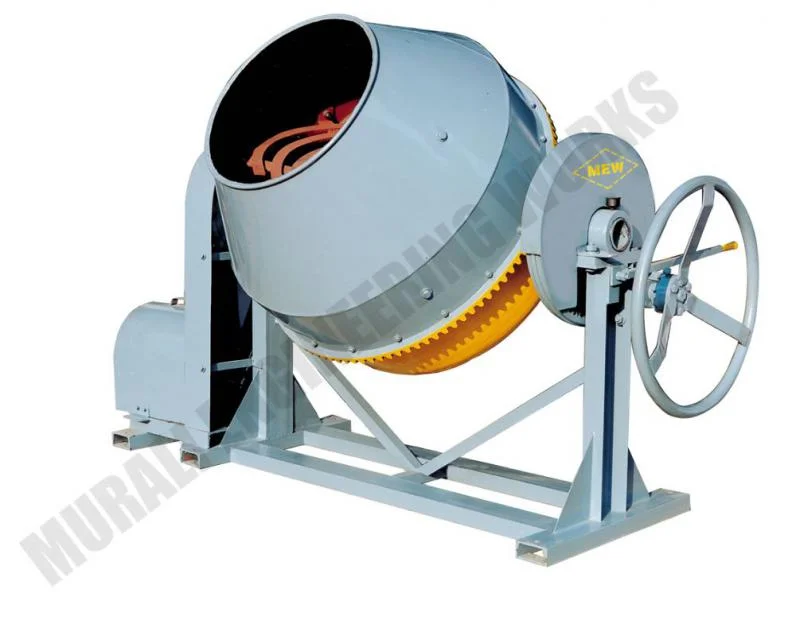
What are Batch Mixers?
Batch mixers are industrial machines designed to blend various types of materials in specific quantities. These mixers operate by combining raw materials in a controlled environment to achieve a homogeneous mixture. The process typically involves loading the ingredients into the mixer, followed by mechanical or pneumatic mixing to ensure uniformity. Batch mixers are vital in industries where precise mixing is crucial for product quality and consistency.
The primary uses of batch mixers span several sectors, including food processing, pharmaceuticals, chemicals, and construction. For instance, in the food industry, batch mixers are used for making dough, sauces, and other mixtures. In pharmaceuticals, they create uniform mixtures of powders and liquids for medications. The versatility of batch mixers makes them indispensable in many manufacturing processes, ensuring products meet stringent quality standards and specifications.
In today's competitive market, the demand for reliable batch mixers continues to grow. Industries are increasingly focused on efficiency, quality control, and compliance with regulations, driving the need for advanced mixing technology. As manufacturers strive to improve their processes, batch mixers are positioned as key assets in achieving operational excellence and meeting customer expectations.
Key Features and Specifications
Batch mixers come equipped with a variety of features that enhance their performance and usability. Understanding these specifications is essential for selecting the right model for specific applications.
Key specifications include:
1. Mixing Capacity
- Refers to the volume of materials that can be processed in a single batch.
- Typical ranges vary from small scales (10 liters) to large capacities (several thousand liters).
2. Mixing Speed
- Indicates how quickly the mixer can blend materials.
- Speed settings may vary, allowing for adjustments based on material type.
3. Construction Material
- Common materials include stainless steel for hygiene and durability.
- Material selection is critical for compliance with industry standards.
4. Power Requirements
- Specifies the electrical demand of the mixer.
- Varies based on the size and design of the machine.
5. Control Systems
- Options may include manual, semi-automated, or fully automated controls.
- Advanced systems allow for precise monitoring of mixing parameters.
6. Safety Features
- May include emergency stops, overload protection, and safety guards.
- Essential for ensuring operator safety during operation.
7. Ease of Cleaning
- Design considerations for quick disassembly and cleaning.
- Important for industries requiring strict hygiene standards.
8. Compliance Standards
- Many mixers meet certifications such as CE for safety and quality assurance.
- Compliance is vital for industries like food and pharmaceuticals.
In summary, the specifications of batch mixers play a crucial role in determining their suitability for various applications. Buyers should carefully consider these features to ensure they select a mixer that meets their operational needs.
Common Applications and Use Cases
Batch mixers serve a wide range of industries, each with specific applications tailored to their needs.
1. Food and Beverage: Batch mixers are used to prepare dough, sauces, and beverages, ensuring consistent texture and flavor. They are crucial in maintaining food safety standards during production.
2. Pharmaceuticals: In this sector, batch mixers combine active ingredients and excipients to create uniform drug formulations. Precision is vital to ensure effective dosing and compliance with regulations.
3. Chemicals: Batch mixers are employed to blend raw materials for products like paints, adhesives, and coatings. Their ability to handle viscous materials is essential for producing high-quality chemical products.
4. Construction: These mixers are used to prepare concrete and mortar mixtures, ensuring consistency in strength and durability. They support efficient construction processes by providing uniform mixtures.
5. Cosmetics: In the cosmetic industry, batch mixers blend creams, lotions, and other beauty products. The ability to mix delicate ingredients without damaging them is a key requirement.
6. Agriculture: Batch mixers are used to create fertilizers and animal feeds, ensuring an even distribution of nutrients for optimal crop and livestock health.
7. Plastics: In the plastics industry, batch mixers combine resins and additives to produce consistent polymer blends. This is critical for maintaining product integrity and performance.
Product Variants and Subcategories
Batch mixers come in various designs and configurations to meet diverse industrial needs. Each variant is tailored for specific applications and operational requirements.
Horizontal Batch Mixer
This variant features a horizontal mixing chamber, allowing for efficient blending of dry and wet materials. It is commonly used in food and chemical industries for its ease of operation and thorough mixing capabilities.
Vertical Batch Mixer
Vertical batch mixers are designed for high viscosity materials and are ideal for applications in the pharmaceutical and cosmetics sectors. Their vertical design facilitates gravity-assisted mixing, ensuring thorough material integration.
Paddle Mixer
Paddle mixers utilize a series of paddles to agitate materials, making them suitable for blending granular substances. They are often used in the construction and agricultural industries for their robust design and effectiveness.
Ribbon Blender
This type of batch mixer employs a ribbon-shaped agitator to mix materials uniformly. It is widely used in the food, chemical, and pharmaceutical industries for its ability to handle large volumes efficiently.
Benefits and Advantages
Batch mixers offer numerous advantages that enhance operational efficiency and product quality.
1. Consistency: Batch mixers ensure uniform mixing of materials, leading to consistent product quality. This is essential in industries where precision is critical.
2. Versatility: These mixers can handle a wide range of materials, from powders to viscous liquids, making them suitable for various applications across industries.
3. Scalability: Batch mixers can be scaled to meet production needs, allowing businesses to increase or decrease production volumes as required.
4. Energy Efficiency: Many modern batch mixers are designed to minimize energy consumption while maximizing mixing efficiency, leading to cost savings.
5. Improved Safety: With built-in safety features and compliance with industry standards, batch mixers promote a safer working environment for operators.
6. Enhanced Control: Advanced control systems allow for precise monitoring and adjustments during the mixing process, ensuring optimal results.
Buying Guide for B2B Buyers
When sourcing batch mixers, it is essential to consider several key factors to ensure the right fit for your business needs.
1. Quality Assessment: Evaluate the quality of materials and construction of the mixer. Look for certifications and compliance with industry standards to ensure reliability.
2. Supplier Verification: Vet potential suppliers by checking their reputation, customer reviews, and experience in the industry. Reliable suppliers should provide references and support.
3. Pricing and MOQ: Understand the pricing structure and minimum order quantities. Consider total cost of ownership, including maintenance and operational costs.
4. Delivery and Lead Times: Discuss logistics and expected lead times for delivery. Ensure that suppliers can meet your production schedules without delays.
5. Compliance Requirements: Verify that the batch mixer meets all necessary compliance and regulatory requirements specific to your industry. This is particularly important in sectors like food and pharmaceuticals.
Compliance and Certifications
Compliance with industry standards and certifications is crucial for batch mixers, ensuring safety and quality in manufacturing processes. Key standards include ISO 9001, which focuses on quality management systems, and HACCP, which outlines food safety management practices.
Many batch mixers also adhere to CE certification, indicating that they meet European health, safety, and environmental protection standards. This certification is particularly important for equipment used in food and pharmaceutical applications.
Safety and testing requirements are essential for batch mixers to ensure they operate safely under various conditions. Regular testing and maintenance are recommended to uphold compliance and operational efficiency.
Regional compliance considerations may vary, so it is important for manufacturers to be aware of local regulations and standards that apply to their specific industry and location.
Why Source Batch Mixers from Pepagora?
Pepagora provides a trusted platform for sourcing batch mixers, offering several key advantages to B2B buyers.
Verified Supplier Network: Pepagora has established a network of verified suppliers, ensuring that buyers can find reliable partners for their mixing equipment needs. This verification process includes thorough checks on supplier credentials and product quality.
Streamlined RFQ Process: The platform simplifies the request for quotation (RFQ) process, allowing buyers to easily compare options and negotiate terms with multiple suppliers. This efficiency saves time and resources in the procurement process.
Trade Assurance and Support: Pepagora offers trade assurance, providing buyers with protection against potential risks in transactions. Additionally, the platform provides customer support to address any concerns or queries throughout the purchasing journey.
Regional Coverage: With a strong presence in India, the GCC, and Southeast Asia, Pepagora connects buyers with suppliers across these regions, facilitating access to a diverse range of batch mixers tailored to local market needs.

 IN
IN