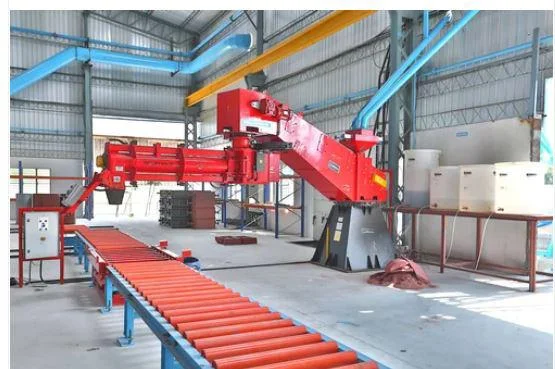
What are Inline Mixers?
Inline mixers are essential equipment used in various industrial processes to ensure the uniform blending of materials. These devices operate by continuously mixing liquids, slurries, and other substances as they flow through a pipeline. Designed for efficiency, inline mixers facilitate the integration of additives, enhance product consistency, and improve overall processing time.
The primary applications of inline mixers span a wide range of industries. They are commonly utilized in food and beverage production for mixing ingredients, in pharmaceuticals for combining active and inactive components, and in chemical manufacturing for ensuring homogeneity in liquid formulations. The versatility of inline mixers makes them a vital component of production lines, helping businesses maintain quality and efficiency.
In the current market, the demand for inline mixers is rising due to the increasing emphasis on automation and process optimization. Industries are continually seeking ways to improve their operational workflows, and inline mixers provide a solution by minimizing manual handling and reducing the potential for errors in mixing processes.
Key Features and Specifications
Inline mixers are designed with specific features that contribute to their effectiveness and efficiency. Understanding these specifications is crucial for businesses seeking to integrate them into their operations.
Key specifications include:
1. Mixing Mechanism
- Inline mixers may utilize various mixing technologies, such as static or dynamic mixing.
- The choice of mechanism affects the mixing efficiency and the types of materials that can be processed.
2. Flow Rate Capacity
- Inline mixers are available in various sizes to accommodate different flow rates.
- Typical flow rates can range from a few liters per minute to several thousand liters per hour.
3. Material Compatibility
- Inline mixers are constructed from materials resistant to corrosion and wear, such as stainless steel.
- Ensures longevity and reliability when mixing aggressive or abrasive substances.
4. Mounting Configurations
- Options include horizontal and vertical orientations to fit various installation requirements.
- The choice of mounting can impact the overall system design and maintenance.
5. Temperature Resistance
- Inline mixers can typically withstand a range of temperatures, depending on the model.
- This feature is essential for applications involving heat-sensitive materials.
6. Size and Dimensions
- Inline mixers come in various sizes to suit different pipeline diameters and space constraints.
- Proper sizing is critical for ensuring effective mixing without causing flow restrictions.
7. Maintenance Requirements
- Some inline mixers are designed for easy disassembly and cleaning.
- Simplified maintenance is important for industries with strict hygiene standards.
8. Energy Efficiency
- Many modern inline mixers are designed to operate efficiently, reducing energy consumption.
- Energy-efficient models can lead to cost savings over time.
In summary, selecting the right inline mixer involves understanding these key features and specifications to ensure optimal performance in specific applications.
Common Applications and Use Cases
Inline mixers find applications across a multitude of industries due to their versatility and efficiency.
1. Food and Beverage: Inline mixers are used for blending ingredients in sauces, dressings, and beverages, ensuring uniformity and flavor consistency.
2. Pharmaceuticals: These mixers are essential in the formulation of liquid medications, where precise blending of active ingredients is critical for efficacy.
3. Chemical Manufacturing: Inline mixers play a key role in producing chemicals by ensuring uniform mixing of components, which is vital for achieving desired chemical properties.
4. Water Treatment: Inline mixers are employed in water treatment facilities to mix chemicals with water for processes such as disinfection and coagulation.
5. Cosmetics: In the cosmetics industry, inline mixers are used to blend creams and lotions, ensuring an even distribution of active ingredients.
6. Paint and Coating: Inline mixers are crucial in the paint industry for mixing pigments and solvents to achieve the right color and texture.
7. Adhesives: Inline mixers help achieve a consistent viscosity in adhesives, which is essential for their performance in bonding applications.
Product Variants and Subcategories
Inline mixers come in various configurations and designs to meet the specific needs of different industries. While there are no specified subcategories, the diversity in design allows for tailored solutions.
High-Shear Inline Mixers: These mixers are designed for applications requiring intense mixing and emulsification. They are ideal for creating stable emulsions and dispersions in products like creams and sauces.
Static Inline Mixers: Utilizing fixed mixing elements, static inline mixers provide consistent blending without moving parts. They are often used in applications where simplicity and low maintenance are priorities.
Batch Inline Mixers: Although primarily designed for continuous mixing, some inline mixers can also accommodate batch processes. These variants are useful in industries where small batches of product need to be mixed efficiently.
Benefits and Advantages
Inline mixers offer a range of benefits that make them indispensable in industrial settings.
1. Improved Consistency: Inline mixers ensure uniform mixing of materials, resulting in consistent product quality.
2. Increased Efficiency: Continuous mixing capabilities streamline production processes, reducing the need for manual intervention and downtime.
3. Space Saving: These mixers are designed to fit into existing pipeline systems without requiring significant additional space.
4. Versatility: Inline mixers can handle a wide variety of materials, making them suitable for diverse applications across different industries.
5. Reduced Labor Costs: Automation in mixing processes minimizes labor requirements, leading to cost savings.
6. Enhanced Product Quality: By providing thorough mixing, inline mixers contribute to improved product integrity and customer satisfaction.
Buying Guide for B2B Buyers
When sourcing inline mixers, it is essential for B2B buyers to consider several key factors to ensure they make informed decisions.
1. Quality Assessment: Buyers should evaluate the quality of materials and construction standards. Ensuring compliance with industry standards can help maintain product integrity.
2. Supplier Verification: It is crucial to vet suppliers for reliability and reputation. Checking references and reviewing past projects can provide insight into a supplier's capabilities.
3. Pricing and MOQ: Understanding the pricing structure and minimum order quantities (MOQ) is important for budgeting and meeting production needs.
4. Delivery and Lead Times: Buyers should inquire about delivery schedules and lead times to ensure that production timelines are met without delays.
5. Compliance Requirements: It is important to confirm that the chosen inline mixers meet relevant industry compliance and safety standards, which may vary by region.
Compliance and Certifications
Inline mixers must adhere to various quality standards and certifications to ensure they are safe and effective for industrial use.
ISO 9001 is a widely recognized quality management standard that applies to manufacturing processes, including the production of inline mixers. Compliance with ISO 9001 ensures that manufacturers maintain consistent quality in their products.
HACCP (Hazard Analysis and Critical Control Points) is critical in industries such as food and beverage. Inline mixers used in these sectors must meet HACCP standards to ensure food safety and prevent contamination.
CE certification is essential for products sold within the European Economic Area. It indicates that the inline mixers meet EU safety, health, and environmental protection requirements.
Regional compliance considerations may also vary. Buyers should be aware of local regulations and standards that may impact the selection and use of inline mixers in their specific industry.
Why Source Inline Mixers from Pepagora?
Pepagora offers a reliable platform for sourcing inline mixers, providing numerous advantages for B2B buyers.
Verified Supplier Network: Pepagora connects buyers with a network of verified suppliers, ensuring that they have access to quality products and reputable manufacturers.
Streamlined RFQ Process: The platform simplifies the request for quotation process, allowing buyers to quickly compare designs and specifications from multiple suppliers.
Trade Assurance and Support: Pepagora provides buyer protection through trade assurance, giving buyers confidence in their purchases and support throughout the sourcing process.
Regional Coverage: With a strong presence in India, the GCC, and Southeast Asia, Pepagora offers extensive geographic reach, making it easier for businesses in these regions to find and source inline mixers tailored to their needs.

 IN
IN