What are Chemical Industry Agitators?
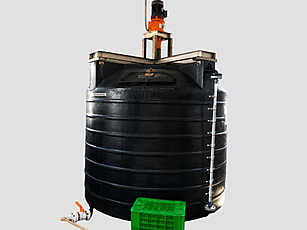
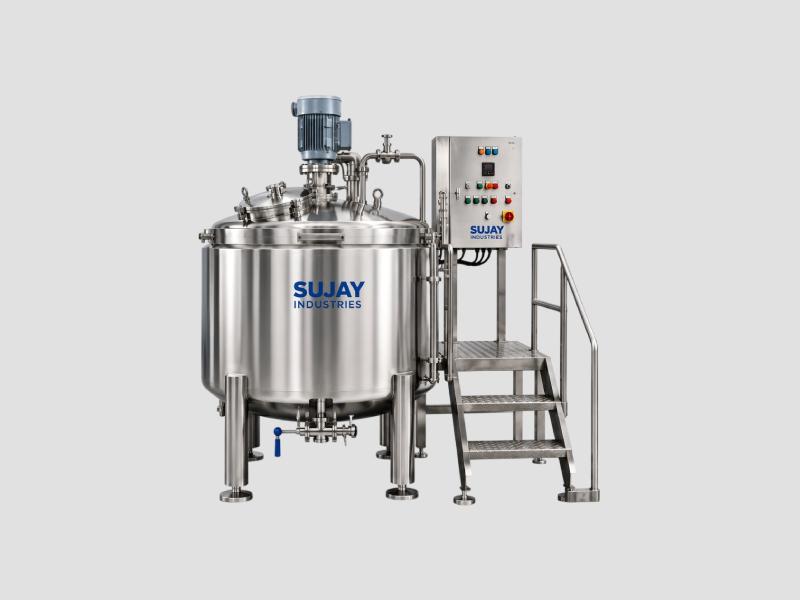
Chemical industry agitators are essential equipment used to mix, blend, and promote the reaction of various chemical substances in manufacturing processes. They play a crucial role in ensuring homogeneity and consistency of mixtures, which is particularly important in industries where precise chemical formulations are necessary. Agitators may come in various designs and sizes, facilitating the handling of different types of materials, whether in liquid or slurry form.
These agitators find primary applications in numerous sectors, including pharmaceuticals, petrochemicals, food processing, and environmental services. In the pharmaceutical industry, for instance, they are used to mix active ingredients and excipients to create uniform drug formulations. In petrochemicals, agitators help in blending various hydrocarbon products. The versatility of chemical industry agitators makes them relevant in various manufacturing setups, thus underscoring their importance in the broader market context.
Key Features and Specifications
Chemical industry agitators are designed with several key features to meet the demands of different applications. These specifications ensure that the equipment performs effectively in various environments and with different materials.
Key specifications include:
1. Agitation Type
- Types include mechanical, magnetic, or hydraulic agitation.
- Each type caters to specific mixing needs based on material viscosity and reaction requirements.
2. Material Construction
- Common materials include stainless steel, carbon steel, and plastic.
- Material choice affects durability, resistance to corrosion, and suitability for specific chemicals.
3. Size and Capacity
- Available in various sizes, from small laboratory units to large industrial mixers.
- Capacity can range from a few liters to several thousand liters.
4. Speed Control
- Many agitators come with variable speed options.
- This feature allows for adjustment based on the mixing process and material characteristics.
5. Drive Mechanism
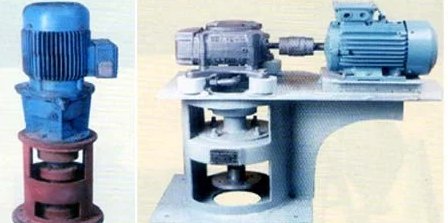
- Options include direct drive and belt-driven systems.
- Drives affect efficiency, maintenance needs, and overall reliability.
6. Sealing Options
- Includes mechanical seals, packing seals, or magnetic seals.
- Sealing type impacts leakage prevention and maintenance requirements.
7. Power Requirements
- Typically range from low voltage to high voltage systems.
- Proper power selection is crucial for operational efficiency.
8. Compliance Certifications
- Many agitators are CE certified for safety and reliability.
- Certification reassures compliance with industry standards.
In summary, understanding the key features and specifications of chemical industry agitators helps manufacturers select the right equipment for their specific needs.
Common Applications and Use Cases
Chemical industry agitators serve a wide range of industries, each with unique requirements for mixing and blending.
1. Pharmaceuticals: In this sector, agitators are used to mix active pharmaceutical ingredients (APIs) with excipients to ensure uniformity in drug formulations and enhance bioavailability.
2. Petrochemicals: Agitators are crucial for blending various hydrocarbon products, ensuring consistent quality and performance in fuels and lubricants.
3. Food Processing: In food manufacturing, agitators help to mix ingredients uniformly, whether in sauces, emulsions, or bulk food products, ensuring quality and safety.
4. Water Treatment: Agitators mix chemicals with water to facilitate effective treatment processes, including coagulation and disinfection.
5. Paints and Coatings: In the production of paints and coatings, agitators ensure that pigments and additives are uniformly dispersed, resulting in high-quality products.
6. Cosmetics: Agitators play a vital role in mixing cosmetic formulations, ensuring consistency in texture and performance.
7. Chemical Manufacturing: In various chemical processes, agitators are essential for facilitating reactions and ensuring uniformity in product quality.
Product Variants and Subcategories
Chemical industry agitators come in various designs and configurations, catering to different industrial applications.
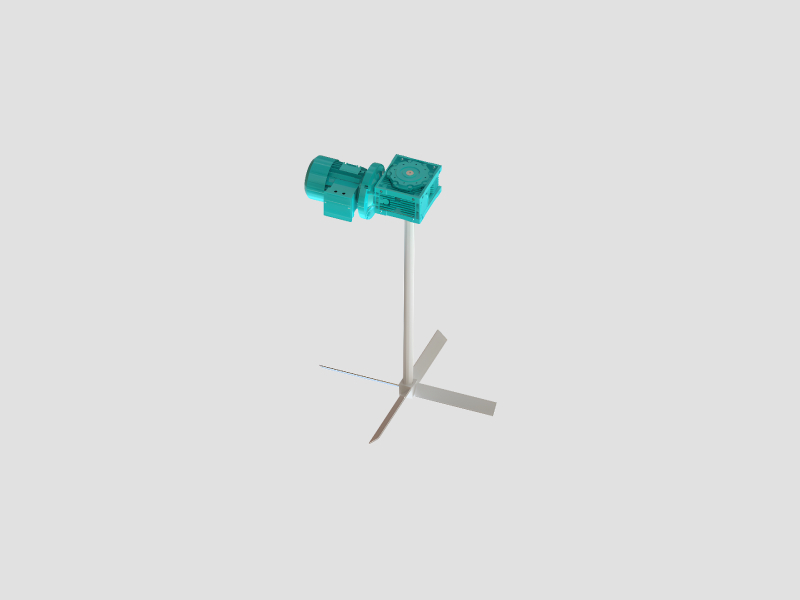
Mechanical Agitators: These agitators use blades or impellers driven by a motor to mix substances. They are versatile and can handle a wide range of viscosities.
Magnetic Agitators: Suitable for smaller volumes, these agitators use magnetic fields to create motion in the mixing vessel. They are ideal for applications requiring minimal contamination.
Hydraulic Agitators: Utilizing hydraulic power, these agitators are effective for large-scale mixing operations. They can handle heavy materials and are commonly used in wastewater treatment.
Benefits and Advantages
Chemical industry agitators offer numerous benefits that enhance operational efficiency and product quality.
1. Improved Mixing Efficiency: Agitators ensure thorough blending of materials, leading to uniform product quality and consistency.
2. Versatility: Available in various designs, they can accommodate a wide range of materials and processes across different industries.
3. Enhanced Process Control: Many agitators come with advanced controls for speed and torque, allowing for precise adjustments based on specific mixing needs.
4. Reduced Processing Time: Efficient mixing results in shorter cycle times and increased productivity in manufacturing processes.
5. Lower Maintenance Costs: Durable materials and designs reduce wear and tear, leading to less frequent maintenance and lower operating costs.
6. Compliance with Standards: Many agitators meet industry certifications, ensuring safety and reliability in operations.
Buying Guide for B2B Buyers
When sourcing chemical industry agitators, several key factors should be considered to ensure optimal selection and procurement.
1. Quality Assessment: Evaluate the quality of materials and construction to ensure the agitator will withstand the intended application and environment.
2. Supplier Verification: Vet suppliers for their reputation, experience, and customer feedback to ensure reliability and quality of products.
3. Pricing and MOQ: Understand the pricing structure and minimum order quantities to align with your budget and procurement strategy.
4. Delivery and Lead Times: Consider logistics and delivery schedules to minimize downtime and maintain production flow.
5. Compliance Requirements: Ensure that the agitators meet all relevant industry regulations and safety standards for your specific application.
Compliance and Certifications
Chemical industry agitators are subject to various quality standards and certifications that ensure their reliability and safety in industrial applications.
ISO 9001 is a widely recognized standard that outlines quality management principles, ensuring that manufacturers maintain high-quality processes and products.
CE certification signifies that the equipment complies with European Union safety and health regulations, allowing for market access within the EU.
Safety and testing requirements are critical, as agitators must be designed to minimize risks associated with chemical mixing and ensure operator safety.
Regional compliance considerations may vary, so it is essential to verify that the agitators meet the specific regulations applicable in your operational regions.
Why Source Chemical Industry Agitators from Pepagora?
Pepagora provides a trusted platform for sourcing chemical industry agitators, offering several key advantages for buyers.
Verified Supplier Network: Pepagora features a robust network of verified suppliers, ensuring that buyers can access high-quality products from reputable manufacturers.
Streamlined RFQ Process: The platform simplifies the request for quotation process, allowing buyers to efficiently compare options and secure the best deals.
Trade Assurance and Support: Buyers benefit from trade assurance programs that protect their investments and provide support throughout the procurement process.
Regional Coverage: Pepagora's geographic reach extends across India, the GCC, and Southeast Asia, allowing buyers to access a variety of suppliers and products tailored to their local markets.

 IN
IN