
 IN
Extrusion Feed Mixers
2 products available
What are Extrusion Feed Mixers?
Extrusion feed mixers are specialized machines designed to blend and prepare raw materials for the extrusion process in various industries. These mixers facilitate the uniform mixing of ingredients, ensuring that the final product meets required specifications. They operate by combining various feed components, such as grains, additives, and nutrients, into a homogeneous mixture that can be easily processed further. This uniformity is essential for achieving consistent quality in the final extruded products.
Extrusion feed mixers find primary applications in the production of animal feed, pet food, and food processing. They are utilized by manufacturers to create well-balanced feed formulations that enhance nutritional value and improve feed efficiency. Additionally, these mixers are crucial in the plastics and rubber industries, where they prepare materials for extrusion into various shapes and products. The importance of extrusion feed mixers is underscored by the growing demand for high-quality, customized feed and material solutions in a competitive market.
Key Features and Specifications
Extrusion feed mixers come with several features and specifications that enhance their functionality and efficiency. Understanding these specifications is crucial for businesses looking to invest in the right equipment.
Key specifications include:
1. Mixing Capacity
- Refers to the volume of materials that can be processed in one cycle.
- Typically ranges from hundreds of liters to several tons per hour.
2. Motor Power
- The power of the motor driving the mixer.
- Commonly ranges from 5 kW to 150 kW depending on the size and application.
3. Mixing Technology
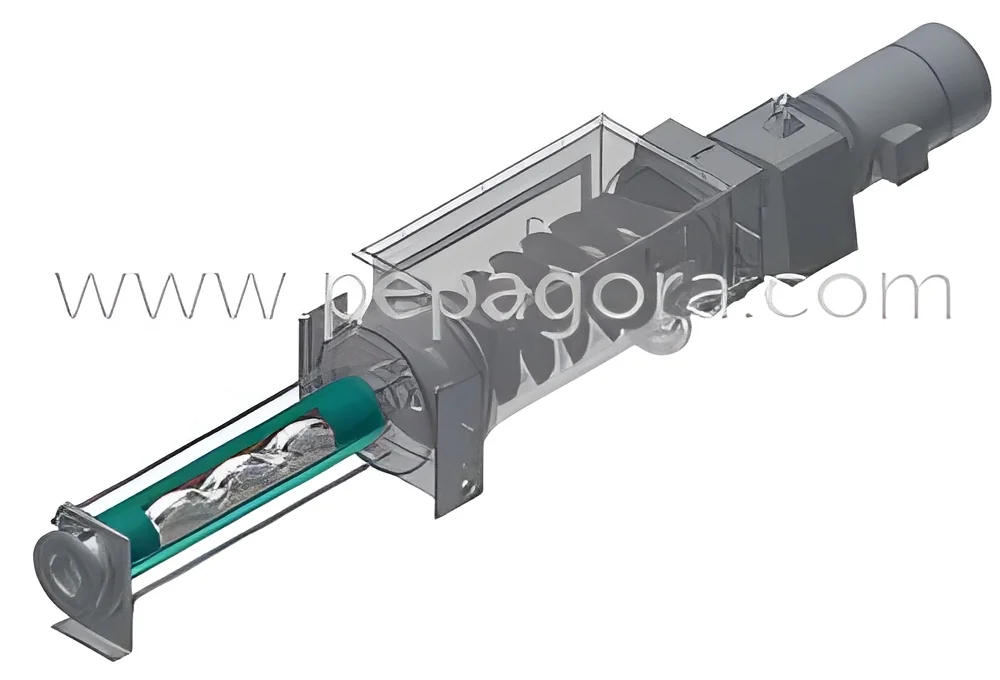
- Types of mixing technologies include paddle, ribbon, and twin-screw.
- Each technology serves different mixing needs and material types.
4. Control Systems
- Features include manual or automated control systems.
- Advanced models may include programmable logic controllers (PLC) for precise operation.
5. Construction Material
- Typically made from stainless steel or other durable materials.
- Ensures longevity and resistance to corrosion.
6. Safety Features
- Incorporates emergency stop buttons, guards, and safety interlocks.
- Critical for maintaining operator safety during operation.
7. Dimensions
- Vary based on capacity and design.
- Important for ensuring fit in the production facility.
8. Certifications
- Many models are CE certified.
- Indicates compliance with European safety and environmental standards.
In summary, the features of extrusion feed mixers are designed to enhance performance, safety, and durability, making them vital equipment for various industrial applications.
Common Applications and Use Cases
Extrusion feed mixers serve a wide range of industries, each with unique applications.
1. Animal Feed: These mixers are used to prepare balanced feed formulations, ensuring uniformity in nutrient distribution for livestock and poultry.
2. Pet Food: Manufacturers utilize extrusion feed mixers to create consistent textures and flavors in pet food products, catering to diverse dietary needs.
3. Food Processing: In the food industry, these mixers blend ingredients for snacks, cereals, and other products, ensuring quality and taste.
4. Plastics Industry: Extrusion feed mixers prepare plastic compounds for extrusion processes, ensuring proper mixing of polymers and additives.
5. Rubber Manufacturing: Used in the rubber industry to mix raw rubber with fillers and chemicals, ensuring consistent material properties.
6. Pharmaceuticals: These mixers can be used in the preparation of granules and powders, ensuring homogeneity for active ingredients.
7. Nutraceuticals: In this sector, mixers are essential for blending dietary supplements, ensuring uniform distribution of active compounds.
Product Variants and Subcategories
Extrusion feed mixers come in various designs and configurations to meet specific needs.
Twin-Screw Mixers: These mixers utilize two screws to achieve a more thorough mixing process. They are particularly effective for challenging materials that require intensive mixing.
Batch Mixers: Designed for small to medium-sized production runs, batch mixers allow for flexibility in recipe adjustments and are suitable for specialty products.
Continuous Mixers: These mixers provide a steady flow of material and are ideal for large-scale operations requiring high efficiency and consistent quality.
Benefits and Advantages
Investing in extrusion feed mixers offers several advantages for businesses.
1. Enhanced Mixing Efficiency: These mixers ensure thorough blending of ingredients, which is crucial for product quality.
2. Customization: Many extrusion feed mixers can be tailored to suit specific production requirements, allowing for flexibility in operations.
3. Improved Product Consistency: By providing uniform mixing, these machines help achieve consistent quality in the final products.
4. Cost-Effectiveness: Efficient mixing processes can reduce ingredient waste and improve overall production efficiency.
5. Increased Production Capacity: With high-capacity models available, businesses can scale their operations to meet growing demands.
6. Easy Maintenance: Many extrusion feed mixers are designed for ease of cleaning and maintenance, minimizing downtime.
Buying Guide for B2B Buyers
When sourcing extrusion feed mixers, businesses should consider several key factors to ensure they select the right equipment.
1. Quality Assessment: Evaluate the build quality and performance features of the mixers. Look for reputable manufacturers known for durability and reliability.
2. Supplier Verification: Vet potential suppliers to ensure they have a track record of delivering high-quality equipment. Check for customer reviews and industry reputation.
3. Pricing and MOQ: Understand the pricing structures and minimum order quantities. Compare quotes from different suppliers to find the best value.
4. Delivery and Lead Times: Confirm delivery timelines to ensure the equipment meets production schedules. Discuss logistics plans with suppliers.
5. Compliance Requirements: Ensure that the mixers meet relevant industry standards and regulations. This may include safety certifications and quality assurance protocols.
Compliance and Certifications
Extrusion feed mixers are subject to various compliance and certification requirements to ensure safety and quality.
Relevant quality standards include ISO 9001, which focuses on quality management systems, ensuring that manufacturers maintain consistent quality in their processes. HACCP (Hazard Analysis and Critical Control Points) can be crucial in food-related applications, promoting food safety throughout the production process.
Industry certifications such as CE indicate that the machinery meets European health, safety, and environmental protection standards. Compliance with these regulations is essential for manufacturers aiming to market their products internationally.
Additionally, safety and testing requirements are in place to ensure that the mixers operate safely and effectively. This includes rigorous testing of equipment under various conditions to confirm performance reliability.
Finally, businesses should also consider regional compliance considerations that may vary by country or region, affecting how machines are designed and operated in specific markets.
Why Source Extrusion Feed Mixers from Pepagora?
Pepagora provides a trusted platform for sourcing extrusion feed mixers, offering several key advantages to buyers.
Verified Supplier Network: Pepagora connects businesses with a network of verified suppliers, ensuring that buyers can access high-quality products from reputable manufacturers.
Streamlined RFQ Process: The platform simplifies the request for quotation process, allowing businesses to quickly receive competitive quotes from multiple suppliers.
Trade Assurance and Support: Pepagora offers trade assurance programs that protect buyers, ensuring that transactions are secure and that products meet agreed-upon specifications.
Regional Coverage: With extensive geographic reach across India, the GCC, and Southeast Asia, Pepagora facilitates access to extrusion feed mixers tailored to the specific needs of diverse markets.

Frequently Asked Questions
What are Extrusion Feed Mixers?
Extrusion Feed Mixers are specialized machines used in the production of animal feed. They mix various ingredients to create a homogeneous feed blend that can be further processed through extrusion.
What are the different types of Extrusion Feed Mixers?
There are several types of Extrusion Feed Mixers, including batch mixers, continuous mixers, and twin-screw mixers. Each type serves different processing needs and can vary in terms of mixing capacity and efficiency.
How do I choose the right Extrusion Feed Mixers?
When selecting Extrusion Feed Mixers, consider factors such as the type of feed being produced, the required production capacity, and the specific mixing needs. It is also important to evaluate the machine's efficiency and ease of maintenance.
What are the standard specifications for Extrusion Feed Mixers?
Standard specifications for Extrusion Feed Mixers typically include mixing capacity, power consumption, motor type, and dimensions. Additionally, specifications may also detail the materials used in construction and the intended application.
What is the price range for Extrusion Feed Mixers?
The price range for Extrusion Feed Mixers can vary significantly based on specifications and manufacturer. Generally, prices can start from a few lakhs and can go up to several crores depending on the complexity and features of the machine.
What quality standards apply to Extrusion Feed Mixers?
Extrusion Feed Mixers must comply with various quality standards, including ISO certifications and safety regulations. Additionally, manufacturers often adhere to industry-specific standards to ensure reliability and efficiency.
Where can I find Extrusion Feed Mixers suppliers in India?
You can find Extrusion Feed Mixers suppliers in India through B2B marketplaces like Pepagora, trade fairs, and industry directories. Online searches can also yield a number of manufacturers and suppliers in the country.
Can Extrusion Feed Mixers be customized?
Yes, many manufacturers offer customization options for Extrusion Feed Mixers to meet specific production requirements. Customizations can include size, mixing technology, and additional features tailored to unique processing needs.
What is the typical minimum order quantity for Extrusion Feed Mixers?
The typical minimum order quantity (MOQ) for Extrusion Feed Mixers varies by supplier, but it is often set at one unit. Some manufacturers may have higher MOQs depending on the customization or special features requested.
What is the typical lead time for Extrusion Feed Mixers?
The typical lead time for Extrusion Feed Mixers can range from a few weeks to several months. Factors influencing lead time include the complexity of the order, customization requirements, and manufacturing capacity of the supplier.
Why Businesses Trust Pepagora
Thousands of companies trust Pepagora to source smarter and sell faster
Expand Your Sales Globally

Source Smarter,Grow Faster
