IN
IN₹
Apparel & Fashion
Description
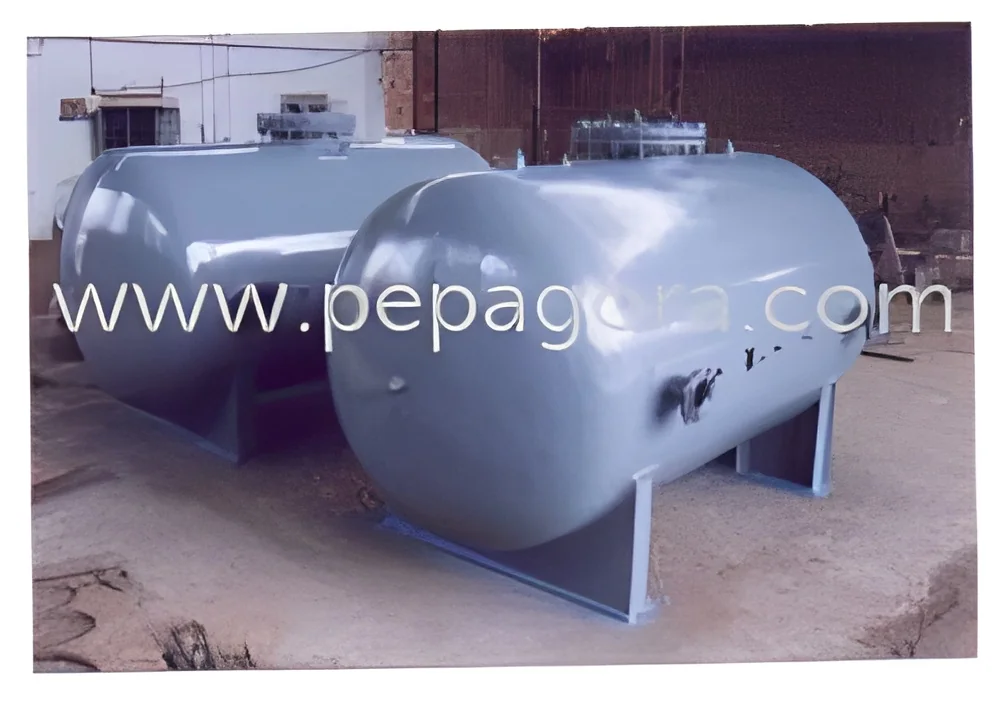
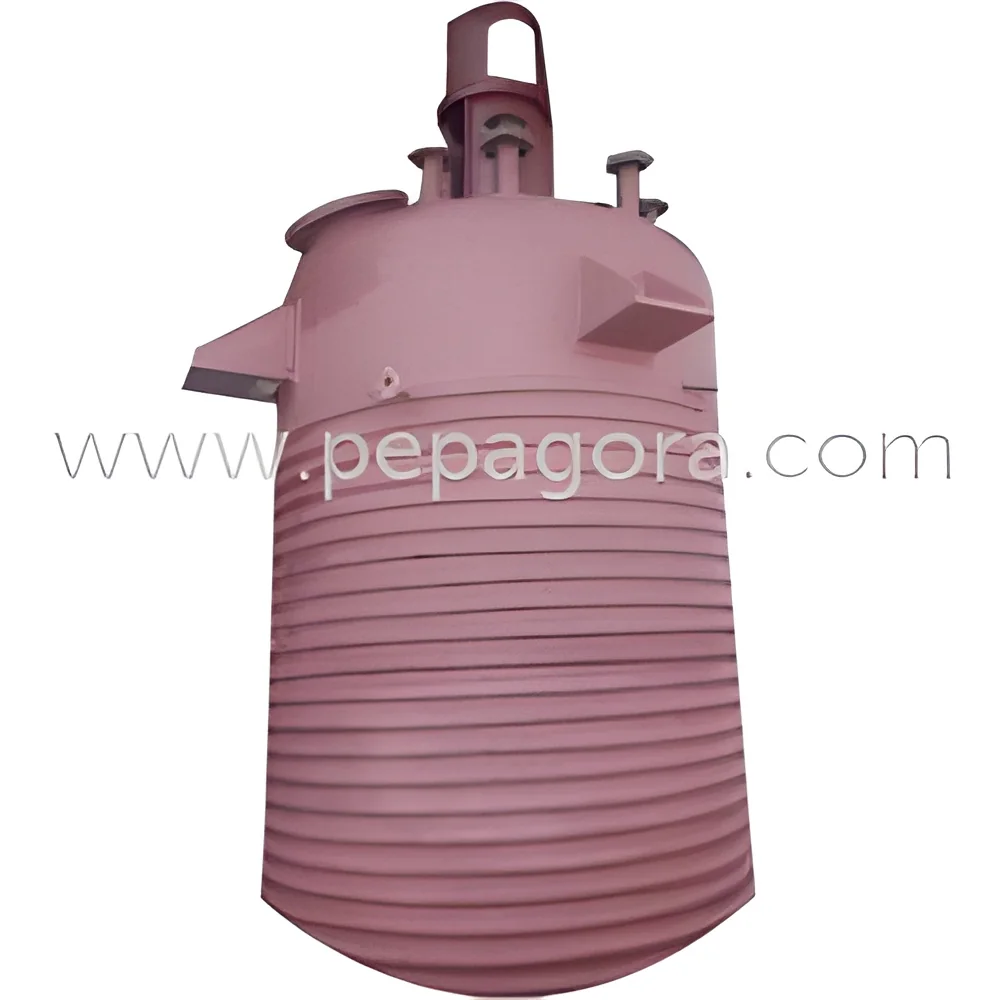
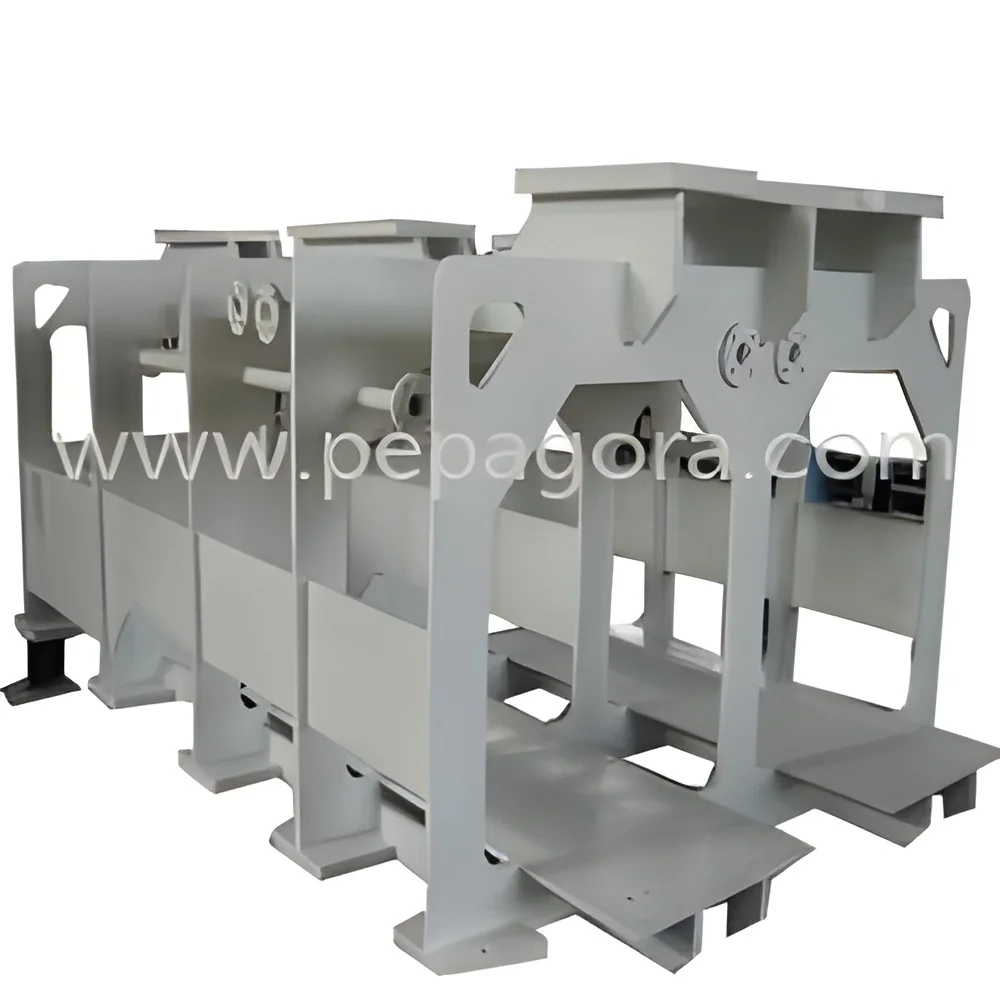
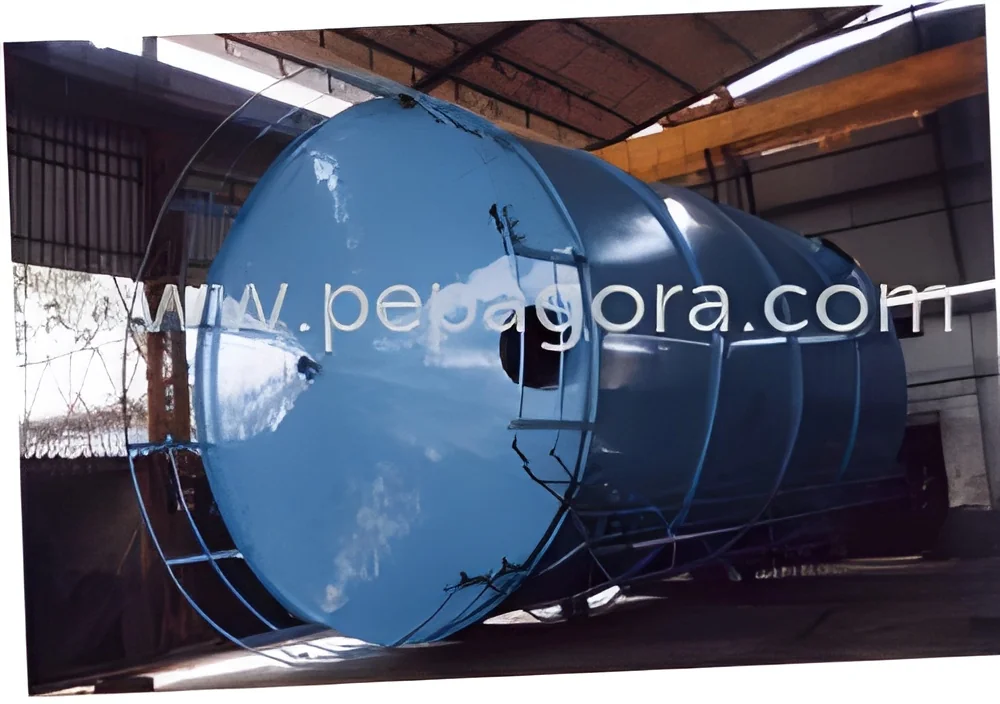
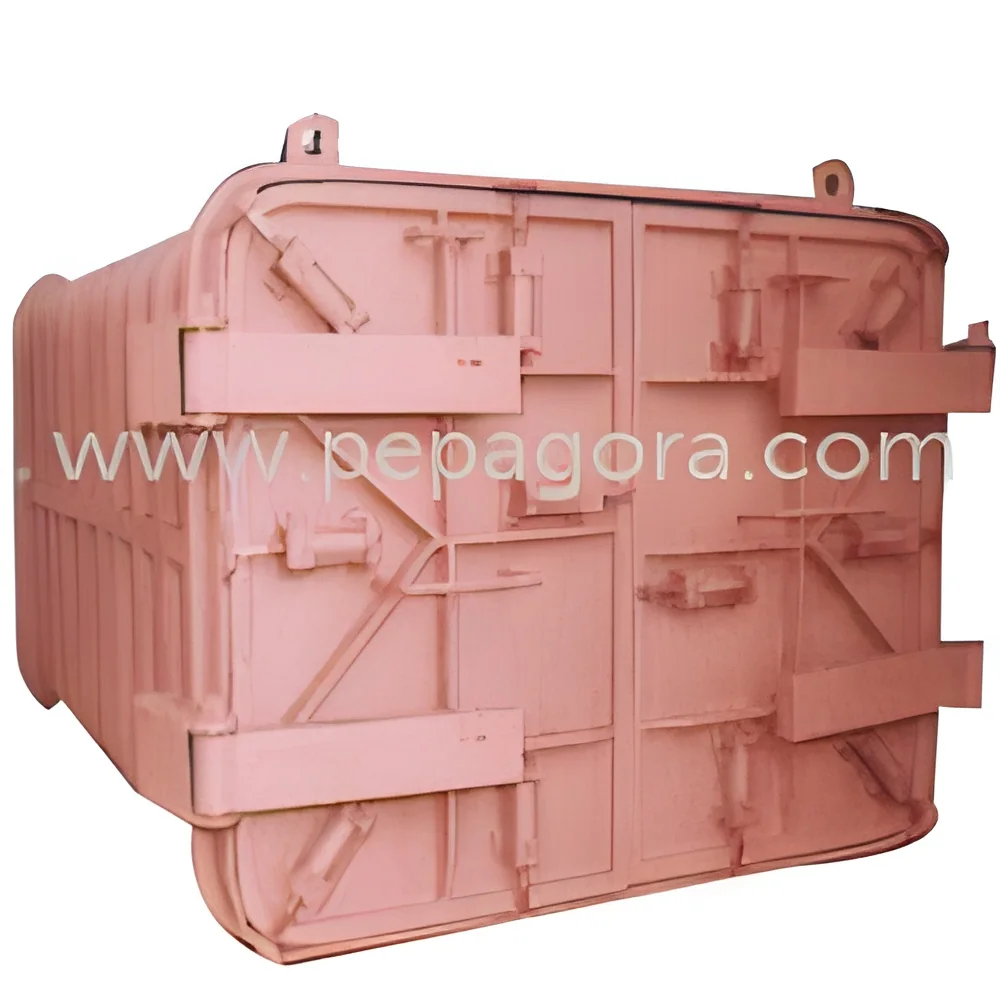
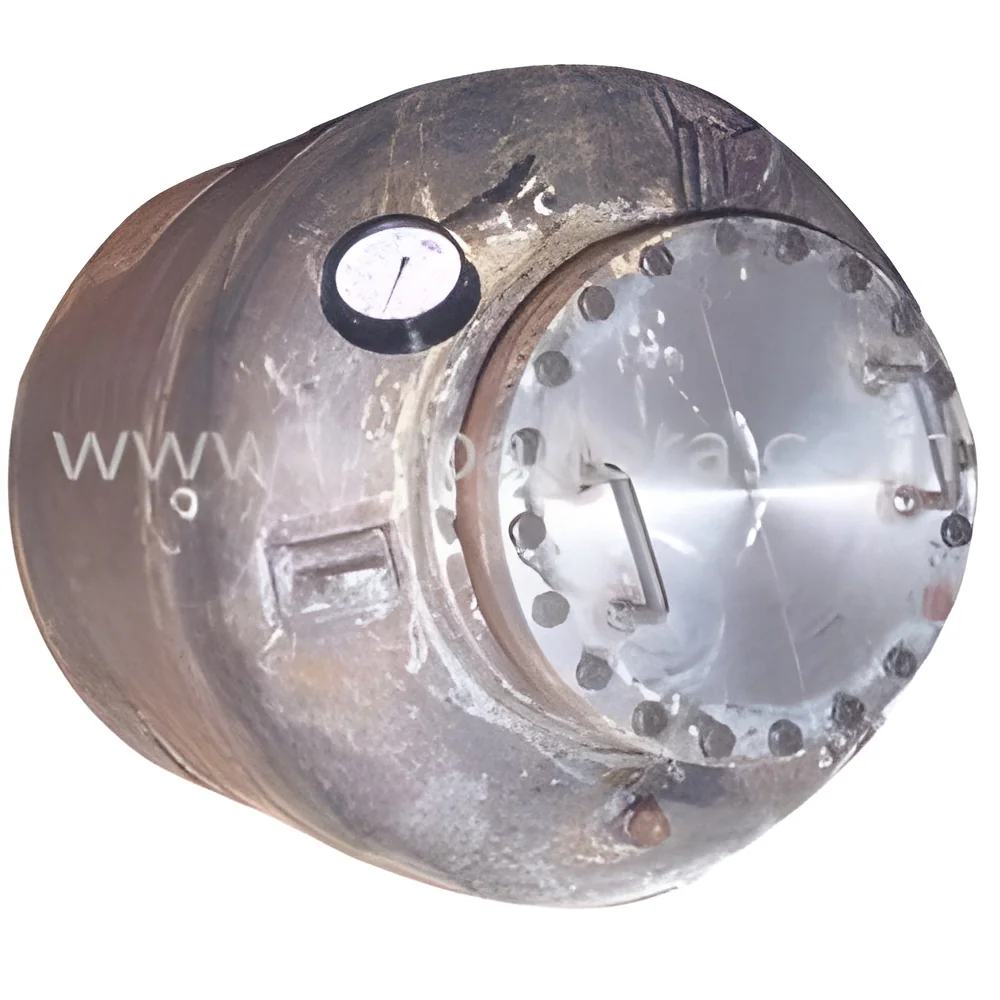
Industrial pressure vessels are specialized containers engineered to safely hold gases, vapors, or liquids at pressures significantly higher or lower than atmospheric pressure. Their construction utilizes high-grade materials such as carbon steel, stainless steel, or specialized alloys, selected for strength, corrosion resistance, and durability under specific service conditions. The design and fabrication adhere to rigorous international codes and standards, including ASME Boiler and Pressure Vessel Code and PED, ensuring structural integrity through features like calculated wall thickness, reinforced seams, and integrated safety systems. These vessels are not mere storage tanks; they are precision-engineered components critical for maintaining controlled environments essential for industrial processes, where any deviation can impact safety, product quality, and operational continuity.

These vessels find indispensable usage across core industrial sectors. In the chemical industry, th...
Industrial pressure vessels are specialized containers engineered to safely hold gases, vapors, or liquids at pressures significantly higher or lower than atmospheric pressure. Their construction utilizes high-grade materials such as carbon steel, stainless steel, or specialized alloys, selected for strength, corrosion resistance, and durability under specific service conditions. The design and fabrication adhere to rigorous international codes and standards, including ASME Boiler and Pressure Vessel Code and PED, ensuring structural integrity through features like calculated wall thickness, reinforced seams, and integrated safety systems. These vessels are not mere storage tanks; they are precision-engineered components critical for maintaining controlled environments essential for industrial processes, where any deviation can impact safety, product quality, and operational continuity.

These vessels find indispensable usage across core industrial sectors. In the chemical industry, they act as reactors, mixers, and polymerizers where precise pressure is crucial for reaction kinetics and yield. The oil and gas sector employs them extensively for separation (separators, scrubbers), storage (LPG, LNG), and processing (fractionating columns). Power generation relies on them for boilers, deaerators, and feedwater heaters within thermal and nuclear plants. Furthermore, they are vital in pharmaceuticals for sterile synthesis and fermentation, in food processing for pasteurization, and in manufacturing for applications like hydrotesting and compressed air systems. Their design is often tailored to the industry's unique media, pressure cycles, and cleanliness requirements.

The business value of these pressure vessels stems from their direct contribution to operational safety, efficiency, and cost-effectiveness. A reliable vessel minimizes the risk of catastrophic failure, protecting personnel, assets, and the environment while ensuring compliance with stringent regulatory mandates. This reliability translates into reduced unplanned downtime and lower long-term maintenance costs. Their robust construction ensures a long service life, providing a strong return on investment. For serious buyers, investing in quality pressure vessels means securing a foundational component that supports consistent production output, process scalability, and overall plant safety culture, making it a strategic decision for sustainable industrial operations.

Key Features:
- Fabricated from high-strength, industry-grade materials like carbon steel, stainless steel, or alloys for corrosion resistance and durability.
- Designed and manufactured in full compliance with international standards such as ASME Section VIII and PED for guaranteed safety.
- Engineered to withstand specific pressure ratings and temperature ranges required for demanding industrial processes.
- Incorporates essential safety fittings including pressure relief valves, gauges, and inspection ports for operational control.
- Features robust construction with quality welding and fabrication techniques to ensure leak-proof performance and structural integrity.

Benefits:
- Enhances operational safety by reliably containing hazardous materials under pressure, reducing workplace risks.
- Ensures process consistency and product quality by maintaining stable, controlled pressure environments.
- Reduces long-term operational costs through durable construction that minimizes maintenance needs and downtime.
- Provides reliability for critical applications, supporting continuous production cycles and plant efficiency.
- Offers a trustworthy industrial solution backed by engineering standards, ensuring compliance and peace of mind for plant operators.
Specifications
| Additional Information | |
|---|---|
| Country of Origin | India |
Application
Industrial pressure vessels serve as critical containment systems for storing and processing gases, liquids, and mixtures under significant pressure differentials. They are engineered to maintain integrity in harsh operational environments, ensuring process safety and preventing leaks or failures that could disrupt production or pose hazards. Their design prioritizes controlled pressure management, making them fundamental to continuous industrial operations where consistent conditions are non-negotiable for quality and efficiency.
These vessels are integral across heavy industries that handle volatile or sensitive materials. Their application extends to processes requiring precise pressure control for chemical reactions, physical separations, or safe storage. The ability to withstand corrosive substances, high temperatures, and cyclic loading makes them suitable for long-term, reliable service in facilities that cannot afford unscheduled downtime, supporting everything from bulk material handling to intricate synthesis processes.
- Storing compressed industrial gases like nitrogen, argon, and hydrogen for manufacturing and energy production.
- Functioning as reactors in chemical plants to facilitate controlled reactions under elevated pressure and temperature.
- Serving as separators in oil and gas refineries to divide crude oil into different hydrocarbon fractions.
- Operating as heat exchangers or boilers in power generation plants to manage steam systems.
- Used as autoclaves for sterilization and curing processes in pharmaceutical and composite material manufacturing.
Trade Details
| Available Stock | In Stock |
| Sample Availability | No |
Payment Terms
| Payment Terms |
|
Company Profile
Dhara Equipments, Gujarat
 Gujarat, India
Gujarat, IndiaIndustrial Equipment & Machinery•Manufacturer•Distributor / Wholesaler
Factory Details
Factory SizeBelow 1000 sqm
Annual Production Capacity0
Industrial Pressure Vessels For Chemical Oil Gas Manufacturing
Industrial pressure vessels for chemical, oil, and gas manufacturing provide reliable, safe storage and processing of liquids and gases under high pressure. Engineered for demanding industrial applications with robust construction and compliance with international standards.
Min. Order Quantity: 1 unit
Shipping
Shipping fee and delivery date to be negotiated. Contact supplier now for more details.
Dhara Equipments
 Gujarat, India
Gujarat, IndiaIndustrial Equipment & MachineryManufacturer