IN
IN₹
Description
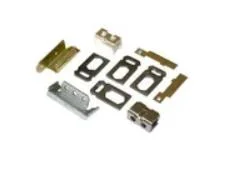
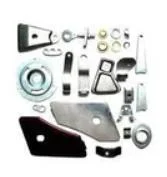
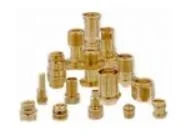
Pressed components represent precision-engineered metal parts created through advanced high-pressure manufacturing processes like stamping, punching, and deep drawing. This method transforms materials such as steel, aluminum, brass, and copper into components with exceptional dimensional accuracy, smooth surface finishes, and consistent repeatability. The process ensures each part meets exact specifications, making it ideal for high-volume production runs where uniformity and reliability are paramount. By utilizing controlled force and specialized tooling, manufacturers can produce complex geometries and tight tolerances that traditional machining might not achieve efficiently.

These components find extensive use across diverse industries that rely on durable and precise metal parts. In electrical and electronics, they form terminals, contacts, and connectors that ensure secure and efficient power transmission. Automotive manufacturers incorporate them as brackets, retainers, and moun...
Pressed components represent precision-engineered metal parts created through advanced high-pressure manufacturing processes like stamping, punching, and deep drawing. This method transforms materials such as steel, aluminum, brass, and copper into components with exceptional dimensional accuracy, smooth surface finishes, and consistent repeatability. The process ensures each part meets exact specifications, making it ideal for high-volume production runs where uniformity and reliability are paramount. By utilizing controlled force and specialized tooling, manufacturers can produce complex geometries and tight tolerances that traditional machining might not achieve efficiently.

These components find extensive use across diverse industries that rely on durable and precise metal parts. In electrical and electronics, they form terminals, contacts, and connectors that ensure secure and efficient power transmission. Automotive manufacturers incorporate them as brackets, retainers, and mounting hardware to endure road vibrations and environmental stresses. Industrial machinery utilizes pressed components for spacers, covers, and structural fittings that maintain equipment alignment and longevity. Additionally, they appear in appliances, HVAC systems, and plumbing installations, where corrosion resistance and mechanical strength are essential for performance and safety.

The business value of pressed components lies in their reliability, cost-effectiveness, and suitability for demanding applications. By offering consistent quality and strength, they reduce assembly errors, minimize downtime, and enhance product lifespan. Their manufacturing process allows for efficient material usage and rapid production, translating to competitive pricing and shorter lead times. For buyers, this means access to components that integrate seamlessly into existing systems, meet regulatory standards, and deliver long-term operational stability without frequent maintenance or replacement needs.

Key Features:
- High dimensional accuracy and tight tolerances for precise fit and function.
- Smooth surface finishes achieved through controlled pressing and optional deburring.
- Consistent repeatability across mass production runs ensuring uniform quality.
- Material versatility including steel, aluminum, brass, copper, and stainless steel.
- Capability for complex geometries through stamping, bending, and deep drawing techniques.

Benefits:
- Enhanced durability and strength suitable for high-stress industrial environments.
- Cost-effective production due to efficient material use and high-volume manufacturing.
- Reduced assembly time and errors with components that meet exact specifications.
- Long-term reliability minimizing maintenance needs and operational downtime.
- Broad application compatibility across electrical, automotive, and machinery sectors.
Specifications
| Additional Information | |
|---|---|
| Country of Origin | India |
Application
Pressed components serve as essential building blocks across multiple sectors where precision, durability, and consistency are non-negotiable. Their ability to be mass-produced with uniform quality makes them indispensable for assemblies that demand reliable performance and tight tolerances in demanding environments.
From intricate electrical contacts to robust automotive brackets, these components integrate seamlessly into complex systems. They are engineered to meet specific mechanical and environmental requirements, ensuring long-term functionality and reducing the need for frequent replacements or maintenance in critical applications.
Real-world applications:
- Electrical systems: terminals, connectors, and grounding components for stable current flow and secure connections.
- Automotive assemblies: brackets, clips, and mounting parts that withstand vibration and stress in vehicles.
- Industrial machinery: spacers, supports, and structural fittings for equipment durability and alignment.
- Consumer appliances: housings, mounts, and mechanical links ensuring product longevity and safety.
- HVAC and plumbing: clamps, fasteners, and fittings that resist corrosion and maintain system integrity.
Trade Details
| Available Stock | In Stock |
| Sample Availability | No |
Payment Terms
| Payment Terms |
|
| Payment Methods |
|
Company Profile
DURGA ENGINEERS, Tamil Nadu
 Tamil Nadu, India
Tamil Nadu, IndiaRaw Materials & Chemicals•Manufacturer•Distributor / Wholesaler
Factory Details
Factory SizeBelow 1000 sqm
Precision Pressed Metal Components For Electrical Automotive Industrial Applications
Pressed components are precision metal parts manufactured using high-pressure pressing techniques, offering accurate dimensions, smooth finishes, and high strength for electrical, automotive, and industrial applications.
Min. Order Quantity: 1 piece
Shipping
Shipping fee and delivery date to be negotiated. Contact supplier now for more details.
DURGA ENGINEERS
 Tamil Nadu, India
Tamil Nadu, IndiaRaw Materials & ChemicalsManufacturer