
 IN
Power Meter Calibration
5 products available
What are Power Meter Calibration?
Power meter calibration is the process of verifying and adjusting the accuracy of power meters used to measure electrical power consumption. This process ensures that the readings provided by the meter are accurate and reliable. Calibration involves comparing the meter's output against a known standard and making necessary adjustments to align the measurements. Regular calibration is crucial for maintaining the integrity of power metering systems.
The primary uses of power meter calibration include ensuring compliance with regulatory standards, optimizing energy efficiency, and maintaining accurate billing processes. Businesses that rely on power meters, such as utilities, manufacturing plants, and commercial facilities, use calibrated meters to monitor energy consumption and manage costs effectively. Accurate readings help in identifying discrepancies, improving operational efficiency, and reducing energy waste.
In today's market, the relevance of power meter calibration is underscored by the increasing focus on energy conservation and sustainability. With the rise of renewable energy sources and smart grids, having precise measurements is vital for effective energy management. Industries are increasingly investing in calibration services to enhance their operational reliability and comply with industry standards.
Key Features and Specifications
Power meter calibration services come equipped with several key features that enhance their functionality and reliability. Understanding these specifications can help businesses select the right calibration solutions for their needs.
Key specifications include:
1. Calibration Accuracy
- Provides a measure of how closely the meter's readings match the true values.
- Typically expressed in percentages of the reading.
2. Calibration Frequency
- Indicates how often calibration should be performed for optimal accuracy.
- Generally ranges from annually to quarterly, depending on usage.
3. Measurement Range
- Defines the range of power levels the meter can accurately measure.
- Standard ranges often include low, medium, and high power levels.
4. Environmental Conditions
- Specifies the temperature and humidity levels under which the calibration is valid.
- Ensures consistent performance in varying conditions.
5. Compliance Standards
- Lists the relevant industry standards and certifications the calibration adheres to.
- Common standards include CE certifications.
6. Calibration Methodology
- Describes the procedures and techniques used for calibration.
- Includes both manual and automated methods.
7. Reporting Capabilities
- Details the types of reports generated post-calibration.
- Often includes certificates of calibration and detailed performance metrics.
8. Equipment Compatibility
- Indicates the types of power meters that can be calibrated.
- Ensures a wide range of compatibility within different systems.
Overall, these features and specifications provide businesses with the necessary insights to make informed decisions regarding their power meter calibration needs.
Common Applications and Use Cases
Power meter calibration is essential across various industries to ensure efficiency and compliance.
1. Energy Utilities: Utilities leverage calibrated power meters to accurately measure electricity consumption for billing purposes, ensuring customer trust and regulatory compliance.
2. Manufacturing: In manufacturing facilities, calibrated meters help monitor energy usage, optimize production processes, and reduce operational costs.
3. Commercial Buildings: Property management companies use calibrated power meters to track energy consumption, allowing them to implement energy-saving initiatives effectively.
4. Renewable Energy: In solar and wind energy applications, accurate power measurement is critical for performance analysis and regulatory reporting.
5. Telecommunications: Telecommunication companies utilize calibrated power meters to monitor energy consumption across their networks, ensuring efficiency and reliability.
6. Data Centers: Data centers rely on precise power measurements to manage energy loads and optimize power usage effectiveness (PUE).
7. Automotive: The automotive industry employs calibration in electric vehicle charging stations to ensure accurate billing and efficiency in energy distribution.
Product Variants and Subcategories
Power meter calibration services offer a range of solutions to meet diverse industry needs. Each variant is tailored to specific applications and requirements.
Precision Calibration Services
These services focus on high-accuracy calibration for sensitive applications in laboratories and research facilities. They provide detailed reporting and traceability to national standards.
On-Site Calibration Services
On-site calibration allows for minimal downtime as technicians perform calibration at the customer’s location. This is ideal for industries with large or immovable equipment.
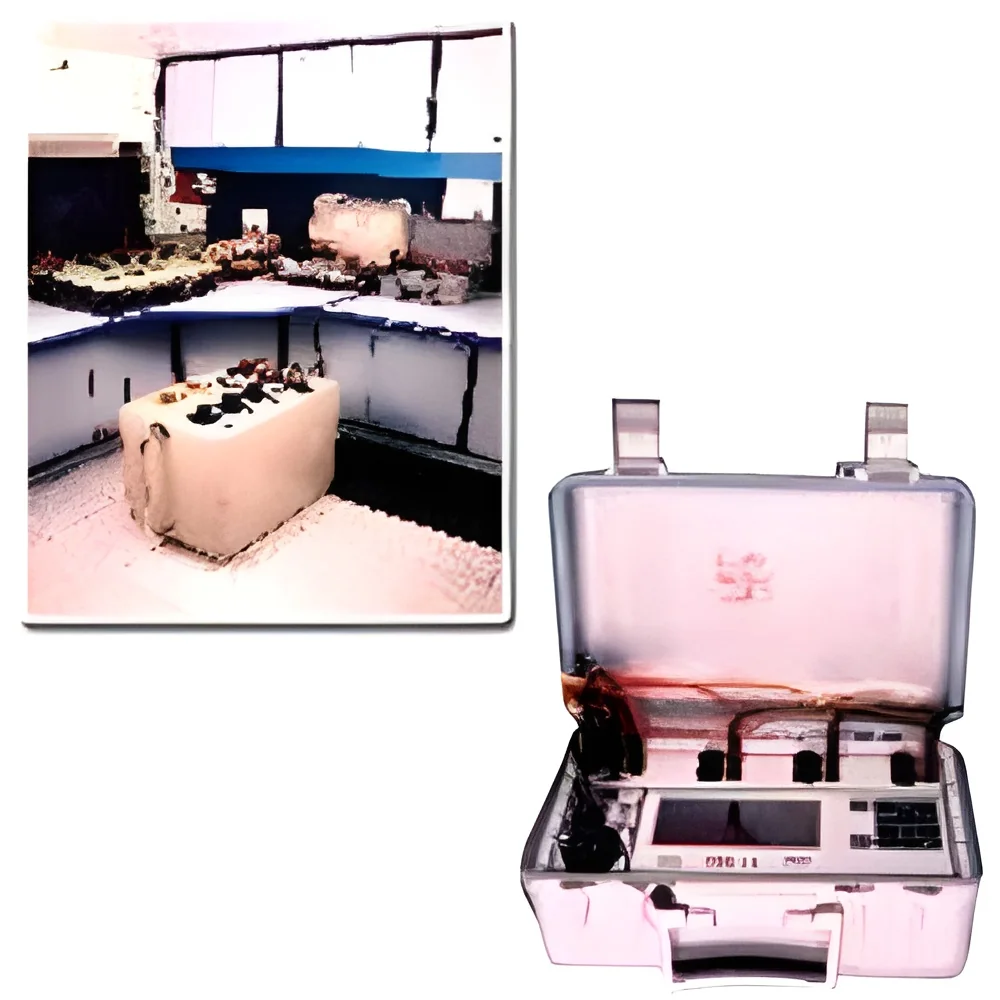
Portable Calibration Kits
These kits are designed for field technicians who require calibration capabilities on-the-go. They offer flexibility and convenience for various applications.
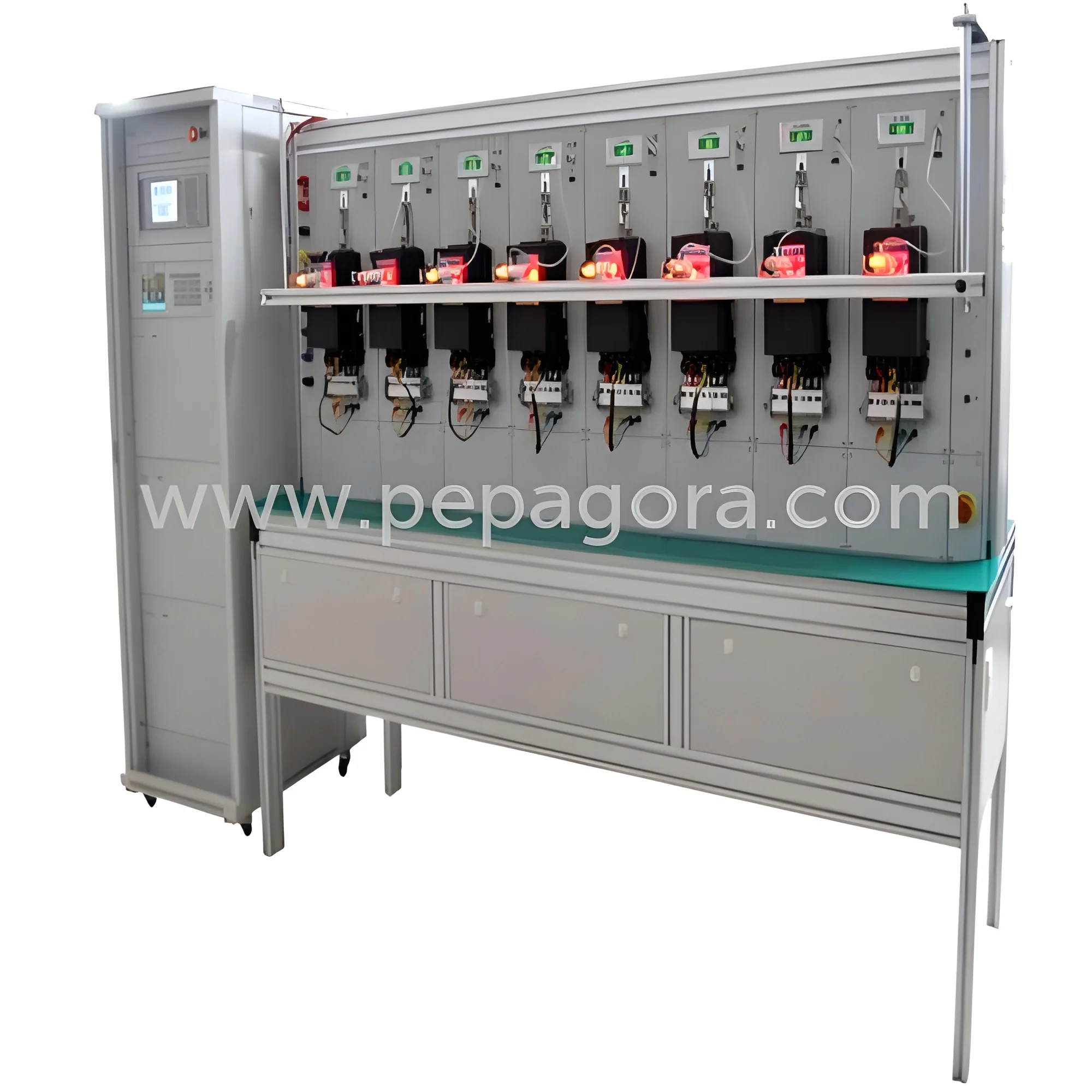
Automated Calibration Systems
Automated systems streamline the calibration process, reducing human error and increasing efficiency. These are commonly used in high-volume environments.
Benefits and Advantages
Investing in power meter calibration provides several benefits that enhance operational efficiency and compliance.
1. Improved Accuracy: Regular calibration ensures that power readings are precise, minimizing discrepancies in billing and reporting.
2. Regulatory Compliance: Adhering to calibration standards helps businesses meet regulatory requirements, avoiding potential fines and penalties.
3. Cost Savings: Accurate power measurement allows for better energy management, leading to reduced operational costs and improved bottom lines.
4. Enhanced Reliability: Consistent calibration practices increase the reliability of power measurement systems, ensuring they function as intended.
5. Increased Efficiency: By identifying and addressing inefficiencies, businesses can optimize energy usage and reduce waste.
6. Risk Mitigation: Regular calibration helps detect potential issues early, preventing costly failures and downtime.
Buying Guide for B2B Buyers
When sourcing power meter calibration services, businesses should consider several critical factors to ensure they make the right choice.
1. Quality Assessment: Assessing the quality of calibration services is essential. Look for providers that adhere to recognized standards and offer traceable calibration results.
2. Supplier Verification: Verify the credentials and experience of suppliers. A reputable supplier should have a solid track record in the industry and positive customer feedback.
3. Pricing and MOQ: Understand the pricing structure and minimum order quantities. Compare quotes from different suppliers to ensure competitive pricing without compromising quality.
4. Delivery and Lead Times: Consider the logistics involved in acquiring calibration services. Ensure that the supplier can meet your required timelines for calibration.
5. Compliance Requirements: Familiarize yourself with specific compliance needs for your industry. Ensure that the supplier's services align with these requirements.
Compliance and Certifications
Quality standards play a vital role in ensuring the reliability of power meter calibration services. Compliance with ISO 9001 signifies that a company adheres to international quality management standards. Additionally, certifications such as CE indicate that products meet European safety and health requirements.
Safety testing is another critical aspect of compliance, ensuring that calibration equipment and processes do not pose risks to operators or the environment. Businesses should also be aware of regional compliance considerations, as different regions may have specific regulations governing power measurement and calibration practices.
Understanding these compliance and certification requirements is essential for businesses to ensure they are sourcing power meter calibration services that are both reliable and legally compliant.
Why Source Power Meter Calibration from Pepagora?
Pepagora is a leading platform for sourcing power meter calibration services, offering several key advantages to B2B buyers.
Verified Supplier Network: Pepagora has established a robust network of verified suppliers, ensuring that businesses can access high-quality calibration services with confidence. Each supplier is carefully vetted to ensure reliability and expertise.
Streamlined RFQ Process: The platform offers a streamlined request for quotation (RFQ) process that enables buyers to receive competitive quotes from multiple suppliers quickly. This efficiency makes it easier for businesses to compare options and make informed decisions.
Trade Assurance and Support: Pepagora provides trade assurance to protect buyers throughout the sourcing process. This includes support for disputes and issues, ensuring a smooth transaction experience.
Regional Coverage: With a focus on markets including India, the Gulf Cooperation Council (GCC), and Southeast Asia, Pepagora offers extensive regional coverage. This ensures that businesses in these areas can access reliable calibration services tailored to their local needs.

 India

 India
 India
 India
Frequently Asked Questions
What are Power Meter Calibration?
Power Meter Calibration is the process of verifying and adjusting the accuracy of power meters to ensure they provide precise measurements of electrical power consumption. This calibration is essential for maintaining compliance with industry standards and ensuring reliable performance in various applications.
What are the different types of Power Meter Calibration?
There are several types of Power Meter Calibration, including static calibration and dynamic calibration. Static calibration involves measuring the power meter's output under controlled conditions, while dynamic calibration assesses performance under varying load conditions to simulate real-world usage.
How do I choose the right Power Meter Calibration?
Choosing the right Power Meter Calibration involves considering factors such as the type of power meter you are using, the accuracy requirements for your application, and the calibration standards applicable to your industry. It is also important to select a calibration service provider with a proven track record and the necessary certifications.
What are the standard specifications for Power Meter Calibration?
Standard specifications for Power Meter Calibration include accuracy class, operating temperature range, and input voltage range. Additionally, compliance with specific industry standards such as IEC 62053 or ANSI C12 may also be required, depending on the application.
What is the price range for Power Meter Calibration?
The price range for Power Meter Calibration can vary significantly based on factors such as the type of calibration service, the complexity of the power meter, and the provider's location. Typically, costs can range from a few thousand to several tens of thousands of Indian Rupees.
What quality standards apply to Power Meter Calibration?
Quality standards for Power Meter Calibration often include adherence to ISO/IEC 17025, which specifies general requirements for the competence of testing and calibration laboratories. Additionally, specific industry standards like IEC 62053 may also dictate the quality benchmarks for calibration services.
Where can I find Power Meter Calibration suppliers in India?
You can find Power Meter Calibration suppliers in India through online B2B marketplaces, industry directories, and trade shows focused on electrical equipment. Websites like Pepagora.com can help you connect with reliable manufacturers and service providers in this field.
Can Power Meter Calibration be customized?
Yes, Power Meter Calibration services can often be customized to meet specific requirements of different applications or industries. Customization may include specialized testing conditions or the incorporation of additional features based on client needs.
What is the typical minimum order quantity for Power Meter Calibration?
The typical minimum order quantity (MOQ) for Power Meter Calibration services can vary by supplier and service type. Generally, some providers may not have a strict MOQ, while others may require a minimum of one calibration service per order.
What is the typical lead time for Power Meter Calibration?
The typical lead time for Power Meter Calibration can range from a few days to several weeks, depending on factors such as the service provider's workload, the complexity of the calibration required, and the logistics involved in the process.
Why Businesses Trust Pepagora
Thousands of companies trust Pepagora to source smarter and sell faster
Expand Your Sales Globally

Source Smarter,Grow Faster
