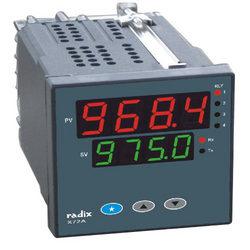
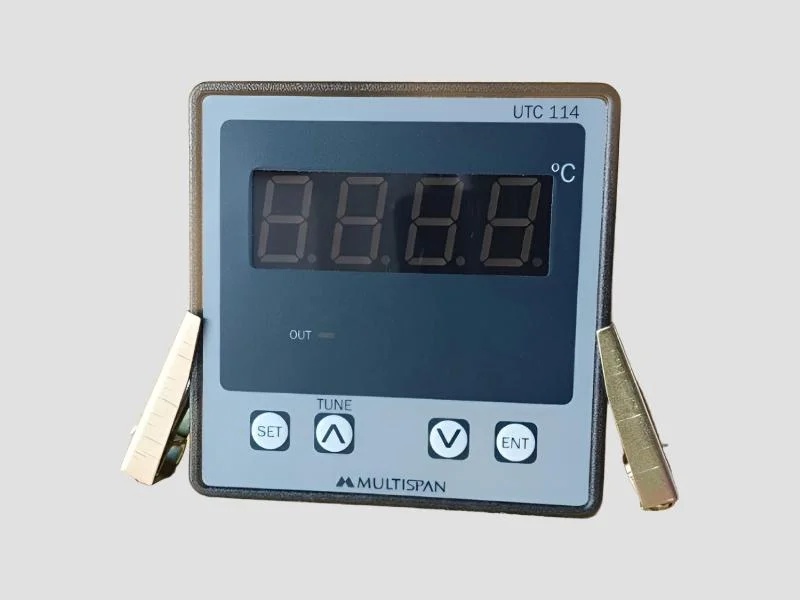
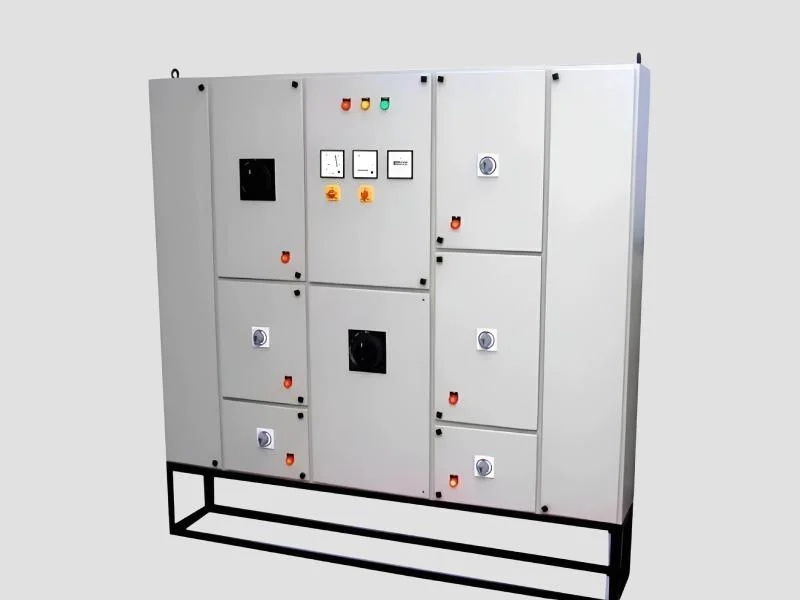
𝗪𝗵𝗮𝘁 𝗮𝗿𝗲 𝗣𝗜𝗗 𝗖𝗼𝗻𝘁𝗿𝗼𝗹𝗹𝗲𝗿𝘀?
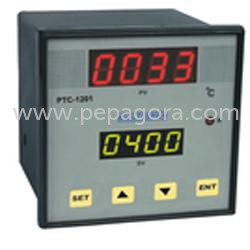
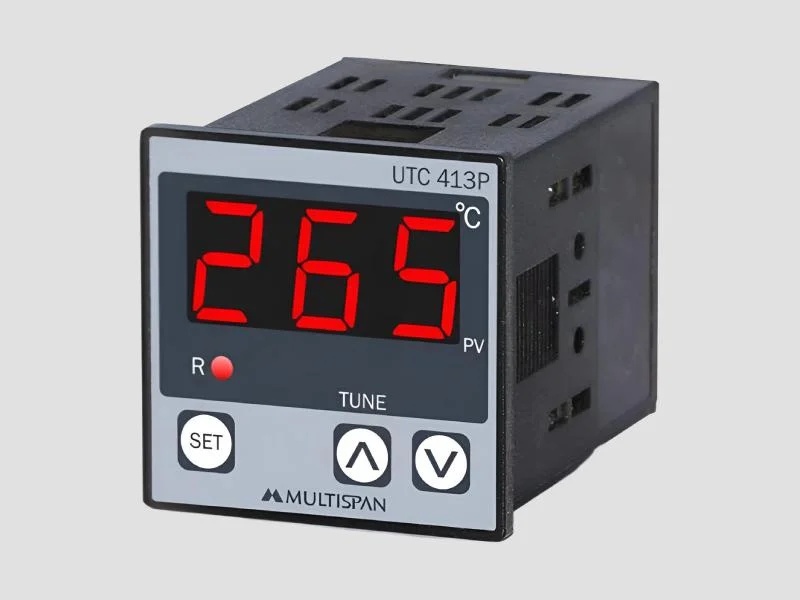
PID controllers, or Proportional-Integral-Derivative controllers, are essential components used in industrial automation and control systems. These devices regulate temperature, pressure, speed, and other process variables by adjusting outputs based on the difference between a desired setpoint and a measured process variable. The name PID refers to the three control actions that the controller performs: proportional, integral, and derivative. Each action contributes to the overall control strategy, ensuring that the system responds accurately and efficiently to changes.
PID controllers are widely used across various industries, including manufacturing, HVAC, and chemical processing. They play a critical role in maintaining process stability, enhancing product quality, and reducing waste. The ability to fine-tune the controller settings allows businesses to optimize their processes for better performance. As industries continue to adopt automation technologies, the demand for reliable PID controllers has increased, highlighting their importance in modern manufacturing and production environments.
𝗞𝗲𝘆 𝗙𝗲𝗮𝘁𝘂𝗿𝗲𝘀 𝗮𝗻𝗱 𝗦𝗽𝗲𝗰𝗶𝗳𝗶𝗰𝗮𝘁𝗶𝗼𝗻𝘀
PID controllers come equipped with several features designed to enhance their performance and usability. These features can vary by model, making it essential to understand the specifications that best suit your needs.
Key specifications include:
1. Control Modes
- Supports various control modes such as manual, auto, and cascade.
- Allows flexibility in process management.
2. Input Signal Types
- Compatible with multiple input types, including thermocouples and RTDs.
- Ensures versatility in measurement.
3. Output Signal Types
- Provides options for relay, analog, and digital outputs.
- Facilitates integration with different systems and equipment.
4. Display Type
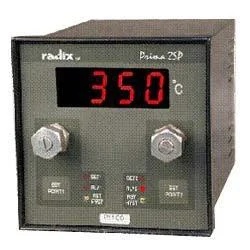
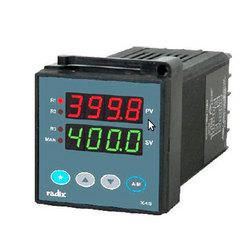
- Equipped with LCD or LED displays for easy monitoring.
- User-friendly interface for quick access to settings.
5. Temperature Range
- Designed to operate within specific temperature ranges suitable for various applications.
- Data not available for exact ranges.
6. Communication Protocols
- Supports popular protocols like Modbus and RS485.
- Enhances connectivity with other devices in the control system.
7. Power Supply Options
- Operates on standard voltage ranges, ensuring compatibility with existing setups.
- Typically available in 24V, 110V, and 220V configurations.
8. Enclosure Type
- Available in different enclosure types for protection against environmental factors.
- Options include IP-rated enclosures for enhanced durability.
In summary, understanding the key features and specifications of PID controllers is crucial for selecting the right device for your application. Each specification contributes to the overall functionality and adaptability of the controller in various industrial settings.
𝗖𝗼𝗺𝗺𝗼𝗻 𝗔𝗽𝗽𝗹𝗶𝗰𝗮𝘁𝗶𝗼𝗻𝘀 𝗮𝗻𝗱 𝗨𝘀𝗲 𝗖𝗮𝘀𝗲𝘀
PID controllers are utilized in a variety of applications across different industries, showcasing their versatility and effectiveness in process control.
1. Manufacturing: In manufacturing, PID controllers regulate temperature and pressure in processes such as injection molding and metal forging, ensuring product consistency and quality.
2. HVAC: In heating, ventilation, and air conditioning systems, PID controllers maintain desired temperature levels and humidity, optimizing energy efficiency and comfort.
3. Chemical Processing: These controllers manage chemical reactions by maintaining precise temperature and pressure levels, reducing waste and improving safety.
4. Food and Beverage: PID controllers are used to ensure proper cooking temperatures and times, preserving food quality and safety.
5. Water Treatment: In water treatment facilities, PID controllers monitor and control chemical dosing and filtration processes, ensuring compliance with health standards.
6. Pharmaceutical: In the pharmaceutical industry, PID controllers help maintain controlled environments critical for product development and manufacturing.
7. Robotics: They are implemented in robotic systems for motion control, allowing for precise and responsive operation.
𝗣𝗿𝗼𝗱𝘂𝗰𝘁 𝗩𝗮𝗿𝗶𝗮𝗻𝘁𝘀 𝗮𝗻𝗱 𝗦𝘂𝗯𝗰𝗮𝘁𝗲𝗴𝗼𝗿𝗶𝗲𝘀
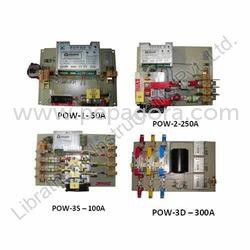
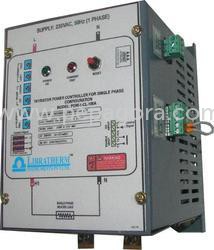
PID controllers come in various models and configurations to meet diverse industry needs. Each variant is designed with specific features that cater to different applications.
Standard PID Controller
This variant offers basic proportional, integral, and derivative control functions. It is ideal for straightforward applications requiring reliable temperature or pressure regulation.
Advanced PID Controller
Featuring enhanced control algorithms and communication capabilities, this variant is suited for complex applications where precision and adaptability are paramount.
Compact PID Controller
Designed for space-constrained environments, this variant provides essential PID control functions in a smaller form factor, ideal for portable or tight installation spaces.
Multi-Channel PID Controller
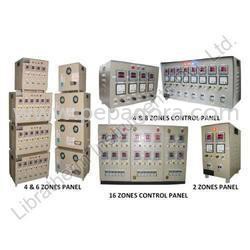
This variant allows for the simultaneous control of multiple processes or zones, making it suitable for large systems that require coordinated control across various parameters.
𝗕𝗲𝗻𝗲𝗳𝗶𝘁𝘀 𝗮𝗻𝗱 𝗔𝗱𝘃𝗮𝗻𝘁𝗮𝗴𝗲𝘀
Choosing PID controllers for your operations offers numerous advantages that can significantly impact efficiency and profitability.
1. Enhanced Process Stability: PID controllers maintain consistent control over process variables, reducing fluctuations and ensuring stable operations.
2. Improved Product Quality: By accurately regulating conditions, PID controllers help achieve higher product quality and reduce defects.
3. Energy Efficiency: Optimized control leads to lower energy consumption, contributing to cost savings and environmental sustainability.
4. Flexibility and Adaptability: The ability to fine-tune control settings allows for adjustments based on changing process requirements.
5. Easy Integration: PID controllers can be easily integrated into existing systems, enhancing overall process automation without major overhauls.
6. Real-Time Monitoring: Many models provide real-time data and alerts, enabling operators to make informed decisions quickly.
𝗕𝘂𝘆𝗶𝗻𝗴 𝗚𝘂𝗶𝗱𝗲 𝗳𝗼𝗿 𝗕𝟮𝗕 𝗕𝘂𝘆𝗲𝗿𝘀
When sourcing PID controllers for your business needs, several key factors should be considered to ensure you make an informed decision.
1. Quality Assessment: Evaluate the quality of PID controllers by reviewing manufacturer certifications and user reviews. Look for compliance with industry standards to ensure reliability.
2. Supplier Verification: Vet potential suppliers by checking their reputation, experience in the industry, and customer service responsiveness. A reliable supplier can make a significant difference in the purchasing process.
3. Pricing and MOQ: Consider the cost of PID controllers in relation to your budget. Be aware of minimum order quantities, which can impact overall expenses.
4. Delivery and Lead Times: Confirm delivery schedules and lead times to ensure that you receive your PID controllers when needed. Timely delivery is crucial for maintaining operational efficiency.
5. Compliance Requirements: Understand any regulatory compliance that may apply to your industry. Ensure that the PID controllers meet relevant safety and quality standards.
𝗖𝗼𝗺𝗽𝗹𝗶𝗮𝗻𝗰𝗲 𝗮𝗻𝗱 𝗖𝗲𝗿𝘁𝗶𝗳𝗶𝗰𝗮𝘁𝗶𝗼𝗻𝘀
Compliance and certifications are vital for PID controllers, ensuring they meet industry standards and safety regulations. Common quality standards include ISO 9001, which ensures consistent quality management processes.
PID controllers may also carry industry certifications such as CE, indicating compliance with European safety and environmental standards. These certifications allow buyers to trust that the products meet stringent quality criteria.
Additionally, manufacturers often adhere to safety and testing requirements specific to their industry. This guarantees that PID controllers are reliable and safe for use in critical applications.
Regional compliance considerations may also play a role, depending on where the PID controllers will be used. Buyers should verify that products comply with local regulations to avoid potential legal issues.
𝗪𝗵𝘆 𝗦𝗼𝘂𝗿𝗰𝗲 𝗣𝗜𝗗 𝗖𝗼𝗻𝘁𝗿𝗼𝗹𝗹𝗲𝗿𝘀 𝗳𝗿𝗼𝗺 𝗣𝗲𝗽𝗮𝗴𝗼𝗿𝗮?
Pepagora offers a reliable platform for sourcing PID controllers, providing several key advantages for B2B buyers.
Verified Supplier Network: Pepagora features a network of verified suppliers, ensuring that buyers can access high-quality PID controllers from reputable manufacturers. This verification process helps mitigate risks associated with sourcing.
Streamlined RFQ Process: The request for quotation (RFQ) process on Pepagora is designed to be user-friendly, allowing buyers to obtain competitive quotes quickly and efficiently. This streamlining saves time and effort in the sourcing process.
Trade Assurance and Support: Pepagora prioritizes buyer protection through trade assurance, offering support throughout the purchasing process. This assurance builds confidence in transactions and enhances buyer satisfaction.
Regional Coverage: With a strong presence in markets such as India, the GCC, and Southeast Asia, Pepagora provides buyers with access to a wide range of products tailored to regional needs. This geographic reach ensures that buyers can find suitable PID controllers no matter their location.

 IN
IN
 India
India