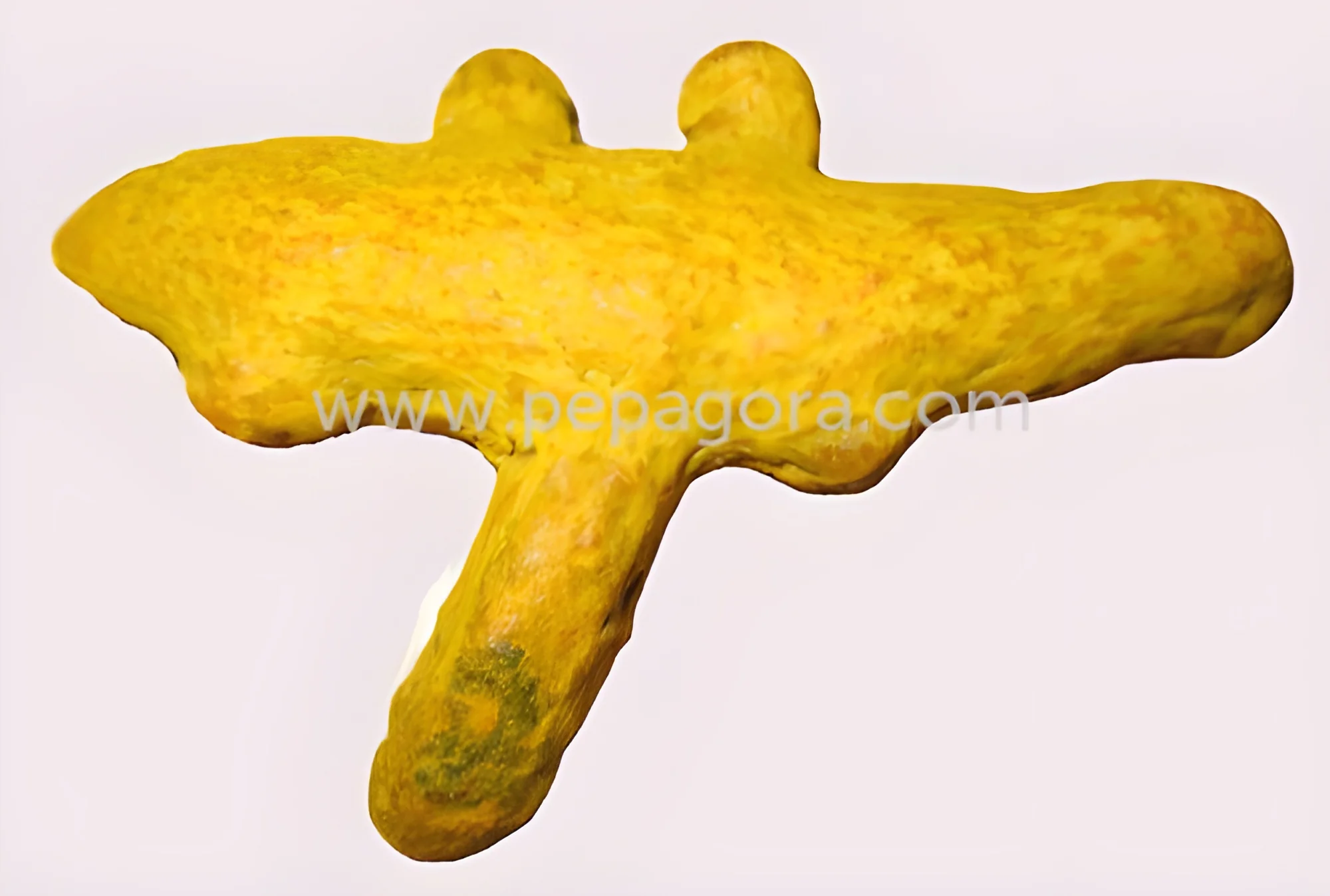
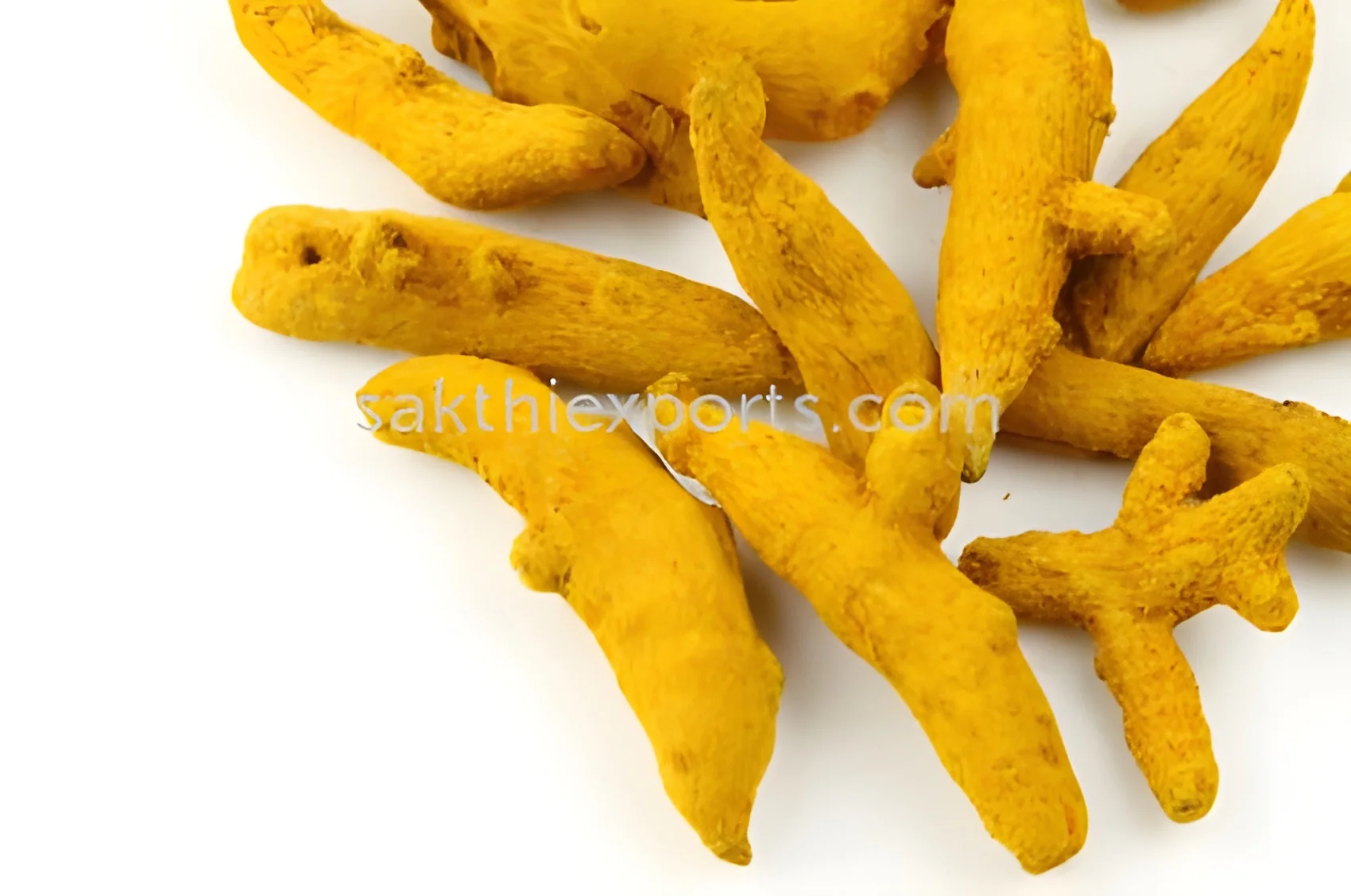
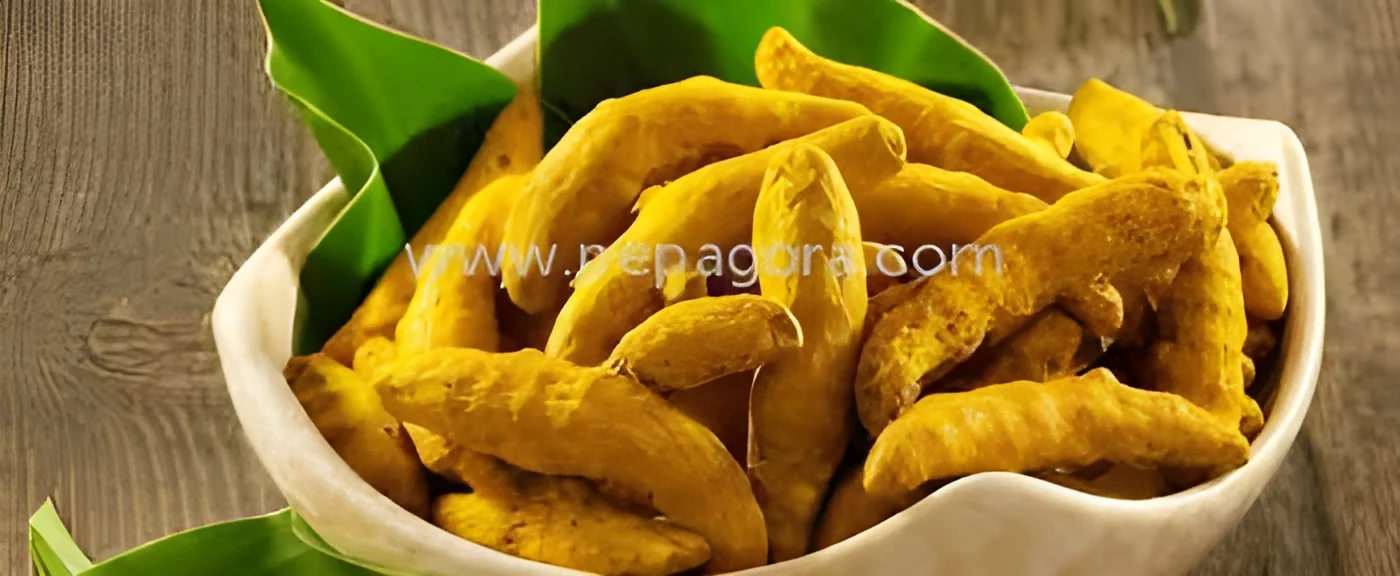
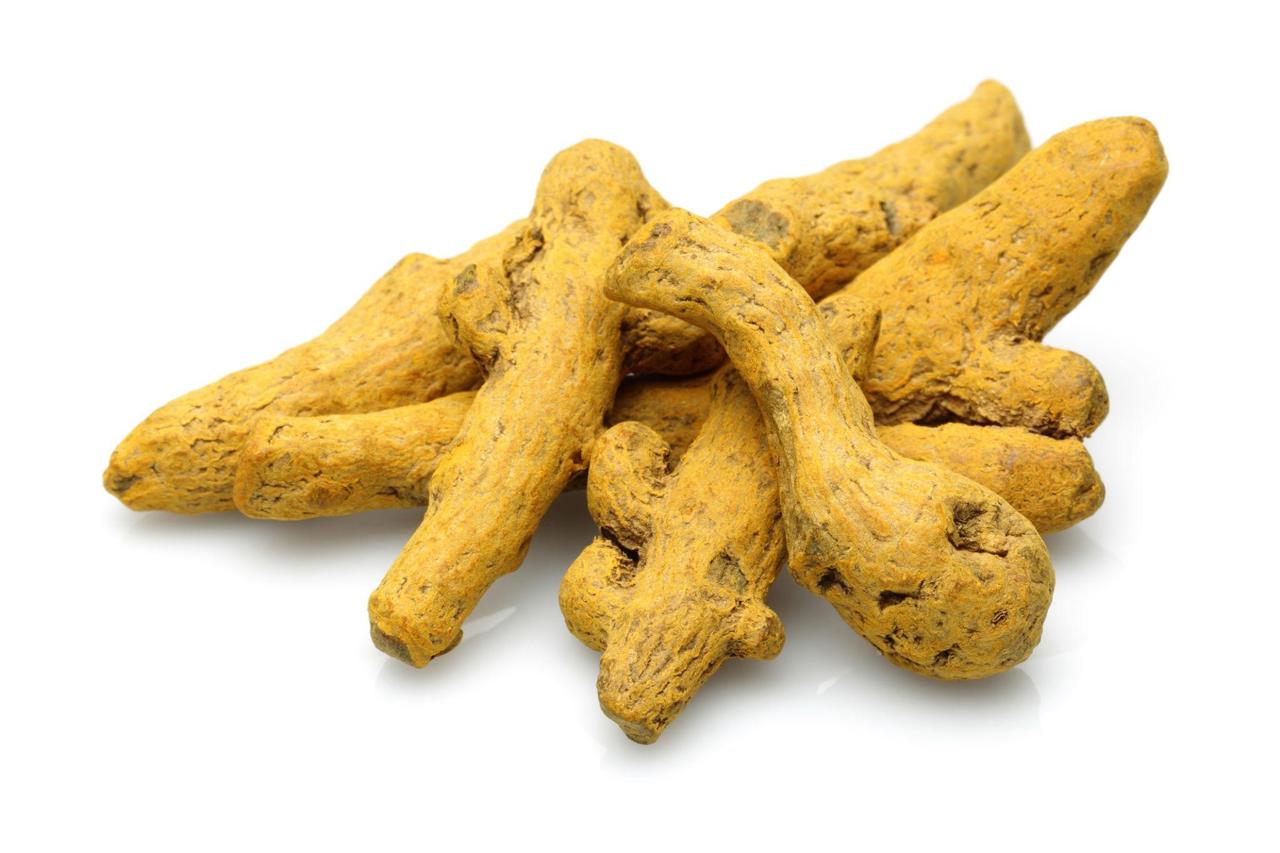
What are Organic Turmeric Roots?
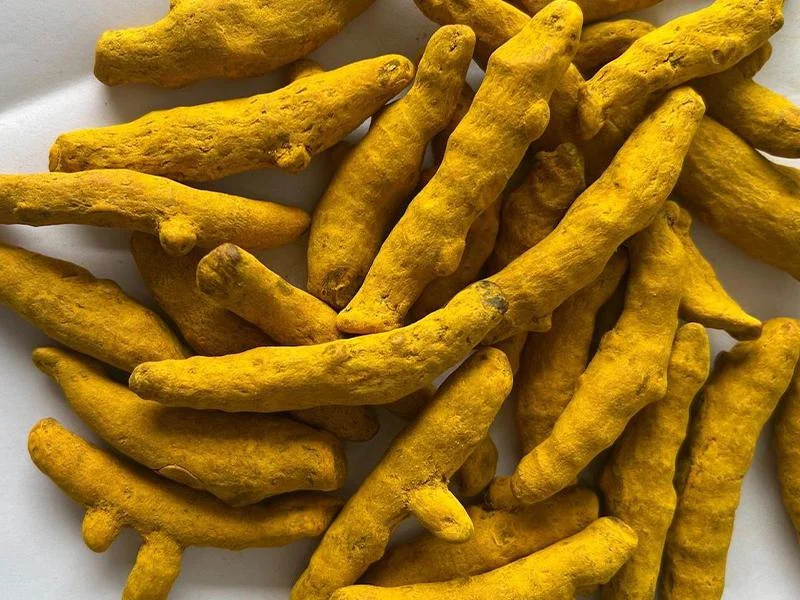
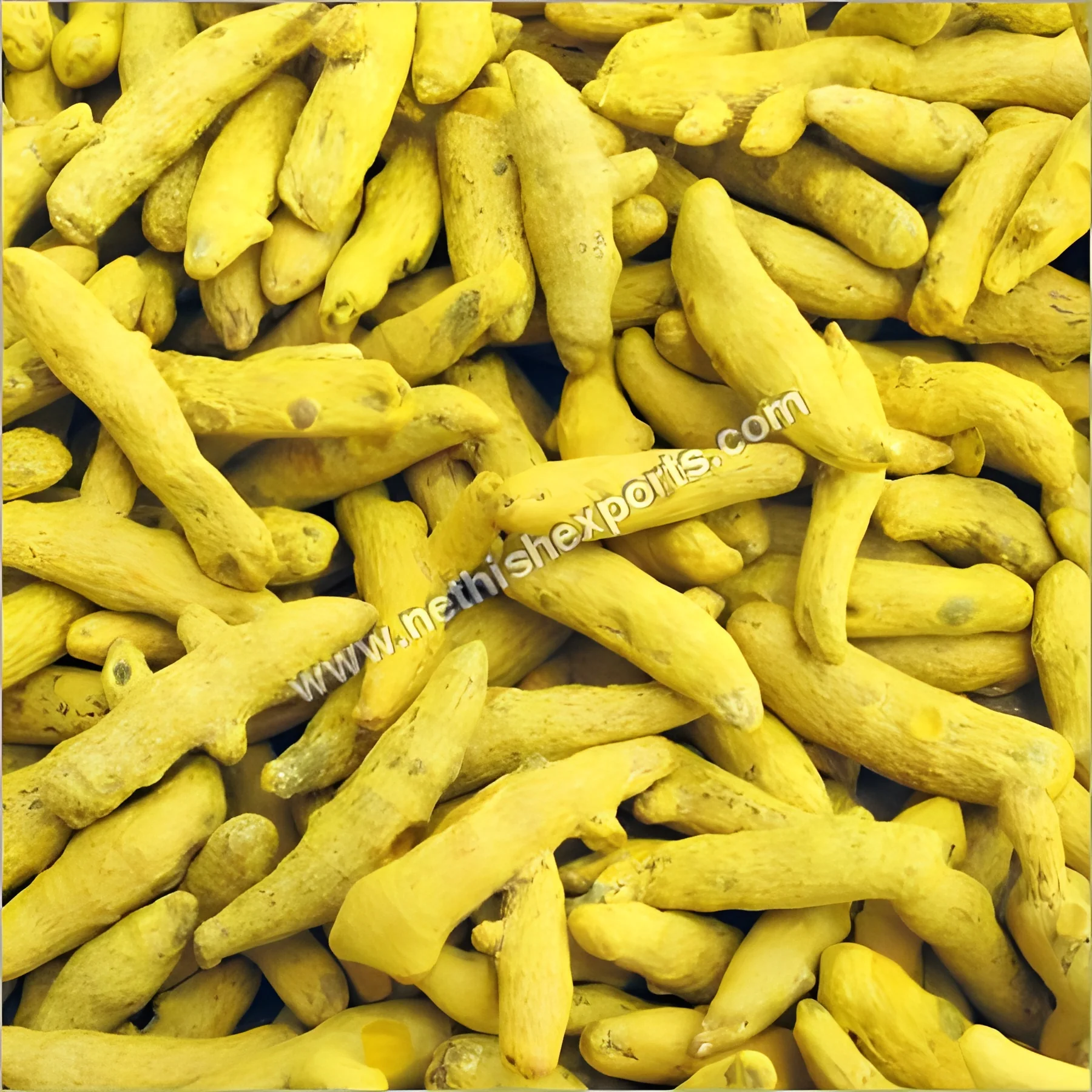
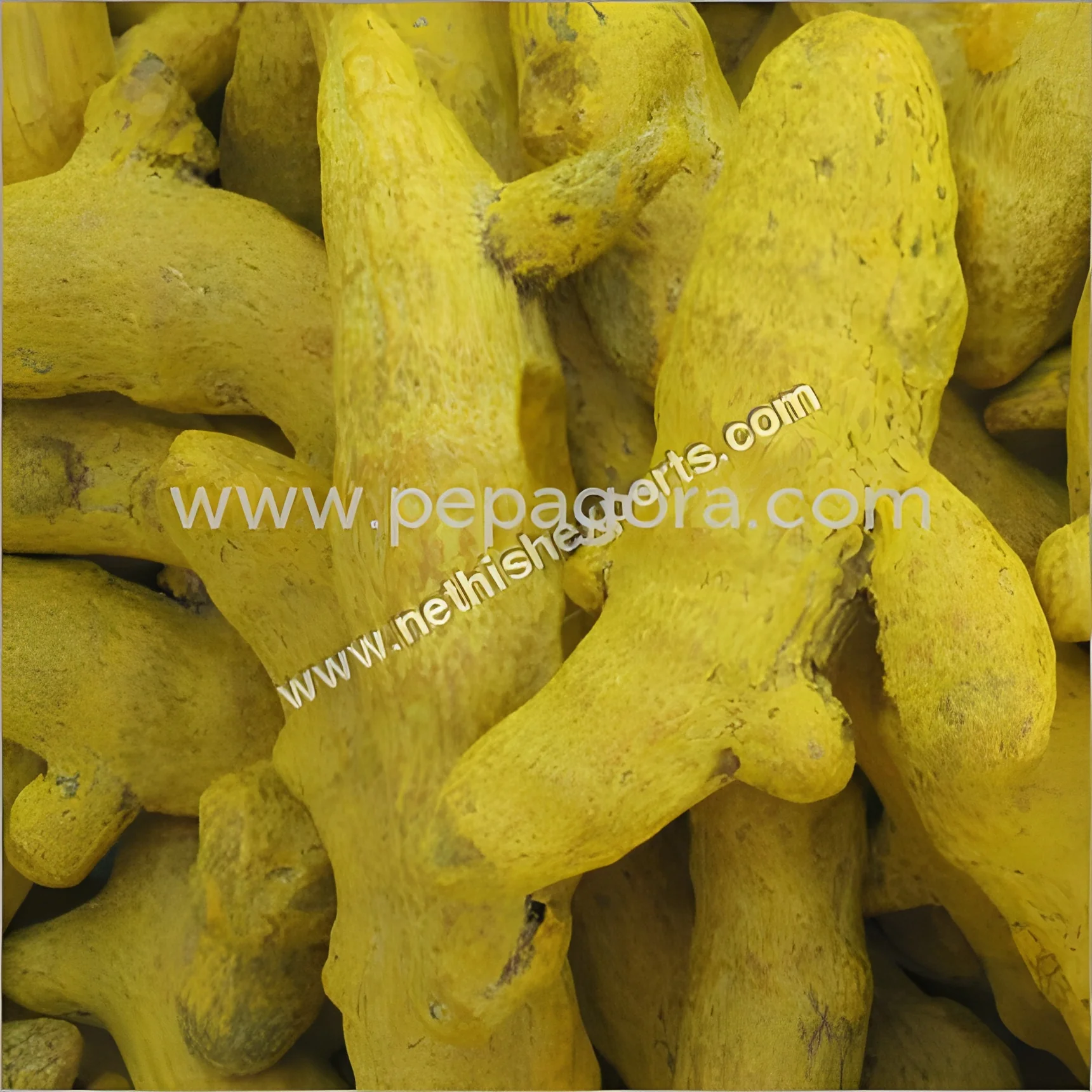
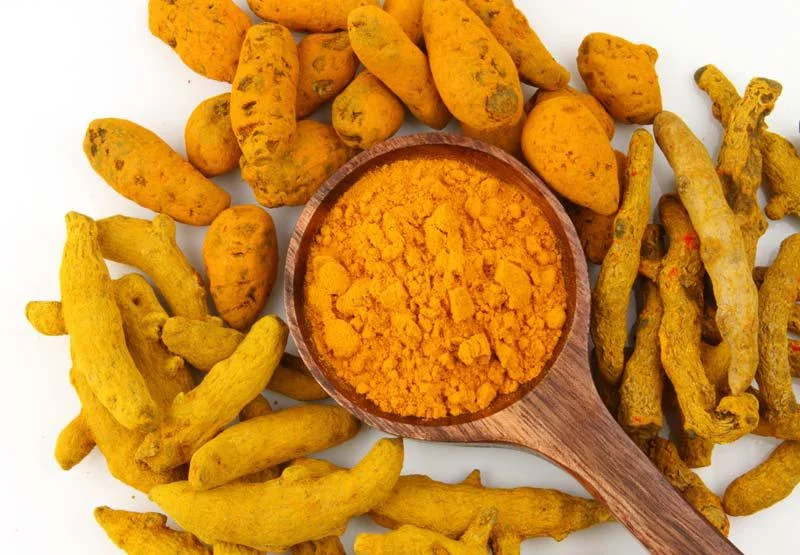
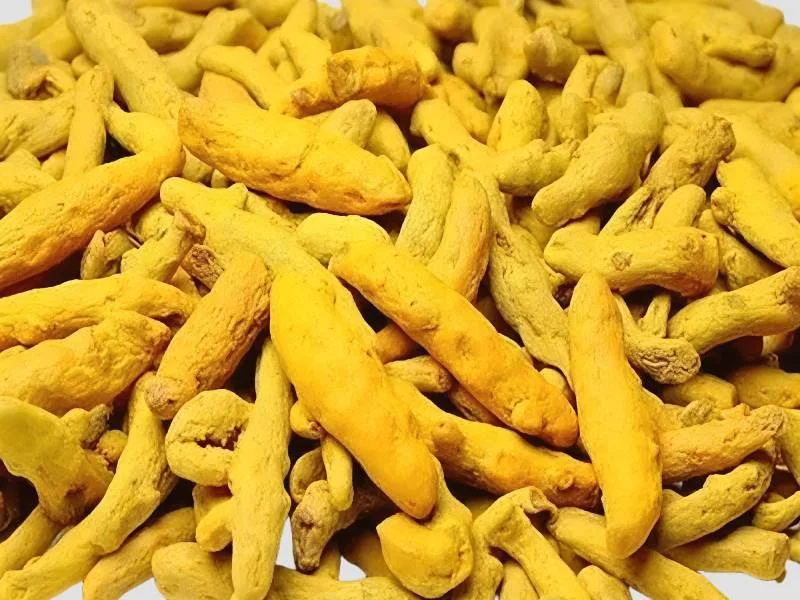
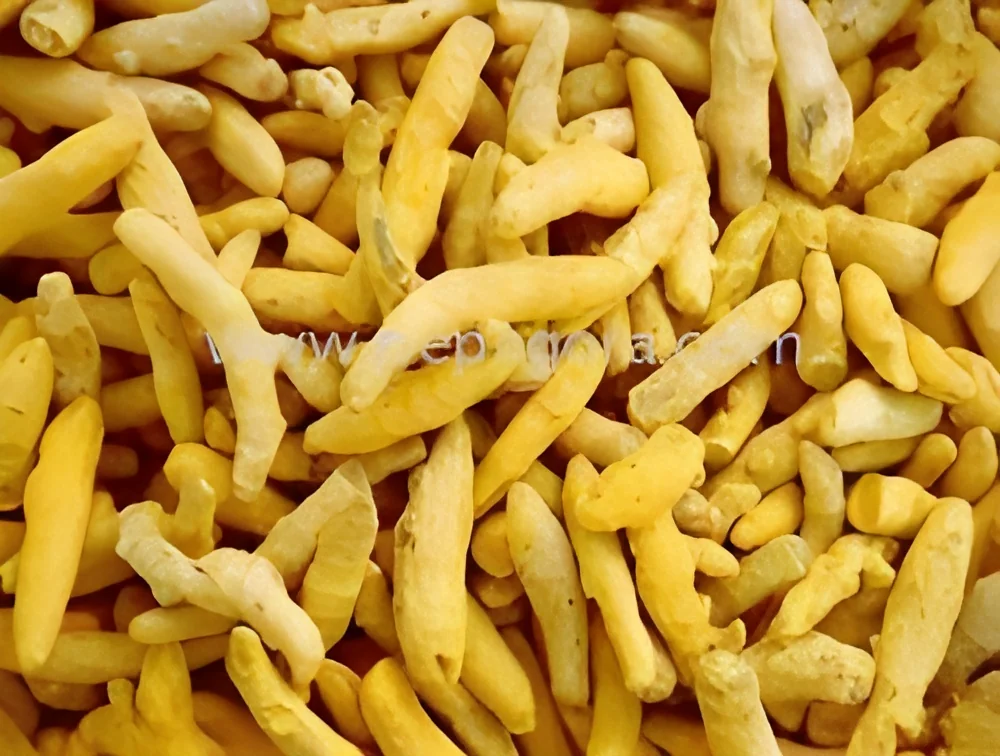
Organic turmeric roots are the rhizomes of the Curcuma longa plant, cultivated under organic farming practices. These roots are known for their vibrant yellow color and distinctive earthy flavor. They are rich in curcumin, a compound renowned for its potential health benefits, including anti-inflammatory and antioxidant properties. Organic turmeric roots are harvested without the use of synthetic fertilizers or pesticides, ensuring a product that is both environmentally friendly and health-conscious.
In the B2B sector, organic turmeric roots are sought after for various applications. They are widely used in food and beverage industries as a natural coloring agent and flavor enhancer. Additionally, these roots find relevance in the health and wellness industry, often incorporated into dietary supplements, herbal remedies, and cosmetics. The growing consumer preference for organic products has led to an increased demand for organic turmeric roots, making them a valuable commodity in various markets.
The market for organic turmeric is expanding, driven by rising health awareness and the popularity of natural ingredients. As more businesses adopt sustainable practices, the demand for organic turmeric roots is likely to grow. This positions suppliers and manufacturers in the organic sector to benefit from the emerging opportunities within the global marketplace.
Key Features and Specifications
Organic turmeric roots offer a range of features that make them highly desirable for various applications. Their quality is defined by specific characteristics that ensure they meet industry standards and customer expectations.
Key specifications include:
1. Organic Certification
- Ensures that the roots are grown without synthetic inputs
- Complies with recognized organic farming practices
2. Curcumin Content
- High levels of curcumin enhance health benefits
- Typically ranges from 3% to 6% in organic turmeric roots
3. Moisture Content
- Controlled moisture levels prevent spoilage
- Ideal moisture content is generally below 10%
4. Color Quality
- Vivid yellow color indicates freshness and quality
- Color grading is based on visual inspection and spectrometry
5. Size and Shape
- Roots are typically cylindrical and can vary in length
- Standard sizes range from 5 cm to 15 cm in length
6. Pesticide Residue
- Must comply with maximum residue limits
- Regular testing ensures safety for consumers
7. Flavor Profile
- Characteristic warm and earthy flavor
- Ideal for culinary uses in various cuisines
8. Shelf Life
- Properly stored roots can last up to two years
- Packaging plays a crucial role in extending shelf life
In summary, organic turmeric roots are characterized by their organic certification, high curcumin content, and quality specifications that cater to the needs of businesses and consumers alike.
Common Applications and Use Cases
Organic turmeric roots are versatile and can be utilized across multiple industries. Their natural properties make them suitable for various applications.
1. Food and Beverage Industry: Organic turmeric roots are commonly used in culinary applications. They add flavor and color to curries, soups, and beverages such as golden milk and smoothies.
2. Health and Wellness Sector: The roots are a popular ingredient in dietary supplements and herbal products. They are marketed for their anti-inflammatory and antioxidant benefits.
3. Cosmetic Industry: Organic turmeric is included in skincare products for its potential to improve skin health and appearance. It is often found in face masks and creams.
4. Pharmaceuticals: Turmeric extracts are used in certain medicinal formulations aimed at promoting overall health and wellness, leveraging the properties of curcumin.
5. Natural Dyes: The vibrant color of turmeric roots makes them suitable for use as a natural dye in textiles and food products.
6. Pet Care Products: Some pet care manufacturers incorporate turmeric in supplements for pets, promoting joint health and overall well-being.
7. Culinary Workshops: Organic turmeric roots are increasingly used in cooking classes and workshops focused on healthy eating and organic cooking.
Product Variants and Subcategories
While there are no specific subcategories of organic turmeric roots, there are several product variants that serve different market needs.
Whole Dried Turmeric Roots
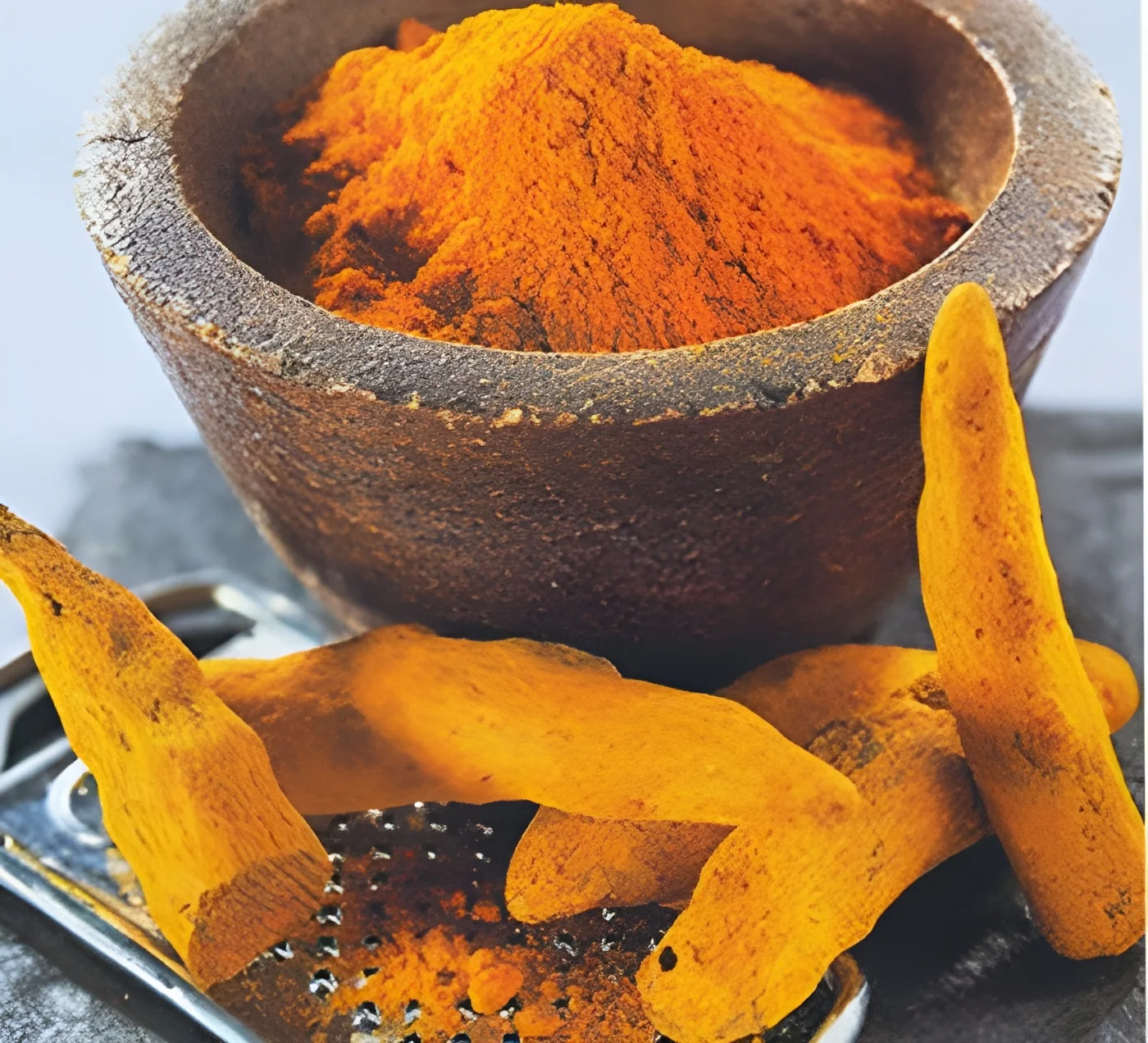
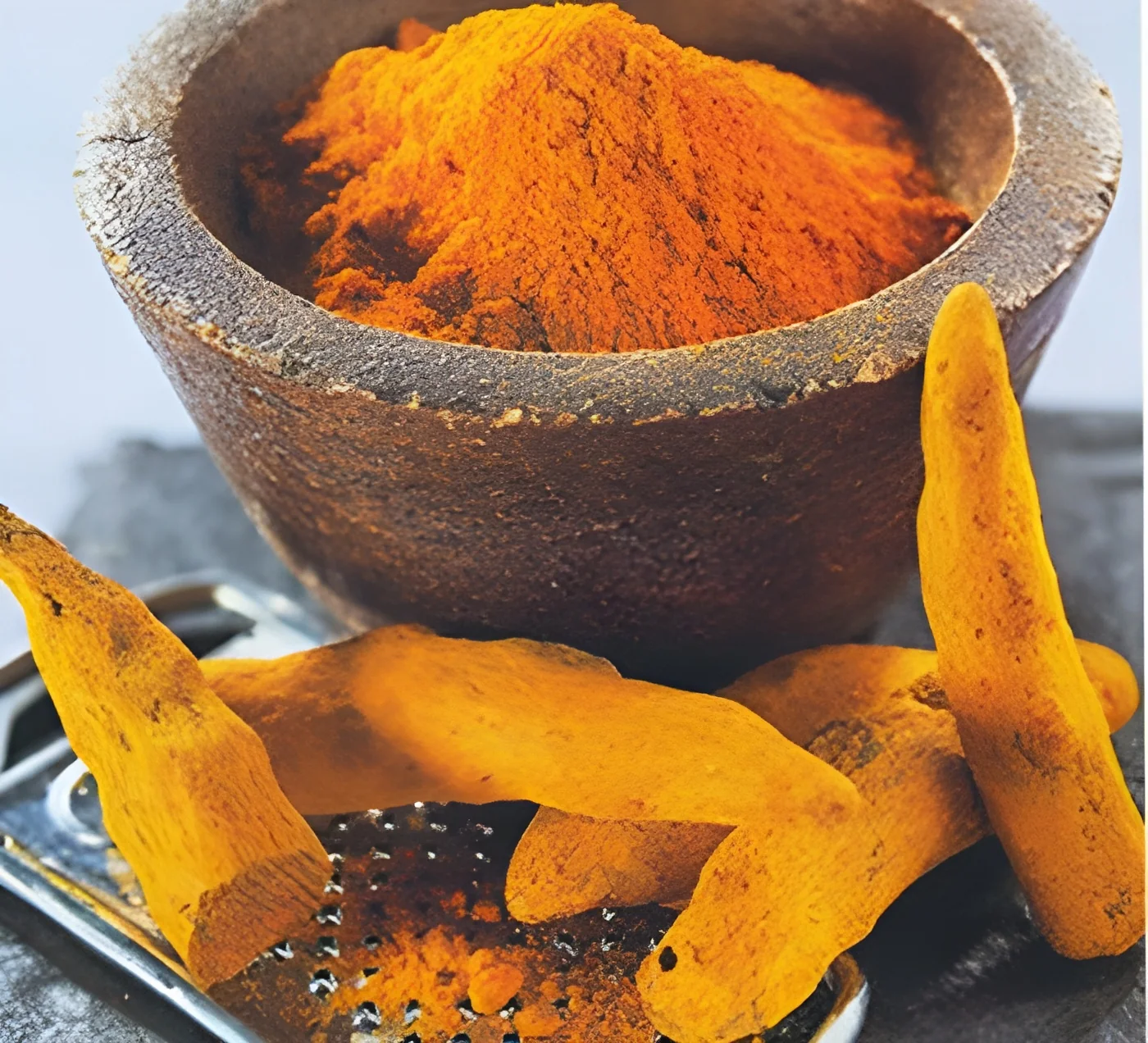
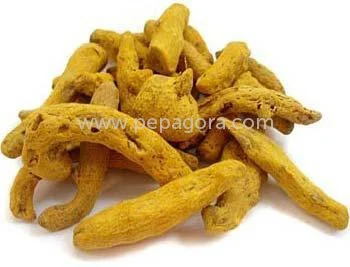
These are the unprocessed roots that retain their natural properties. They are often used for culinary purposes, allowing users to grate or slice them as needed.
Ground Turmeric Powder
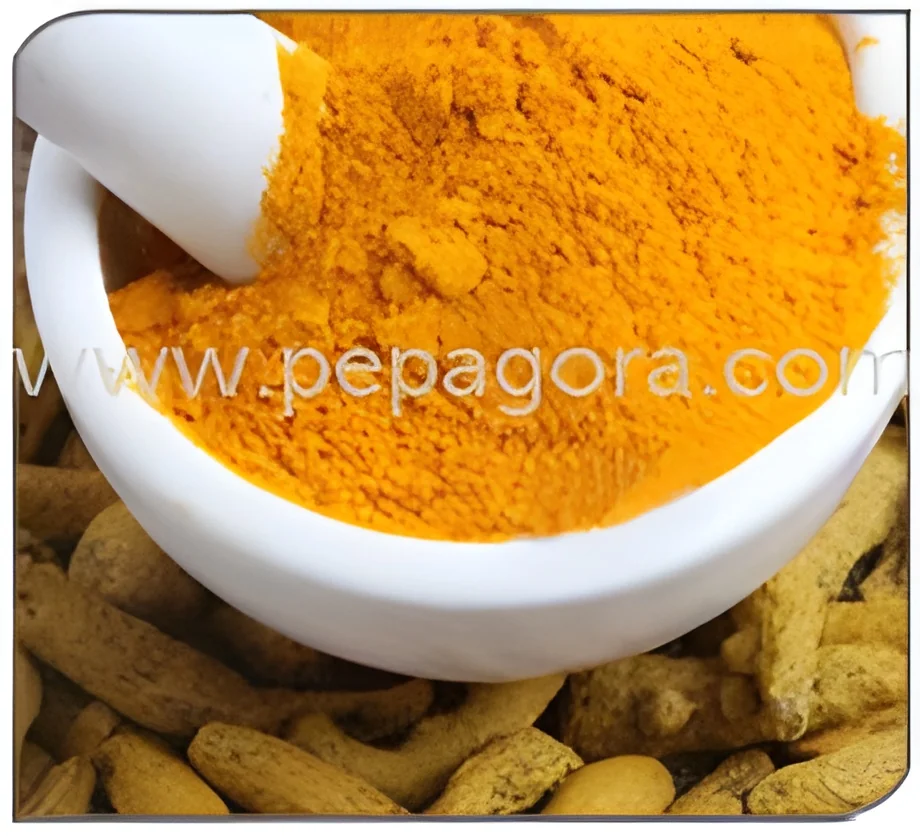
This variant is made from dried turmeric roots that have been finely ground. It is widely used in cooking and food production for its convenience and ease of use.
Turmeric Extracts
These are concentrated forms of turmeric that contain higher levels of curcumin. They are often used in supplements and health products for enhanced efficacy.
Turmeric Oil
Derived from the root, turmeric oil is used in aromatherapy and cosmetic formulations. It carries the beneficial properties of turmeric in a potent form.
Benefits and Advantages
Organic turmeric roots offer numerous benefits that make them a preferred choice for businesses and consumers alike.
1. Health Benefits: Rich in curcumin, organic turmeric roots provide anti-inflammatory and antioxidant properties that support overall health.
2. Versatile Applications: They can be used in various industries, including food, health, and cosmetics, enhancing their market demand.
3. Sustainable Sourcing: Sourced from organic farms, these roots align with the growing trend of sustainable and eco-friendly products.
4. Enhanced Flavor: The unique flavor profile of turmeric enhances the taste of dishes, making it a staple in many cuisines.
5. Natural Coloring Agent: The vibrant yellow color is a natural alternative to synthetic colorants, appealing to health-conscious consumers.
6. Consumer Trust: Organic certification builds trust among consumers, leading to increased sales and brand loyalty.
Buying Guide for B2B Buyers
When sourcing organic turmeric roots, it is essential for buyers to consider several key factors.
1. Quality Assessment: Buyers should evaluate the quality of the roots based on certification, curcumin content, and sensory attributes like color and smell. Quality testing is crucial to ensure the product meets industry standards.
2. Supplier Verification: It is important to vet suppliers to ensure they follow organic farming practices and maintain quality control. Checking for certifications and customer reviews can help in this process.
3. Pricing and MOQ: Understanding the pricing structure and minimum order quantities is vital for budget planning. Buyers should compare prices across suppliers while considering quality differences.
4. Delivery and Lead Times: Logistics play a significant role in sourcing. Buyers need to confirm delivery schedules and lead times to ensure timely supply to meet production needs.
5. Compliance Requirements: Awareness of regulatory compliance and certifications is critical, especially when exporting or importing organic products. Buyers must ensure that the roots meet local and international standards.
Compliance and Certifications
Organic turmeric roots are subject to various quality standards and certifications that ensure safety and compliance.
ISO 9001 is a standard that outlines the requirements for a quality management system. Suppliers of organic turmeric must adhere to these standards to ensure consistent quality.
HACCP (Hazard Analysis and Critical Control Points) is a systematic preventive approach to food safety. It is crucial for suppliers to implement HACCP protocols to minimize risks associated with food safety.
CE certification indicates that a product meets European safety standards. While primarily associated with machinery, it can also apply to food products in specific contexts.
Safety and testing requirements are essential for organic turmeric roots. Regular testing for pesticide residues and contaminants ensures compliance with health regulations.
Regional compliance considerations must also be taken into account, as different countries have varying regulations regarding organic products. Buyers should be well-informed about the specific requirements in their target markets.
Why Source Organic Turmeric Roots from Pepagora?
Pepagora provides a trusted platform for sourcing organic turmeric roots, offering several key advantages to businesses.
Verified Supplier Network: Pepagora ensures that all suppliers in its network are thoroughly vetted. This process guarantees that buyers receive high-quality organic turmeric roots from reliable sources.
Streamlined RFQ Process: The request for quotation (RFQ) system at Pepagora simplifies the sourcing process. Buyers can easily submit their requirements and receive competitive quotes from multiple suppliers.
Trade Assurance and Support: Pepagora offers trade assurance, which provides buyers with protection and support throughout the purchasing process. This assurance builds confidence in transactions and fosters long-term partnerships.
Regional Coverage: With a strong presence in India, the GCC, and Southeast Asia, Pepagora facilitates access to high-quality organic turmeric roots across these regions. This geographic reach enhances supply chain efficiency and availability for businesses.

 IN
IN

 India
India