
 IN
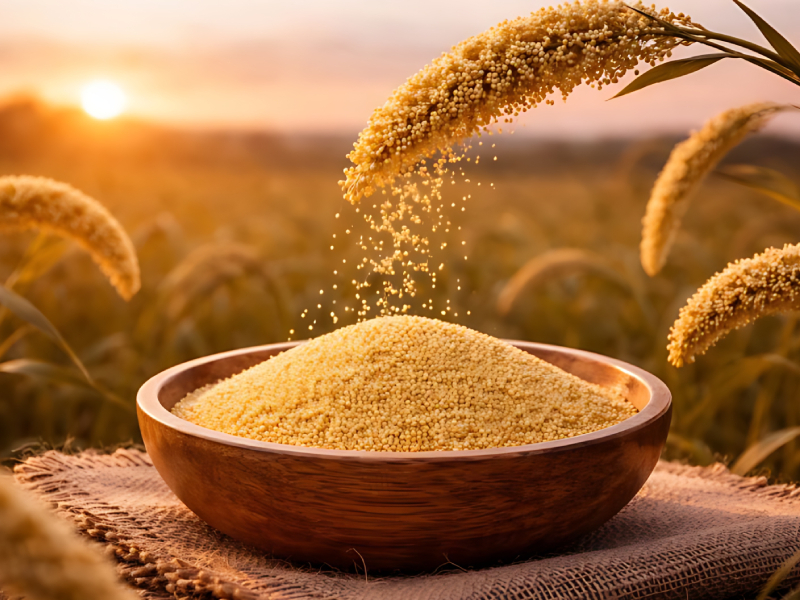
INOrganic Millets (Foxtail, Little, Pearl)
6 products available
Key Features and Specifications
Organic millets are characterized by several essential features that make them attractive to B2B buyers. These grains are not only nutritious but also versatile in their applications. Understanding their specifications is crucial for businesses looking to source high-quality products.
Key specifications include:
1. Nutritional Content
- Rich in proteins, dietary fiber, vitamins, and minerals
- Varied nutrient profiles depending on the type of millet
2. Grain Size
- Typically small to medium-sized grains
- Variation in size among different millet types
3. Moisture Content
- Optimal moisture levels range from 10% to 12%
- Crucial for storage stability and shelf life
4. Purity
- Minimum purity levels of 99%
- Free from contaminants and foreign materials
5. Color and Appearance
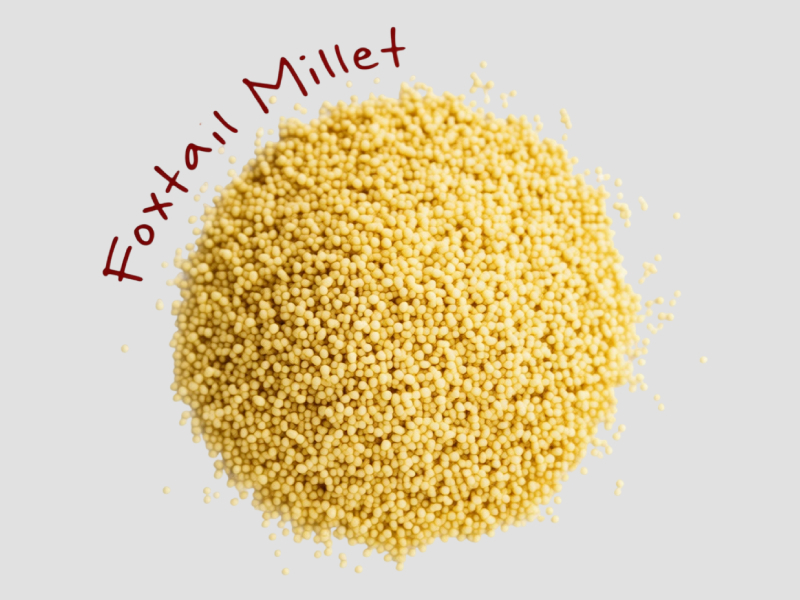
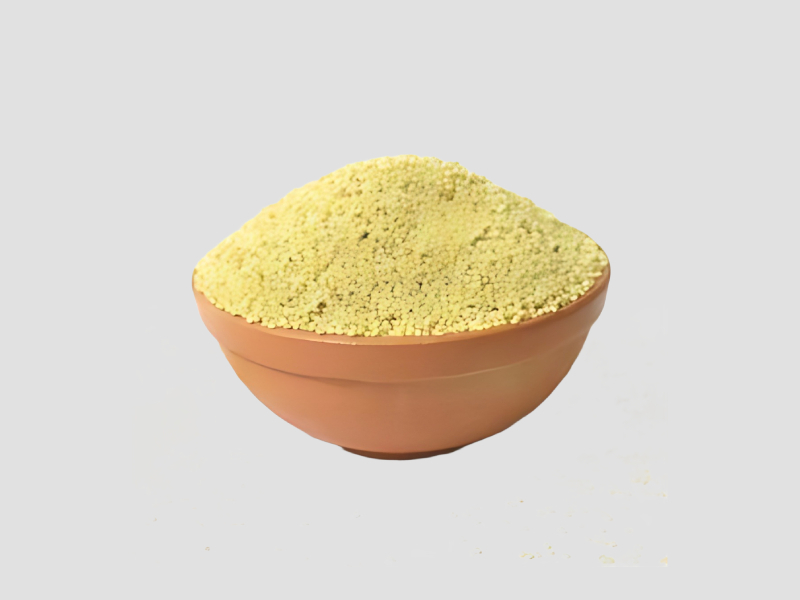
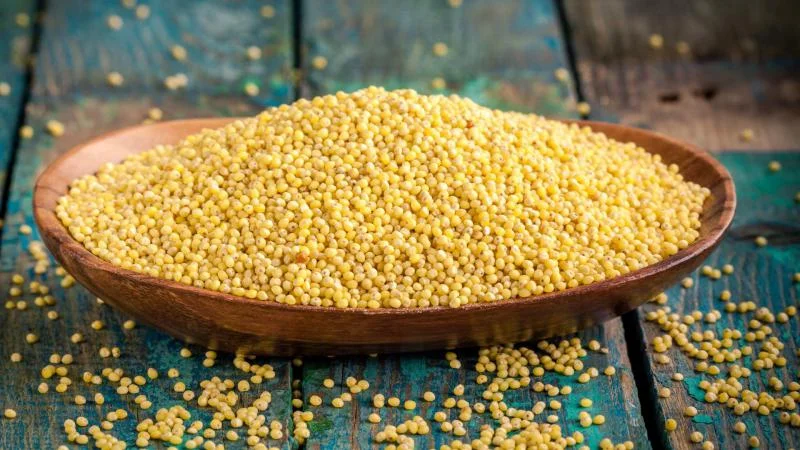
- Varied colors including yellow, white, and brown depending on the type
- Uniformity in size and shape is essential for market standards
6. Shelf Life
- Generally, a shelf life of 6 to 12 months when stored properly
- Requires cool, dry conditions to maintain quality
7. Packaging
- Packaged in bulk or retail sizes
- Eco-friendly packaging options are available
8. Certifications
- Certified organic by relevant authorities
- Complies with food safety standards
In summary, organic millets possess unique features that cater to various industries. Their nutritional benefits and adaptability make them a valuable asset for businesses.
Common Applications and Use Cases
Organic millets serve various industries due to their versatility and health benefits. Their applications span multiple sectors, making them a vital ingredient.
1. Food Industry: Organic millets are used in the production of gluten-free products, snacks, and breakfast cereals, appealing to health-conscious consumers.
2. Health Sector: They are incorporated into nutritional supplements and health foods for their rich nutrient profile, helping to promote overall well-being.
3. Animal Feed: Millets serve as a nutritious feed option for livestock, supporting sustainable farming practices and animal health.
4. Bakery Products: Used in gluten-free baking, organic millets contribute to the creation of various baked goods, catering to a growing market.
5. Beverage Industry: Millets are increasingly being used in health drinks and smoothies, providing a nutritious alternative to traditional ingredients.
6. Cosmetic Industry: Some millets are used in cosmetic formulations for their skin benefits, adding value to personal care products.
7. Export Market: Organic millets are gaining traction in international markets, where demand for health foods is rising.
Product Variants and Subcategories
Organic millets come in various types, each with unique characteristics and applications. This diversity allows businesses to choose the best fit for their needs.
Foxtail Millet: Known for its high fiber content and low glycemic index, Foxtail millet is often used in health foods and gluten-free products. Its nutty flavor enhances various dishes.
Little Millet: This type is rich in antioxidants and has a slightly sweet taste. Little millet is commonly used in porridge and as a rice substitute in meals.
Pearl Millet: Recognized for its high protein and mineral content, Pearl millet is ideal for making traditional dishes and is often used in flour for baking.
Benefits and Advantages
Sourcing organic millets offers numerous benefits for businesses. Their unique properties contribute to both health and marketability.
1. Nutritional Value: Organic millets are rich in essential nutrients, making them an attractive ingredient for health-focused products.
2. Gluten-Free: Their gluten-free nature caters to the growing market of consumers with gluten sensitivities and celiac disease.
3. Sustainability: Millets require less water and are more resilient to climate conditions, supporting sustainable agricultural practices.
4. Versatility: The various types of millets can be used in a wide range of applications, allowing businesses to innovate with products.
5. Market Demand: The increasing consumer awareness of health and nutrition drives demand for organic millets, providing business opportunities.
6. Cost-Effectiveness: Despite their premium positioning, organic millets can be competitively priced, offering good margins for businesses.
Buying Guide for B2B Buyers
When sourcing Organic Millets (Foxtail, Little, Pearl), several factors should be considered to ensure quality and reliability.
1. Quality Assessment: Evaluate the nutritional profile and purity of the millets. Look for certifications that verify organic claims and quality standards.
2. Supplier Verification: Research potential suppliers to ensure they have a good reputation and proven track record in the industry. Check for certifications and customer reviews.
3. Pricing and MOQ: Understand the pricing structure and minimum order quantities (MOQ) from suppliers. Compare costs to ensure competitive pricing without compromising quality.
4. Delivery and Lead Times: Discuss logistics with suppliers to confirm delivery schedules and lead times. Reliable delivery is essential for meeting production timelines.
5. Compliance Requirements: Ensure that the products meet local and international compliance standards. This includes food safety regulations and organic certification requirements.
Compliance and Certifications
Organic millets must adhere to various quality standards and certifications to ensure safety and marketability. Key standards include ISO 9001, which focuses on quality management and consistency. HACCP (Hazard Analysis and Critical Control Points) is also crucial in identifying and managing food safety risks.
In addition to these standards, organic millets often carry the CE certification, ensuring they meet European safety and environmental requirements. Compliance with regional regulations is vital, particularly for businesses exporting products. Understanding the specific requirements in target markets helps in navigating the legal landscape and ensuring product acceptance.
Why Source Organic Millets (Foxtail, Little, Pearl) from Pepagora?
Pepagora offers a trusted platform for sourcing Organic Millets (Foxtail, Little, Pearl) with several advantages for B2B buyers.
The verified supplier network ensures that businesses have access to reputable producers who meet high-quality standards. This network allows buyers to connect with suppliers who can fulfill their specific requirements.
The streamlined RFQ process simplifies the quotation and negotiation stages. Buyers can easily request quotes from multiple suppliers, making it easier to compare offers and select the best option.
Trade assurance and support from Pepagora provide an extra layer of security for buyers. This system ensures that transactions are safeguarded, giving businesses confidence in their purchases.
With regional coverage extending across India, the GCC, and Southeast Asia, Pepagora connects buyers with suppliers in key markets, enabling efficient sourcing and distribution of organic millets. This geographic reach enhances accessibility and reduces logistical challenges for businesses.



Frequently Asked Questions
What are Organic Millets (Foxtail, Little, Pearl)?
Organic Millets are whole grains that are cultivated without the use of synthetic fertilizers or pesticides. Foxtail, Little, and Pearl millets are specific types of organic millets known for their high nutritional value and health benefits.
What are the different types of Organic Millets (Foxtail, Little, Pearl)?
The main types of Organic Millets include Foxtail Millet, which is rich in fiber; Little Millet, known for its quick cooking time; and Pearl Millet, which is high in iron and protein. Each type has unique properties and uses in various culinary applications.
How do I choose the right Organic Millets (Foxtail, Little, Pearl)?
Choosing the right Organic Millets depends on your dietary needs and cooking preferences. Consider factors such as nutritional content, cooking time, and flavor profile to select the type that best suits your requirements.
What are the standard specifications for Organic Millets (Foxtail, Little, Pearl)?
Standard specifications for Organic Millets typically include moisture content, protein percentage, and absence of contaminants. It's important to check for certifications and quality grades to ensure the millets meet organic farming standards.
What is the price range for Organic Millets (Foxtail, Little, Pearl)?
The price range for Organic Millets can vary based on type, quality, and supplier. Generally, you can expect to pay between INR 50 to INR 150 per kilogram, depending on these factors.
What quality standards apply to Organic Millets (Foxtail, Little, Pearl)?
Quality standards for Organic Millets include compliance with organic certification bodies, ensuring no harmful chemicals are used during cultivation. Additionally, they should meet specific parameters for moisture, purity, and grading.
Where can I find Organic Millets (Foxtail, Little, Pearl) suppliers in India?
You can find Organic Millets suppliers in India through B2B marketplaces like Pepagora, agricultural fairs, or local organic food stores. It's advisable to review supplier credentials and customer feedback before making a purchase.
Can Organic Millets (Foxtail, Little, Pearl) be customized?
Yes, some suppliers may offer customization options for Organic Millets, such as packaging sizes or specific blends. It is recommended to discuss your requirements directly with the suppliers to explore available options.
What is the typical minimum order quantity for Organic Millets (Foxtail, Little, Pearl)?
The typical minimum order quantity (MOQ) for Organic Millets often ranges from 25 kg to 1 ton, depending on the supplier. It's important to confirm the MOQ with the supplier you choose to work with.
What is the typical lead time for Organic Millets (Foxtail, Little, Pearl)?
The typical lead time for Organic Millets can vary between suppliers but is generally between 7 to 14 days. This can depend on stock availability and the specific order requirements.
Why Businesses Trust Pepagora
Thousands of companies trust Pepagora to source smarter and sell faster
Expand Your Sales Globally

Source Smarter,Grow Faster
