
 IN
Organic Produce
243 products available
𝗪𝗵𝗮𝘁 𝗮𝗿𝗲 𝗢𝗿𝗴𝗮𝗻𝗶𝗰 𝗣𝗿𝗼𝗱𝘂𝗰𝗲?
Organic produce refers to fruits and vegetables that are cultivated without the use of synthetic fertilizers, pesticides, or genetically modified organisms (GMOs). The farming practices employed in organic agriculture prioritize ecological balance and biodiversity. Farmers use natural methods to enhance soil fertility, control pests, and manage weeds. This approach not only promotes healthier produce but also supports sustainable farming practices that are better for the environment.
In the B2B context, organic produce is increasingly sought after by businesses in the food industry, including retailers, restaurants, and food processors. The demand for organic fruits and vegetables is fueled by a growing consumer preference for healthier, environmentally friendly options. Businesses that incorporate organic produce into their offerings can attract health-conscious customers and differentiate themselves in a competitive marketplace.
The organic produce industry has seen substantial growth in recent years, driven by rising health awareness and a shift towards sustainable consumption. Market trends indicate that organic produce is not only a niche but is becoming a mainstream choice for consumers. This growth presents lucrative opportunities for businesses involved in the sourcing, distribution, and sale of organic products.
𝗞𝗲𝘆 𝗙𝗲𝗮𝘁𝘂𝗿𝗲𝘀 𝗮𝗻𝗱 𝗦𝗽𝗲𝗰𝗶𝗳𝗶𝗰𝗮𝘁𝗶𝗼𝗻𝘀
Organic produce is characterized by its adherence to specific agricultural practices and standards. Understanding these key specifications is essential for businesses looking to source high-quality organic products.
Key specifications include:
1. Farming Practices
- Organic produce is grown using natural fertilizers and pest control methods.
- It is cultivated without synthetic chemicals, ensuring purity.
2. Certification
- Products must be certified organic by recognized authorities to ensure compliance with industry standards.
- Certification often involves regular inspections and adherence to strict guidelines.
3. Nutritional Value
- Organic produce is generally perceived to have higher nutrient levels due to better soil health.
- It is often richer in antioxidants and vitamins compared to conventionally grown produce.
4. Shelf Life
- Organic fruits and vegetables may have varying shelf lives based on the type and handling.
- Proper storage conditions can enhance freshness and longevity.
5. Environmental Impact
- Organic farming practices contribute to soil health and biodiversity.
- They reduce chemical runoff and promote sustainable land use.
6. Traceability
- Organic produce can often be traced back to its source, providing transparency to consumers.
- This traceability is crucial for maintaining consumer trust.
7. Supply Chain Transparency
- Suppliers of organic produce typically offer clear information about their farming practices.
- This transparency helps businesses make informed sourcing decisions.
In summary, understanding the key features and specifications of organic produce allows B2B buyers to make informed choices that align with their business goals and consumer preferences.
𝗖𝗼𝗺𝗺𝗼𝗻 𝗔𝗽𝗽𝗹𝗶𝗰𝗮𝘁𝗶𝗼𝗻𝘀 𝗮𝗻𝗱 𝗨𝘀𝗲 𝗖𝗮𝘀𝗲𝘀
Organic produce finds applications across various industries, catering to the growing demand for healthier food options.
1. Retail: Grocery stores and supermarkets increasingly stock organic produce to meet consumer demand. Organic fruits and vegetables are often displayed prominently to attract health-conscious shoppers.
2. Food Service: Restaurants and cafes are incorporating organic produce into their menus to appeal to diners looking for fresh and sustainable meal options. This can enhance the restaurant's brand image and customer loyalty.
3. Food Processing: Companies involved in food manufacturing use organic produce as ingredients in packaged goods, such as sauces, snacks, and ready-to-eat meals. This diversification helps them tap into the organic market.
4. Health and Wellness: Health food stores and specialty shops focus on selling organic produce, capitalizing on the growing trend of health and wellness among consumers.
5. Export: Businesses involved in exporting organic produce can tap into international markets where demand for organic products is high, offering significant growth opportunities.
6. Meal Kits: Companies providing meal kit services often include organic produce as part of their offerings, catering to consumers seeking convenience without compromising on health.
7. Community Supported Agriculture (CSA): CSA programs utilize organic produce to provide fresh, seasonal fruits and vegetables directly to consumers, strengthening community ties and promoting local farming.
𝗣𝗿𝗼𝗱𝘂𝗰𝘁 𝗩𝗮𝗿𝗶𝗮𝗻𝘁𝘀 𝗮𝗻𝗱 𝗦𝘂𝗯𝗰𝗮𝘁𝗲𝗴𝗼𝗿𝗶𝗲𝘀
The organic produce market encompasses a diverse range of products, allowing businesses to cater to various consumer preferences.
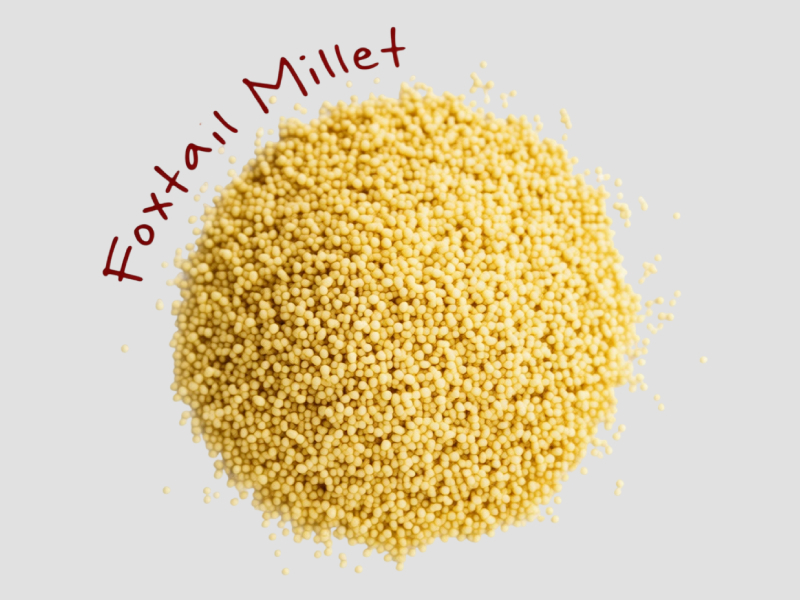
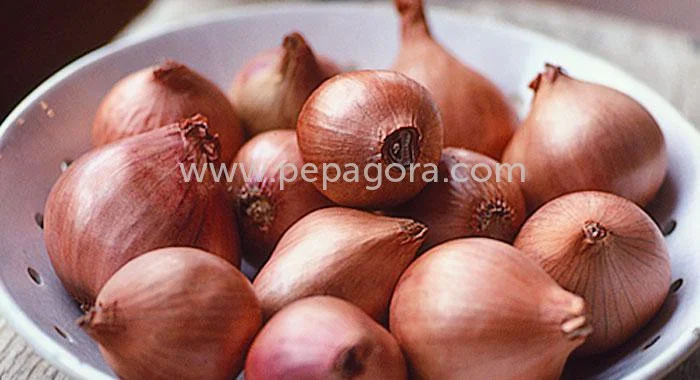
Fresh Fruits: This category includes a variety of organic fruits such as apples, bananas, and berries. Organic fruits are often favored for their taste and nutritional benefits, making them popular among health-conscious consumers.
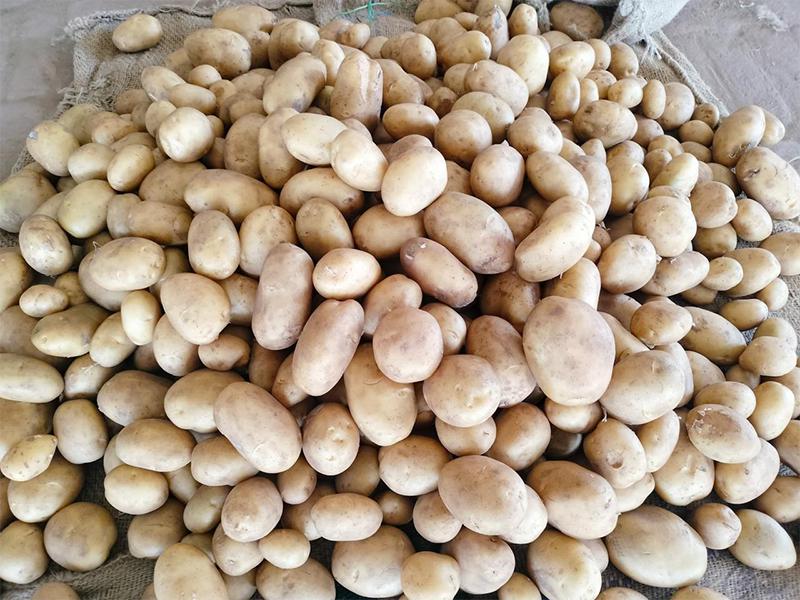
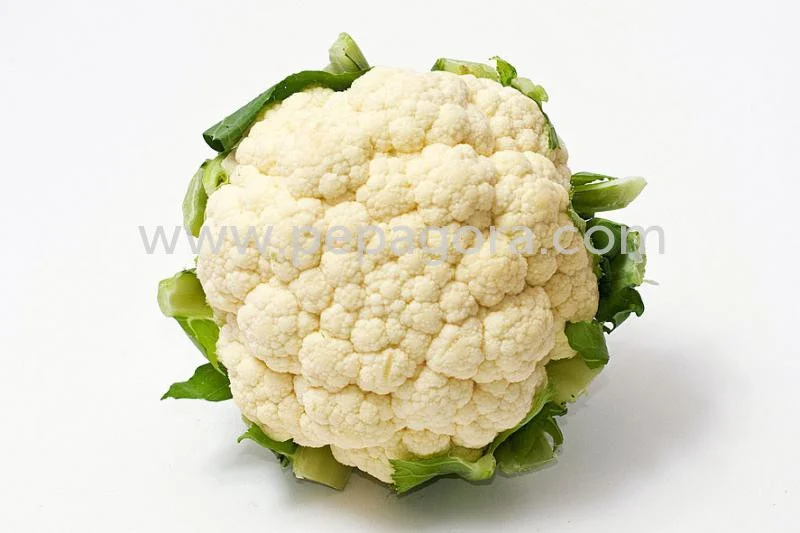
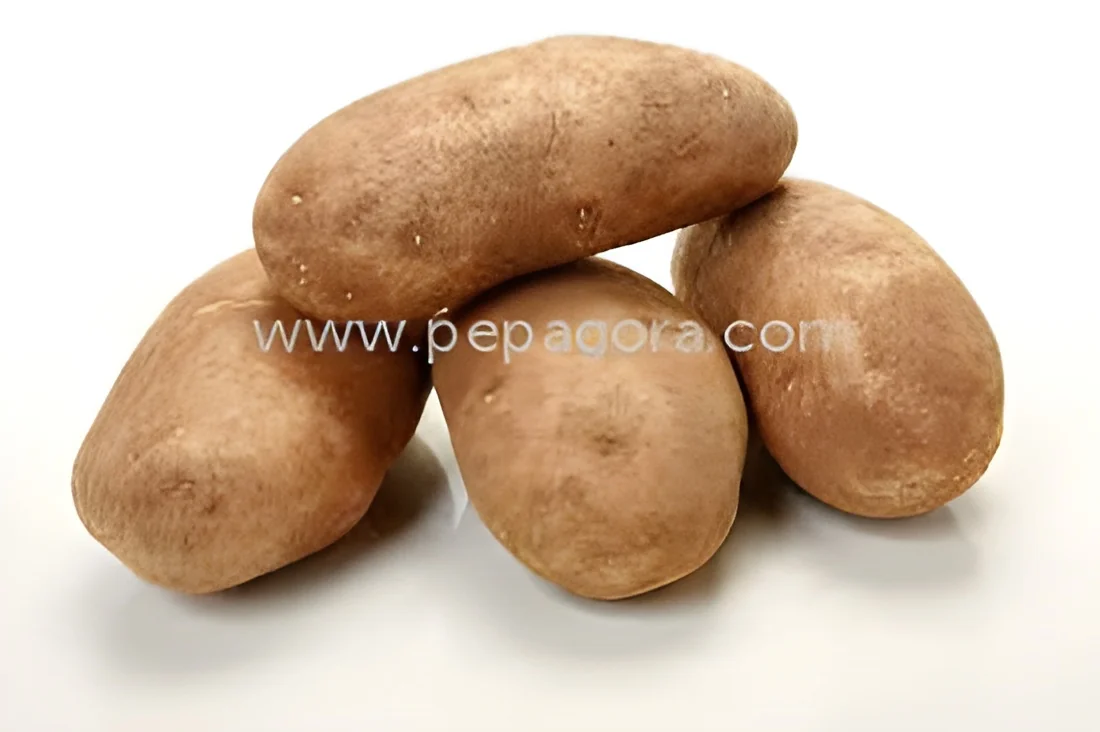
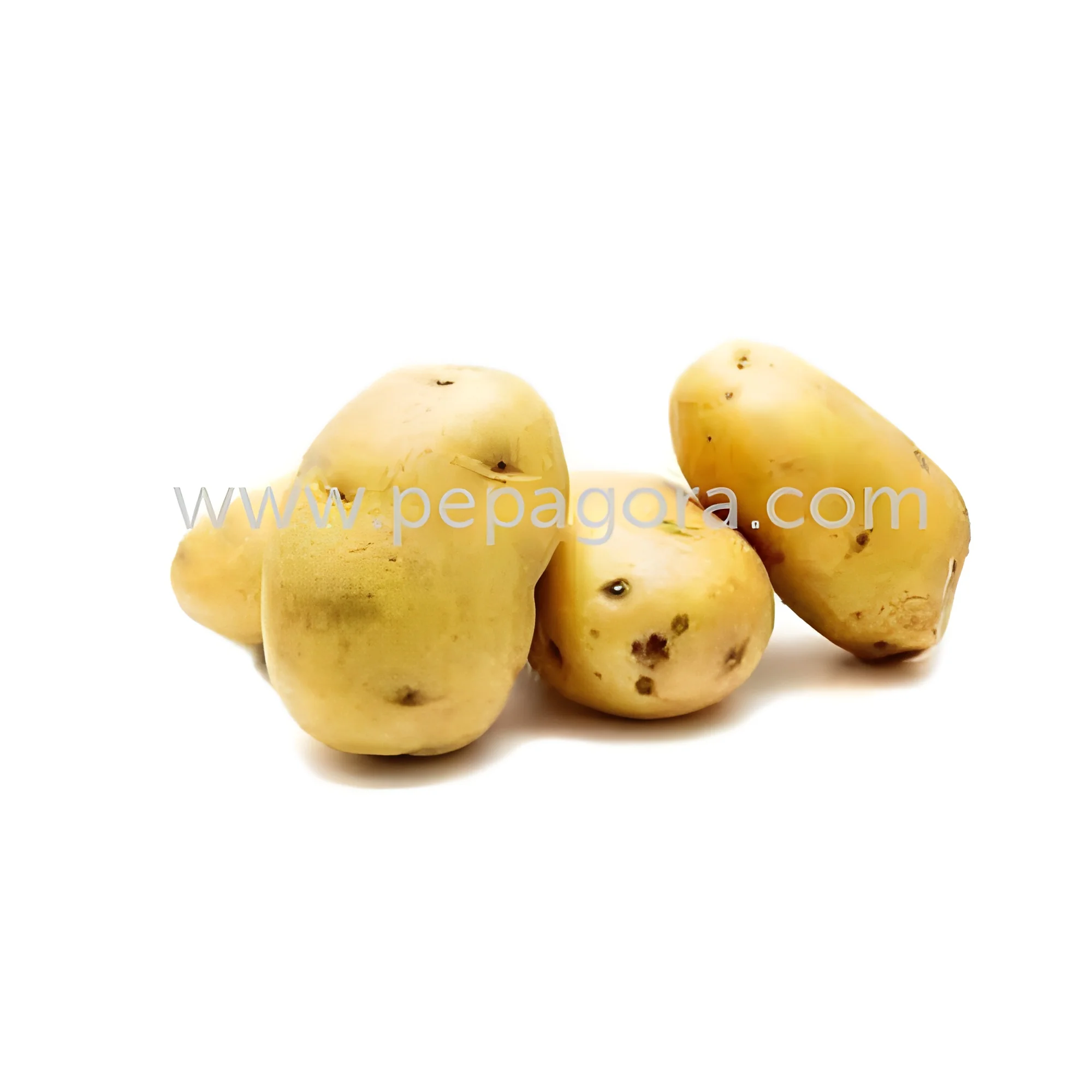
Fresh Vegetables: Organic vegetables like carrots, spinach, and tomatoes are in demand for their quality and flavor. Many restaurants and grocery stores prioritize sourcing organic vegetables for their freshness.
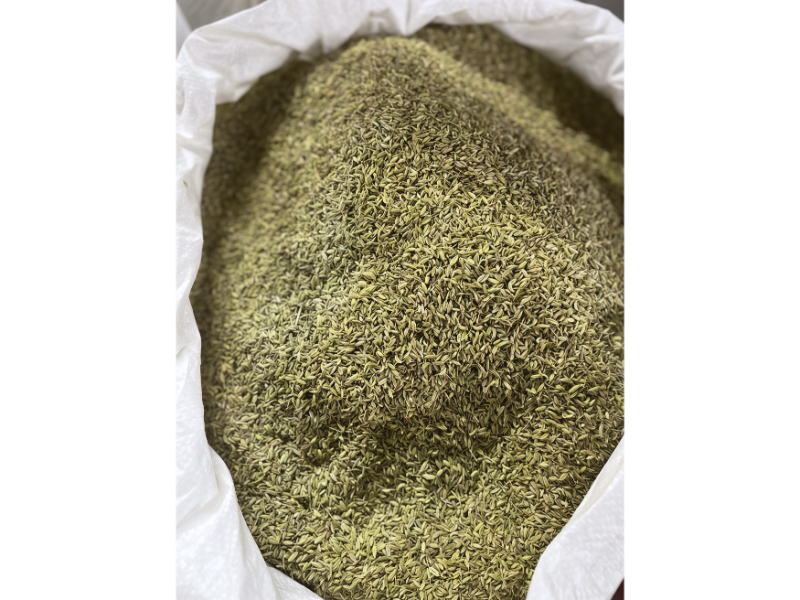
Herbs and Greens: Organic herbs such as basil, cilantro, and parsley are sought after for culinary applications. These products add flavor and nutrition to dishes while aligning with consumer preferences for organic ingredients.
𝗕𝗲𝗻𝗲𝗳𝗶𝘁𝘀 𝗮𝗻𝗱 𝗔𝗱𝘃𝗮𝗻𝘁𝗮𝗴𝗲𝘀
Sourcing organic produce offers numerous benefits for businesses looking to enhance their product offerings and meet consumer demands.
Key benefits include:
1. Healthier Options: Organic produce is free from synthetic chemicals, making it a healthier choice for consumers and reducing health risks associated with pesticide exposure.
2. Enhanced Flavor: Many consumers believe that organic produce tastes better than conventionally grown options due to its natural growing methods.
3. Sustainability: Sourcing organic produce supports environmentally friendly farming practices, contributing to sustainability efforts and reducing carbon footprints.
4. Market Differentiation: Offering organic produce allows businesses to stand out in a crowded marketplace and attract health-conscious consumers.
5. Compliance with Trends: The growing trend towards organic consumption aligns with broader health and wellness movements, making it a timely choice for businesses.
6. Customer Loyalty: Providing organic options can foster customer loyalty as consumers increasingly prefer brands that prioritize health and sustainability.
𝗕𝘂𝘆𝗶𝗻𝗴 𝗚𝘂𝗶𝗱𝗲 𝗳𝗼𝗿 𝗕𝟮𝗕 𝗕𝘂𝘆𝗲𝗿𝘀
When sourcing organic produce, businesses should consider several critical factors to ensure they acquire the best products for their needs.
1. Quality Assessment: Buyers should evaluate the quality of organic produce based on freshness, appearance, and flavor. Look for products that meet established organic standards.
2. Supplier Verification: It is crucial to vet suppliers to confirm their organic certification and farming practices. Reliable suppliers should provide documentation and transparency about their processes.
3. Pricing and MOQ: Understanding pricing structures and minimum order quantities (MOQ) is essential for budgeting. Buyers should compare prices among suppliers to ensure competitiveness.
4. Delivery and Lead Times: Consider logistics and lead times when sourcing organic produce. Timely deliveries are vital to maintaining product freshness.
5. Compliance Requirements: Ensure that the produce meets all relevant regulatory compliance requirements, including food safety standards and labeling laws.
𝗖𝗼𝗺𝗽𝗹𝗶𝗮𝗻𝗰𝗲 𝗮𝗻𝗱 𝗖𝗲𝗿𝘁𝗶𝗳𝗶𝗰𝗮𝘁𝗶𝗼𝗻𝘀
Organic produce is subject to various quality standards and industry certifications that ensure its integrity and safety for consumers.
ISO 9001 is a widely recognized standard that focuses on quality management systems. Compliance with this standard ensures that producers maintain consistent quality in their organic produce.
HACCP (Hazard Analysis Critical Control Point) is a systematic approach to food safety. It helps producers identify and manage potential hazards in the production process, ensuring that organic produce is safe for consumption.
CE certification signifies that products meet European safety, health, and environmental protection standards. For organic produce exported to Europe, obtaining CE certification can enhance market access.
Safety and testing requirements are crucial for ensuring organic produce is free from contaminants and meets health regulations. Producers must regularly test their products for pesticide residues and other harmful substances.
Regional compliance considerations vary based on geographic location. Producers must adhere to local organic certification requirements and regulations to market their products effectively.
𝗪𝗵𝘆 𝗦𝗼𝘂𝗿𝗰𝗲 𝗢𝗿𝗴𝗮𝗻𝗶𝗰 𝗣𝗿𝗼𝗱𝘂𝗰𝗲 𝗳𝗿𝗼𝗺 𝗣𝗲𝗽𝗮𝗴𝗼𝗿𝗮?
Pepagora provides a trusted platform for sourcing organic produce, delivering several advantages to B2B buyers.
Verified Supplier Network: Pepagora connects buyers with a broad network of verified suppliers, ensuring that all products meet stringent organic standards. This network allows buyers to make informed sourcing decisions.
Streamlined RFQ Process: The platform features a user-friendly Request for Quotation (RFQ) process, simplifying the procurement experience. Buyers can easily request quotes from multiple suppliers to find the best options.
Trade Assurance and Support: Pepagora offers trade assurance to protect buyers, ensuring that they receive quality products as promised. Dedicated support teams assist buyers throughout the sourcing process.
Regional Coverage: With a strong presence in India, GCC, and Southeast Asia, Pepagora facilitates access to organic produce from diverse regions. This geographic reach enables businesses to tap into various markets and sourcing options.











































Frequently Asked Questions
What are Organic Produce?
Organic Produce refers to fruits, vegetables, and other agricultural products that are grown without the use of synthetic fertilizers, pesticides, or genetically modified organisms (GMOs). They are cultivated using natural farming methods that promote ecological balance and biodiversity.
What are the different types of Organic Produce?
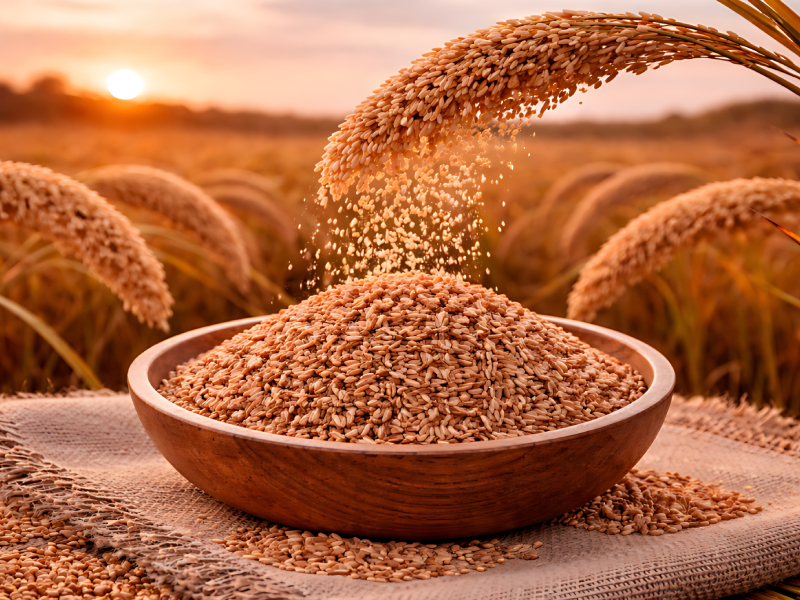
Different types of Organic Produce include organic fruits, organic vegetables, organic grains, and organic herbs. Each category encompasses various specific items, such as apples, carrots, rice, and basil, all grown according to organic farming standards.
How do I choose the right Organic Produce?
To choose the right Organic Produce, consider factors such as freshness, appearance, and aroma. Additionally, verify certifications from reputable organizations to ensure that the produce meets organic standards.
What are the standard specifications for Organic Produce?
Standard specifications for Organic Produce include criteria on pesticide residue levels, soil management practices, and adherence to organic farming regulations. Produce should be free from synthetic chemicals and should be labeled according to organic certification standards.
What is the price range for Organic Produce?
The price range for Organic Produce can vary significantly based on factors such as type, region, and seasonality. Generally, prices can be higher than conventional produce, ranging from 10% to 50% more, depending on market demand and availability.
What quality standards apply to Organic Produce?
Organic Produce must meet quality standards set by regulatory bodies that govern organic farming practices. These standards typically include guidelines for soil health, pest management, and post-harvest handling to ensure the produce is safe and of high quality.
Where can I find Organic Produce suppliers in India?
You can find Organic Produce suppliers in India through various B2B marketplaces, agricultural trade shows, and online directories. Platforms like Pepagora.com provide a comprehensive list of verified suppliers and manufacturers of Organic Produce.
Can Organic Produce be customized?
Yes, Organic Produce can be customized based on specific buyer requirements, such as packaging, size, and variety. However, customization options may vary depending on the supplier and the type of produce.
What is the typical minimum order quantity for Organic Produce?
The typical minimum order quantity (MOQ) for Organic Produce can vary greatly depending on the supplier and the type of produce. Generally, MOQs may range from a few kilograms for local suppliers to larger quantities for bulk orders.
What is the typical lead time for Organic Produce?
The typical lead time for Organic Produce can range from a few days to several weeks. This depends on factors such as the supplier's location, the availability of the specific produce, and the shipping method chosen.
Why Businesses Trust Pepagora
Thousands of companies trust Pepagora to source smarter and sell faster
Expand Your Sales Globally

Source Smarter,Grow Faster
