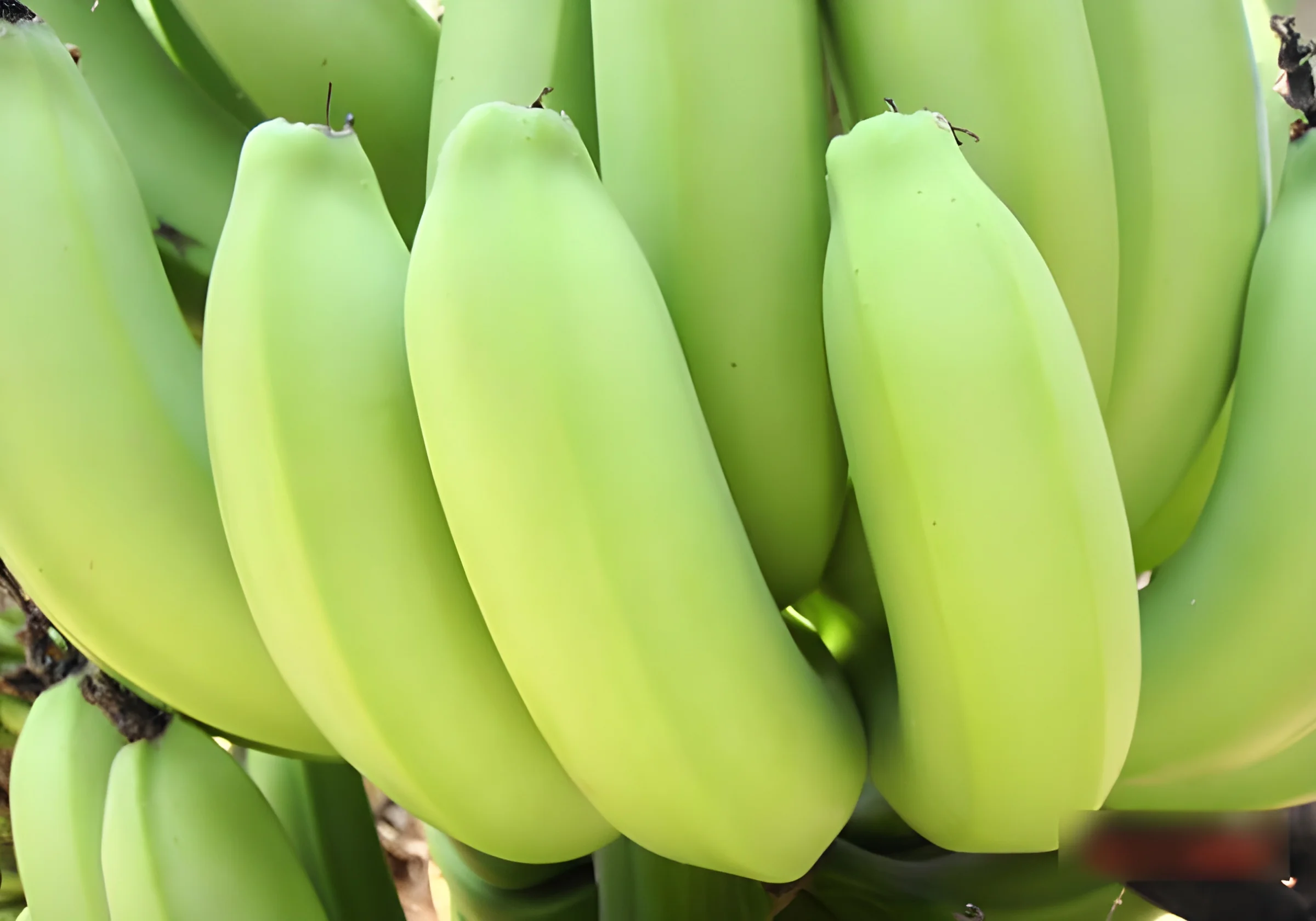
What are Organic Bananas?
Organic bananas are bananas cultivated without the use of synthetic pesticides, herbicides, or fertilizers. This method of farming aims to promote biodiversity and soil health while providing a safe and chemical-free product for consumers. Organic bananas are grown in accordance with strict agricultural regulations that ensure their organic status, making them increasingly popular among health-conscious consumers and businesses alike.
These bananas are primarily used in the food service industry, grocery stores, and health food markets. They serve as a nutritious snack and an ingredient in various dishes, smoothies, and baked goods. The growing consumer demand for organic products has made organic bananas a significant player in the fruit market, prompting many producers to adopt organic farming practices. This shift not only caters to health-conscious buyers but also supports sustainable agricultural practices.
As the organic market continues to expand, the relevance of organic bananas in industry contexts is evident. They represent a growing segment of the fruit market, reflecting broader trends towards organic consumption. Businesses that offer organic bananas can attract a wider customer base and capitalize on the increasing preference for natural foods.
Key Features and Specifications
Organic bananas come with several key features that set them apart from conventionally grown bananas. These features ensure that they meet the standards expected by consumers and businesses alike.
Key specifications include:
1. Organic Certification
- Must comply with USDA organic regulations
- Verified by accredited certifying agents
2. Sizing
- Typically available in standard sizes such as small, medium, and large
- Size variance can affect packaging and pricing
3. Ripeness Levels
- Available in various ripeness stages from green to fully ripe
- Ripeness affects flavor and uses in culinary applications
4. Packaging
- Usually packaged in eco-friendly materials
- Options for bulk and retail packaging
5. Shelf Life
- Generally lasts longer than conventional bananas due to controlled growing conditions
- Optimal storage conditions can extend freshness
6. Taste Profile
- Often noted for a sweeter, richer flavor compared to non-organic bananas
- Flavor can vary based on growing conditions
In summary, organic bananas offer distinct features that cater to the needs of health-conscious consumers and businesses focused on sustainability.
Common Applications and Use Cases
Organic bananas serve various industries, providing numerous applications and benefits.
1. Food Service Industry: Many restaurants and cafes use organic bananas in smoothies, desserts, and breakfast offerings, emphasizing health and quality.
2. Retail Grocery: Organic bananas are a staple in health food stores and supermarkets, appealing to consumers who prioritize organic options in their diets.
3. Baking Industry: Bakeries incorporate organic bananas into recipes for breads, muffins, and cakes, enhancing flavor and nutritional value.
4. Juice and Beverage Industry: Organic bananas are often used in juice blends and health drinks, contributing natural sweetness and flavor.
5. Export Markets: Many businesses engage in the export of organic bananas to international markets where demand for organic produce is high.
6. Health and Wellness Sectors: Organic bananas are promoted as part of healthy eating campaigns, supporting wellness programs and dietary guidelines.
Product Variants and Subcategories
Organic bananas come in different variants, each with unique features and applications that cater to diverse market needs.
Cavendish Bananas
The most common variety, Cavendish bananas, are known for their sweet taste and firm texture. They are widely available and often used in both retail and food service applications.
Red Bananas
These bananas are smaller and have a reddish-purple skin. They are sweeter than standard yellow bananas and are often used in gourmet dishes and specialty markets.
Apple Bananas
Also known as Manzano bananas, these are smaller and have a distinct apple-like flavor. They are favored for their unique taste and are popular in niche markets.
Benefits and Advantages
Sourcing organic bananas offers numerous advantages to businesses and consumers alike.
Key benefits include:
1. Healthier Option: Organic bananas are free from synthetic pesticides and fertilizers, making them a safer choice for consumers.
2. Environmental Sustainability: Organic farming practices promote biodiversity and reduce chemical runoff, benefiting the environment.
3. Superior Taste: Many consumers report that organic bananas have a richer, more flavorful taste compared to conventional options.
4. Market Demand: The growing trend towards organic products can lead to increased sales and customer loyalty.
5. Nutritional Value: Organic bananas retain higher nutrient levels, contributing to healthier diets and wellness initiatives.
Buying Guide for B2B Buyers
When sourcing organic bananas, businesses should consider several key factors to ensure they make informed purchasing decisions.
1. Quality Assessment: Look for certification labels that verify the organic status of the bananas. Evaluate the appearance of the fruit, checking for firmness and color.
2. Supplier Verification: Vet suppliers carefully to ensure they adhere to organic farming standards. Request references or certifications to confirm reliability.
3. Pricing and MOQ: Understand the pricing structure and minimum order quantities set by suppliers, as these can vary significantly based on the source and quality.
4. Delivery and Lead Times: Discuss logistics with suppliers to determine delivery schedules and lead times, as these can impact inventory management.
5. Compliance Requirements: Ensure that the bananas meet regional regulations and certifications, particularly for export markets where compliance may be more stringent.
Compliance and Certifications
Organic bananas must adhere to several relevant quality standards and certifications to ensure their marketability and safety.
ISO 9001 is a quality management standard that ensures consistent product quality and enhances customer satisfaction. Compliance with this standard indicates a commitment to quality in the supply chain.
HACCP (Hazard Analysis Critical Control Point) is a systematic approach to food safety that identifies and controls potential hazards throughout the production process. Organic bananas benefiting from HACCP compliance assure buyers of their safety and quality.
CE certification indicates that a product meets European health, safety, and environmental protection standards. While primarily associated with manufactured goods, having suppliers who adhere to CE guidelines can enhance confidence in product quality.
Regional compliance considerations are crucial, especially for businesses involved in international trade. Different regions may have specific regulations governing organic products, necessitating thorough research and adherence to local laws.
Why Source Organic Bananas from Pepagora?
Pepagora provides a trusted platform for sourcing organic bananas, offering several key advantages to B2B buyers.
Verified Supplier Network: Pepagora connects buyers with a network of verified suppliers who comply with organic certification standards. This helps mitigate risks associated with sourcing.
Streamlined RFQ Process: The platform features a user-friendly Request for Quotation (RFQ) system that simplifies the process of obtaining quotes from multiple suppliers. This allows buyers to compare options effortlessly.
Trade Assurance and Support: Pepagora offers trade assurance, providing buyers with protection during transactions. Dedicated support teams are available to assist with any inquiries or issues that may arise.
Regional Coverage: With a strong presence in India, the GCC, and Southeast Asia, Pepagora ensures that buyers have access to a diverse range of organic bananas from reputable sources. This broad geographic reach enhances the platform's value in the global marketplace.

 IN
IN