
 IN
Organic Papayas
3 products available
What are Organic Papayas?
Organic papayas are tropical fruit known for their sweet, juicy flesh and distinctive flavor. Grown without synthetic pesticides or fertilizers, these fruits meet strict organic farming standards. As a result, they are favored by health-conscious consumers and businesses looking for natural food products. Organic papayas are rich in vitamins, particularly vitamin C, and contain beneficial enzymes like papain, making them a popular choice for various culinary applications.
In terms of business applications, organic papayas are commonly used in food and beverage industries, health food stores, and restaurants. They can be sold fresh, dried, or processed into juices and smoothies. The growing trend towards organic products in the food market has resulted in increased demand for organic papayas, making them a significant player in the agricultural sector. Their versatility and health benefits position them well in both domestic and international markets.
The organic papaya market is expanding globally, driven by consumer preferences for healthier, sustainably sourced food options. As more businesses recognize the value of organic produce, the demand for organic papayas continues to rise, providing opportunities for farmers and suppliers. This growth is supported by increasing awareness about the benefits of organic eating and a shift towards more sustainable agricultural practices.
Key Features and Specifications
Organic papayas stand out due to their unique characteristics and quality standards that appeal to B2B buyers. When considering organic papayas, it is essential to understand their specifications which ensure the product meets industry requirements.
Key specifications include:
1. Origin
- Sourced from certified organic farms
- Typically grown in tropical regions
2. Size
- Average weight ranges from 1 to 3 pounds per fruit
- Dimensions can vary from 6 to 12 inches in length
3. Color
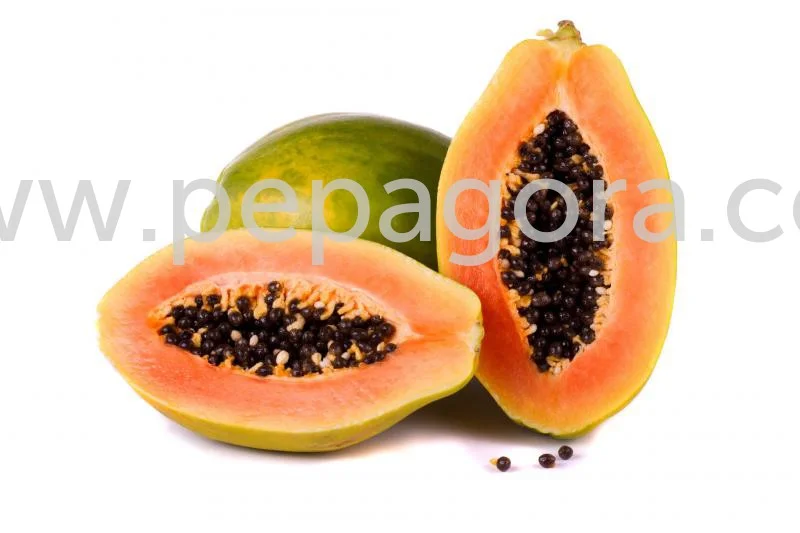
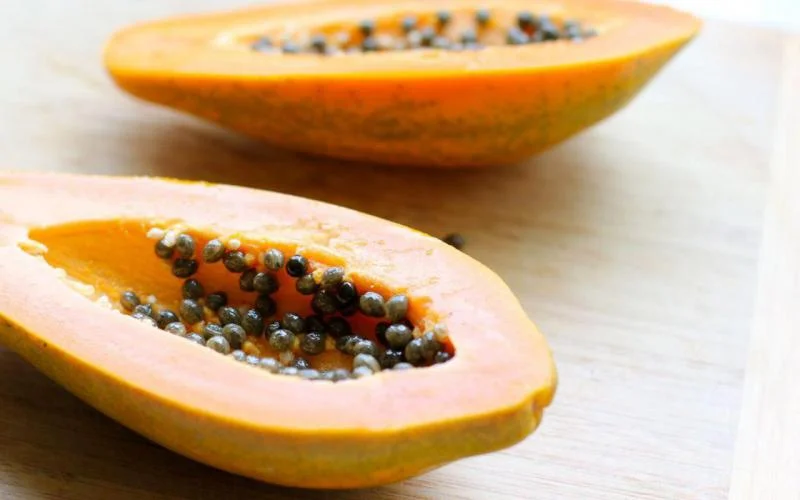
- Vibrant yellow to orange flesh when ripe
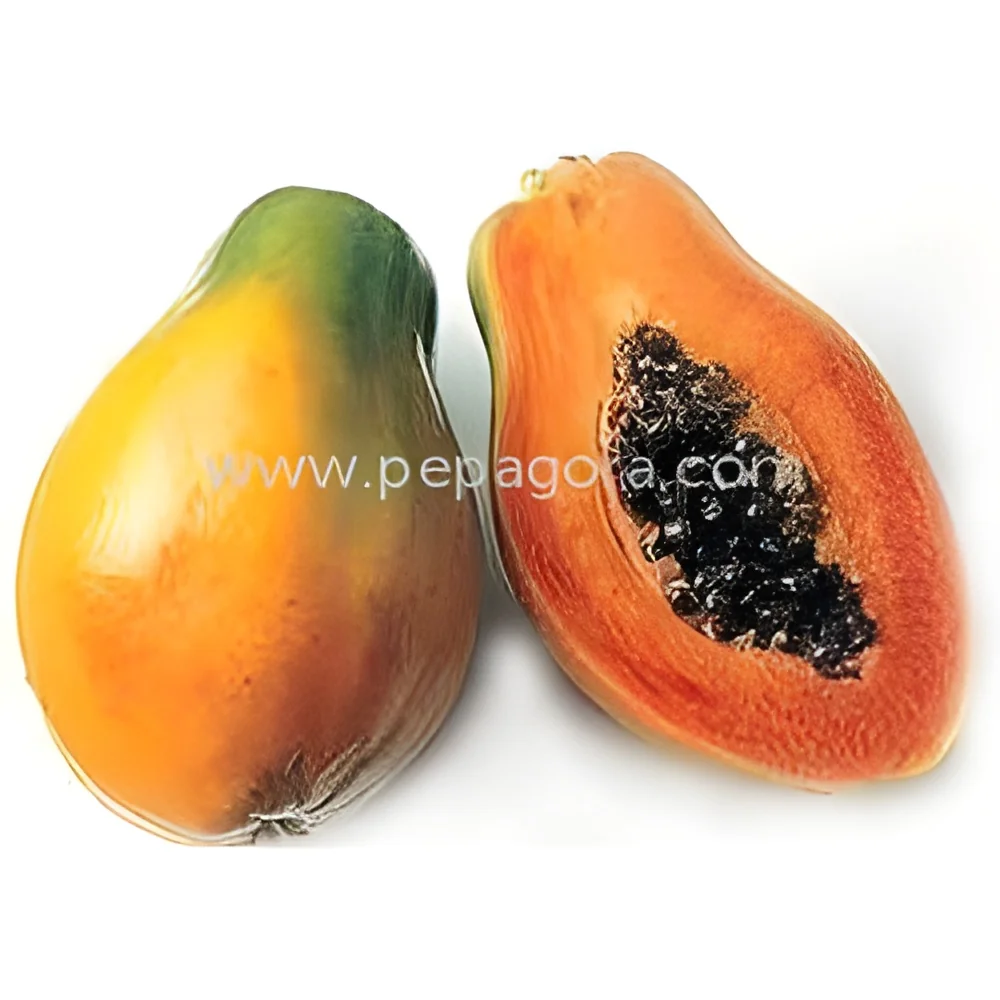
- Skin color varies from green to yellow depending on ripeness
4. Taste
- Sweet flavor profile with a hint of tropical acidity
- Texture is smooth and buttery
5. Nutritional Content
- High in vitamin C and A
- Contains dietary fiber and antioxidants
6. Shelf Life
- Fresh organic papayas have a shelf life of 5 to 7 days when stored properly
- Dried papayas can last up to one year
7. Certification
- Certified organic by recognized bodies (e.g., USDA Organic)
- Compliance with food safety standards
8. Packaging
- Available in bulk or retail packaging
- Eco-friendly materials encouraged for sustainability
In summary, organic papayas offer a variety of desirable features that cater to health-oriented markets. Their specifications highlight the importance of quality and sustainability, making them an attractive choice for businesses.
Common Applications and Use Cases
Organic papayas have diverse applications across multiple industries, showcasing their versatility and appeal.
1. Food Industry: Organic papayas are used in fresh fruit salads, smoothies, and desserts. Their natural sweetness enhances various dishes while providing health benefits.
2. Beverage Production: Many juice manufacturers incorporate organic papayas into their products, offering tropical flavors in bottled juices and smoothies.
3. Health and Nutrition: Health food stores often stock organic papayas for consumers looking for nutritious snacks and supplements. Their high vitamin content makes them a popular choice.
4. Culinary Arts: Chefs utilize organic papayas in gourmet dishes, salads, and sauces, emphasizing their fresh and vibrant flavors.
5. Cosmetics and Skincare: Due to their natural enzymes, organic papayas are used in skincare products for their exfoliating properties.
6. Dietary Supplements: The nutritional benefits of organic papayas have led to their inclusion in dietary supplements, promoting digestive health and overall wellness.
7. Export Markets: Many countries import organic papayas to meet consumer demand for healthy and organic food options, creating opportunities for international trade.
Product Variants and Subcategories
Organic papayas come in various forms, allowing businesses to select products that best meet their needs.
Fresh Organic Papayas: These are harvested at peak ripeness and sold as whole fruits. They are ideal for direct consumption or culinary use.
Dried Organic Papayas: Sliced and dehydrated, these papayas offer a concentrated flavor and extended shelf life. They are perfect for snacking or as an ingredient in trail mixes.
Organic Papaya Puree: This product is made from blended organic papayas, suitable for use in smoothies, sauces, and desserts.
Organic Papaya Powder: Dehydrated and ground into a fine powder, this variant is used in supplements, smoothies, and health foods for added nutrition.
Benefits and Advantages
Organic papayas provide numerous advantages for businesses and consumers alike.
1. Health Benefits: Rich in essential vitamins and enzymes, organic papayas promote digestive health and boost the immune system.
2. Flavor Profile: The sweet, tropical flavor of organic papayas enhances a variety of dishes, making them a popular ingredient in many recipes.
3. Sustainable Sourcing: Organic farming practices contribute to environmental sustainability, appealing to eco-conscious consumers.
4. Versatility: Organic papayas can be used in multiple forms, from fresh fruit to processed ingredients, allowing businesses flexibility in product offerings.
5. Market Demand: With the growing trend towards organic food, sourcing organic papayas positions businesses to meet consumer preferences and increase sales.
6. Quality Assurance: Certified organic products ensure compliance with health and safety standards, providing confidence in product integrity.
Buying Guide for B2B Buyers
When sourcing organic papayas, B2B buyers should consider several critical factors to ensure they make informed decisions.
1. Quality Assessment: Buyers should evaluate the quality of organic papayas based on appearance, ripeness, and certification. Freshness is key for optimal flavor and nutrition.
2. Supplier Verification: It is essential to vet suppliers for organic certification and reliability. This ensures that the products meet industry standards and regulations.
3. Pricing and MOQ: Understanding pricing structures and minimum order quantities helps buyers budget effectively and negotiate favorable terms.
4. Delivery and Lead Times: Logistics play a crucial role in sourcing. Buyers should confirm delivery schedules and lead times to maintain smooth operations.
5. Compliance Requirements: Familiarity with regional compliance regulations for organic products is necessary to avoid legal issues and ensure product safety.
Compliance and Certifications
Organic papayas must adhere to various compliance and certification standards to ensure product quality and safety. Key quality standards include ISO 9001, which focuses on quality management systems, and HACCP, which emphasizes food safety throughout the supply chain.
Certifications like CE indicate compliance with European safety requirements. Buyers should also be aware of safety and testing requirements that pertain to organic produce, ensuring that products are free from harmful substances.
Regional compliance considerations may vary, so it is important to understand the specific regulations in the markets where organic papayas will be sold. This ensures adherence to local laws and enhances consumer trust in the product.
Why Source Organic Papayas from Pepagora?
Pepagora provides a trusted platform for sourcing organic papayas, offering several key advantages that benefit B2B buyers.
Verified Supplier Network: Pepagora connects buyers with a network of verified suppliers, ensuring that all products meet organic certification requirements and quality standards.
Streamlined RFQ Process: The platform simplifies the request for quotation process, allowing buyers to easily compare offers from multiple suppliers and secure the best prices.
Trade Assurance and Support: Buyers are provided with trade assurance and support, safeguarding their transactions and ensuring timely delivery of products.
Regional Coverage: Pepagora's extensive reach across India, the GCC, and Southeast Asia allows buyers to access a diverse range of organic papayas, enhancing their ability to meet market demands effectively.
By sourcing organic papayas through Pepagora, businesses can leverage these advantages to enhance their product offerings and support their growth in the organic market.

Frequently Asked Questions
What are Organic Papayas?
Organic papayas are fruits that are grown without the use of synthetic pesticides, fertilizers, or genetically modified organisms. They are cultivated using organic farming practices, which promote ecological balance and biodiversity.
What are the different types of Organic Papayas?
There are several varieties of organic papayas, including Hawaiian, Solo, and Mexican papayas. Each type varies in size, shape, and flavor profile, with Hawaiian papayas being smaller and sweeter, while Mexican papayas are larger and milder in taste.
How do I choose the right Organic Papayas?
When selecting organic papayas, look for fruits that are slightly soft to the touch, indicating ripeness. The color should be a vibrant yellow or orange, and avoid any with blemishes or dark spots, as these may indicate overripeness or decay.
What are the standard specifications for Organic Papayas?
Standard specifications for organic papayas include size, weight, and ripeness level. Typically, organic papayas should weigh between 500 grams to 2 kilograms and be free from pesticides and contaminants, adhering to organic certification standards.
What is the price range for Organic Papayas?
The price of organic papayas can vary based on factors such as quality, size, and region. Generally, prices range from INR 40 to INR 150 per kilogram in the Indian market, depending on the season and availability.
What quality standards apply to Organic Papayas?
Organic papayas must meet specific quality standards, which include being free from chemical residues and adhering to organic farming practices. They should also comply with local and international organic certification requirements to ensure their organic status.
Where can I find Organic Papayas suppliers in India?
You can find organic papaya suppliers in India through various online B2B marketplaces, local agricultural cooperatives, or by attending trade fairs specializing in organic produce. Pepagora.com is a reliable platform to connect with top organic papayas suppliers across the country.
Can Organic Papayas be customized?
Organic papayas are typically sold as whole fruits, but customization may be available in terms of packaging or labeling for bulk orders. For specific requirements, it is advisable to discuss customization options with your supplier.
What is the typical minimum order quantity for Organic Papayas?
The minimum order quantity (MOQ) for organic papayas can vary by supplier, but it generally ranges from 50 kilograms to 500 kilograms. It is best to check with individual suppliers for their specific MOQ policies.
What is the typical lead time for Organic Papayas?
The typical lead time for organic papayas can range from 3 to 7 days, depending on the supplier's location and availability. It is advisable to confirm the lead time with your supplier when placing an order.
Why Businesses Trust Pepagora
Thousands of companies trust Pepagora to source smarter and sell faster
Expand Your Sales Globally

Source Smarter,Grow Faster
