
 IN
Organic Beets & Radish
8 products available
What are Organic Beets & Radish?
Organic beets and radish are root vegetables that are cultivated without the use of synthetic pesticides or fertilizers. These vegetables are grown using organic farming practices, which emphasize sustainability and environmental responsibility. Organic beets are known for their vibrant color and sweet, earthy flavor, while radishes can vary in taste from mild to peppery, depending on the variety. Both vegetables are rich in nutrients and are often favored for their health benefits.
In business applications, organic beets and radish are commonly utilized in the food and beverage industry. They are frequently used in salads, juices, and as ingredients in various dishes. Their natural flavors and vibrant colors make them appealing to consumers, particularly those seeking healthy and organic options. The market for organic produce has expanded significantly, reflecting the growing consumer demand for fresh and sustainably sourced foods.
As the organic produce market continues to grow, the relevance of organic beets and radish becomes increasingly significant. Businesses that incorporate these vegetables into their offerings can tap into the health-conscious consumer base. Moreover, the sustainability aspect of organic farming aligns with the values of many modern consumers, adding to the market appeal of these products.
Key Features and Specifications
Organic beets and radish offer a range of features that make them desirable in various applications. Their nutritional profile, flavor, and organic certification are among the key attributes that distinguish them in the market.
Key specifications include:
1. Nutritional Content
- Rich in vitamins and minerals, including vitamin C, folate, and potassium
- Low in calories, making them an excellent choice for healthy diets
2. Flavor Profile
- Beets provide a sweet, earthy taste
- Radishes range from mild to spicy, depending on the variety
3. Organic Certification
- Grown without synthetic pesticides or fertilizers
- Complies with organic farming standards
4. Shelf Life
- Typically lasts 2-4 weeks when stored in a cool, dry place
- Best consumed fresh for optimal flavor and nutrition
5. Color Varieties
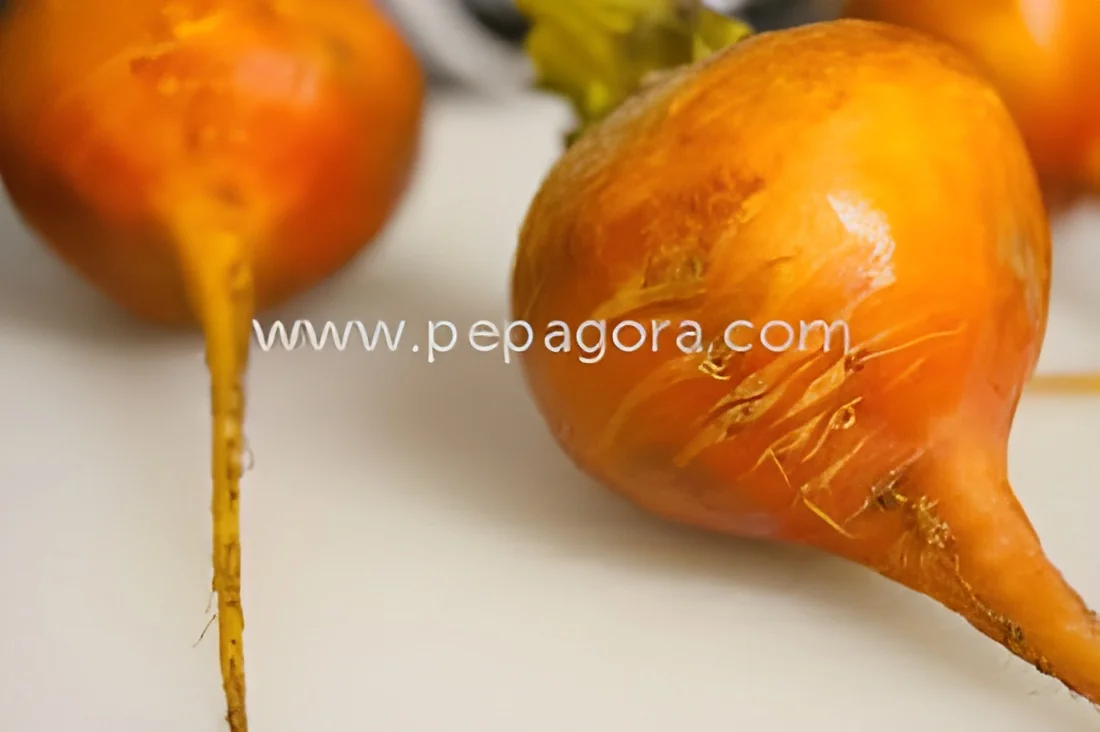
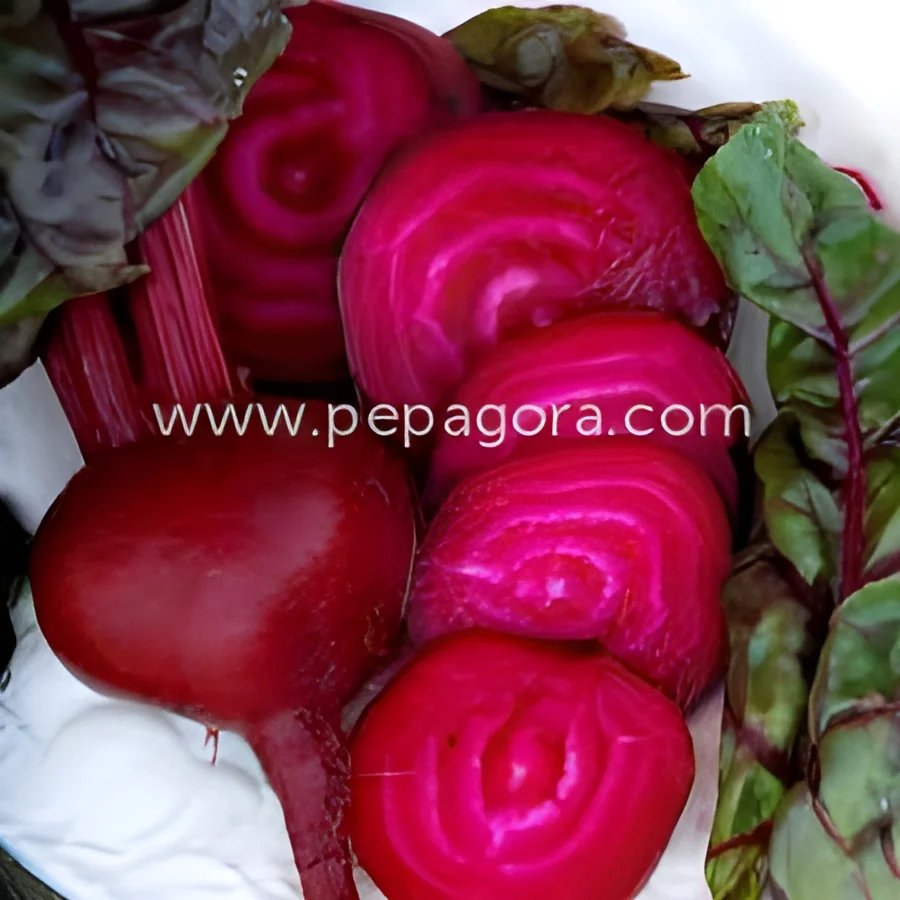
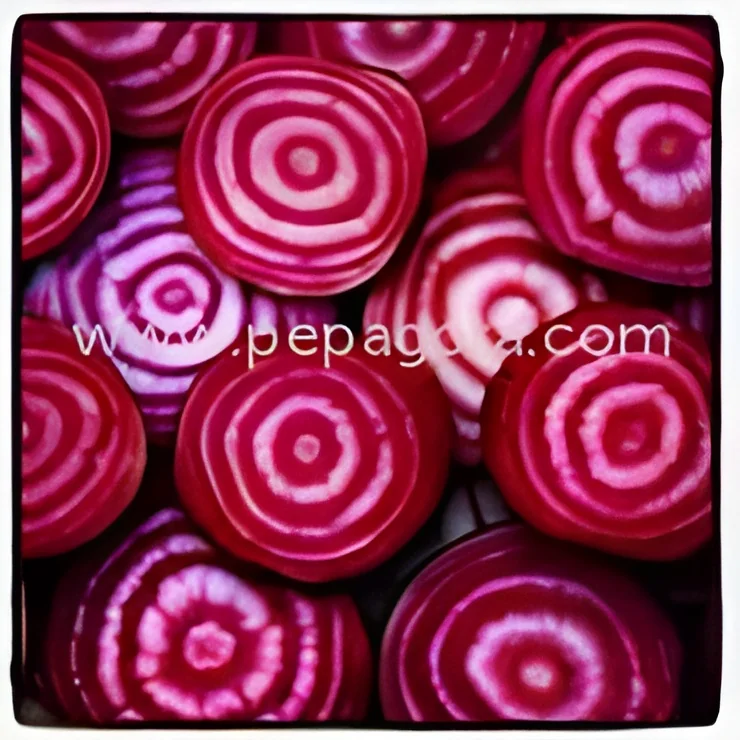
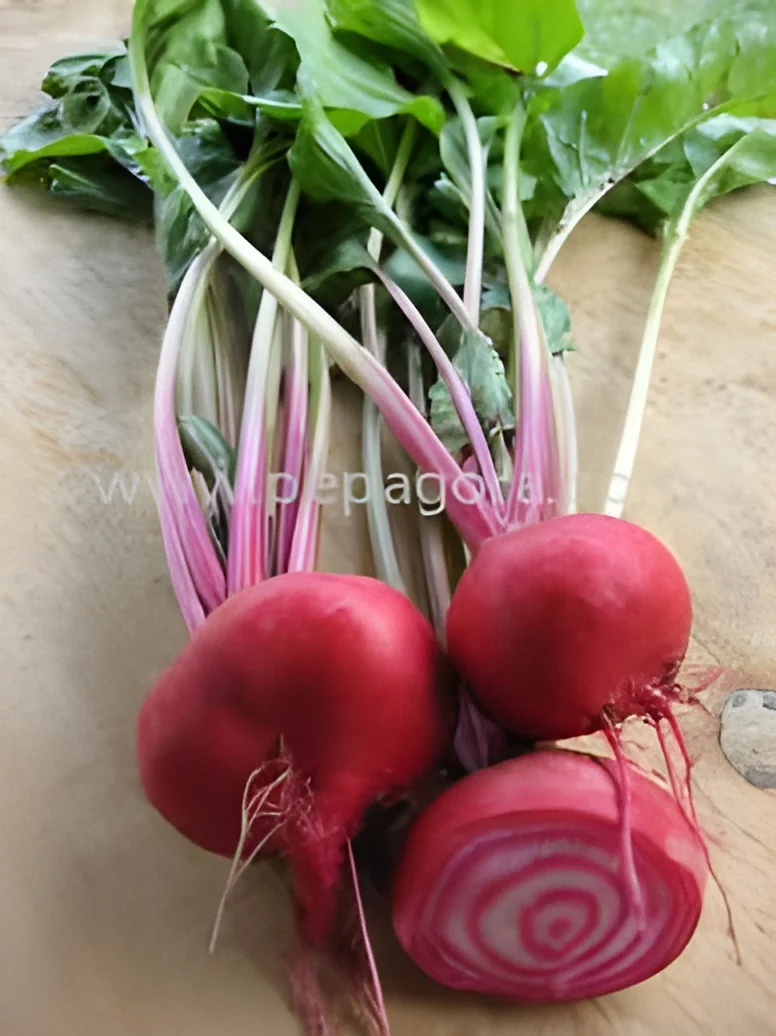
- Beets come in red, golden, and striped varieties
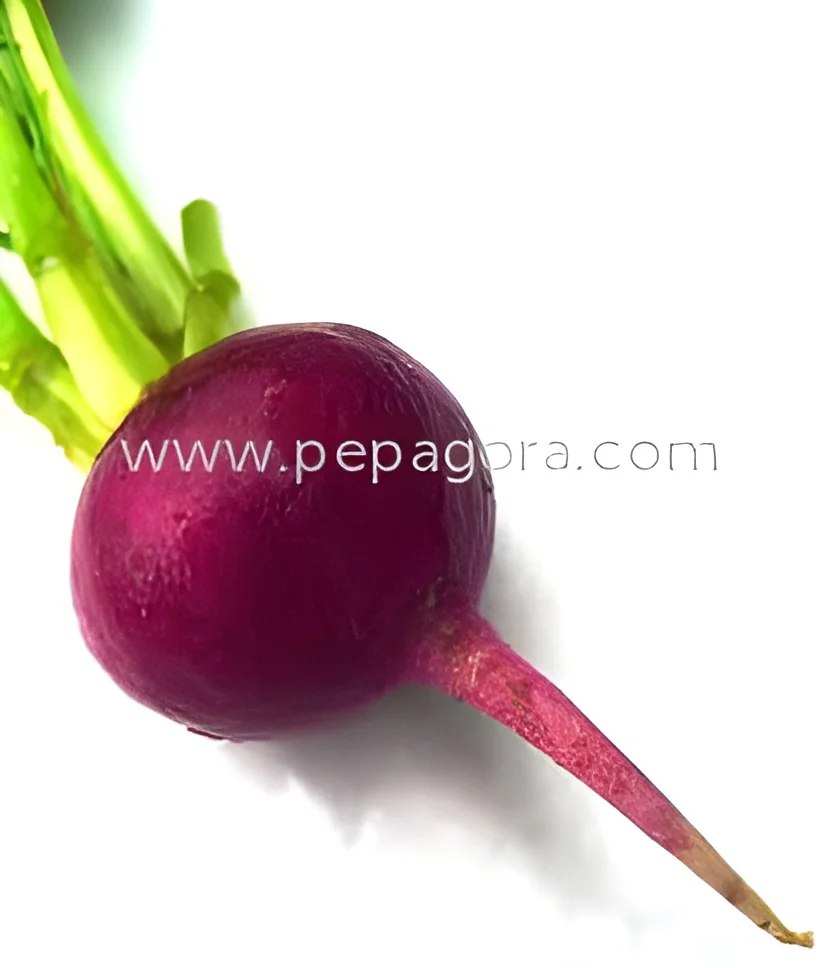
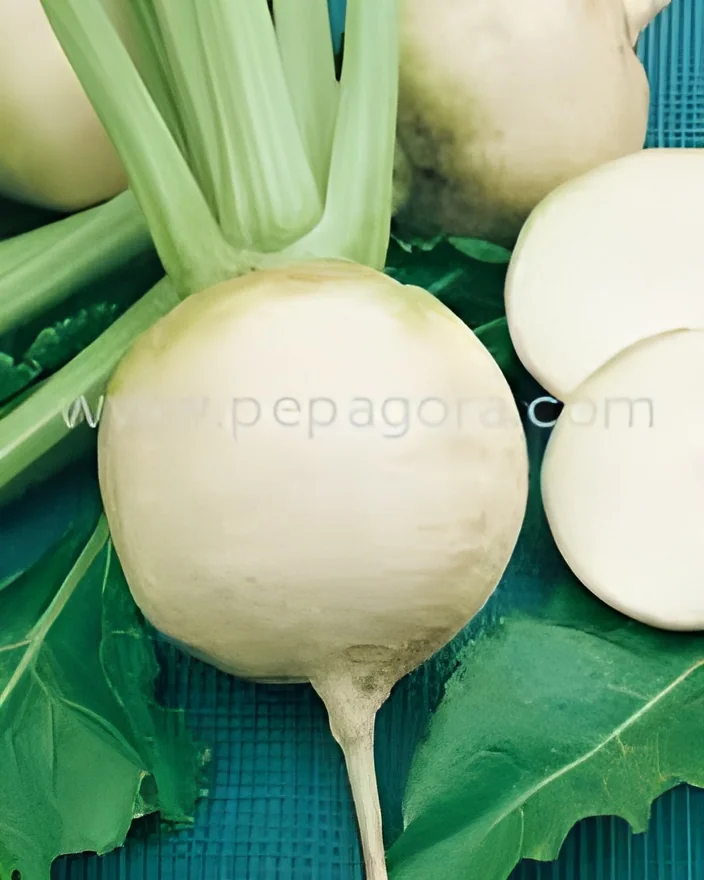
- Radishes can be white, red, or black, offering visual appeal
6. Harvesting Methods
- Hand-harvested to ensure quality and minimize damage
- Requires careful handling to maintain freshness
7. Region of Cultivation
- Grown in various regions, including temperate climates
- Availability may vary based on season
In summary, organic beets and radish are versatile vegetables that provide numerous benefits, making them a valuable addition to any product line.
Common Applications and Use Cases
Organic beets and radish are utilized in a variety of industries, showcasing their versatility and appeal.
1. Food and Beverage Industry: These vegetables are commonly used in salads, juices, and smoothies. They add flavor, color, and nutritional value to dishes, catering to health-conscious consumers.
2. Health Food Stores: Organic beets and radish are popular items in health food stores, where they are sold fresh or as part of prepared meals and snacks.
3. Culinary Arts: Chefs often incorporate these vegetables into gourmet dishes, using them for their unique flavors and vibrant colors to enhance presentation.
4. Meal Delivery Services: Many meal delivery companies feature organic beets and radish in their meal kits, appealing to customers seeking healthy, convenient meal options.
5. Juice Bars: These vegetables are frequently used in juices and smoothies, providing natural sweetness and a range of health benefits.
6. Organic Farmers Markets: Organic beets and radish are staple products at farmers markets, attracting consumers looking for fresh, locally sourced produce.
7. Nutrition Supplements: Some companies utilize organic beets in dietary supplements due to their high nitrate content, which is associated with improved athletic performance.
Product Variants and Subcategories
Organic beets and radish come in various types, each with unique features that cater to different preferences and applications.
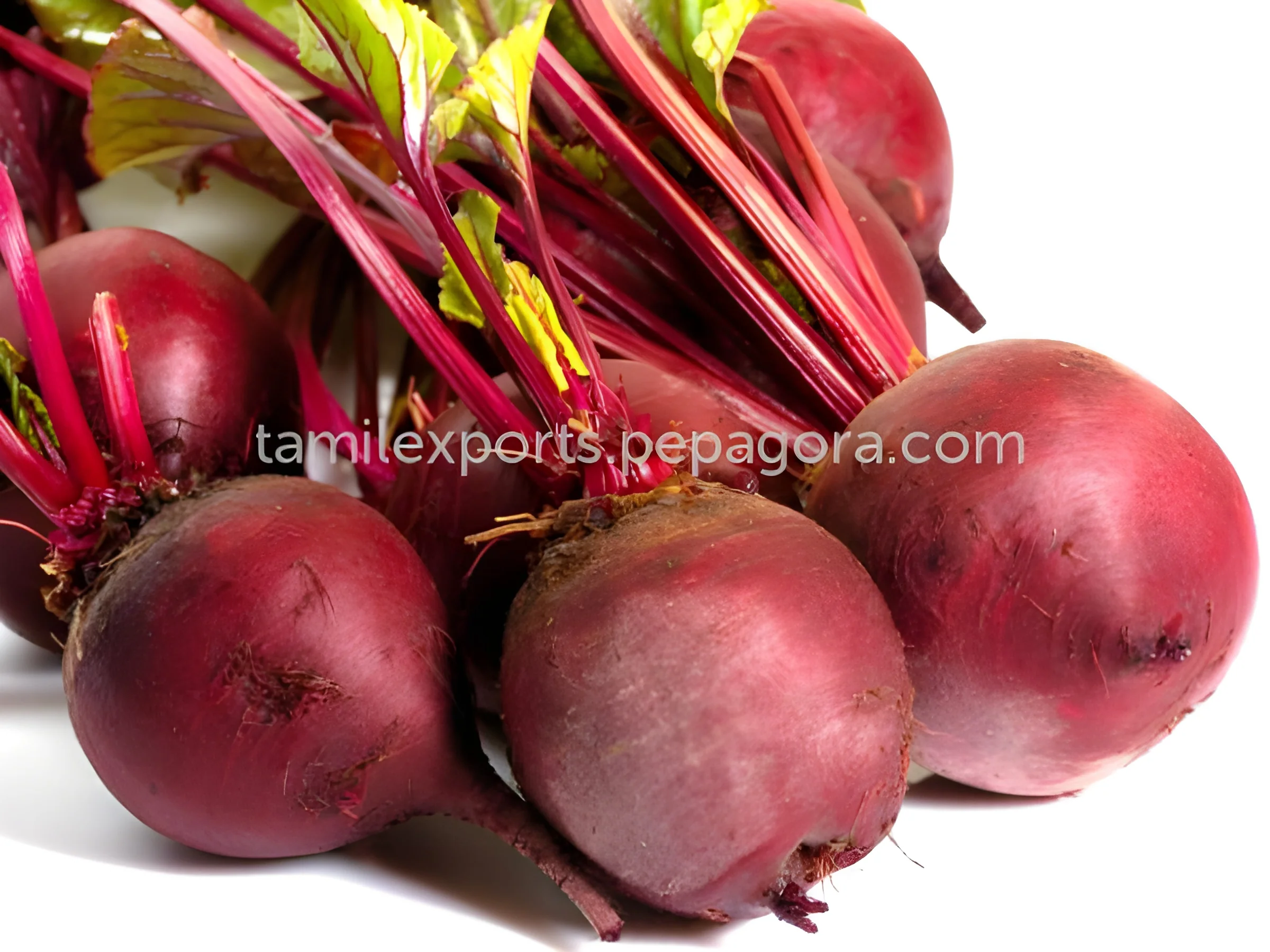
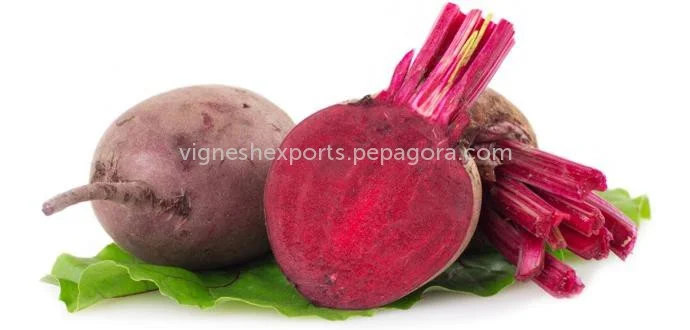
Red Beets: Known for their deep color and sweet flavor, red beets are commonly used in salads and juices. They are high in antioxidants and add a vibrant hue to dishes.
Golden Beets: These beets have a milder flavor compared to red beets and are often used in gourmet cooking. Their bright yellow color makes them visually appealing in various presentations.
Black Radish: This variety is known for its robust flavor and is often used in traditional dishes. Black radishes are rich in antioxidants and have a slightly spicy taste.
Daikon Radish: A long, white variety of radish that is popular in Asian cuisine. Daikon has a mild flavor and is often used in salads, pickles, and soups.
Watermelon Radish: This variety features a striking appearance with green skin and pink flesh. It has a sweet and slightly peppery taste, making it a popular choice for salads and garnishes.
Benefits and Advantages
Organic beets and radish offer several advantages that make them appealing to businesses and consumers alike.
1. Health Benefits: These vegetables are rich in essential nutrients, promoting overall health and wellness. They are low in calories and high in fiber, making them suitable for various diets.
2. Flavor Enhancement: Organic beets and radish add unique flavors and textures to dishes, enhancing the culinary experience for consumers.
3. Sustainable Sourcing: Sourcing organic products aligns with environmental sustainability practices, appealing to eco-conscious consumers.
4. Market Demand: The growing interest in organic foods provides a competitive edge for businesses offering these products, meeting consumer preferences for healthy options.
5. Versatile Applications: Organic beets and radish can be used in a wide range of dishes, making them suitable for various culinary applications.
6. Freshness and Quality: Sourcing locally grown organic vegetables ensures freshness and quality, enhancing customer satisfaction.
Buying Guide for B2B Buyers
When sourcing organic beets and radish, several key factors should be considered to ensure quality and reliability.
1. Quality Assessment: Evaluate the freshness, appearance, and taste of the vegetables. Look for vibrant colors and firm textures, which indicate high quality.
2. Supplier Verification: Vet potential suppliers by checking references and reviews. Ensure they have a good track record of providing organic products.
3. Pricing and MOQ: Understand the cost structure and minimum order quantities (MOQ) required by suppliers. This will help in budgeting and inventory planning.
4. Delivery and Lead Times: Confirm the logistics involved in delivery, including lead times for order fulfillment and shipping options.
5. Compliance Requirements: Ensure that suppliers meet relevant organic certification standards and regulatory requirements for food safety.
Compliance and Certifications
Organic beets and radish are subject to specific quality standards and certifications that ensure their safety and integrity.
The relevant quality standards include ISO 9001, which sets criteria for quality management systems, ensuring consistent quality in production processes. Additionally, HACCP (Hazard Analysis and Critical Control Points) is vital for food safety, helping identify and manage potential hazards in the supply chain.
Industry certifications such as CE indicate compliance with European health, safety, and environmental protection standards. These certifications help build trust with consumers and businesses alike.
Safety and testing requirements are essential to ensure that organic produce is free from harmful residues and contaminants. Regular testing helps maintain quality and compliance with industry standards.
Regional compliance considerations may vary, so it is important to understand local regulations regarding organic farming and food safety to ensure that products meet the necessary criteria.
Why Source Organic Beets & Radish from Pepagora?
Pepagora offers a reliable platform for sourcing organic beets and radish, providing several key advantages for B2B buyers.
Verified Supplier Network: Pepagora connects buyers with a network of verified suppliers, ensuring that the products meet stringent quality and organic certification standards. This network helps buyers find trustworthy sources for their needs.
Streamlined RFQ Process: The request for quotation (RFQ) process is efficient and user-friendly, allowing buyers to easily compare prices and offerings from various suppliers. This transparency helps in making informed purchasing decisions.
Trade Assurance and Support: Pepagora provides trade assurance to protect buyers throughout the sourcing process. This support includes assistance with order fulfillment and issue resolution, enhancing buyer confidence.
Regional Coverage: With a strong presence in India, the GCC, and Southeast Asia, Pepagora facilitates access to organic beets and radish across a wide geographic area. This regional coverage ensures that buyers can source products that meet their local market demands.

Frequently Asked Questions
What are Organic Beets & Radish?
Organic Beets and Radish are root vegetables that are grown without the use of synthetic fertilizers, pesticides, or genetically modified organisms (GMOs). They are cultivated using organic farming practices that promote biodiversity and improve soil health.
What are the different types of Organic Beets & Radish?
There are several types of Organic Beets, including Red Beets, Golden Beets, and Chioggia Beets, each varying in color and flavor. Similarly, Organic Radishes can be found in varieties such as Red Radishes, Daikon Radishes, and Black Radishes, which differ in taste and texture.
How do I choose the right Organic Beets & Radish?
When selecting Organic Beets and Radish, consider factors such as size, color, and firmness. Look for vegetables that are vibrant in color and free from blemishes or soft spots to ensure freshness and quality.
What are the standard specifications for Organic Beets & Radish?
Standard specifications for Organic Beets and Radish typically include size, weight, and absence of chemical residues. They should meet specific grading standards that dictate visual quality and firmness.
What is the price range for Organic Beets & Radish?
The price of Organic Beets and Radish can vary based on factors such as variety, quality, and seasonality. Generally, prices range from INR 30 to INR 150 per kilogram, depending on the supplier and market conditions.
What quality standards apply to Organic Beets & Radish?
Organic Beets and Radish must meet the quality standards set by organic certification bodies, which include regulations on cultivation, processing, and labeling. These standards ensure that the produce is grown without harmful chemicals and maintains high nutritional value.
Where can I find Organic Beets & Radish suppliers in India?
You can find Organic Beets and Radish suppliers in India through various online B2B marketplaces, local farmers' markets, and organic food cooperatives. Platforms like Pepagora.com offer a range of verified suppliers for easy sourcing.
Can Organic Beets & Radish be customized?
Yes, Organic Beets and Radish can be customized based on size, packaging, and specific grading requirements. Many suppliers offer options for bulk orders tailored to meet the needs of different businesses.
What is the typical minimum order quantity for Organic Beets & Radish?
The typical minimum order quantity (MOQ) for Organic Beets and Radish may vary by supplier, but it often ranges from 50 to 200 kilograms. It is advisable to check with individual suppliers for their specific MOQs.
What is the typical lead time for Organic Beets & Radish?
The typical lead time for Organic Beets and Radish can vary based on the supplier and order size, generally ranging from 5 to 15 business days. Factors such as seasonality and availability can also influence delivery times.
Why Businesses Trust Pepagora
Thousands of companies trust Pepagora to source smarter and sell faster
Expand Your Sales Globally

Source Smarter,Grow Faster
