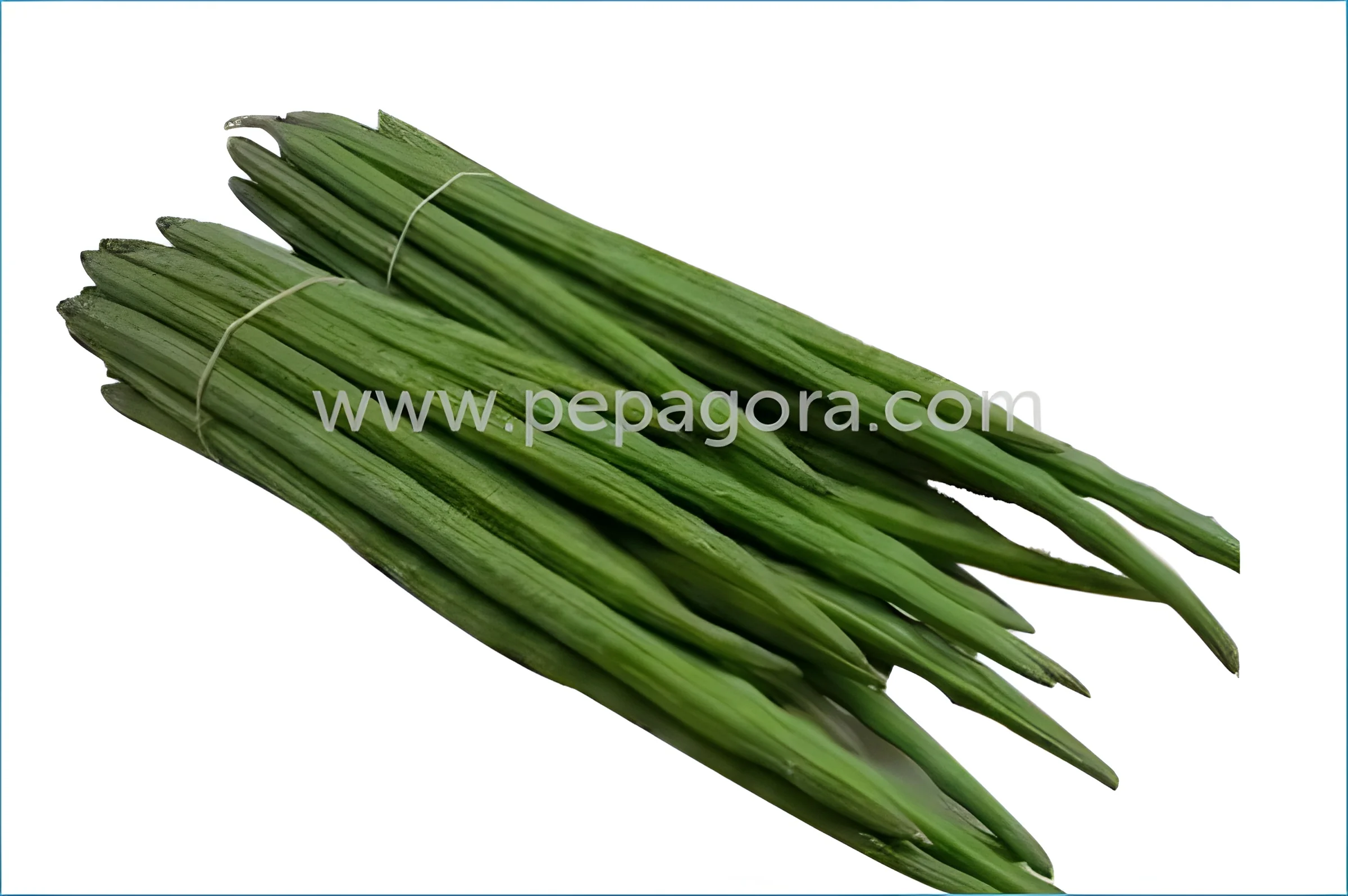
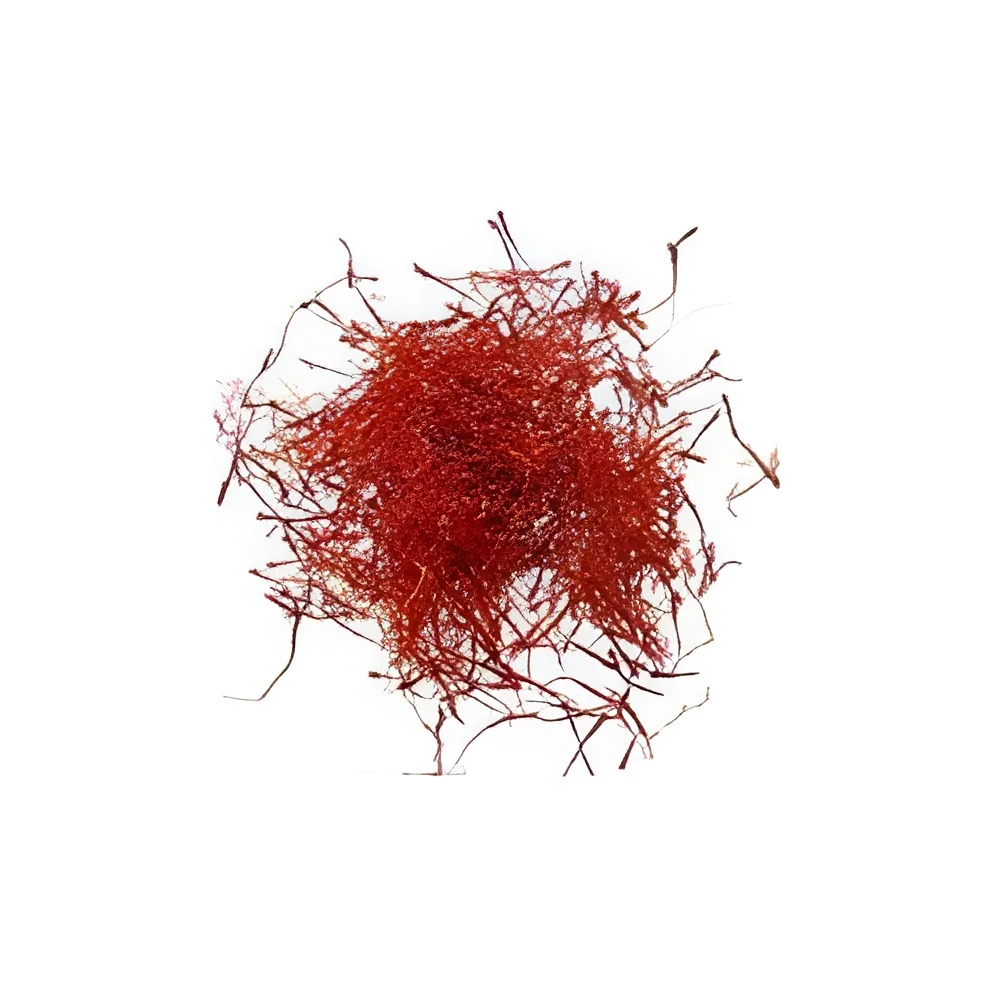
What are India Organic Certified?
India Organic Certified refers to products that meet specific standards for organic farming and production in India. This certification ensures that agricultural products are grown and processed without the use of synthetic fertilizers, pesticides, or genetically modified organisms. The certification is provided by the National Program for Organic Production (NPOP) under the Ministry of Commerce and Industry, Government of India. This program emphasizes sustainable farming practices, environmental stewardship, and the welfare of farmers.
These products are primarily used in various sectors, including food production, textile manufacturing, and personal care. Businesses that utilize India Organic Certified products often aim to meet consumer demand for organic goods, ensuring higher quality and sustainability. The relevance of this certification in the market is increasing as consumers become more health-conscious and environmentally aware. Industries are integrating organic products into their offerings to align with global sustainability initiatives and consumer preferences.
Key Features and Specifications
India Organic Certified products come with several key features that highlight their organic nature and compliance with established standards. These specifications aid businesses in understanding the quality and characteristics of the products they are sourcing.
Key specifications include:
1. Certification Authority
- Issued by the National Program for Organic Production (NPOP)
- Ensures compliance with organic farming standards
2. Farming Practices
- No synthetic pesticides or fertilizers used
- Emphasis on soil health and biodiversity
3. Traceability
- Full traceability from farm to consumer
- Documentation of organic practices throughout the supply chain
4. Environmental Impact
- Sustainable farming methods to reduce environmental footprint
- Practices that promote conservation of resources
5. Consumer Demand
- Increasing consumer preference for organic products
- Supports health and wellness trends in the market
6. Compliance with International Standards
- Aligns with global organic certification standards
- Facilitates export opportunities for certified products
7. Health Benefits
- Products are free from harmful chemicals
- Often perceived as healthier choices for consumers
In summary, India Organic Certified products adhere to strict agricultural practices that ensure their quality and sustainability, making them increasingly relevant in today's market.
Common Applications and Use Cases
India Organic Certified products find applications across various industries, reflecting their versatility and growing importance.
1. Food and Beverage Industry: Organic fruits, vegetables, and grains are increasingly used in restaurants and food production to meet consumer demand for healthier options.
2. Textile Industry: Organic cotton and other natural fibers are utilized in clothing manufacturing, appealing to eco-conscious consumers.
3. Personal Care Products: Organic ingredients are incorporated into cosmetics and skincare, aligning with natural beauty trends.
4. Pharmaceuticals: Organic herbs and plants are used in natural remedies and supplements, catering to the growing interest in holistic health.
5. Agriculture: Organic seeds and fertilizers are employed by farmers transitioning to organic farming practices.
6. Retail: Retailers are expanding their organic product lines to meet the preferences of health-conscious shoppers.
7. Export: Many companies seek India Organic Certified products for export to markets with strict organic regulations.
Product Variants and Subcategories
India Organic Certified products come in various forms, catering to different market needs and applications. The diversity of these products allows businesses to choose what best fits their requirements.
Organic Fruits and Vegetables: These products are grown without synthetic inputs, offering fresh, nutritious options for consumers.
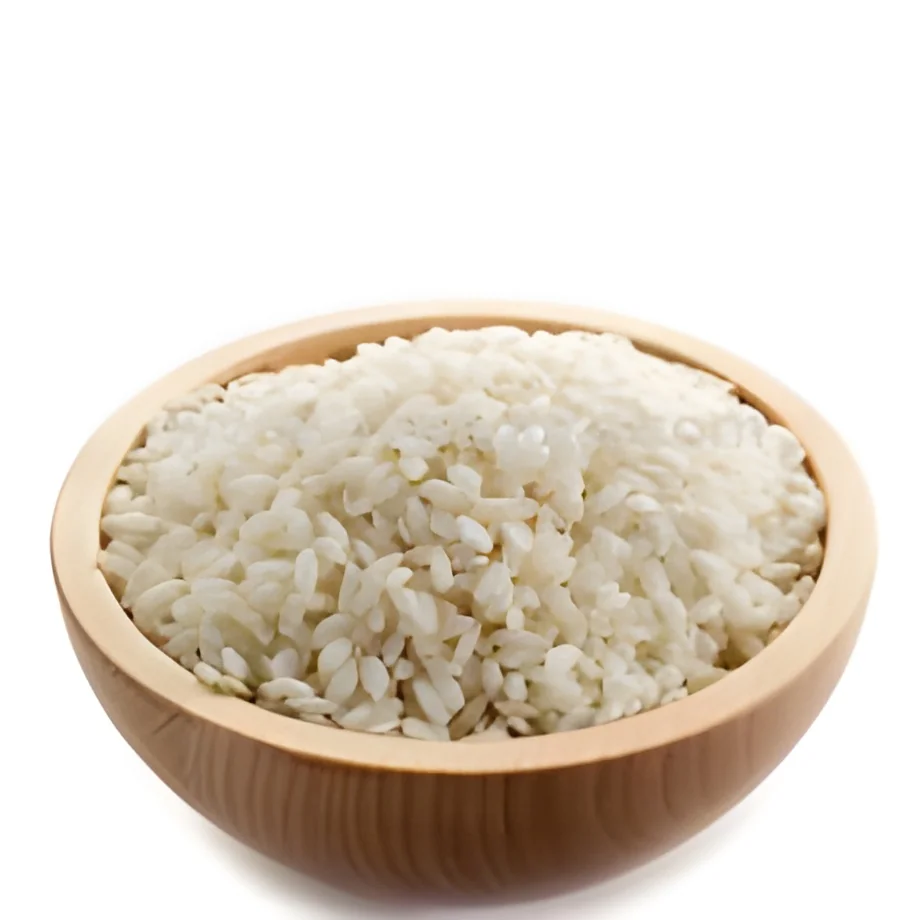
Organic Grains: Including rice, wheat, and pulses, these grains are cultivated using sustainable practices, ensuring quality and safety.
Organic Textile Fibers: Natural fibers such as cotton and wool are sourced from certified farms, promoting eco-friendly clothing options.
Organic Personal Care Ingredients: These include essential oils, herbal extracts, and other natural substances used in personal care formulations.
Benefits and Advantages
Sourcing India Organic Certified products offers numerous benefits that can enhance business operations and consumer satisfaction.
1. Quality Assurance: Certified products meet rigorous standards, ensuring high quality and safety for end-users.
2. Market Differentiation: Offering organic products can set a business apart in a competitive marketplace, attracting health-conscious consumers.
3. Environmental Sustainability: Supporting organic farming promotes ecological balance and reduces environmental impact.
4. Health Benefits: Organic products are free from harmful chemicals, appealing to customers concerned about health and nutrition.
5. Compliance with Regulations: Certification helps businesses comply with both domestic and international organic standards, facilitating trade.
6. Consumer Trust: Certification enhances brand credibility and fosters trust among consumers, leading to increased loyalty.
Buying Guide for B2B Buyers
When sourcing India Organic Certified products, it is essential for B2B buyers to consider several critical factors to ensure successful procurement.
1. Quality Assessment: Evaluate products based on certification, origin, and production practices to ensure high standards.
2. Supplier Verification: Conduct thorough background checks on suppliers, confirming their certification status and reputation in the market.
3. Pricing and MOQ: Understand the pricing structure and minimum order quantities to align with budget and demand.
4. Delivery and Lead Times: Discuss logistics and lead times with suppliers to ensure timely delivery of products.
5. Compliance Requirements: Familiarize yourself with local and international regulations regarding organic products to ensure compliance.
Compliance and Certifications
India Organic Certified products must adhere to various compliance standards and certifications to ensure their quality and safety in the market. Key standards include ISO 9001 for quality management, HACCP for food safety, and GDP for good distribution practices.
Industry certifications such as CE are also relevant, indicating compliance with European safety standards, particularly for products intended for export. Additionally, safety and testing requirements are crucial to verify product integrity and consumer safety. Regional compliance considerations may vary, emphasizing the need for businesses to stay informed about local organic regulations.
Why Source India Organic Certified from Pepagora?
Pepagora offers a trusted platform for sourcing India Organic Certified products, providing several key advantages to businesses.
Verified Supplier Network: Pepagora ensures that all suppliers are thoroughly vetted and certified, giving buyers confidence in the quality of products they source.
Streamlined RFQ Process: The platform simplifies the request for quotation process, allowing buyers to obtain competitive pricing and terms from multiple suppliers easily.
Trade Assurance and Support: Buyers benefit from trade assurance measures that protect their transactions, ensuring a secure purchasing experience.
Regional Coverage: Pepagora has a wide geographic reach, serving markets in India, the GCC, and Southeast Asia, making it easier to find reliable suppliers for organic products.

 IN
IN