
 IN
Organic Garlic
7 products available
What are Organic Garlic?
Organic garlic is a type of garlic that is cultivated without the use of synthetic fertilizers, pesticides, or genetically modified organisms. It is grown in accordance with organic farming standards, which emphasize the use of natural substances and processes to enhance soil health and biodiversity. This method of cultivation not only preserves the integrity of the garlic but also contributes to environmental sustainability.
The primary uses of organic garlic extend across various sectors, including food production, healthcare, and cosmetics. In the culinary world, organic garlic is valued for its robust flavor and health benefits, making it a popular ingredient in many dishes. In the health and wellness industry, organic garlic is recognized for its medicinal properties, including its ability to boost the immune system and improve heart health. The increasing consumer demand for organic products has led to a growing market for organic garlic, making it a relevant choice for businesses looking to meet health-conscious consumer preferences.
Within the industry, organic garlic holds significant market relevance as consumers increasingly prioritize organic food options. The global demand for organic produce has been on the rise, and garlic is no exception. Businesses in the agricultural and food sectors are adapting to this trend by sourcing organic garlic to cater to health-conscious consumers, thereby enhancing their product offerings and market competitiveness.
Key Features and Specifications
Organic garlic is characterized by several key features that distinguish it from conventional garlic. These features often relate to its cultivation methods, quality standards, and overall benefits.
Key specifications include:
1. Cultivation Method
- Grown without synthetic fertilizers or pesticides
- Adheres to organic farming standards
2. Flavor Profile
- Strong, distinct flavor that enhances culinary dishes
- Varieties may have slightly different flavor notes
3. Nutritional Content
- Rich in vitamins C and B6, manganese, and selenium
- Contains allicin, known for its health benefits
4. Shelf Life
- Typically lasts several months under proper storage conditions
- Best stored in a cool, dry place to maintain freshness
5. Size and Appearance
- Available in various sizes, from small bulbs to large cloves
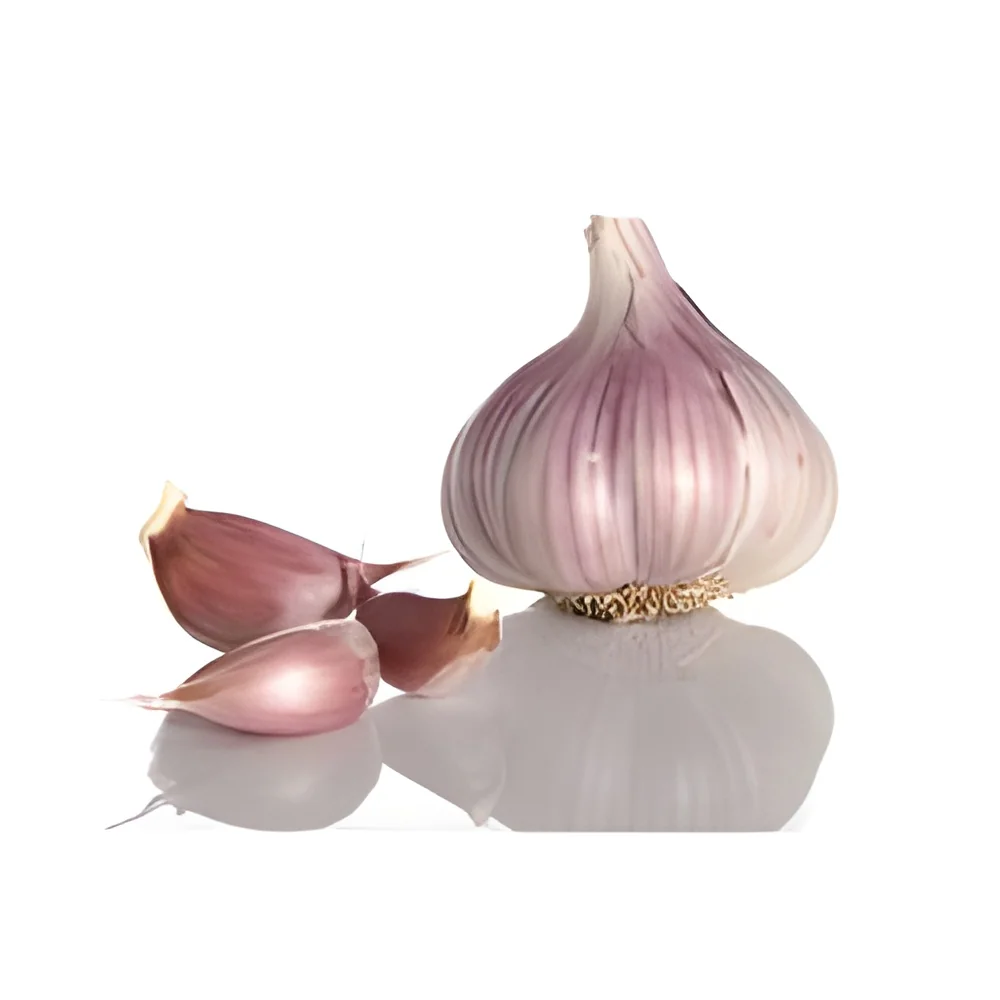
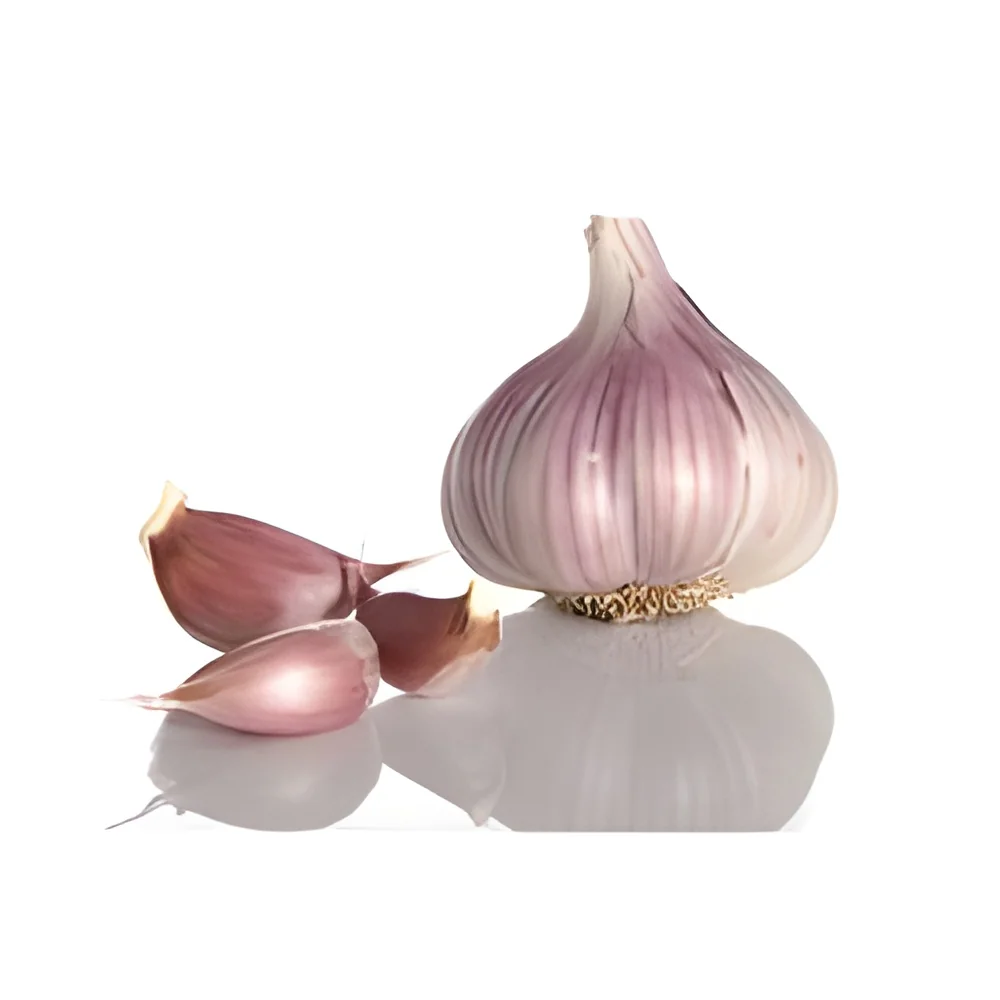
- Generally has a firm texture and a white or purple outer skin
6. Organic Certification
- Must have certification from recognized organic standards
- Ensures compliance with health and safety regulations
7. Packaging Options
- Available in bulk or retail packaging
- Often packaged in recyclable materials
In summary, organic garlic is a versatile product with unique features that cater to diverse business needs, particularly in the culinary and health sectors.
Common Applications and Use Cases
Organic garlic serves various industries with its wide range of applications.
1. Food Industry: Organic garlic is extensively used in restaurants and food production facilities. It enhances flavors in sauces, marinades, and dressings, providing a natural alternative to synthetic flavor enhancers.
2. Health and Wellness: The health sector utilizes organic garlic for its therapeutic properties. Supplements and herbal remedies often include garlic for its potential benefits in boosting immunity and lowering cholesterol levels.
3. Cosmetics: In the cosmetics industry, organic garlic is incorporated into skincare products for its antimicrobial properties. It helps in formulating natural products aimed at skin health.
4. Agriculture: Organic garlic is also used as a natural pesticide. Its properties can deter pests in organic farming, contributing to sustainable agricultural practices.
5. Gourmet Food Products: Many gourmet food brands use organic garlic in their specialty products, such as dips and spreads, appealing to health-conscious consumers.
6. Nutraceuticals: Organic garlic is a common ingredient in nutraceuticals, capitalizing on its health benefits and nutritional value.
Product Variants and Subcategories
The diversity of organic garlic allows for various product variants, each catering to different market needs.
Whole Organic Garlic Bulbs
These bulbs are sold in their entirety, maintaining natural freshness. They are ideal for culinary use and can be stored for extended periods.
Organic Garlic Powder
This variant offers convenience and longer shelf life. It is perfect for food manufacturers and chefs looking for quick flavor enhancement without the need for fresh garlic.
Organic Garlic Flakes
Garlic flakes provide a dehydrated option that retains much of the flavor and health benefits. They are commonly used in seasoning blends and dry rubs.
Organic Black Garlic
This variant is aged and fermented, resulting in a sweet, complex flavor. It is popular among gourmet chefs and health enthusiasts for its unique taste and antioxidant properties.
Benefits and Advantages
Organic garlic presents multiple benefits that appeal to businesses and consumers alike.
1. Health Benefits: Organic garlic is known for its numerous health advantages, including improved cardiovascular health and immune support.
2. Flavor Enhancement: Its strong flavor profile makes it an essential ingredient in many culinary applications, enhancing the taste of various dishes.
3. Environmentally Friendly: Sourced from sustainable practices, organic garlic contributes to environmental conservation by reducing chemical usage.
4. Consumer Demand: Growing consumer interest in organic products creates a market advantage for businesses that offer organic garlic.
5. Versatility: Organic garlic can be used in various forms, such as fresh, powdered, or flaked, making it suitable for a wide range of applications.
6. Quality Assurance: Organic garlic is subject to rigorous quality standards, ensuring a premium product that meets consumer expectations.
Buying Guide for B2B Buyers
When sourcing organic garlic, several factors should be considered to ensure quality and reliability.
1. Quality Assessment: Buyers should look for organic certification and conduct sensory evaluations to assess freshness and flavor. This ensures that the garlic meets the desired quality standards.
2. Supplier Verification: It is crucial to vet suppliers thoroughly to confirm their credibility and compliance with organic farming practices. This may include checking certifications and references.
3. Pricing and MOQ: Understanding the pricing structure and minimum order quantities (MOQ) is essential for budget planning. Buyers should compare quotes from multiple suppliers to ensure competitive pricing.
4. Delivery and Lead Times: Buyers must inquire about delivery schedules and lead times to ensure timely receipt of products. This is particularly important for businesses with tight production timelines.
5. Compliance Requirements: Buyers should be aware of regional regulations regarding organic products. This includes understanding labeling requirements and safety standards.
Compliance and Certifications
Organic garlic must adhere to specific quality standards and certifications to ensure its integrity and safety.
Relevant quality standards include ISO 9001, which focuses on quality management systems, and HACCP (Hazard Analysis and Critical Control Points), emphasizing food safety throughout the production process. Compliance with these standards guarantees that organic garlic is produced and handled safely.
Additionally, certifications such as CE indicate that the product meets European safety, health, and environmental protection standards. These certifications are vital for businesses looking to market organic garlic in various regions.
Testing requirements for organic garlic often include microbial analysis and residue testing to ensure that no harmful substances are present. Regional compliance considerations may vary, so it is essential for buyers to be aware of local regulations regarding organic produce.
Why Source Organic Garlic from Pepagora?
Pepagora provides a trusted platform for sourcing organic garlic, offering several key advantages to B2B buyers.
Verified Supplier Network: Pepagora connects buyers with a network of verified suppliers who meet stringent quality and organic standards. This ensures that businesses can source high-quality organic garlic reliably.
Streamlined RFQ Process: The platform simplifies the request for quotation (RFQ) process, allowing buyers to receive competitive quotes from multiple suppliers quickly. This efficiency saves time and resources.
Trade Assurance and Support: Pepagora offers trade assurance to protect buyers during transactions. This includes support for any disputes or issues that may arise, providing peace of mind.
Regional Coverage: With a strong presence in India, the GCC, and Southeast Asia, Pepagora facilitates access to organic garlic suppliers across multiple regions, enhancing sourcing opportunities for businesses looking to expand their product lines.


Frequently Asked Questions
What are Organic Garlic?
Organic garlic is garlic that is grown without the use of synthetic fertilizers, pesticides, or genetically modified organisms (GMOs). It is cultivated following organic farming practices, which prioritize sustainability and environmental health.
What are the different types of Organic Garlic?
There are several types of organic garlic, including hardneck and softneck varieties. Hardneck garlic typically has a stronger flavor and produces flower stalks, while softneck garlic has a milder taste and is often used for braiding.
How do I choose the right Organic Garlic?
When selecting organic garlic, consider factors such as the type of garlic, size, and firmness. Look for cloves that are plump and free from blemishes or soft spots, as these indicate freshness and quality.
What are the standard specifications for Organic Garlic?
Standard specifications for organic garlic include size, weight, and moisture content. Typically, organic garlic bulbs should be uniform in size, with a minimum weight that meets industry standards for commercial sale.
What is the price range for Organic Garlic?
The price range for organic garlic can vary widely depending on the type, quality, and market demand. Generally, prices may range from INR 100 to INR 400 per kilogram.
What quality standards apply to Organic Garlic?
Quality standards for organic garlic include adherence to organic farming regulations, absence of chemical residues, and meeting visual quality criteria such as size and firmness. Certification from recognized bodies is also important.
Where can I find Organic Garlic suppliers in India?
Organic garlic suppliers in India can be found through various B2B marketplaces, agricultural fairs, and online platforms. Websites like Pepagora.com provide a list of verified suppliers and manufacturers.
Can Organic Garlic be customized?
Customization options for organic garlic may include packaging and bulk order sizes. However, the actual product itself, being a natural agricultural product, is typically not customizable.
What is the typical minimum order quantity for Organic Garlic?
The typical minimum order quantity (MOQ) for organic garlic varies by supplier but usually ranges from 10 to 50 kilograms. It is advisable to check with individual suppliers for their specific MOQs.
What is the typical lead time for Organic Garlic?
The typical lead time for organic garlic can range from a few days to several weeks, depending on the supplier and order size. Factors such as seasonal availability and shipping logistics may also impact delivery times.
Why Businesses Trust Pepagora
Thousands of companies trust Pepagora to source smarter and sell faster
Expand Your Sales Globally

Source Smarter,Grow Faster
