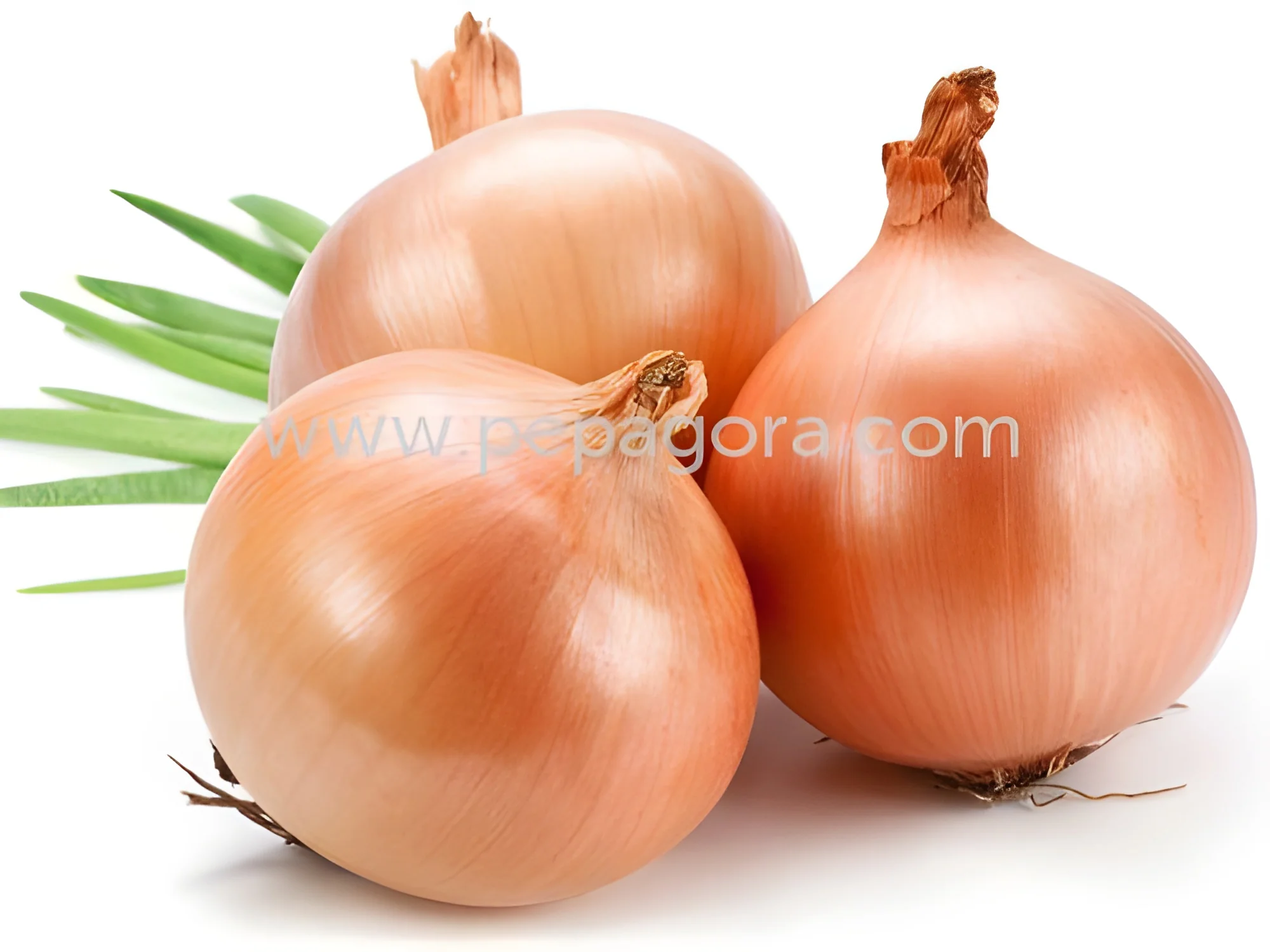
What are Organic Onions?
Organic onions are cultivated without the use of synthetic pesticides, herbicides, or fertilizers. These onions are grown in accordance with organic farming standards that emphasize sustainable agricultural practices. The production of organic onions focuses on soil health and biodiversity, which helps in fostering a more eco-friendly environment. As a result, organic onions are not only healthier for consumers but also contribute to the overall well-being of the planet.
These onions find a wide range of applications in various industries, including food service, retail, and food processing. They are commonly used in salads, soups, sauces, and as a flavoring agent in numerous dishes. The demand for organic onions has risen significantly as consumers increasingly seek out organic produce for its perceived health benefits. In the current market context, organic onions are positioned favorably due to the growing trend towards organic eating and sustainable sourcing.
Key Features and Specifications
When considering organic onions, it is important to understand their key features and specifications. These details help businesses make informed decisions based on their specific needs.
Key specifications include:
1. Size and Weight
- Typically available in various sizes ranging from small (around 50 grams) to large (up to 250 grams)
- Weight is critical for pricing and packaging decisions
2. Color and Variety
- Common varieties include yellow, red, and white onions
- Color can influence consumer preference and marketability
3. Taste Profile
- Organic onions provide a milder and sweeter flavor compared to conventionally grown onions
- Flavor variations depend on growth conditions and onion type
4. Shelf Life
- Organic onions generally have a shelf life of 4 to 6 weeks under proper storage conditions
- Longer shelf life can be achieved with optimal humidity and temperature control
5. Packaging Options
- Available in bulk, crates, or pre-packaged forms
- Packaging plays a significant role in maintaining freshness and appeal
6. Certification
- Must be certified organic by relevant authorities, ensuring compliance with organic standards
- Certifications like CE may apply depending on the region
In summary, understanding these specifications plays a crucial role in sourcing organic onions that meet business requirements and customer expectations.
Common Applications and Use Cases
Organic onions serve various industries, playing an essential role in culinary applications and food production.
1. Food Service: Organic onions are widely used in restaurants and catering services. Chefs utilize them in salads, dressings, and various entrees to enhance flavors.
2. Retail: Grocery stores and organic markets offer organic onions to health-conscious consumers. Their appeal lies in the natural growing methods and absence of harmful chemicals.
3. Food Processing: Manufacturers incorporate organic onions into processed foods, including sauces, dips, and packaged meals. The organic certification adds value to the end product.
4. Catering: Event caterers frequently opt for organic onions to meet the demand for organic menu options. Their versatility allows for creative culinary presentations.
5. Export: Organic onions are increasingly being exported to markets that emphasize organic produce. Their long shelf life and flavor profile make them suitable for international shipping.
6. Local Farmers' Markets: Many local markets feature organic onions to cater to the growing consumer preference for locally sourced, organic products.
Product Variants and Subcategories
The diversity of organic onions allows for different variants that cater to various needs and preferences in the market.
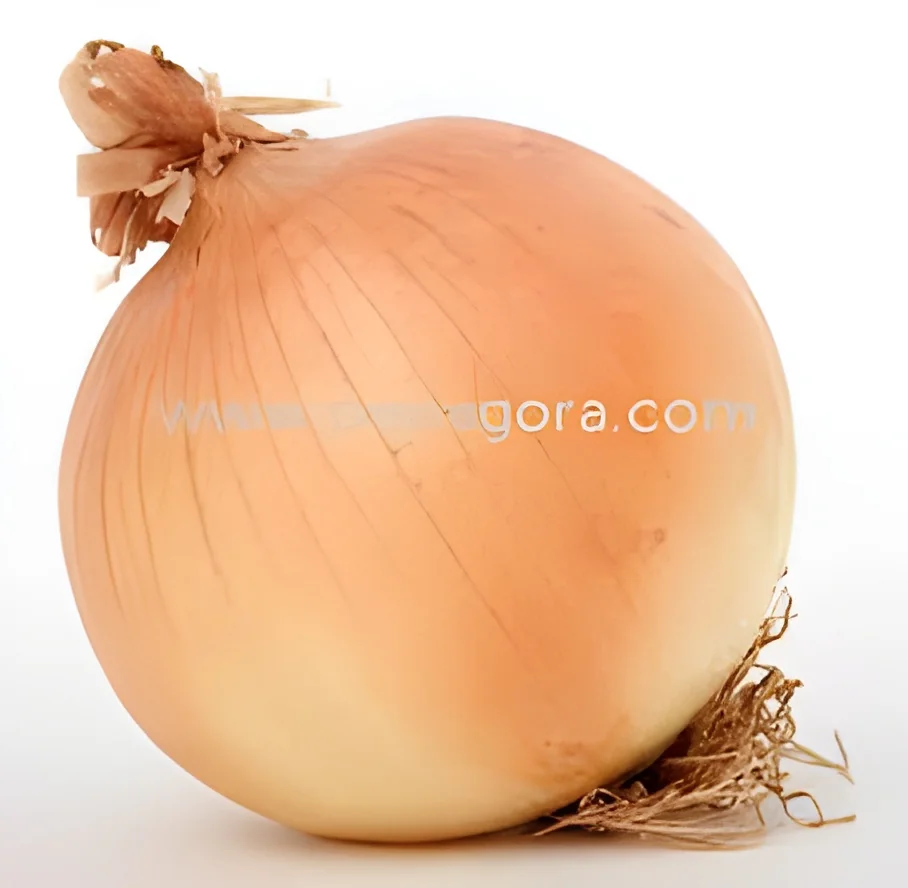
Yellow Onions
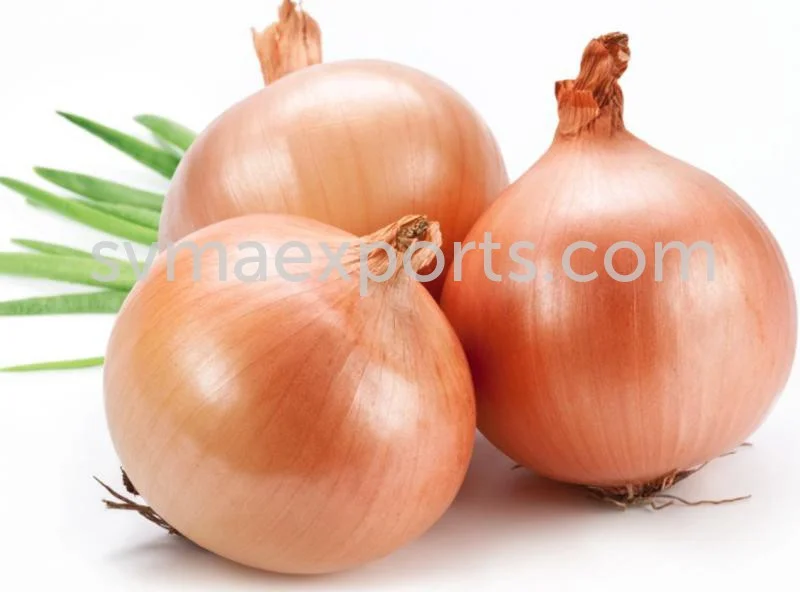
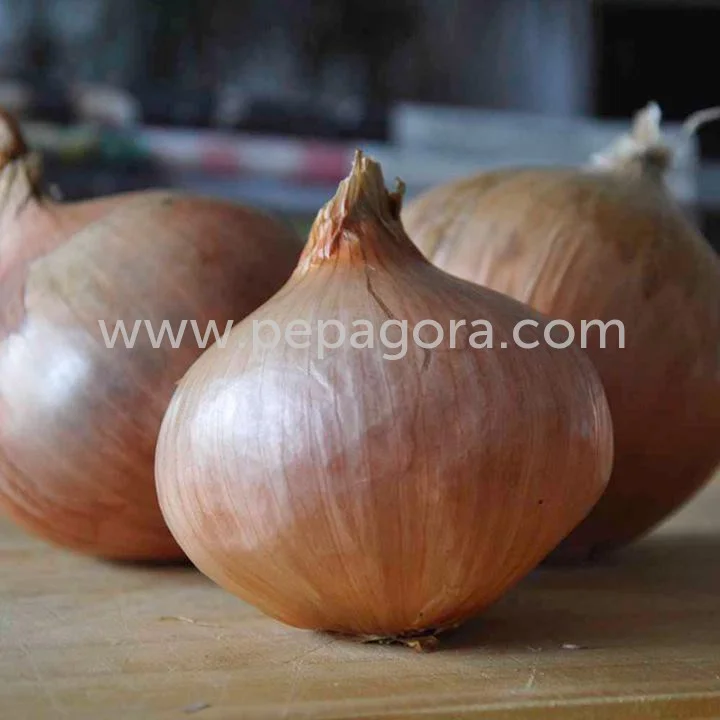
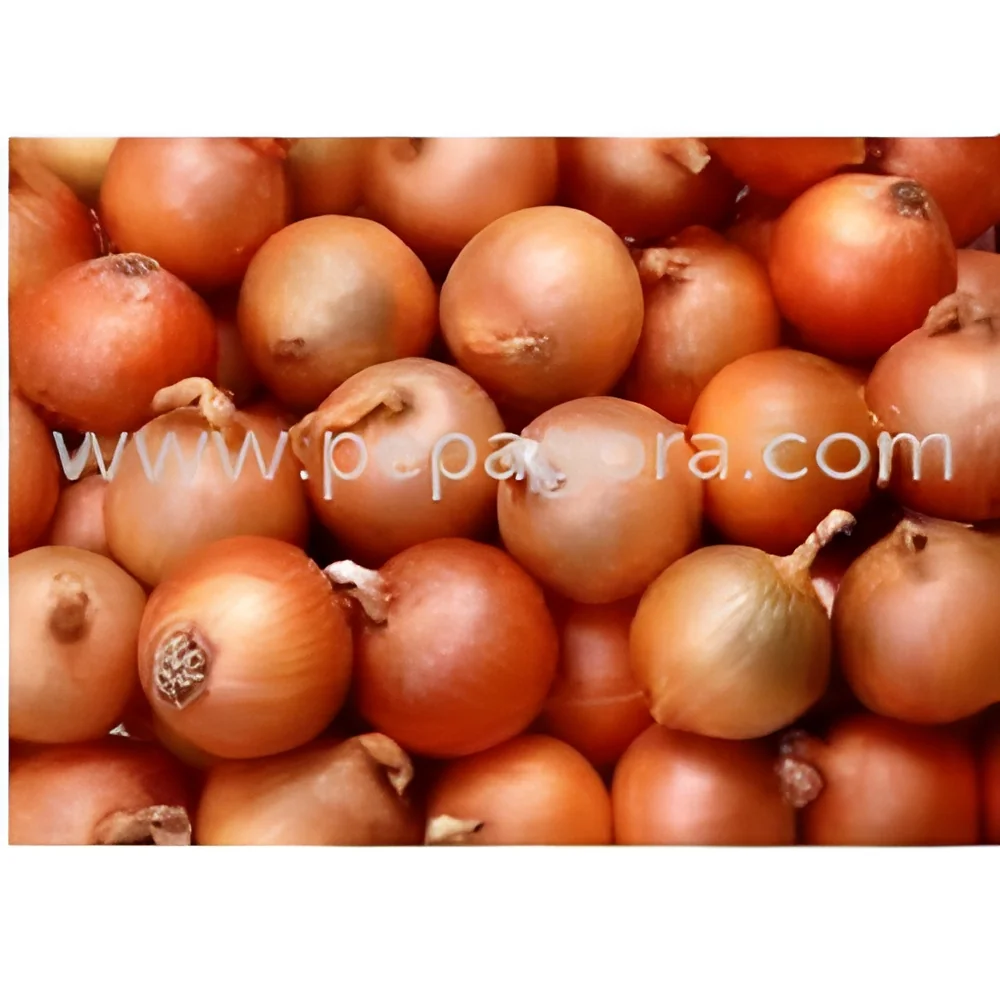
Yellow onions are the most common variety used in cooking. They have a robust flavor, making them ideal for a wide range of dishes. Their versatility makes them a staple in kitchens.
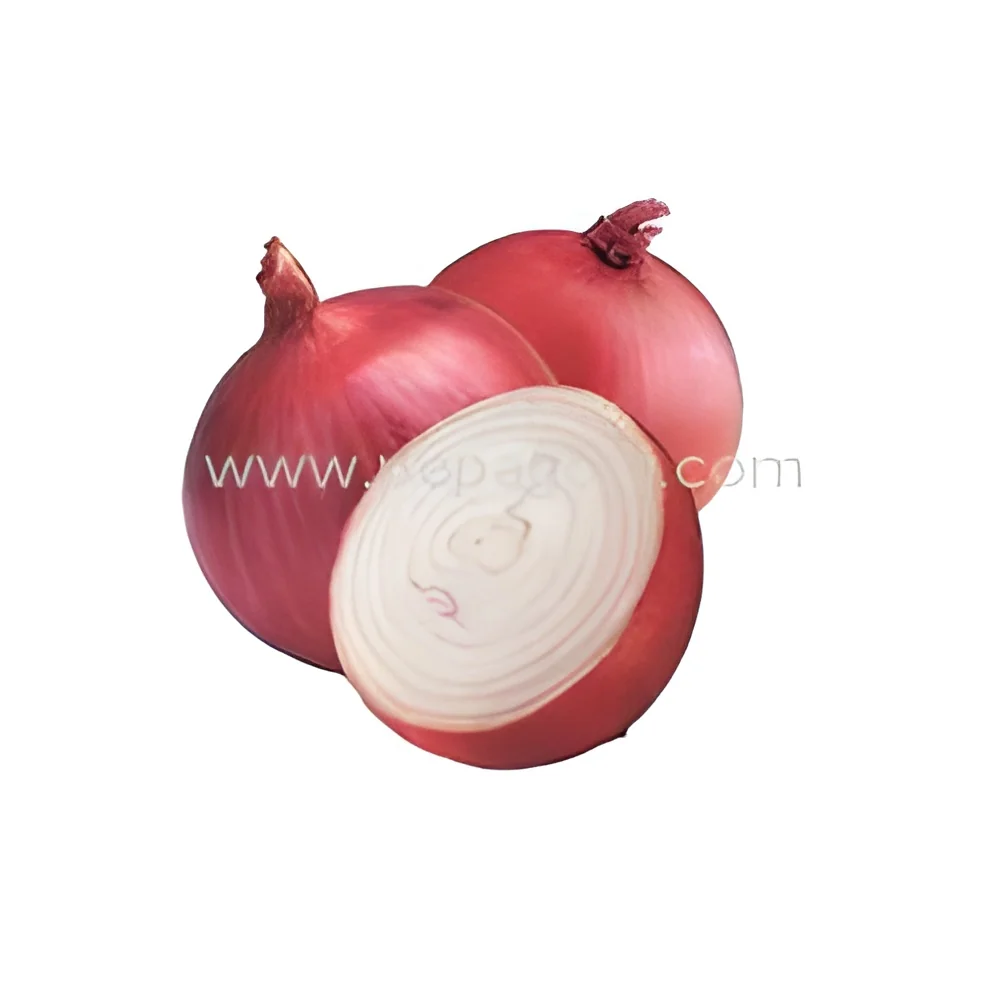
Red Onions
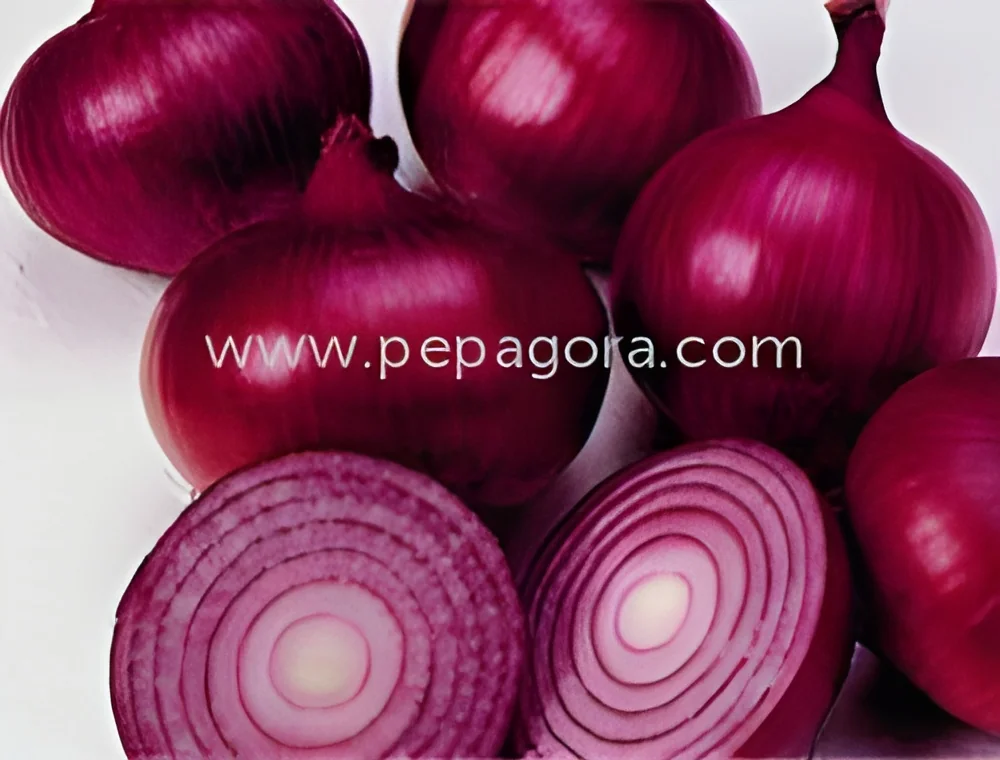
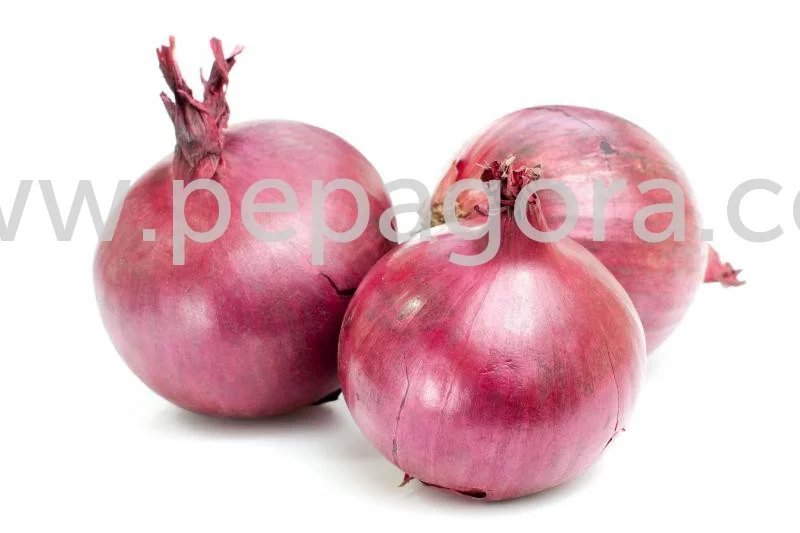
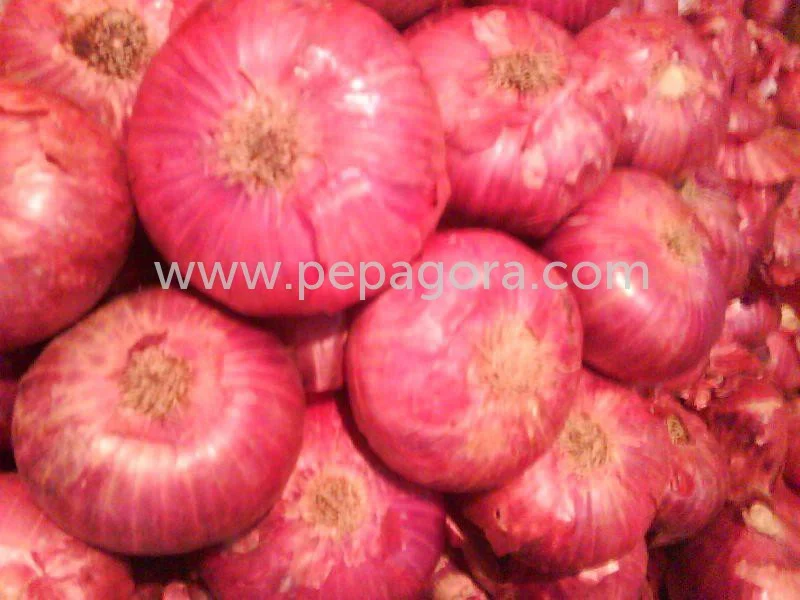
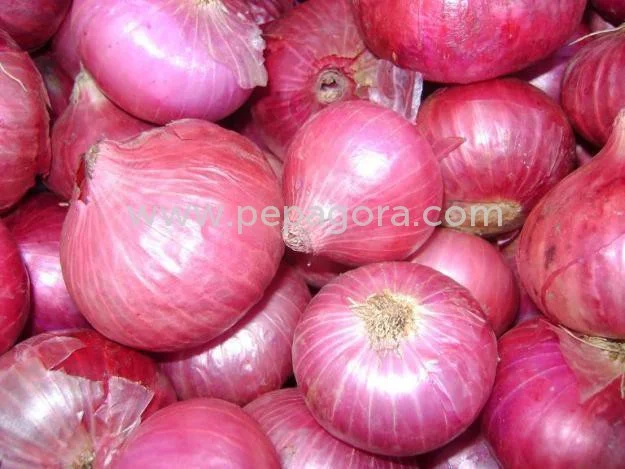
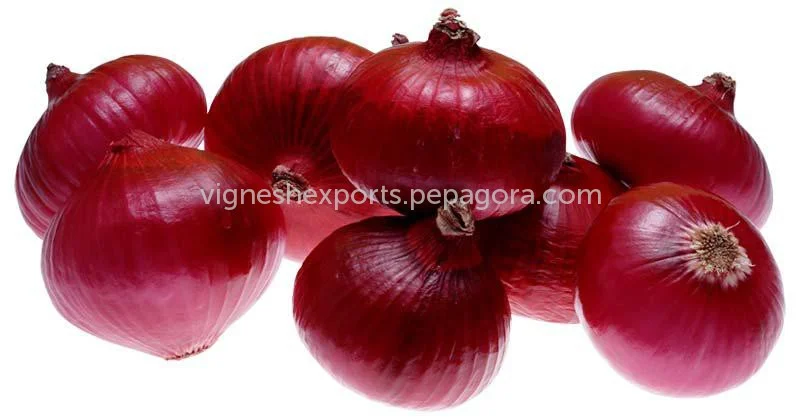
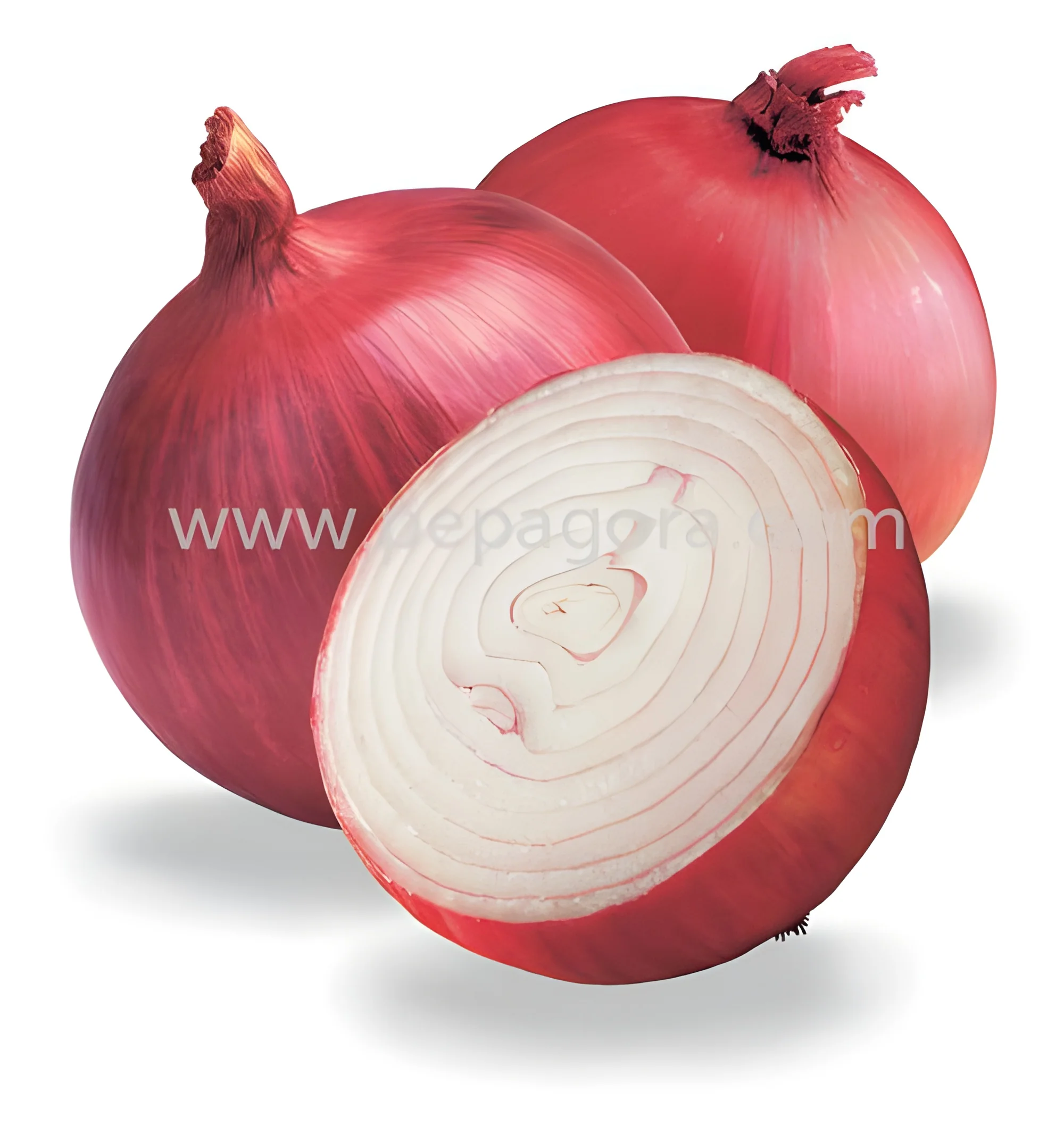
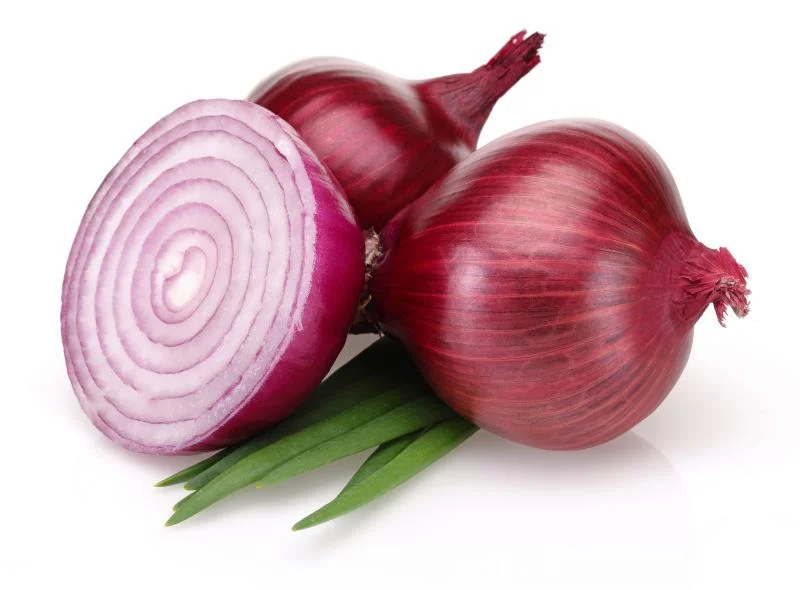
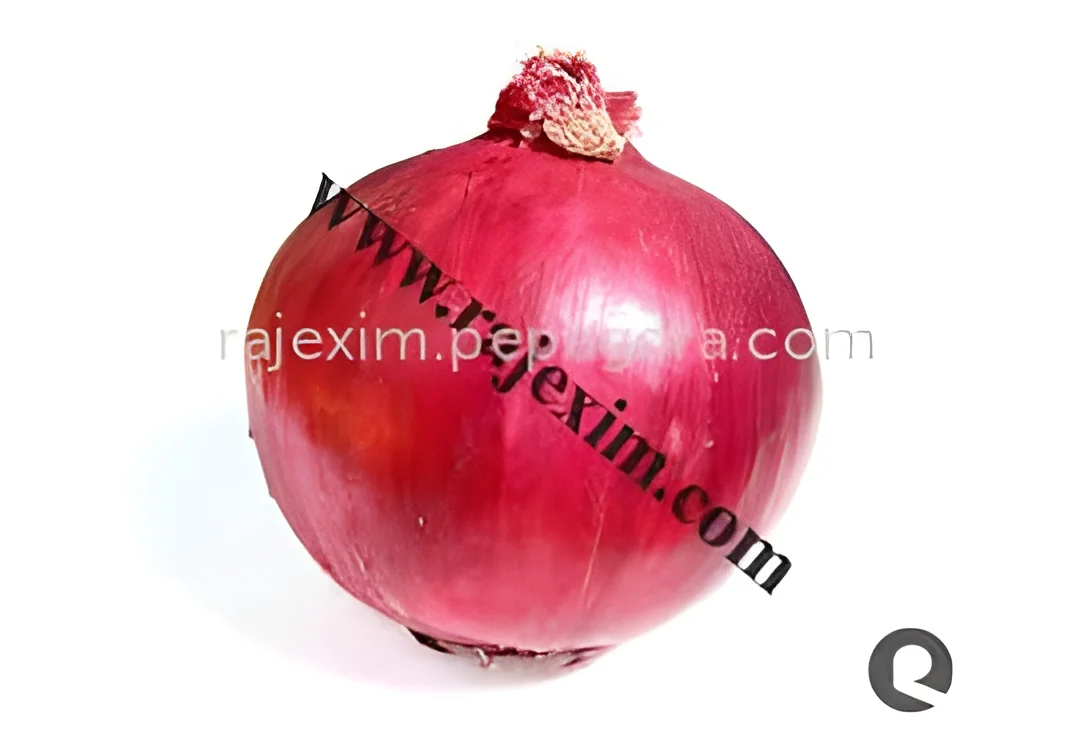
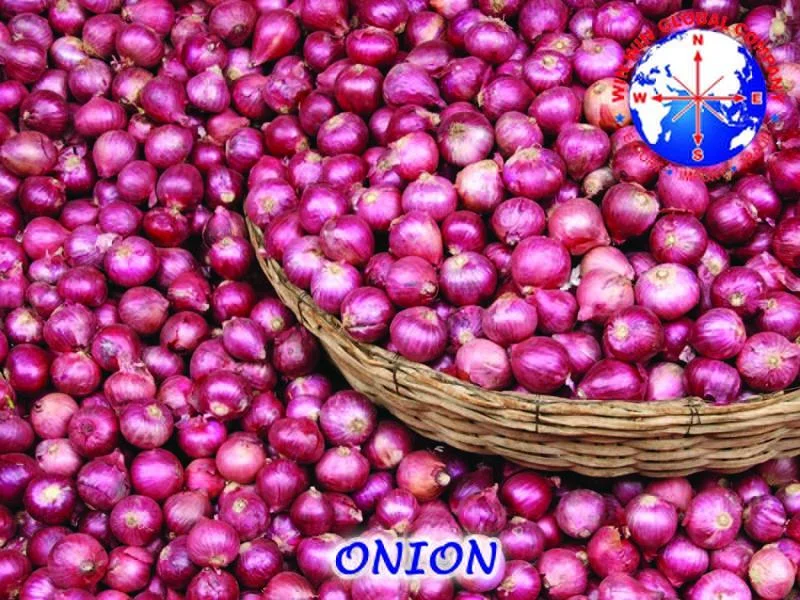
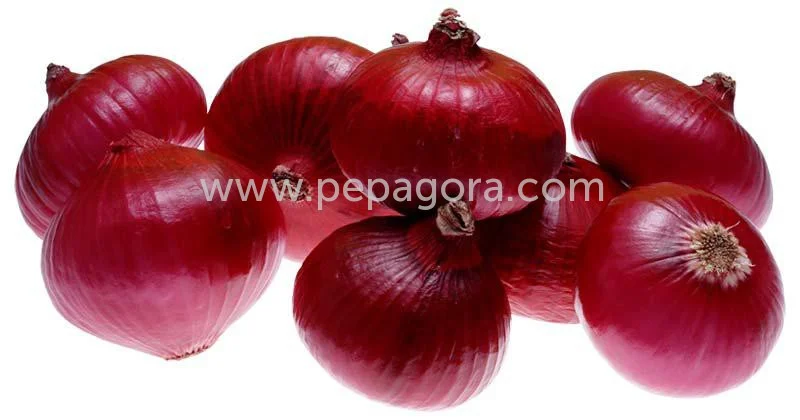
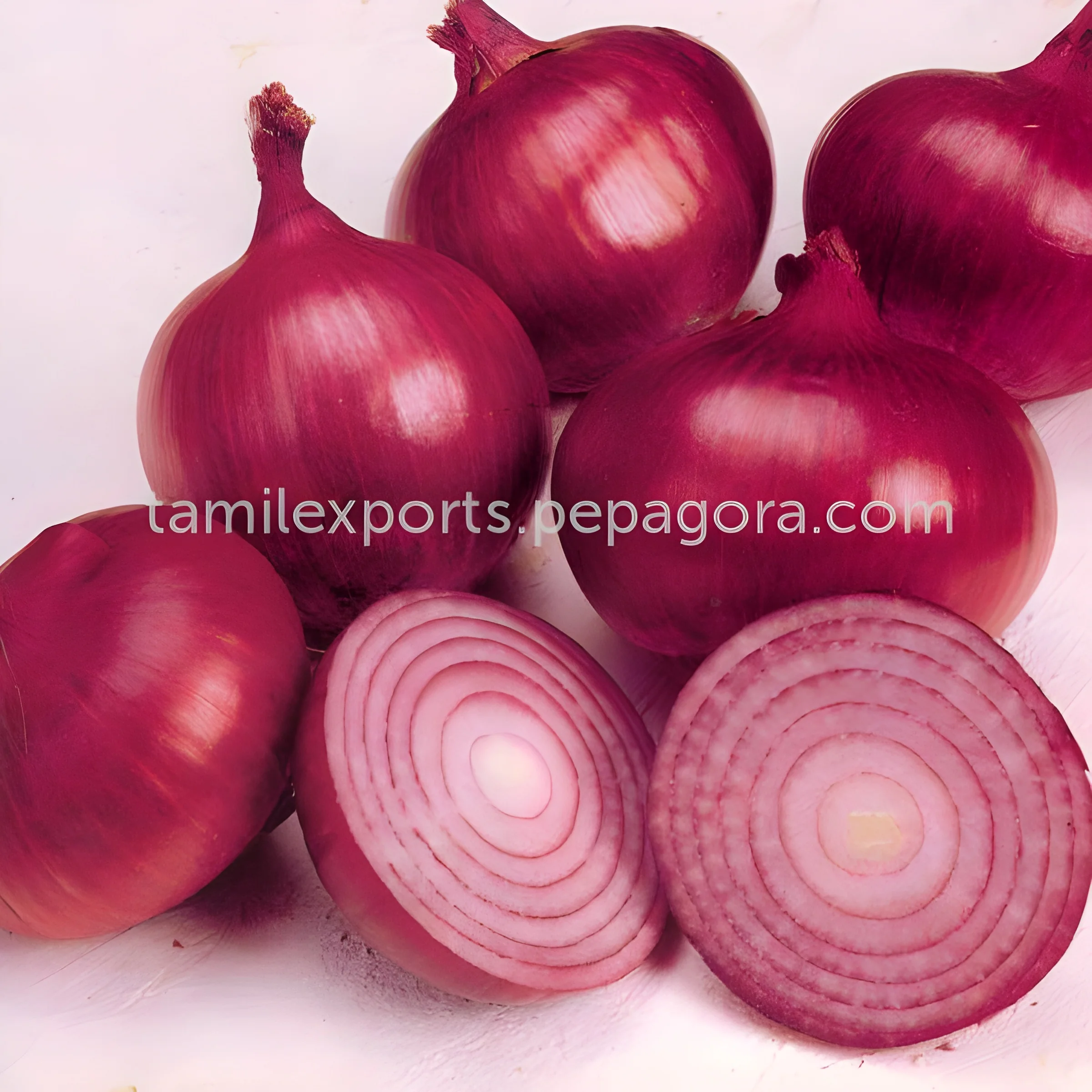
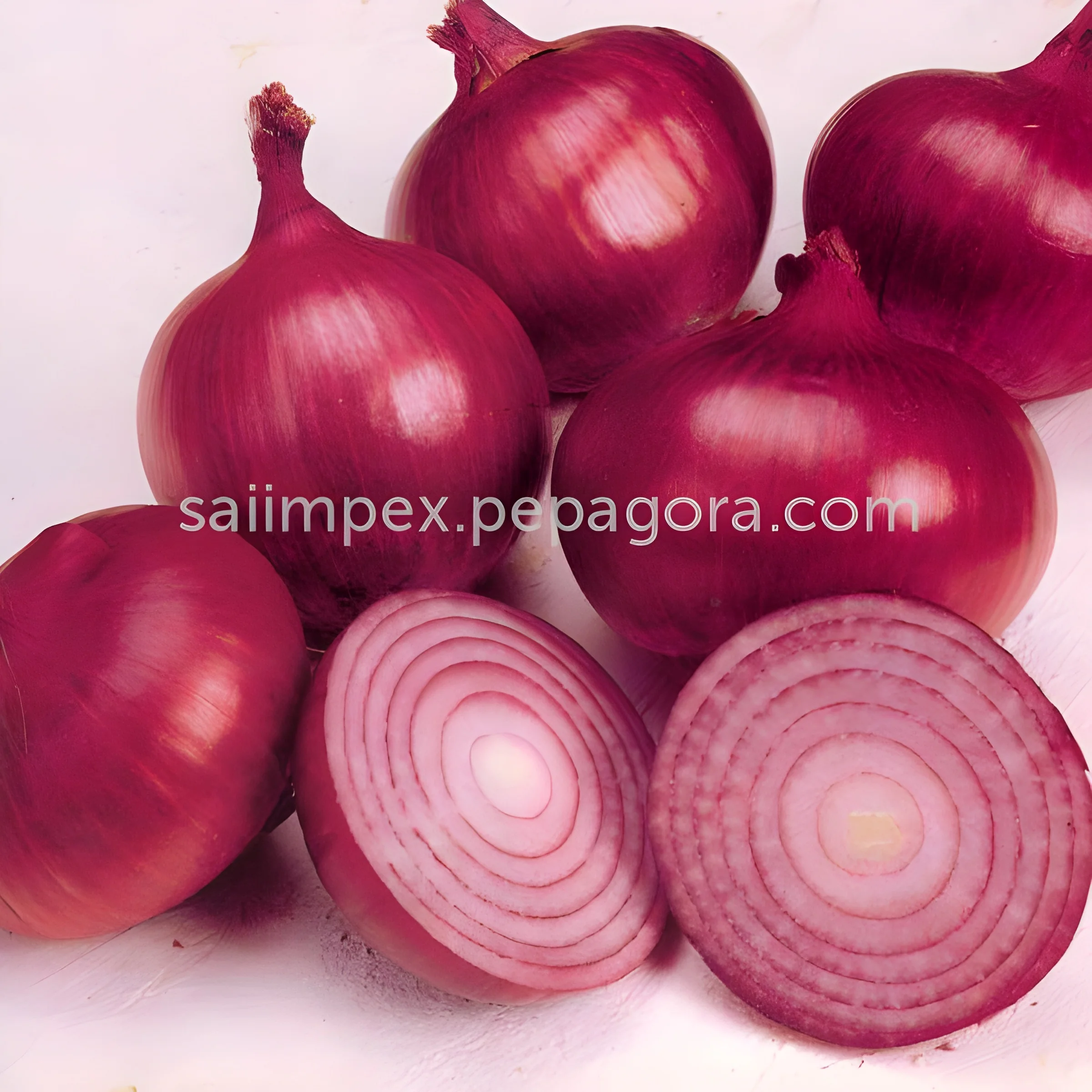
Red onions are known for their vibrant color and slightly sweeter taste. They are often used in salads, salsas, and garnishes, providing both flavor and visual appeal.
White Onions
White onions have a milder taste compared to yellow onions. They are typically used in Mexican cuisine and are favored for their crisp texture in salads.
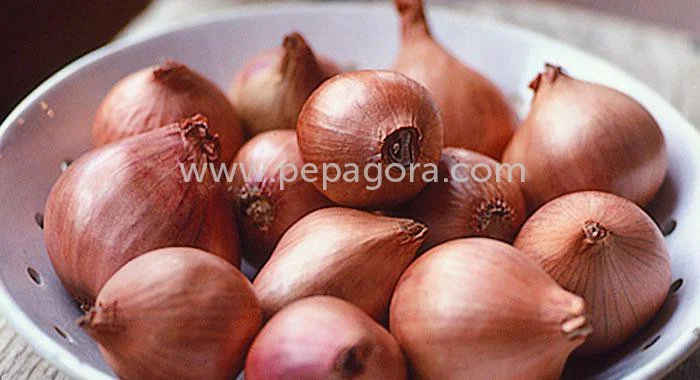
Shallots
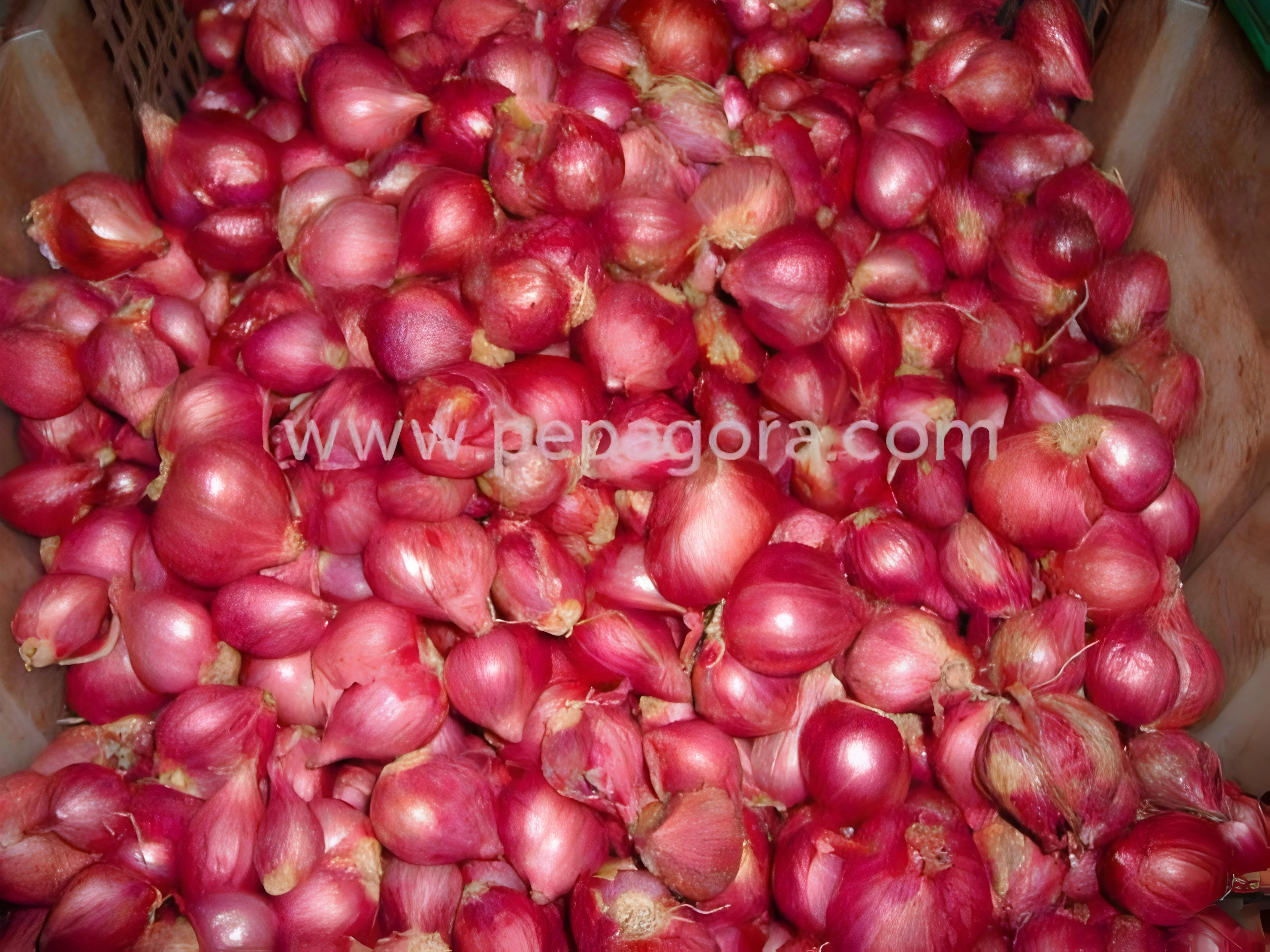
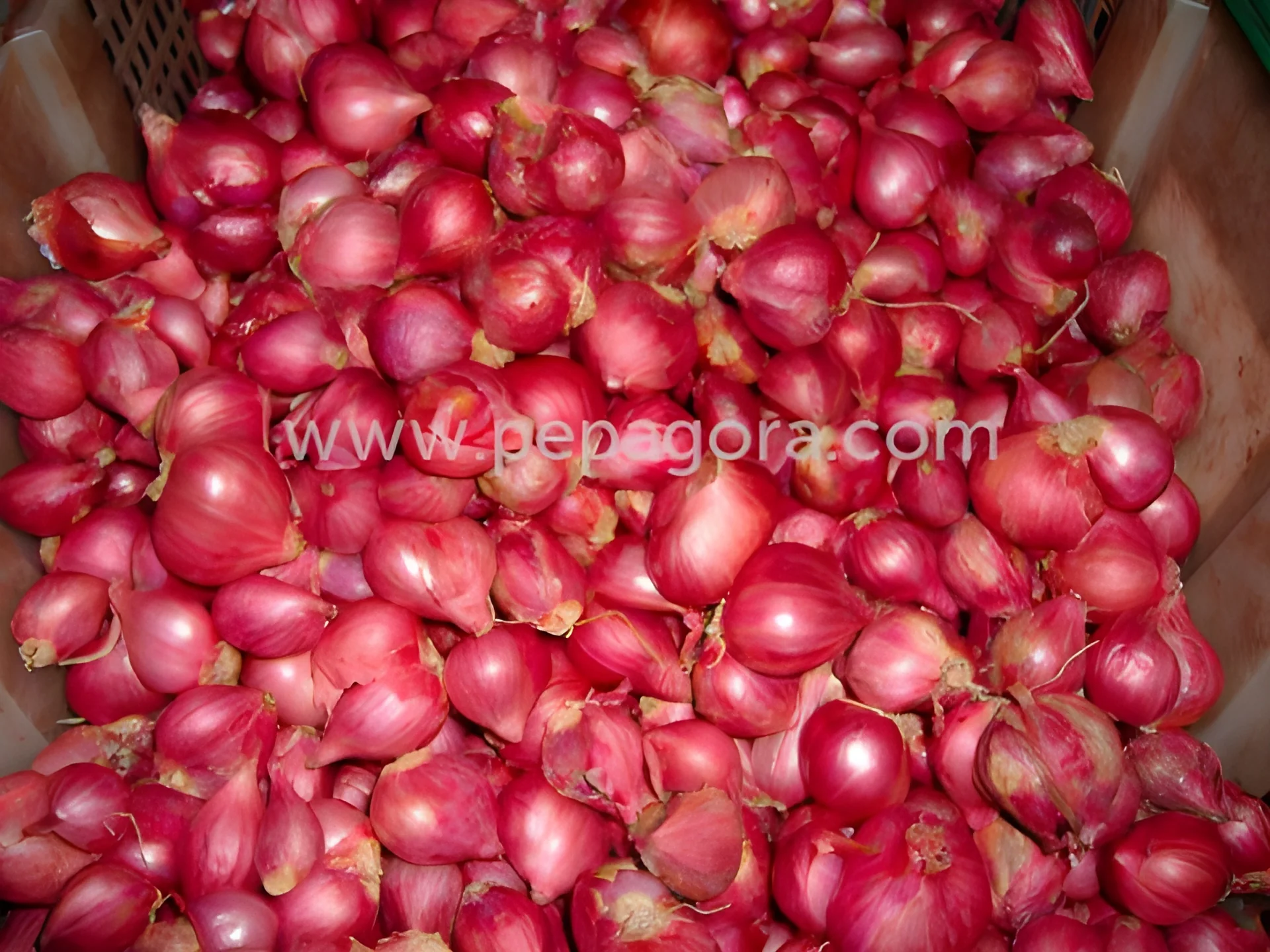
Shallots are a smaller, more delicate variety with a sweet flavor profile. They are often used in gourmet recipes and sauces, adding a subtle taste.
Green Onions
Green onions, or scallions, are used for their fresh flavor and garnish potential. They are commonly featured in salads and Asian dishes.
Benefits and Advantages
Sourcing organic onions offers several benefits that can enhance business operations and meet consumer expectations.
1. Health Benefits: Organic onions are free from synthetic chemicals, making them a healthier option for consumers. They are rich in antioxidants and vitamins.
2. Sustainable Sourcing: Choosing organic onions supports sustainable farming practices, contributing to environmental preservation. This appeal can enhance brand reputation.
3. Flavor Quality: Organic onions often have a superior taste compared to conventionally grown varieties, which can elevate culinary offerings and customer satisfaction.
4. Market Demand: The growing trend towards organic products means there is a higher demand for organic onions, creating potential for increased sales.
5. Versatility: Organic onions can be used in a wide range of dishes, making them a valuable ingredient for various culinary applications.
6. Consumer Trust: Offering organic products can build trust with consumers who prioritize health and sustainability in their purchasing decisions.
Buying Guide for B2B Buyers
When sourcing organic onions, it is essential to consider several key factors to ensure a successful purchase.
1. Quality Assessment: Buyers should evaluate the quality of organic onions based on size, color, and firmness. Inspecting samples can help gauge freshness and suitability.
2. Supplier Verification: It is important to vet suppliers to ensure they adhere to organic farming standards. Checking certifications and reputation is crucial for establishing reliable partnerships.
3. Pricing and MOQ: Understanding the pricing structure and minimum order quantities (MOQ) is vital for budgeting. Prices can vary based on quality and supply chain factors.
4. Delivery and Lead Times: Buyers should inquire about delivery schedules and lead times, as timely delivery is essential for maintaining inventory and meeting customer demands.
5. Compliance Requirements: Familiarity with regional compliance and certification requirements is necessary to ensure that the organic onions meet all necessary standards for sale.
Compliance and Certifications
Organic onions must adhere to various quality standards and certifications to ensure they meet market expectations. Relevant standards include ISO 9001, which focuses on quality management systems, and HACCP, which addresses food safety.
Industry certifications, such as CE, may also apply depending on the region and specific market requirements. Compliance with safety and testing regulations is essential to guarantee that organic onions are safe for consumption.
Additionally, regional compliance considerations can vary. Buyers should be aware of local regulations regarding organic produce to ensure that they are sourcing compliant products. This diligence helps in maintaining product integrity and consumer trust.
Why Source Organic Onions from Pepagora?
Pepagora provides a trusted platform for sourcing organic onions, offering several key advantages that benefit businesses.
Verified Supplier Network: Pepagora has a comprehensive network of suppliers who have been thoroughly vetted to ensure they comply with organic standards. This verification process gives buyers confidence in the quality of the products.
Streamlined RFQ Process: The request for quotation (RFQ) system simplifies the procurement process, allowing buyers to efficiently compare prices and terms from multiple suppliers. This feature helps in making informed purchasing decisions.
Trade Assurance and Support: Pepagora offers trade assurance, providing protection for buyers during transactions. This support helps to mitigate risks associated with sourcing organic products.
Regional Coverage: Pepagora has a wide geographic reach, catering to markets in India, the Gulf Cooperation Council (GCC), and Southeast Asia. This extensive coverage ensures that buyers can access organic onions from reliable sources in their respective regions.

 IN
IN