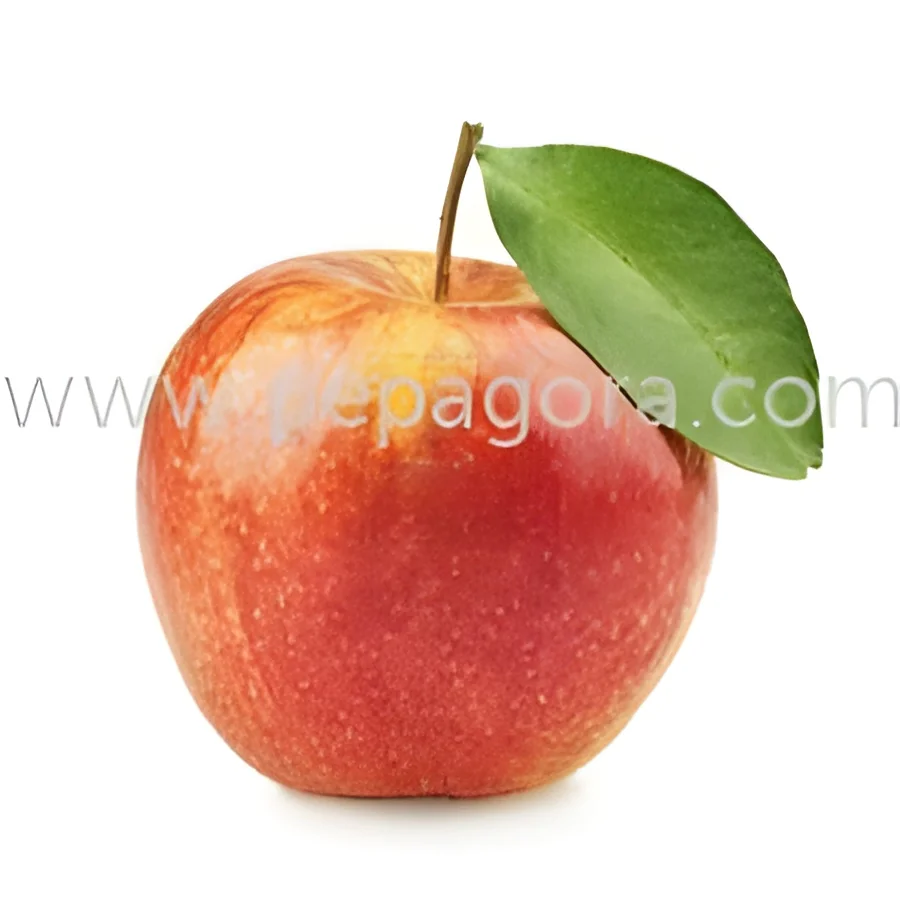
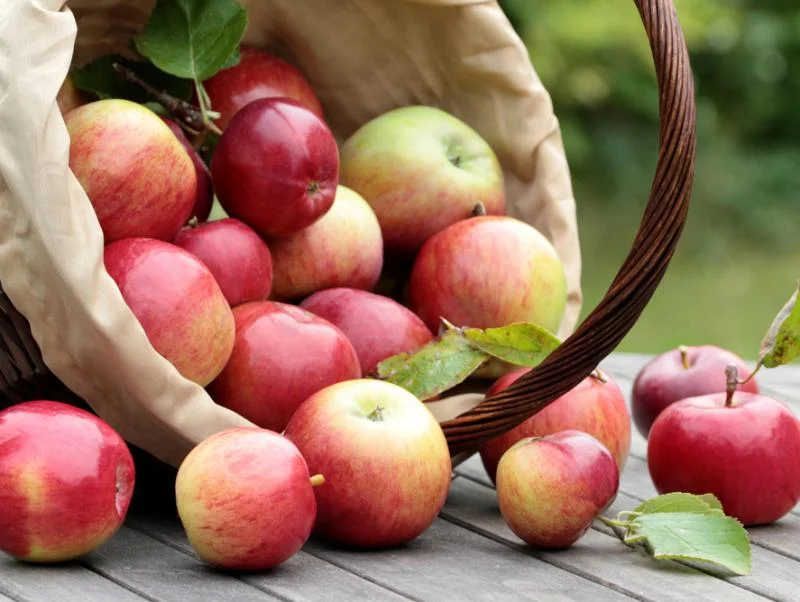
What are Organic Apples?
Organic apples are fruits grown without the use of synthetic fertilizers, pesticides, or herbicides. They are cultivated under strict guidelines that emphasize natural farming practices. This includes the use of organic compost and crop rotation to maintain soil health. The result is apples that are not only healthier for consumers but also more environmentally friendly.
These apples are primarily used in various sectors, including food service, retail, and food production. Businesses often incorporate organic apples into their offerings, such as fresh produce, juices, and baked goods. The demand for organic apples has grown significantly as more consumers seek healthier and sustainable food options. This has positioned organic apples as a key product in the broader organic food market, which continues to expand.
The industry relevance of organic apples is underscored by shifting consumer preferences towards organic and sustainable products. As awareness about health and environmental issues rises, organic apples have carved out a significant niche in the fruit market. This trend is reflected in both retail sales and food service operations, making organic apples a vital product for businesses aiming to meet consumer demand.
Key Features and Specifications
Organic apples are distinguished by several key features that set them apart from conventionally grown apples. Understanding these specifications is crucial for businesses looking to source high-quality organic apples.
Key specifications include:
1. Origin
- Typically sourced from certified organic farms
- Must meet organic standards set by regulatory bodies
2. Size
- Varies based on type, generally ranging from small (around 2 inches) to large (over 3 inches) in diameter
3. Color
- Available in various colors including red, green, and yellow depending on the variety
4. Taste
- Flavor profiles vary; generally sweeter and more aromatic than non-organic apples
5. Shelf Life
- Typically lasts 2-4 weeks when stored properly
- Best kept in a cool, dry place to maintain freshness
6. Packaging
- Usually sold in bulk or individually wrapped
- Packaging materials must comply with organic certification standards
7. Certification
- Must have certifications like CE to verify organic status
In summary, understanding these specifications can help businesses make informed decisions when sourcing organic apples.
Common Applications and Use Cases
Organic apples serve a diverse range of industries, making them a versatile product for B2B buyers.
1. Food and Beverage Industry: Organic apples are frequently used in juices, ciders, and smoothies, appealing to health-conscious consumers looking for natural ingredients.
2. Retail Grocery: Supermarkets and health food stores often stock organic apples as part of their fresh produce sections to cater to the increasing demand for organic products.
3. Food Service: Restaurants and cafes utilize organic apples in salads, desserts, and as garnishes, enhancing their menu offerings with healthier options.
4. Snack Manufacturing: Organic apples are processed into dried fruit snacks and apple sauces, providing a nutritious alternative for consumers seeking on-the-go options.
5. Health and Wellness Products: Organic apples are key ingredients in the formulation of health supplements and organic baby food products, meeting the needs of discerning parents.
Product Variants and Subcategories
Organic apples come in various varieties, each with distinct characteristics and applications.
Gala Apples
Gala apples are known for their sweet flavor and crisp texture. They are ideal for fresh eating and are often used in salads and desserts due to their appealing taste.
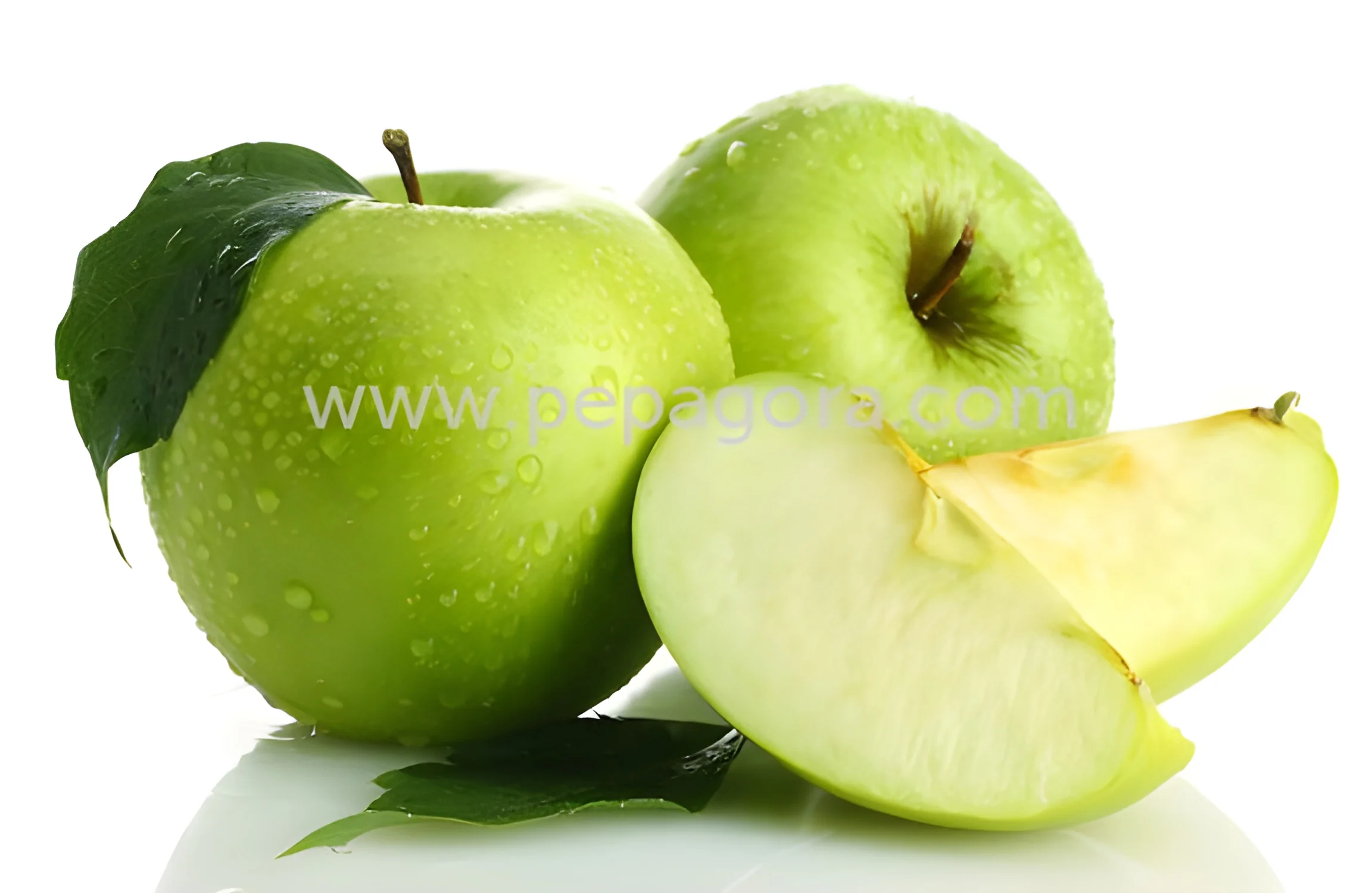
Granny Smith Apples
These apples are tart and firm, making them perfect for baking and cooking. Their high acidity balances well in pies and sauces, while also being a popular choice for juicing.
Fuji Apples
Fuji apples are sweet, juicy, and have a long shelf life. They are widely used in fresh produce markets and are also popular in snack manufacturing due to their flavor and texture.
Honeycrisp Apples
Renowned for their crispness and balanced sweetness, Honeycrisp apples are often favored in gourmet food applications and upscale grocery settings.
Benefits and Advantages
Sourcing organic apples offers a range of benefits for businesses looking to enhance their product offerings.
1. Health Benefits: Organic apples are free from synthetic pesticides and chemicals, making them a healthier choice for consumers.
2. Environmental Impact: Organic farming practices promote biodiversity and sustainability, contributing to a healthier ecosystem.
3. Consumer Demand: There is a growing market for organic products, enabling businesses to attract health-conscious customers.
4. Flavor Profile: Many consumers find organic apples to have a superior taste, which can enhance the appeal of food products.
5. Certification Advantage: Offering certified organic apples can differentiate products in a competitive market, adding value to the brand.
Buying Guide for B2B Buyers
When sourcing organic apples, businesses should consider several factors to ensure they make informed purchasing decisions.
1. Quality Assessment: Evaluate the freshness, appearance, and taste of organic apples. Look for certifications that confirm organic status and compliance with quality standards.
2. Supplier Verification: Conduct thorough research on potential suppliers. Ensure they have a proven track record of delivering high-quality organic produce.
3. Pricing and MOQ: Understand the pricing structure and minimum order quantities (MOQ). Compare quotes from multiple suppliers to find the best value.
4. Delivery and Lead Times: Inquire about logistics, including delivery schedules and lead times. Timely delivery is crucial for maintaining product freshness.
5. Compliance Requirements: Familiarize yourself with any regional regulations pertaining to organic products. Ensure that suppliers comply with necessary certifications and standards.
Compliance and Certifications
Organic apples must meet specific quality standards and certifications to ensure they are safe and suitable for consumption.
Relevant quality standards include ISO 9001, which outlines requirements for a quality management system, and HACCP, focusing on food safety. These standards help ensure that organic apples are grown, harvested, and processed in a safe manner.
Industry certifications such as CE indicate that the products meet European safety standards. Compliance with these certifications is crucial for market acceptance and consumer trust.
Additionally, safety and testing requirements are often enforced to ensure the absence of harmful substances. Regional compliance considerations may vary, necessitating an understanding of local regulations governing organic produce.
Why Source Organic Apples from Pepagora?
Pepagora provides a trusted platform for sourcing organic apples, offering several key advantages to buyers.
Verified Supplier Network: Pepagora connects businesses with a network of verified suppliers who meet stringent organic certification requirements. This ensures high-quality products that comply with industry standards.
Streamlined RFQ Process: The platform simplifies the request for quotation process, allowing buyers to compare multiple offers quickly and efficiently. This helps in making informed purchasing decisions.
Trade Assurance and Support: Pepagora offers trade assurance to protect buyers, ensuring that transactions are secure and reliable. This added layer of security builds buyer confidence.
Regional Coverage: With extensive reach across India, the GCC, and Southeast Asia, Pepagora ensures that businesses can access organic apples from reliable sources in their region, facilitating efficient supply chain management.

 IN
IN