What are Organic Pulses & Lentils?
Organic pulses and lentils are plant-based foods that are cultivated without synthetic pesticides or fertilizers. They belong to the legume family and are known for their high nutritional value, including protein, fiber, and essential vitamins and minerals. These foods contribute significantly to sustainable agriculture and promote healthy eating habits.
In the business context, organic pulses and lentils are widely used in the food industry for various applications, including cooking, food processing, and ingredient manufacturing. They are popular among health-conscious consumers and are often featured in vegetarian and vegan diets. The market for organic pulses and lentils has been growing steadily, driven by the increasing demand for plant-based proteins and sustainable food sources.
The relevance of organic pulses and lentils in the industry cannot be overstated. As consumers become more aware of health and environmental issues, there is a rising trend towards organic and ethically sourced products. This shift presents opportunities for businesses to engage with a growing customer base that prioritizes sustainability and health in their purchasing decisions.
Key Features and Specifications
Organic pulses and lentils come with a variety of key features that make them suitable for diverse applications. These specifications ensure that buyers receive high-quality products that meet their needs.
Key specifications include:
1. Nutritional Content
- High in protein and dietary fiber
- Rich in vitamins and minerals such as iron, magnesium, and folate
2. Organic Certification
- Certified organic by recognized bodies
- Compliance with organic farming standards
3. Moisture Content
- Typically ranges from 10% to 12%
- Essential for maintaining shelf life and preventing spoilage
4. Color and Variety
- Available in multiple colors such as green, red, and black
- Different varieties offer unique flavors and textures
5. Packaging Options
- Available in bulk or retail packaging
- Packaging materials are often eco-friendly
6. Shelf Life
- Generally has a shelf life of 1 to 2 years when stored properly
- Requires cool and dry storage conditions
7. Origin and Traceability
- Sourced from certified organic farms
- Traceable supply chain to ensure quality
8. Allergen Information
- Naturally gluten-free
- Typically free from common allergens
Organic pulses and lentils are essential ingredients for various food products, and their specifications cater to the needs of manufacturers and end-users alike.
Common Applications and Use Cases
Organic pulses and lentils serve various industries, showcasing their versatility and adaptability in numerous applications.
1. Food Processing: Organic pulses and lentils are used as primary ingredients in soups, stews, and ready-to-eat meals. Their high protein content makes them an excellent meat substitute.
2. Snack Foods: They are often processed into snacks like lentil chips and roasted pulses, appealing to health-conscious consumers seeking nutritious snack options.
3. Animal Feed: Certain types of organic pulses can be included in animal feed formulations, contributing to a balanced diet for livestock.
4. Nutritional Supplements: Organic lentils are used in various dietary supplements due to their high nutrient density and health benefits.
5. Bakery Products: Pulses and lentils are increasingly incorporated into gluten-free and high-protein baked goods, meeting the demands of specific dietary needs.
6. Catering and Restaurant Services: Many restaurants are sourcing organic pulses and lentils to create innovative dishes that cater to vegan and vegetarian customers.
7. Export and International Trade: There is a growing market for organic pulses and lentils in international markets, driven by increasing global demand for organic products.
Product Variants and Subcategories
Organic pulses and lentils come in various forms, allowing businesses to choose the best fit for their applications.
Green Lentils: Known for their firm texture and peppery flavor, green lentils are often used in salads and side dishes. They hold their shape well during cooking, making them ideal for food processing.
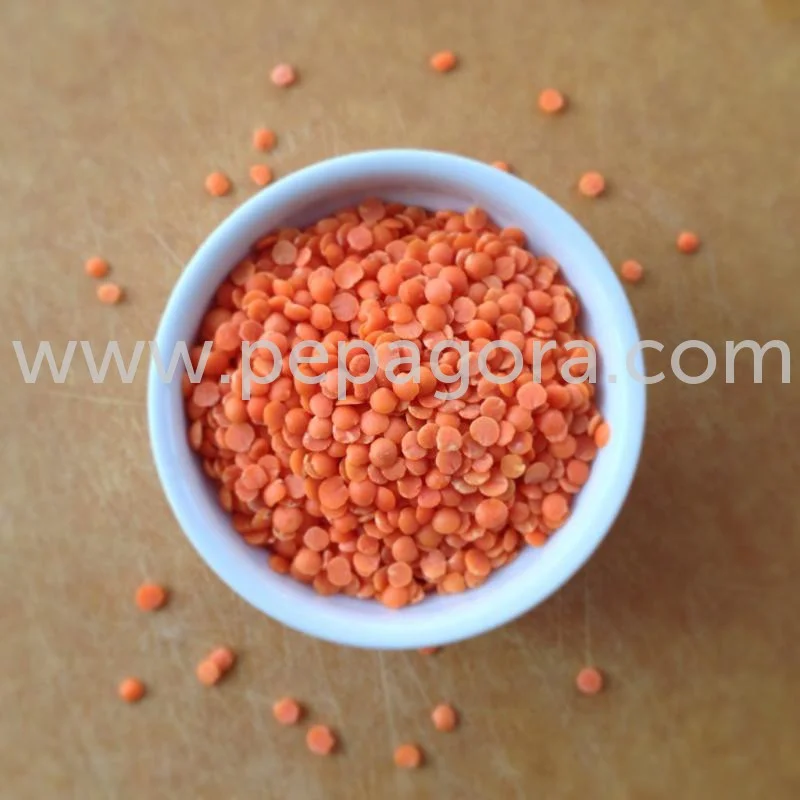
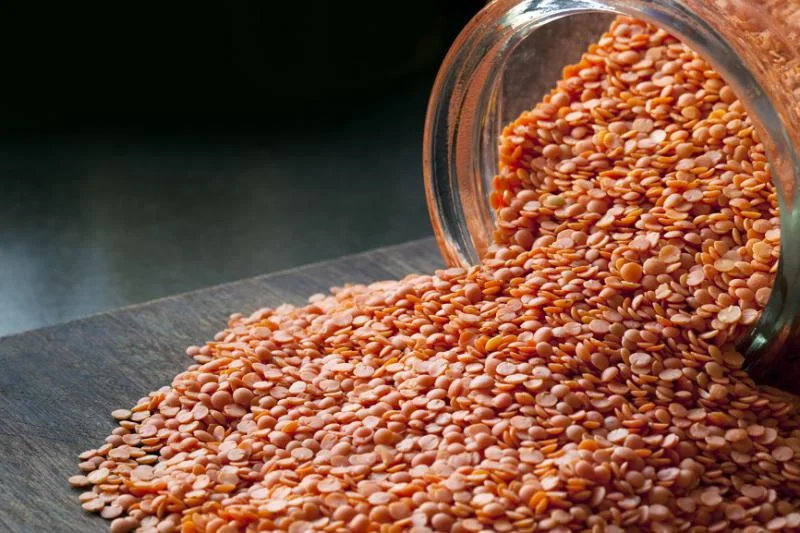
Red Lentils: These lentils cook quickly and break down easily, making them perfect for soups and purees. Their mild flavor complements a variety of dishes.
Black Beans: Although not technically a lentil, black beans are a popular organic pulse known for their high protein content and versatility. They are used in salads, burritos, and as a meat substitute.
Chickpeas: Also known as garbanzo beans, chickpeas are another essential organic pulse. They can be used in salads, hummus, and various Middle Eastern dishes.
Pigeon Peas: These are used in traditional cuisines worldwide, providing a unique flavor and texture. They are often found in curries and rice dishes.
Benefits and Advantages
Sourcing organic pulses and lentils offers several key benefits to businesses.
1. Health Benefits: These products are rich in protein, fiber, and essential nutrients, making them a healthy choice for consumers.
2. Sustainability: Organic farming practices promote environmental sustainability, reducing the use of harmful chemicals and supporting biodiversity.
3. Versatility: Organic pulses and lentils can be used in a wide range of culinary applications, appealing to diverse consumer preferences.
4. Market Demand: The growing trend towards plant-based diets and organic products creates strong market demand for organic pulses and lentils.
5. Cost-Effectiveness: While organic products may have a higher initial cost, they can provide long-term savings by attracting health-conscious consumers willing to pay a premium.
6. Allergen-Friendly: Organic pulses and lentils are naturally gluten-free and safe for individuals with certain dietary restrictions.
Buying Guide for B2B Buyers
When sourcing organic pulses and lentils, businesses should consider several important factors to ensure they make informed purchasing decisions.
1. Quality Assessment: Ensure that the products meet specific quality standards, including taste, texture, and nutritional content. Request samples before placing bulk orders.
2. Supplier Verification: Vet suppliers by checking certifications and reviews. Look for suppliers with a track record of reliability and quality assurance.
3. Pricing and MOQ: Understand pricing structures and minimum order quantities. Compare prices among different suppliers to get the best deal without compromising quality.
4. Delivery and Lead Times: Confirm delivery schedules and lead times. Timely delivery is crucial for maintaining production schedules.
5. Compliance Requirements: Be aware of regulations and certifications required in your region. Ensure that the products comply with industry standards for organic products.
Compliance and Certifications
Organic pulses and lentils must adhere to various quality standards and certifications to ensure their safety and reliability in the market.
Relevant quality standards include ISO 9001, which ensures consistent quality management systems, and HACCP, which focuses on food safety. These standards help businesses maintain high-quality products throughout their supply chain.
Industry certifications such as UL and CE indicate compliance with safety and performance requirements. These certifications enhance buyer confidence and facilitate market access.
Safety and testing requirements are vital in ensuring that organic pulses and lentils are free from contaminants and meet health standards. Regular testing and quality checks should be part of the supply chain process.
Regional compliance considerations are essential, as different countries may have varying regulations regarding organic labeling and product safety. Buyers should be familiar with these requirements to avoid issues during importation or distribution.
Why Source Organic Pulses & Lentils from Pepagora?
Pepagora provides a trusted platform for sourcing organic pulses and lentils, offering several key advantages that enhance the purchasing experience.
Verified Supplier Network: Pepagora connects buyers with a network of vetted suppliers who meet stringent quality and certification requirements. This ensures that businesses receive high-quality products consistently.
Streamlined RFQ Process: The platform features an efficient request for quotation (RFQ) system that simplifies the procurement process. Buyers can easily compare offers from multiple suppliers to find the best deals.
Trade Assurance and Support: Pepagora offers trade assurance to protect buyers against potential issues such as delays or product quality concerns. This builds confidence in transactions and promotes a secure purchasing environment.
Regional Coverage: With a strong presence in India, the GCC, and Southeast Asia, Pepagora provides access to a diverse range of organic pulses and lentils. This regional coverage facilitates timely deliveries and supports local sourcing initiatives.

 IN
IN