Key Features and Specifications
Organic citrus fruits, including oranges and lemons, boast several key features that make them favorable for various applications. These specifications are critical for businesses looking to source high-quality products.
Key specifications include:
1. Freshness
- Fruits should be harvested at peak ripeness to ensure optimal flavor and nutritional value.
- Ideal storage conditions include low temperatures and controlled humidity to extend shelf life.
2. Sizing
- Standard size ranges for oranges and lemons vary, affecting packaging and pricing.
- Common size categories include small, medium, and large, depending on market requirements.
3. Organic Certification
- Fruits must be certified organic by recognized bodies to ensure compliance with organic standards.
- This certification provides assurance to buyers regarding the absence of synthetic chemicals.
4. Color and Appearance
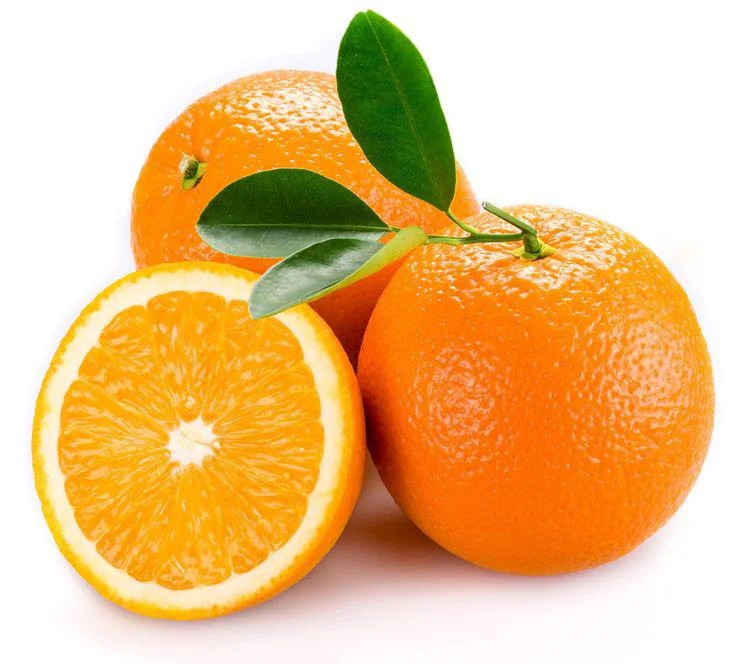
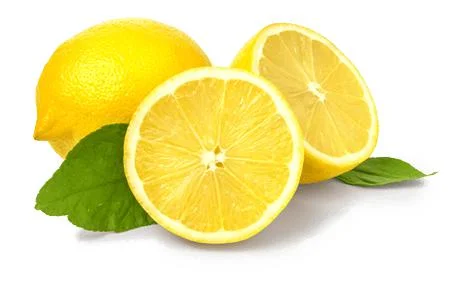
- High-quality oranges should be vibrant in color with smooth skin, while lemons should have a bright yellow hue.
- Any blemishes or discolorations may indicate lower quality.
5. Taste Profile
- Oranges should have a sweet, juicy flavor, while lemons should be pleasantly tart.
- Taste tests may be conducted to assess quality before purchase.
6. Shelf Life
- Organic citrus fruits generally have a shelf life of 2-4 weeks when stored properly.
- Factors such as temperature and humidity control significantly impact longevity.
7. Packaging
- Fruits should be packaged in breathable materials to prevent moisture build-up.
- Eco-friendly packaging options are increasingly preferred in the organic market.
This summary highlights the essential features and specifications that B2B buyers should consider when sourcing organic citrus fruits.
Common Applications and Use Cases
Organic citrus fruits are utilized across diverse industries due to their versatility and health benefits.
1. Food and Beverage: Organic oranges and lemons are widely used in juices, smoothies, and as flavorings in various dishes. Their natural sweetness and acidity enhance culinary creations, making them popular in restaurants and food processing.
2. Cosmetics and Personal Care: Citrus extracts are commonly found in skincare products for their antioxidant properties. They are used in creams, lotions, and facial cleansers, appealing to consumers looking for natural beauty solutions.
3. Pharmaceutical: Organic citrus fruits are rich in vitamin C and other beneficial compounds. They are often included in dietary supplements and health products aimed at boosting immunity and overall wellness.
4. Hospitality: Hotels and restaurants use organic citrus fruits as garnishes, in cocktails, and in their culinary offerings. The appeal of organic produce attracts health-conscious customers.
5. Retail: Supermarkets and grocery stores increasingly stock organic citrus fruits to meet consumer demand for organic options. Attractive packaging and quality assurance lead to higher sales.
6. Agriculture: Organic citrus fruits can also be used as cover crops and in crop rotation to enhance soil health and promote biodiversity on farms.
7. Export: With a growing global market for organic produce, exporting organic citrus fruits presents opportunities for businesses looking to expand their reach.
Product Variants and Subcategories
The diversity of organic citrus fruits allows for various product offerings, each catering to different consumer needs and preferences.
Navel Oranges
Navel oranges are seedless and known for their sweet flavor and easy peeling. They are popular for juicing and snacking, making them a favorite choice among consumers.
Lemons
Organic lemons are prized for their tartness and versatility. They are commonly used for flavoring, in beverages, and for culinary applications, as well as in natural cleaning products.
Blood Oranges
Blood oranges are distinguished by their deep red flesh and unique flavor profile. They are often used in gourmet dishes and upscale beverages, appealing to food enthusiasts.
Mandarins
Mandarins are smaller and sweeter than regular oranges, making them ideal for snacking. Their easy-to-peel skin and segmented structure make them a popular choice for children.
Tangerines
Tangerines are another small citrus variety known for their sweet taste and aroma. They are often marketed as a healthy snack option, particularly for families.
Benefits and Advantages
Sourcing organic citrus fruits offers numerous benefits to businesses looking to enhance their product offerings.
1. Health Benefits: Organic citrus fruits are free from synthetic pesticides and chemical fertilizers, making them a healthier choice for consumers.
2. Market Demand: The increasing consumer preference for organic products provides an opportunity for businesses to tap into a lucrative market segment.
3. Taste and Quality: Organic fruits often have superior taste and freshness, which can enhance product quality and customer satisfaction.
4. Sustainability: Sourcing organic produce aligns with sustainable practices, promoting environmental health and biodiversity.
5. Brand Loyalty: Offering organic options can strengthen brand loyalty among health-conscious consumers, leading to repeat business.
6. Compliance with Regulations: Sourcing certified organic fruits ensures compliance with health regulations, mitigating risks associated with food safety.
Buying Guide for B2B Buyers
When sourcing organic citrus fruits (oranges, lemons), buyers should consider several important factors to ensure quality and suitability for their needs.
1. Quality Assessment: Evaluate the freshness, appearance, and taste of the fruits. Consider conducting taste tests and visual inspections to ensure high quality.
2. Supplier Verification: Vet suppliers to confirm their certification status and track record. Look for suppliers with positive reviews and reliable sourcing practices.
3. Pricing and MOQ: Understand the market pricing for organic citrus fruits and inquire about minimum order quantities. Ensure the pricing aligns with your budget and business needs.
4. Delivery and Lead Times: Discuss logistics with suppliers, including delivery options and lead times. Timely delivery is crucial for maintaining product quality.
5. Compliance Requirements: Ensure that suppliers meet all regulatory and certification requirements for organic products. This may include certifications such as CE and adherence to local regulations.
Compliance and Certifications
Organic citrus fruits must adhere to various quality standards and certifications that ensure safety and integrity in the market.
ISO 9001 is a widely recognized standard for quality management that can apply to suppliers of organic citrus fruits. It emphasizes consistency in delivering quality products and services.
HACCP (Hazard Analysis and Critical Control Points) is another important standard, focusing on food safety and proper handling practices in the supply chain. Compliance with HACCP helps identify and mitigate risks associated with food safety.
CE certification is crucial for products marketed in certain regions, ensuring that they meet essential health and safety requirements. This certification is particularly relevant for imported organic citrus fruits.
Safety and testing requirements may vary by region, but they generally include pesticide residue testing and quality assurance checks. Regional compliance considerations should also be taken into account, as different markets may have specific regulations governing organic produce.
Why Source Organic Citrus Fruits (Oranges, Lemons) from Pepagora?
Pepagora provides a trusted platform for sourcing organic citrus fruits, offering distinct advantages for B2B buyers.
Verified Supplier Network: Pepagora connects buyers with a network of verified suppliers who meet stringent quality and certification requirements. This ensures that businesses can source high-quality organic citrus fruits with confidence.
Streamlined RFQ Process: The request for quotation (RFQ) process is designed to be efficient and user-friendly, allowing buyers to quickly receive competitive quotes from multiple suppliers, facilitating informed decision-making.
Trade Assurance and Support: Pepagora offers trade assurance and buyer protection, providing peace of mind during transactions. This support helps mitigate risks associated with sourcing and purchasing.
Regional Coverage: With a strong presence in India, the GCC, and Southeast Asia, Pepagora ensures broad geographic coverage for sourcing organic citrus fruits. This allows businesses to tap into diverse markets and meet regional consumer demands effectively.

 IN
IN