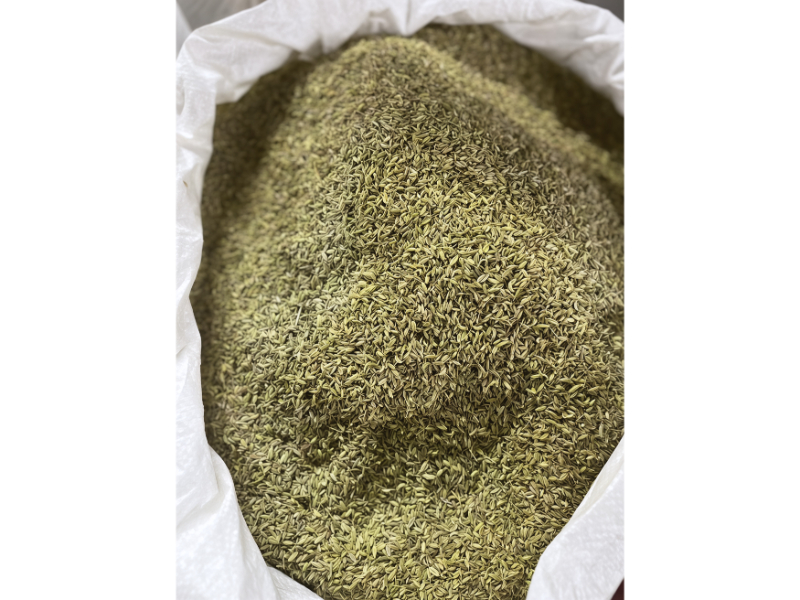
Key Features and Specifications
Organic leafy greens, specifically spinach and amaranth, come with various features that enhance their appeal in the commercial market. These specifications are crucial for businesses looking to source high-quality products.
Key specifications include:
1. Nutritional Content
- Spinach is rich in iron, calcium, and vitamins A, C, and K.
- Amaranth is high in protein and contains essential amino acids.
2. Cultivation Method
- Both types are grown organically, adhering to strict agricultural guidelines.
- No use of synthetic pesticides or fertilizers during the growth process.
3. Harvesting and Processing
- Hand-harvested to ensure quality and minimize damage.
- Processed in facilities that meet hygiene standards.
4. Shelf Life
- Typically, both spinach and amaranth have a shelf life of 5 to 7 days when stored properly.
- Refrigeration helps extend freshness.
5. Packaging
- Available in bulk or retail packaging options.
- Eco-friendly packaging solutions are preferred.
6. Flavor Profile
- Spinach has a mild taste, suitable for salads and cooking.
- Amaranth has a slightly nutty flavor, often used in various cuisines.
7. Market Availability
- Sourced throughout the year, with peak seasons varying by region.
In summary, the key features and specifications of organic leafy greens highlight their nutritional benefits, cultivation methods, and market availability, making them an attractive choice for B2B buyers.
Common Applications and Use Cases
Organic leafy greens serve multiple industries and can be adapted for various applications.
1. Food Service Industry: Restaurants use organic spinach and amaranth in salads, smoothies, and cooked dishes, enhancing their menus with healthy options.
2. Retail Grocery: Supermarkets stock organic leafy greens to cater to health-conscious consumers, positioning themselves as providers of fresh, organic produce.
3. Health and Wellness: Health food stores incorporate these greens into dietary supplements or meal plans, emphasizing their nutritional benefits.
4. Catering Services: Catering companies offer dishes featuring organic greens, appealing to clients looking for sustainable and nutritious meal options.
5. Meal Kit Providers: Companies that deliver meal kits often include organic leafy greens, promoting convenience and healthy eating.
6. Smoothie and Juice Bars: These establishments use spinach and amaranth in various blends, taking advantage of their health benefits.
7. Agricultural Research: Institutions study these greens for their growth patterns and nutritional content, contributing to sustainable agricultural practices.
Product Variants and Subcategories
Organic leafy greens come in diverse varieties, each with unique characteristics and applications.
Spinach
This leafy green is popular for its versatility. It can be consumed raw in salads or cooked in a variety of dishes. Spinach is favored for its high iron content and is widely used in both home and commercial kitchens.
Amaranth
Amaranth is often less recognized but is gaining popularity for its nutritional profile. It is rich in protein and is used in various dishes across different cultures. Amaranth leaves can be sautéed or added to soups, providing both flavor and health benefits.
Benefits and Advantages
Sourcing organic leafy greens provides numerous benefits for businesses in the food sector.
1. Health Benefits: Organic leafy greens are packed with vitamins and minerals, appealing to health-conscious consumers seeking nutritious options.
2. Sustainable Sourcing: By choosing organic products, businesses support sustainable farming practices that benefit the environment.
3. Market Demand: The increasing consumer preference for organic produce presents opportunities for growth in the B2B market.
4. Superior Flavor: Organic greens often have a fresher taste compared to conventionally grown varieties, enhancing the overall quality of dishes.
5. Brand Reputation: Offering organic options can elevate a business's reputation as a provider of quality and healthy food choices.
6. Compliance with Dietary Trends: Sourcing organic leafy greens aligns with trends such as veganism and clean eating, meeting diverse customer needs.
Buying Guide for B2B Buyers
When sourcing organic leafy greens, businesses should consider several key factors to ensure they make informed decisions.
1. Quality Assessment: Evaluate the nutritional content and freshness of the greens. Request samples to assess taste and texture before making bulk purchases.
2. Supplier Verification: Research potential suppliers to ensure they adhere to organic certification standards. Check their reputation and customer reviews.
3. Pricing and MOQ: Understand the pricing structure and minimum order quantities to optimize purchasing costs. Compare prices among different suppliers to find value.
4. Delivery and Lead Times: Confirm delivery schedules and lead times to ensure timely availability of products. Discuss logistics to prevent disruptions.
5. Compliance Requirements: Familiarize yourself with local and international regulations regarding organic products to avoid compliance issues and ensure quality.
Compliance and Certifications
Organic leafy greens such as spinach and amaranth must adhere to various quality standards and certifications to ensure their safety and reliability in the marketplace.
Relevant quality standards include ISO 9001, which outlines requirements for quality management systems, ensuring that products meet customer expectations. HACCP (Hazard Analysis and Critical Control Points) is crucial in food safety, identifying and managing potential hazards in the production process. Additionally, Good Distribution Practices (GDP) ensure that products are stored and transported under appropriate conditions.
Industry certifications like CE signify compliance with European safety standards, reinforcing consumer confidence in organic products. Safety and testing requirements are critical for verifying the absence of harmful substances, ensuring that organic leafy greens meet health guidelines.
Regional compliance considerations may vary; thus, it is essential for businesses to stay informed about specific regulations in their target markets to maintain compliance and uphold product integrity.
Why Source Organic Leafy Greens (Spinach, Amaranth) from Pepagora?
Pepagora offers a reliable platform for sourcing organic leafy greens, ensuring businesses receive high-quality products from verified suppliers.
Verified Supplier Network: Pepagora has established a network of trusted suppliers who adhere to organic standards. This verification process gives buyers confidence in the quality and authenticity of the products.
Streamlined RFQ Process: The request for quotation (RFQ) process on Pepagora is designed to be efficient, allowing buyers to quickly receive and compare quotes from multiple suppliers, simplifying decision-making.
Trade Assurance and Support: Buyers are protected through trade assurance measures that safeguard transactions. Pepagora provides support throughout the purchasing process, ensuring a smooth experience.
Regional Coverage: With a strong geographic reach across India, the GCC, and Southeast Asia, Pepagora connects buyers with suppliers in these regions, facilitating easy access to organic leafy greens.
In conclusion, Pepagora stands out as a valuable resource for businesses seeking organic leafy greens, combining quality assurance with a user-friendly sourcing experience.

 IN
IN