What are Organic Bell Peppers?
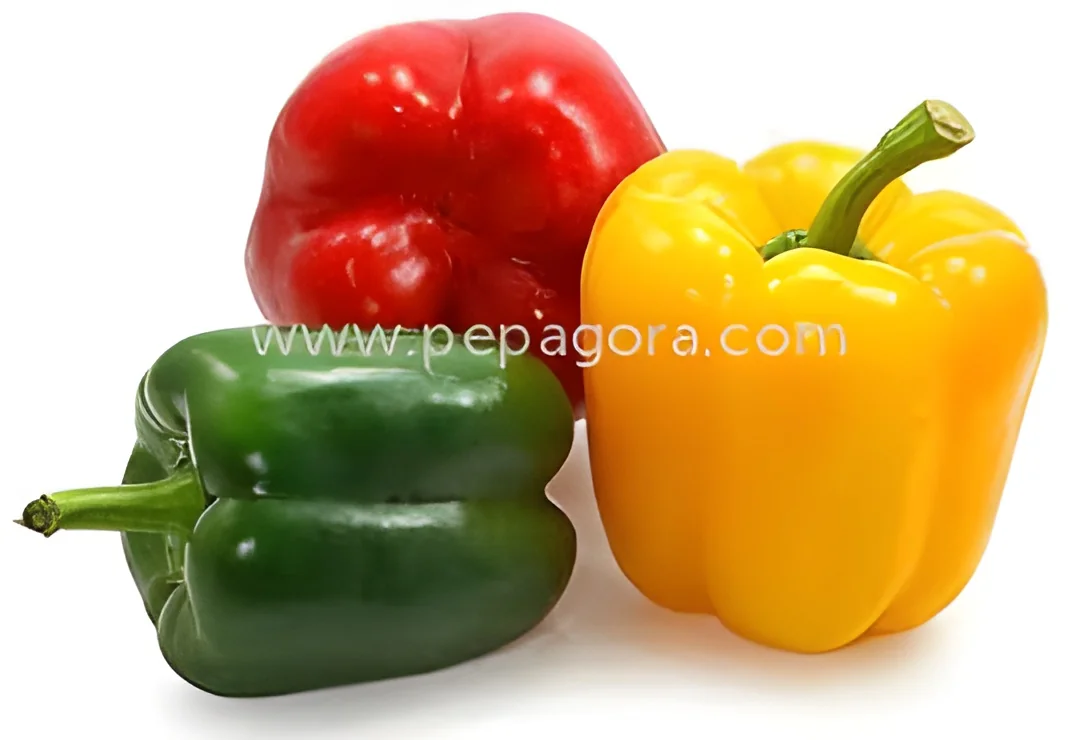
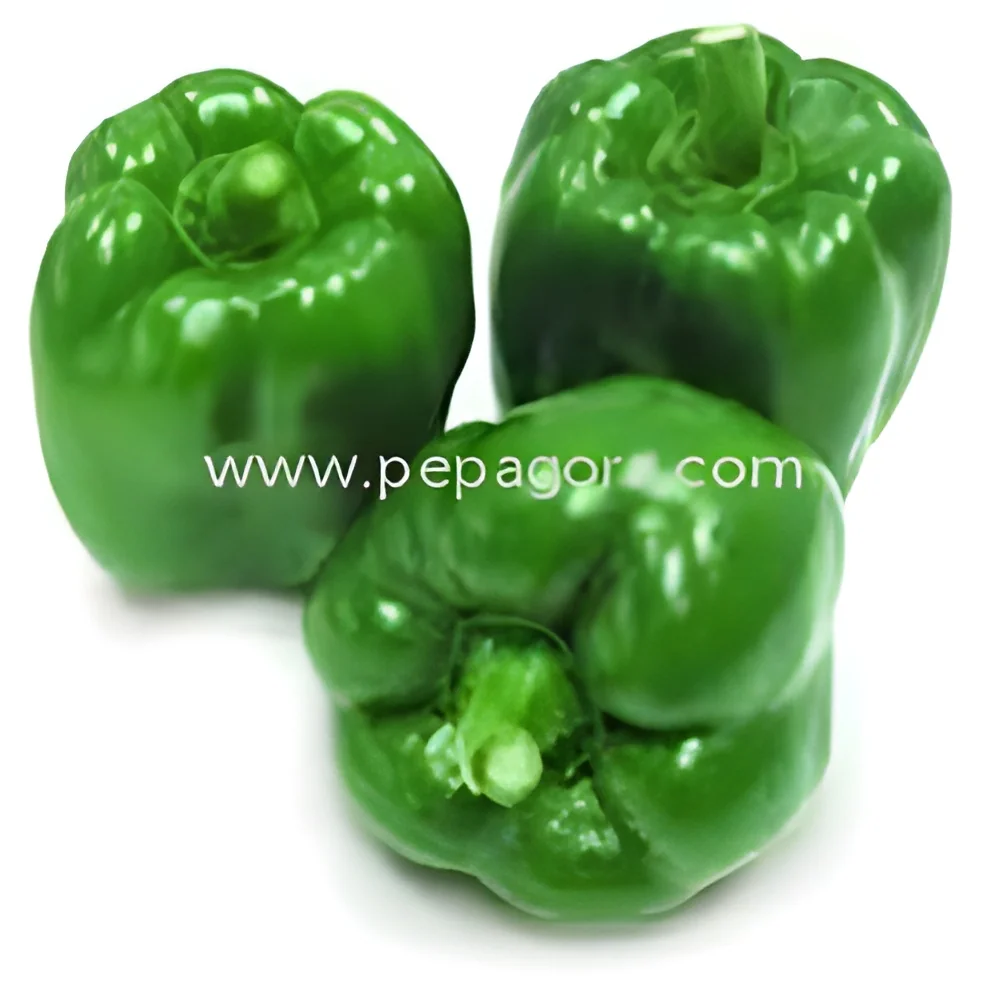
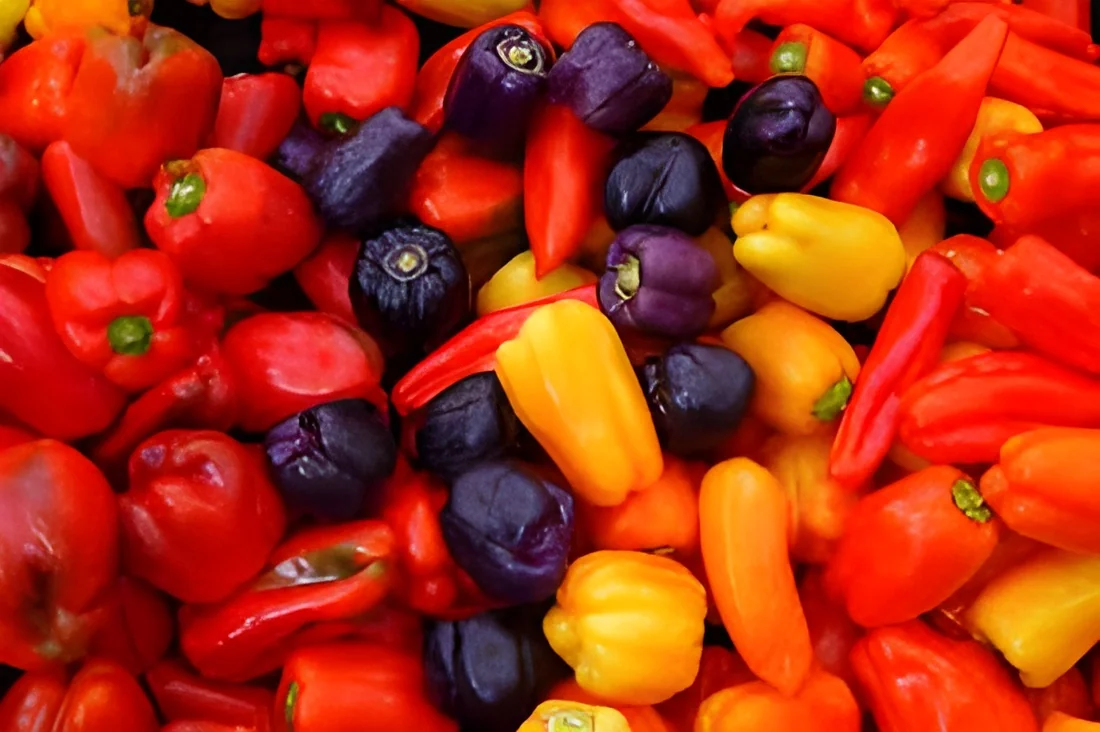
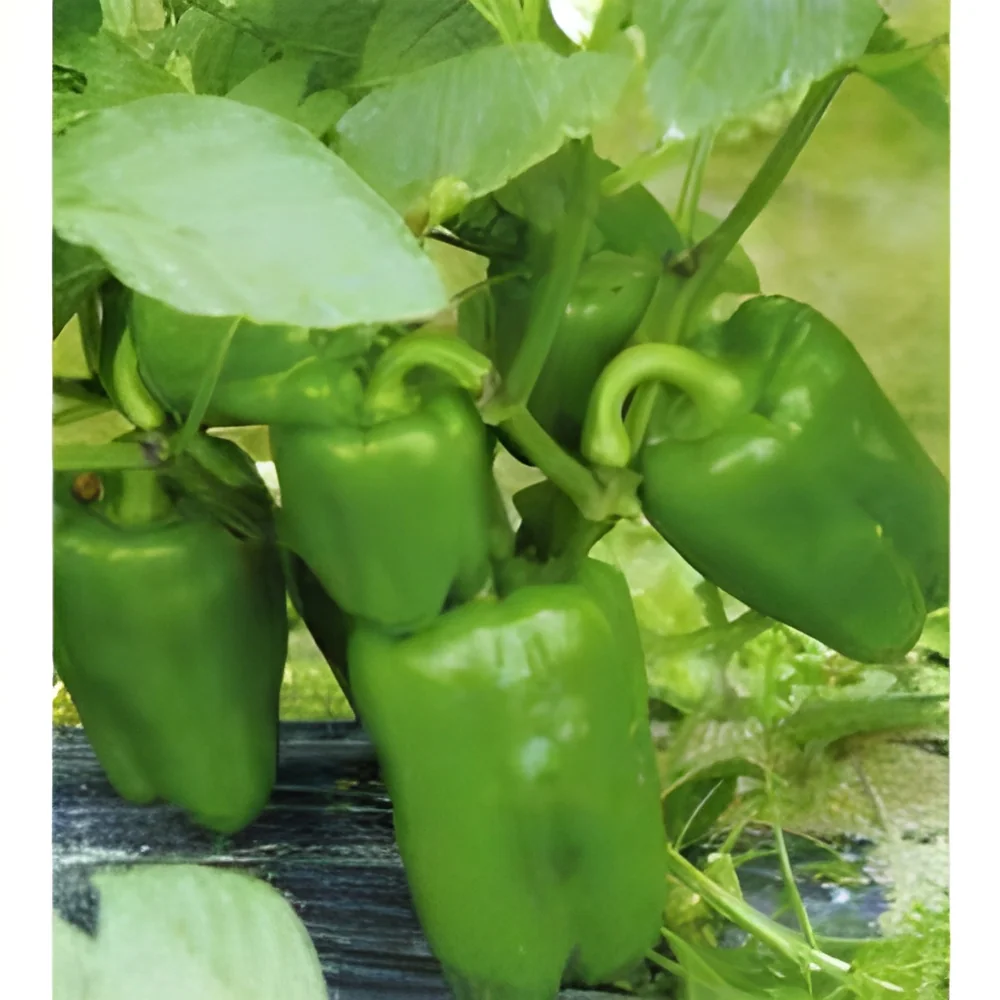
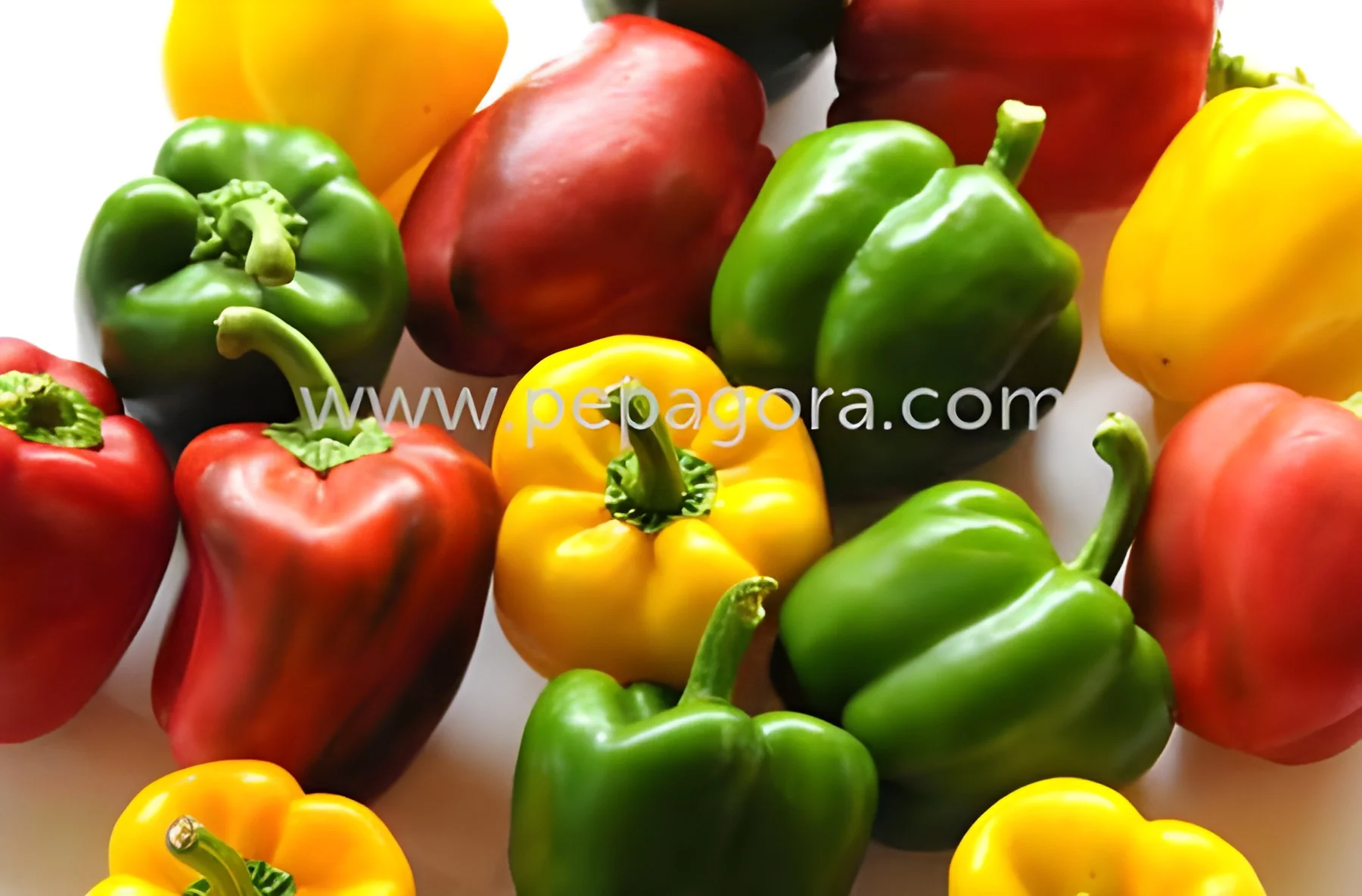
Organic Bell Peppers are a type of vegetable cultivated without the use of synthetic fertilizers, pesticides, or genetically modified organisms. They are available in various colors, including green, red, yellow, and orange, each offering distinct flavors and nutritional benefits. These peppers are grown in environmentally sustainable conditions, promoting soil health and biodiversity.
Organic Bell Peppers are primarily used in the food industry, where they serve as a key ingredient in salads, stir-fries, and sauces. They are popular among health-conscious consumers due to their rich vitamin content, particularly vitamins A and C. The increasing demand for organic produce has made Organic Bell Peppers a staple in grocery stores and restaurants, making them relevant in the broader market context where sustainability and health trends are driving consumer choices.
Key Features and Specifications
Organic Bell Peppers offer several notable features that make them appealing to various industries. Their organic status ensures that they meet specific agricultural standards, providing assurance to buyers about the quality and safety of the produce.
Key specifications include:
1. Color Variety
- Available in green, red, yellow, and orange
- Each color has unique flavor profiles and nutritional benefits
2. Size Range
- Typically ranges from 3 to 5 inches in length
- Consistent sizing is important for packaging and presentation
3. Shelf Life
- Generally lasts 1 to 2 weeks under optimal storage conditions
- Proper handling and storage can extend freshness
4. Nutritional Content
- High in vitamins A, C, and various antioxidants
- Low in calories, making them a healthy choice for consumers
5. Organic Certification
- Must comply with local and international organic farming regulations
- Certification ensures no synthetic inputs were used during cultivation
6. Packaging Options
- Available in bulk or retail packaging
- Sustainable packaging options are preferred by eco-conscious buyers
In summary, Organic Bell Peppers are versatile vegetables that offer a combination of flavor, nutrition, and sustainability, making them a valuable product in the food industry.
Common Applications and Use Cases
Organic Bell Peppers serve various industries due to their versatility and health benefits.
1. Food Service Industry: Used in restaurants for salads, pizzas, and garnishes, adding both flavor and color to dishes.
2. Retail Grocery: Sold fresh in supermarkets and local markets, appealing to health-conscious consumers who prefer organic options.
3. Food Processing: Incorporated into sauces, soups, and frozen vegetable mixes, allowing manufacturers to offer healthier products.
4. Catering Services: Used in buffets and events for their vibrant appearance and nutritional value, enhancing the overall dining experience.
5. Meal Kit Companies: Included in meal preparation kits, providing convenience and promoting healthy eating at home.
6. Health and Wellness Products: Used in juice blends and smoothies, capitalizing on the trend towards natural and organic health products.
Product Variants and Subcategories
Organic Bell Peppers are available in various forms, catering to different market needs and preferences.
Whole Organic Bell Peppers: These are fresh, unprocessed peppers ideal for retail and food service. Their vibrant colors and crisp texture make them a popular choice for salads and cooking.
Sliced Organic Bell Peppers: Pre-sliced for convenience, these peppers are perfect for quick meal preparation and are commonly used in ready-to-eat meals.
Organic Bell Pepper Puree: This variant is processed into a puree for use in sauces and soups, offering a concentrated flavor and nutritional profile.
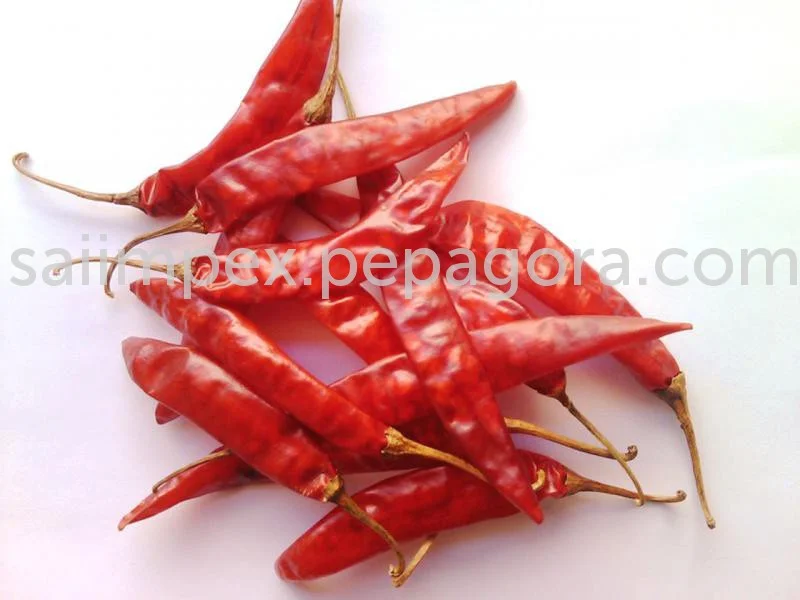
Dried Organic Bell Peppers: Dehydrated for extended shelf life, these peppers are used in seasoning blends and snack foods, providing a unique taste and convenience.
Benefits and Advantages
Organic Bell Peppers offer numerous benefits that make them attractive to B2B buyers.
1. Health Benefits: Rich in vitamins and antioxidants, these peppers contribute to a healthier diet, appealing to health-conscious consumers.
2. Environmental Sustainability: Grown without harmful chemicals, they support sustainable agriculture practices, aligning with eco-friendly business values.
3. Quality Assurance: Certified organic status provides assurance about the quality and safety of the product, reducing risks for buyers.
4. Market Demand: With the growing popularity of organic products, sourcing these peppers can enhance a company's product offerings and market appeal.
5. Versatile Usage: Their adaptability in various culinary applications allows businesses to incorporate them into diverse product lines.
6. Enhanced Flavor: Organic cultivation methods often result in superior taste profiles, providing a competitive edge in the market.
Buying Guide for B2B Buyers
When sourcing Organic Bell Peppers, several factors should be considered to ensure quality and reliability.
1. Quality Assessment: Look for suppliers who provide detailed information about their organic certification and growing practices. Ensure the produce meets your quality standards for freshness and appearance.
2. Supplier Verification: Vet suppliers by checking their certifications and customer reviews. A reliable supplier should have a proven track record in delivering high-quality organic products.
3. Pricing and MOQ: Understand the pricing structure and minimum order quantities. Compare prices from different suppliers to ensure you receive competitive offers.
4. Delivery and Lead Times: Inquire about delivery schedules and lead times. Timely delivery is crucial for maintaining inventory levels and meeting customer demands.
5. Compliance Requirements: Ensure that all products comply with relevant local and international regulations. Familiarize yourself with the certification requirements necessary for organic products.
Compliance and Certifications
Organic Bell Peppers must adhere to specific quality standards to ensure safety and consumer trust. Relevant standards include ISO 9001 for quality management, which ensures consistent production processes. HACCP (Hazard Analysis Critical Control Point) is vital for identifying potential food safety hazards during production.
Industry certifications such as CE confirm that products meet European safety and health standards. Organic products must also comply with local regulations regarding organic farming practices, ensuring no synthetic pesticides or fertilizers are used.
Safety and testing requirements are paramount in the food supply chain. Regular testing for pesticide residues and contaminants is essential to maintain product integrity. Regional compliance considerations may vary, so it's important to stay updated on local regulations and certifications applicable to Organic Bell Peppers.
Why Source Organic Bell Peppers from Pepagora?
Pepagora offers a trusted platform for sourcing Organic Bell Peppers with several key advantages.
Verified Supplier Network: Pepagora connects buyers with a network of verified suppliers, ensuring that all products meet stringent quality and organic standards. This reduces the risk of sourcing from unreliable vendors.
Streamlined RFQ Process: The Request for Quotation process is user-friendly, allowing buyers to receive multiple quotes from suppliers efficiently. This helps in making informed purchasing decisions based on competitive pricing.
Trade Assurance and Support: Pepagora provides trade assurance, protecting buyers' investments and ensuring that they receive the products as described. Their support team is available to assist with any issues that may arise during the purchasing process.
Regional Coverage: With a strong presence in India, the GCC, and Southeast Asia, Pepagora ensures that buyers have access to a diverse range of Organic Bell Peppers. This broad geographic reach enables businesses to meet the demands of various markets effectively.

 IN
IN