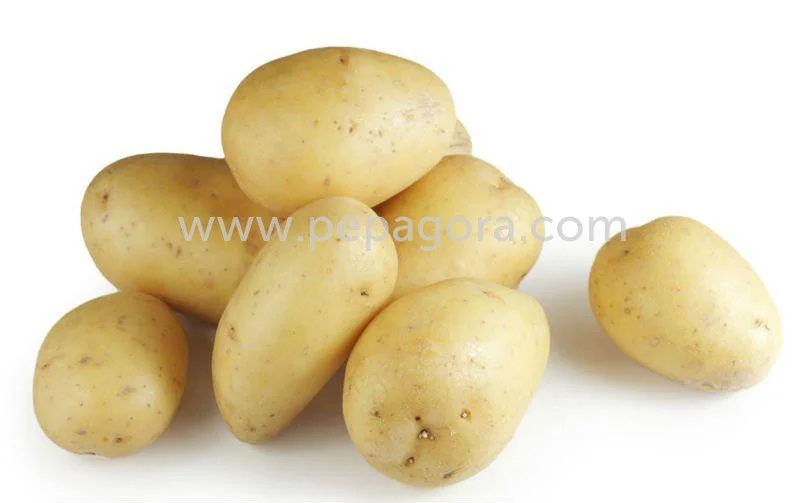
What are Organic Potatoes?
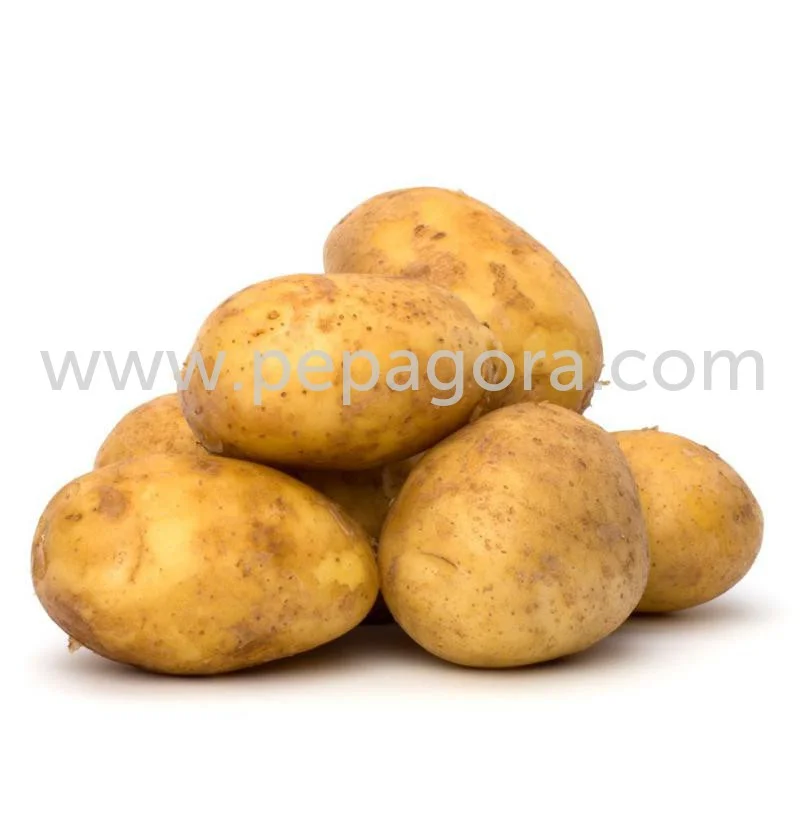
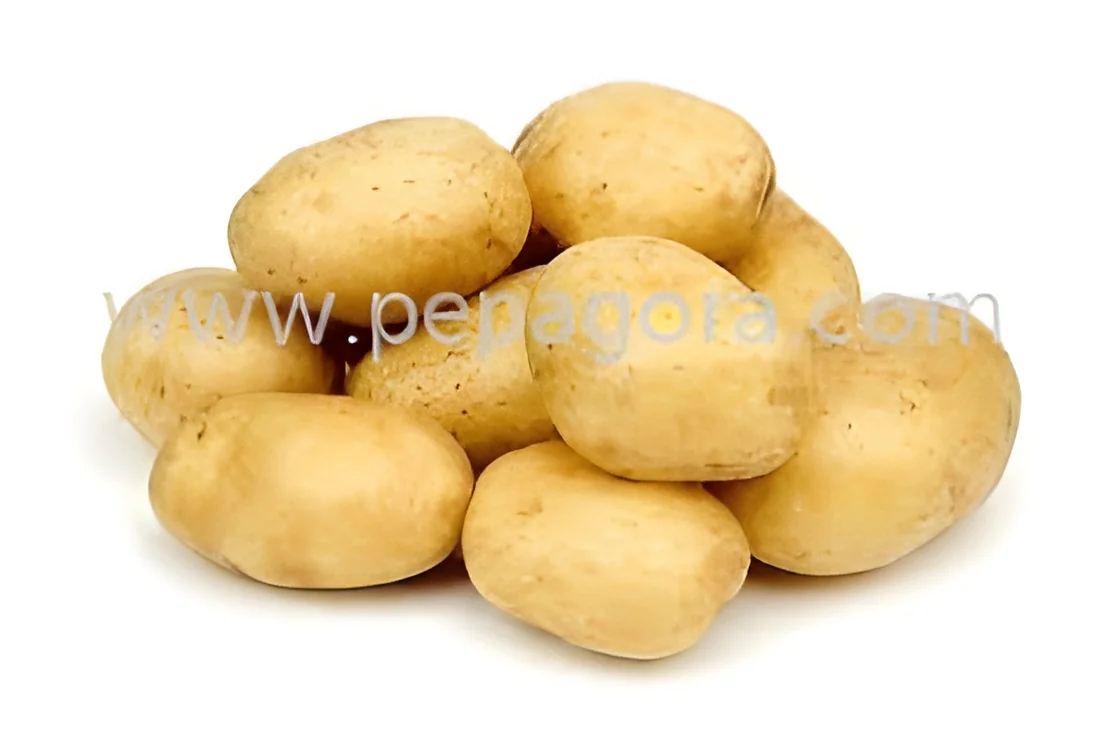
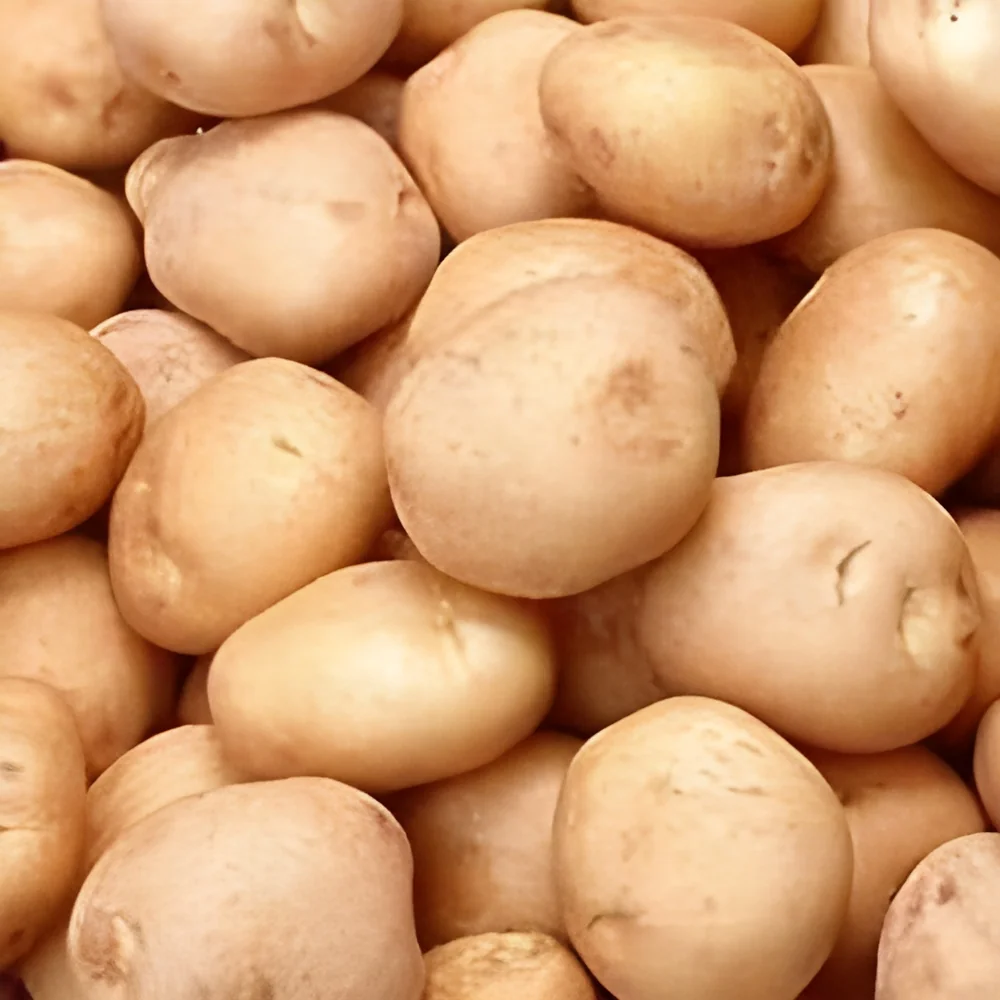
Organic potatoes are cultivated without the use of synthetic fertilizers, pesticides, or genetically modified organisms. They are grown using organic farming methods that promote biodiversity and soil health, resulting in potatoes that are not only healthier for consumers but also more environmentally friendly. The focus on natural cultivation practices ensures that organic potatoes retain their nutritional value and flavor.
These potatoes are widely used in various sectors, including food service, retail, and food processing. They are favored by restaurants and cafes that prioritize organic offerings, as well as by consumers who are increasingly health-conscious. Organic potatoes are often found in grocery stores, farmers' markets, and specialty food shops, making them a staple in the organic food market. The demand for organic products has surged in recent years, driven by consumer preferences for sustainable and nutritious food options.
In the current market context, organic potatoes play a significant role in the agricultural industry. With a growing emphasis on health and wellness, the organic produce sector continues to expand. Organic potatoes are increasingly recognized for their potential to contribute to a healthy diet, making them a relevant choice for businesses aiming to meet consumers' evolving preferences.
Key Features and Specifications
Organic potatoes come with various specifications that distinguish them from conventional varieties. These specifications ensure that they meet industry standards and consumer expectations for quality and safety.
Key specifications include:
1. Size and Grade
- Organic potatoes are categorized based on size and grade, ensuring uniformity and quality.
- Common sizes range from small (1-2 inches) to large (3-4 inches) in diameter.
2. Color and Variety
- Available in multiple varieties, including russet, red, yellow, and fingerling.
- Color and variety impact the culinary uses and consumer appeal.
3. Nutritional Content
- Organic potatoes typically contain higher levels of vitamins and minerals due to natural farming practices.
- Nutritional profiles may vary slightly based on the variety.
4. Shelf Life
- Organic potatoes generally have a shelf life of 2-3 weeks under proper storage conditions.
- Proper humidity and temperature control can extend freshness.
5. Certification Status
- Must be certified organic by recognized bodies to ensure compliance with organic standards.
- Certification verifies that no synthetic chemicals were used during cultivation.
6. Packaging Requirements
- Packaging must meet food safety standards and be eco-friendly to align with organic principles.
- Common packaging options include biodegradable bags and recyclable cartons.
In summary, understanding the key features and specifications of organic potatoes is essential for businesses looking to source high-quality products that meet market demands.
Common Applications and Use Cases
Organic potatoes serve various industries, each benefiting from their unique properties and health advantages.
1. Food Service: Restaurants and cafes use organic potatoes in various dishes, including fries, mashed potatoes, and salads. The emphasis on organic ingredients enhances their menu offerings.
2. Retail: Grocery stores and health food shops stock organic potatoes to cater to health-conscious consumers. They are often marketed as part of a broader organic produce section.
3. Food Processing: Manufacturers in the snack food industry utilize organic potatoes to create chips and other products, capitalizing on the growing trend for organic snacks.
4. Catering: Catering companies prioritize organic potatoes for events and special occasions, appealing to clients who value sustainability.
5. Meal Kits: Organic potatoes are frequently included in meal kit deliveries, providing consumers with easy access to healthy, organic ingredients for home cooking.
6. Educational Institutions: Schools and universities are increasingly incorporating organic potatoes into their meal programs, promoting healthy eating habits among students.
7. Health and Wellness: Organic potatoes are featured in health-focused diets, offering a nutritious carbohydrate source for fitness enthusiasts.
Product Variants and Subcategories
While there are no specific subcategories available, organic potatoes exhibit diversity in their varieties, catering to different culinary needs and preferences.
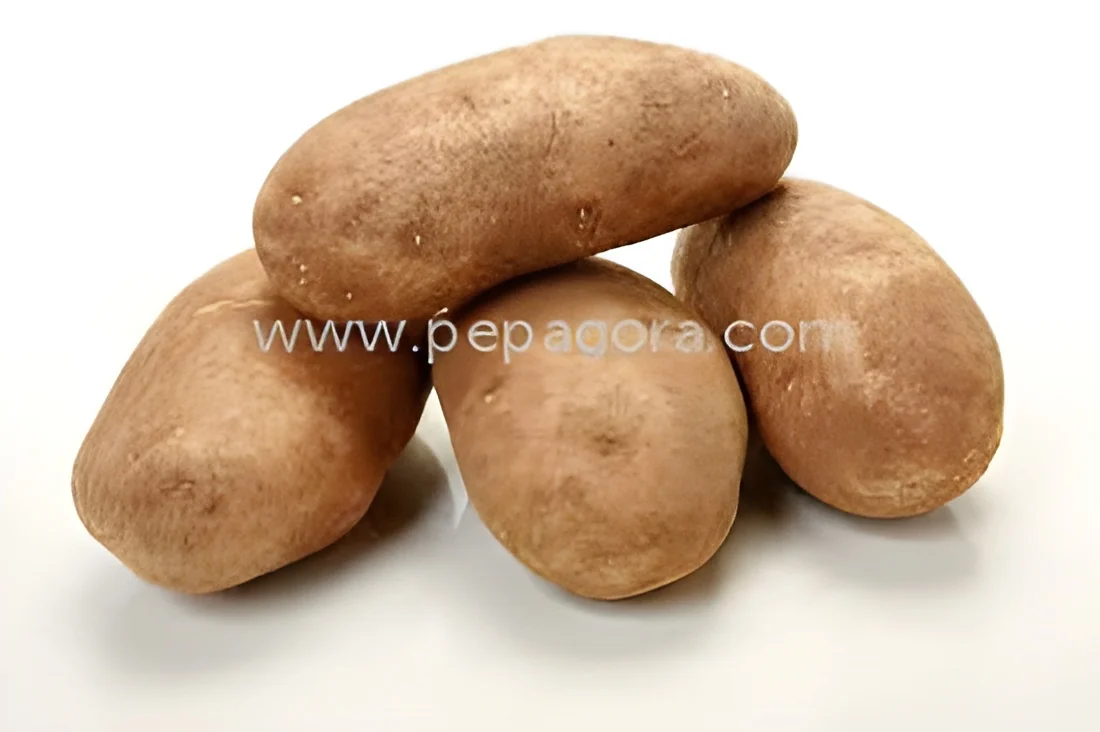
Russet Potatoes: Known for their high starch content, russet potatoes are ideal for baking and frying. Their fluffy texture when cooked makes them a popular choice for mashed potatoes and fries.
Red Potatoes: These potatoes have a smooth, thin skin and a waxy texture, making them perfect for salads and roasting. Their vibrant color adds visual appeal to dishes.
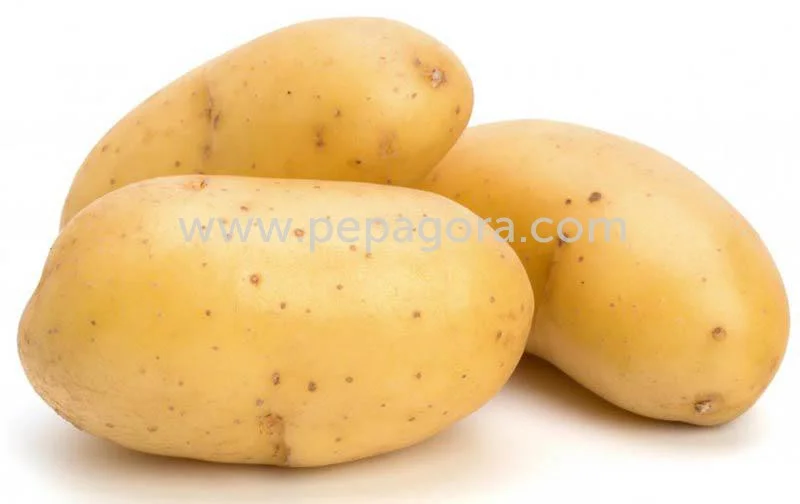
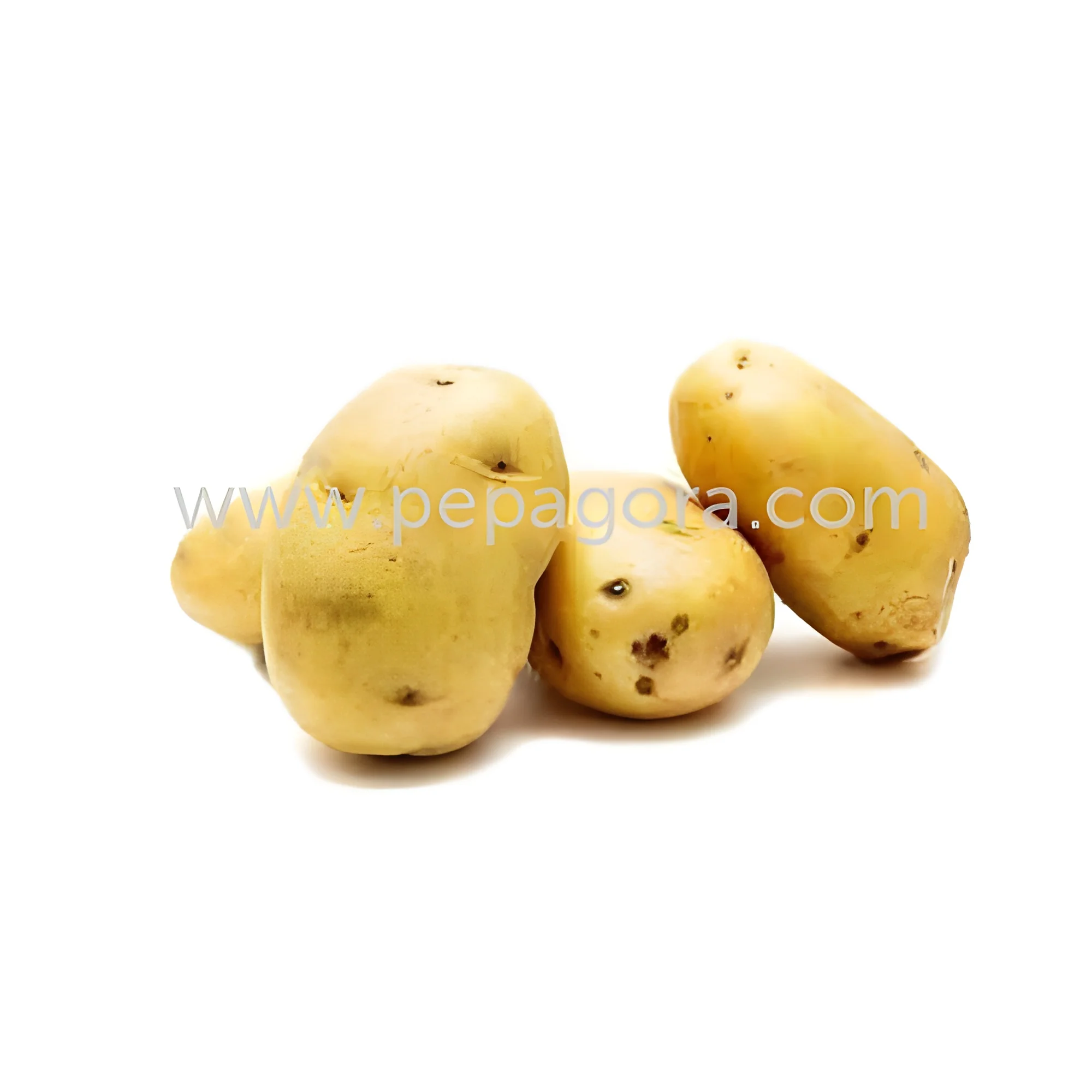
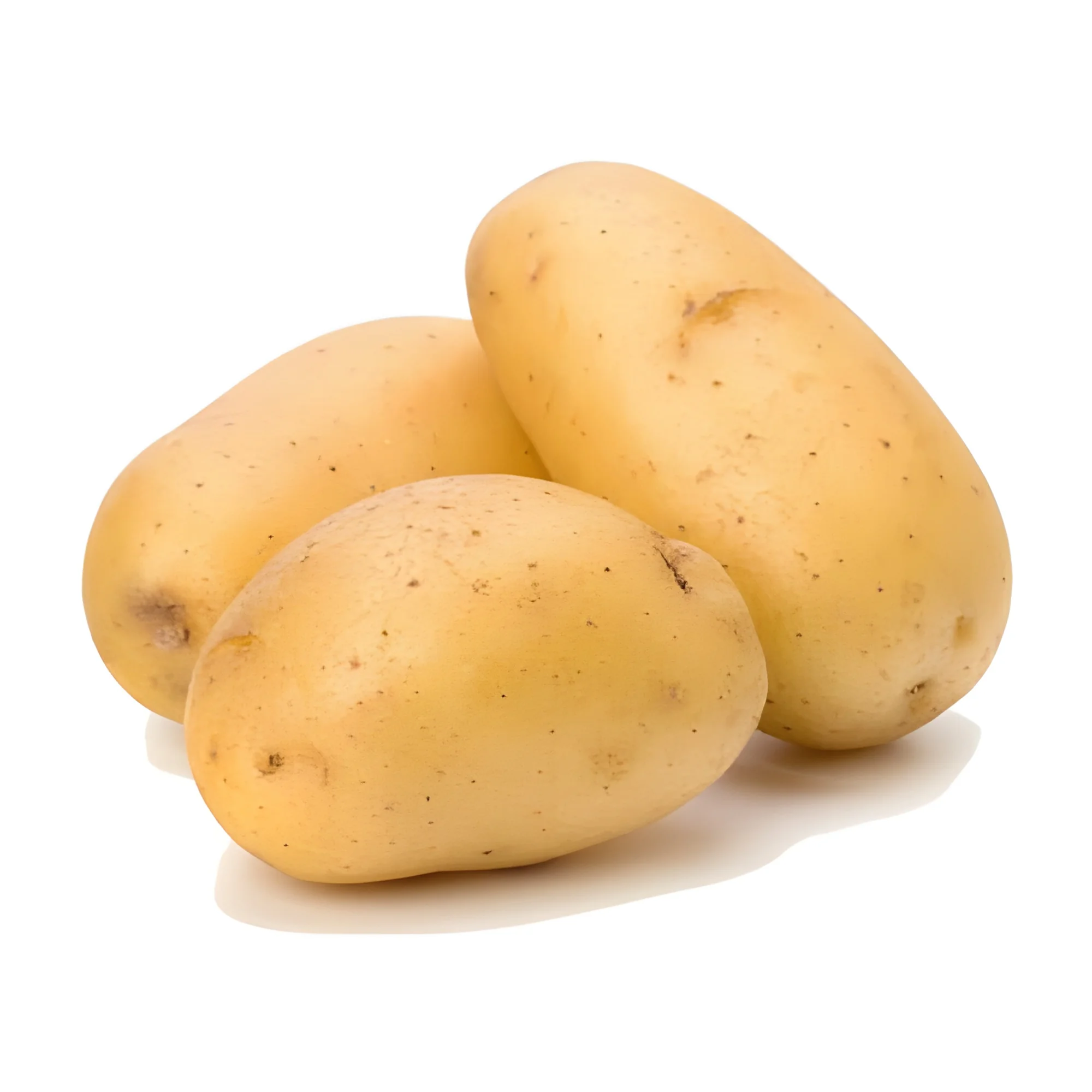
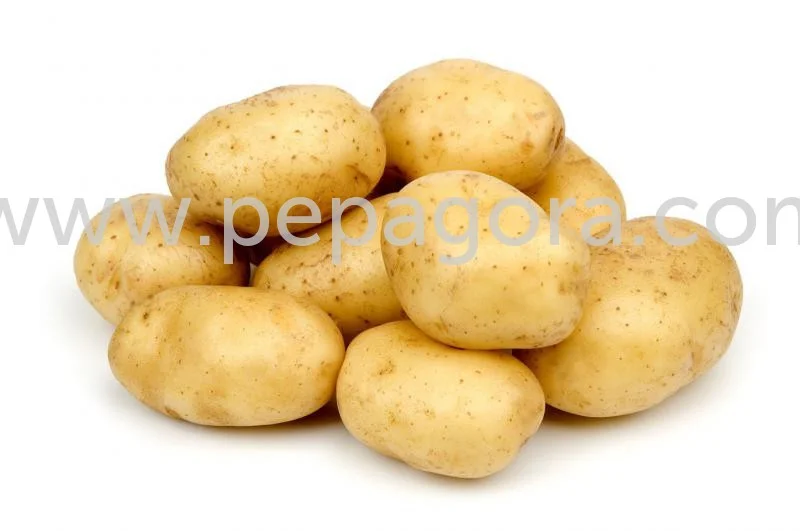
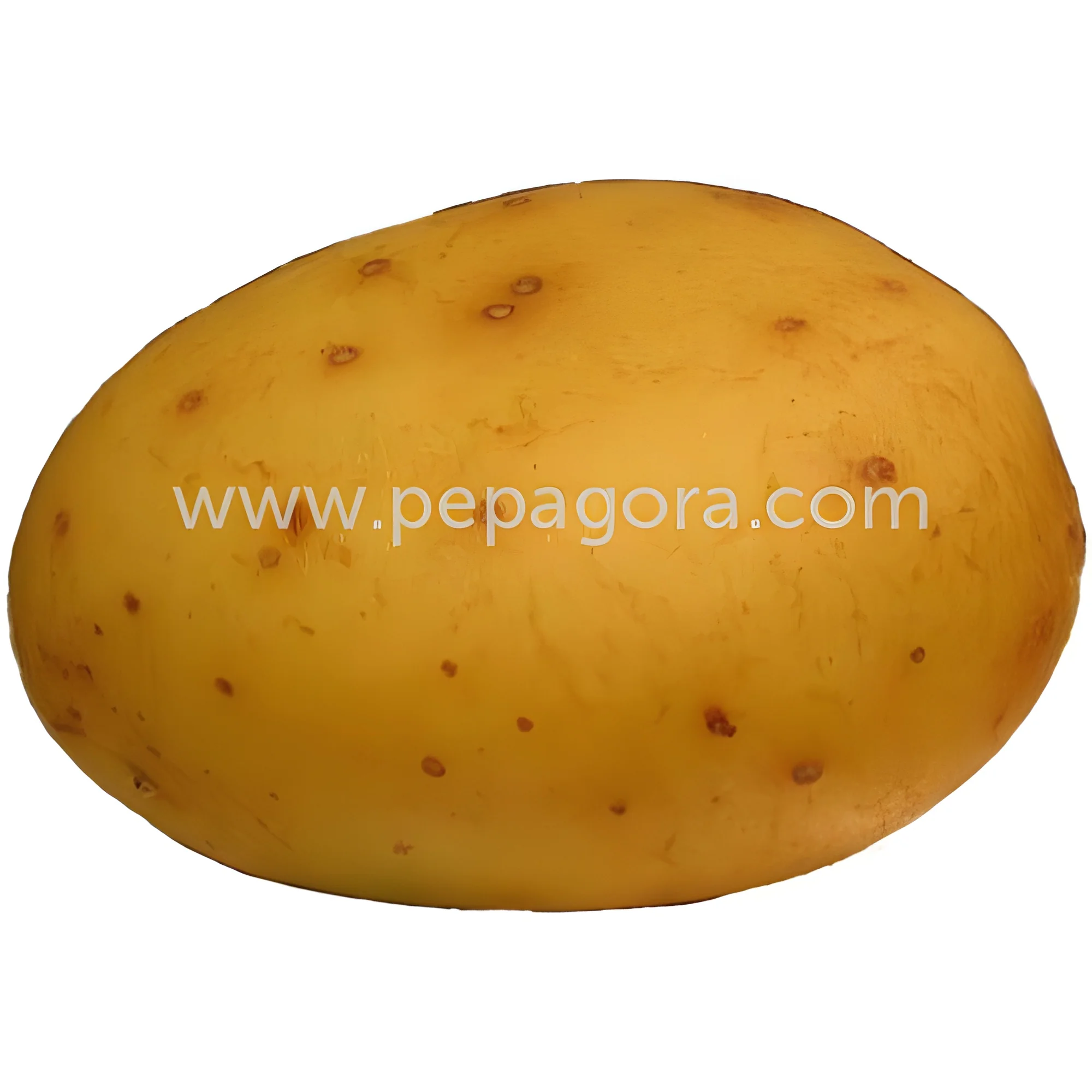
Yellow Potatoes: With a buttery flavor and creamy texture, yellow potatoes are versatile for various cooking methods, including boiling, baking, and frying. They are often used in gourmet recipes.
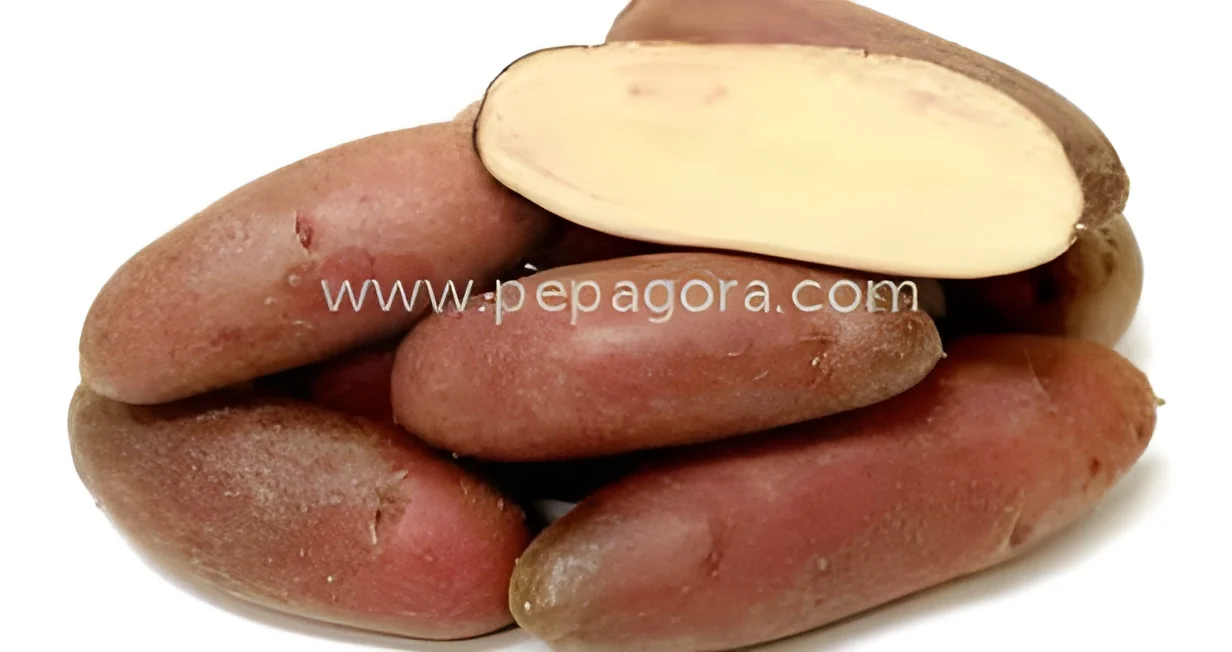
Fingerling Potatoes: These small, elongated potatoes come in various colors and are prized for their unique appearance and flavor. They are often roasted or used in salads for a gourmet touch.
Benefits and Advantages
Sourcing organic potatoes offers several key benefits for businesses and consumers alike.
1. Health Benefits: Organic potatoes are free from synthetic chemicals, providing a healthier option for consumers concerned about food safety and nutrition.
2. Environmental Impact: Organic farming practices promote soil health and biodiversity, reducing the negative impact on the environment compared to conventional farming.
3. Enhanced Flavor: Many consumers report that organic potatoes have a superior taste and texture, making them more appealing in culinary applications.
4. Market Demand: The growing trend toward organic products means that sourcing organic potatoes can help businesses tap into a lucrative market segment.
5. Versatility: Organic potatoes can be used in a wide range of dishes, from comfort foods to gourmet recipes, making them a valuable ingredient for various culinary applications.
6. Consumer Trust: Offering organic products can enhance brand reputation and consumer trust, as more people seek out sustainably sourced food options.
Buying Guide for B2B Buyers
When sourcing organic potatoes, B2B buyers should consider several important factors to ensure quality and compliance.
1. Quality Assessment: Evaluate the quality of organic potatoes based on size, appearance, and certification. Look for signs of freshness and proper handling during transportation.
2. Supplier Verification: Vet potential suppliers by checking their organic certification status and reviewing their track record in the industry. Ensure they can provide documentation of their organic practices.
3. Pricing and MOQ: Understand the pricing structure and minimum order quantities (MOQ) for organic potatoes. Compare prices from different suppliers to find competitive options.
4. Delivery and Lead Times: Discuss logistics and lead times with suppliers to ensure timely delivery. Consider their ability to meet your operational needs without delays.
5. Compliance Requirements: Familiarize yourself with local and regional regulations regarding organic produce. Ensure that your suppliers adhere to these requirements to avoid compliance issues.
Compliance and Certifications
Organic potatoes must adhere to various quality standards and certifications to ensure safety and consumer confidence.
Quality standards, such as ISO 9001, establish guidelines for effective quality management systems. These standards help ensure that the production and handling of organic potatoes meet high-quality benchmarks.
HACCP (Hazard Analysis Critical Control Point) is another important standard that focuses on food safety. Implementing HACCP helps identify and control potential hazards throughout the supply chain, ensuring that organic potatoes are safe for consumption.
Industry certifications, such as CE marking, indicate compliance with European standards for safety and performance. This certification is crucial for businesses looking to market organic potatoes in international markets.
Safety and testing requirements are essential to guarantee that organic potatoes are free from harmful residues. Regular testing and audits are necessary to maintain compliance with organic regulations.
Finally, regional compliance considerations may vary based on local laws governing organic farming and food safety. Buyers should be aware of these regulations to ensure that their suppliers meet all necessary compliance standards.
Why Source Organic Potatoes from Pepagora?
Pepagora provides a trusted platform for sourcing organic potatoes with several key advantages.
Verified Supplier Network: Pepagora has established a network of verified suppliers who adhere to strict organic farming practices. This ensures that buyers receive high-quality products that meet their expectations.
Streamlined RFQ Process: The request for quotation (RFQ) process is designed to be user-friendly and efficient, allowing buyers to easily obtain quotes from multiple suppliers for competitive pricing.
Trade Assurance and Support: Pepagora offers trade assurance to protect buyers throughout the purchasing process. This includes support services that assist with any issues that may arise during transactions.
Regional Coverage: With a strong presence in regions like India, the GCC, and Southeast Asia, Pepagora connects buyers with suppliers across diverse markets, facilitating access to organic potatoes from various sources.
Choosing Pepagora for sourcing organic potatoes ensures that businesses can meet consumer demand while benefiting from reliable supplier relationships and support services.

 IN
IN