What are Organic Okra?
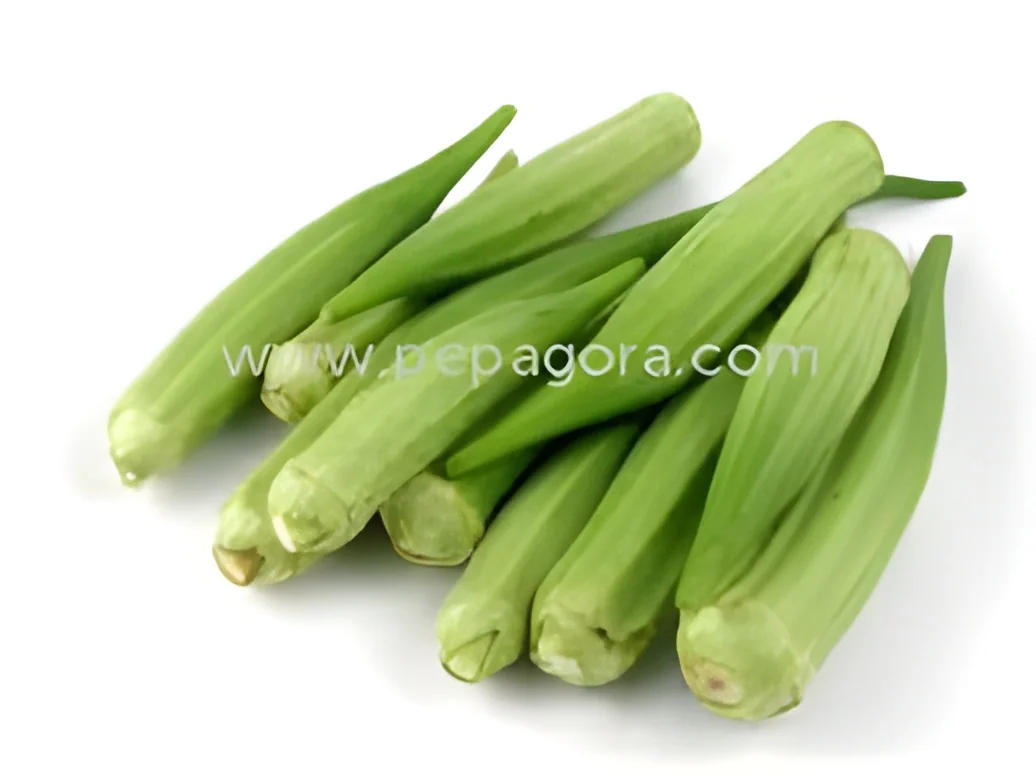
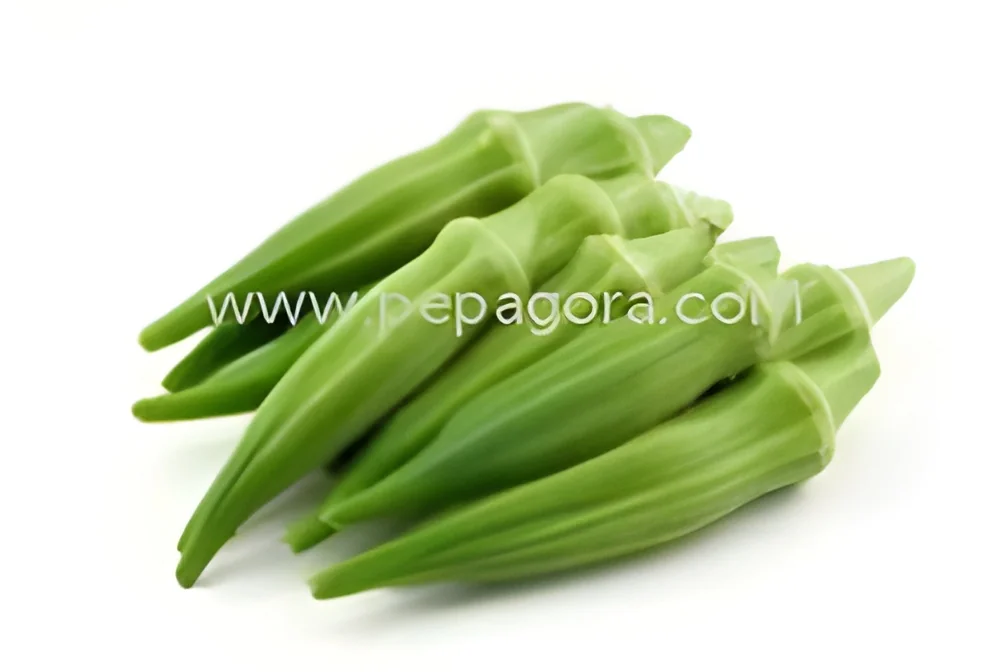
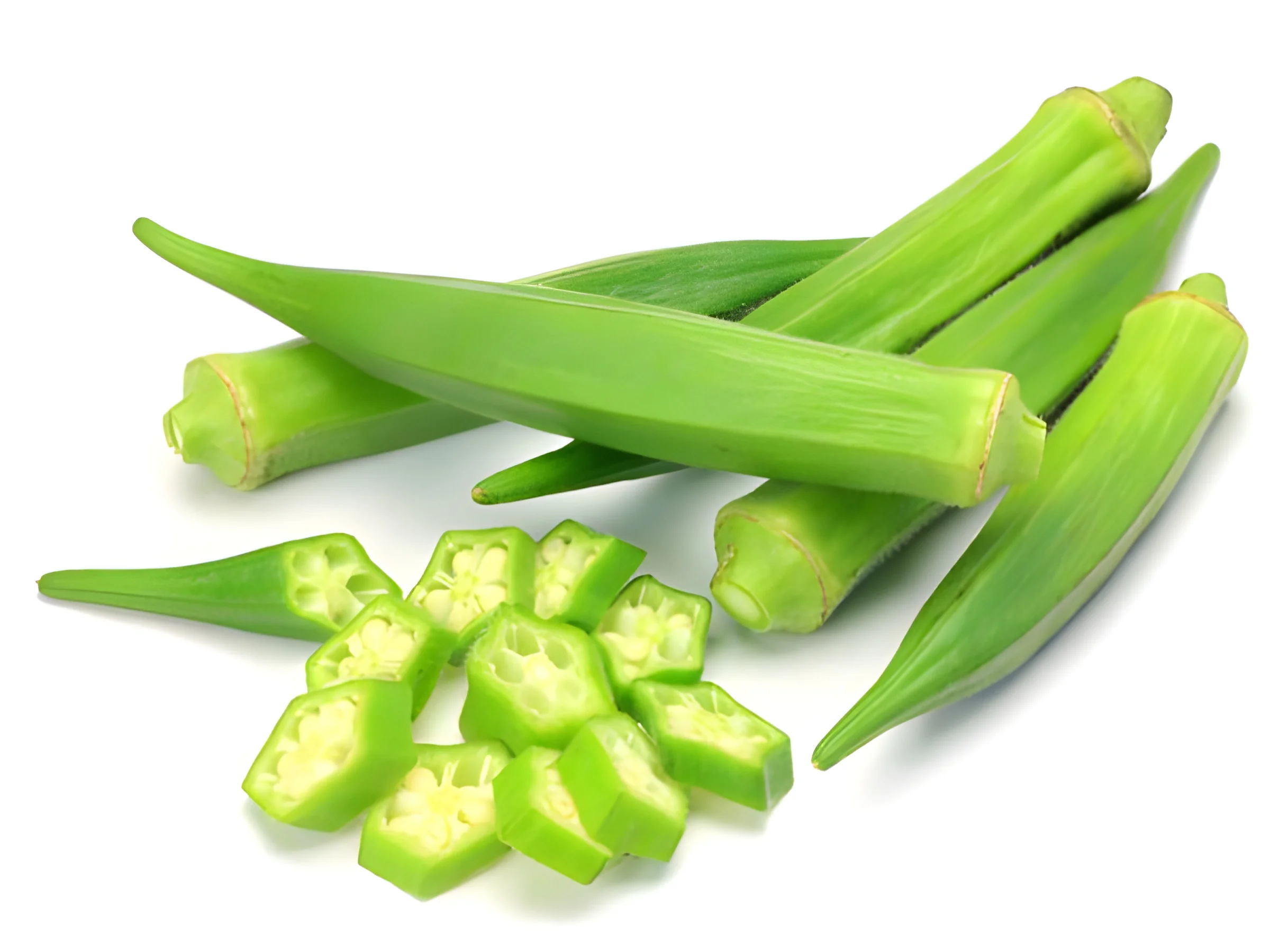
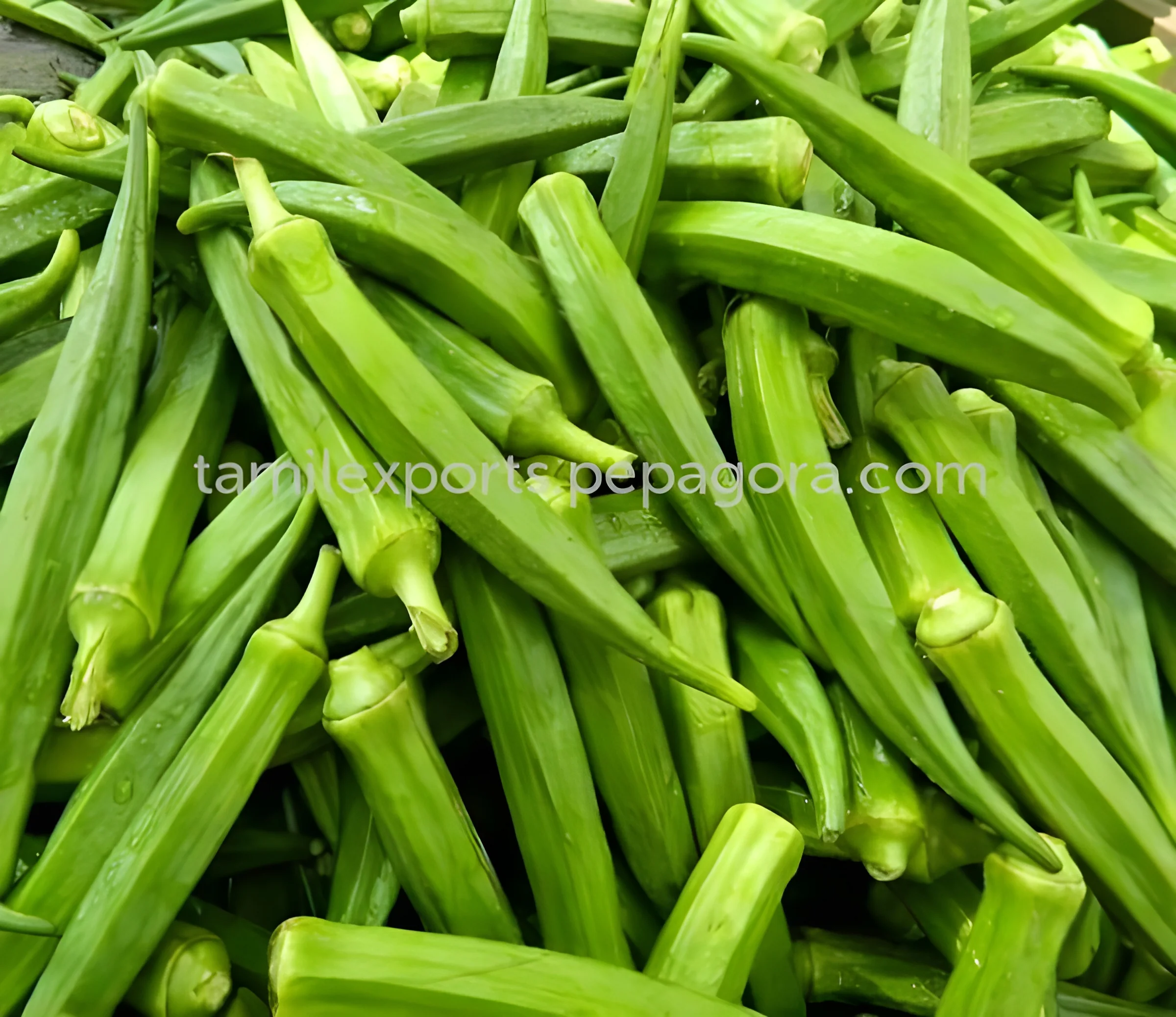
Organic okra is a nutrient-rich vegetable that belongs to the mallow family. Known for its unique texture and flavor, okra is cultivated without the use of synthetic pesticides or fertilizers. This organic approach not only enhances its nutritional profile but also promotes sustainable farming practices. Organic okra is often recognized by its vibrant green color and elongated, tapered shape, making it a popular choice among health-conscious consumers.
In the business landscape, organic okra is used in various culinary applications. It serves as a key ingredient in dishes such as gumbo, stews, and salads. Additionally, it is valued for its health benefits, including high fiber content and antioxidant properties. The rising trend of plant-based diets and organic food consumption has led to an increased demand for organic okra in both retail and wholesale markets. The vegetable's versatility makes it a crucial component in the offerings of restaurants, grocery stores, and health food suppliers.
With the global shift towards healthier eating habits, the market for organic okra is expanding. This growth is driven by consumer awareness about the advantages of organic produce and the increasing availability of organic farming methods. As the supply chain for organic vegetables becomes more robust, the relevance of organic okra in the food industry continues to grow, presenting opportunities for businesses engaged in its production and distribution.
Key Features and Specifications
Organic okra is distinguished by several key features that set it apart from conventional varieties. Its organic certification ensures that it is free from harmful chemicals, making it a safer choice for consumers. Organic okra is also known for its freshness, flavor, and nutritional benefits.
Key specifications include:
1. Organic Certification
- Must meet standards set by organic farming regulations
- Certifying bodies may include USDA Organic and equivalent international organizations
2. Nutritional Profile
- Low in calories, high in dietary fiber
- Contains vitamins A, C, and K, along with essential minerals like magnesium and potassium
3. Packaging Quality
- Must maintain freshness and prevent spoilage
- Typically packaged in breathable materials to reduce moisture retention
4. Size and Shape
- Standard length of 4 to 6 inches with a tapered end
- Consistent green color with minimal blemishes
5. Shelf Life
- Optimal freshness lasts 3 to 5 days when refrigerated
- Must be transported under proper temperature controls to maintain quality
6. Taste and Texture
- Unique, slightly grassy flavor with a fibrous texture when cooked
- Retains a crunchy texture when lightly sautéed or steamed
7. Availability
- Seasonal availability depending on regional growing conditions
- Typically sourced from local or regional farms to ensure freshness
In summary, organic okra offers a range of specifications that highlight its quality and appeal. Its organic certification and nutritional benefits position it well in the market, making it an attractive option for B2B buyers.
Common Applications and Use Cases
Organic okra serves a multitude of industries due to its versatility and health benefits.
1. Food Service Industry: Restaurants and catering services utilize organic okra in various dishes, enhancing their menus with nutritious and flavorful options. It is often featured in vegan and vegetarian meals.
2. Retail Grocery: Supermarkets and health food stores stock organic okra to meet consumer demand for organic produce. It is marketed as a fresh vegetable option alongside other organic offerings.
3. Frozen Food Industry: Organic okra is frequently processed and frozen for convenience, allowing consumers to enjoy its health benefits year-round. It is commonly found in frozen vegetable mixes.
4. Export Markets: Businesses involved in the export of organic produce may include okra in their offerings, catering to international markets where demand for organic vegetables is rising.
5. Meal Kit Services: Companies providing meal kits may incorporate organic okra into their recipes, appealing to consumers looking for easy and healthy cooking options.
6. Nutraceuticals: The health benefits of organic okra make it a suitable ingredient for the nutraceutical industry, where it is used in dietary supplements and functional foods.
7. Culinary Schools: Educational institutions may use organic okra in cooking classes to teach students about healthy cooking practices and the importance of using fresh, organic ingredients.
Product Variants and Subcategories
While there are no specific subcategories available for organic okra, its diversity in preparation and presentation offers various options for buyers.
Fresh Organic Okra
This variant is sold in its natural state, offering maximum freshness and flavor. It is ideal for cooking and can be used in a variety of recipes, including stews and stir-fries.
Frozen Organic Okra
This variant is processed and frozen shortly after harvest, preserving its nutritional value. It is convenient for consumers and businesses looking for long shelf life and ease of use in meal preparation.
Dried Organic Okra
Dried organic okra is available as a snack or ingredient for soups and stews. It retains many nutritional benefits and offers a different texture, appealing to a niche market.
Benefits and Advantages
Sourcing organic okra presents several key benefits for businesses and consumers alike.
1. Health Benefits: Organic okra is rich in essential vitamins and minerals, making it a nutritious addition to diets. Its high fiber content supports digestive health.
2. Environmental Sustainability: Organic farming practices promote soil health and biodiversity, reducing the environmental impact of agriculture. Choosing organic okra supports sustainable farming initiatives.
3. Enhanced Flavor: Organic okra is often fresher and tastier than conventionally grown varieties, providing a superior culinary experience in dishes.
4. Consumer Preference: The growing demand for organic products means that businesses offering organic okra can attract health-conscious consumers, enhancing their market appeal.
5. Versatile Application: Organic okra can be used in various culinary applications, from savory dishes to snacks, making it a valuable product for diverse industries.
6. Supply Chain Transparency: Organic certification often involves strict regulations, providing consumers and businesses with confidence in the quality and origin of the product.
Buying Guide for B2B Buyers
When sourcing organic okra, it is essential for businesses to consider several critical factors.
1. Quality Assessment: Ensure that organic okra meets established quality standards. Look for certifications that confirm it is grown without synthetic pesticides or fertilizers.
2. Supplier Verification: Vet suppliers to confirm their reliability and adherence to organic farming practices. Request references and review their certification documentation.
3. Pricing and MOQ: Understand the price range for organic okra and inquire about minimum order quantities. This will help in budget planning and supply chain management.
4. Delivery and Lead Times: Consider logistics when sourcing organic okra. Evaluate suppliers' delivery capabilities and lead times to ensure timely availability for your business operations.
5. Compliance Requirements: Be aware of local and international regulations regarding organic produce. Ensure that your suppliers comply with relevant standards and certifications to avoid legal issues.
Compliance and Certifications
Organic okra must adhere to various quality standards and certifications to ensure consumer safety and product integrity.
Relevant quality standards include ISO 9001, which outlines requirements for quality management systems, and HACCP, which focuses on food safety through hazard analysis and critical control points.
Industry certifications such as CE indicate compliance with health, safety, and environmental protection standards within the European market. These certifications assure buyers of the product's safety and quality.
Safety and testing requirements are critical for organic okra, ensuring that it is free from harmful substances. Regular testing for pesticide residues and contaminants is necessary to maintain organic certification.
Regional compliance considerations may vary, with different countries having specific regulations governing organic farming and produce. Understanding these regulations is essential for businesses involved in the sourcing and distribution of organic okra.
Why Source Organic Okra from Pepagora?
Pepagora provides a trusted platform for sourcing organic okra, offering several key advantages for businesses.
Verified Supplier Network: Pepagora connects buyers with a vetted network of suppliers who adhere to organic farming practices. This ensures that businesses source high-quality organic okra consistently.
Streamlined RFQ Process: The platform simplifies the request for quotation process, allowing buyers to easily compare offers from multiple suppliers. This transparency facilitates informed decision-making.
Trade Assurance and Support: Pepagora offers buyer protection through its trade assurance program. This ensures that businesses receive their orders as specified, minimizing risks associated with sourcing.
Regional Coverage: With a strong presence in India, the GCC, and Southeast Asia, Pepagora provides access to a wide range of organic okra suppliers. This geographic reach enables businesses to tap into diverse markets and supply chains.
By choosing Pepagora for sourcing organic okra, businesses can benefit from a reliable supply chain, quality assurance, and competitive pricing in the growing organic market.

 IN
IN