
 IN
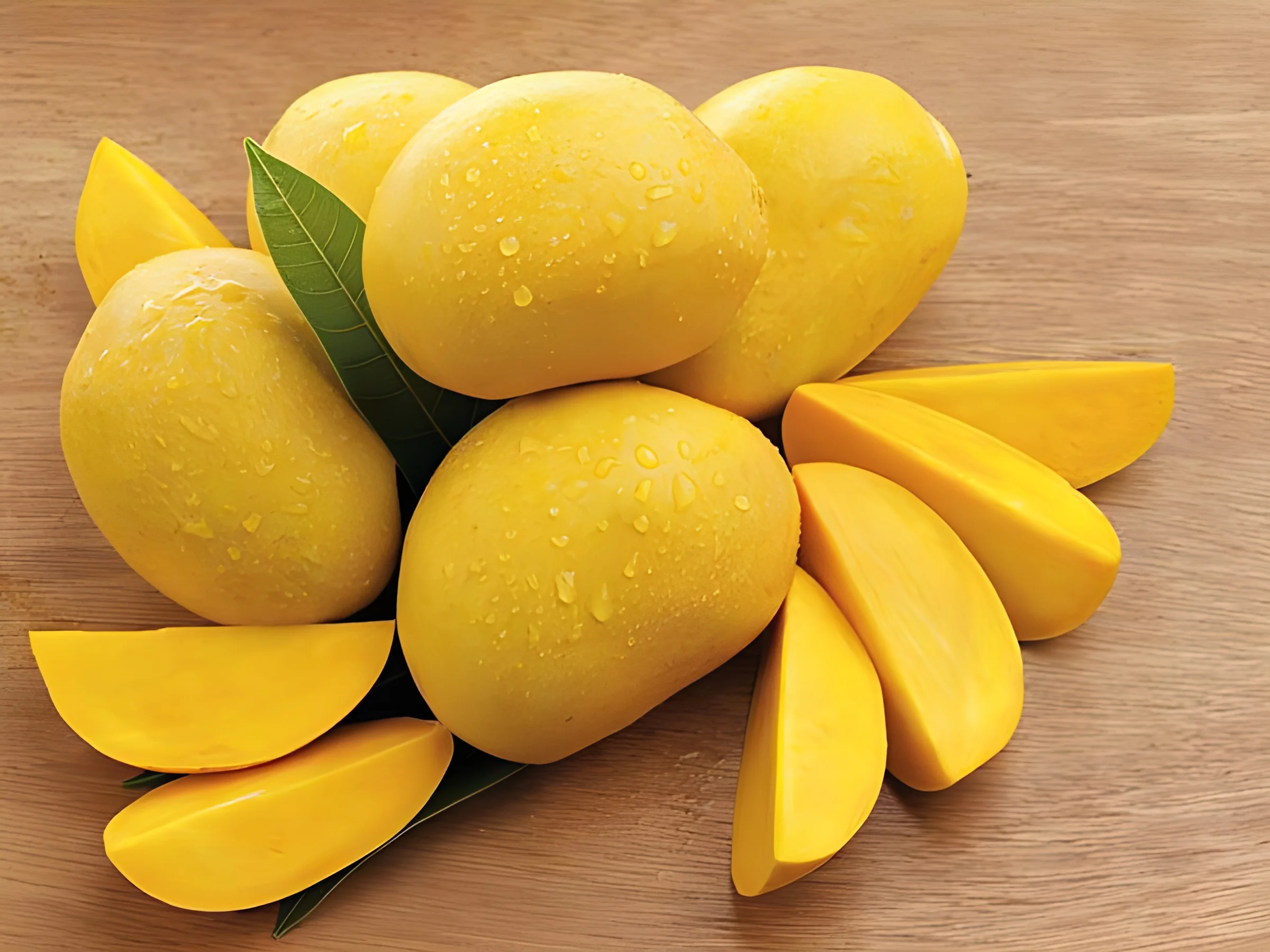
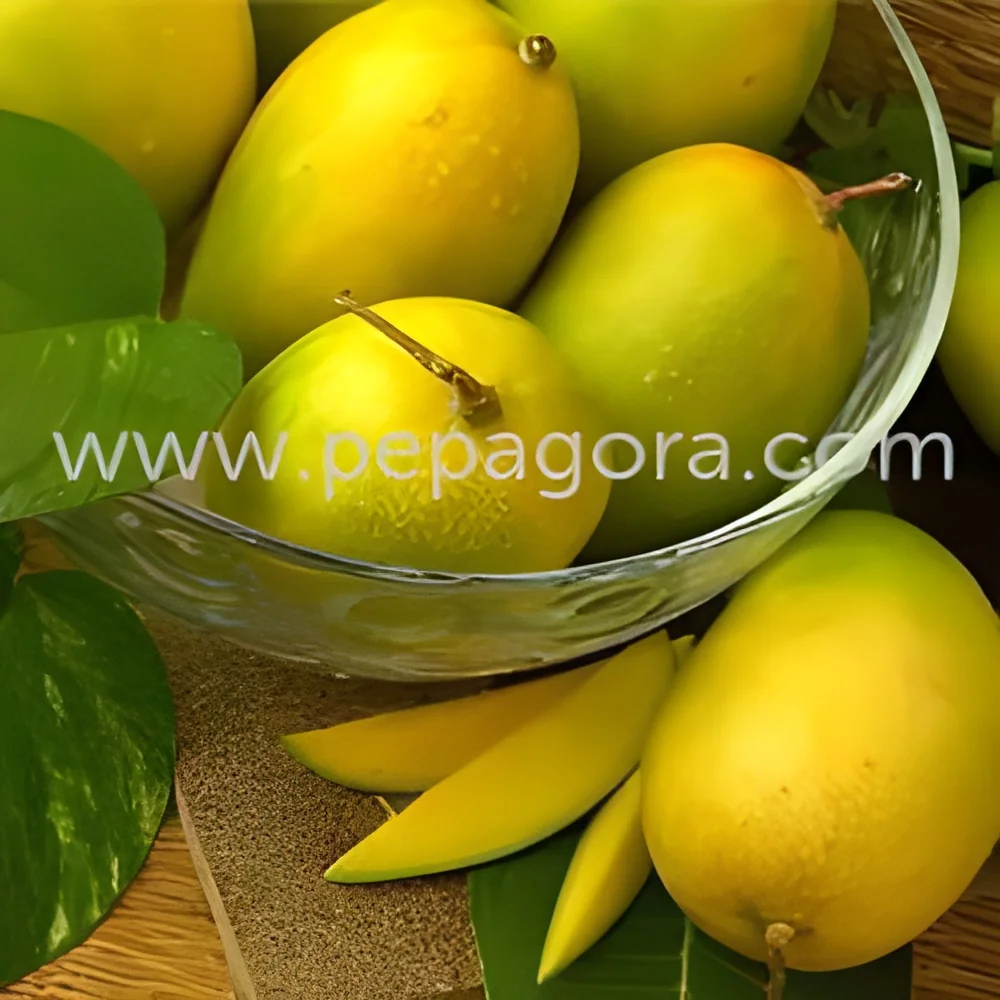
INOrganic Mangoes
2 products available
What are Organic Mangoes?
Organic mangoes are fruits cultivated without synthetic pesticides, herbicides, or fertilizers. They are grown using organic farming practices that emphasize sustainability and environmental health. The cultivation process involves natural methods such as composting, crop rotation, and biological pest control. This results in mangoes that are not only healthier for consumers but also contribute to the preservation of the ecosystem.
These mangoes are primarily used in the food and beverage industry, where they are processed into juices, purees, and dried fruit snacks. They also find applications in the cosmetics industry, where mango extracts are valued for their moisturizing properties. The growing demand for organic produce has led to an increase in the market for organic mangoes, making them a relevant product in both domestic and international markets.
The organic mango industry continues to expand as consumers become more health-conscious and prefer products that align with their values regarding sustainability. This growth presents opportunities for businesses involved in the supply chain, from growers to distributors and retailers.
Key Features and Specifications
Organic mangoes are characterized by specific features that define their quality and suitability for various applications. These features ensure that they meet the standards required by different industries.
Key specifications include:
1. Size and Weight
- Average size varies by variety, typically between 200 to 500 grams
- Weight consistency ensures uniformity for packaging and sales
2. Color and Ripeness
- Ideal color ranges from green to yellow-orange, depending on the variety
- Proper ripeness is crucial for flavor and consumer preference
3. Taste Profile
- Sweetness levels typically range from 14 to 20 Brix
- Rich, tropical flavor that enhances culinary applications
4. Shelf Life
- Optimal shelf life of 5 to 14 days at room temperature
- Extended shelf life achievable through proper storage techniques
5. Organic Certification
- Must meet local and international organic farming standards
- Certification ensures compliance with organic labeling requirements
6. Packaging Requirements
- Eco-friendly packaging options preferred
- Must protect fruit during transport to reduce spoilage
7. Moisture Content
- Ideal moisture content ranges between 85 to 90 percent
- Ensures freshness and quality during distribution
8. Import and Export Regulations
- Must adhere to specific regulations for international trade
- Compliance with phytosanitary requirements essential for export
In summary, understanding these specifications helps businesses ensure that they source high-quality organic mangoes suitable for their specific needs.
Common Applications and Use Cases
Organic mangoes have a wide range of applications across various industries.
1. Food and Beverage Industry: Organic mangoes are often used to create juices, smoothies, and flavored beverages. Their natural sweetness makes them an ideal ingredient for dessert products.
2. Culinary Arts: Chefs utilize organic mangoes in salads, salsas, and gourmet dishes to enhance flavor profiles. They are also popular in international cuisines.
3. Cosmetics Industry: Organic mango extracts are incorporated into skin care products for their hydrating properties. They are commonly found in lotions, creams, and soaps.
4. Nutraceuticals: The health benefits of organic mangoes make them a common ingredient in dietary supplements and health bars, appealing to health-conscious consumers.
5. Retail: Supermarkets and specialty stores increasingly stock organic mangoes to meet consumer demand for organic produce.
6. Export Markets: Countries with high demand for organic food products import organic mangoes, creating opportunities for growers and exporters.
7. Food Service: Restaurants and catering services source organic mangoes for menu items that focus on fresh, local, and organic ingredients.
Product Variants and Subcategories
Organic mangoes come in various types, each offering unique flavors and characteristics. This diversity allows businesses to cater to different consumer preferences and market demands.
Alphonso Mangoes
Known for their rich flavor and sweetness, Alphonso mangoes are highly sought after. They are often used in desserts and gourmet dishes, making them a favorite among chefs.
Haden Mangoes
Haden mangoes are characterized by their vibrant color and juicy flesh. They are versatile and used in salads, smoothies, and as fresh snacks.
Kent Mangoes
Kent mangoes are known for their smooth texture and sweet taste. They are ideal for juicing and are often used in food processing due to their high pulp content.
Tommy Atkins Mangoes
These mangoes have a firm texture and a mild flavor, making them suitable for shipping and storage. They are popular in retail markets for their durability.
Benefits and Advantages
Sourcing organic mangoes presents several benefits for businesses and consumers alike.
1. Health Benefits: Organic mangoes are rich in vitamins, minerals, and antioxidants, promoting overall health and well-being.
2. Environmental Sustainability: Organic farming practices reduce chemical runoff, supporting ecological balance and biodiversity.
3. Enhanced Flavor: Organic mangoes often have a superior taste compared to conventionally grown mangoes, appealing to consumers looking for quality.
4. Growing Market Demand: The increasing consumer preference for organic products provides businesses with a competitive advantage in the marketplace.
5. Versatile Applications: Organic mangoes can be utilized in various products, from food and beverages to cosmetics, expanding business opportunities.
6. Stronger Consumer Trust: Offering organic products helps build brand loyalty and trust among health-conscious consumers.
Buying Guide for B2B Buyers
When sourcing organic mangoes, it is essential for businesses to consider several key factors to ensure quality and compliance.
1. Quality Assessment: Evaluate the quality of organic mangoes based on size, color, and ripeness. Conduct sensory evaluations to ensure flavor and texture meet your standards.
2. Supplier Verification: Vet suppliers by checking their certifications, production practices, and customer reviews. Building relationships with reliable suppliers ensures consistent quality.
3. Pricing and MOQ: Understand the pricing structure and minimum order quantities (MOQ) required by suppliers. Compare prices to ensure you are getting competitive rates.
4. Delivery and Lead Times: Inquire about delivery schedules and lead times to plan your inventory effectively. Timely delivery is critical for perishable products like mangoes.
5. Compliance Requirements: Ensure that your suppliers comply with local and international food safety regulations. This includes understanding any necessary certifications and documentation for organic produce.
Compliance and Certifications
In the organic mango industry, compliance with relevant standards is crucial for maintaining product quality and safety.
Quality standards such as ISO 9001 and HACCP (Hazard Analysis and Critical Control Points) are essential for ensuring consistent and safe production processes. These standards help businesses identify and manage food safety risks throughout the supply chain.
Industry certifications, such as CE, indicate compliance with European health and safety regulations. These certifications are important for businesses looking to export organic mangoes to international markets.
Additionally, safety and testing requirements must be adhered to in order to ensure that organic mangoes are free from harmful substances and contaminants. Regular testing for pesticide residues and microbial contamination is necessary to maintain compliance.
Regional compliance considerations may vary based on local regulations and market requirements. It is essential for suppliers to stay informed about any changes in compliance standards to ensure ongoing market access.
Why Source Organic Mangoes from Pepagora?
Pepagora provides a trusted platform for sourcing organic mangoes, offering numerous advantages to B2B buyers.
Verified Supplier Network: Pepagora connects buyers with a network of verified suppliers who follow strict organic farming practices. This ensures that businesses receive high-quality products that meet their standards.
Streamlined RFQ Process: The platform simplifies the request for quotation (RFQ) process, allowing buyers to obtain competitive quotes from multiple suppliers quickly. This efficiency helps businesses make informed purchasing decisions.
Trade Assurance and Support: Pepagora offers trade assurance to protect buyers from potential risks. This support provides peace of mind when sourcing organic mangoes from various suppliers.
Regional Coverage: With a strong presence in India, the GCC, and Southeast Asia, Pepagora facilitates access to a diverse range of organic mango products. This regional coverage allows businesses to tap into growing markets and meet consumer demand effectively.



Frequently Asked Questions
What are Organic Mangoes?
Organic Mangoes are mangoes that are grown without the use of synthetic fertilizers, pesticides, or genetically modified organisms (GMOs). They are cultivated using organic farming methods that promote biodiversity and ecological balance, ensuring that the fruit is both healthy and environmentally friendly.
What are the different types of Organic Mangoes?
There are several varieties of Organic Mangoes, including Alphonso, Kesar, Dasheri, and Langra, among others. Each type has its own unique flavor, texture, and aroma, catering to different consumer preferences and culinary uses.
How do I choose the right Organic Mangoes?
When selecting Organic Mangoes, look for fruits that are slightly soft to the touch, indicating ripeness. Additionally, check for a vibrant color and a sweet aroma, which are signs of quality and flavor.
What are the standard specifications for Organic Mangoes?
Standard specifications for Organic Mangoes typically include size, weight, and maturity level. The mangoes should be free from blemishes, rot, or any signs of disease, and must comply with organic certification standards.
What is the price range for Organic Mangoes?
The price of Organic Mangoes can vary significantly based on factors such as variety, season, and location. Generally, prices can range from INR 100 to INR 400 per kilogram, depending on the quality and supplier.
What quality standards apply to Organic Mangoes?
Quality standards for Organic Mangoes include adherence to organic farming practices, absence of chemical residues, and compliance with local and international food safety regulations. Mangoes must also meet specific size and ripeness criteria to qualify as high-quality organic produce.
Where can I find Organic Mangoes suppliers in India?
You can find Organic Mangoes suppliers in India through online B2B marketplaces like Pepagora, local farmer cooperatives, and regional agricultural fairs. It's advisable to check for certifications and reviews to ensure the reliability of the suppliers.
Can Organic Mangoes be customized?
Customization of Organic Mangoes is generally limited to packaging options rather than alterations to the fruit itself. Suppliers may offer different sizes, weights, or packaging styles to meet specific customer needs.
What is the typical minimum order quantity for Organic Mangoes?
The typical minimum order quantity (MOQ) for Organic Mangoes can vary by supplier, but it generally ranges from 10 to 50 kilograms. Larger orders may be required for wholesale purchases to ensure competitive pricing.
What is the typical lead time for Organic Mangoes?
The typical lead time for Organic Mangoes can range from 3 to 10 days, depending on the supplier's location and the season. During peak harvesting periods, lead times may be shorter due to increased availability.
Why Businesses Trust Pepagora
Thousands of companies trust Pepagora to source smarter and sell faster
Expand Your Sales Globally

Source Smarter,Grow Faster
