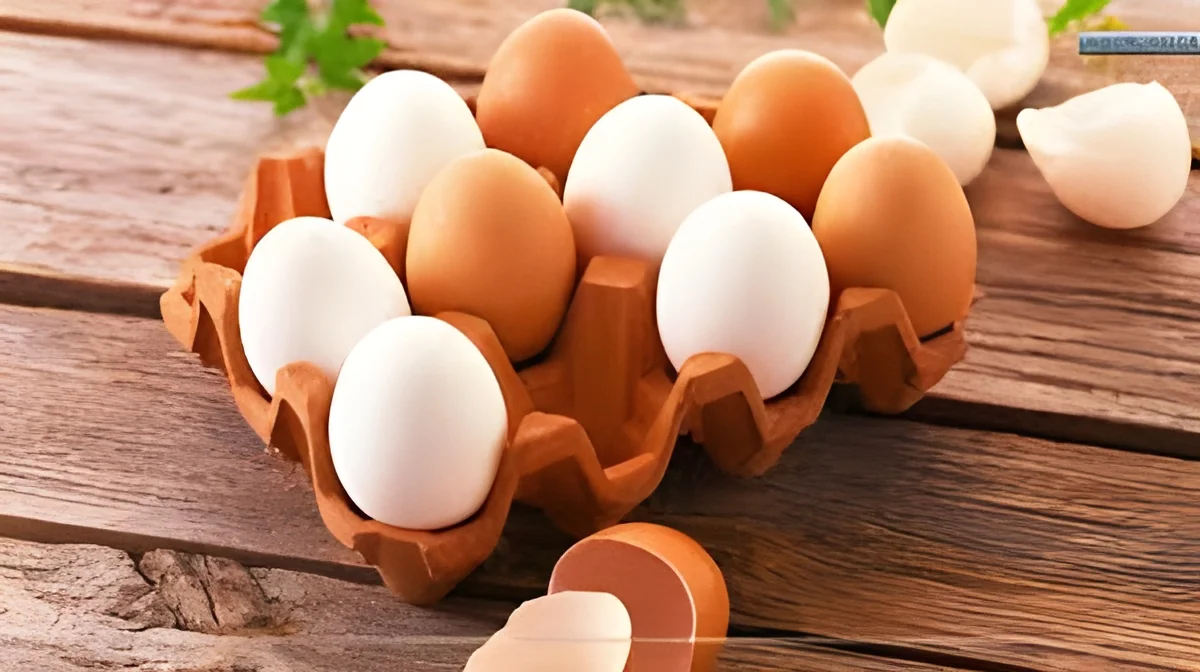
What are Organic Free-Range Eggs?
Organic free-range eggs are produced by hens that are raised in an environment that allows them access to the outdoors. These hens are fed organic feed, which means that their diet is free from synthetic pesticides, herbicides, and genetically modified organisms. The free-range aspect ensures that the hens have the freedom to roam freely outside, promoting better animal welfare and contributing to the overall quality of the eggs.
These eggs are primarily used in various food production settings, including restaurants, catering services, and food manufacturing. They are favored for their rich flavor and higher nutritional value compared to conventional eggs. Businesses that focus on organic or health-conscious consumers often incorporate organic free-range eggs into their offerings, enhancing their product quality and appeal.
The demand for organic free-range eggs has been steadily increasing in recent years as more consumers prioritize ethical farming practices and healthier eating options. This trend is particularly prominent in regions where consumers are willing to pay a premium for high-quality, responsibly sourced food products. As a result, businesses that supply organic free-range eggs are well-positioned in a growing market.
Key Features and Specifications
Organic free-range eggs come with several critical features and specifications that are important for B2B buyers. Understanding these specifications can assist businesses in making informed purchasing decisions.
Key specifications include:
1. Organic Certification
- Ensures that the eggs are produced according to organic farming standards.
- Verified by relevant agricultural authorities.
2. Free-Range Standards
- Hens must have access to outdoor space.
- Minimum space requirements for outdoor access are typically established by organic certification bodies.
3. Nutritional Content
- Higher levels of omega-3 fatty acids and vitamins compared to conventional eggs.
- Rich in protein and essential nutrients.
4. Shell Quality
- Strong, intact shells that reduce breakage during transportation.
- Color may vary based on breed but does not affect quality.
5. Packaging
- Environmentally friendly packaging options available.
- Typically sold in cartons that ensure protection and freshness.
6. Shelf Life
- Generally have a shelf life of 4-5 weeks when refrigerated.
- Proper storage conditions can help maintain freshness.
In summary, these specifications highlight the quality and standards associated with organic free-range eggs, ensuring that businesses can trust the products they are sourcing.
Common Applications and Use Cases
Organic free-range eggs find applications across various industries, making them a versatile ingredient for many businesses.
1. Food Service Industry: Restaurants and cafes utilize organic free-range eggs in breakfast menus, baking, and gourmet dishes, appealing to health-conscious customers.
2. Food Manufacturing: Companies producing baked goods, sauces, and ready-to-eat meals often incorporate organic free-range eggs for their superior taste and nutritional benefits.
3. Health and Wellness Sector: Health food stores and supplement manufacturers may use organic free-range eggs in protein-rich products, catering to fitness enthusiasts.
4. Retail: Grocery stores and specialty markets sell organic free-range eggs as part of their organic product lines, attracting consumers looking for premium food options.
5. Catering Services: Caterers often choose organic free-range eggs for events, providing high-quality options that align with clients' health and sustainability goals.
Overall, the versatility of organic free-range eggs makes them a valuable ingredient for a wide range of businesses.
Product Variants and Subcategories
While organic free-range eggs primarily come in standard forms, there are a few notable variants in the market that cater to specific consumer preferences.
Large Organic Free-Range Eggs
These eggs are favored for their size and are often used in recipes that require larger eggs, such as cakes and quiches. They are known for their rich flavor and higher yolk-to-white ratio.
Medium Organic Free-Range Eggs
These eggs are slightly smaller and typically used in everyday cooking. They are ideal for breakfast dishes and can be a more economical choice for businesses that require a large volume of eggs.
Organic Free-Range Egg Whites
Some suppliers offer egg whites separately for businesses focused on low-fat or high-protein products. These are popular in health-focused food formulations.
Organic Free-Range Liquid Eggs
Available in liquid form for easy incorporation into recipes, these are often used by food manufacturers for consistency and volume in production.
Benefits and Advantages
Choosing organic free-range eggs comes with several benefits that can enhance the value of products and services offered by businesses.
1. Enhanced Flavor: Organic free-range eggs are known for their rich and robust flavor, which can elevate the taste of dishes.
2. Superior Nutritional Value: With higher levels of omega-3 fatty acids and vitamins, these eggs provide better nutrition for consumers.
3. Ethical Sourcing: Sourcing organic free-range eggs supports humane animal husbandry practices, appealing to ethically-minded customers.
4. Increased Market Demand: With growing consumer interest in organic products, businesses can attract a larger customer base by offering organic free-range eggs.
5. Brand Differentiation: Incorporating organic free-range eggs allows businesses to stand out in a crowded market, showcasing their commitment to quality and sustainability.
6. Versatile Applications: The adaptability of organic free-range eggs across various culinary applications makes them a reliable ingredient for many food businesses.
Buying Guide for B2B Buyers
When sourcing organic free-range eggs, it is essential for B2B buyers to consider several key factors to ensure they make informed purchasing decisions.
1. Quality Assessment: Verify that the eggs meet organic certification standards and check for freshness and shell integrity. Conduct quality tests if necessary to ensure the product meets expectations.
2. Supplier Verification: Vet suppliers to confirm their credibility. Look for certifications, reviews, and track records in delivering quality organic products.
3. Pricing and MOQ: Understand the pricing structure and minimum order quantities. Compare prices across various suppliers to ensure competitive rates while maintaining quality.
4. Delivery and Lead Times: Assess the logistics involved in the supply chain. Confirm delivery times and ensure that they align with your operational needs.
5. Compliance Requirements: Be aware of any regional compliance regulations related to organic products. Ensure that the supplier adheres to all necessary safety and quality standards.
Compliance and Certifications
Organic free-range eggs are subject to various compliance and certification standards that ensure their quality and safety. Compliance with ISO 9001 standards guarantees that the production processes meet international quality management requirements. Additionally, adherence to HACCP (Hazard Analysis Critical Control Point) principles helps identify and manage food safety risks throughout the production chain.
Certifications like CE may apply in certain markets, signifying that the products meet European health, safety, and environmental protection standards. It is crucial for suppliers to provide documentation of these certifications to maintain transparency and build trust with buyers.
Moreover, businesses must consider regional compliance aspects, as different countries may impose specific regulations or requirements for organic products. Staying informed about these standards helps ensure that the sourced products remain compliant and safe for consumption.
Why Source Organic Free-Range Eggs from Pepagora?
Pepagora offers a reliable platform for sourcing organic free-range eggs, providing several advantages for B2B buyers.
Verified Supplier Network: Pepagora connects buyers with a network of verified suppliers, ensuring that all listed products meet high-quality standards. This verification process helps businesses find trustworthy sources for their organic egg needs.
Streamlined RFQ Process: The platform features an efficient Request for Quotation (RFQ) system, allowing buyers to easily request and compare quotes from multiple suppliers. This feature simplifies the sourcing process, making it more accessible for businesses to secure competitive pricing.
Trade Assurance and Support: Pepagora provides trade assurance, offering buyer protection throughout the transaction process. This assurance helps build confidence in the sourcing experience and reduces the risks associated with procurement.
Regional Coverage: With a strong presence in India, the GCC, and Southeast Asia, Pepagora ensures that businesses can access organic free-range eggs from reliable suppliers in these key regions. This geographic reach enhances sourcing opportunities for companies looking to expand their product offerings.
Overall, Pepagora stands out as a trusted resource for businesses seeking high-quality organic free-range eggs, facilitating a smoother and more reliable procurement process.

 IN
IN