What are Organic Dry Fruits & Nuts?
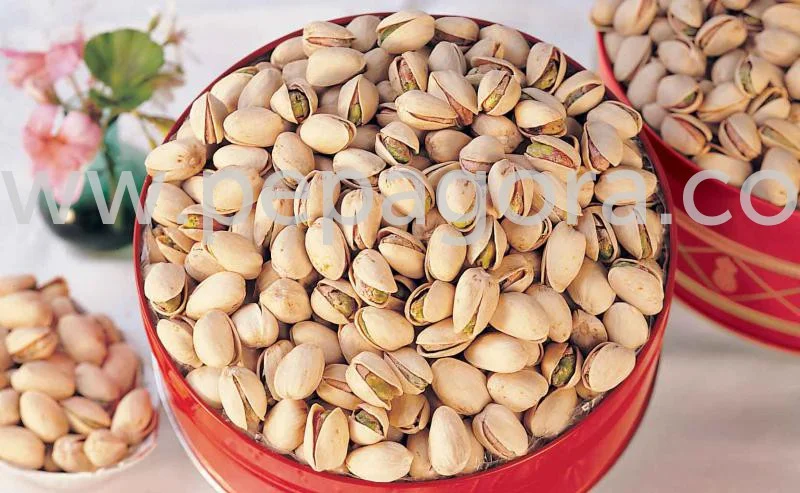
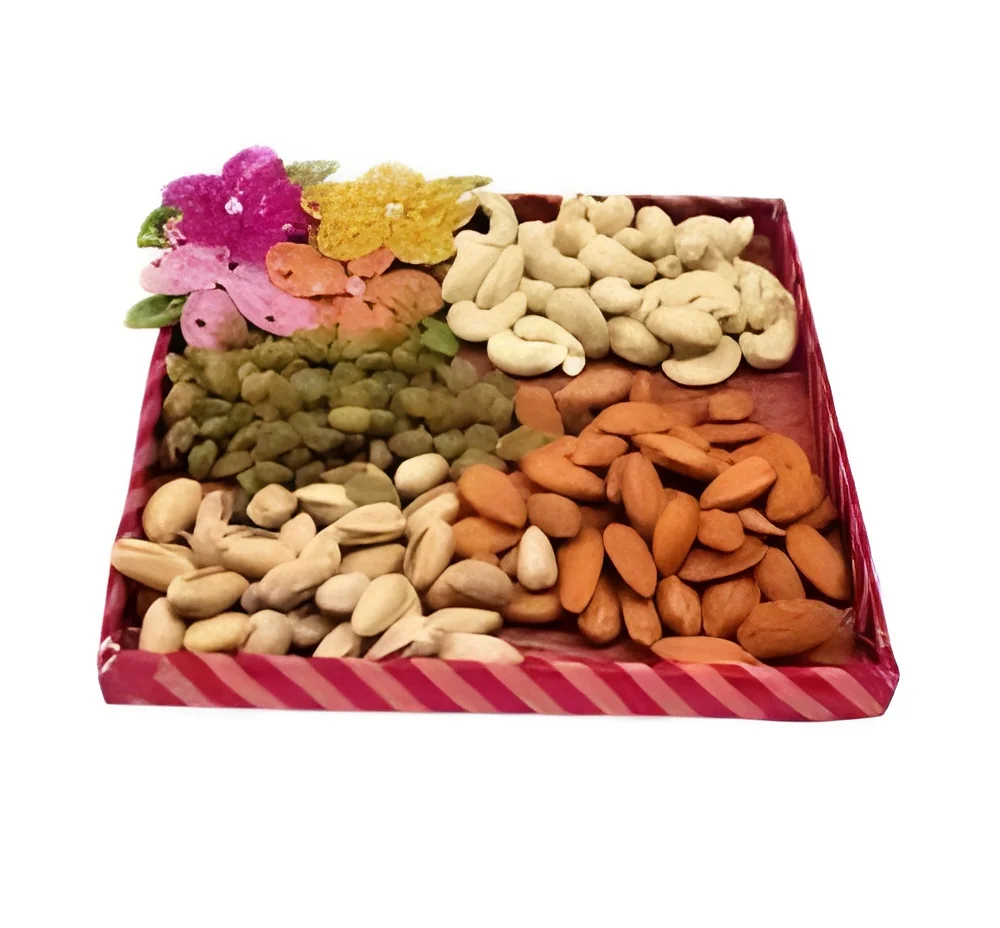
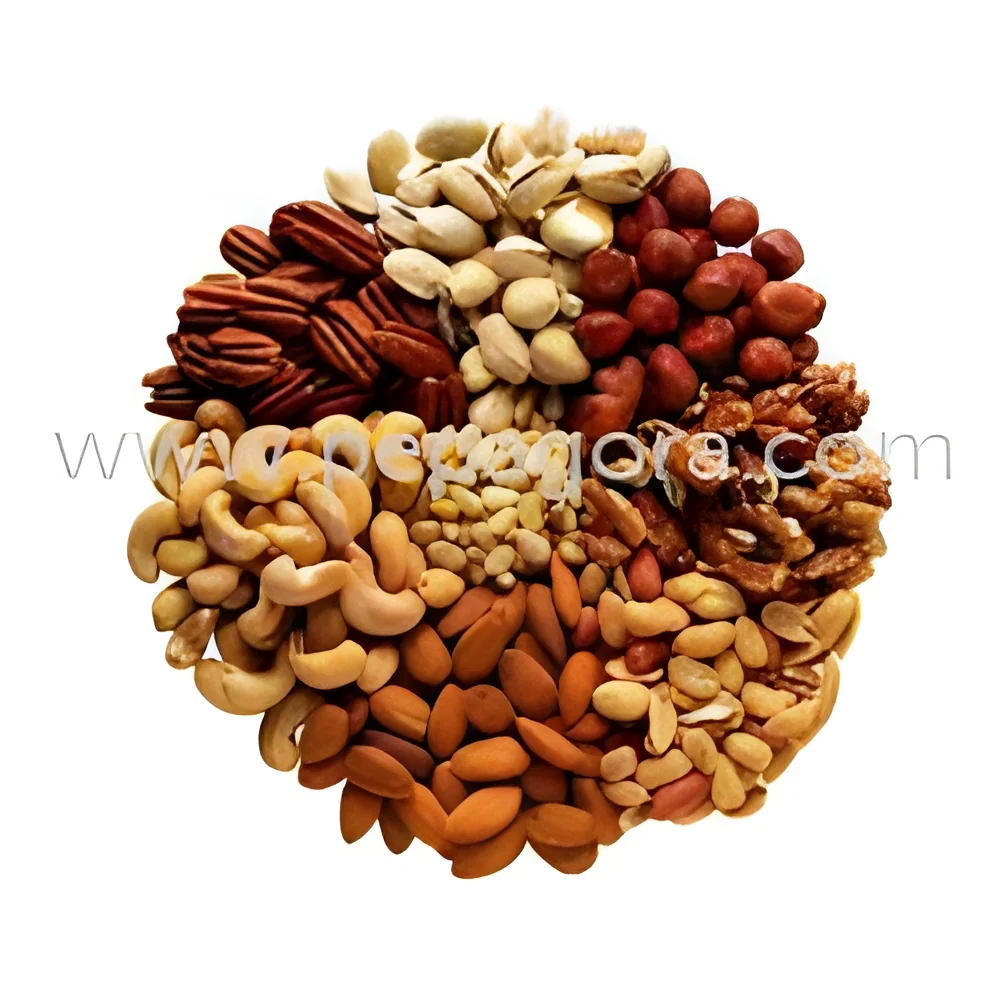
Organic dry fruits and nuts are natural food products that have been grown without the use of synthetic fertilizers, pesticides, or other harmful chemicals. These products are typically harvested at peak ripeness and undergo minimal processing to retain their nutritional value. The organic certification ensures that these items meet specific agricultural standards, making them a healthier option for consumers and businesses alike.
In the B2B sector, organic dry fruits and nuts find numerous applications. They are widely used in the food industry for manufacturing snacks, granola bars, trail mixes, and baked goods. Additionally, they serve as key ingredients in health foods and supplements due to their rich nutrient profile, which includes essential vitamins, minerals, and healthy fats. The growing awareness of health and wellness among consumers has led to an increase in demand for organic products, positioning businesses that offer these items favorably in the marketplace.
As the organic food industry continues to expand, the market for organic dry fruits and nuts is expected to grow. Businesses that invest in sourcing high-quality organic products are likely to benefit from rising consumer demand, making these items not just a healthful choice but also a strategic business decision.
Key Features and Specifications
Organic dry fruits and nuts come with various features and specifications that cater to different business needs. Understanding these specifications can help buyers make informed purchasing decisions.
Key specifications include:
1. Organic Certification
- Ensures that products are grown and processed without synthetic chemicals
- Complies with national and international organic standards
2. Nutritional Content
- High in vitamins, minerals, and healthy fats
- Specific nutrient levels vary by product type (e.g., almonds, cashews, raisins)
3. Packaging Options
- Available in bulk or retail packaging
- Options for vacuum-sealed packaging to enhance shelf life
4. Shelf Life
- Typically ranges from 6 months to 2 years, depending on the product and storage conditions
- Best stored in cool, dry environments to maintain freshness
5. Moisture Content
- Ideal moisture levels to prevent spoilage and maintain quality
- Usually monitored and controlled during processing
6. Allergen Information
- Clear labeling of potential allergens such as nuts or gluten
- Important for compliance with food safety regulations
7. Sourcing Transparency
- Detailed information on sourcing and processing practices
- Builds trust and ensures quality assurance for buyers
8. Customization Options
- Ability to customize blends based on buyer specifications
- Includes variations in flavor profiles and ingredient ratios
In summary, understanding these features and specifications is crucial for businesses seeking to source organic dry fruits and nuts that meet their quality and operational requirements.
Common Applications and Use Cases
Organic dry fruits and nuts serve diverse industries and applications, making them versatile components in various products.
1. Food Manufacturing: These ingredients are commonly used in the production of snacks, cereals, and baked goods, enhancing flavor and nutritional value.
2. Health and Wellness: Many health food brands incorporate organic dry fruits and nuts into their products, such as protein bars and smoothies, capitalizing on their health benefits.
3. Retail: Grocery stores and health food shops stock organic dry fruits and nuts for direct consumer sales, catering to health-conscious customers.
4. Catering and Hospitality: Restaurants and caterers utilize these ingredients in salads, desserts, and as garnishes, appealing to customers looking for healthy options.
5. Nutraceuticals: Organic dry fruits and nuts are included in dietary supplements for their health properties, contributing to the growing nutraceutical market.
6. Vegan and Vegetarian Products: These ingredients are essential in plant-based diets, providing necessary proteins and fats that are otherwise hard to obtain.
7. Confectionery: Chocolate-covered organic nuts and dried fruits are popular in the confectionery industry, offering a healthier treat option.
Product Variants and Subcategories
Organic dry fruits and nuts come in various forms, catering to different preferences and uses.
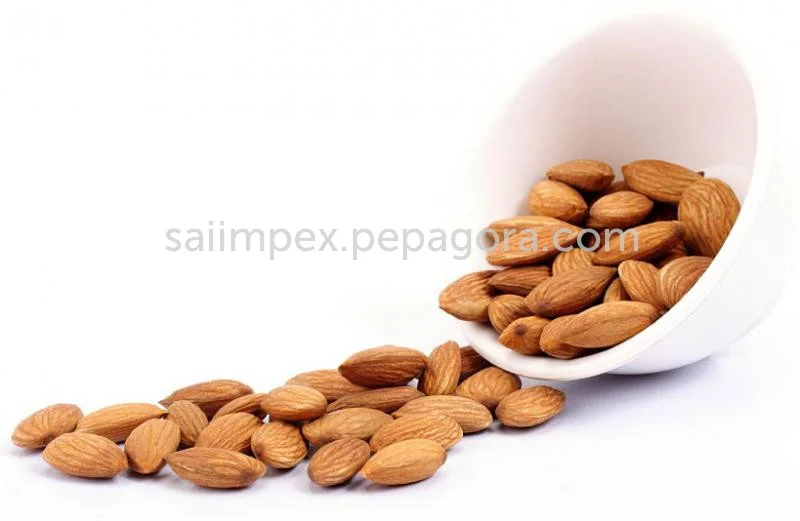
Almonds
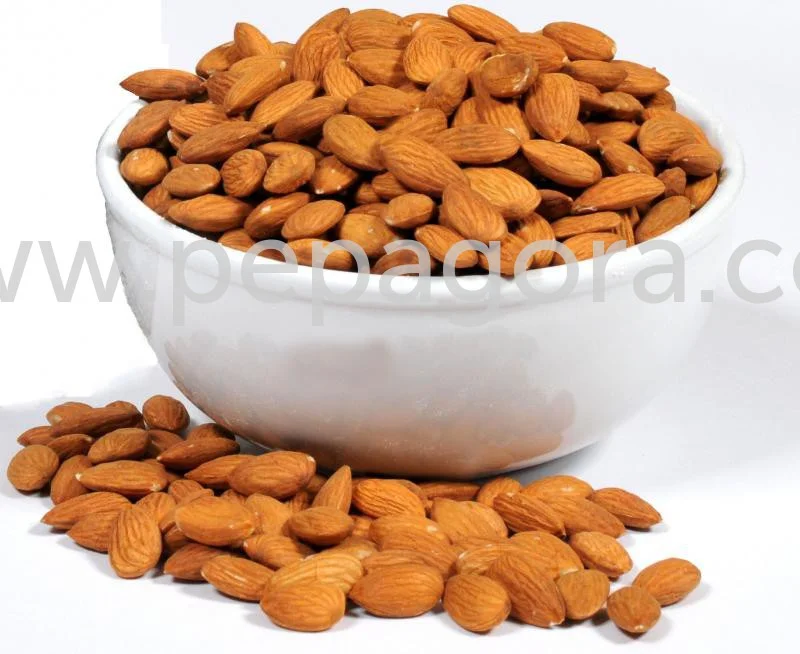
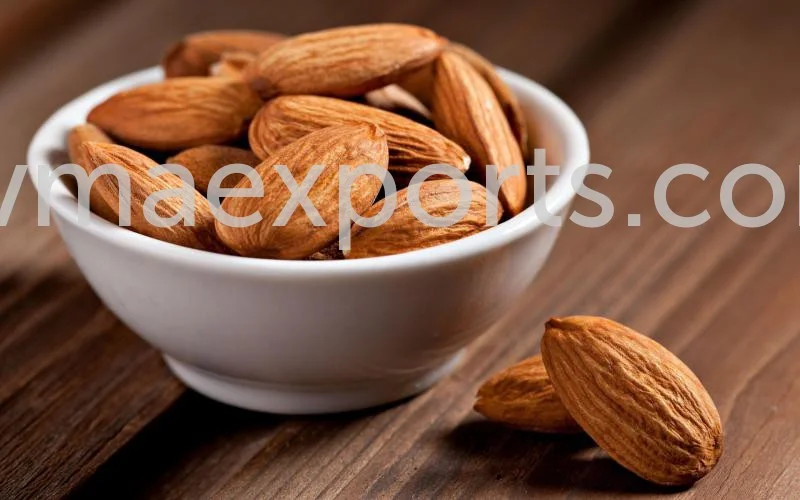
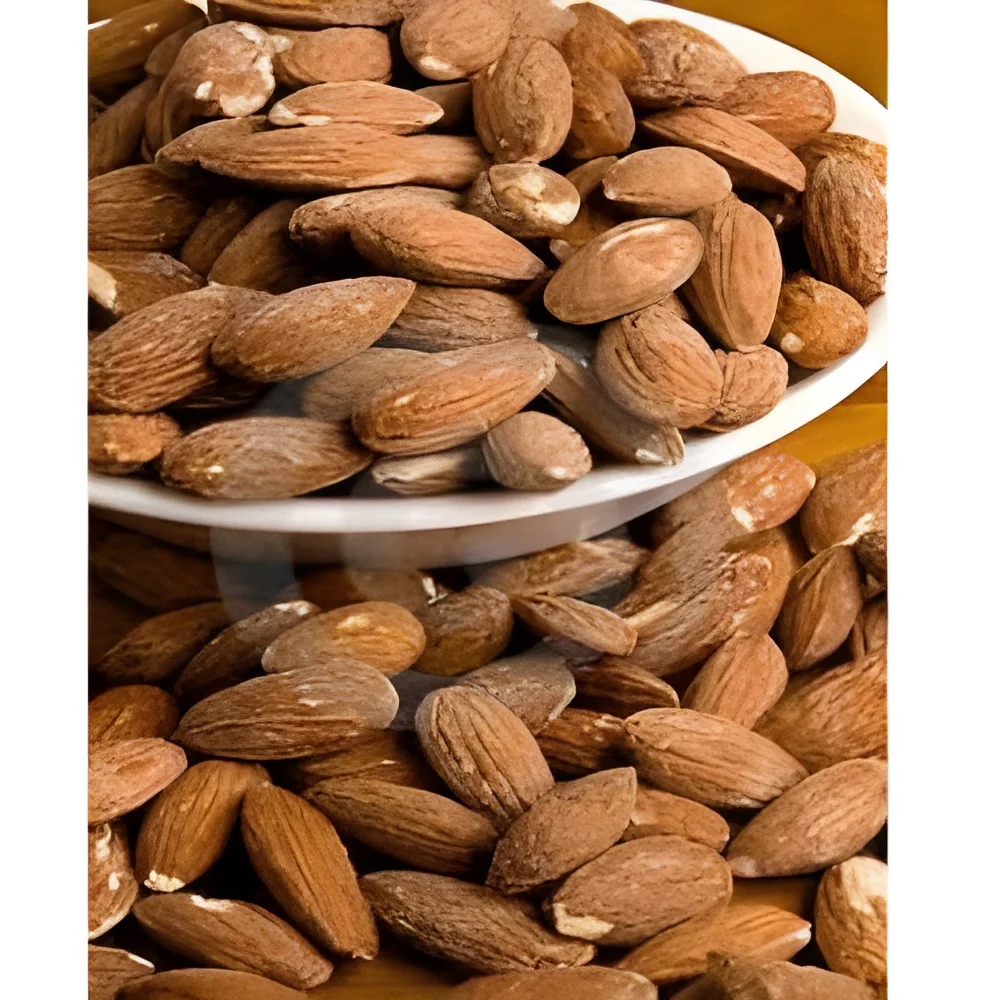
Almonds are a popular choice known for their high protein and healthy fat content. They can be consumed raw, roasted, or as almond butter, making them versatile for numerous recipes.
Cashews
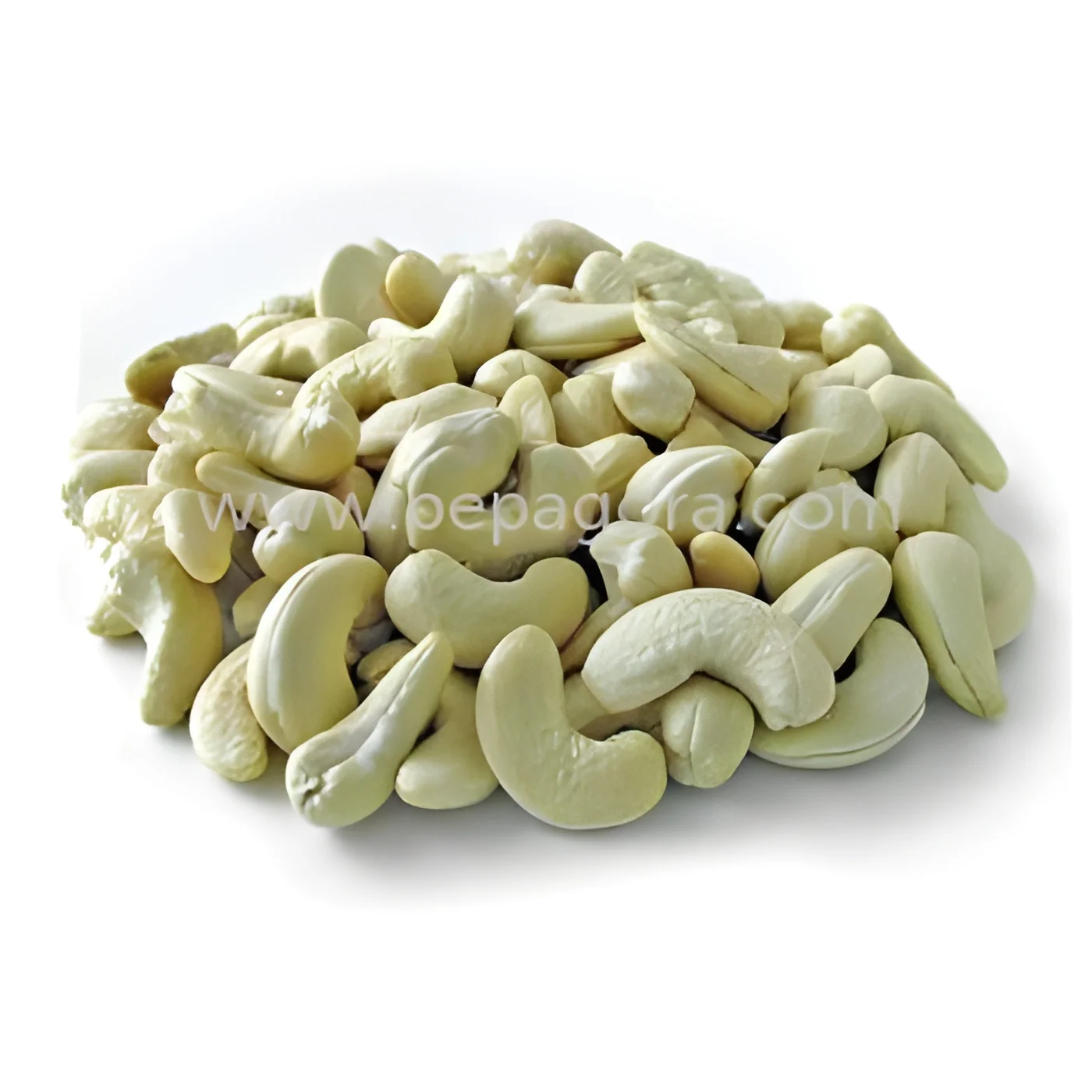
Cashews offer a creamy texture and are often used in vegan cooking as a dairy substitute. They are available raw or roasted and can also be made into cashew butter.
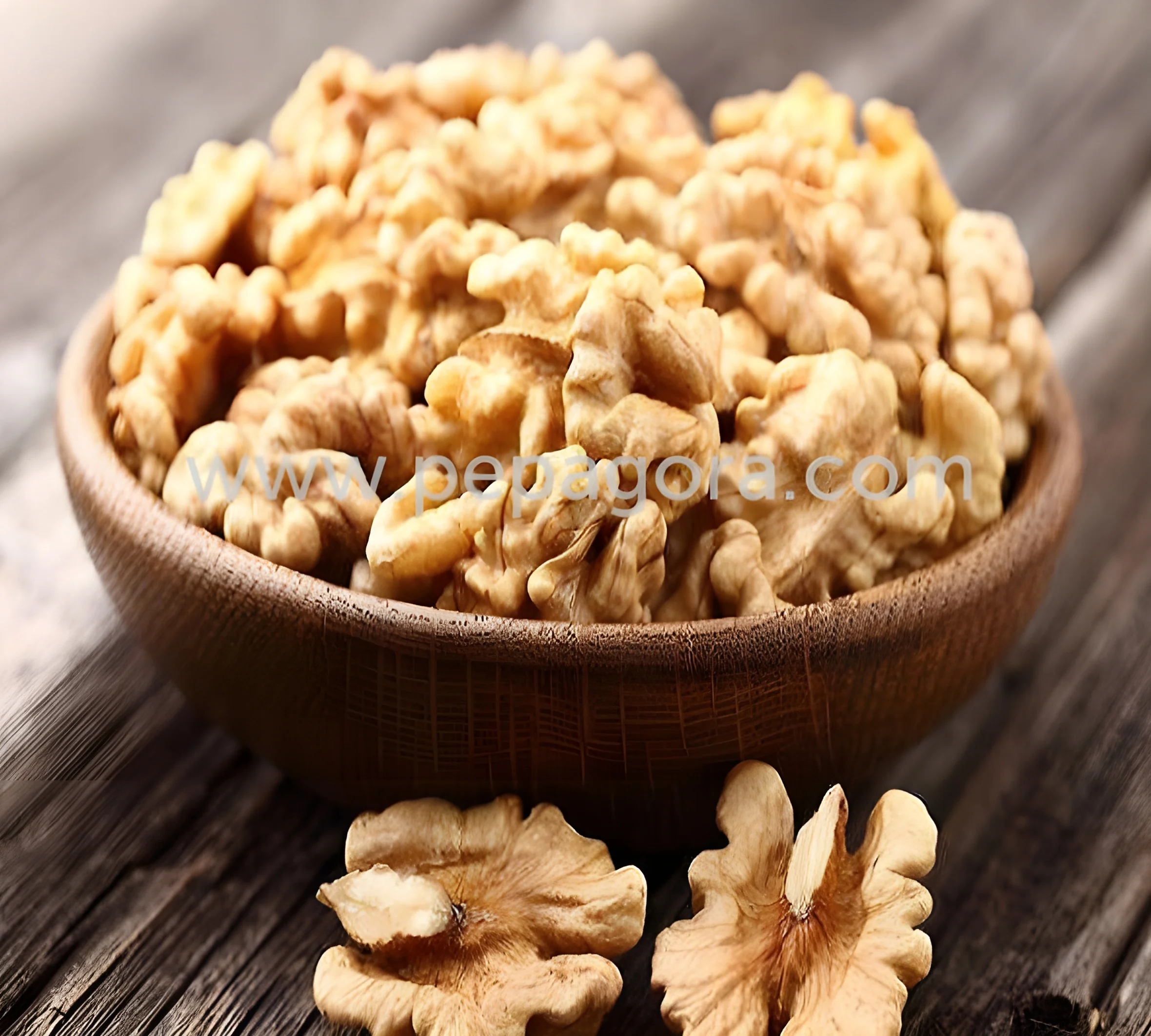
Walnuts
Rich in omega-3 fatty acids, walnuts are ideal for baking and cooking. Their unique flavor makes them a favorite in salads and desserts.
Dried Apricots
These are valued for their natural sweetness and high vitamin A content. They are often used in trail mixes and as healthy snacks.
Dates
Dates are naturally sweet and serve as an excellent sugar substitute in recipes. They provide instant energy and are often used in energy bars.
Benefits and Advantages
Sourcing organic dry fruits and nuts comes with several benefits that can enhance business performance.
1. Health Benefits: Organic dry fruits and nuts are nutrient-dense, providing essential vitamins and minerals that contribute to overall health.
2. Consumer Demand: With the rising trend towards healthy eating, offering organic products can attract health-conscious consumers and expand market reach.
3. Sustainability: Sourcing organic products supports sustainable farming practices, appealing to environmentally-conscious customers.
4. Versatility: These ingredients can be used across multiple product lines, from snacks to health foods, allowing for diverse offerings.
5. Competitive Edge: Businesses that provide organic options can differentiate themselves in a crowded market, attracting a loyal customer base.
6. Quality Assurance: Organic certification ensures high product quality, establishing trust with consumers and reducing risks associated with harmful additives.
Buying Guide for B2B Buyers
When sourcing organic dry fruits and nuts, businesses should consider several critical factors to ensure they make the right choice.
1. Quality Assessment: It is essential to evaluate the quality of organic dry fruits and nuts. This includes checking for certifications, freshness, and overall appearance.
2. Supplier Verification: Vetting suppliers is crucial for ensuring reliability. Look for suppliers with a proven track record and positive reviews within the industry.
3. Pricing and MOQ: Understanding the pricing structure and minimum order quantities (MOQ) can help in budgeting and planning. Compare prices across different suppliers to ensure competitive rates.
4. Delivery and Lead Times: Confirm logistics arrangements, including delivery schedules and lead times, to ensure timely receipt of products.
5. Compliance Requirements: Be aware of any regulatory needs related to organic products, such as labeling and safety standards, to ensure compliance with local and international laws.
Compliance and Certifications
Organic dry fruits and nuts are subject to various quality standards and certifications that ensure their safety and integrity.
ISO 9001 is a widely recognized quality management standard that applies to businesses in the food industry, ensuring that products meet customer and regulatory requirements consistently.
HACCP (Hazard Analysis Critical Control Point) certification is crucial in identifying and controlling potential hazards in food production processes, ensuring that organic dry fruits and nuts are safe for consumption.
Good Distribution Practices (GDP) are also important, focusing on the proper storage and transport of organic products to maintain their quality and safety.
Additionally, compliance with CE standards may be necessary for certain markets, ensuring that products meet European health and safety requirements.
Regionally, different countries may have specific regulations regarding organic labeling and certification, which must be adhered to in order to market these products effectively.
Why Source Organic Dry Fruits & Nuts from Pepagora?
Pepagora offers a reliable platform for sourcing organic dry fruits and nuts, providing numerous advantages for businesses looking to enhance their product offerings.
Verified Supplier Network: The platform features a network of verified suppliers, ensuring that buyers can source high-quality organic products with confidence. This verification process minimizes risks associated with substandard products.
Streamlined RFQ Process: Pepagora simplifies the request for quotation (RFQ) process, allowing buyers to easily compare offers from multiple suppliers. This transparency helps businesses make informed purchasing decisions.
Trade Assurance and Support: Buyers benefit from trade assurance, which provides protection against potential transaction risks. This support fosters trust and encourages a smooth purchasing experience.
Regional Coverage: With a broad geographic reach that includes India, the GCC, and Southeast Asia, Pepagora connects buyers with suppliers across various markets, facilitating access to a diverse range of organic dry fruits and nuts.
By choosing Pepagora as a sourcing partner, businesses can ensure they are well-equipped to meet the growing demand for organic products in their respective markets.

 IN
IN


 India
India