
 IN
INOrganic Carrots
4 products available
What are Organic Carrots?
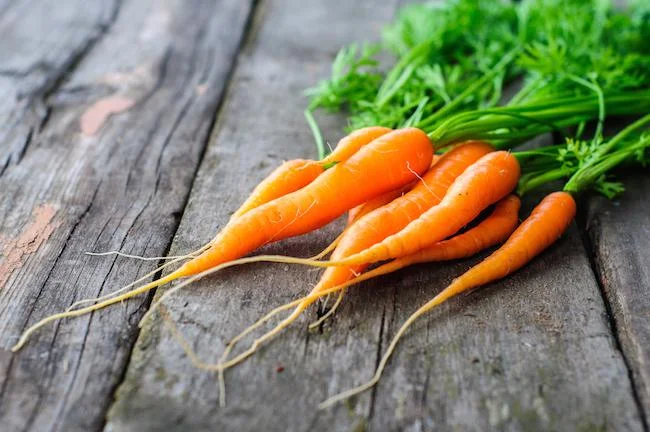
Organic carrots are vegetables cultivated without the use of synthetic fertilizers, pesticides, or genetically modified organisms (GMOs). They are grown in compliance with organic farming standards that promote ecological balance and biodiversity. This cultivation method enhances the nutritional profile of the carrots, making them not only healthy but also environmentally friendly.
These carrots are primarily used in the food industry, including retail markets, restaurants, and food processing sectors. Their versatility allows them to be consumed raw, cooked, or juiced, and they are often featured in salads, soups, and side dishes. The growing consumer demand for organic products has positioned organic carrots as a significant player in the market, appealing to health-conscious consumers and businesses alike.
The relevance of organic carrots in the industry is underscored by the increasing trend towards healthy eating and sustainable agriculture. As more consumers prioritize organic options, the market for organic carrots continues to expand, creating opportunities for suppliers and businesses that focus on organic produce.
Key Features and Specifications
Organic carrots possess several key features that distinguish them from conventional counterparts. Their natural growth process ensures higher nutrient levels and better taste. Additionally, they are often grown in nutrient-rich soil, contributing to their quality.
Key specifications include:
1. Nutritional Value
- High in vitamins A, C, and K
- Rich in dietary fiber and antioxidants
2. Size and Appearance
- Typically ranges from 6 to 8 inches in length
- Firm texture with a vibrant orange color
3. Shelf Life
- Can last up to 2-3 weeks under proper storage conditions
- Requires refrigeration for optimal freshness
4. Taste Profile
- Naturally sweet flavor
- Crisp texture when fresh
5. Packaging Options
- Available in bulk or retail packaging
- Options for eco-friendly packaging materials
6. Harvesting Practices
- Hand-harvested to maintain quality
- Typically harvested in the fall and spring
In summary, organic carrots offer a combination of nutritional benefits, appealing appearance, and sustainable farming practices that make them a preferred choice for many consumers and businesses.
Common Applications and Use Cases
Organic carrots serve various industries, owing to their versatility and health benefits.
1. Food Retail: Organic carrots are popular in grocery stores and supermarkets, often featured prominently in the fresh produce section.
2. Food Service: Restaurants and catering companies use organic carrots for salads, soups, and as side dishes, appealing to health-conscious diners.
3. Food Processing: These carrots are also processed into juices, purees, and snacks, expanding their market reach.
4. Health and Wellness: Organic carrots are frequently used in health-focused products, such as smoothies and dietary supplements.
5. Baby Food Production: Their natural sweetness and nutritional profile make organic carrots a favored ingredient in organic baby food products.
6. Organic Meal Kits: Many meal kit services include organic carrots as part of their offerings, emphasizing fresh and healthy meal options.
Product Variants and Subcategories
Organic carrots come in several varieties, each with unique features and applications.
Nantes Carrots
Nantes carrots are known for their sweet flavor and smooth texture. They are often used in salads and as a raw snack. Their uniform size makes them ideal for culinary presentations.
Imperator Carrots
Imperator carrots are longer and thicker than other varieties, making them suitable for juicing and cooking. Their crunchy texture and vibrant color add visual appeal to dishes.
Chantenay Carrots
Chantenay carrots are shorter and broader, with a sweet taste that is perfect for roasting or stewing. They are popular in home cooking for their rich flavor.
Benefits and Advantages
Organic carrots provide numerous benefits that appeal to both consumers and businesses.
1. Health Benefits: Organic carrots are free from harmful chemicals, making them a healthier choice for consumers.
2. Environmental Impact: Sourcing organic carrots supports sustainable farming practices that promote soil health and biodiversity.
3. Nutritional Value: These carrots are packed with essential vitamins and minerals that contribute to overall health.
4. Taste and Freshness: Organic carrots often have superior flavor and freshness compared to conventionally grown options.
5. Market Demand: Increasing consumer interest in organic produce means that businesses can benefit from higher sales and customer loyalty.
6. Versatility: Organic carrots can be used in a wide range of culinary applications, enhancing their appeal across various sectors.
Buying Guide for B2B Buyers
When sourcing organic carrots, it is essential to consider several factors to ensure quality and reliability.
1. Quality Assessment: Look for organic certifications and conduct sensory evaluations to ensure freshness and taste. Inspect for uniformity in size and color.
2. Supplier Verification: Vet suppliers thoroughly by checking for organic certification and references from other buyers. This helps ensure reliability and quality.
3. Pricing and MOQ: Evaluate pricing structures and minimum order quantities to find a supplier that fits your budget and needs. Be aware of seasonal price fluctuations.
4. Delivery and Lead Times: Confirm delivery schedules and lead times to ensure timely supply for your operations. Discuss logistics and transportation options with your supplier.
5. Compliance Requirements: Ensure that the supplier meets all relevant regulatory requirements for organic produce, including safety standards and labeling.
Compliance and Certifications
Organic carrots are subject to various quality standards and certifications that ensure their safety and integrity.
ISO 9001 is a quality management standard that ensures consistent product quality and operational efficiency. Compliance with this standard indicates that suppliers maintain high production standards.
HACCP (Hazard Analysis Critical Control Point) is a systematic approach to food safety that identifies and controls potential hazards in food production. Suppliers adhering to HACCP principles demonstrate a commitment to food safety.
CE certification confirms that products meet European health, safety, and environmental protection standards. While not specific to organic carrots, it provides assurance of quality.
Safety and testing requirements are critical to ensuring that organic carrots are free from contaminants. Regular testing for pesticide residues and pathogens is essential.
Regional compliance considerations may vary depending on local regulations governing organic farming and sales. Buyers should be familiar with these requirements to ensure compliance.
Why Source Organic Carrots from Pepagora?
Pepagora provides a trusted platform for sourcing organic carrots, offering several advantages to businesses.
Verified Supplier Network: Pepagora connects buyers with a network of verified suppliers who meet stringent organic farming standards. This ensures that buyers receive high-quality products while minimizing risk.
Streamlined RFQ Process: The request for quotation (RFQ) process is straightforward, allowing buyers to easily compare offers from multiple suppliers. This transparency helps businesses make informed purchasing decisions.
Trade Assurance and Support: Pepagora offers trade assurance, providing protection for buyers and ensuring that suppliers meet their obligations. This support fosters confidence in the sourcing process.
Regional Coverage: With a presence in India, the GCC, and Southeast Asia, Pepagora allows businesses to access organic carrots from reliable sources across diverse markets. This regional reach enhances supply chain efficiency and flexibility.


 India
India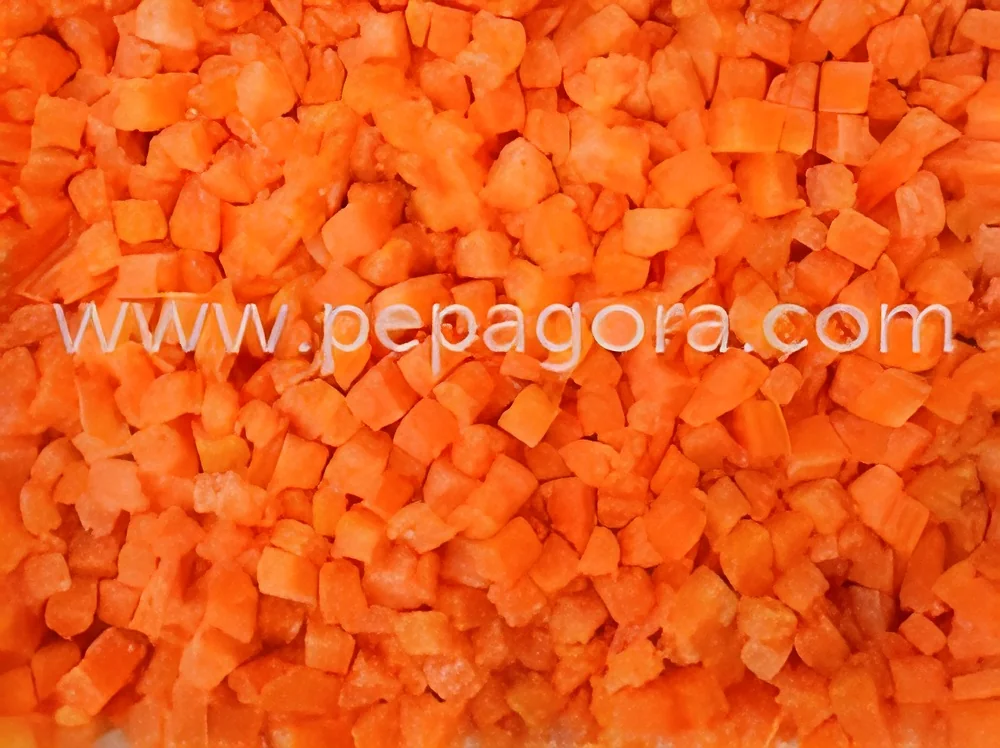
 India
India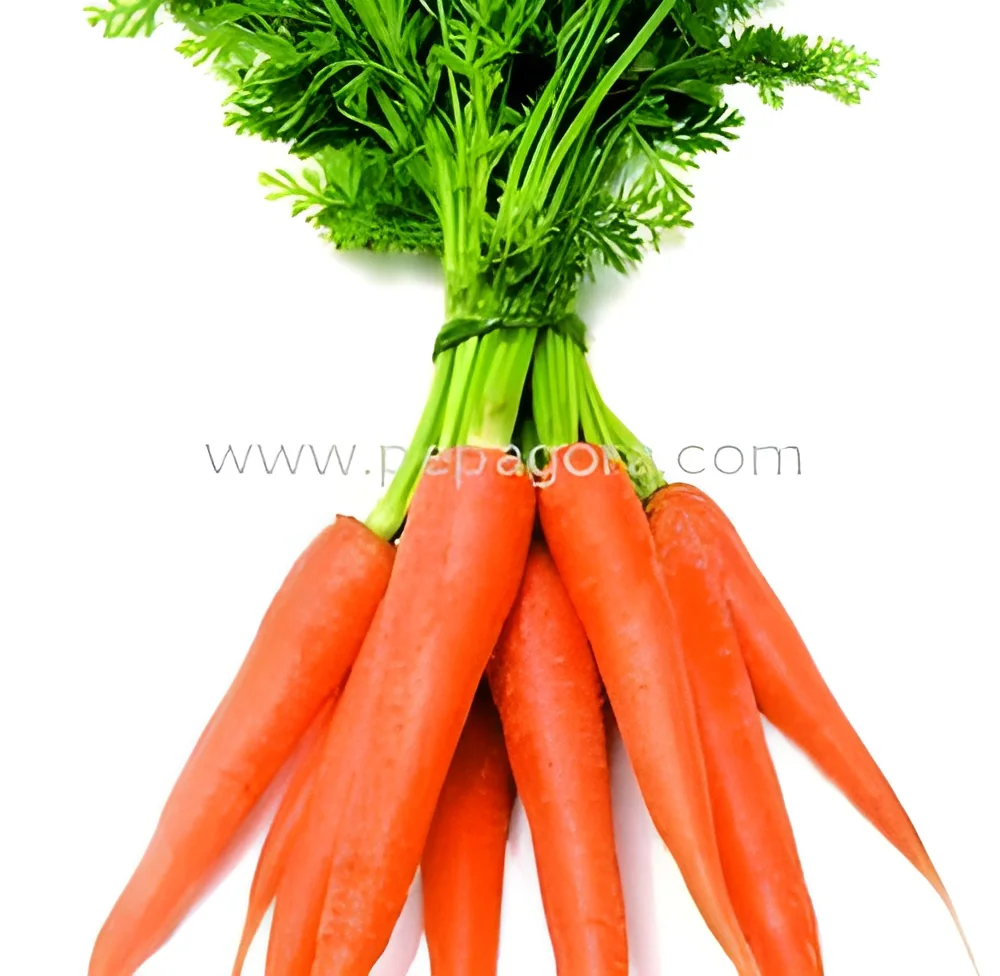 India
India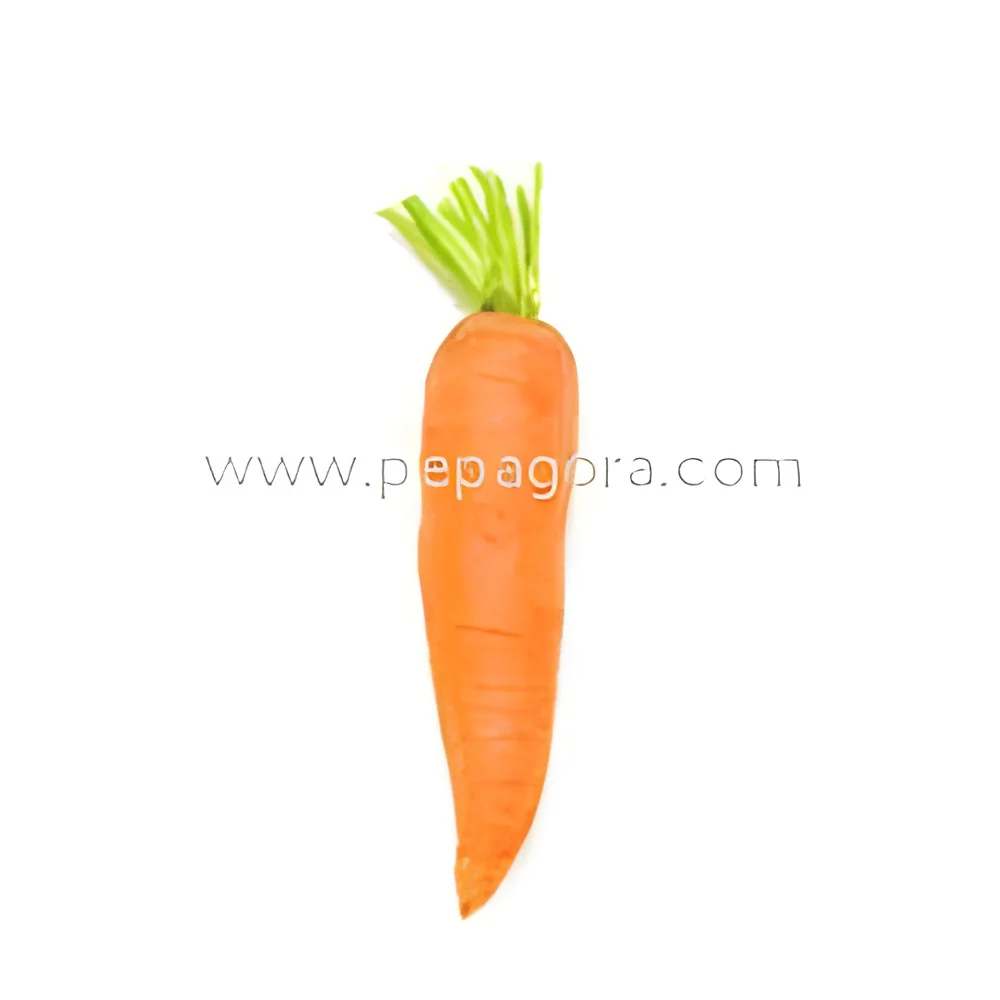
Frequently Asked Questions
What are Organic Carrots?
Organic carrots are carrots that are grown without the use of synthetic fertilizers, pesticides, or genetically modified organisms. They are cultivated using organic farming practices that promote biodiversity and sustainability.
What are the different types of Organic Carrots?
There are several types of organic carrots, including Nantes, Imperator, and Chantenay varieties. Each type varies in length, color, and flavor profile, catering to different culinary needs and preferences.
How do I choose the right Organic Carrots?
When selecting organic carrots, look for firm and smooth skin without blemishes or soft spots. The color should be vibrant, indicating freshness, and consider the size based on your intended use—thinner carrots are often sweeter.
What are the standard specifications for Organic Carrots?
Standard specifications for organic carrots typically include size, weight, and color uniformity. They should be free from pesticide residues and meet organic certification standards as per agricultural regulations.
What is the price range for Organic Carrots?
The price range for organic carrots can vary based on factors such as region, seasonality, and demand. Generally, they may cost between INR 40 to INR 100 per kilogram, depending on the quality and supplier.
What quality standards apply to Organic Carrots?
Quality standards for organic carrots include compliance with USDA Organic or other local organic certification standards. Carrots must meet specific criteria for size, shape, and absence of chemical residues to be considered high quality.
Where can I find Organic Carrots suppliers in India?
You can find organic carrots suppliers in India through online B2B marketplaces such as Pepagora.com. Additionally, local farmers' markets and organic food cooperatives often have listings of certified suppliers.
Can Organic Carrots be customized?
Organic carrots are generally available in standard sizes and varieties; however, some suppliers may offer customization options in terms of packaging or bulk quantities based on buyer requirements.
What is the typical minimum order quantity for Organic Carrots?
The minimum order quantity (MOQ) for organic carrots can vary by supplier but is commonly around 100 kilograms. It is advisable to check with specific suppliers for their MOQ policies.
What is the typical lead time for Organic Carrots?
The typical lead time for organic carrots can range from 3 to 10 days, depending on the supplier's location and availability. It's best to confirm with the supplier regarding their specific delivery timelines.
Why Businesses Trust Pepagora
Thousands of companies trust Pepagora to source smarter and sell faster
Expand Your Sales Globally

Source Smarter,Grow Faster
