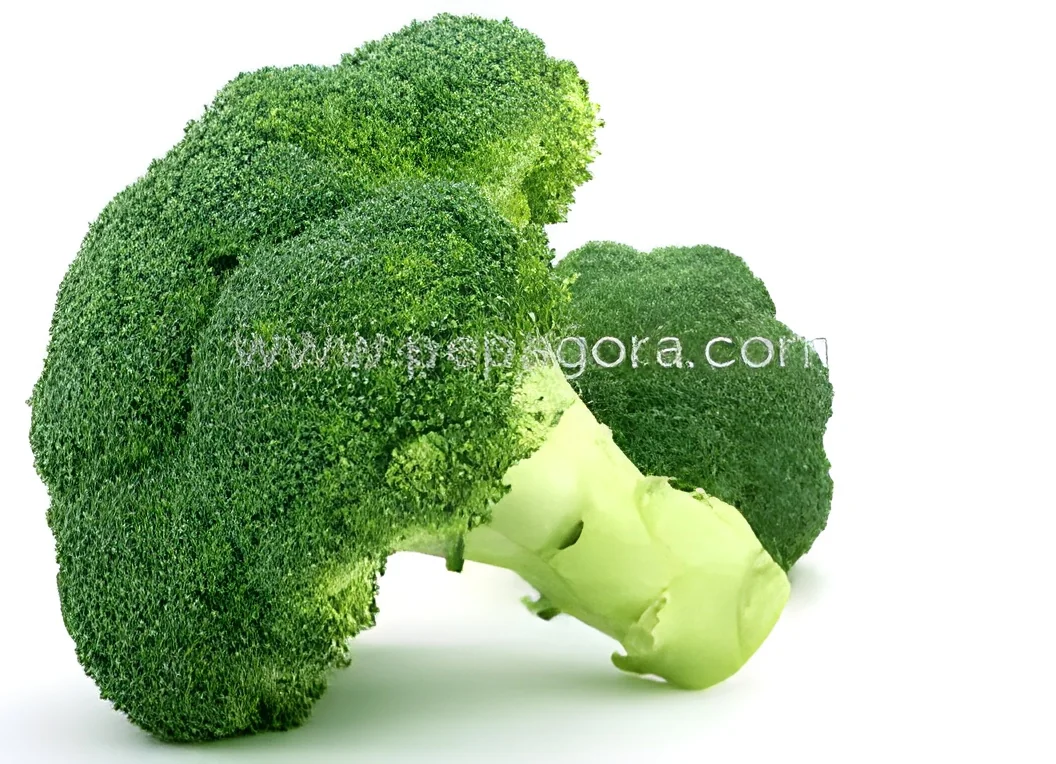
What are Organic Broccoli & Zucchini?
Organic Broccoli and Zucchini are two popular vegetables cultivated using organic farming practices. Organic Broccoli is a nutrient-rich green vegetable known for its high levels of vitamins C and K, along with fiber and antioxidants. Zucchini, often referred to as courgette, is a summer squash that is low in calories but high in essential nutrients like potassium and vitamin A. Both vegetables are grown without synthetic fertilizers or pesticides, adhering to organic standards that promote environmental sustainability.
These vegetables are widely used in various culinary applications, from fresh salads to cooked dishes. In the B2B context, they are essential products for food distributors, restaurants, and grocery stores that prioritize organic offerings. The demand for organic produce is steadily increasing as consumers become more health-conscious and environmentally aware. This trend presents numerous opportunities for businesses looking to capitalize on the growing market for organic vegetables.
The relevance of Organic Broccoli and Zucchini in the agricultural and food industries cannot be overstated. As more consumers seek organic options, producers and suppliers are adapting to meet this demand. This shift not only supports sustainable farming practices but also contributes to healthier eating habits across the globe. Understanding the benefits and applications of these vegetables is crucial for businesses aiming to stay competitive in the organic market.
Key Features and Specifications
Organic Broccoli and Zucchini possess several key features that make them desirable for businesses in the food industry. Both vegetables are known for their exceptional flavor, versatility, and nutritional value. Additionally, they are cultivated under strict organic standards, ensuring quality and safety for consumers.
Key specifications include:
1. Nutritional Content
- Rich in vitamins, minerals, and antioxidants
- Low in calories with high fiber content
2. Organic Certification
- Complies with national and international organic farming regulations
- Certified by recognized bodies such as USDA and CE
3. Harvesting and Storage
- Typically harvested at peak ripeness to ensure flavor and nutrition
- Requires proper storage conditions to maintain freshness
4. Shelf Life
- Organic Broccoli typically lasts 5-7 days when refrigerated
- Zucchini has a shelf life of approximately 4-7 days under optimal conditions
5. Packaging
- Available in bulk or retail packaging options
- Eco-friendly packaging solutions are often utilized
6. Size Variations
- Broccoli is available in various head sizes, typically ranging from small to large
- Zucchini can be found in different lengths and diameters
7. Color and Appearance
- Organic Broccoli is characterized by vibrant green florets and firm stalks
- Zucchini is usually green or yellow, with a smooth skin texture
In summary, Organic Broccoli and Zucchini are defined by their rich nutritional profiles, strict organic certification, and various specifications that cater to the needs of the food industry.
Common Applications and Use Cases
Organic Broccoli and Zucchini find applications across a wide range of industries. These vegetables are not only staples in the culinary world but also play crucial roles in health and wellness sectors.
1. Food Service Industry: Restaurants and catering services utilize these vegetables in a variety of dishes, from stir-fries to salads, enhancing menu offerings.
2. Retail Grocery: Organic supermarkets and health food stores stock these vegetables to meet consumer demand for organic produce.
3. Meal Kits: Companies providing meal kit delivery services often include Organic Broccoli and Zucchini as key ingredients in their recipes.
4. Frozen Food Manufacturers: These vegetables are commonly frozen to preserve freshness and are sold in convenient meal options.
5. Juicing and Smoothie Companies: Organic Broccoli and Zucchini are popular ingredients for health-focused beverages, promoting their nutritional benefits.
6. Health and Wellness Products: These vegetables are often featured in dietary supplements and health foods due to their rich antioxidant content.
7. Food Processing: Organic Broccoli and Zucchini can be processed into soups, sauces, and snacks, catering to the growing demand for convenient food options.
Product Variants and Subcategories
Organic Broccoli and Zucchini come in various forms that cater to different market needs. The diversity of these vegetables allows businesses to offer tailored solutions for their customers.
Organic Broccoli Florets
These are pre-cut broccoli pieces that are ready to use. They are convenient for food service operations and can be easily incorporated into a variety of dishes, saving preparation time.
Organic Zucchini Noodles
Also known as zoodles, these are spiralized zucchini used as a low-carb pasta alternative. They appeal to health-conscious consumers and are popular in meal prep services and restaurants.
Organic Baby Broccoli
This variant is smaller and more tender than standard broccoli. It has a milder flavor and is often used in salads or as a garnish in gourmet dishes.
Organic Yellow Zucchini
This variant offers a slightly sweeter taste compared to green zucchini. It is used in a variety of culinary applications and adds color to dishes.
Benefits and Advantages
Sourcing Organic Broccoli and Zucchini provides numerous advantages for businesses looking to enhance their product offerings.
1. Health Benefits: These vegetables are packed with essential vitamins and minerals, promoting overall health and wellness among consumers.
2. Market Demand: The growing trend towards organic foods means increased consumer interest and potential sales for businesses offering these products.
3. Versatility: Organic Broccoli and Zucchini can be used in various dishes, appealing to a wide range of culinary applications.
4. Sustainable Practices: Sourcing organic vegetables supports environmentally friendly farming practices that are beneficial for the planet.
5. Consumer Trust: Offering certified organic products builds trust with consumers who prioritize quality and safety in their food choices.
6. Competitive Edge: Businesses that offer organic options can differentiate themselves in a crowded marketplace, attracting health-conscious customers.
Buying Guide for B2B Buyers
When sourcing Organic Broccoli and Zucchini, B2B buyers should consider several important factors to ensure they make informed purchasing decisions.
1. Quality Assessment: Buyers should evaluate the freshness, appearance, and nutritional content of the vegetables. It is essential to ensure that they meet organic certification standards.
2. Supplier Verification: It is crucial to vet suppliers for their organic certifications and track record in providing high-quality produce. Checking reviews and references can help in this process.
3. Pricing and MOQ: Understanding the pricing structure and minimum order quantities is important for budgeting and inventory management.
4. Delivery and Lead Times: Buyers should discuss logistics with suppliers, ensuring that delivery schedules align with their operational needs.
5. Compliance Requirements: It is vital to be aware of any regulatory requirements that apply to organic produce in the target market, ensuring that all products comply with relevant standards.
Compliance and Certifications
Organic Broccoli and Zucchini are subject to several quality standards and certifications to ensure they meet market expectations. Key standards include ISO 9001, which focuses on quality management systems, and HACCP, which addresses food safety through hazard analysis and critical control points. Compliance with Good Distribution Practices (GDP) is also essential to ensure that organic products are stored and transported appropriately.
In addition to these standards, Organic Broccoli and Zucchini often carry industry certifications such as CE, which signifies that the products meet European safety and health regulations. Compliance with these standards ensures that businesses can confidently market their organic offerings.
Businesses must also consider regional compliance requirements, as different countries may have specific regulations governing organic produce. Staying informed about these requirements is crucial for maintaining market access and consumer trust.
Why Source Organic Broccoli & Zucchini from Pepagora?
Pepagora is a trusted platform for sourcing Organic Broccoli and Zucchini, offering several key advantages for B2B buyers.
Verified Supplier Network: Pepagora connects businesses with a network of verified suppliers who meet rigorous organic standards. This ensures that buyers receive high-quality products that are safe and reliable.
Streamlined RFQ Process: The platform provides a user-friendly Request for Quotation (RFQ) process, allowing buyers to easily request pricing and product information from multiple suppliers, facilitating informed decision-making.
Trade Assurance and Support: Pepagora offers trade assurance, providing buyers with protection and support throughout the purchasing process. This includes ensuring timely delivery and resolving any issues that may arise.
Regional Coverage: With a strong presence in India, the GCC, and Southeast Asia, Pepagora provides extensive regional coverage. This geographic reach enables buyers to access fresh Organic Broccoli and Zucchini from reliable sources, ensuring they meet consumer demand effectively.

 IN
IN