IN
IN₹
Apparel & Fashion
Description
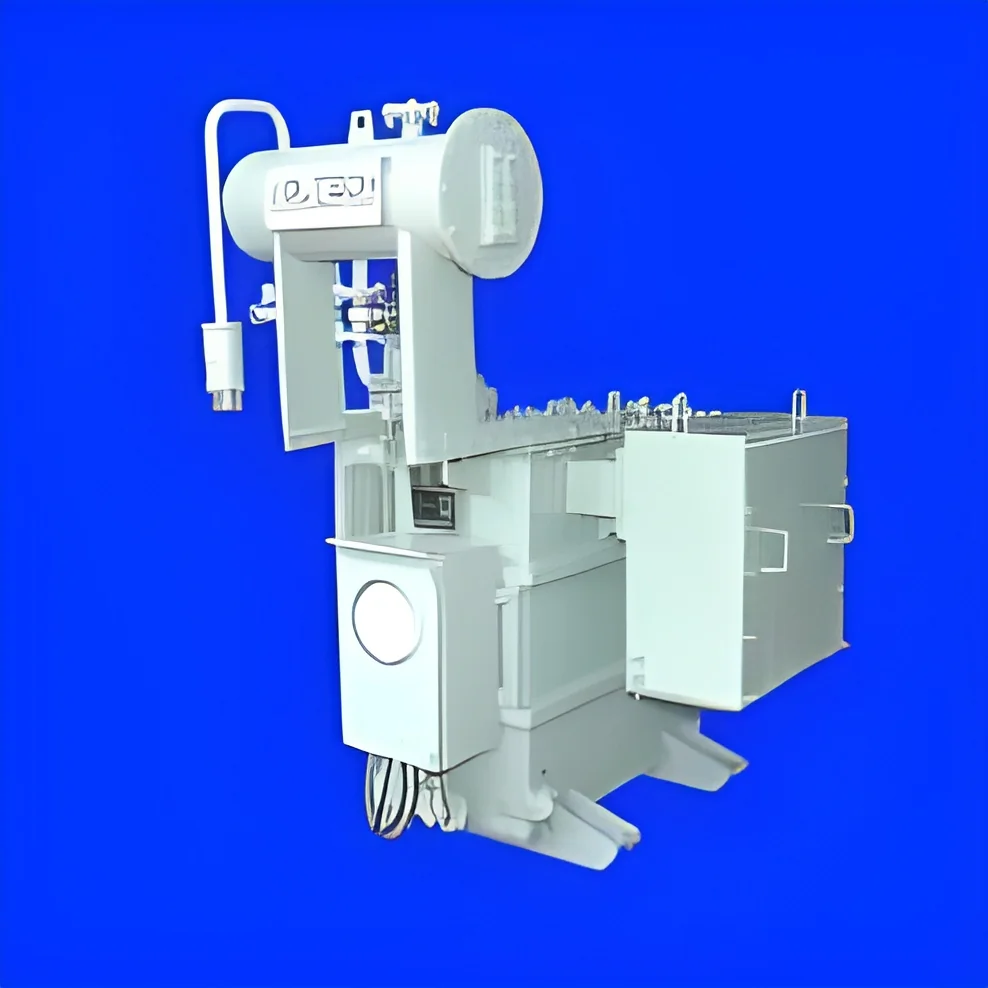
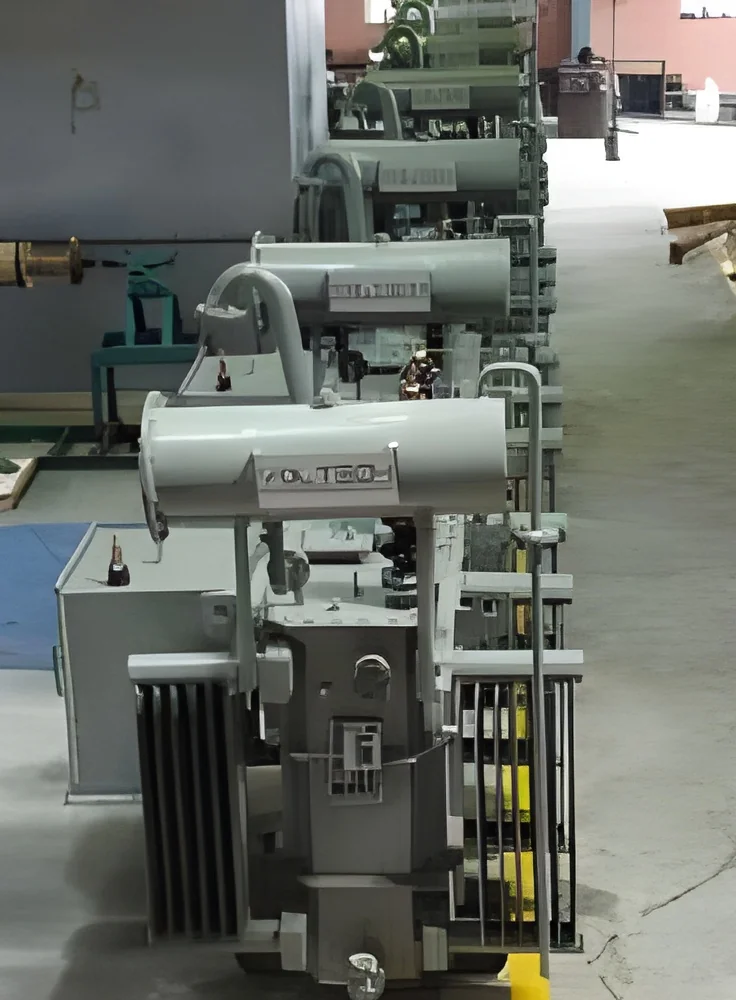
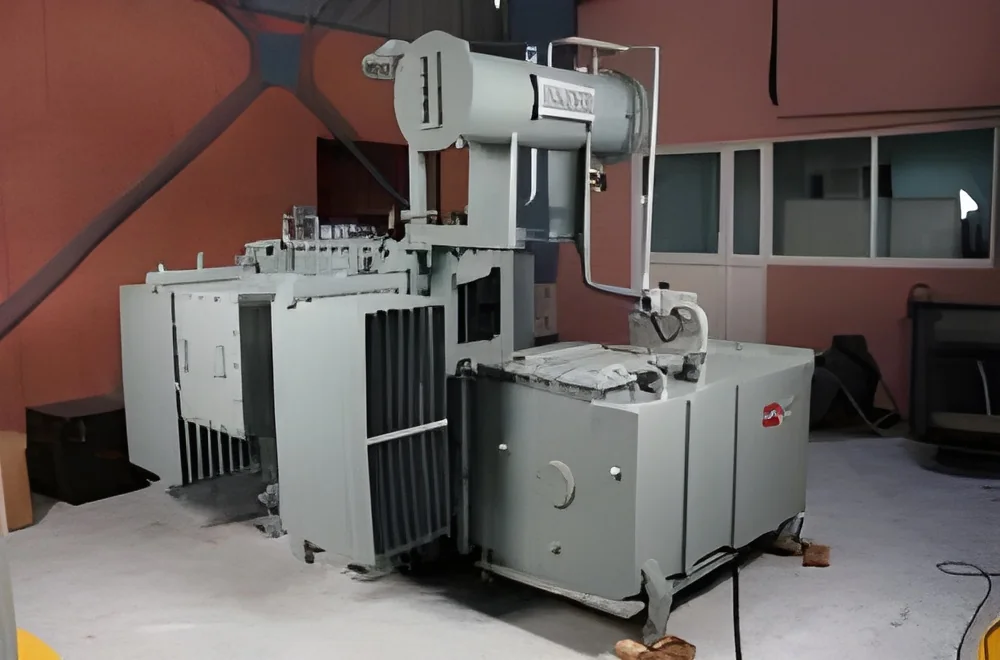
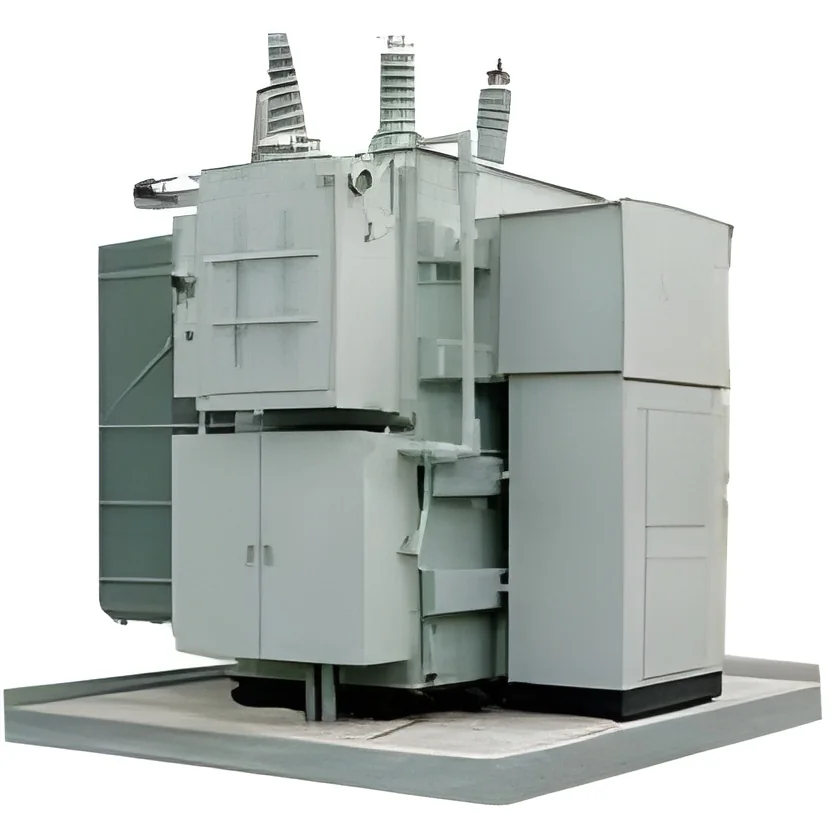
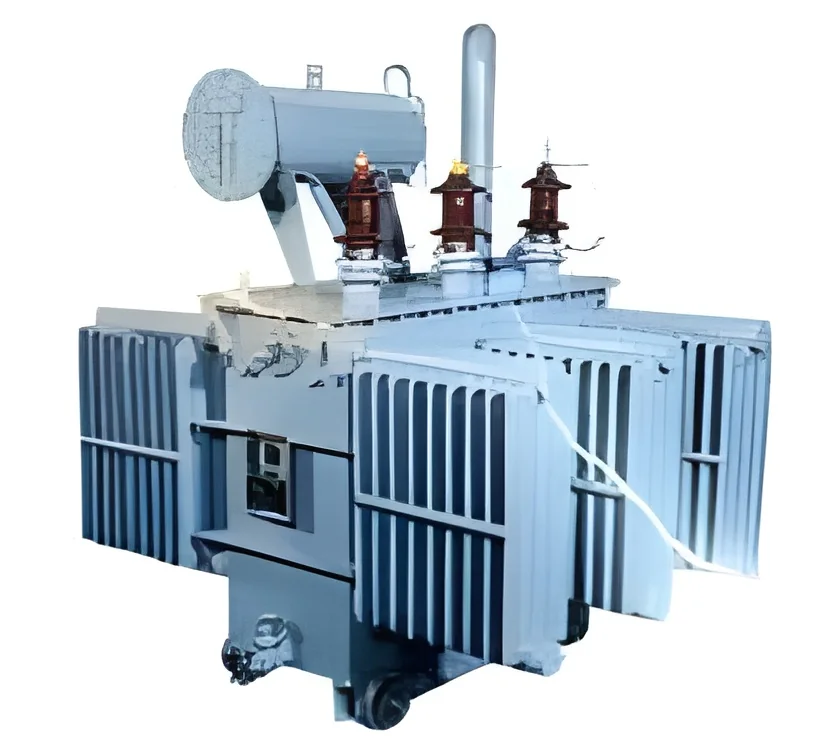
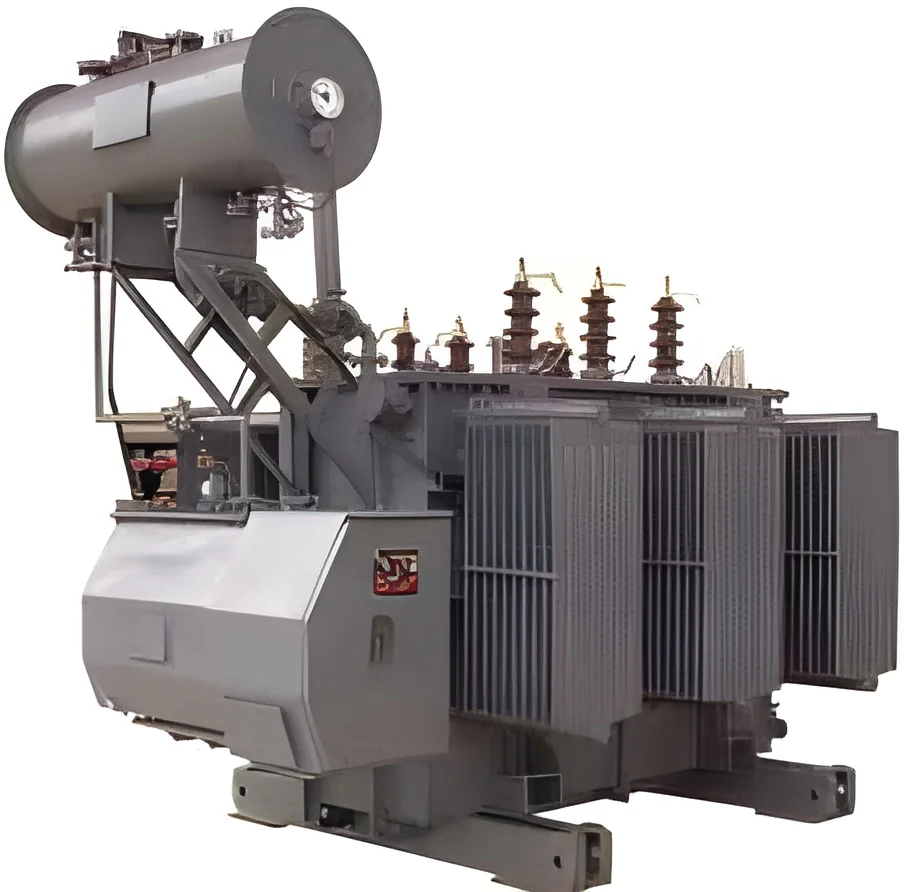
Industrial power transformers represent advanced engineering solutions for modern energy distribution requirements. These units are specifically designed to handle high-capacity electrical transmission while maintaining grid stability and operational reliability. Manufactured in compliance with international standards, they ensure efficient voltage conversion with minimal energy losses. The construction incorporates high-quality materials including premium core steel and copper windings, delivering superior thermal performance and extended service life. Each transformer undergoes comprehensive testing protocols to verify performance characteristics and safety compliance, providing assurance for critical power infrastructure applications.

These transformers serve essential roles across multiple industrial sectors where dependable power distribution is fundamental. Manufacturing facilities utilize them to supply stable electricity for production machinery and automated systems. Energy u...
Industrial power transformers represent advanced engineering solutions for modern energy distribution requirements. These units are specifically designed to handle high-capacity electrical transmission while maintaining grid stability and operational reliability. Manufactured in compliance with international standards, they ensure efficient voltage conversion with minimal energy losses. The construction incorporates high-quality materials including premium core steel and copper windings, delivering superior thermal performance and extended service life. Each transformer undergoes comprehensive testing protocols to verify performance characteristics and safety compliance, providing assurance for critical power infrastructure applications.

These transformers serve essential roles across multiple industrial sectors where dependable power distribution is fundamental. Manufacturing facilities utilize them to supply stable electricity for production machinery and automated systems. Energy utility companies deploy them in transmission and distribution networks for efficient power delivery. Renewable energy projects integrate these transformers to connect solar farms and wind turbines to existing grids. They also support critical infrastructure including transportation systems, water treatment plants, and telecommunications networks. Commercial establishments and large residential developments benefit from their reliable power management capabilities during peak demand periods.

The operational value of these power transformers lies in their reliability, efficiency, and long-term cost effectiveness. By optimizing energy transmission efficiency, they contribute to significant operational savings throughout their service life. Their durable construction reduces maintenance requirements and minimizes operational downtime in critical applications. The design accommodates various installation configurations without requiring extensive infrastructure modifications. Proven performance across different environmental conditions provides confidence to engineers and project managers. Technical support services ensure ongoing operational assistance and component availability when needed.

Key Features:
- Compliance with international standards for global interoperability
- High-efficiency core design minimizing energy losses
- Advanced cooling systems maintaining optimal operating temperatures
- Durable construction with protective coatings for environmental resistance
- Comprehensive testing protocols ensuring reliability and safety

Benefits:
- Reduced energy transmission losses lowering operational costs
- Enhanced grid stability and power quality for connected equipment
- Long service life with minimal maintenance requirements
- Adaptable to various installation environments and conditions
- Reliable performance ensuring continuous power distribution
Specifications
| Additional Information | |
|---|---|
| Country of Origin | India |
Application
These industrial power transformers provide critical voltage conversion for stable energy distribution across manufacturing facilities, utility grids, and large-scale infrastructure. They maintain consistent performance under high electrical loads while minimizing transmission losses, ensuring reliable operation in demanding environments. Their design accommodates diverse installation requirements and complies with international safety standards for broad industrial applicability.
Engineered for integration into various energy systems, these transformers support operations in power generation plants, industrial complexes, and municipal infrastructure projects. They handle fluctuating demand cycles effectively while maintaining grid stability and power quality. Suitable for both conventional and renewable energy applications, they facilitate efficient electricity transmission across different voltage levels and operational conditions.
- Electrical substations for voltage transformation in transmission networks
- Manufacturing plants requiring stable power for heavy equipment operation
- Renewable energy facilities integrating solar and wind power into main grids
- Large commercial complexes and data centers with critical power needs
- Public infrastructure projects including transportation and water systems
Trade Details
| Available Stock | In Stock |
| Sample Availability | No |
Payment Terms
| Payment Terms |
|
Company Profile
Voltech Transformers Pvt Ltd, Tamil Nadu
 Tamil Nadu, India
Tamil Nadu, IndiaImporter / Exporter
Factory Details
Factory SizeBelow 1000 sqm
Annual Production Capacity0
Main Markets
South Asia
Industrial Power Transformers For Energy Distribution And Grid Stability
Industrial power transformers deliver reliable energy distribution and grid stability for heavy electrical applications. Engineered with robust performance and global standards compliance for industrial and utility use.
Min. Order Quantity: 1 unit
Shipping
Shipping fee and delivery date to be negotiated. Contact supplier now for more details.
Voltech Transformers Pvt Ltd
 Tamil Nadu, India
Tamil Nadu, IndiaImporter / Exporter