
 IN
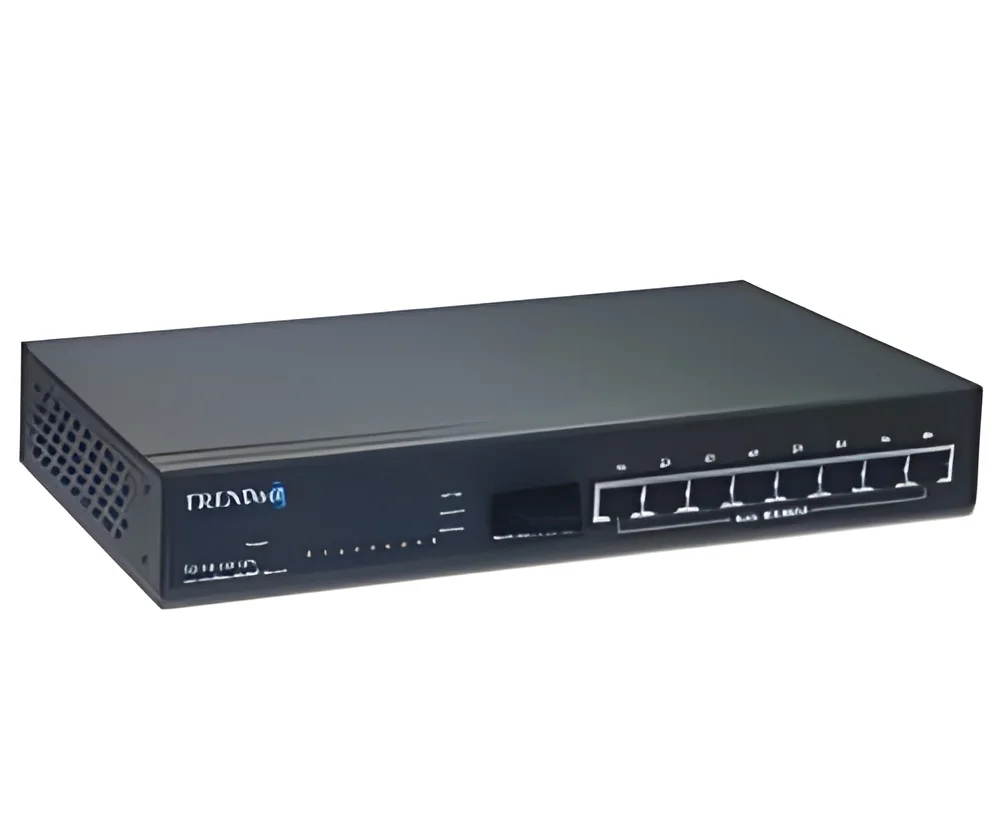
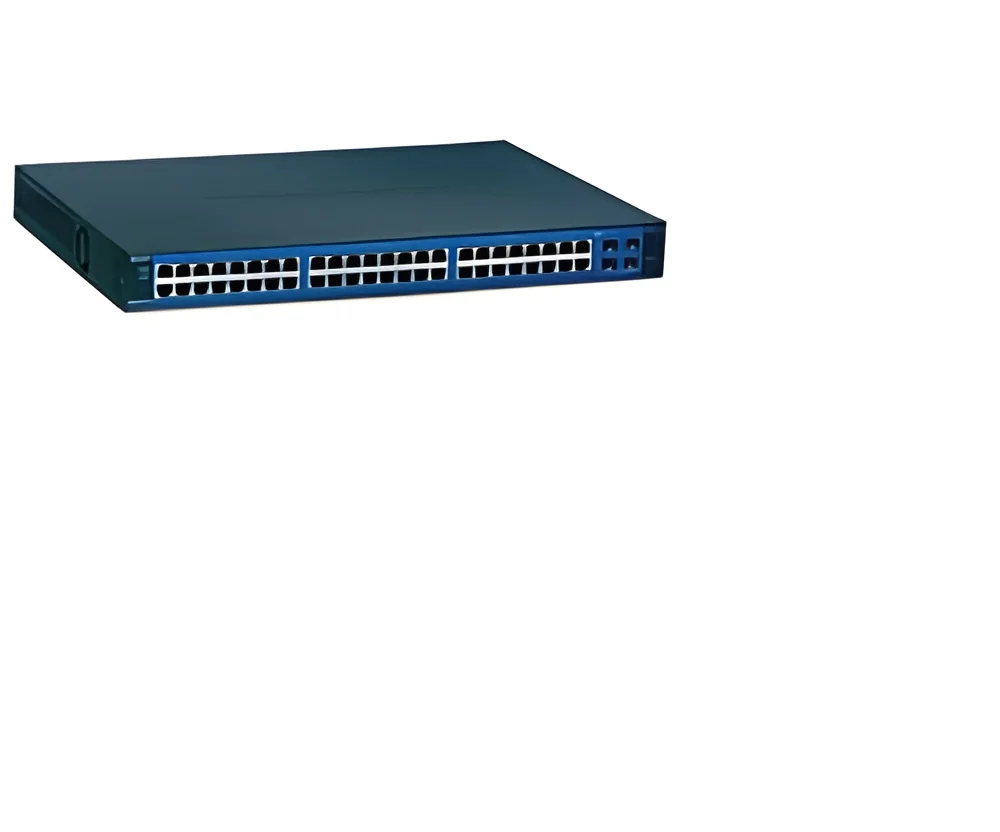
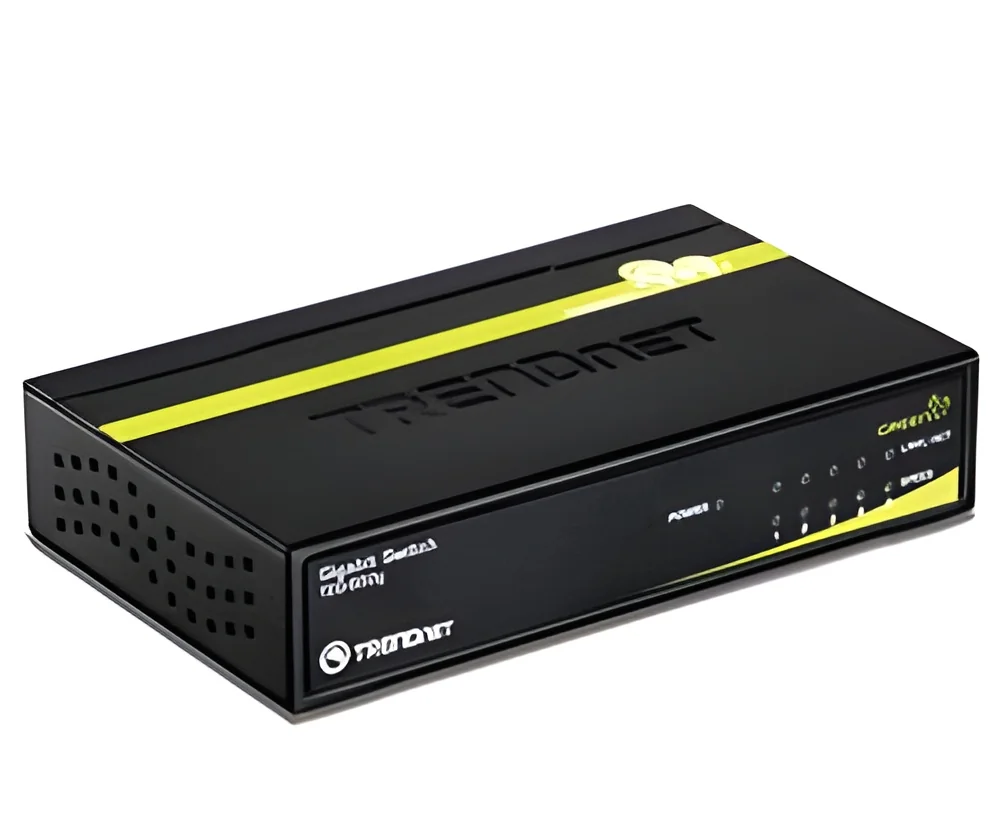
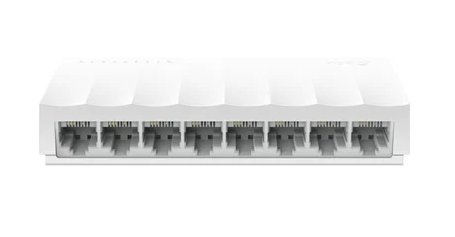
Network Switches (Managed, Unmanaged)
13 products available
Key Features and Specifications
Network switches come with a range of features and specifications that cater to different networking needs. Understanding these specifications is essential for selecting the right switch for your business.
Key specifications include:
1. Port Count
- Indicates the number of devices that can be connected.
- Common configurations range from 5 to 48 ports.
2. Switch Type
- Managed switches offer advanced features like VLAN support and traffic management.
- Unmanaged switches are plug-and-play with basic functionality.
3. Layer Type
- Layer 2 switches operate at the data link layer, while Layer 3 switches can perform routing functions.
4. Speed
- Typically available in 10/100/1000 Mbps (Gigabit) options, with some supporting 10 Gbps.
5. Power over Ethernet (PoE)
- Allows the switch to deliver power to connected devices, such as IP cameras and phones.
6. Form Factor
- Options include rack-mounted, stackable, or standalone configurations.
7. Quality of Service (QoS)
- Prioritizes network traffic to ensure optimal performance for critical applications.
8. Security Features
- Managed switches provide advanced security features such as port security and access control lists.
In summary, understanding these features and specifications will enable businesses to choose the right network switches that align with their operational requirements and budget constraints.
Common Applications and Use Cases
Network switches find application across various sectors, enhancing connectivity and streamlining operations.
1. Information Technology: In IT environments, switches connect servers, workstations, and storage devices, facilitating seamless data transfer.
2. Telecommunications: Network switches are crucial for managing data traffic, ensuring reliable communication between devices in telecom networks.
3. Education: Educational institutions use switches to connect computers and multimedia equipment in classrooms and labs for collaborative learning.
4. Retail: Retailers utilize switches to link point-of-sale systems, inventory management software, and other devices to improve customer service.
5. Healthcare: Hospitals and clinics rely on switches to connect medical devices, ensuring data integrity and quick access to patient information.
6. Manufacturing: In manufacturing, switches connect machinery and automation systems, enhancing operational efficiency and real-time monitoring.
7. Hospitality: Hotels and resorts use network switches to provide guests with reliable internet access and connect various operational systems.
Product Variants and Subcategories
Network switches are available in various forms to cater to different business needs.
Managed Network Switches
These switches allow for complete control over the network. Features include VLAN configuration, traffic monitoring, and enhanced security. They are ideal for businesses that require robust management and scalability.
Unmanaged Network Switches
Unmanaged switches are simpler and require no configuration. They are best suited for small networks or environments where ease of use is a priority. They provide basic connectivity without advanced features.
Benefits and Advantages
Investing in the right network switches brings numerous benefits to businesses.
1. Improved Network Performance: Managed switches optimize data flow and reduce network congestion, enhancing overall performance.
2. Scalability: Both managed and unmanaged switches allow businesses to expand their networks as needed without significant infrastructure changes.
3. Cost-Effectiveness: Unmanaged switches are typically less expensive and easier to deploy, making them suitable for smaller operations.
4. Enhanced Security: Managed switches offer advanced security features that protect sensitive data and prevent unauthorized access.
5. Flexibility: The ability to customize settings in managed switches allows businesses to tailor their network to meet specific needs.
6. Reliability: High-quality network switches ensure consistent connectivity, which is crucial for operations that depend on real-time data.
Buying Guide for B2B Buyers
When sourcing network switches, it is essential for B2B buyers to consider several factors to ensure they make informed decisions.
1. Quality Assessment: Evaluate switches based on their durability, performance ratings, and brand reputation. Look for models that meet industry standards.
2. Supplier Verification: Ensure suppliers are reputable and have a history of providing reliable products. Check for customer reviews and industry certifications.
3. Pricing and MOQ: Understand the pricing structure and minimum order quantities. Compare prices across different suppliers to find the best deal.
4. Delivery and Lead Times: Consider the logistics involved in delivery. Ensure that suppliers can meet your timelines for critical projects.
5. Compliance Requirements: Ensure that the switches adhere to relevant industry regulations and standards, such as CE certification, to avoid compliance issues.
Compliance and Certifications
Compliance with quality standards and certifications is crucial for network switches. Common standards include ISO 9001, which focuses on quality management systems, ensuring that products meet customer and regulatory requirements.
Industry certifications such as CE signify that the products meet EU safety, health, and environmental protection standards. Additionally, switches may undergo rigorous testing to confirm their safety and performance capabilities.
In certain regions, compliance with local regulations may be required. Buyers should be aware of these requirements to avoid potential legal issues and ensure smooth operation in their respective markets.
Why Source Network Switches (Managed, Unmanaged) from Pepagora?
Pepagora provides a trusted platform for sourcing network switches, ensuring buyers have access to quality products and reliable suppliers.
Verified Supplier Network: Pepagora has established a network of verified suppliers, ensuring that buyers can trust the quality and reliability of the products they purchase.
Streamlined RFQ Process: The request for quotation process is simplified, allowing buyers to quickly compare options and make informed decisions without unnecessary delays.
Trade Assurance and Support: Pepagora offers trade assurance, providing buyers with protection against potential risks associated with their purchases. Dedicated support is available to assist buyers throughout the sourcing process.
Regional Coverage: With a strong presence in India, the GCC, and Southeast Asia, Pepagora enables businesses to access a wide range of network switches tailored to their regional requirements. This geographic reach ensures that buyers can find the right solutions for their specific needs.


 India
 India


Frequently Asked Questions
What are Network Switches (Managed, Unmanaged)?
Network switches are devices that connect multiple devices on a computer network, allowing them to communicate with each other. Managed switches offer advanced features such as VLAN support, network monitoring, and traffic management, while unmanaged switches provide basic connectivity without these additional functionalities.
What are the different types of Network Switches (Managed, Unmanaged)?
There are primarily two types of network switches: managed and unmanaged. Managed switches allow for greater control and configuration options, while unmanaged switches are plug-and-play devices that require no configuration and are typically used in simpler network setups.
How do I choose the right Network Switches (Managed, Unmanaged)?
Choosing the right network switch depends on your specific needs, including network size, traffic requirements, and budget. Consider whether you need advanced features such as VLAN support and traffic management to determine if a managed switch is necessary for your setup.
What are the standard specifications for Network Switches (Managed, Unmanaged)?
Standard specifications for network switches include the number of ports, speed (measured in Mbps or Gbps), and power over Ethernet (PoE) capabilities. Managed switches may also include additional specifications such as the ability to configure VLANs and support for SNMP (Simple Network Management Protocol).
What is the price range for Network Switches (Managed, Unmanaged)?
The price range for network switches varies significantly based on features and specifications. Unmanaged switches can start as low as INR 1,000, while managed switches can range from INR 5,000 to over INR 50,000, depending on the number of ports and capabilities.
What quality standards apply to Network Switches (Managed, Unmanaged)?
Quality standards for network switches often include compliance with IEEE standards for networking technologies and reliability metrics such as MTBF (Mean Time Between Failures). Additionally, many manufacturers adhere to industry certifications like ISO 9001 to ensure product quality and consistency.
Where can I find Network Switches (Managed, Unmanaged) suppliers in India?
You can find suppliers of network switches in India through online B2B marketplaces like Pepagora, trade shows, and industry directories. It's advisable to compare multiple suppliers to evaluate product offerings and pricing.
Can Network Switches (Managed, Unmanaged) be customized?
Yes, many manufacturers offer customization options for network switches to meet specific customer requirements. Customizations may include different port configurations, firmware adjustments, or special enclosures based on the intended use.
What is the typical minimum order quantity for Network Switches (Managed, Unmanaged)?
The typical minimum order quantity (MOQ) for network switches can vary by supplier and product type. Generally, MOQs can range from 1 unit for standard models to larger quantities for customized orders or bulk purchases.
What is the typical lead time for Network Switches (Managed, Unmanaged)?
The typical lead time for network switches varies based on the supplier, type of switch, and any customization requirements. Generally, lead times can range from a few days for standard models in stock to several weeks for customized or large volume orders.
Why Businesses Trust Pepagora
Thousands of companies trust Pepagora to source smarter and sell faster
Expand Your Sales Globally

Source Smarter,Grow Faster
