
 IN
Network Gateways
8 products available
What are Network Gateways?
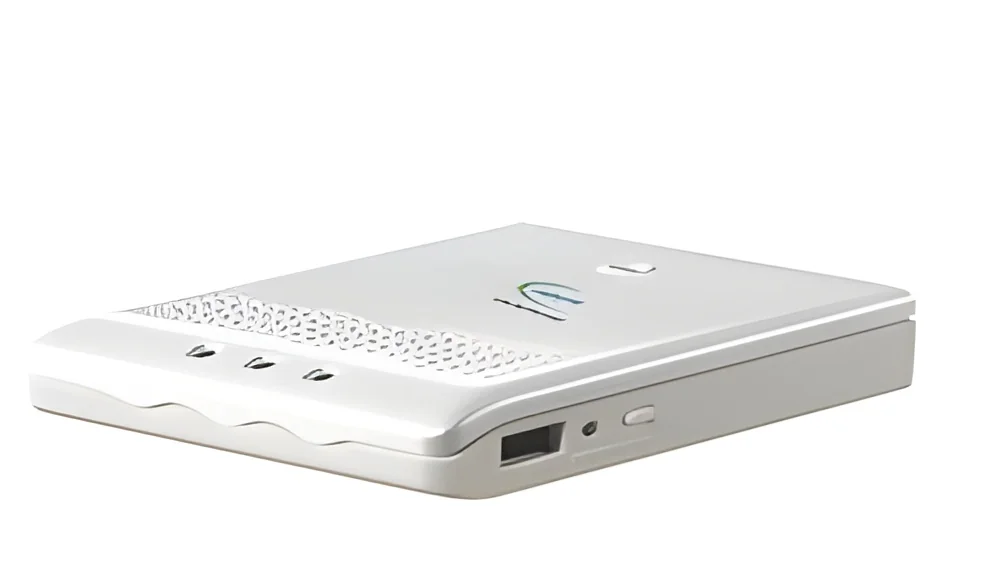
Network gateways are crucial devices that connect two different networks, allowing them to communicate with one another. These gateways serve as a translator or protocol converter, ensuring that data can flow seamlessly between varying network architectures and technologies. By acting as a bridge, network gateways facilitate the exchange of information, enabling different systems to share resources and services.
In a business context, network gateways are commonly used to connect local area networks (LANs) to wide area networks (WANs), such as the internet. They play a significant role in managing data traffic, implementing security protocols, and ensuring reliable connectivity. Organizations leverage these devices in various applications, including remote access, cloud services, and network security. The relevance of network gateways continues to grow as businesses increasingly depend on integrated technology solutions and digital communications.
The market for network gateways is expanding, driven by the rise in IoT devices, cloud computing, and the need for secure data transmission. Industries are recognizing the importance of these devices in maintaining efficient operations and ensuring robust connectivity. As businesses adapt to evolving technological landscapes, the demand for reliable and high-performance network gateways is likely to surge.
Key Features and Specifications
Network gateways come equipped with various features that enhance their performance and usability. Understanding these specifications is essential for businesses looking to invest in the right solution.
Key specifications include:
1. Connectivity Options
- Offers multiple ports for Ethernet, fiber, or wireless connections
- Supports different network protocols such as TCP/IP, UDP, and others
2. Security Features
- Incorporates firewall capabilities to protect against unauthorized access
- Supports encryption protocols for secure data transmission
3. Data Rate
- Provides varying data transfer rates, typically ranging from 100 Mbps to 10 Gbps
- Ensures sufficient bandwidth for high-demand applications
4. Operating Temperature
- Designed to operate in a range of temperatures, though specific ranges are not available
- Ensures reliability in various environmental conditions
5. Power Supply
- Can be powered via standard AC power or Power over Ethernet (PoE)
- Offers redundancy options for critical applications
6. Management and Monitoring
- Features user-friendly interfaces for configuration and management
- Supports remote monitoring for proactive maintenance
7. Compliance Standards
- Complies with relevant industry certifications, including CE
- Meets safety and performance standards applicable to network equipment
The combination of these features allows businesses to tailor network gateways to their specific needs, ensuring optimal performance and security.
Common Applications and Use Cases
Network gateways serve various industries by facilitating communication and data management. Their versatility allows them to be employed in numerous applications.
1. Manufacturing: In manufacturing settings, network gateways enable the integration of machinery and systems. They facilitate data exchange between equipment and centralized control systems, improving operational efficiency.
2. Healthcare: In healthcare, network gateways connect medical devices to hospital networks. They ensure secure transmission of patient data, enhancing care coordination and data accessibility.
3. Smart Cities: Network gateways play a vital role in smart city initiatives by connecting IoT devices such as sensors and cameras. They assist in data collection and analysis for improved urban management.
4. Transportation: In the transportation sector, gateways facilitate communication between vehicles and traffic management systems. They help optimize traffic flow and enhance safety measures.
5. Retail: Retail businesses use network gateways to connect point-of-sale systems to inventory databases. This integration allows for real-time inventory management and improves customer service.
6. Energy Management: In energy sectors, network gateways connect renewable energy sources to grid management systems. They assist in monitoring energy production and consumption.
7. Telecommunications: Telecom providers utilize network gateways to manage voice and data traffic. They enable interoperability between different communication protocols.
Product Variants and Subcategories
While specific variants of network gateways are not available, there are diverse options to consider when selecting a gateway. Each variant can address unique networking needs.
Variant 1: Industrial Network Gateway
Industrial network gateways are designed for rugged environments. They feature robust construction to withstand harsh conditions and provide reliable connectivity for industrial applications.
Variant 2: Cloud Network Gateway
Cloud network gateways facilitate connections between on-premise systems and cloud services. They ensure secure data transfer and enable businesses to leverage cloud computing effectively.
Variant 3: IoT Gateway
IoT gateways connect various Internet of Things devices to networks. They manage data traffic and provide security features tailored for IoT applications.
Benefits and Advantages
Investing in network gateways offers several key benefits for businesses. These advantages contribute to improved operations and enhanced security.
1. Enhanced Connectivity: Network gateways provide reliable connections between different networks, ensuring seamless communication and collaboration.
2. Improved Security: With built-in security features, network gateways protect sensitive data from unauthorized access and cyber threats.
3. Scalability: These devices can accommodate growing network demands, allowing businesses to easily expand their operations without significant infrastructure changes.
4. Simplified Management: User-friendly interfaces and remote monitoring capabilities simplify the management of complex networks, reducing the need for extensive IT resources.
5. Cost Efficiency: By optimizing data traffic and resource sharing, network gateways can lead to reduced operational costs and improved overall efficiency.
6. Compliance Assurance: Network gateways help businesses meet regulatory compliance requirements by providing secure data transmission and monitoring capabilities.
Buying Guide for B2B Buyers
When sourcing network gateways, buyers should consider several critical factors to ensure they select the best solution for their needs.
1. Quality Assessment: Evaluate the quality of the gateway by looking for reputable manufacturers and user reviews. Consider industry certifications that indicate compliance with quality standards.
2. Supplier Verification: It is essential to vet suppliers to ensure reliability and trustworthiness. Check their experience in the industry and their track record of delivering quality products.
3. Pricing and MOQ: Understand the pricing structure and minimum order quantities (MOQ) offered by suppliers. This information can help in budgeting and planning procurement.
4. Delivery and Lead Times: Inquire about delivery schedules and lead times to ensure that the products will arrive when needed. Timely delivery is crucial for maintaining operational efficiency.
5. Compliance Requirements: Ensure that the selected network gateways meet all relevant compliance and regulatory requirements. This consideration is vital for industries with strict data protection needs.
Compliance and Certifications
Network gateways must adhere to various quality standards to ensure performance and safety. Relevant certifications include ISO 9001, which outlines quality management systems, and CE marking, indicating compliance with European safety standards.
Manufacturers are also expected to meet safety requirements specific to network equipment. Testing requirements may vary based on industry applications, with some sectors demanding rigorous testing protocols to ensure reliability.
Additionally, regional compliance considerations can influence the selection of network gateways. Buyers should be aware of local regulations that may affect the deployment and usage of networking devices. Staying informed about these compliance factors can help businesses avoid potential legal issues and ensure smooth operations.
Why Source Network Gateways from Pepagora?
Pepagora provides a trusted platform for sourcing network gateways, offering several key advantages to buyers.
Verified Supplier Network: Pepagora ensures that all suppliers are thoroughly vetted, providing businesses with access to a reliable network of manufacturers. This verification process enhances buyer confidence and reduces risks associated with procurement.
Streamlined RFQ Process: The platform features an efficient request for quotation (RFQ) system, allowing buyers to easily submit their requirements and receive competitive quotes from multiple suppliers. This streamlined approach saves time and simplifies the purchasing process.
Trade Assurance and Support: Pepagora offers trade assurance programs that protect buyers during transactions. This support includes assistance with logistics and dispute resolution, ensuring a secure purchasing experience.
Regional Coverage: With a presence in India, the Gulf Cooperation Council (GCC), and Southeast Asia, Pepagora provides extensive geographic coverage. This regional reach enables businesses to source network gateways that meet their specific requirements while benefiting from localized support.

 India
 India
 India

 India



Frequently Asked Questions
What are Network Gateways?
Network Gateways are devices that serve as a 'gate' between two networks, enabling communication and data transfer. They translate protocols and can facilitate connectivity between different network architectures, ensuring data is properly routed and understood.
What are the different types of Network Gateways?
There are several types of Network Gateways, including application gateways, protocol gateways, and cloud gateways. Each type serves specific functions such as managing data traffic, converting protocols, or providing access to cloud services.
How do I choose the right Network Gateways?
Choosing the right Network Gateways requires evaluating your specific networking needs, including compatibility with existing infrastructure and the types of data being transmitted. Consider factors such as performance, security features, and scalability.
What are the standard specifications for Network Gateways?
Standard specifications for Network Gateways often include data transfer rates, supported protocols, and security features. It is also important to look at the number of ports, power consumption, and the ability to integrate with other network devices.
What is the price range for Network Gateways?
The price range for Network Gateways can vary significantly based on features and specifications, typically ranging from a few thousand to several lakhs of Indian Rupees. Factors influencing pricing include brand, capabilities, and any additional functionalities.
What quality standards apply to Network Gateways?
Network Gateways should comply with various quality standards such as ISO 9001 and other industry-specific certifications. These standards ensure reliability, performance, and adherence to safety regulations.
Where can I find Network Gateways suppliers in India?
You can find Network Gateways suppliers in India through online B2B marketplaces like Pepagora, industry trade shows, or networking with IT and telecommunications companies. Conducting thorough research and reviewing supplier credentials can also help in sourcing reliable vendors.
Can Network Gateways be customized?
Yes, many manufacturers offer customization options for Network Gateways to meet specific business needs. Custom features may include tailored software, unique configurations, or additional hardware options.
What is the typical minimum order quantity for Network Gateways?
The typical minimum order quantity (MOQ) for Network Gateways can vary by supplier, often ranging from 5 to 100 units. It's advisable to check with individual manufacturers or suppliers for their specific MOQ requirements.
What is the typical lead time for Network Gateways?
The typical lead time for Network Gateways can range from a few days to several weeks, depending on the supplier's inventory, customization requests, and shipping logistics. Confirming lead times with the supplier can help in planning your procurement effectively.
Why Businesses Trust Pepagora
Thousands of companies trust Pepagora to source smarter and sell faster
Expand Your Sales Globally

Source Smarter,Grow Faster
