𝗪𝗵𝗮𝘁 𝗮𝗿𝗲 𝗠𝘂𝗹𝗹𝗶𝘁𝗲 𝗖𝗲𝗿𝗮𝗺𝗶𝗰𝘀?
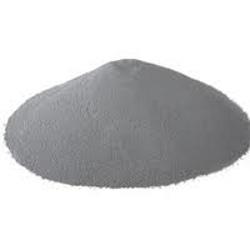
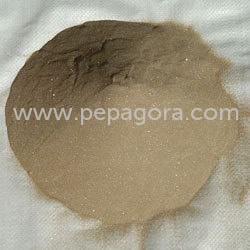
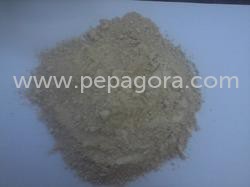
Mullite ceramics are advanced materials primarily composed of mullite, a type of aluminum silicate mineral. These ceramics are known for their excellent thermal stability, mechanical strength, and resistance to thermal shock. The unique properties of mullite ceramics make them ideal for high-temperature applications, particularly in environments where durability and reliability are crucial.
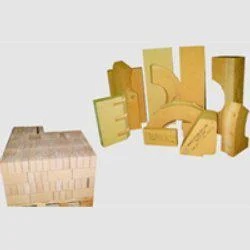
Mullite ceramics find extensive use in various industries, including metallurgy, ceramics, and construction. They are commonly employed in kiln furniture, refractory linings, and as components in industrial furnaces. The ability of mullite ceramics to withstand extreme temperatures and maintain structural integrity under stress makes them a preferred choice in industries where heat management is essential.
As global industries continue to evolve, the demand for high-performance materials like mullite ceramics is on the rise. This growth is driven by increasing requirements for energy efficiency and sustainability in manufacturing processes. Companies are increasingly looking for advanced materials that provide both performance and longevity, which positions mullite ceramics as a relevant solution in the modern marketplace.
𝗞𝗲𝘆 𝗙𝗲𝗮𝘁𝘂𝗿𝗲𝘀 𝗮𝗻𝗱 𝗦𝗽𝗲𝗰𝗶𝗳𝗶𝗰𝗮𝘁𝗶𝗼𝗻𝘀
Mullite ceramics possess several critical features and specifications that set them apart from other ceramics. These characteristics contribute to their performance and suitability for various applications.
Key specifications include:
1. Thermal Stability
- Capable of withstanding high temperatures without significant deformation.
- Retains properties at temperatures exceeding 1,500 degrees Celsius.
2. Mechanical Strength
- Exhibits high compressive and flexural strength.
- Maintains structural integrity under mechanical stress.
3. Low Thermal Conductivity
- Provides effective thermal insulation.
- Reduces heat loss in high-temperature applications.
4. Chemical Resistance
- Resistant to corrosive chemicals and molten metals.
- Suitable for use in harsh industrial environments.
5. Low Expansion Coefficient
- Minimizes thermal expansion, reducing the risk of cracking.
- Ideal for applications involving rapid temperature changes.
6. Lightweight Composition
- Lower weight compared to traditional refractory materials.
- Facilitates easier handling and installation.
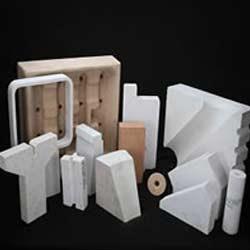
7. Versatile Fabrication
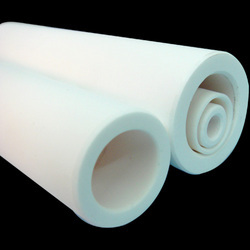
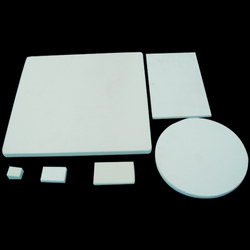
- Can be produced in various shapes and sizes.
- Suitable for custom applications based on specific industry needs.
8. Environmentally Friendly
- Made from natural raw materials.
- Complies with sustainability initiatives in manufacturing.
These features collectively enhance the performance of mullite ceramics, making them a valuable choice for many industrial applications.
𝗖𝗼𝗺𝗺𝗼𝗻 𝗔𝗽𝗽𝗹𝗶𝗰𝗮𝘁𝗶𝗼𝗻𝘀 𝗮𝗻𝗱 𝗨𝘀𝗲 𝗖𝗮𝘀𝗲𝘀
Mullite ceramics are utilized across a diverse range of industries due to their unique properties.
1. Metallurgy: In metallurgy, mullite ceramics are used in furnace linings and casting molds. Their thermal stability allows them to withstand the intense heat generated during metal processing.
2. Ceramics: The ceramics industry employs mullite as a key material in kiln furniture. Its low thermal conductivity ensures efficient heat distribution, improving overall production efficiency.
3. Construction: Mullite ceramics are used in high-performance insulation materials. Their lightweight and durable nature makes them ideal for insulating structures in extreme environments.
4. Aerospace: In aerospace applications, mullite ceramics serve as components in thermal protection systems. Their ability to withstand high temperatures is crucial for aircraft and spacecraft.
5. Electronics: Mullite ceramics are used in insulators and substrates for electronic components. Their electrical insulation properties make them suitable for high-voltage applications.
6. Glass Manufacturing: In glass production, mullite ceramics are utilized for furnace linings and molds, benefiting from their resistance to thermal shock and chemical corrosion.
7. Energy: The energy sector uses mullite ceramics in applications such as gas turbines and heat exchangers due to their high thermal stability and efficiency.
𝗣𝗿𝗼𝗱𝘂𝗰𝘁 𝗩𝗮𝗿𝗶𝗮𝗻𝘁𝘀 𝗮𝗻𝗱 𝗦𝘂𝗯𝗰𝗮𝘁𝗲𝗴𝗼𝗿𝗶𝗲𝘀
Mullite ceramics come in various forms and types, catering to specific industry needs.
Standard Mullite Ceramics: These are the most common type, offering a balance of strength, thermal stability, and chemical resistance. They are widely used in refractory applications.
High-Purity Mullite Ceramics: Designed for applications requiring enhanced purity levels, these ceramics minimize contamination risks. They are often used in the electronics and aerospace industries.
Mullite Composite Ceramics: These ceramics incorporate other materials to enhance specific properties. They may be utilized in specialized applications where additional strength or thermal properties are required.
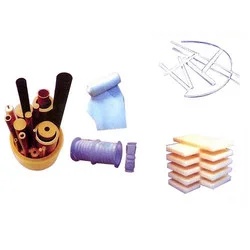
Custom Molded Mullite Ceramics: Tailored to meet specific design requirements, these ceramics are produced in various shapes and sizes. They cater to unique applications across multiple industries.
𝗕𝗲𝗻𝗲𝗳𝗶𝘁𝘀 𝗮𝗻𝗱 𝗔𝗱𝘃𝗮𝗻𝘁𝗮𝗴𝗲𝘀
Mullite ceramics offer numerous advantages that make them an ideal choice for various applications.
Key benefits include:
1. High Durability: Mullite ceramics are remarkably durable, able to withstand harsh conditions and prolonged use without significant wear.
2. Energy Efficiency: Their low thermal conductivity contributes to energy savings in high-temperature processes, reducing operational costs.
3. Customization Potential: The ability to mold and shape mullite ceramics allows for tailored solutions that meet specific industry requirements.
4. Cost-Effectiveness: While initial costs may vary, the longevity and reduced maintenance needs of mullite ceramics often lead to lower lifetime costs.
5. Safety: Mullite ceramics are non-toxic and chemically stable, making them safe for various industrial applications.
6. Versatile Applications: Their broad range of properties makes mullite ceramics suitable for multiple industries, enhancing their marketability.
𝗕𝘂𝘆𝗶𝗻𝗴 𝗚𝘂𝗶𝗱𝗲 𝗳𝗼𝗿 𝗕𝟮𝗕 𝗕𝘂𝘆𝗲𝗿𝘀
When sourcing mullite ceramics, several factors should be considered to ensure the best choice for your business needs.
1. Quality Assessment: Evaluate the quality of the ceramics based on their thermal stability, mechanical strength, and chemical resistance. Look for certifications that guarantee their performance.
2. Supplier Verification: Vet suppliers to ensure they have a proven track record of reliability and quality. Consider their experience in the industry and customer reviews.
3. Pricing and MOQ: Understand the pricing structure and minimum order quantities. Compare quotes from different suppliers to find a competitive offer that meets your budget.
4. Delivery and Lead Times: Consider the logistics involved in sourcing mullite ceramics. Evaluate suppliers based on their ability to meet your delivery timelines without compromising quality.
5. Compliance Requirements: Ensure that the mullite ceramics meet relevant industry standards and regulations. This may include certifications such as UL and CE for safety and reliability.
𝗖𝗼𝗺𝗽𝗹𝗶𝗮𝗻𝗰𝗲 𝗮𝗻𝗱 𝗖𝗲𝗿𝘁𝗶𝗳𝗶𝗰𝗮𝘁𝗶𝗼𝗻𝘀
Mullite ceramics must adhere to various quality standards and certifications to ensure their reliability and safety in industrial applications. Relevant standards include ISO 9001, which focuses on quality management systems, ensuring that manufacturers maintain consistent quality in their production processes.
Additionally, industry certifications such as UL and CE signify that the products meet specific safety and performance criteria. These certifications are crucial for industries that require compliance with strict safety regulations.
Safety and testing requirements for mullite ceramics often involve rigorous evaluations to assess their thermal and mechanical properties. Manufacturers should also be aware of regional compliance considerations, as regulations may vary by location, influencing the choice of materials and suppliers.
𝗪𝗵𝘆 𝗦𝗼𝘂𝗿𝗰𝗲 𝗠𝘂𝗹𝗹𝗶𝘁𝗲 𝗖𝗲𝗿𝗮𝗺𝗶𝗰𝘀 𝗳𝗿𝗼𝗺 𝗣𝗲𝗽𝗮𝗴𝗼𝗿𝗮?
Pepagora offers a trusted platform for sourcing mullite ceramics, providing several key advantages to B2B buyers.
Verified Supplier Network: Pepagora connects buyers with a comprehensive network of verified suppliers. This ensures that businesses can source high-quality mullite ceramics from reputable manufacturers.
Streamlined RFQ Process: The platform features an efficient Request for Quotation (RFQ) process, allowing buyers to easily compare offers from multiple suppliers. This simplifies the procurement process and helps businesses make informed decisions.
Trade Assurance and Support: Pepagora provides trade assurance, protecting buyers throughout their purchasing journey. Support services are available to assist with any queries or concerns, ensuring a smooth sourcing experience.
Regional Coverage: With a strong presence in markets such as India, the GCC, and Southeast Asia, Pepagora ensures that buyers can access high-quality mullite ceramics from suppliers across these regions, enhancing options and availability.

 IN
IN
 India
India