
 IN
Modems
42 products available
What are Modems?
Modems are devices that modulate and demodulate signals for data transmission over various communication channels. They serve as the bridge between a digital device, such as a computer, and an analog signal, allowing for effective communication. The primary function of a modem is to convert digital data from a computer into an analog signal that can travel over telephone lines or cable systems, and vice versa.
In a business context, modems are crucial for connecting to the internet, enabling communication, and facilitating data transfer. They are used in various industries, from telecommunications to manufacturing, to ensure reliable connectivity. Modems play a significant role in network infrastructure, supporting functions such as remote access, data backup, and cloud computing. As businesses increasingly rely on digital communication, the importance of modems continues to grow, highlighting their relevance in today’s market.
Key Features and Specifications
Modems come equipped with various features and specifications that cater to different communication needs. Understanding these specifications is essential for businesses when selecting the right modem for their operations.
Key specifications include:
1. Data Transmission Speed
- Indicates how quickly data can be transmitted.
- Measured in megabits per second (Mbps).
2. Compatibility
- Refers to the modem's ability to work with different network types.
- Includes support for DSL, cable, fiber, and more.
3. Connection Type
- Defines how the modem connects to the network.
- Options include wired Ethernet or wireless connections.
4. Number of Ports
- Indicates how many devices can connect to the modem.
- Typically ranges from 1 to 4 Ethernet ports.
5. Security Features
- Includes built-in firewalls and encryption protocols.
- Essential for protecting data during transmission.
6. Form Factor
- Refers to the physical design of the modem.
- Can be a standalone unit or integrated with a router.
7. Power Supply
- Indicates the power requirements for the modem to operate effectively.
- Usually comes with a standard power adapter.
8. Warranty Period
- Reflects the manufacturer's assurance on the product's performance.
- Typically ranges from 1 to 3 years.
In summary, selecting a modem with the right specifications is critical for ensuring optimal performance and compatibility with existing systems.
Common Applications and Use Cases
Modems are utilized across a broad spectrum of industries, each with unique applications.
1. Telecommunications: Modems are essential for internet service providers to deliver broadband services to customers, ensuring stable and high-speed internet connections.
2. Manufacturing: In manufacturing, modems facilitate communication between machines and central systems, enabling real-time data exchange and automation.
3. Healthcare: Modems support telemedicine applications, allowing healthcare professionals to communicate and share patient data remotely.
4. Retail: Retail businesses rely on modems for point-of-sale systems, enabling fast and secure transactions over the internet.
5. Education: Educational institutions utilize modems to provide online learning platforms, ensuring students have access to resources from remote locations.
6. Logistics: In logistics, modems connect tracking systems to the internet, providing real-time updates on shipment statuses.
7. Smart Buildings: Modems are integral to smart building technologies, enabling communication between IoT devices for automation and efficiency.
Product Variants and Subcategories
Modems come in various types, each designed for specific applications and environments.
Cable Modem: This type connects to cable internet services, providing high-speed internet access to homes and businesses. It is ideal for environments that require reliable internet connectivity.
DSL Modem: Designed for digital subscriber line services, this modem connects to telephone lines, providing internet access in areas where cable service is unavailable. It is suitable for small businesses and remote locations.
Wireless Modem: A wireless modem allows devices to connect to the internet without physical cables. It is perfect for offices requiring mobility and flexibility.
Benefits and Advantages
Investing in the right modem can offer numerous advantages to businesses.
1. Enhanced Connectivity: A good modem ensures stable and reliable internet connections, reducing downtime and enhancing productivity.
2. Improved Data Transfer Rates: High-speed modems facilitate faster data transfers, which is crucial for operations that rely on large amounts of data.
3. Increased Security: Modern modems come with built-in security features that protect sensitive information from unauthorized access.
4. Cost Efficiency: By integrating multiple functions, such as routing and modem capabilities, businesses can reduce equipment costs.
5. Scalability: Many modems support multiple connections, allowing businesses to expand their network as needed without significant additional investment.
6. Remote Access: Modems enable remote access to business systems, facilitating telecommuting and remote management.
Buying Guide for B2B Buyers
When sourcing modems, it is essential to consider several factors to ensure the right choice for your business needs.
1. Quality Assessment: Evaluate the quality of the modem based on vendor reputation, customer reviews, and performance metrics. Ensure that the product meets industry standards for reliability and efficiency.
2. Supplier Verification: Vet suppliers by checking their certifications and track record. Reliable suppliers should have a history of providing quality products and excellent customer service.
3. Pricing and MOQ: Understand the pricing structure and minimum order quantities (MOQ) for the modems. This information is crucial for budgeting and ensuring that you meet your operational needs without overspending.
4. Delivery and Lead Times: Discuss logistics with suppliers to determine delivery schedules. Timely delivery is vital for maintaining operational continuity and meeting customer demands.
5. Compliance Requirements: Ensure that the modems comply with relevant industry standards and regulations, including safety certifications and environmental considerations.
Compliance and Certifications
Compliance and certifications are critical aspects of modem manufacturing and usage.
Modems should adhere to quality standards such as ISO 9001, which ensures consistent quality in manufacturing processes. This standard is essential for businesses that prioritize reliability and performance.
Industry certifications, such as CE, indicate that the modem meets European safety, health, and environmental protection standards. This certification is crucial for businesses operating in or exporting to Europe.
Furthermore, compliance with safety and testing requirements ensures that modems can withstand operational stresses and function reliably over time. Regional compliance considerations may vary, so it is essential to be aware of local regulations and standards when sourcing modems for different markets.
Why Source Modems from Pepagora?
Pepagora offers a reliable platform for sourcing modems with several key advantages that benefit B2B buyers.
Verified Supplier Network: Pepagora maintains a network of verified suppliers, ensuring that buyers have access to high-quality products. This network is built on trust and thorough vetting processes, providing peace of mind for businesses.
Streamlined RFQ Process: The request for quotation (RFQ) process on Pepagora is designed to be efficient and user-friendly. Buyers can easily submit their requirements and receive competitive quotes from multiple suppliers, simplifying the decision-making process.
Trade Assurance and Support: Pepagora provides trade assurance, protecting buyers against potential risks associated with transactions. This support helps businesses feel secure in their purchasing decisions.
Regional Coverage: With a presence in key markets such as India, GCC, and Southeast Asia, Pepagora ensures broad geographic reach. This coverage allows businesses to access modems suitable for their specific markets, enhancing their operational capabilities.


 India



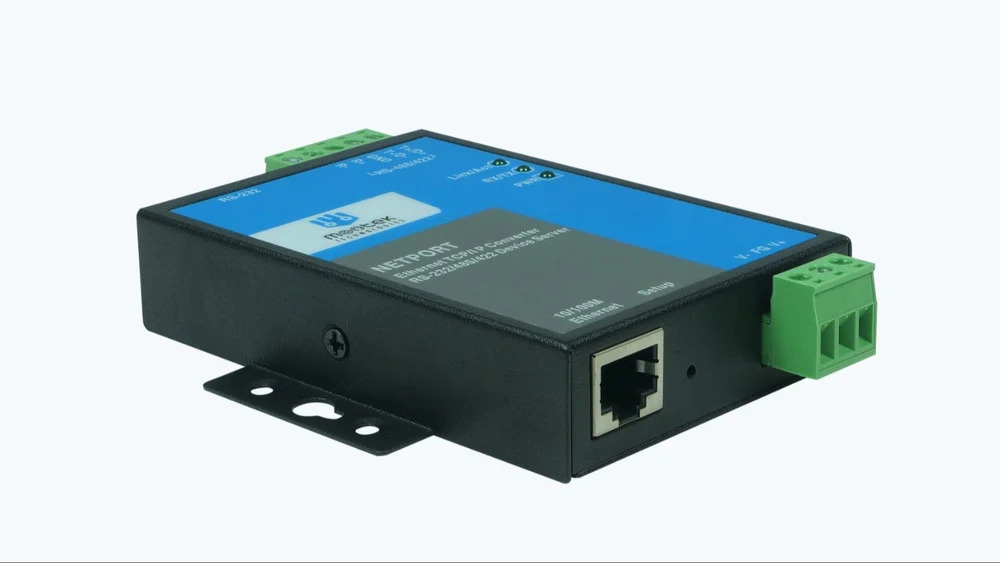

 India
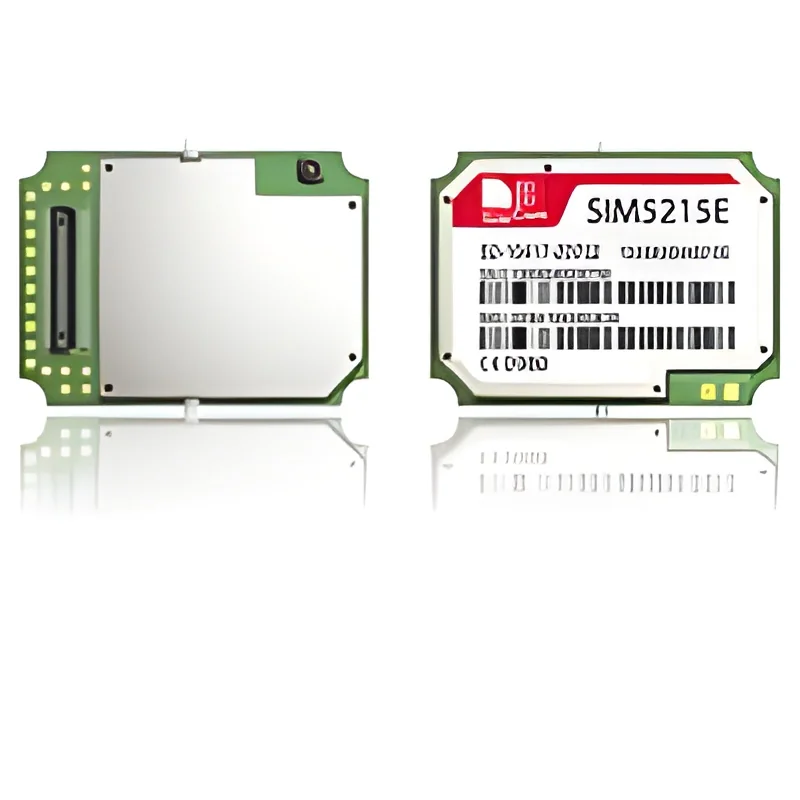
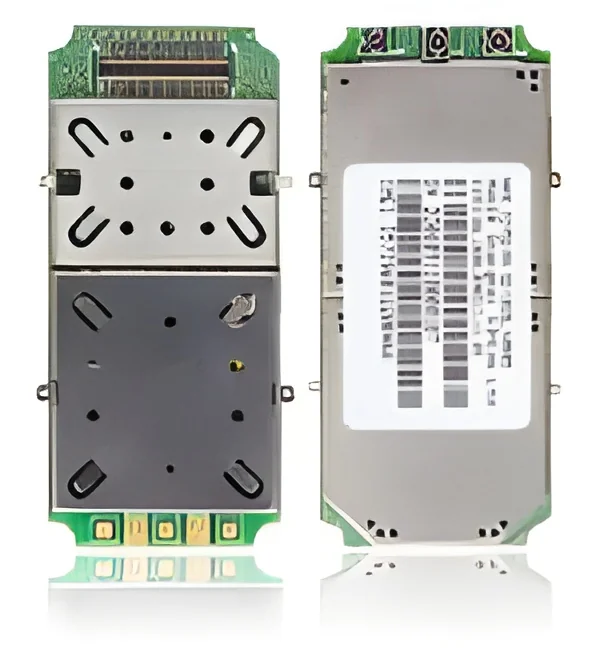
 India

 India
 India
 India

Frequently Asked Questions
What are Modems?
Modems, short for modulator-demodulator, are devices that convert digital data from a computer into an analog signal for transmission over telephone lines and vice versa. They facilitate internet connectivity by allowing data to be sent and received over various mediums.
What are the different types of Modems?
The main types of modems include DSL modems, cable modems, fiber-optic modems, and satellite modems. Each type operates differently based on the technology and infrastructure available in a specific area.
How do I choose the right Modems?
When selecting a modem, consider factors such as internet speed requirements, compatibility with your Internet Service Provider (ISP), and the type of connection you need. Additionally, check for features like built-in routers and security options.
What are the standard specifications for Modems?
Standard specifications for modems typically include data transfer rates, supported network protocols, and connectivity options like Ethernet or USB. It's also essential to look for modem standards such as DOCSIS for cable modems or ADSL for DSL modems.
What is the price range for Modems?
The price of modems can vary widely depending on the type and features, typically ranging from INR 1,000 to INR 10,000. Higher-end models with advanced features may cost more.
What quality standards apply to Modems?
Modems must adhere to specific quality standards, which can include certification by regulatory bodies like the Bureau of Indian Standards (BIS). Compliance with international standards such as ISO and IEEE may also be applicable.
Where can I find Modems suppliers in India?
You can find modem suppliers in India through online B2B marketplaces like Pepagora.com, which lists various manufacturers and distributors. Additionally, local electronics markets and trade shows can provide options for sourcing modems.
Can Modems be customized?
Yes, many manufacturers offer customization options for modems to meet specific requirements, such as branding, features, and performance specifications. It is advisable to discuss customization possibilities with the supplier.
What is the typical minimum order quantity for Modems?
The minimum order quantity (MOQ) for modems can vary by supplier but typically ranges from 10 to 100 units. It's best to confirm the MOQ directly with the manufacturer or supplier.
What is the typical lead time for Modems?
The typical lead time for modems can range from 2 to 6 weeks, depending on the supplier's inventory and customization requirements. Always check with the supplier for specific timelines.
Why Businesses Trust Pepagora
Thousands of companies trust Pepagora to source smarter and sell faster
Expand Your Sales Globally

Source Smarter,Grow Faster
