𝗪𝗵𝗮𝘁 𝗮𝗿𝗲 𝗠𝗲𝘁𝗮𝗹 𝗚𝗿𝗮𝘁𝗶𝗻𝗴𝘀 & 𝗚𝗿𝗶𝗹𝗹𝗲𝘀?
Metal gratings and grilles are essential structural components made from various metals, designed to provide support and safety in industrial and commercial settings. These products consist of a series of interconnected bars or slats that create a durable surface while allowing for ventilation, drainage, and visibility. Commonly constructed from materials like steel, aluminum, and stainless steel, metal gratings come in different designs and configurations to meet specific load-bearing and environmental requirements.
These products find extensive application across numerous industries, including construction, manufacturing, and transportation. They are often used as flooring systems, walkways, stair treads, and platform surfaces. Metal gratings and grilles are also used in drainage systems to prevent debris accumulation and promote efficient water flow. Their versatility and strength make them a preferred choice for businesses looking to enhance safety and functionality in their operations.
As the demand for efficient industrial solutions continues to rise, the market for metal gratings and grilles is experiencing significant growth. Companies are increasingly investing in high-quality products that meet stringent safety and performance standards. This trend is driven by the need for durable infrastructure in sectors like oil and gas, food processing, and pharmaceuticals, where reliability and compliance with regulations are critical.
𝗞𝗲𝘆 𝗙𝗲𝗮𝘁𝘂𝗿𝗲𝘀 𝗮𝗻𝗱 𝗦𝗽𝗲𝗰𝗶𝗳𝗶𝗰𝗮𝘁𝗶𝗼𝗻𝘀
Metal gratings and grilles are designed with several key features that enhance their functionality and performance. Understanding these specifications will help buyers choose the right product for their needs.
Key specifications include:
1. Load Capacity
- This specification indicates the maximum weight the grating can support without deformation.
- Load capacities typically range from light duty to heavy duty, depending on the application.
2. Material Type
- Metal gratings can be made from various materials, including carbon steel, aluminum, and stainless steel.
- Each material provides different levels of corrosion resistance and strength.
3. Bar Spacing
- The spacing between the bars is crucial for safety and performance.
- Standard bar spacing can vary, typically ranging from 30mm to 50mm, depending on the application.
4. Surface Finish
- Metal gratings can come with different surface finishes, including painted, galvanized, or untreated options.
- The finish affects corrosion resistance and overall durability.
5. Dimensions
- Gratings are available in various sizes and thicknesses.
- Common thickness ranges from 1mm to 5mm, depending on load requirements.
6. Compliance Standards
- Compliance with industry standards such as CE certification is essential for safety.
- These standards ensure that the gratings meet performance and safety regulations.
7. Fire Resistance
- Certain metal gratings are treated for enhanced fire resistance.
- This feature is particularly important in industries where fire hazards are prevalent.
8. Customization Options
- Many manufacturers offer customization in terms of size, shape, and material.
- Custom solutions can be tailored to specific operational needs.
In summary, understanding these key features and specifications will guide B2B buyers in selecting the most suitable metal gratings and grilles for their specific applications.
𝗖𝗼𝗺𝗺𝗼𝗻 𝗔𝗽𝗽𝗹𝗶𝗰𝗮𝘁𝗶𝗼𝗻𝘀 𝗮𝗻𝗱 𝗨𝘀𝗲 𝗖𝗮𝘀𝗲𝘀
Metal gratings and grilles serve a wide range of industries due to their versatility and strength.
1. Construction: In construction, metal gratings are used for walkways, platforms, and staircases to provide safe access to elevated areas.
2. Manufacturing: Manufacturing facilities often utilize grates for machine floors and equipment platforms to ensure safety while maintaining operational efficiency.
3. Transportation: In transportation, metal grilles are found in airports and train stations, serving as ventilation systems and walkways for public use.
4. Oil and Gas: The oil and gas industry uses metal gratings for offshore platforms and refineries, where durability and resistance to harsh environments are critical.
5. Food Processing: In food and beverage processing plants, metal gratings allow for easy drainage and cleaning, ensuring hygienic conditions.
6. Waste Management: Gratings are used in waste management facilities to manage drainage and support heavy machinery.
7. Power Generation: Power plants use metal gratings in cooling towers and turbine rooms, where strength and resistance to extreme conditions are necessary.
𝗣𝗿𝗼𝗱𝘂𝗰𝘁 𝗩𝗮𝗿𝗶𝗮𝗻𝘁𝘀 𝗮𝗻𝗱 𝗦𝘂𝗯𝗰𝗮𝘁𝗲𝗴𝗼𝗿𝗶𝗲𝘀
Metal gratings and grilles come in various forms to meet specific industry requirements.
Heavy Duty Gratings
These gratings are designed for applications requiring high load-bearing capacity. They are often used in industrial environments where heavy machinery operates.
Light Duty Gratings
Light duty options are suitable for pedestrian walkways and areas with lower load requirements. They provide safety and comfort without compromising on strength.
Trench Grates
Trench grates are specifically designed for drainage applications, allowing for efficient water flow while preventing debris from clogging the system.
Bar Gratings
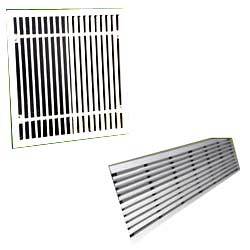
Bar gratings consist of parallel bars spaced evenly apart. They are commonly used for flooring and walkways in both industrial and commercial settings.
𝗕𝗲𝗻𝗲𝗳𝗶𝘁𝘀 𝗮𝗻𝗱 𝗔𝗱𝘃𝗮𝗻𝘁𝗮𝗴𝗲𝘀
Metal gratings and grilles offer several advantages that make them a valuable asset for various applications.
1. Durability: These products are designed to withstand heavy loads and harsh environmental conditions, ensuring long-term performance.
2. Safety: The open design of gratings allows for excellent traction and drainage, reducing the risk of slips and falls.
3. Versatility: Metal gratings can be used in a wide range of applications across different industries, making them a flexible solution.
4. Low Maintenance: They require minimal upkeep, which reduces overall operational costs for businesses.
5. Customization: Many manufacturers offer customizable options to meet specific project requirements, ensuring the right fit for any application.
6. Compliance: Sourcing products that meet industry standards ensures safety and reliability in operations.
𝗕𝘂𝘆𝗶𝗻𝗴 𝗚𝘂𝗶𝗱𝗲 𝗳𝗼𝗿 𝗕𝟮𝗕 𝗕𝘂𝘆𝗲𝗿𝘀
When sourcing metal gratings and grilles, it is essential for buyers to consider several factors to ensure they make informed purchasing decisions.
1. Quality Assessment: Assessing the quality of metal gratings involves checking for compliance with industry standards and certifications. Look for products that have undergone rigorous testing.
2. Supplier Verification: Vetting suppliers is crucial to ensure they have a good reputation and provide reliable products. Look for reviews, references, and certifications.
3. Pricing and MOQ: Understand the pricing structure and the minimum order quantity required by suppliers. This will help you budget effectively and avoid unexpected costs.
4. Delivery and Lead Times: Discuss delivery schedules with suppliers to ensure that they can meet your project timelines. Timeliness is critical in industrial operations.
5. Compliance Requirements: Ensure that the products comply with relevant regulations and standards in your industry to avoid legal issues and ensure safety.
𝗖𝗼𝗺𝗽𝗹𝗶𝗮𝗻𝗰𝗲 𝗮𝗻𝗱 𝗖𝗲𝗿𝘁𝗶𝗳𝗶𝗰𝗮𝘁𝗶𝗼𝗻𝘀
Compliance with industry standards is a critical aspect of metal gratings and grilles. Products are often manufactured to meet quality standards such as ISO 9001, which ensures a consistent quality management system. Additionally, HACCP (Hazard Analysis and Critical Control Points) and GDP (Good Distribution Practices) are important in industries like food processing and pharmaceuticals.
Certification by recognized bodies, such as the CE mark, indicates that the product meets European safety, health, and environmental protection standards. Safety and testing requirements are also essential, as they ensure that the gratings can perform under specified conditions without compromising safety.
Regional compliance considerations may vary depending on local regulations. Companies should be aware of these factors when sourcing products to ensure they align with legal and safety requirements.
𝗪𝗵𝘆 𝗦𝗼𝘂𝗿𝗰𝗲 𝗠𝗲𝘁𝗮𝗹 𝗚𝗿𝗮𝘁𝗶𝗻𝗴𝘀 & 𝗚𝗿𝗶𝗹𝗹𝗲𝘀 𝗳𝗿𝗼𝗺 𝗣𝗲𝗽𝗮𝗴𝗼𝗿𝗮?
Pepagora provides a trusted platform for sourcing metal gratings and grilles, offering several key advantages that benefit B2B buyers.
Verified Supplier Network: Pepagora features a network of verified suppliers who have been thoroughly vetted for quality and reliability. This ensures that buyers can trust the products they purchase.
Streamlined RFQ Process: The platform offers a straightforward Request for Quotation (RFQ) process, allowing buyers to quickly obtain competitive pricing from multiple suppliers. This efficiency can significantly reduce procurement time.
Trade Assurance and Support: Buyers benefit from trade assurance, which provides protection throughout the purchasing process. This support ensures that buyers feel secure in their transactions and can resolve any issues that may arise.
Regional Coverage: Pepagora has a broad reach across various regions, including India, the GCC, and Southeast Asia. This geographic coverage allows buyers to access a diverse range of products and suppliers tailored to their specific needs.
By choosing Pepagora, buyers can streamline their sourcing process while ensuring they receive high-quality metal gratings and grilles that meet their operational requirements.

 IN
IN
 India
India