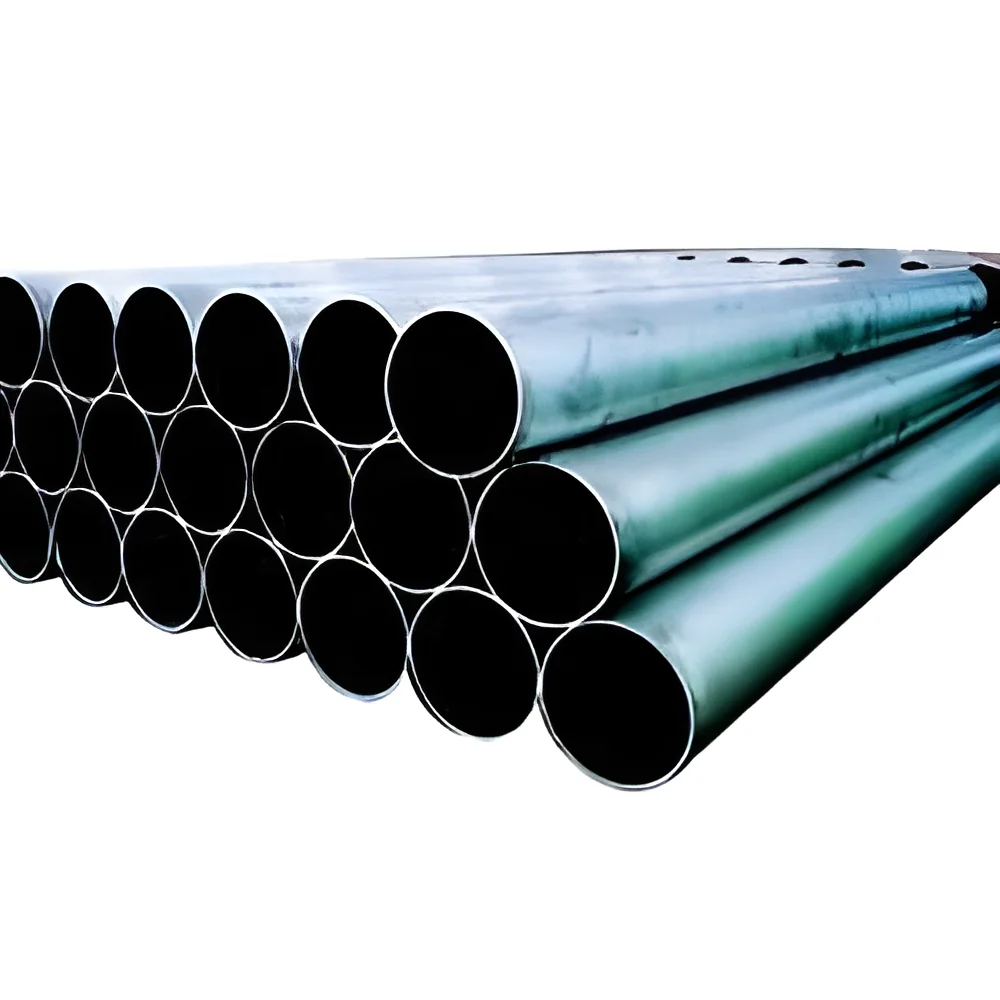
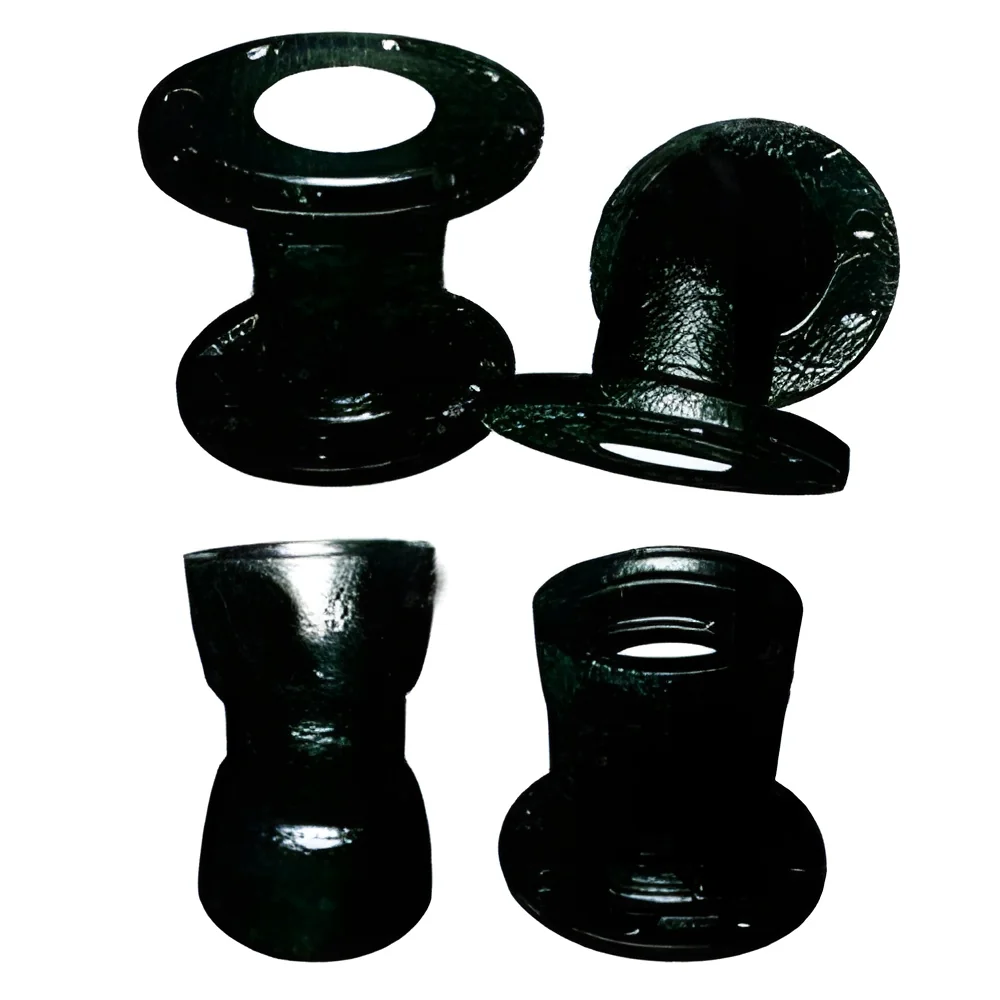
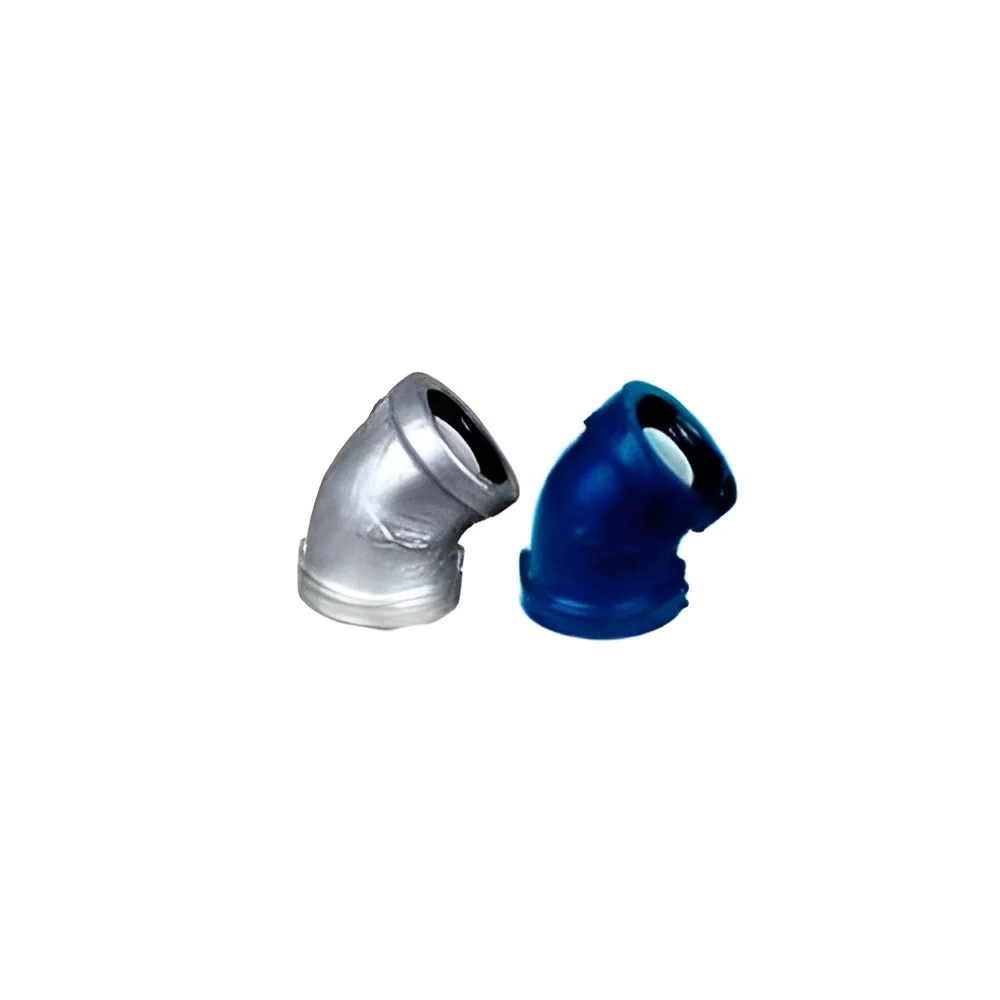
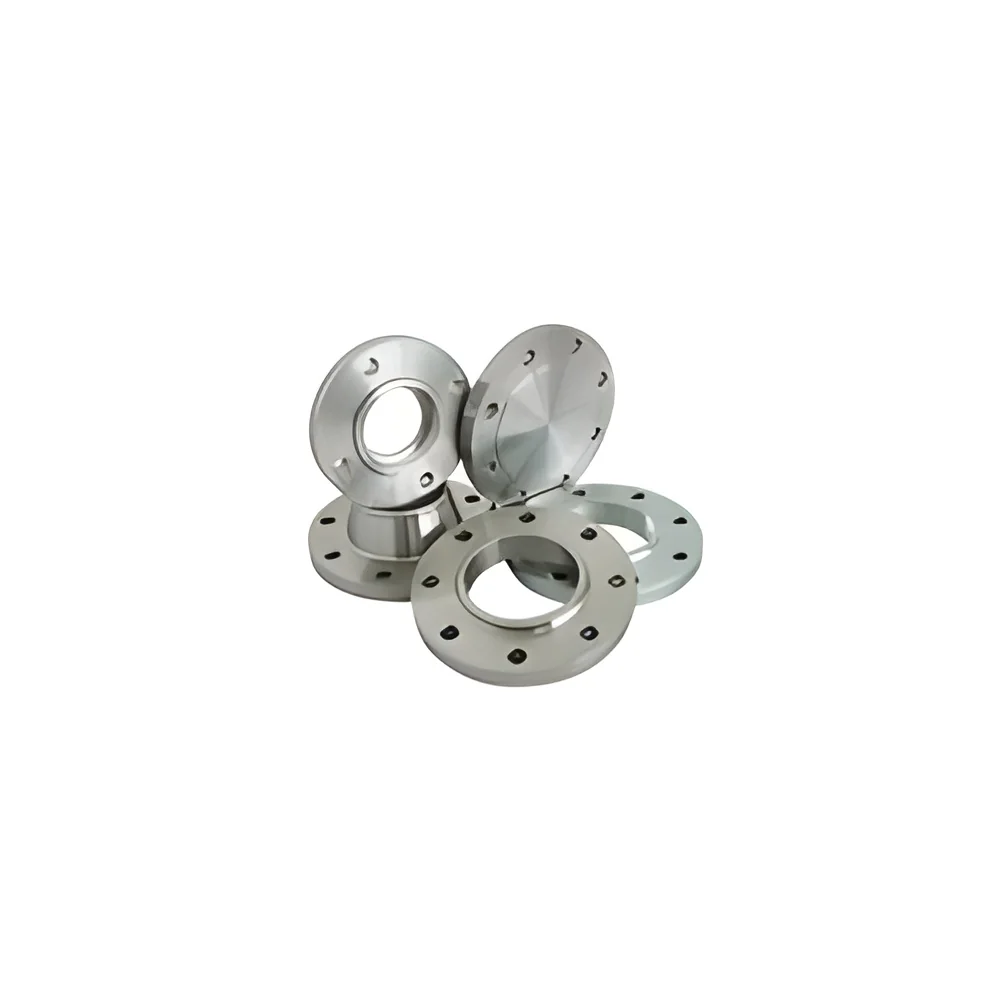
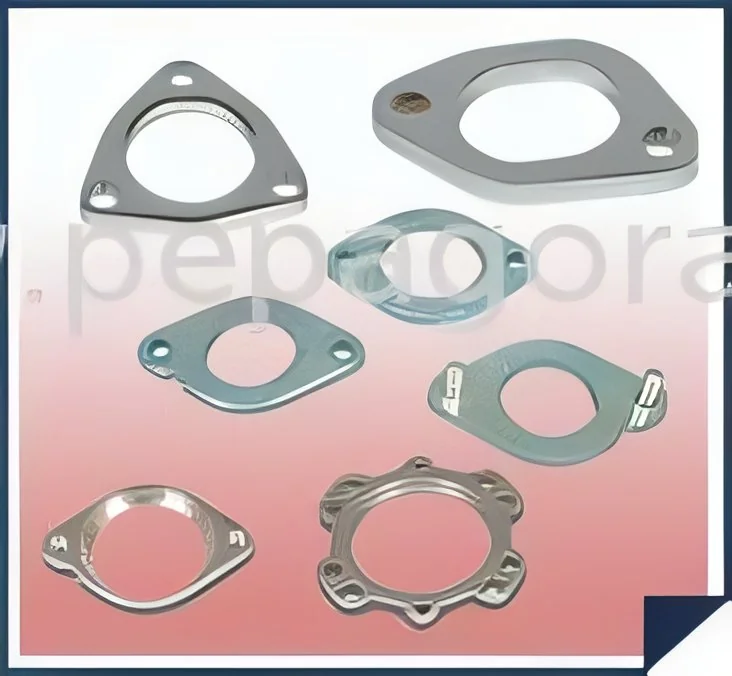
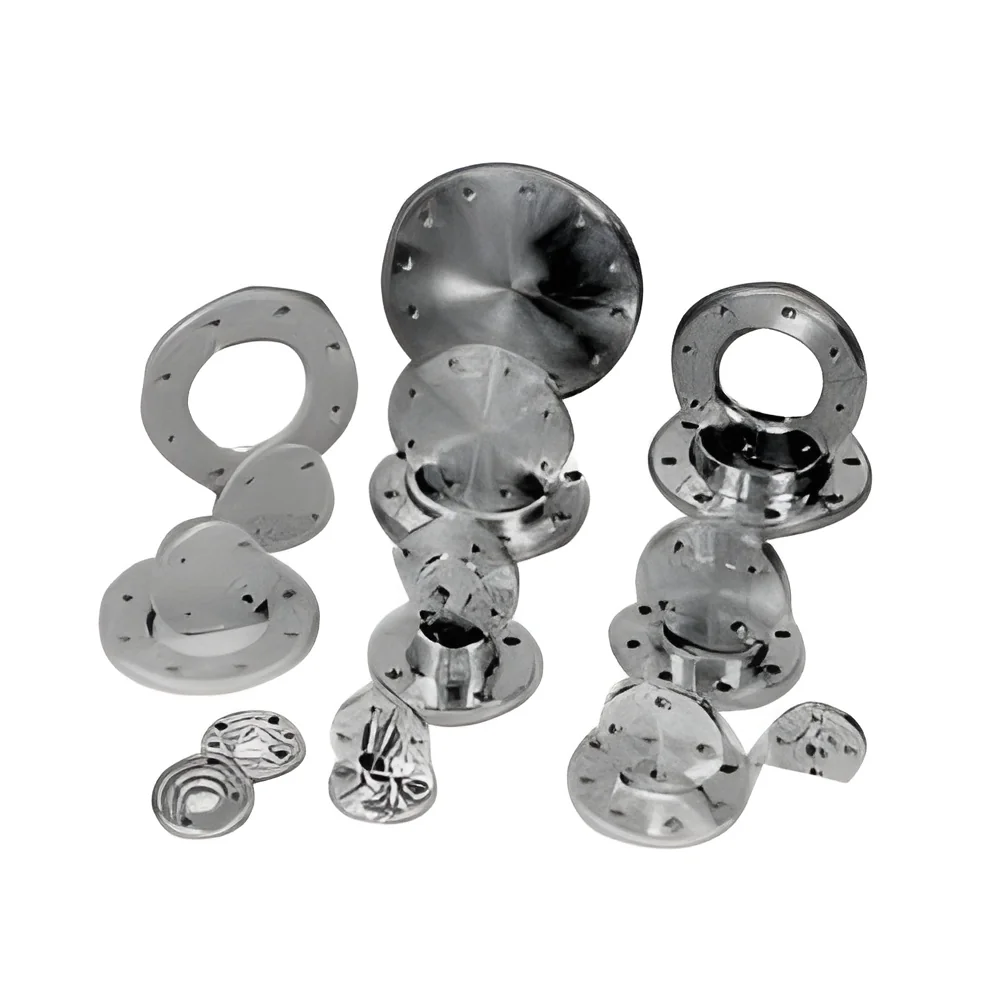
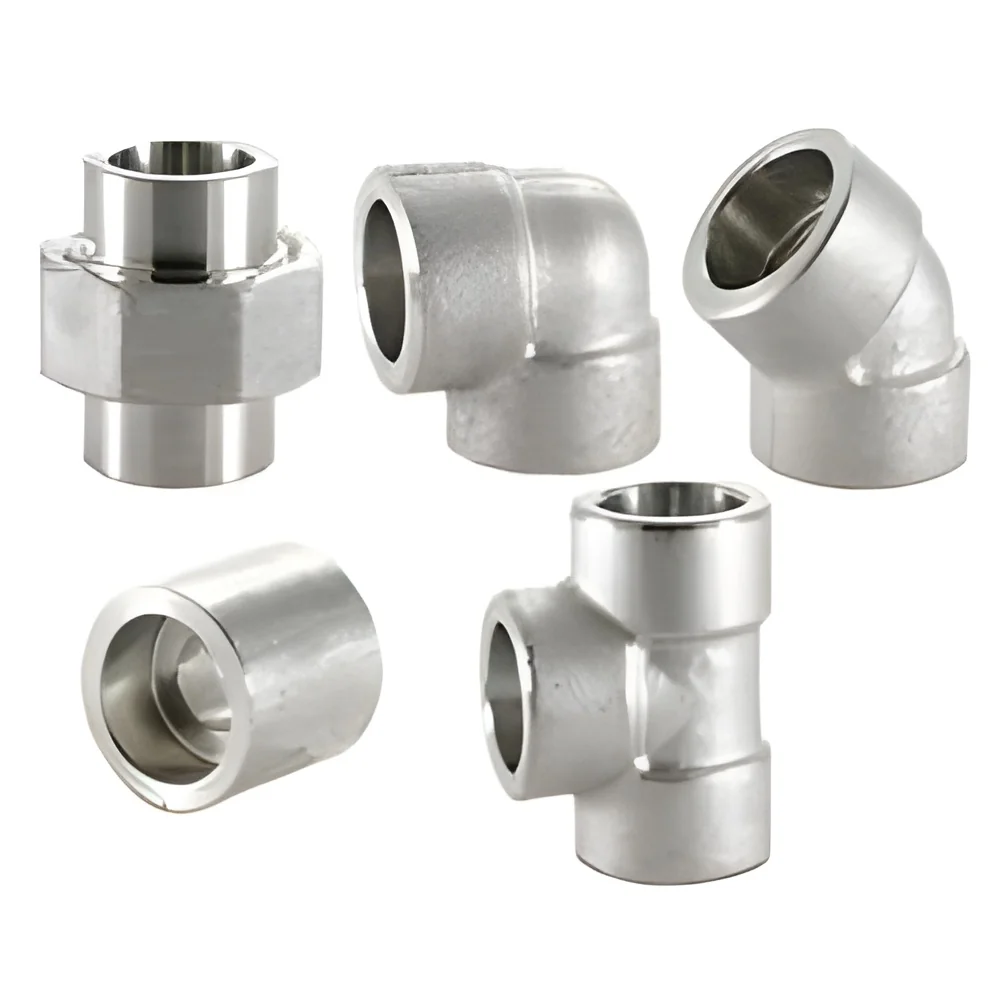
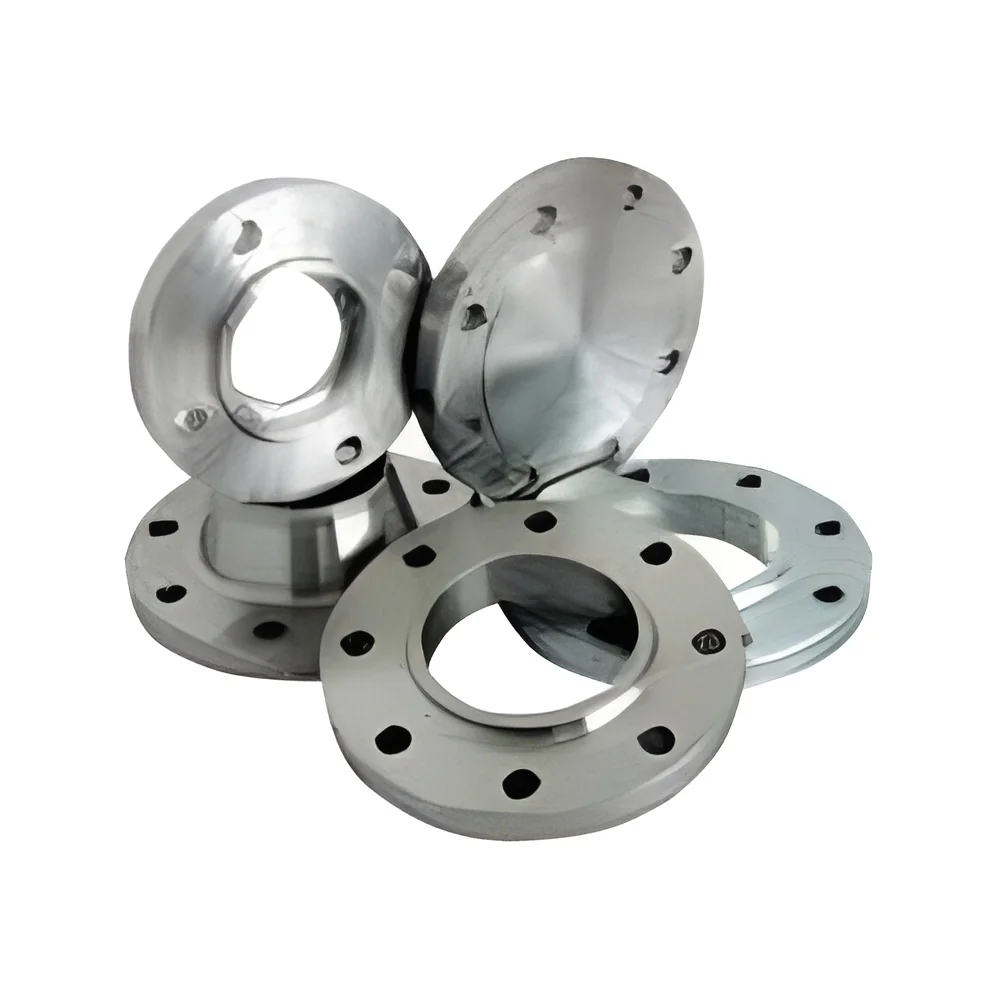
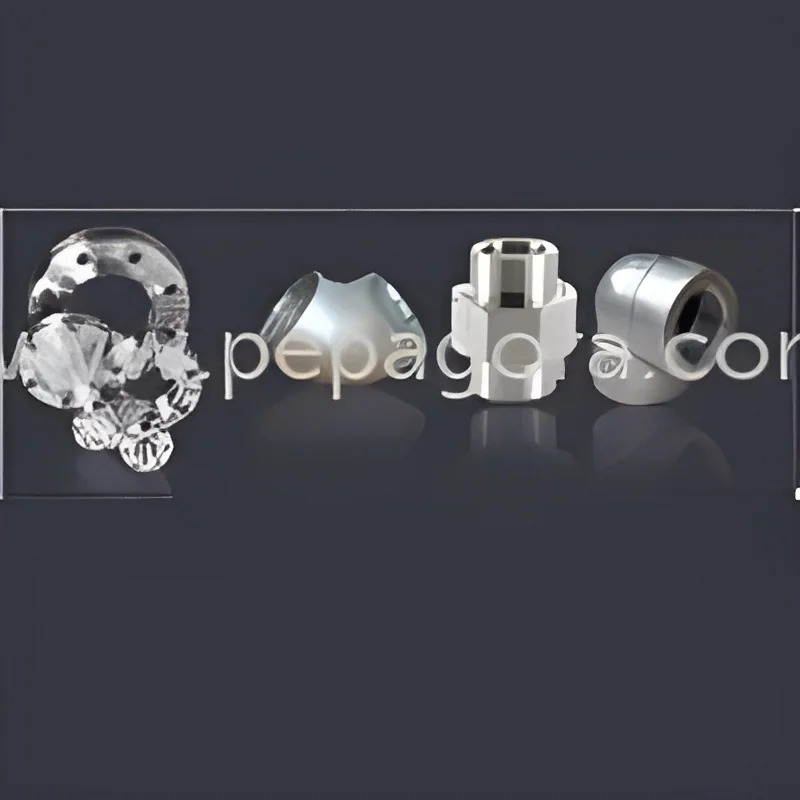
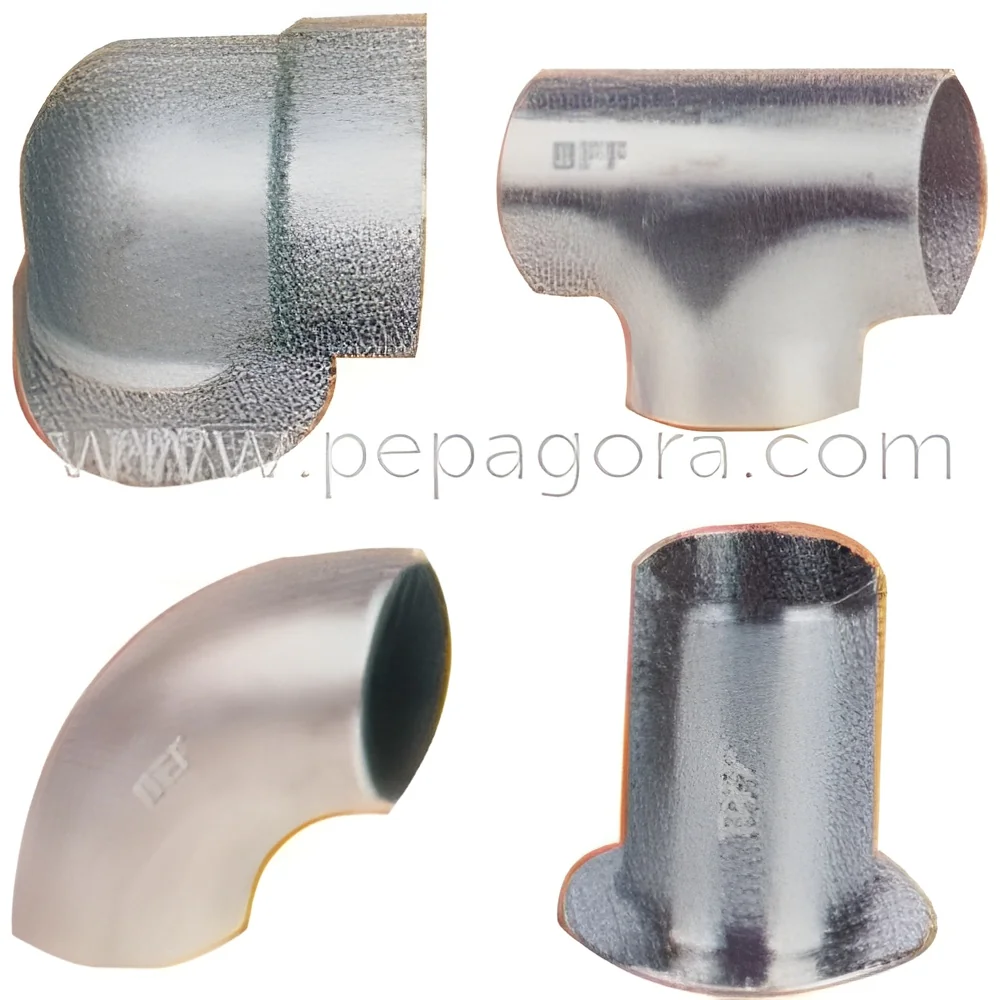
What are Metal Flanges & Fittings?
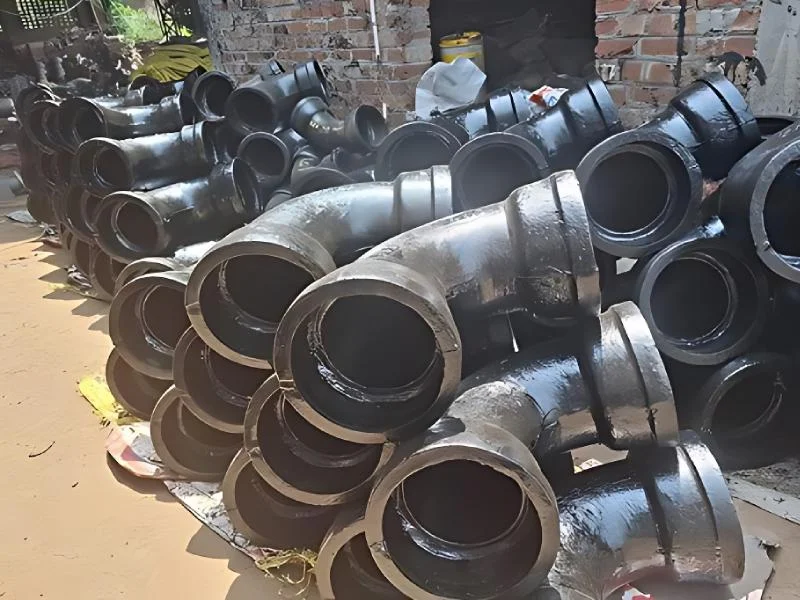
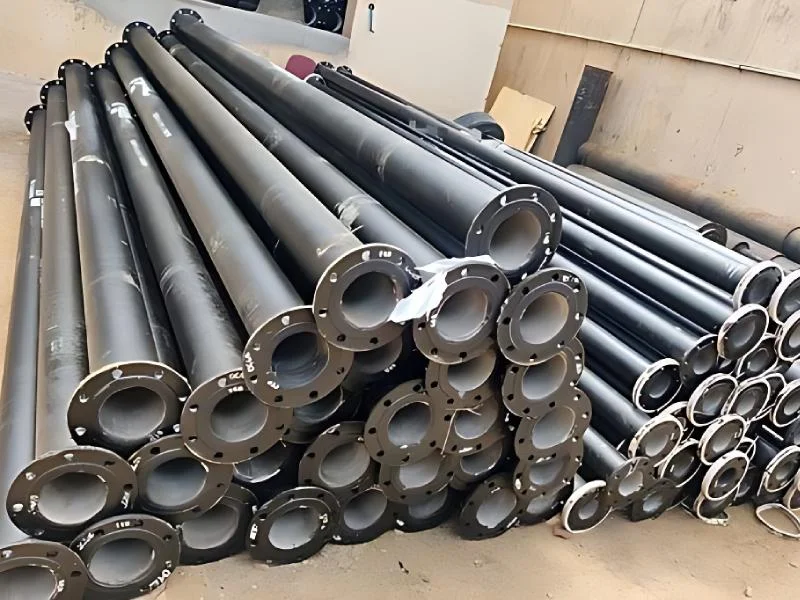
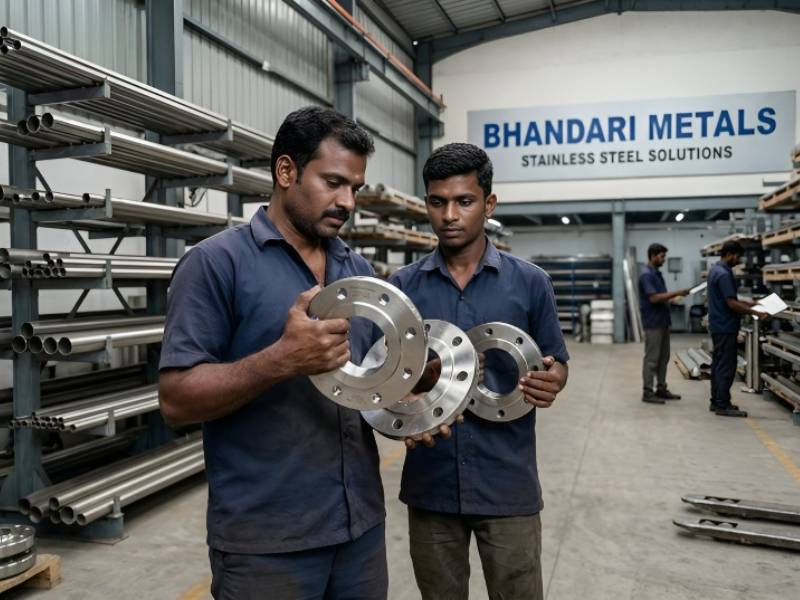
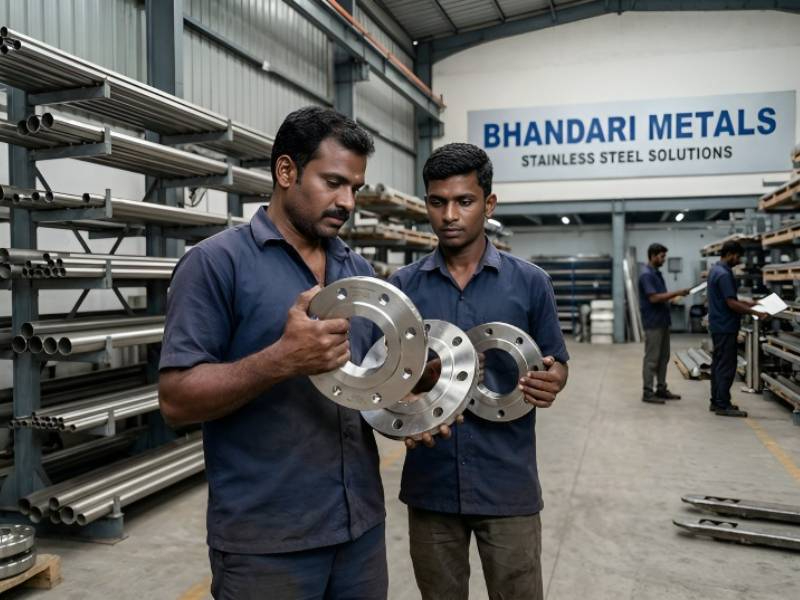
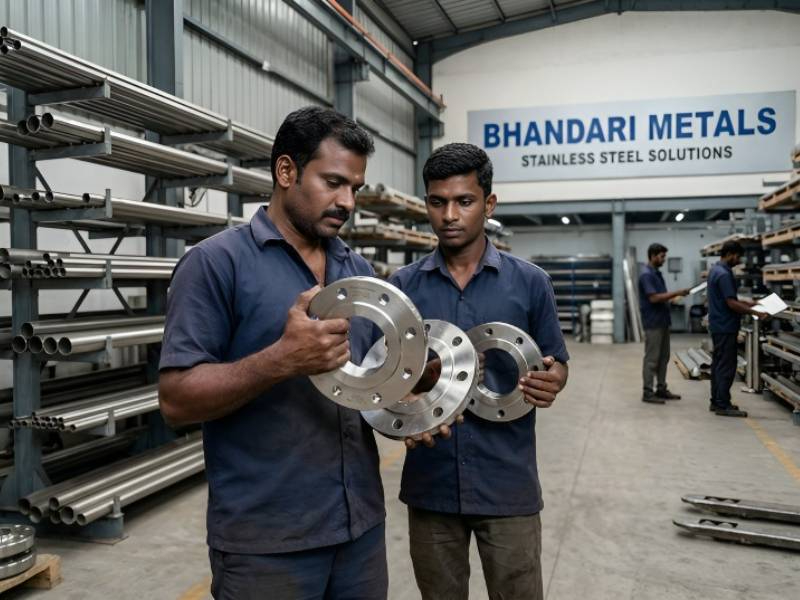
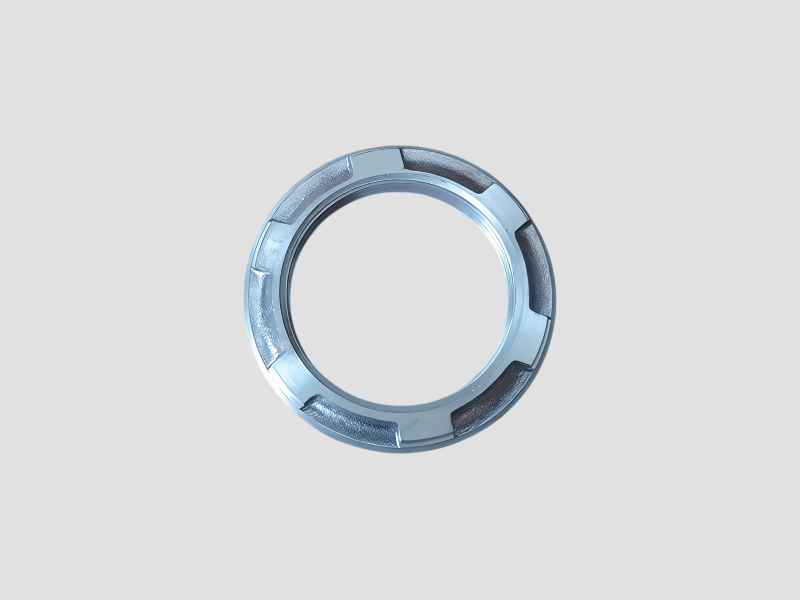
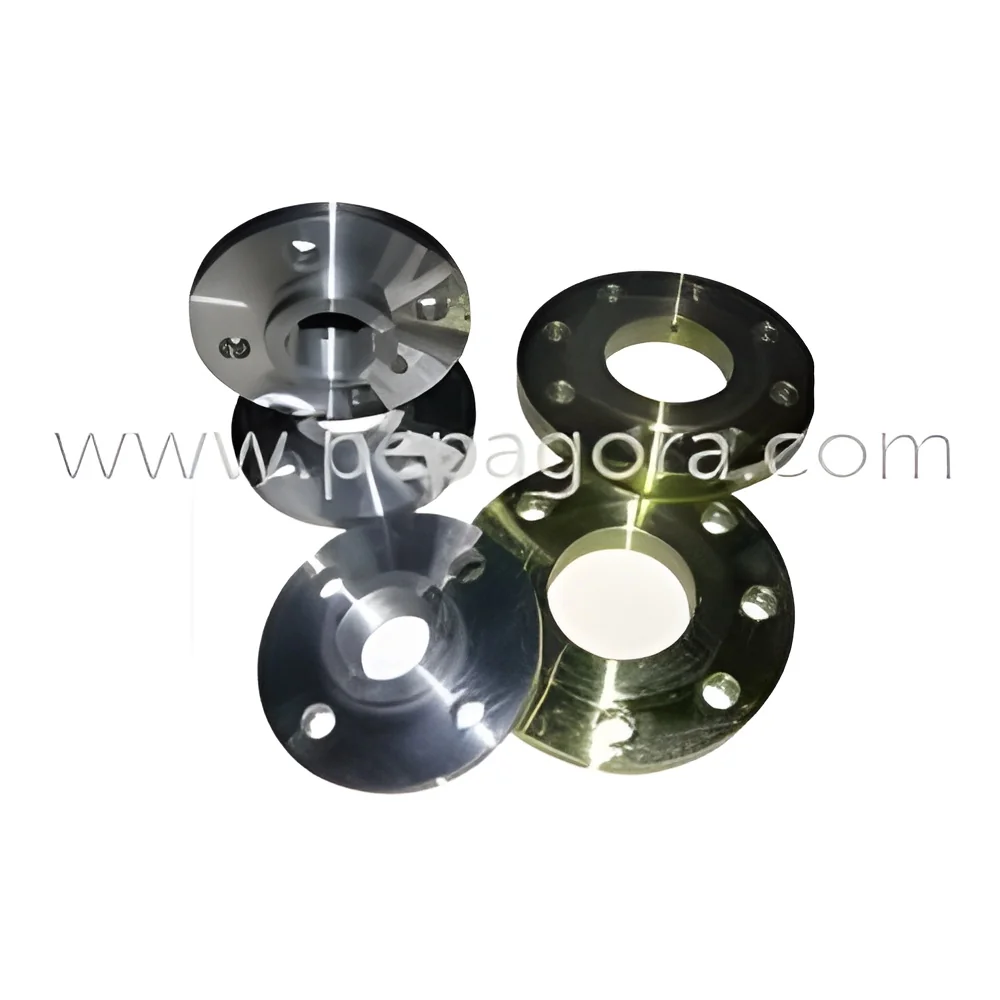
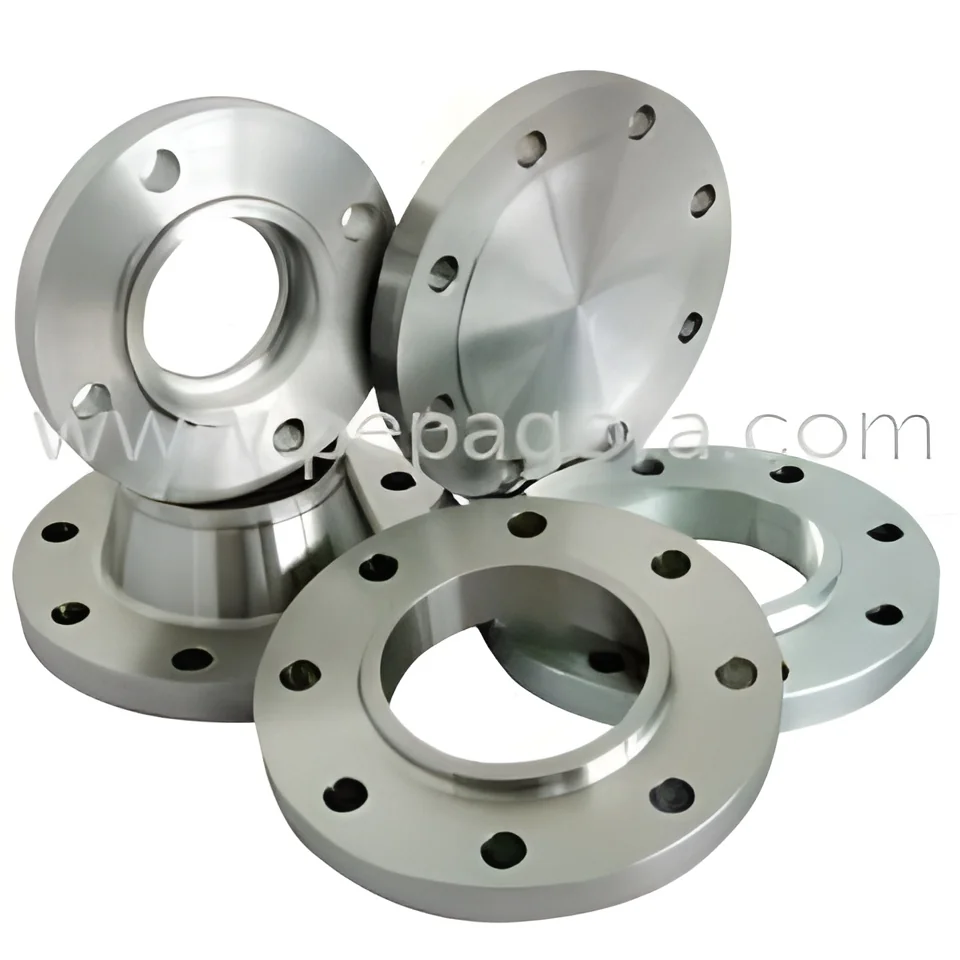
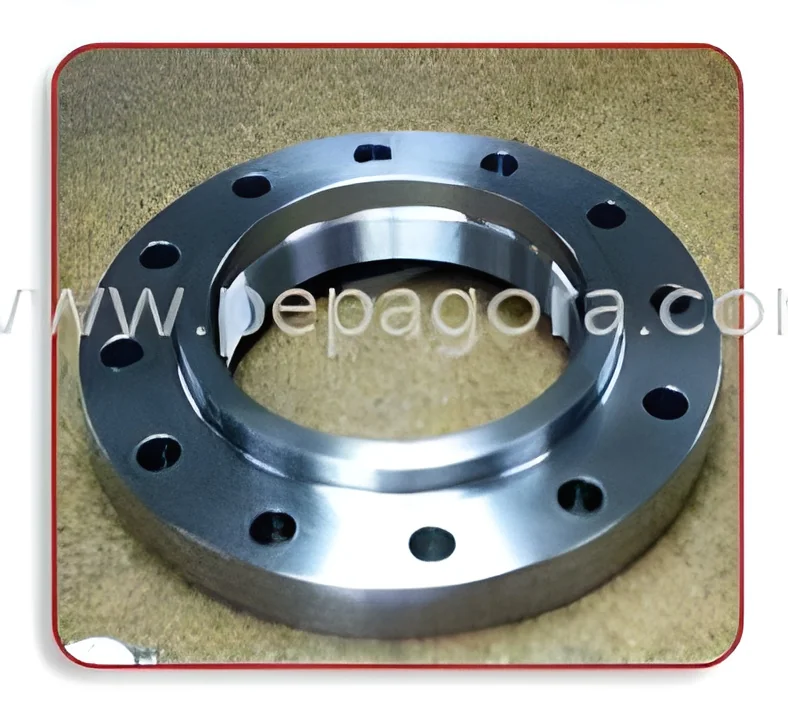
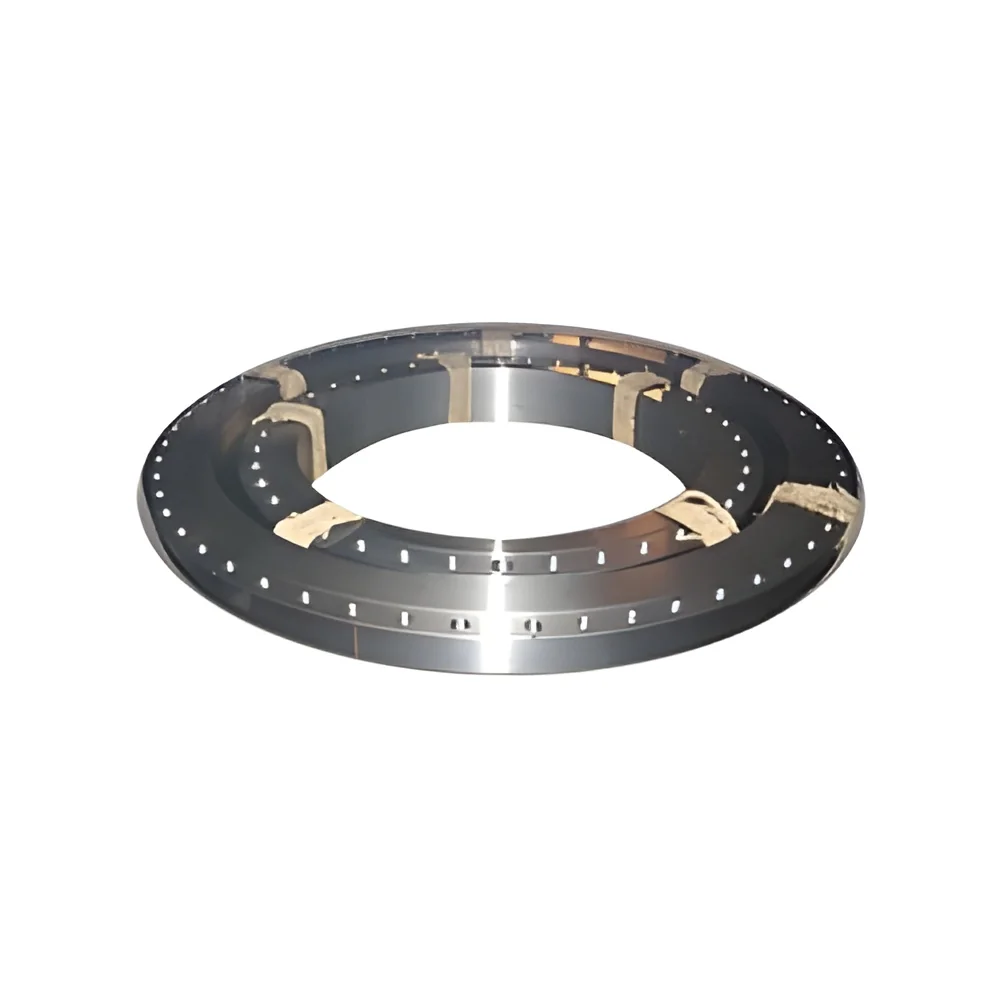
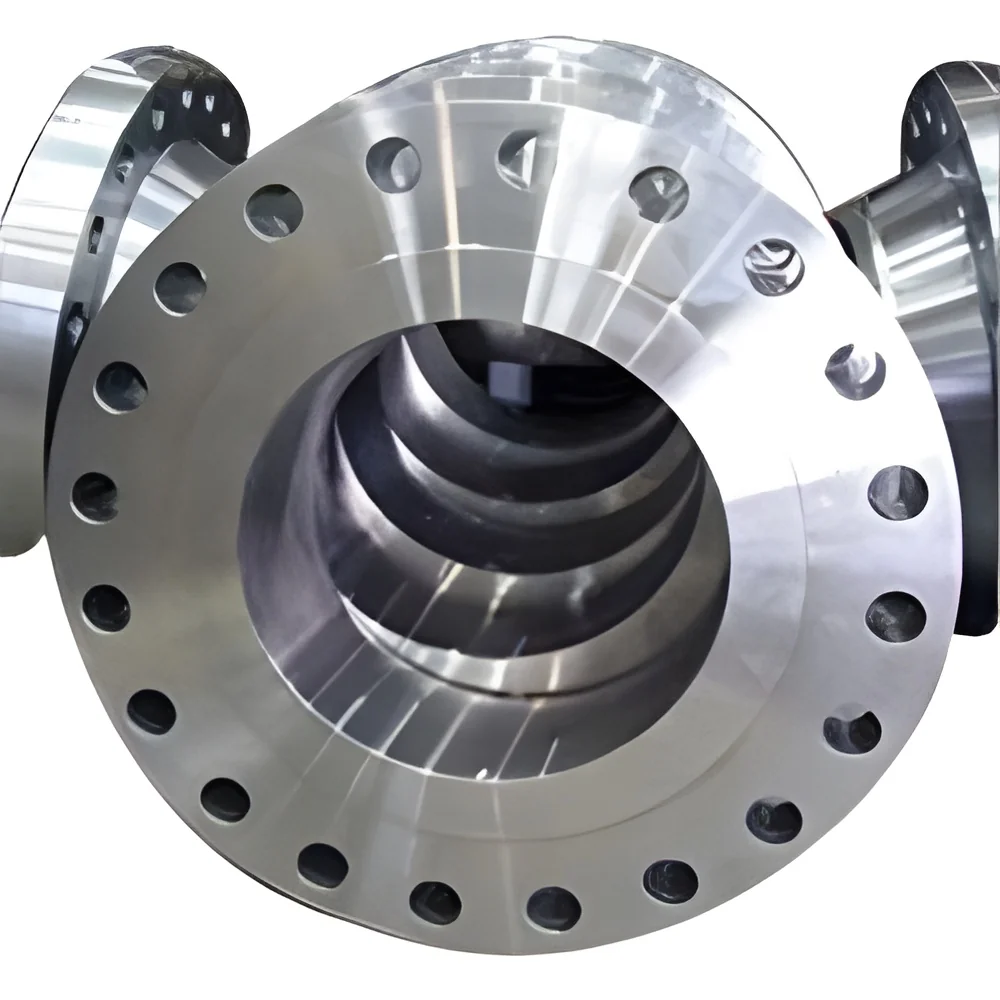
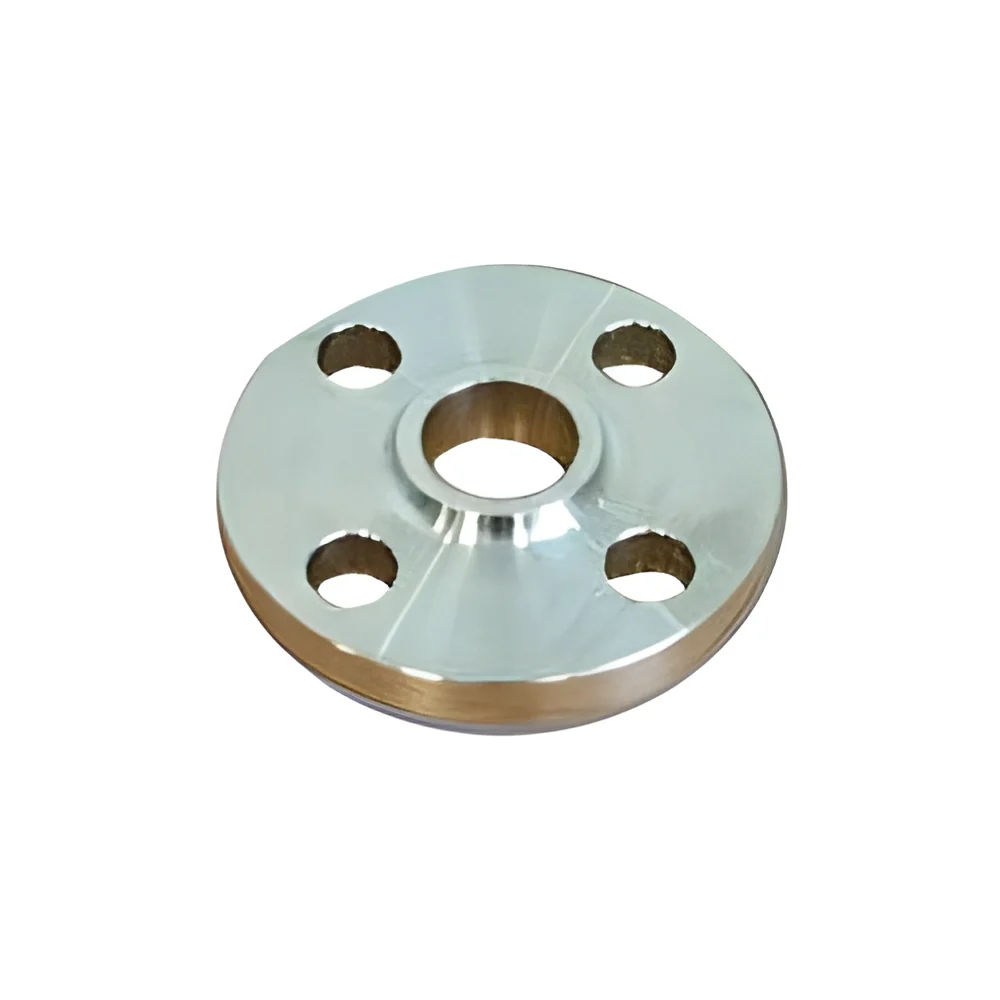
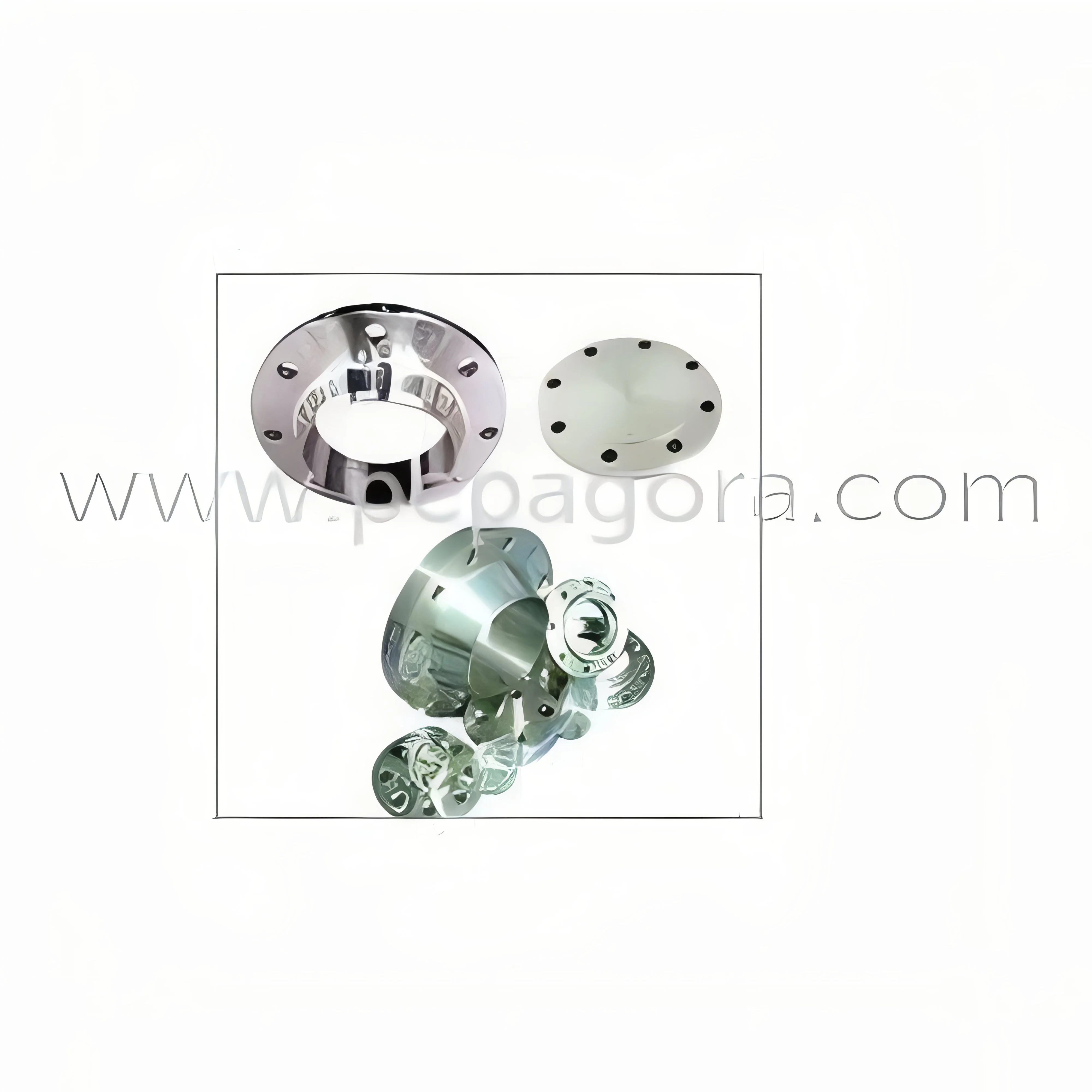
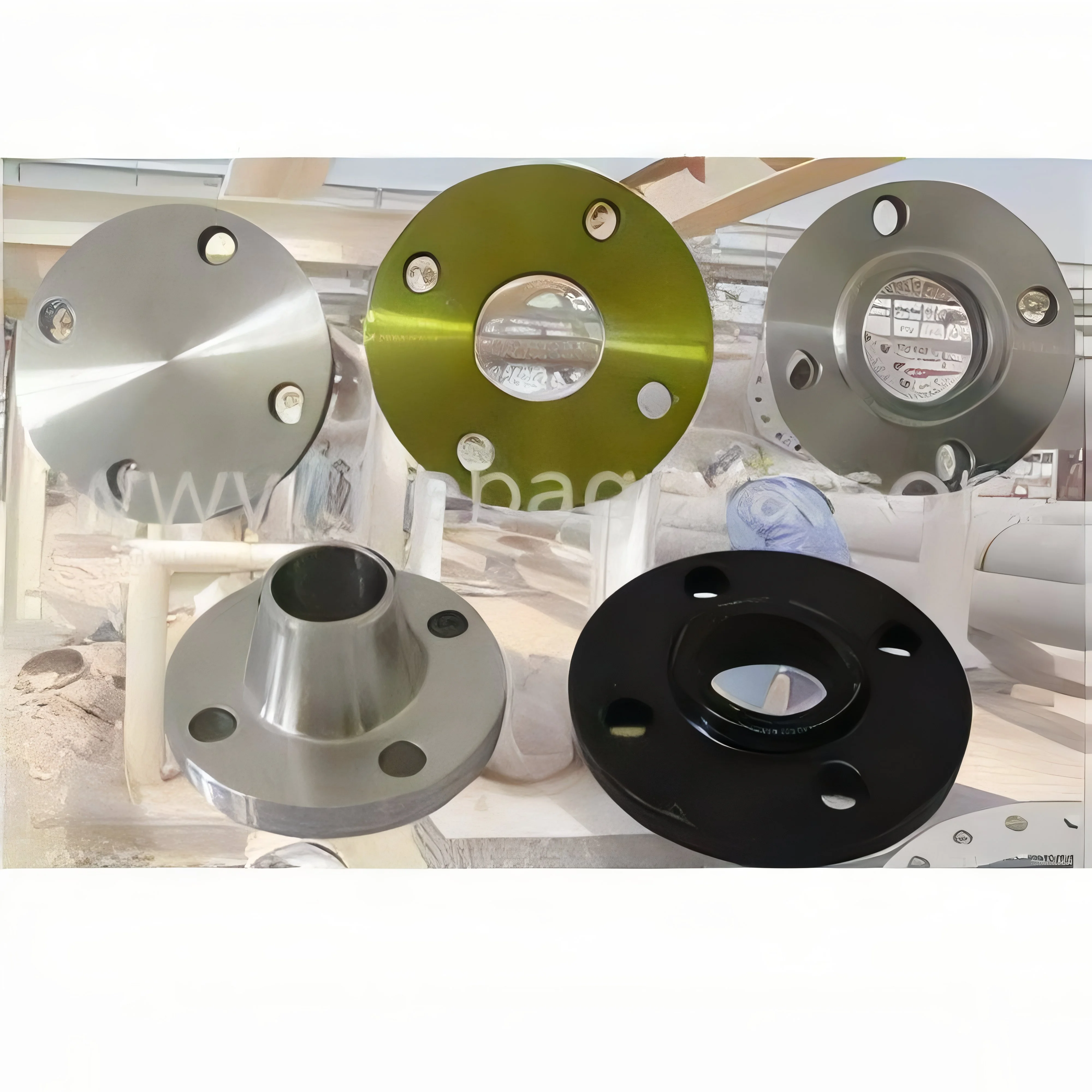
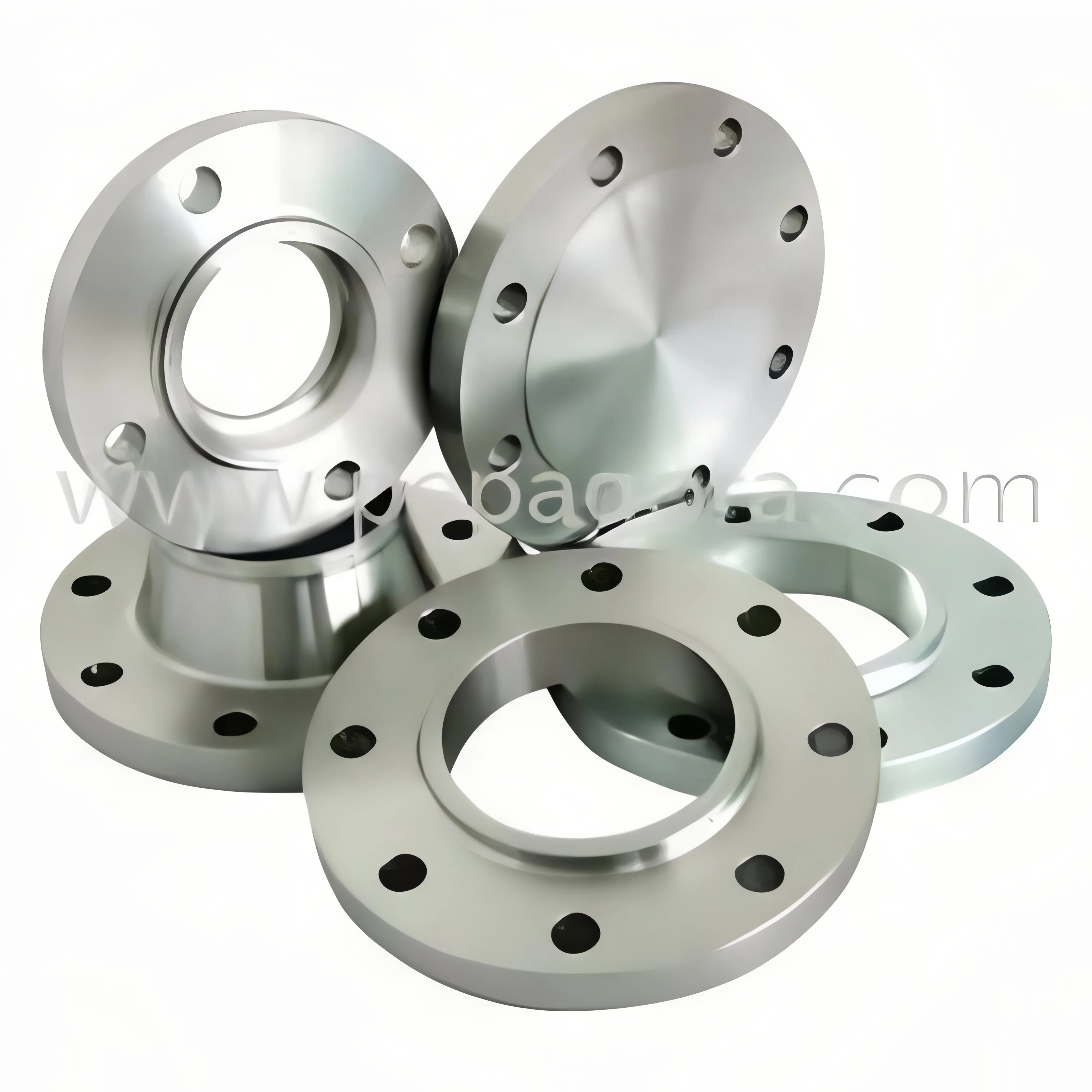
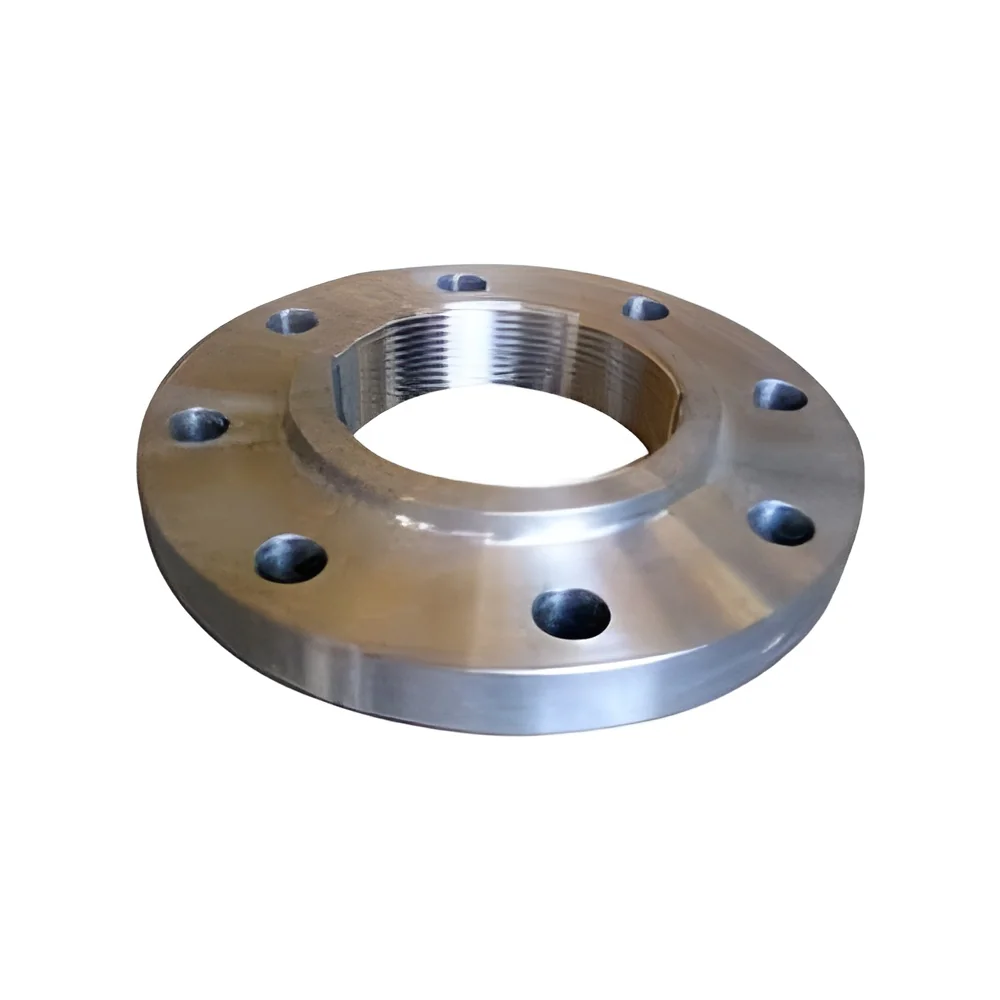
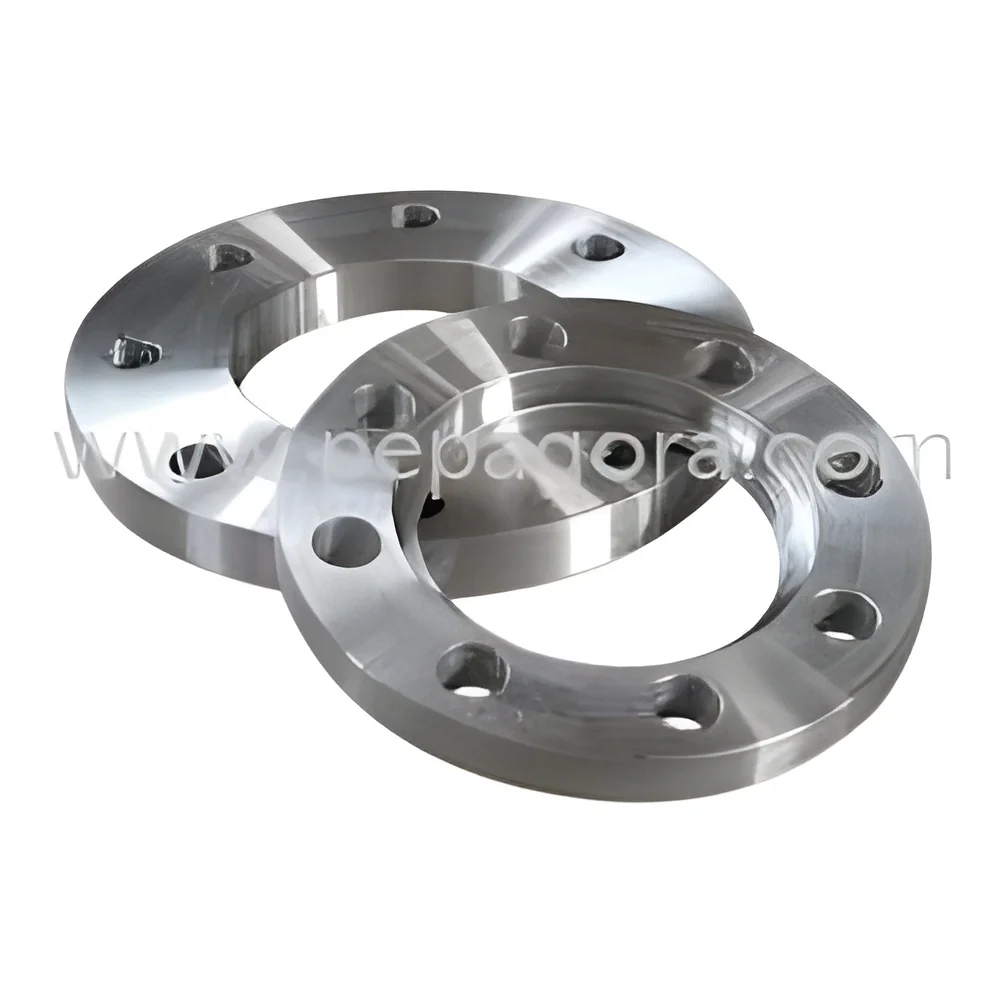
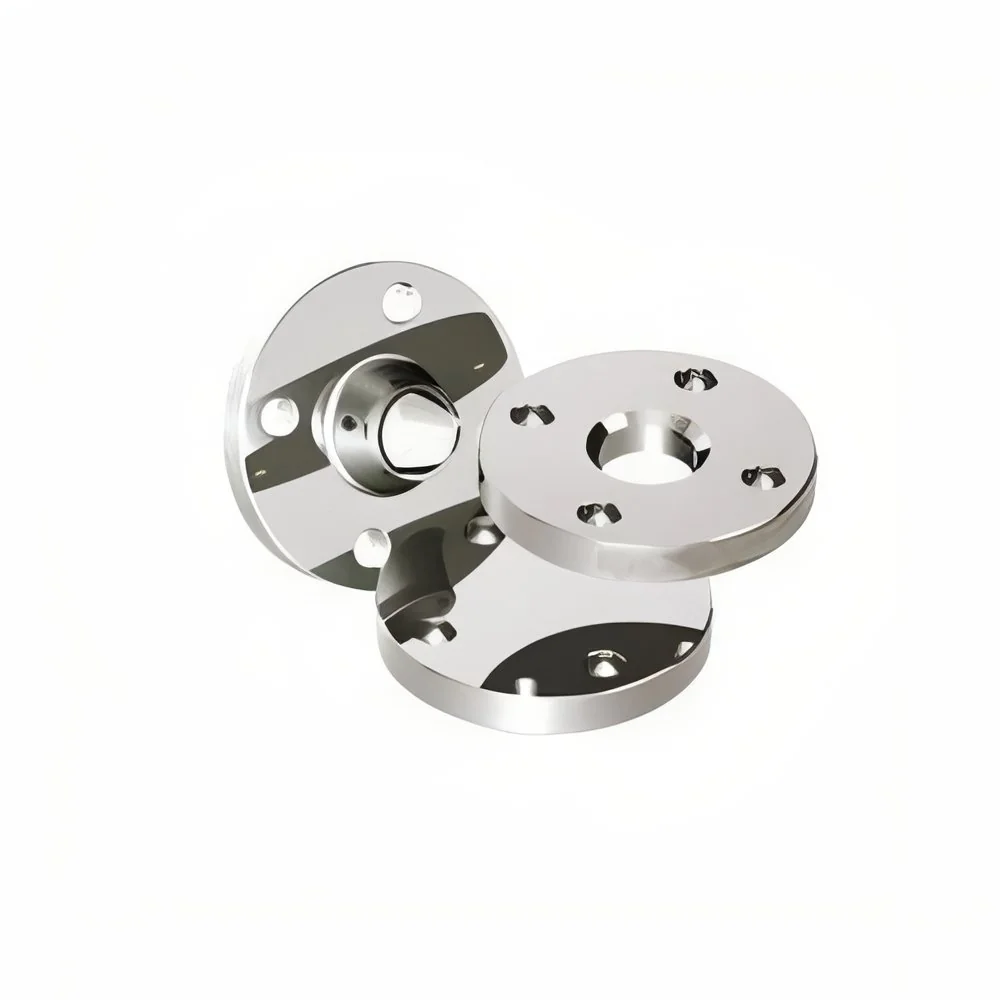
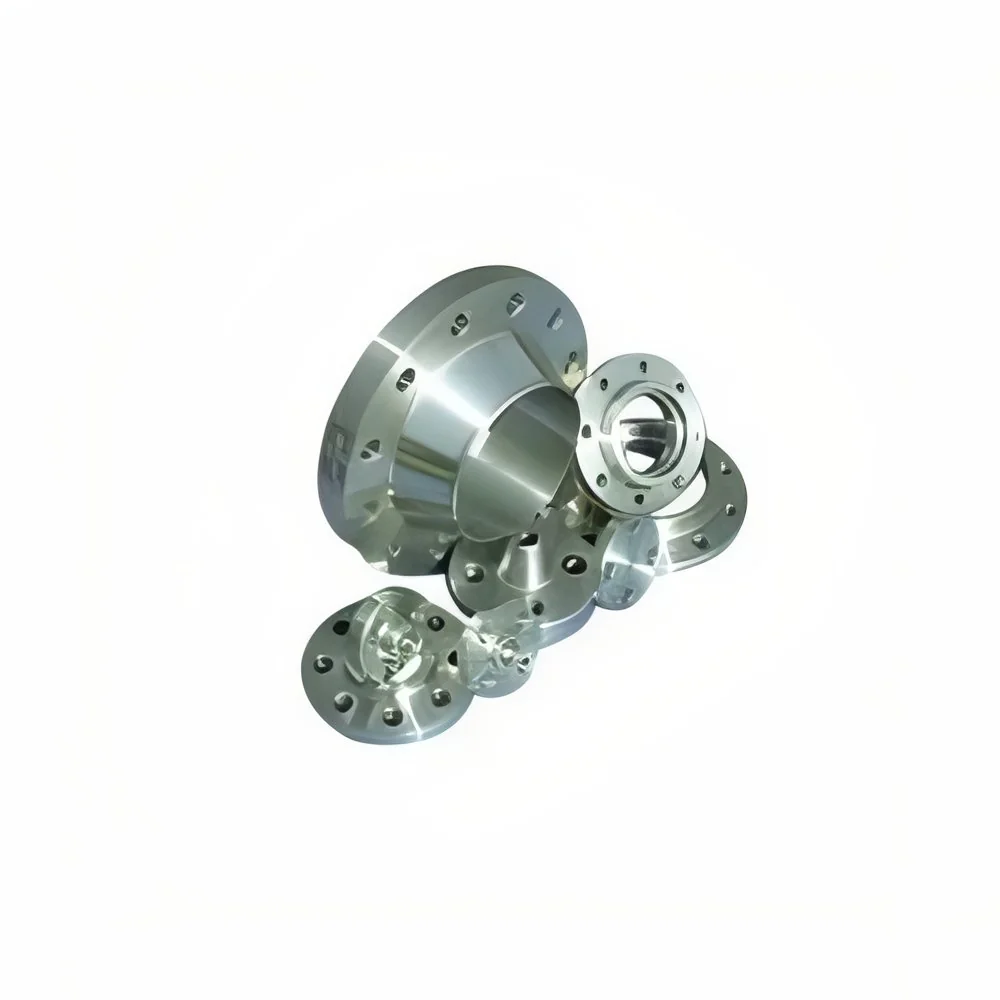
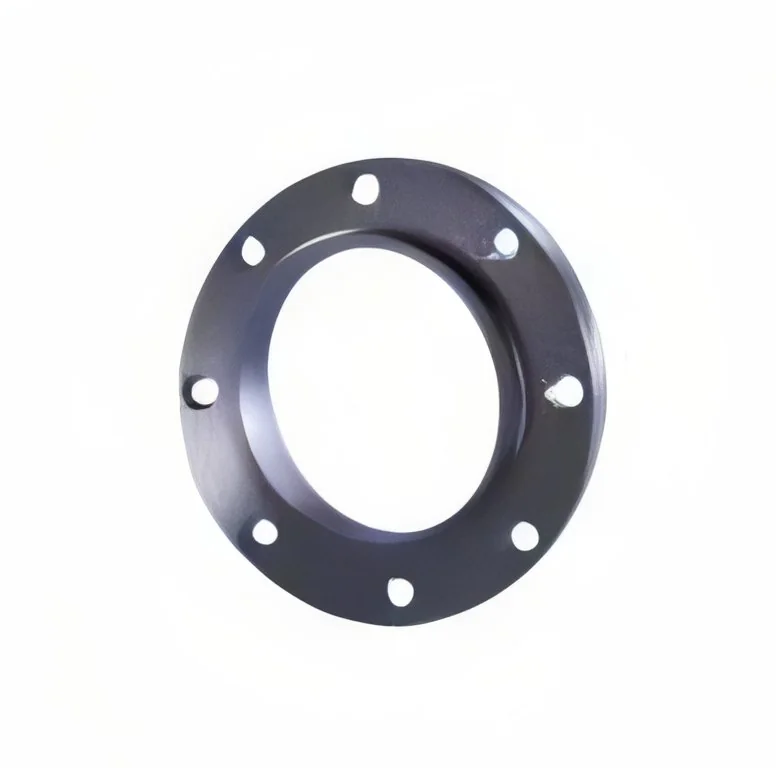
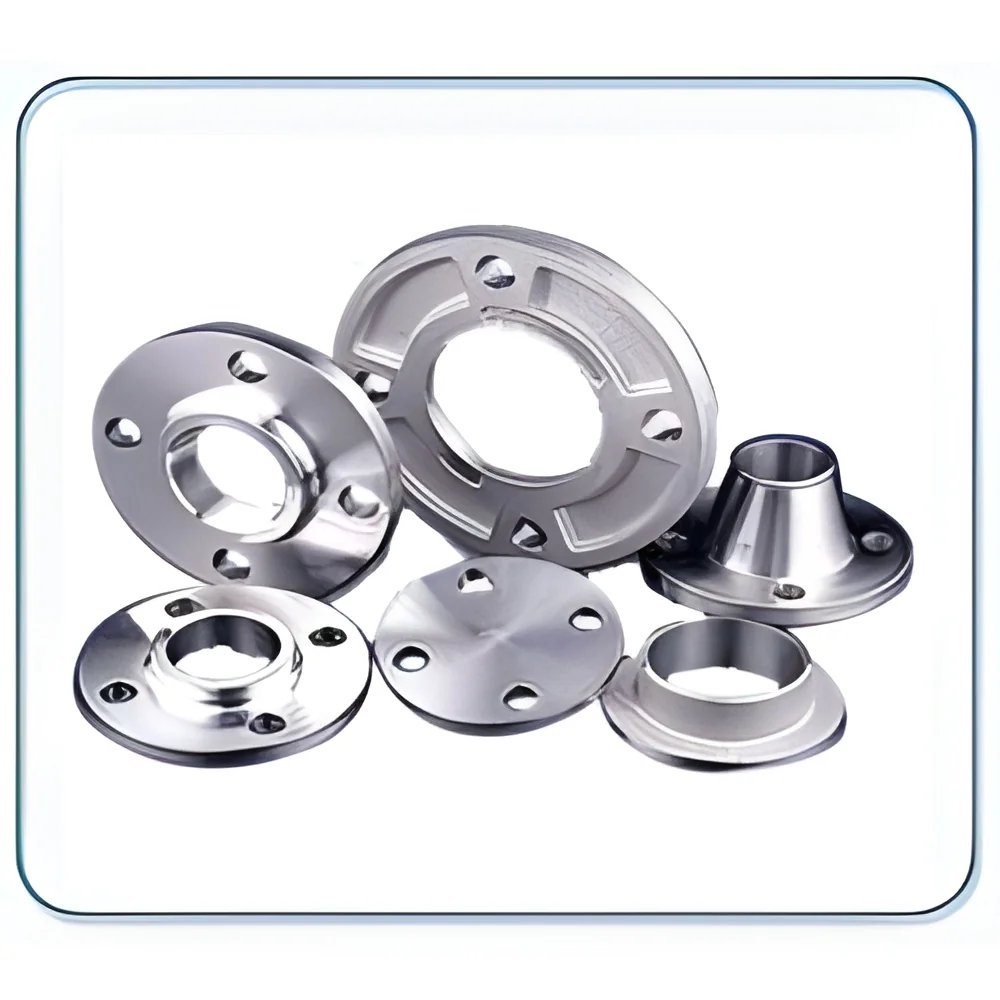
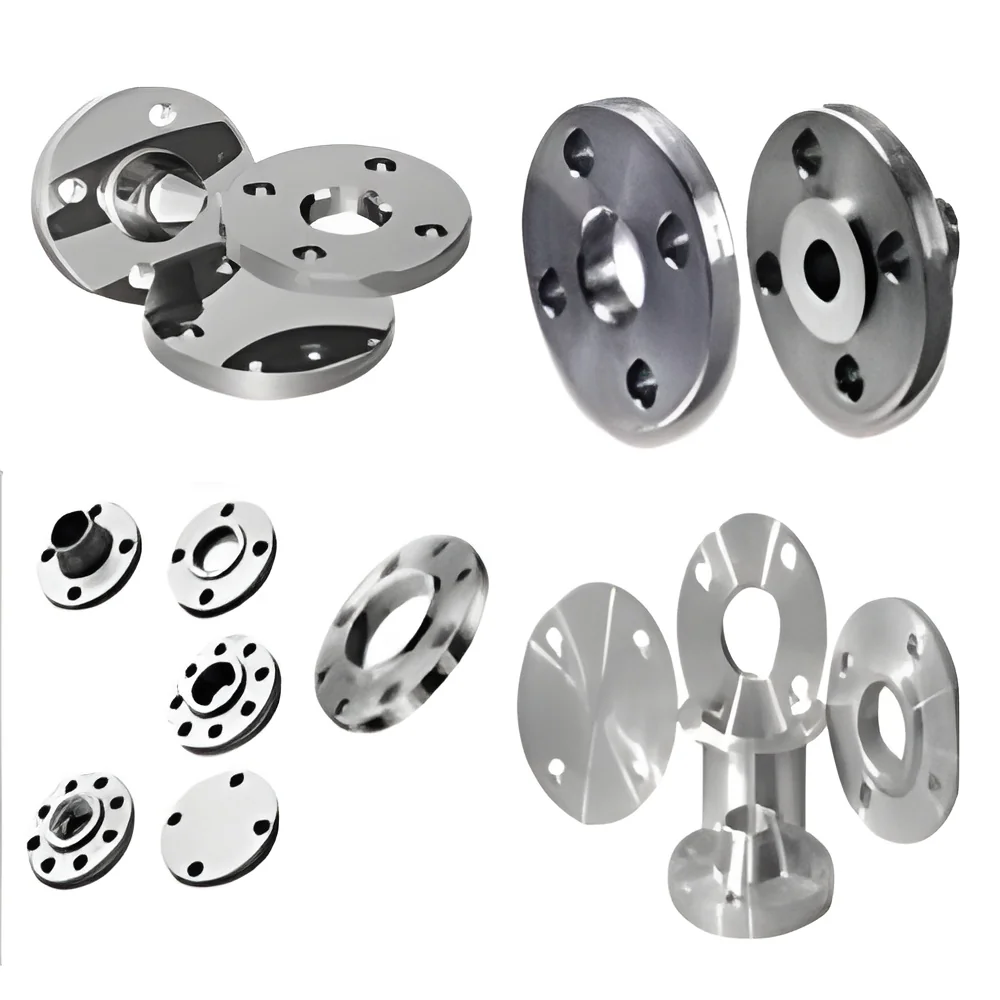
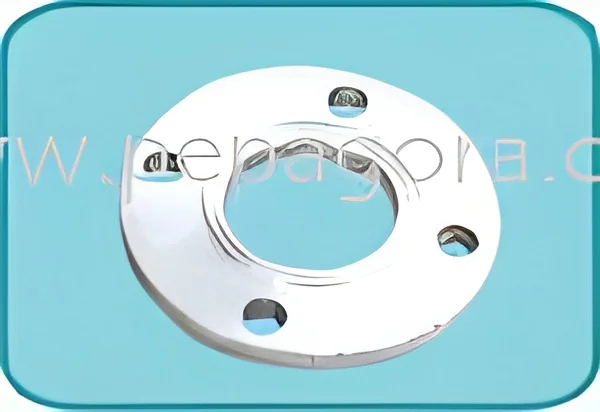
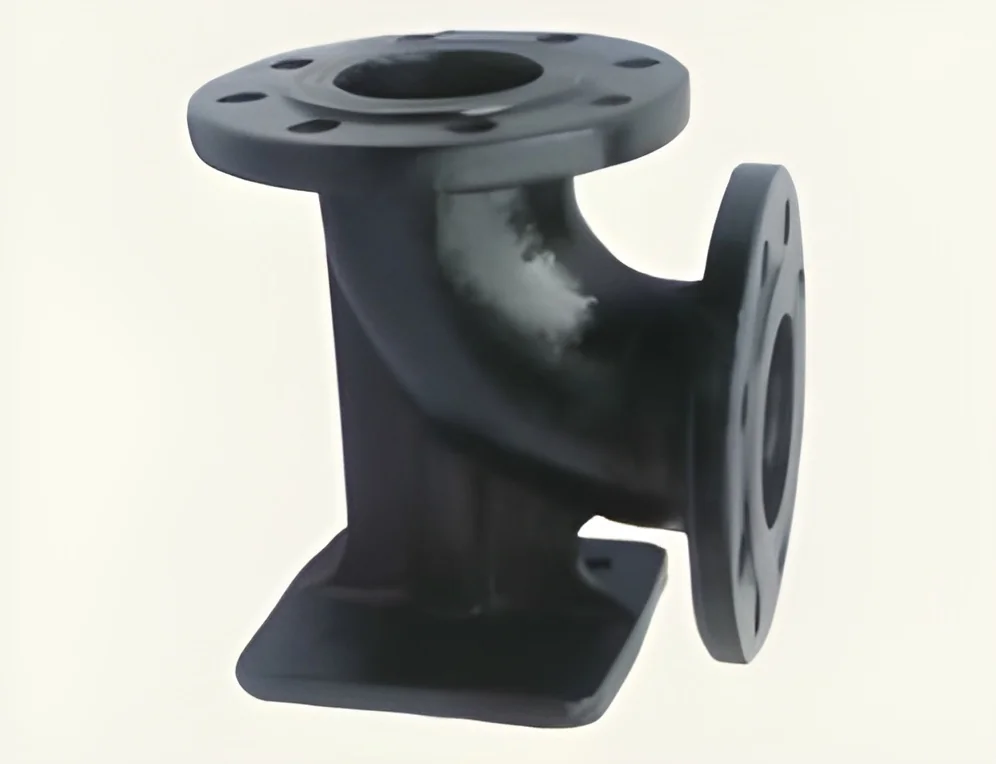
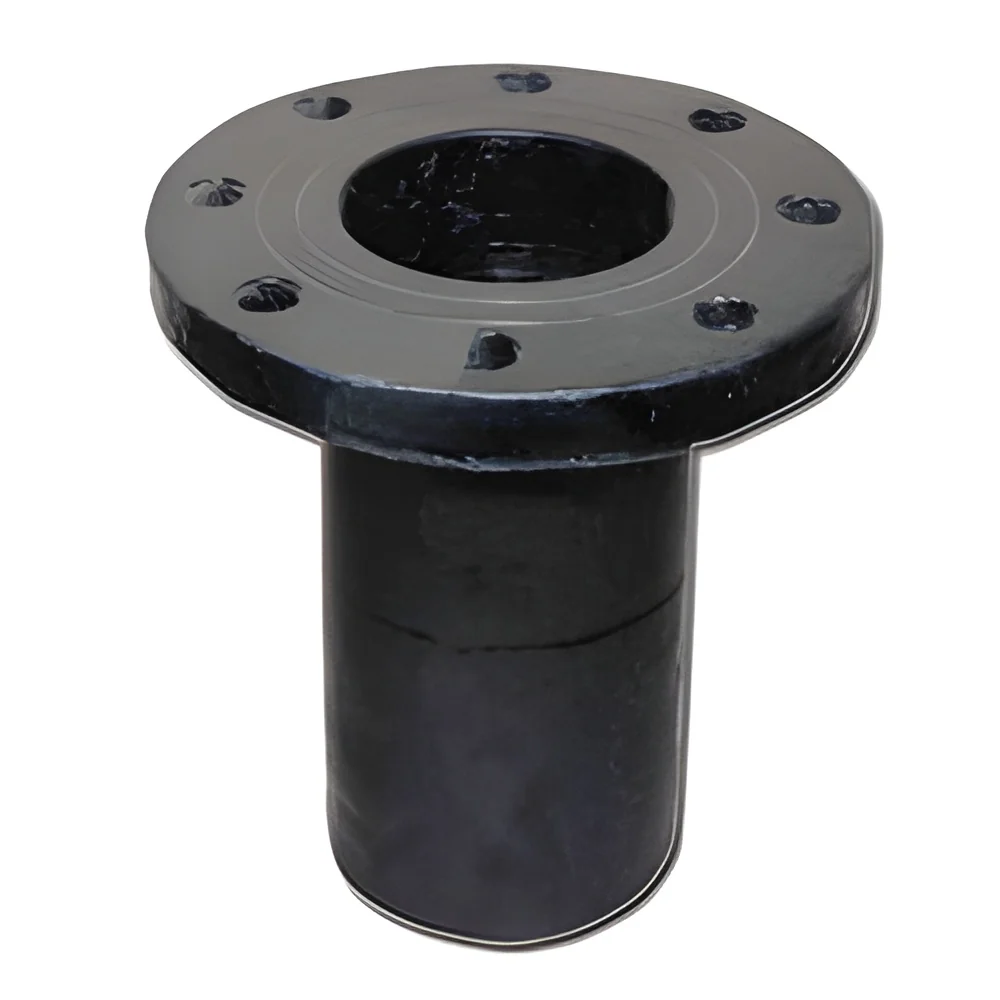
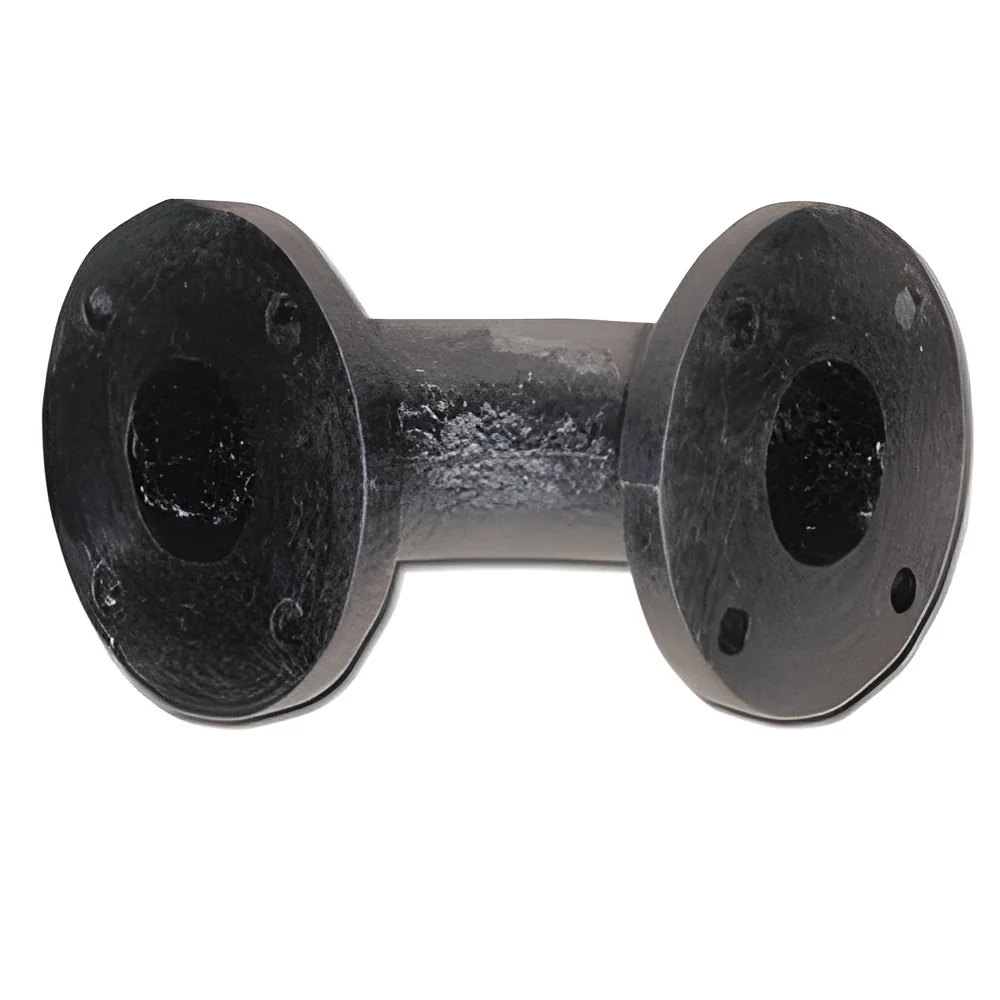
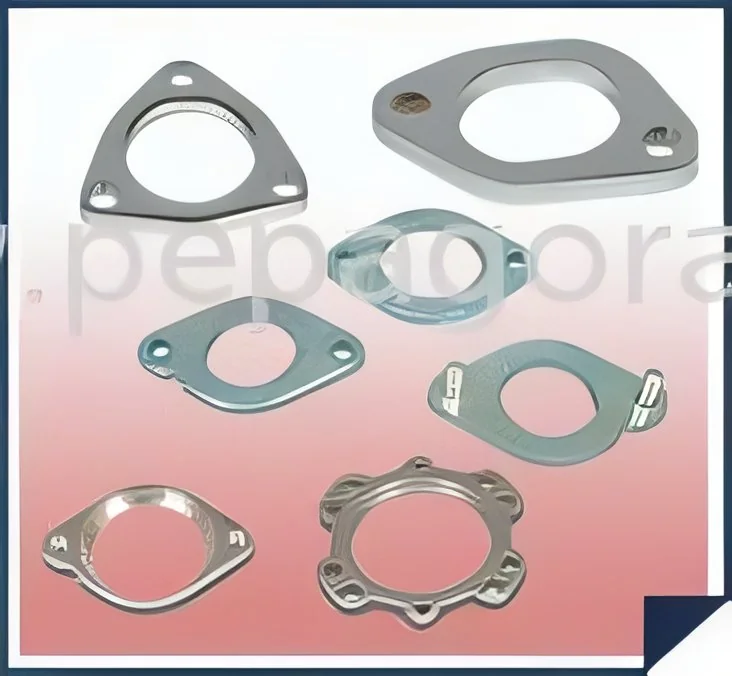
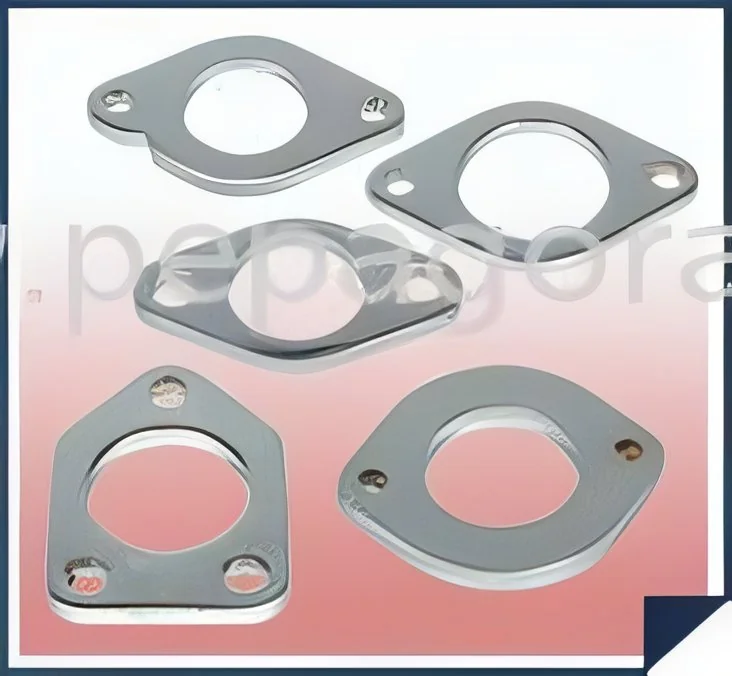
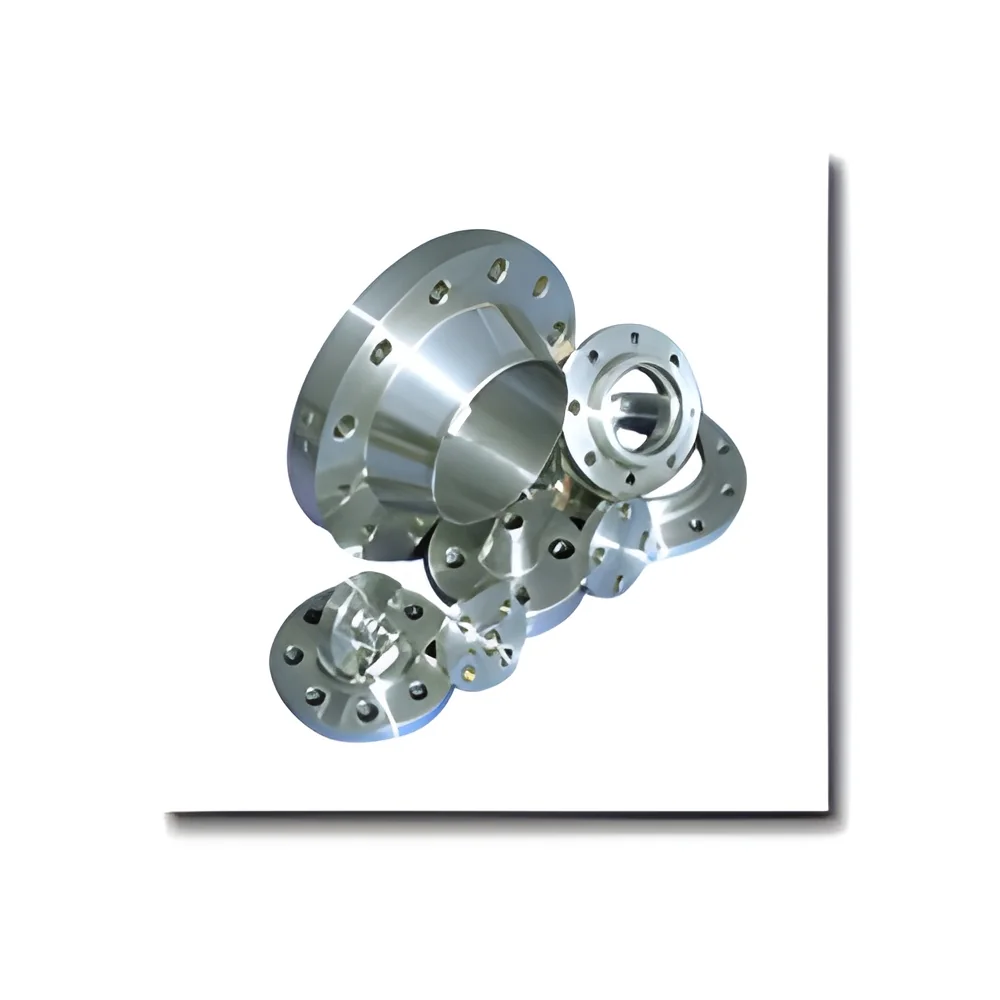
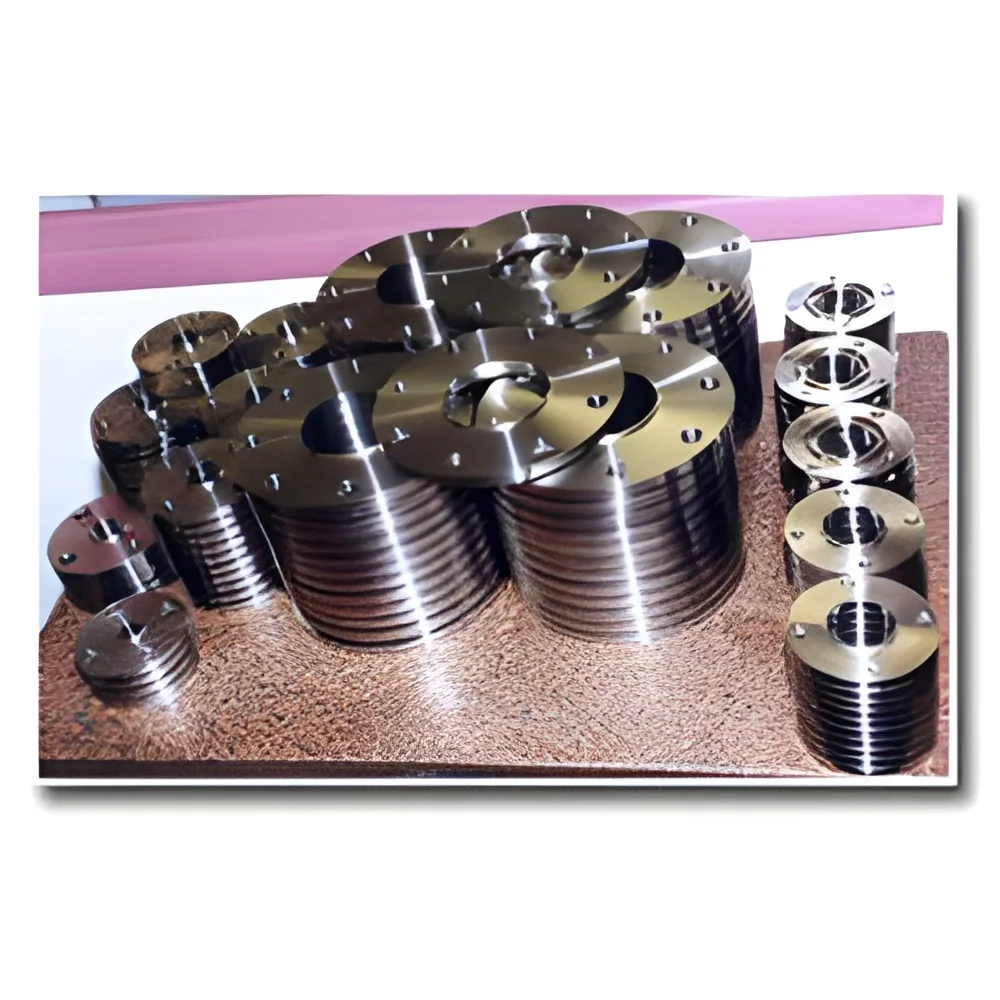
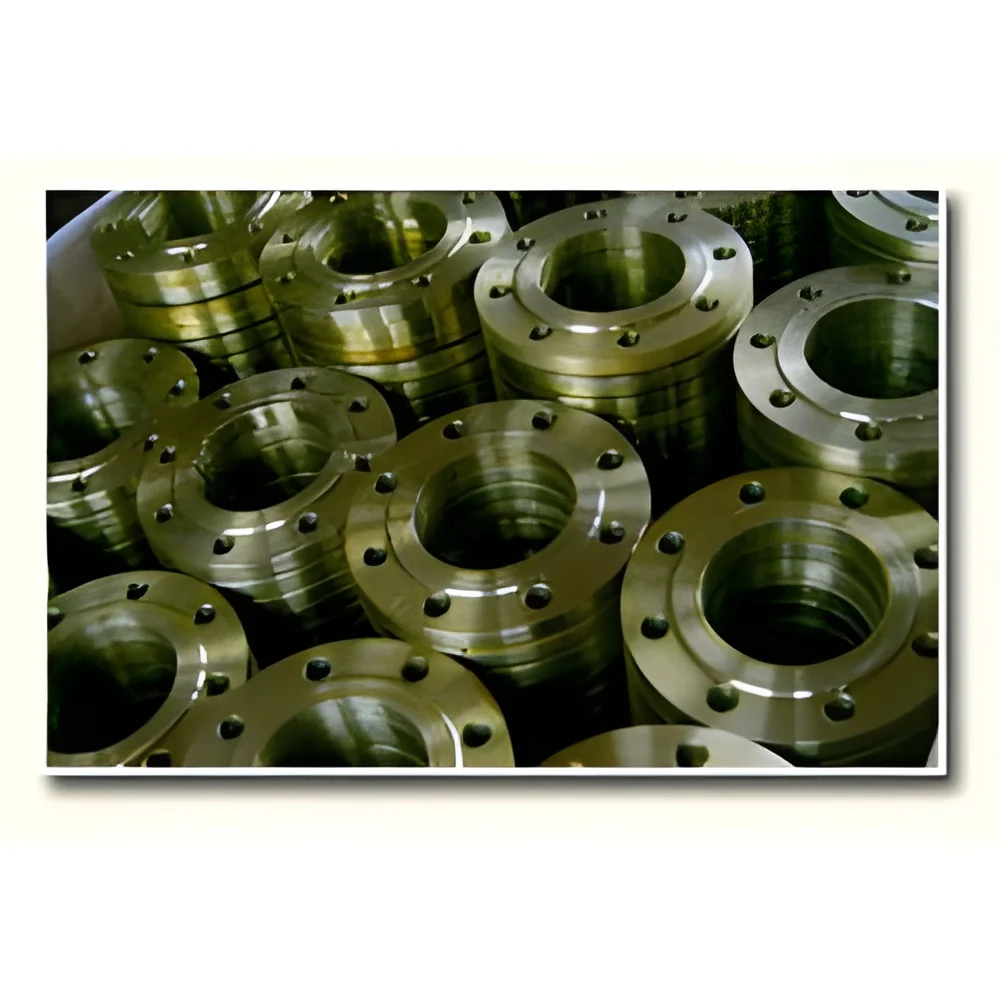
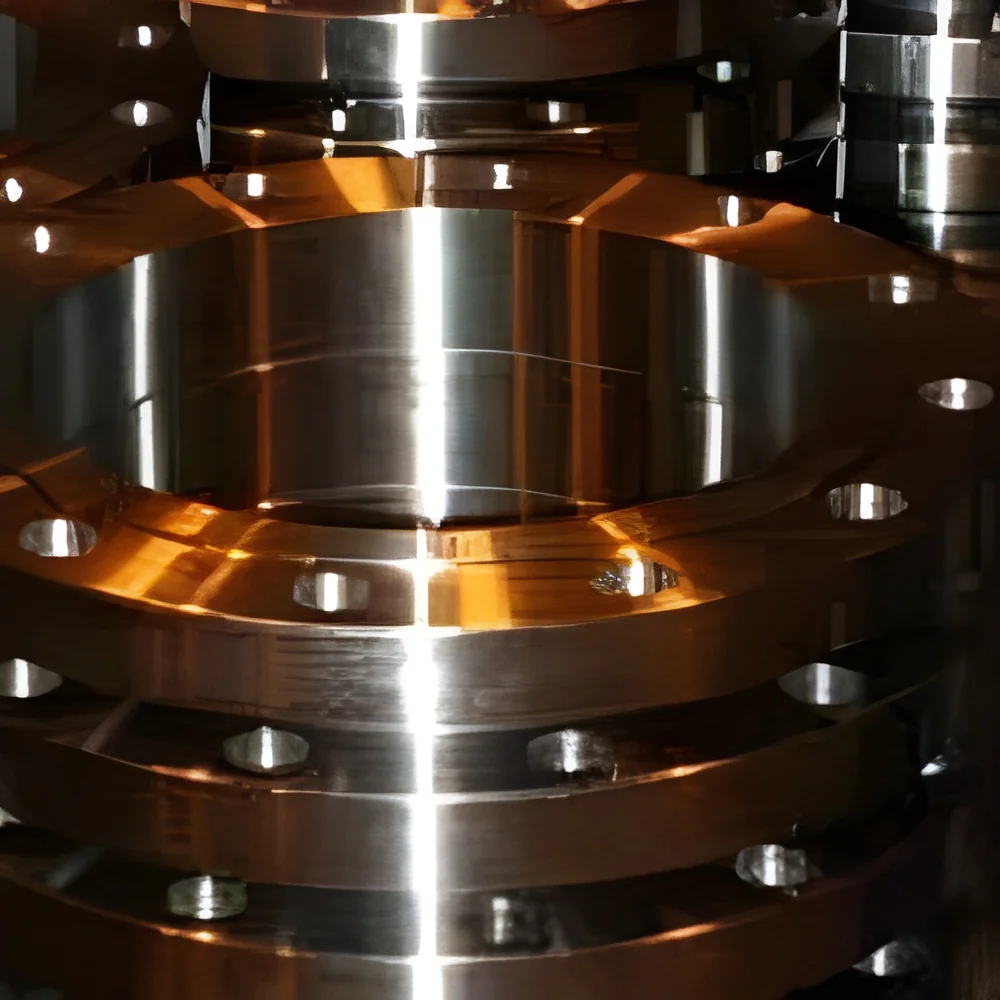
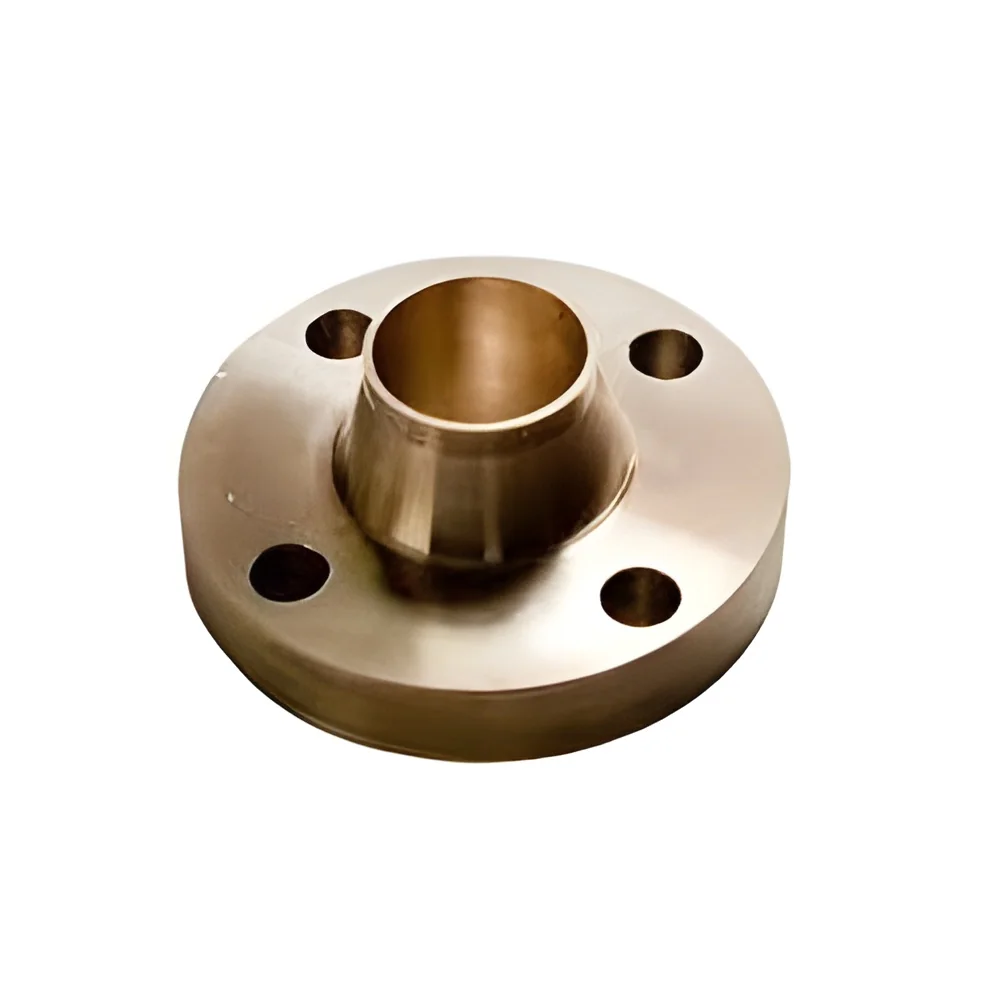
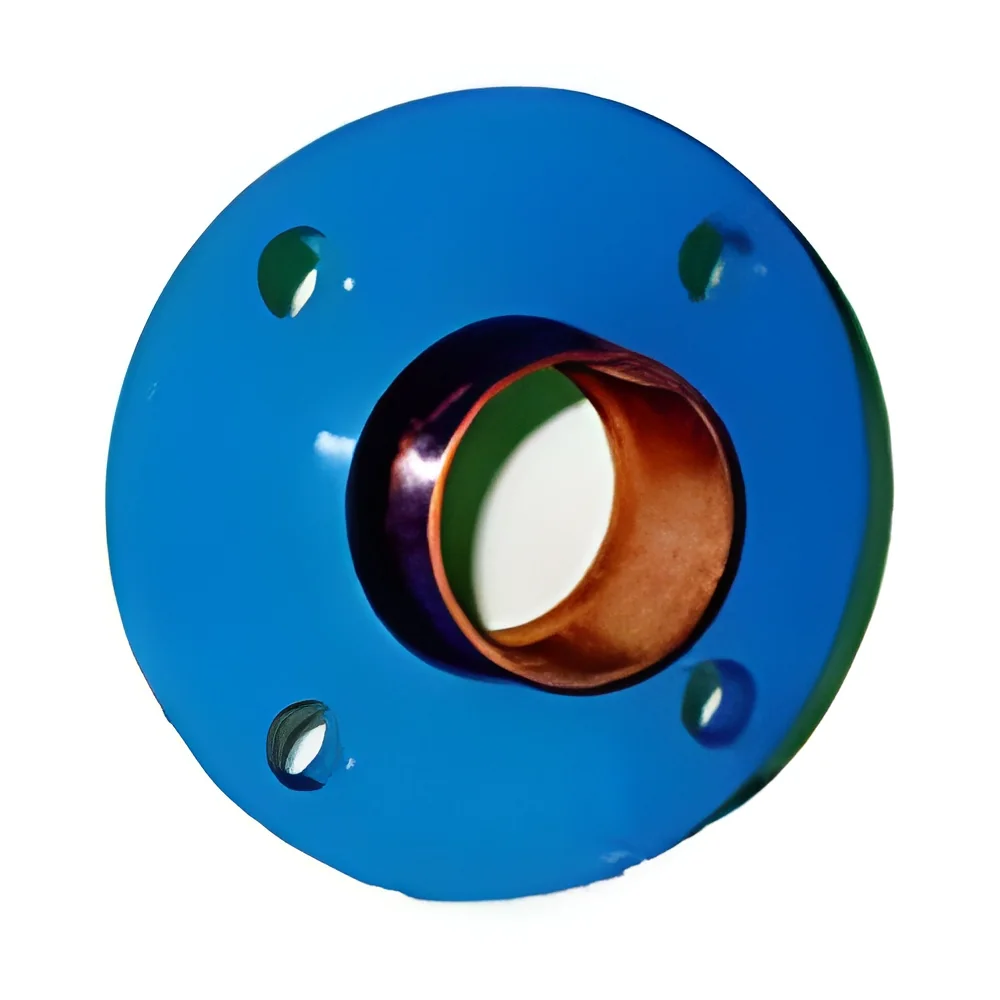
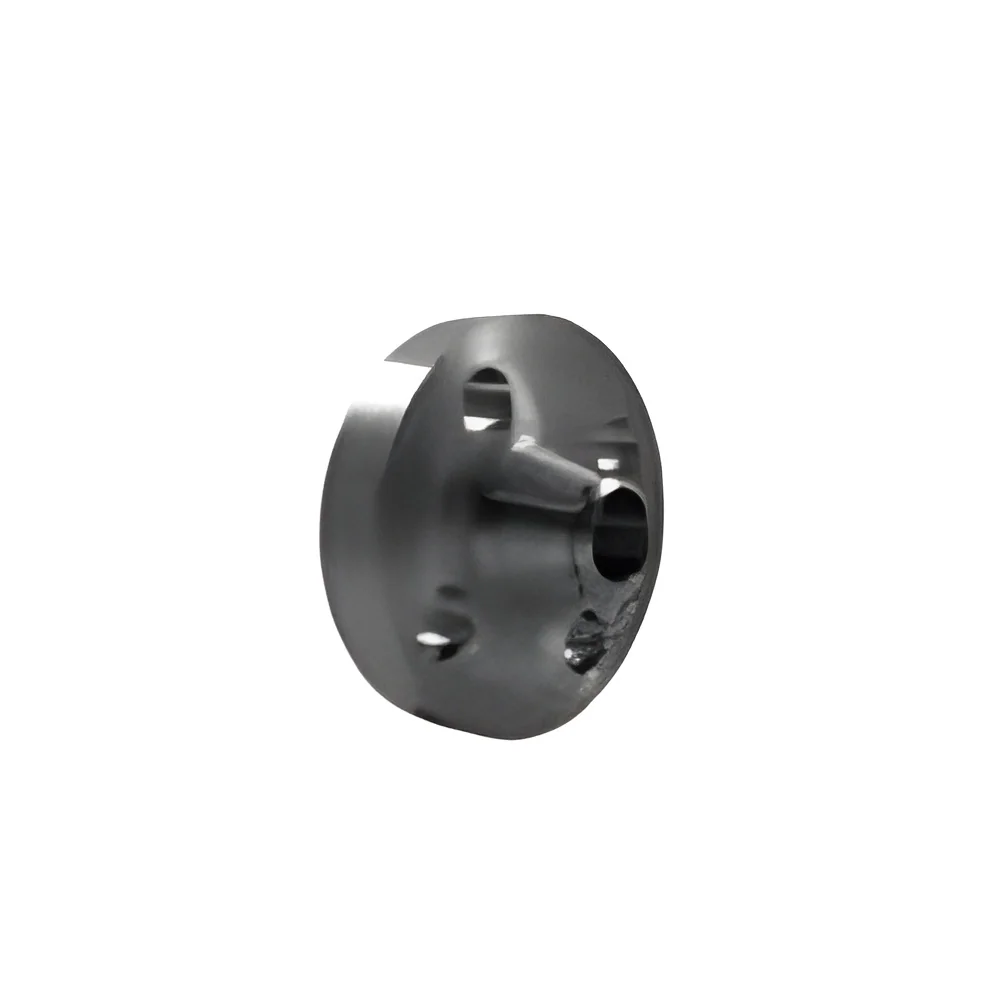
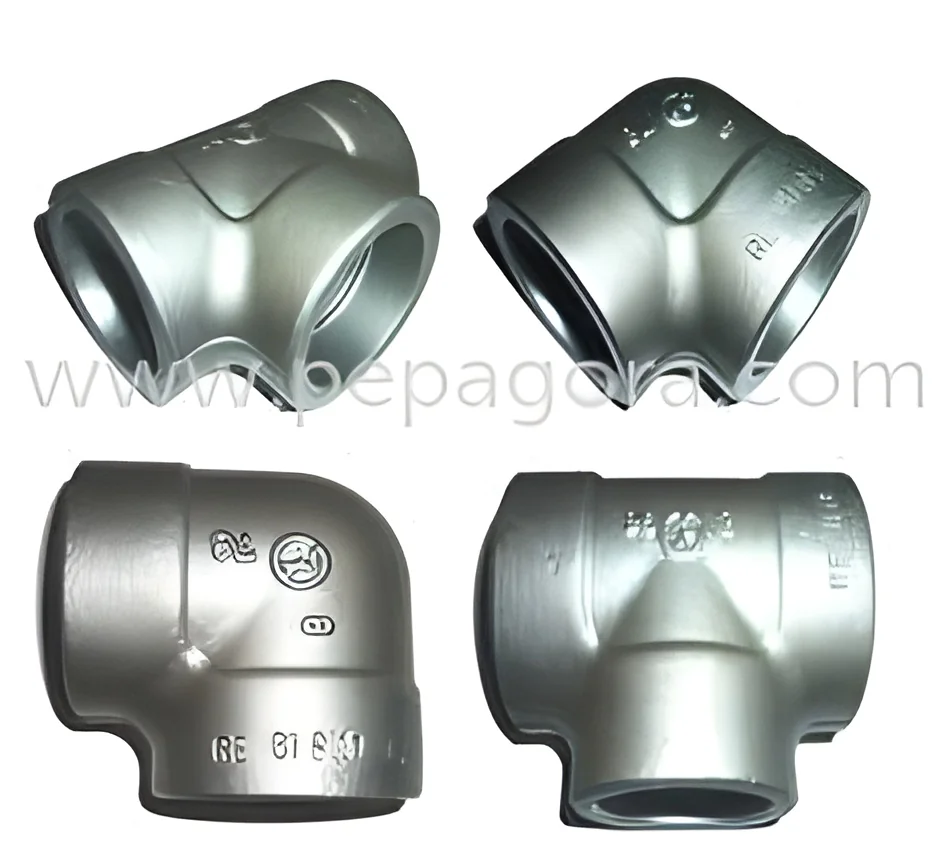
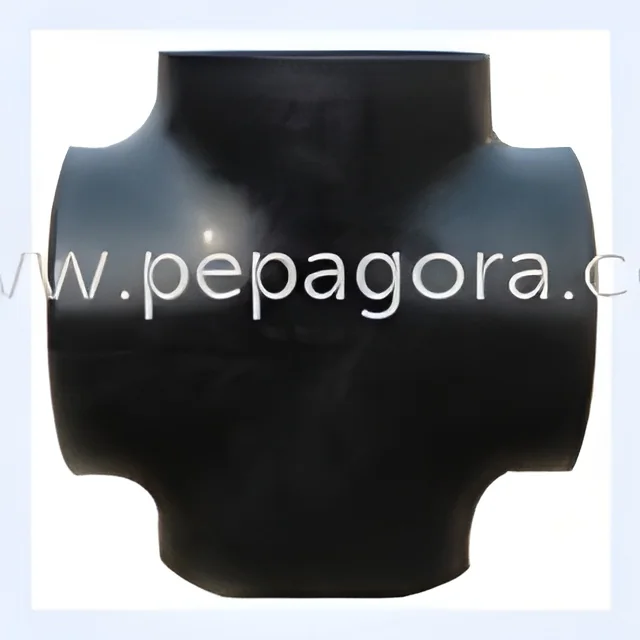
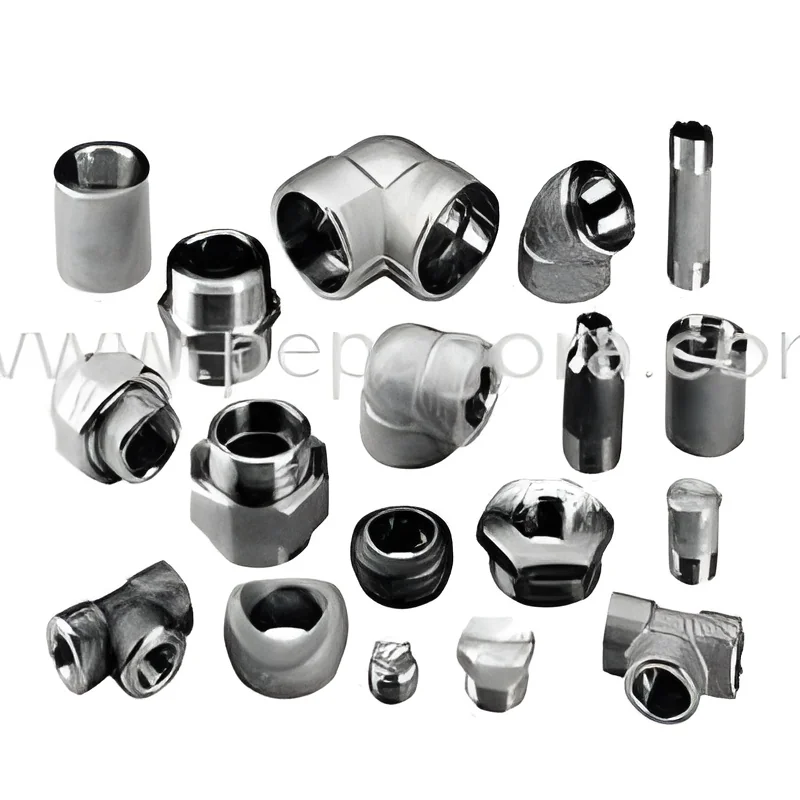
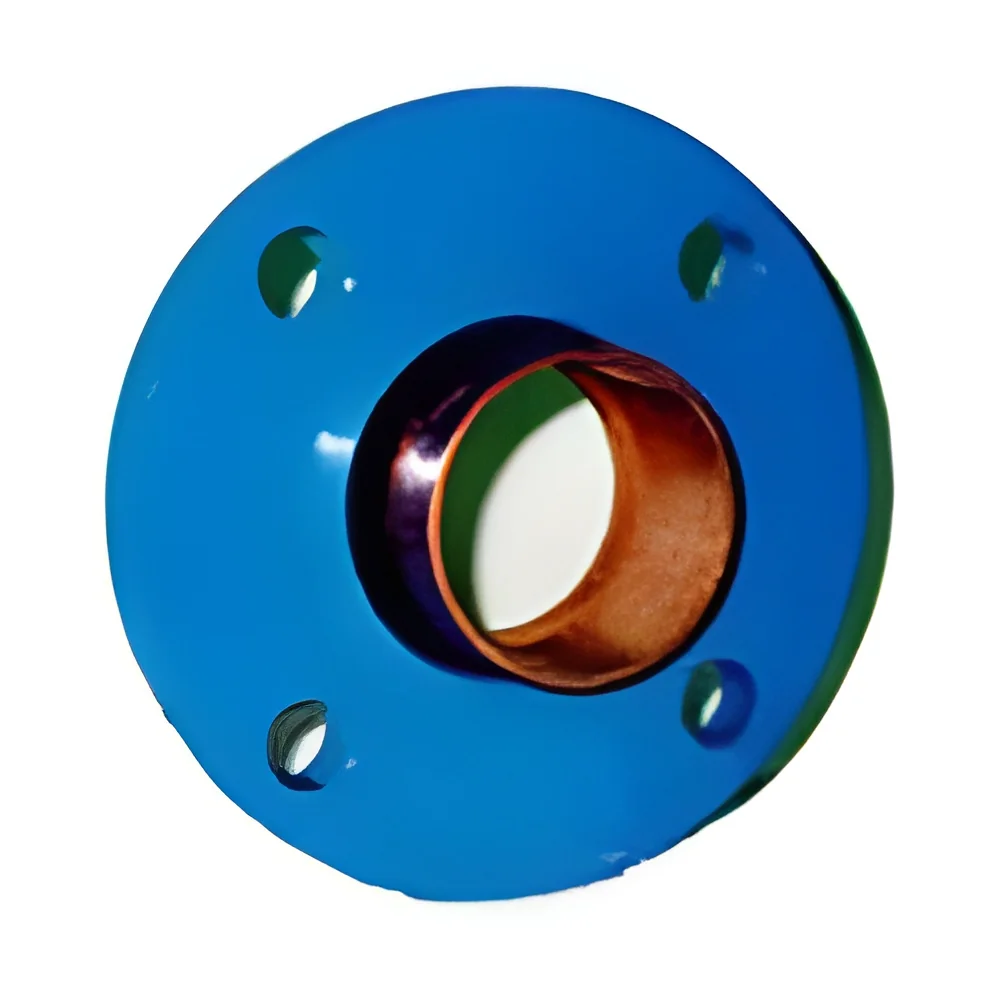
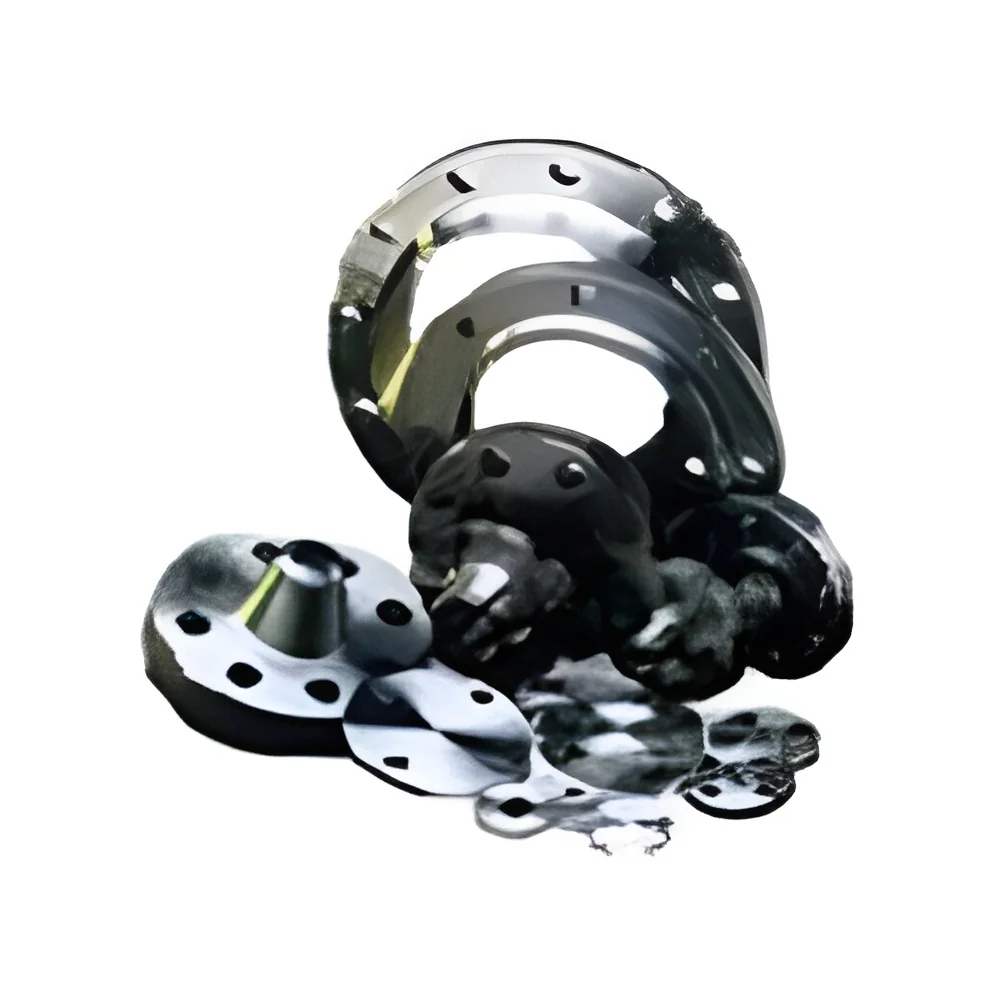
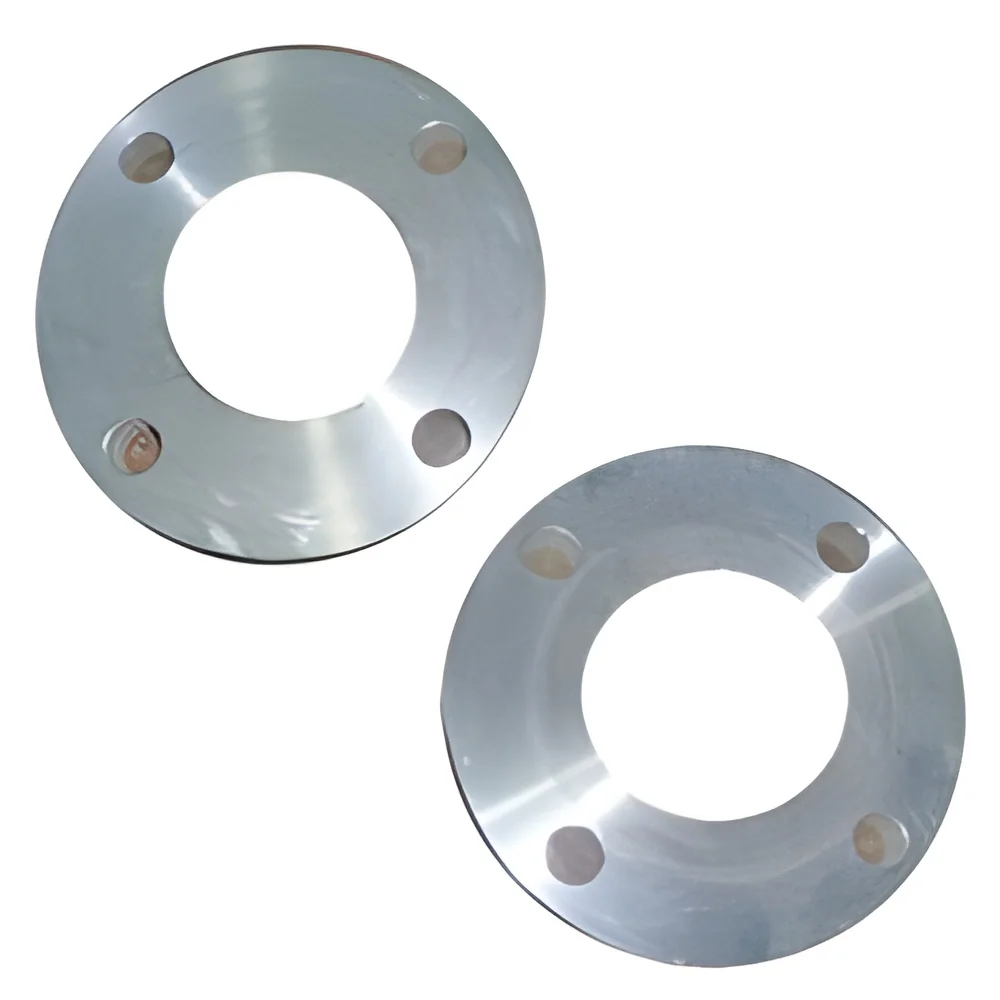
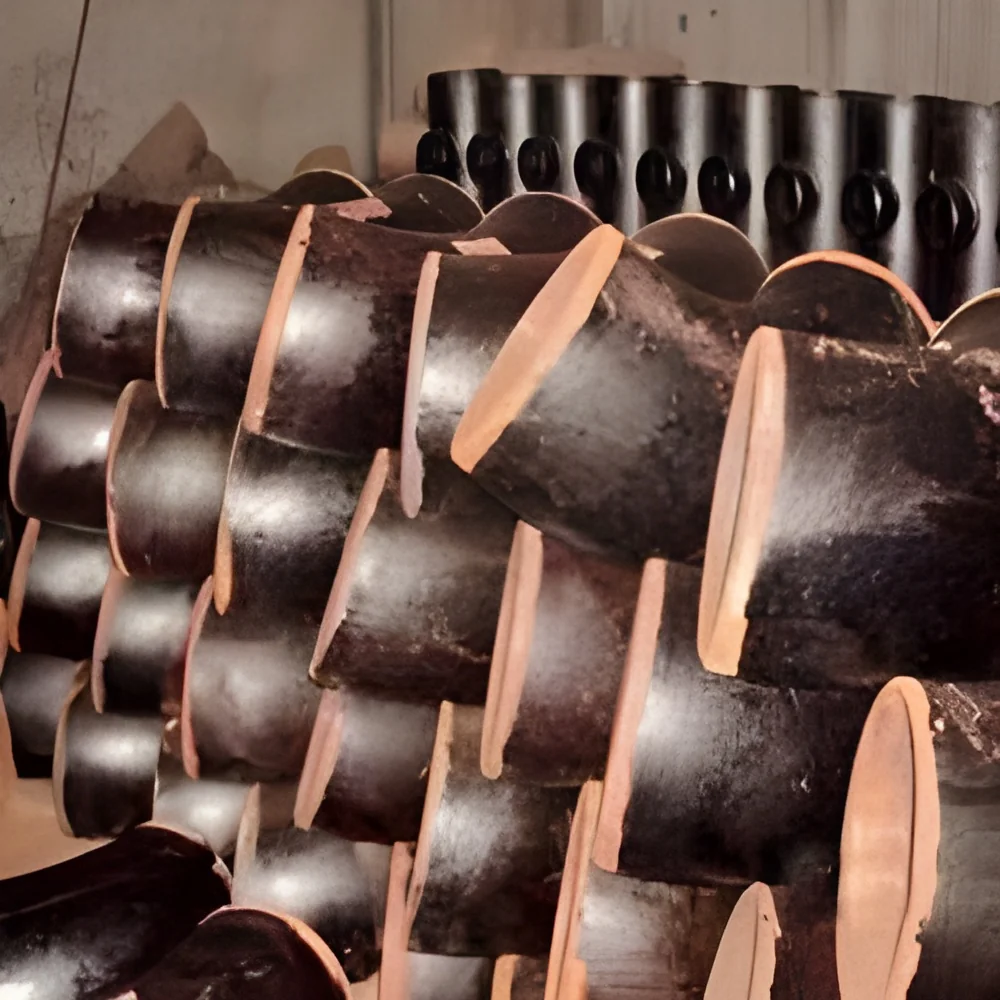
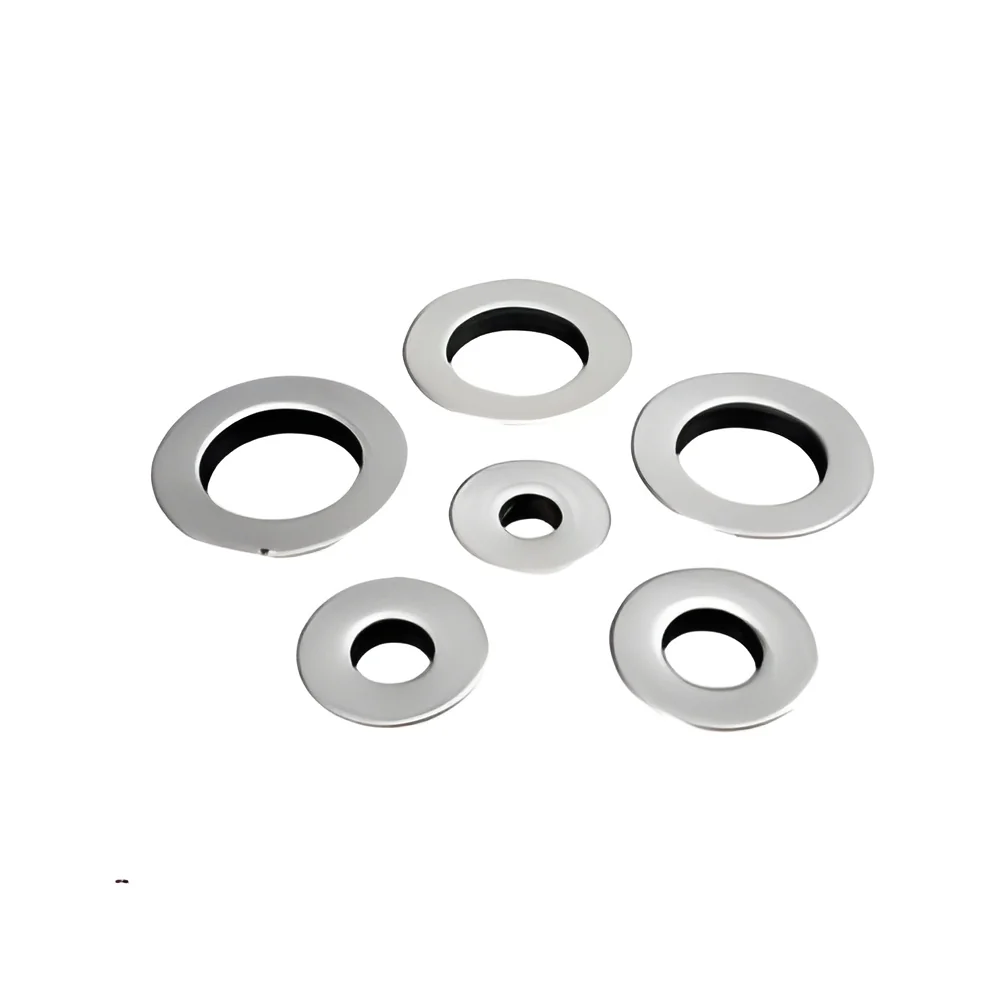
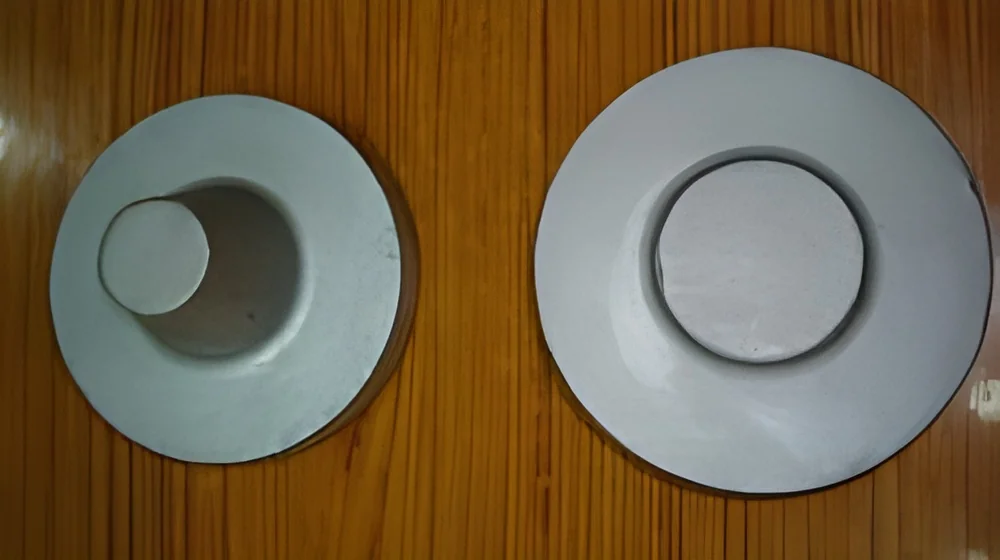
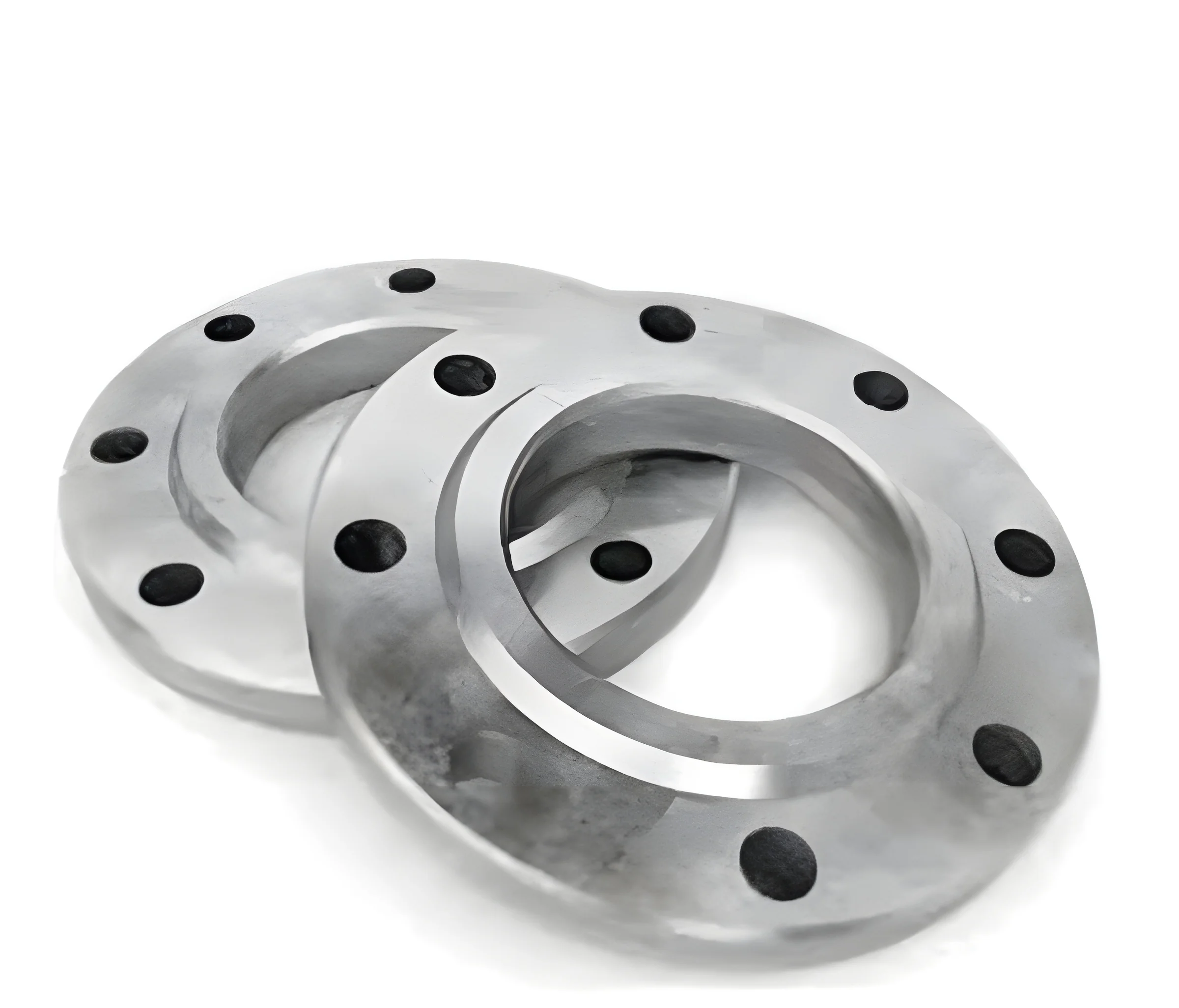
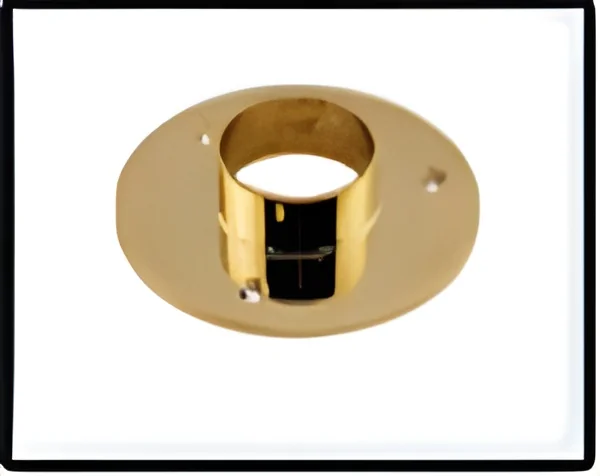
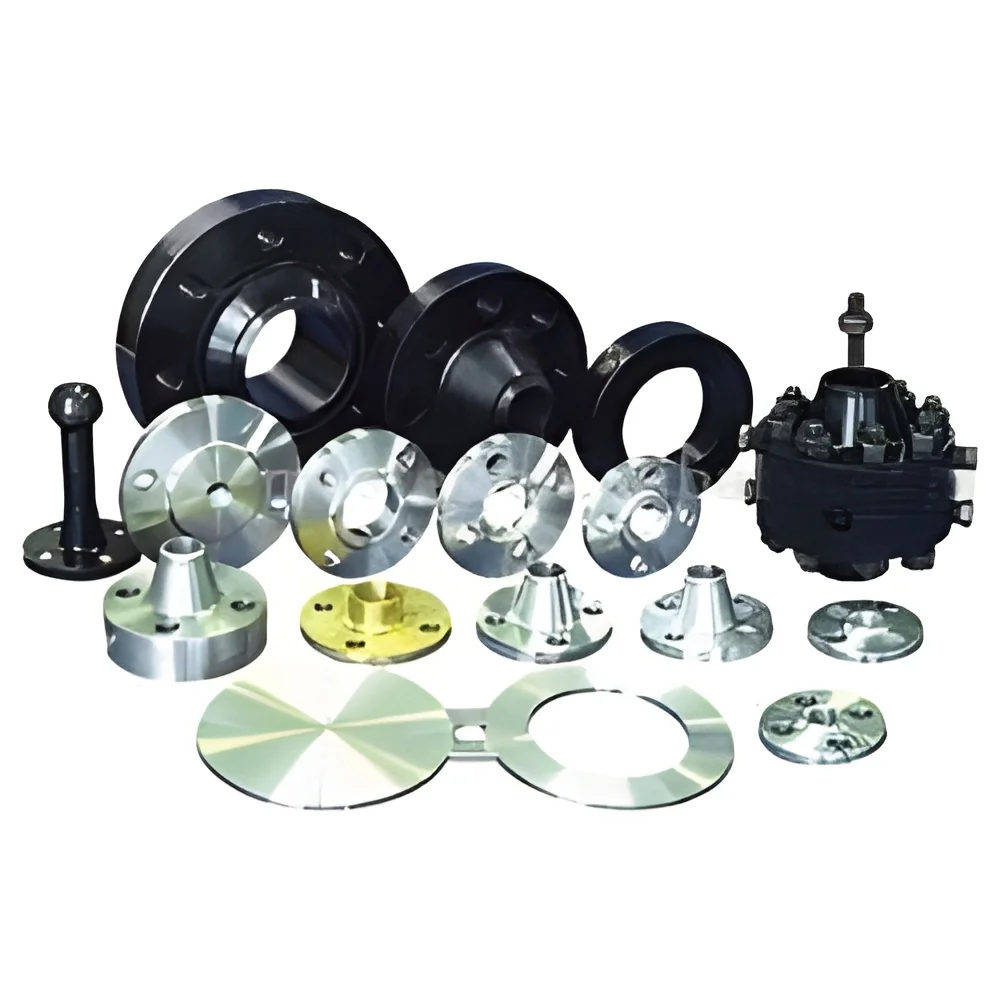
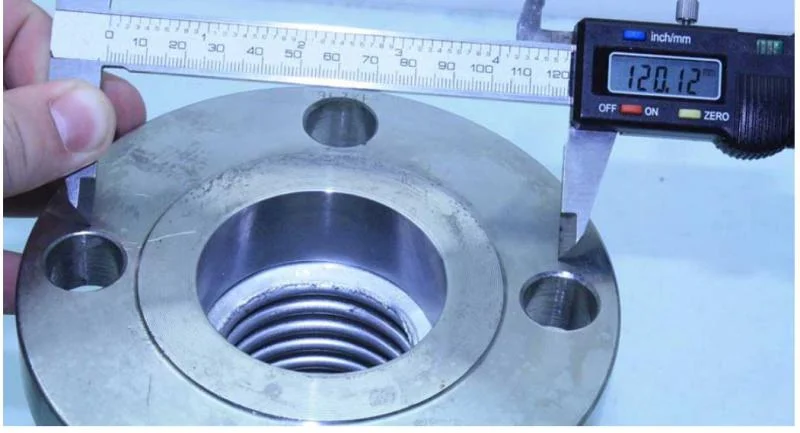
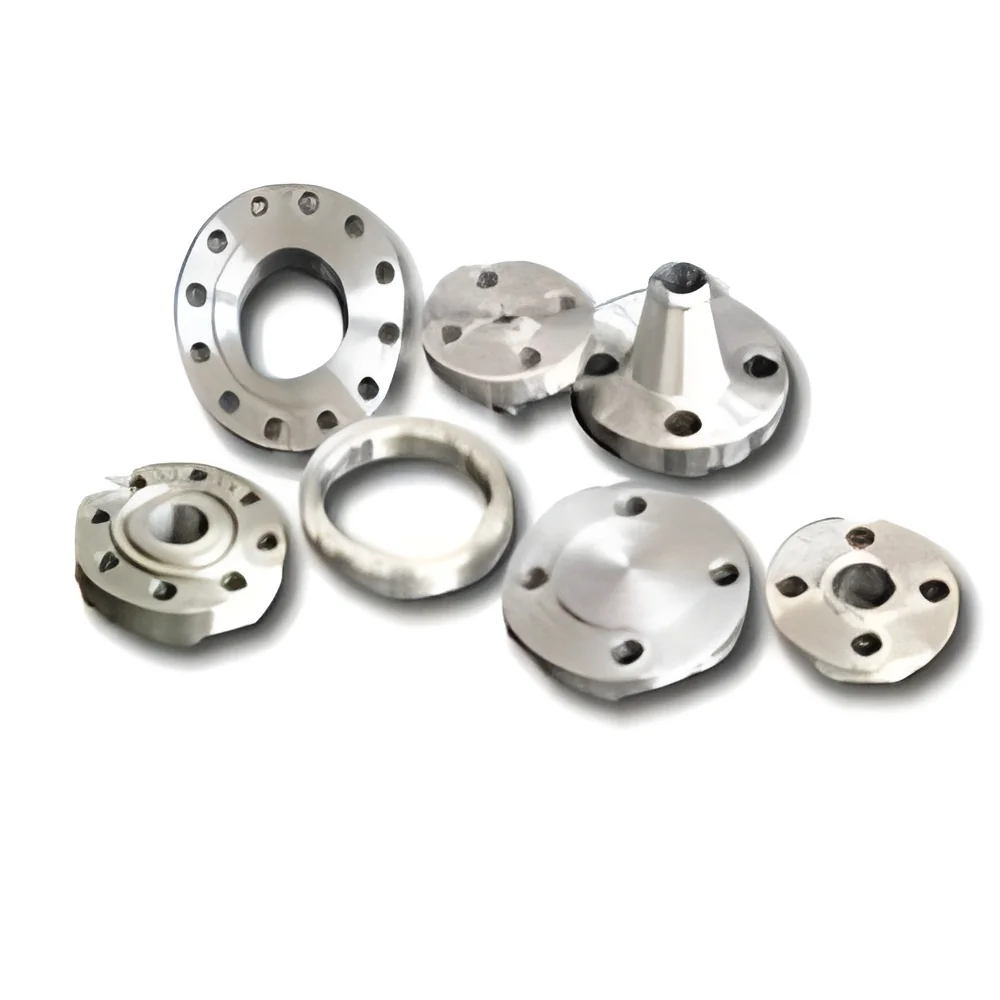
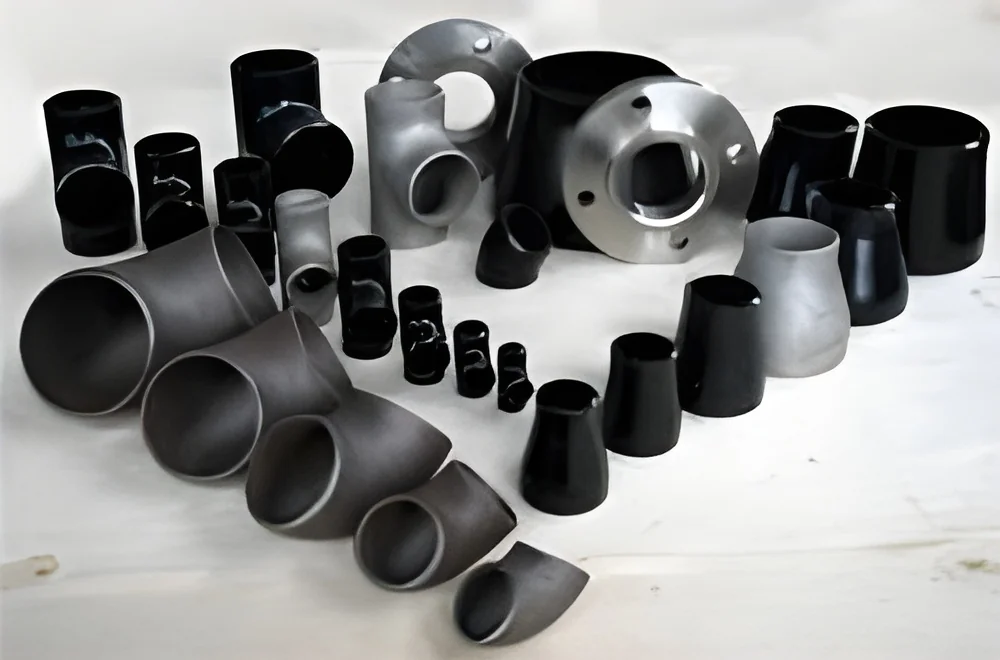
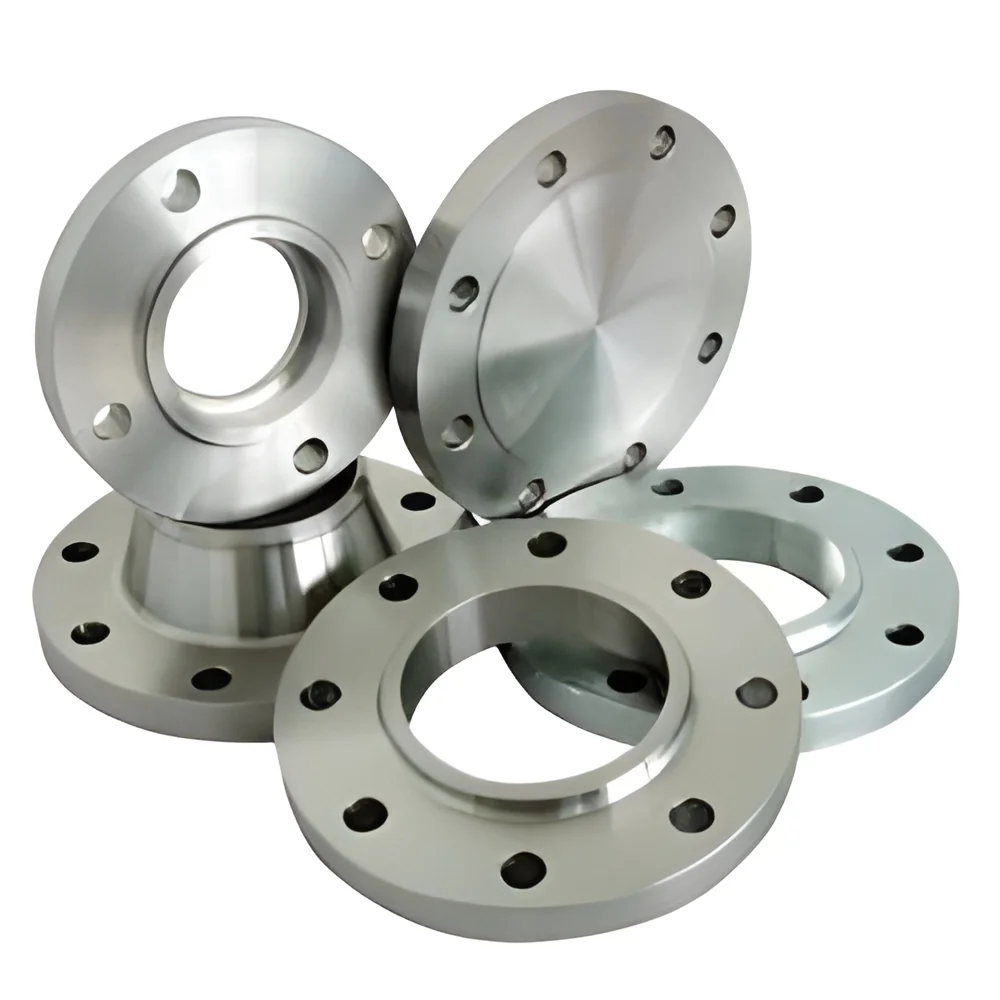
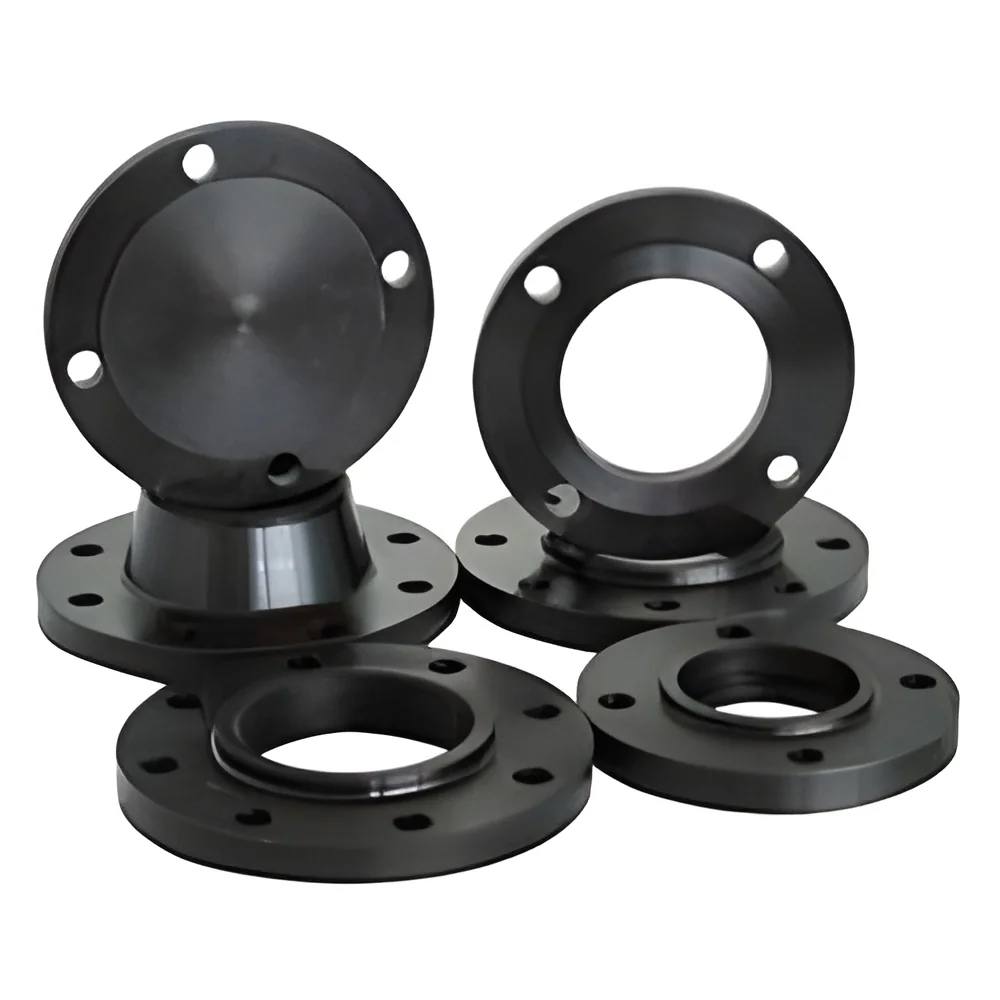
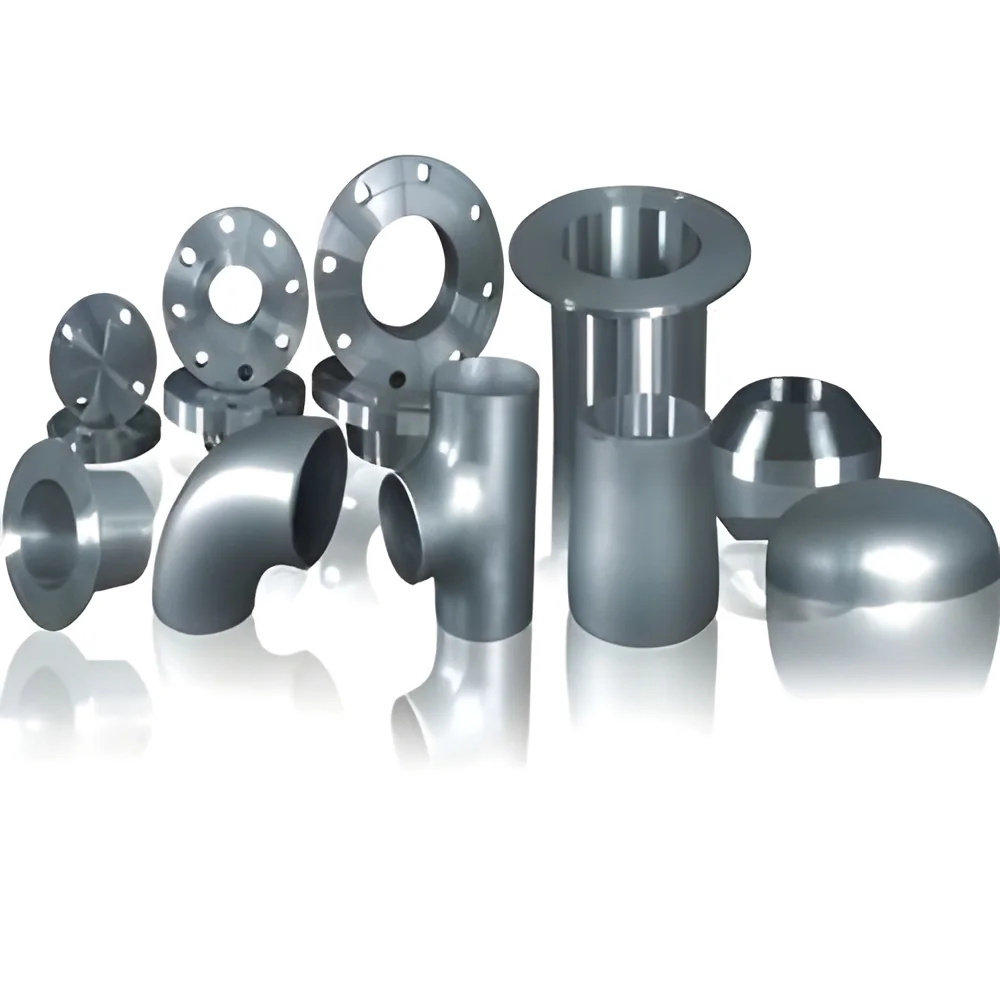
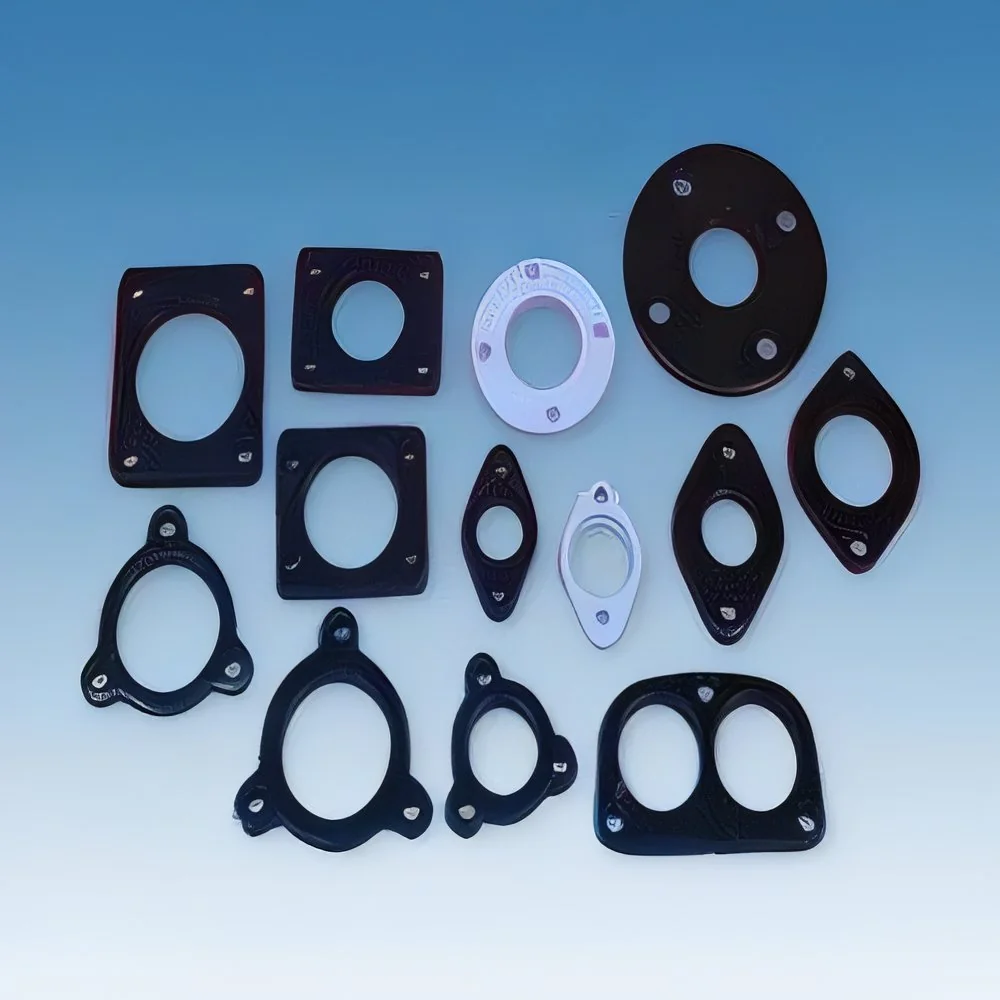
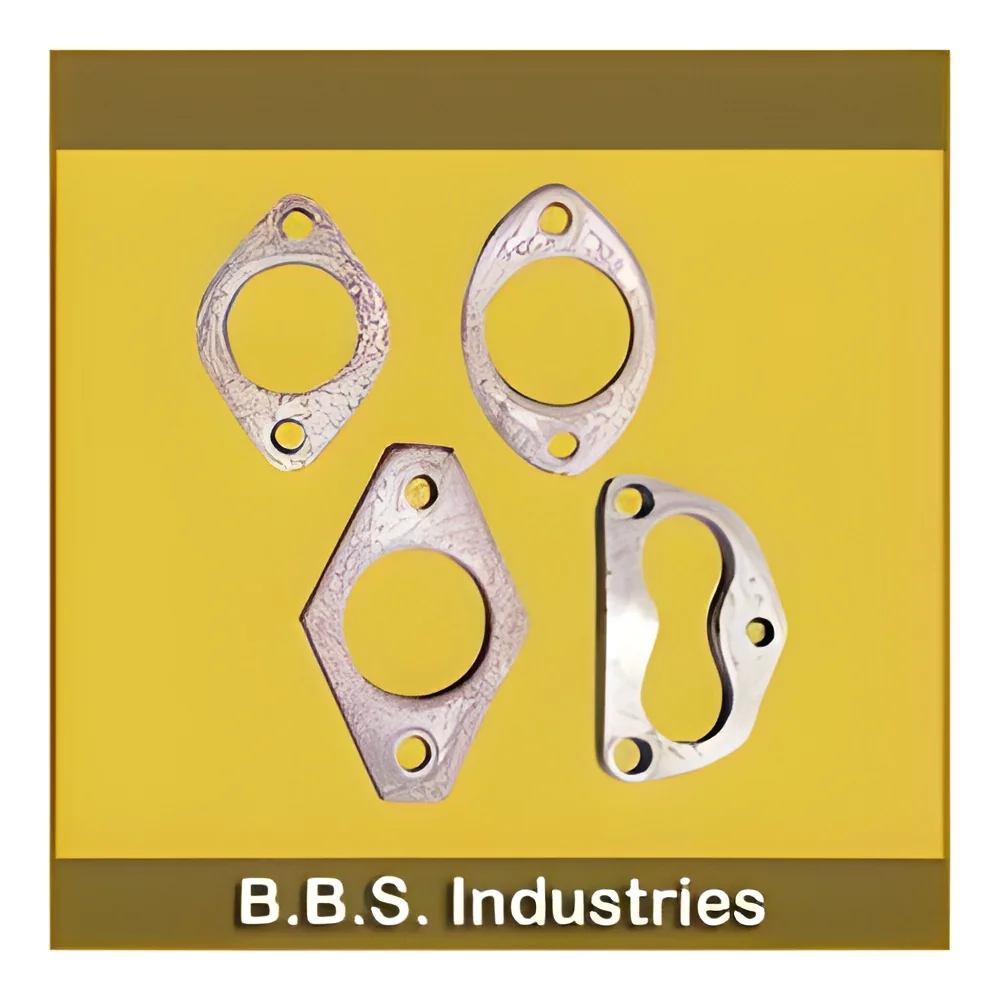
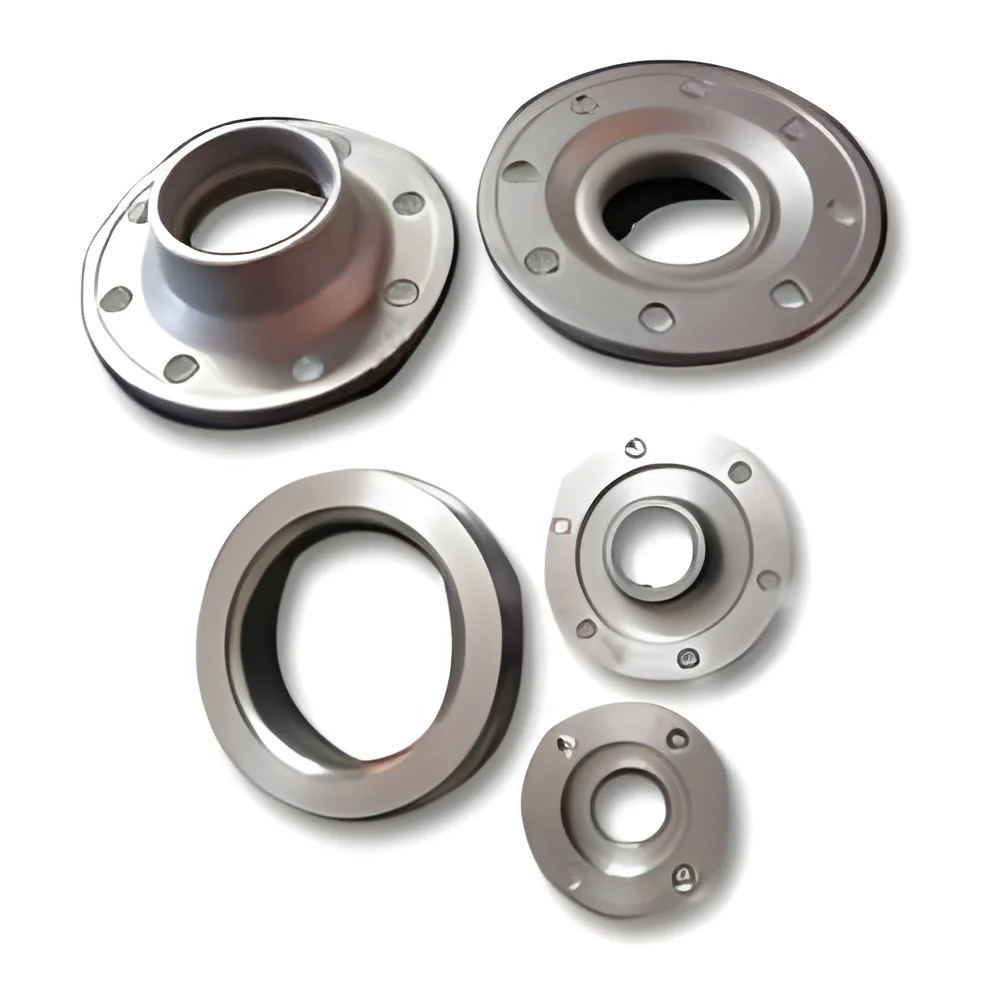
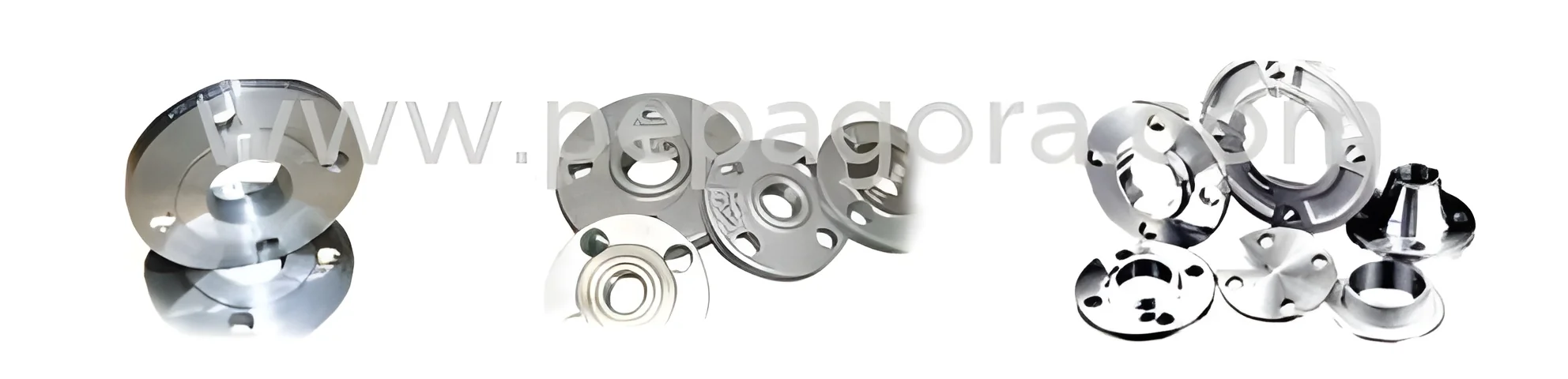
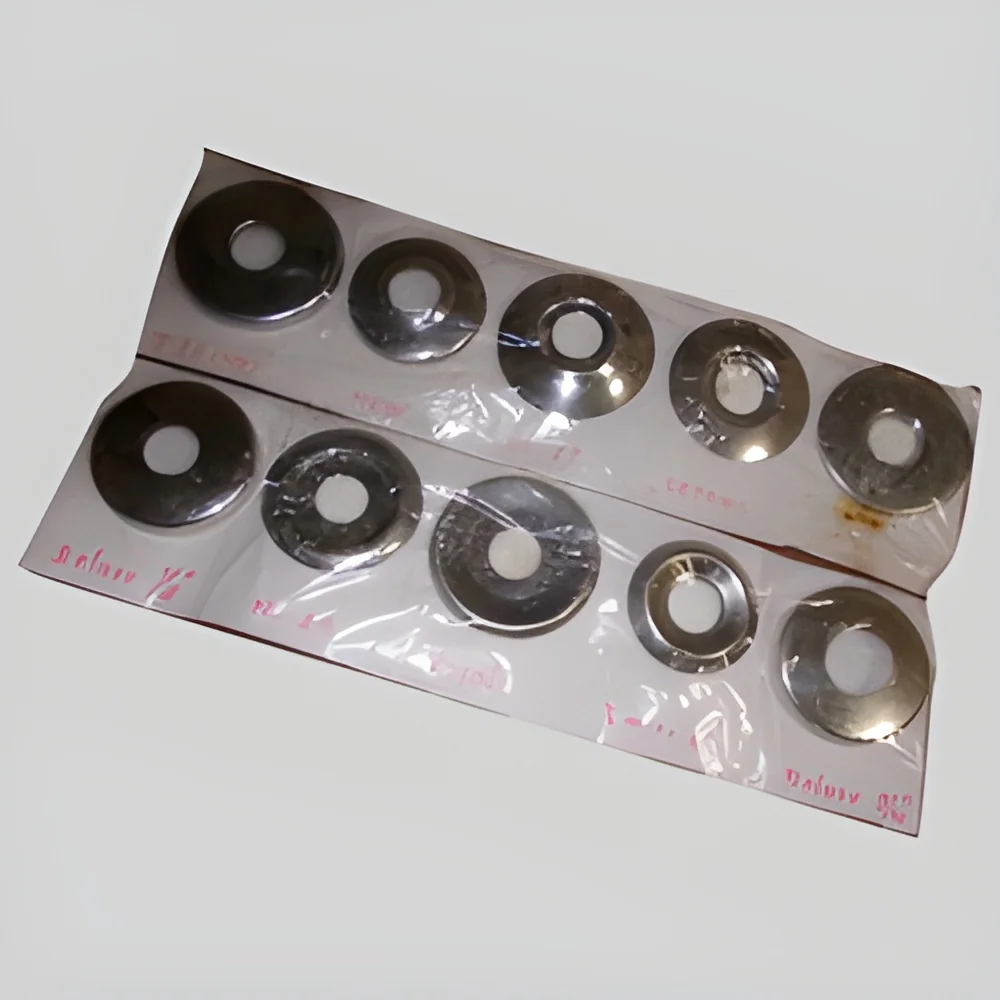
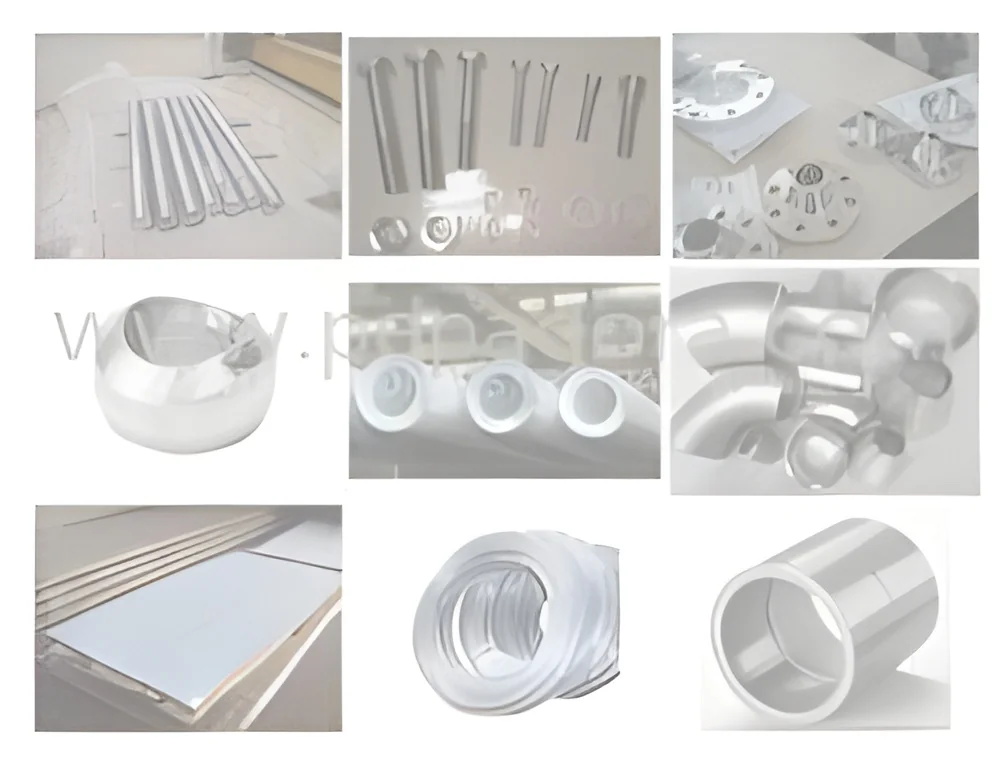
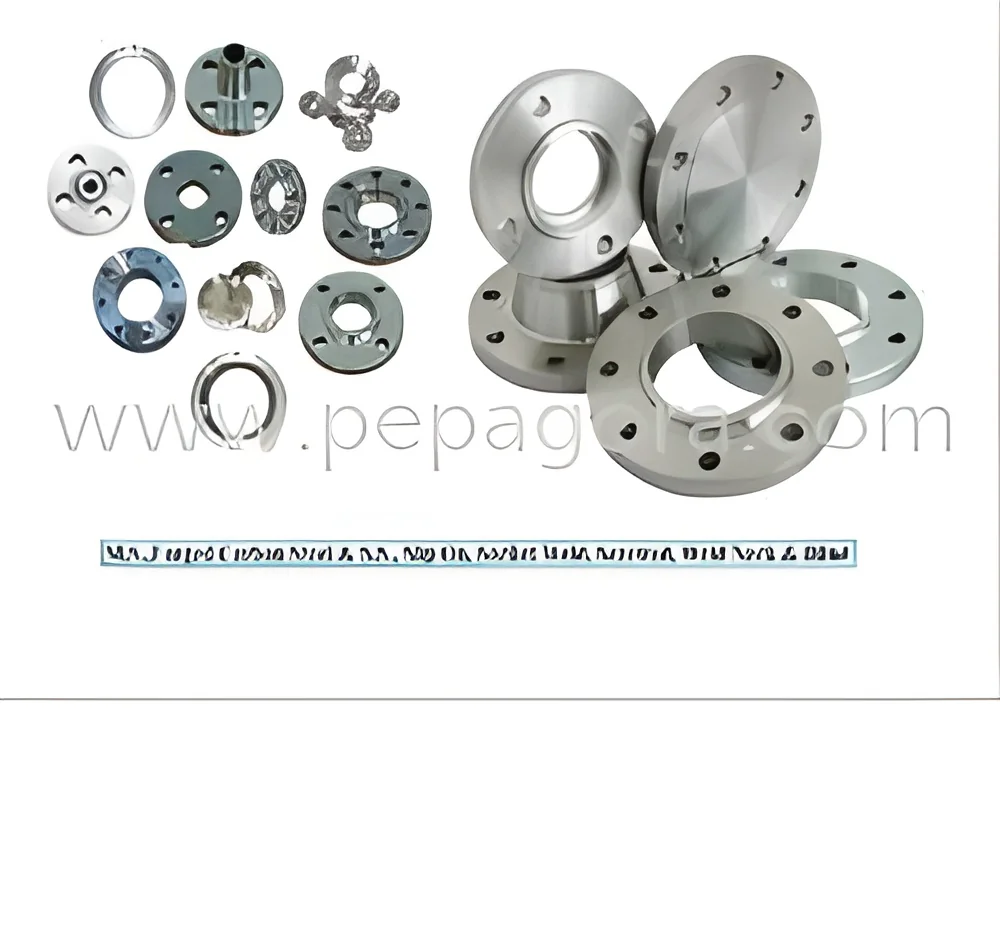
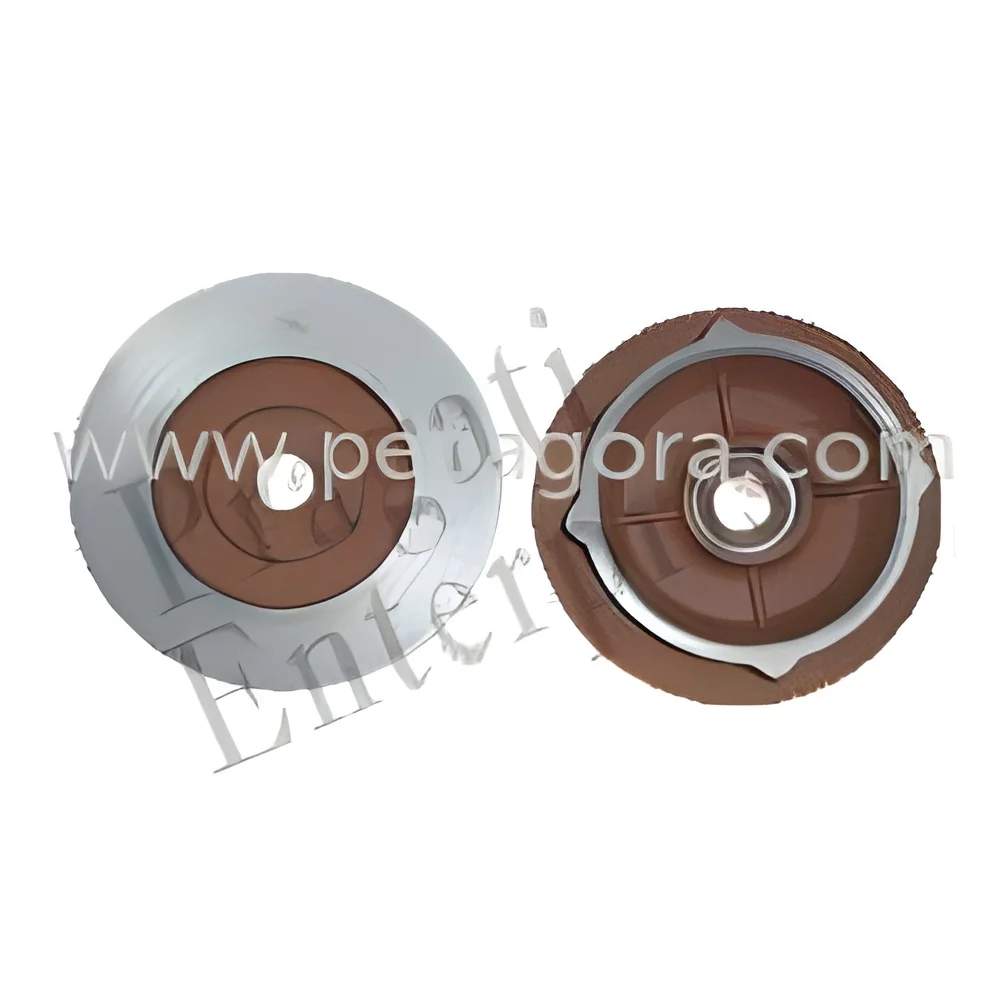
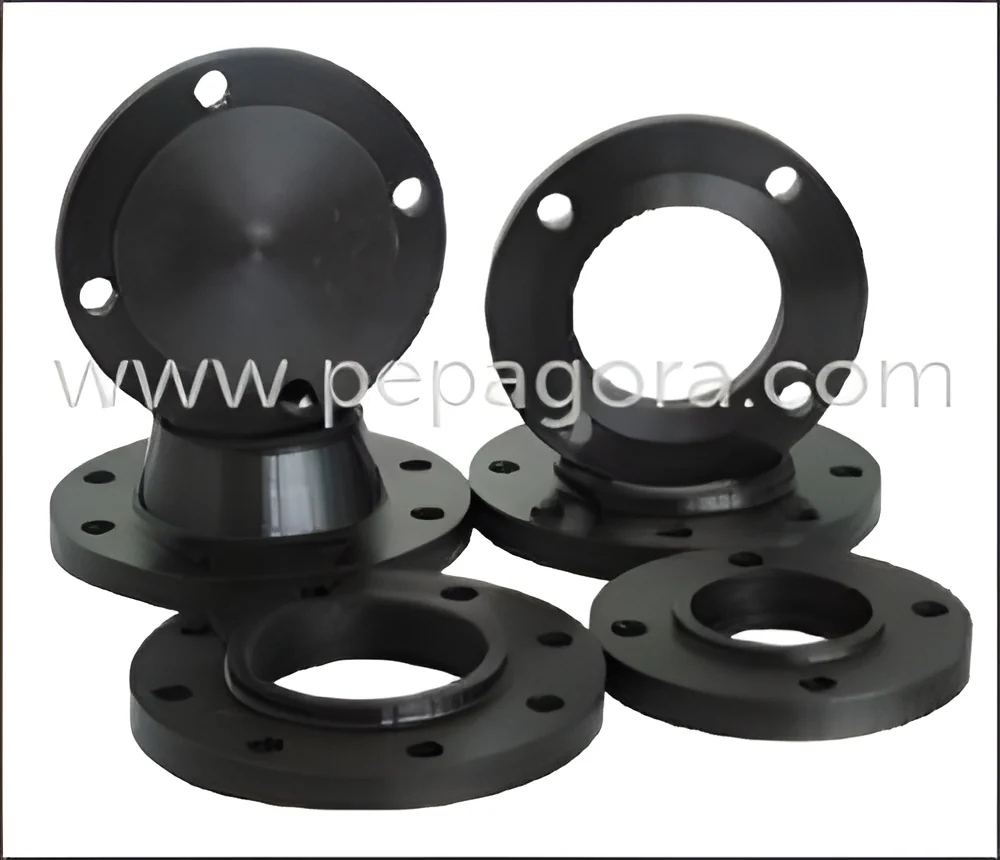
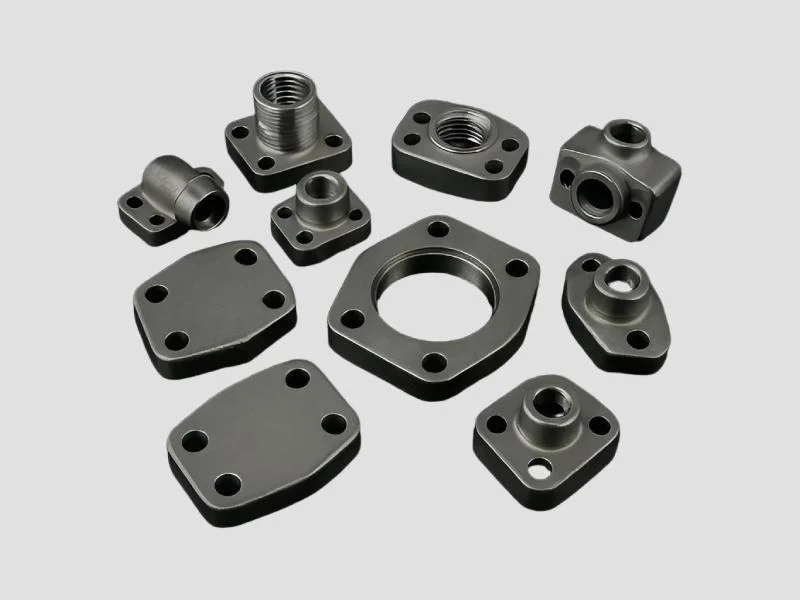
Metal flanges and fittings are essential components used in piping systems to connect different sections of pipes or to connect pipes to other equipment. Flanges are typically flat, circular discs with holes for bolts, allowing for a secure connection between two surfaces. Fittings, on the other hand, are designed to change the direction or diameter of the piping system, accommodating various flow requirements.
These products are primarily used in industries such as oil and gas, water treatment, chemical processing, and manufacturing. They play a crucial role in maintaining system integrity and ensuring the safe transport of fluids and gases. Businesses rely on these components to create reliable connections that can withstand high pressures and temperatures, which is vital for operational efficiency and safety.
As industries continue to evolve, the demand for high-quality metal flanges and fittings is on the rise. Market trends indicate a growing need for durable and corrosion-resistant materials, driven by the need for longevity and reliability in various applications. This makes understanding the specifications and features of these products crucial for businesses looking to optimize their operations.
Key Features and Specifications
Metal flanges and fittings come with various features that cater to different industrial needs. Understanding these specifications is essential for selecting the right components for specific applications.
Key specifications include:
1. Material Composition
- Common materials include stainless steel, carbon steel, and alloy steel.
- Each material offers different strength, corrosion resistance, and temperature tolerance.
2. Pressure Rating
- Flanges and fittings are rated for different pressure levels, such as Class 150, Class 300, and Class 600.
- This indicates the maximum pressure the component can handle safely.
3. Size and Dimensions
- Available in various sizes, typically ranging from ½ inch to 48 inches in diameter.
- Dimensions must match the pipe sizes for optimal fitting.
4. Surface Finish
- Options include rough, polished, or coated surfaces.
- The finish affects corrosion resistance and ease of installation.
5. Temperature Tolerance
- Designed to withstand a range of temperatures, often from -50°C to 300°C.
- Critical for applications involving hot or cold fluids.
6. Connection Type
- Flanges can be weld neck, slip-on, blind, or threaded.
- The choice of connection type influences installation and maintenance.
7. Compliance Standards
- Many products comply with industry standards such as ASME and ANSI.
- Compliance ensures reliability and safety in various applications.
8. Certification
- Most products are CE certified, indicating compliance with European safety standards.
- Certification enhances trust among buyers regarding product quality.
These specifications play a vital role in determining the suitability of metal flanges and fittings for specific applications.
Common Applications and Use Cases
Metal flanges and fittings serve a wide range of industries, providing solutions for various applications.
1. Oil and Gas: Used extensively in pipelines to connect sections and maintain system integrity under high pressure and temperature.
2. Water Treatment: Flanges and fittings are utilized in water distribution systems, ensuring safe and efficient transport of water.
3. Chemical Processing: These components are critical in handling corrosive materials, providing secure connections that prevent leaks.
4. HVAC Systems: Employed in heating and cooling systems to connect ducts and manage airflow effectively.
5. Pharmaceutical: Used in manufacturing processes that require sterile environments, ensuring no contamination occurs.
6. Power Generation: Essential in steam and gas turbines, facilitating the flow of fluids needed for energy production.
7. Construction: Metal flanges and fittings are key in structural applications, providing support and connection points for various installations.
Product Variants and Subcategories
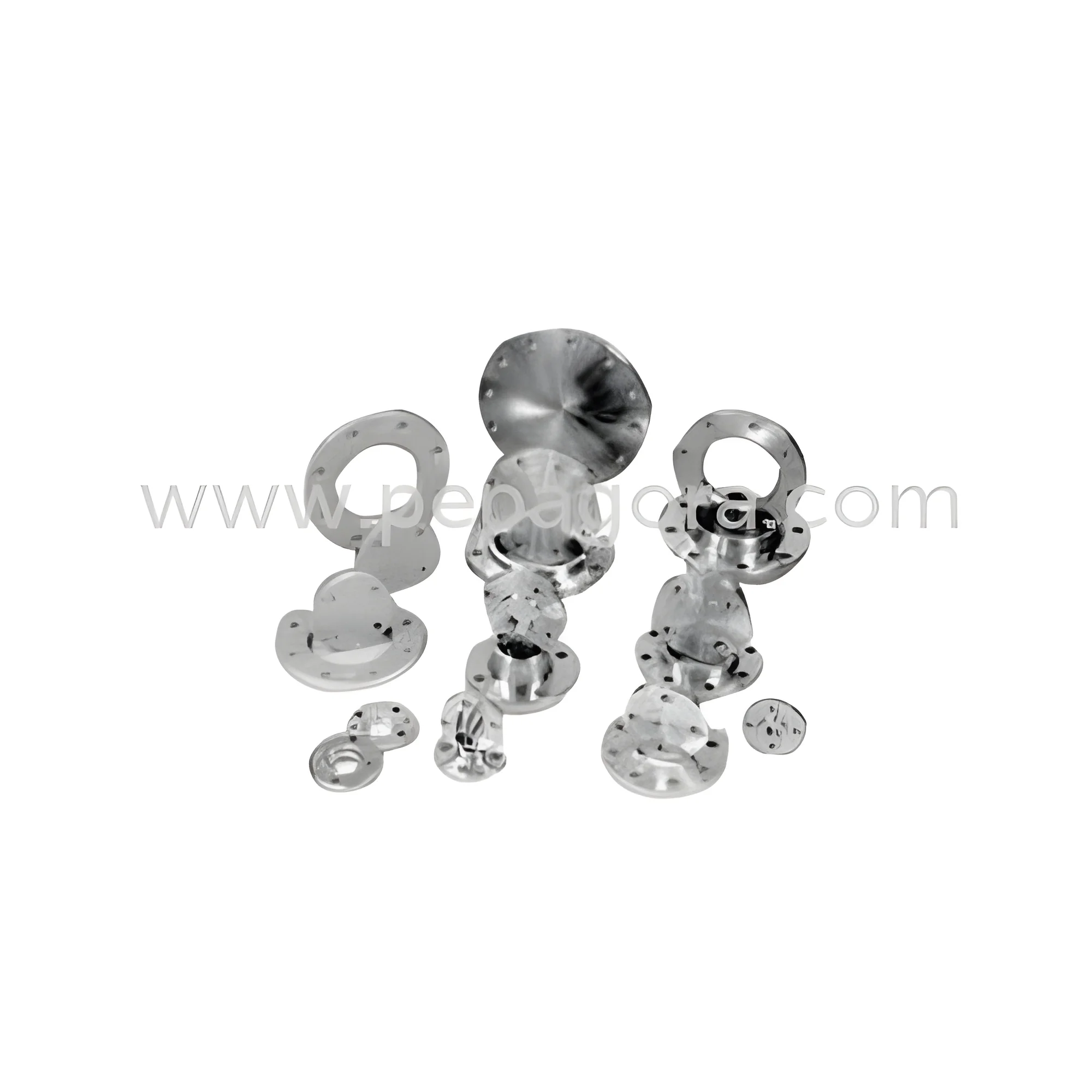
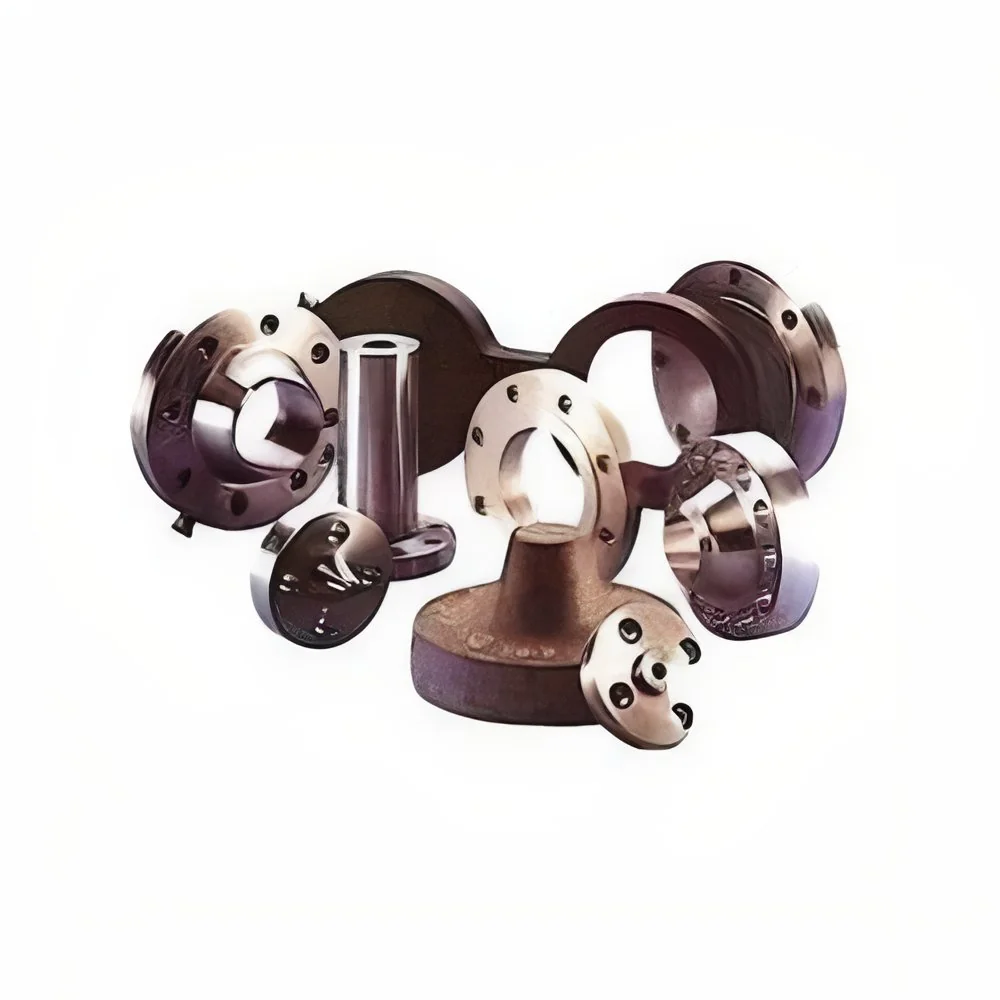
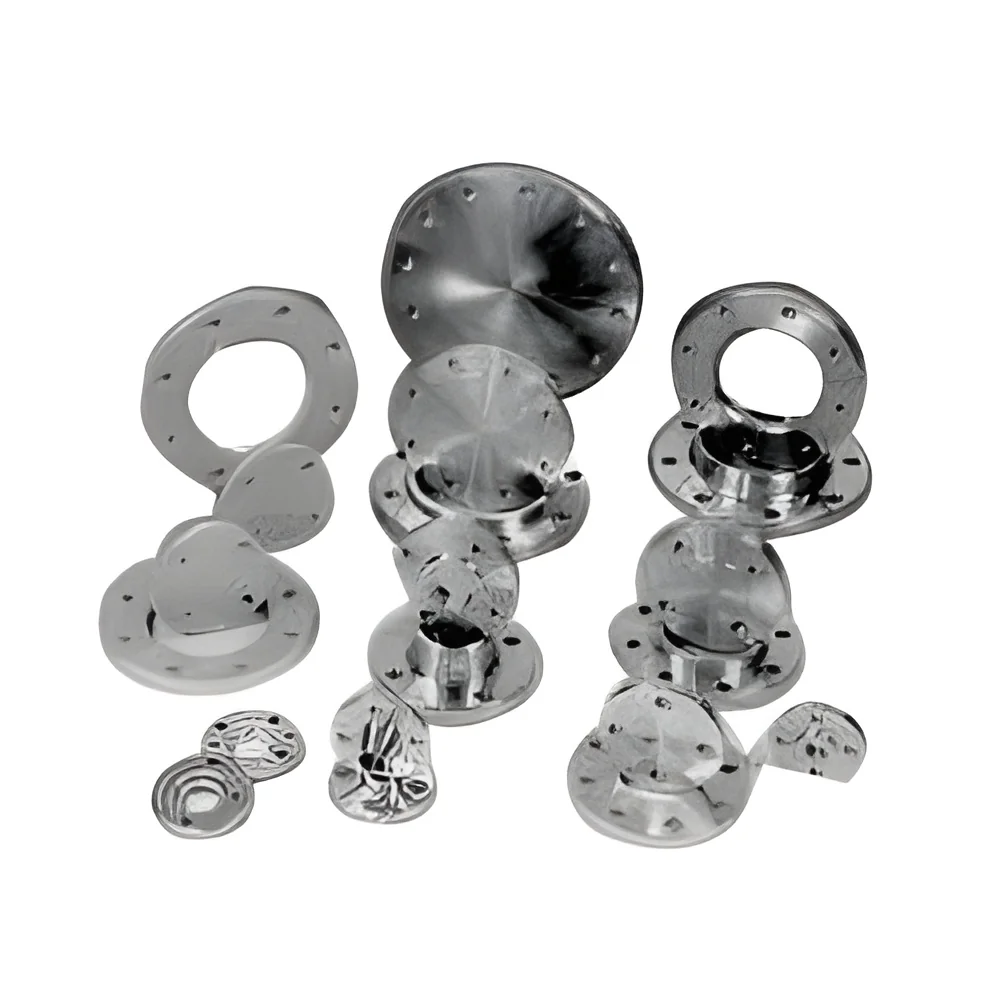
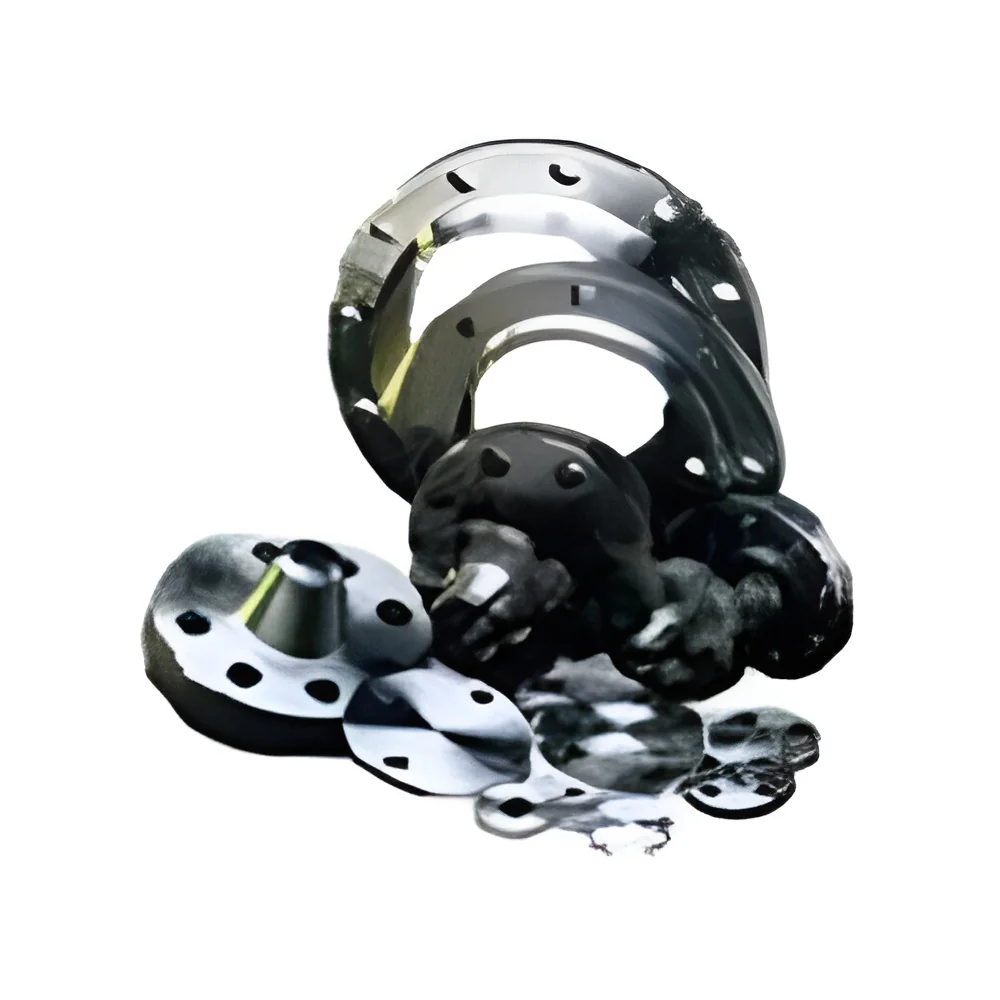
Metal flanges and fittings come in various designs and configurations, catering to specific industry needs.
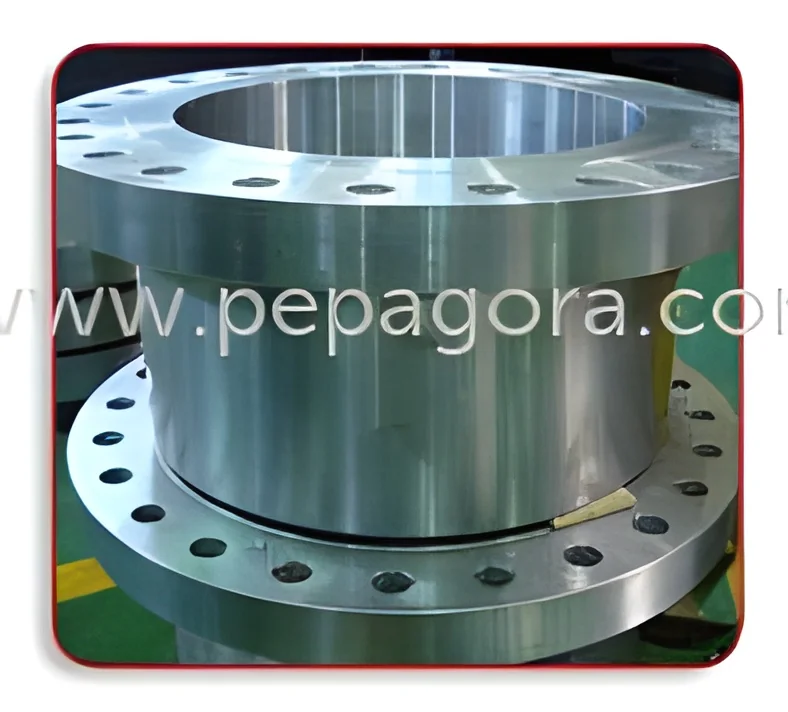
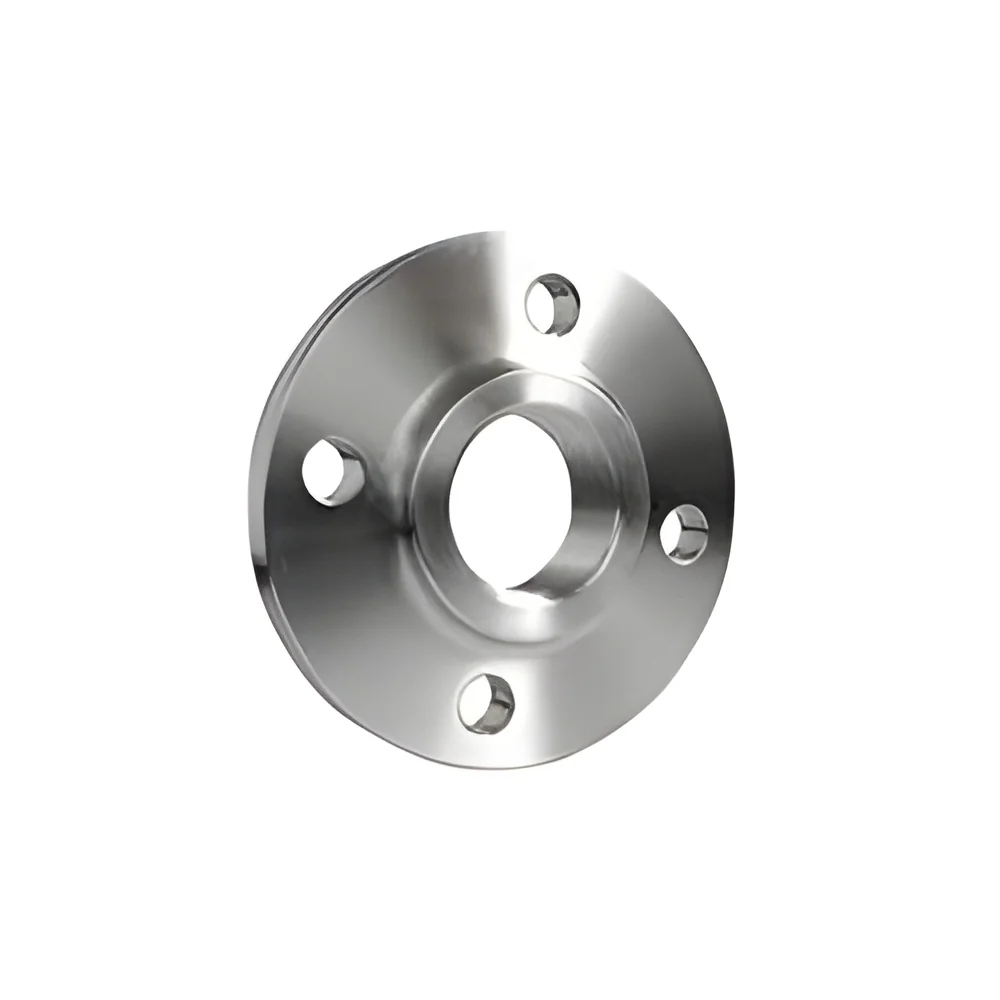
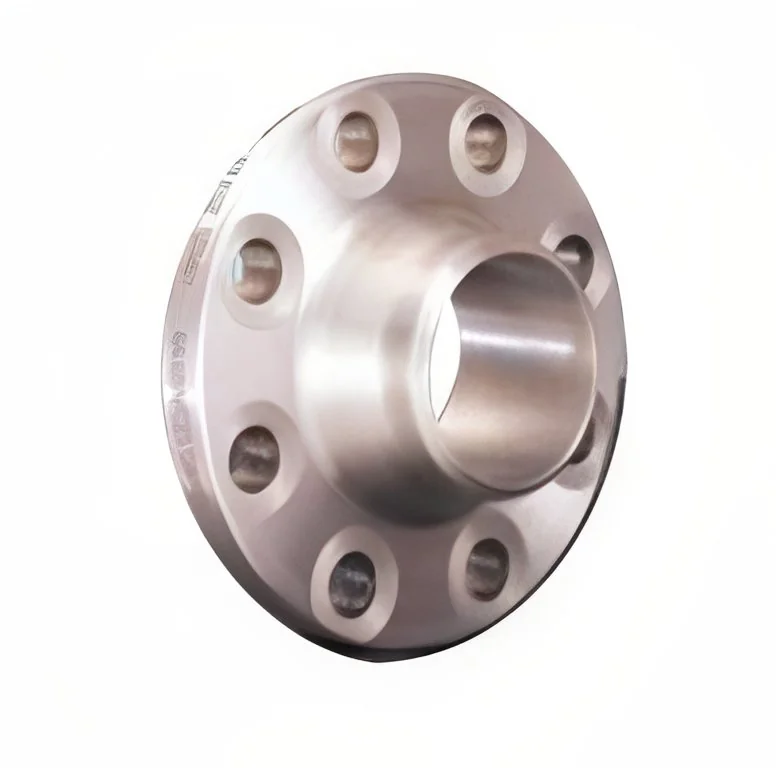
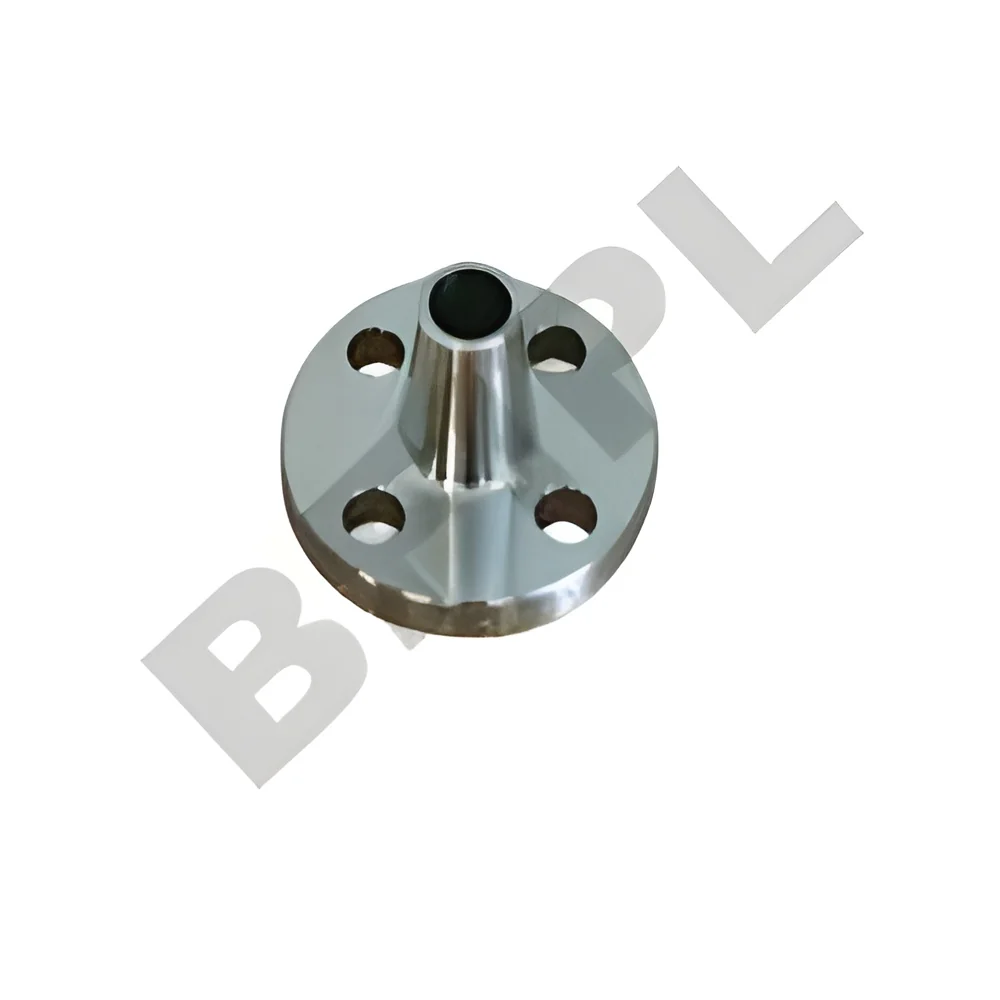
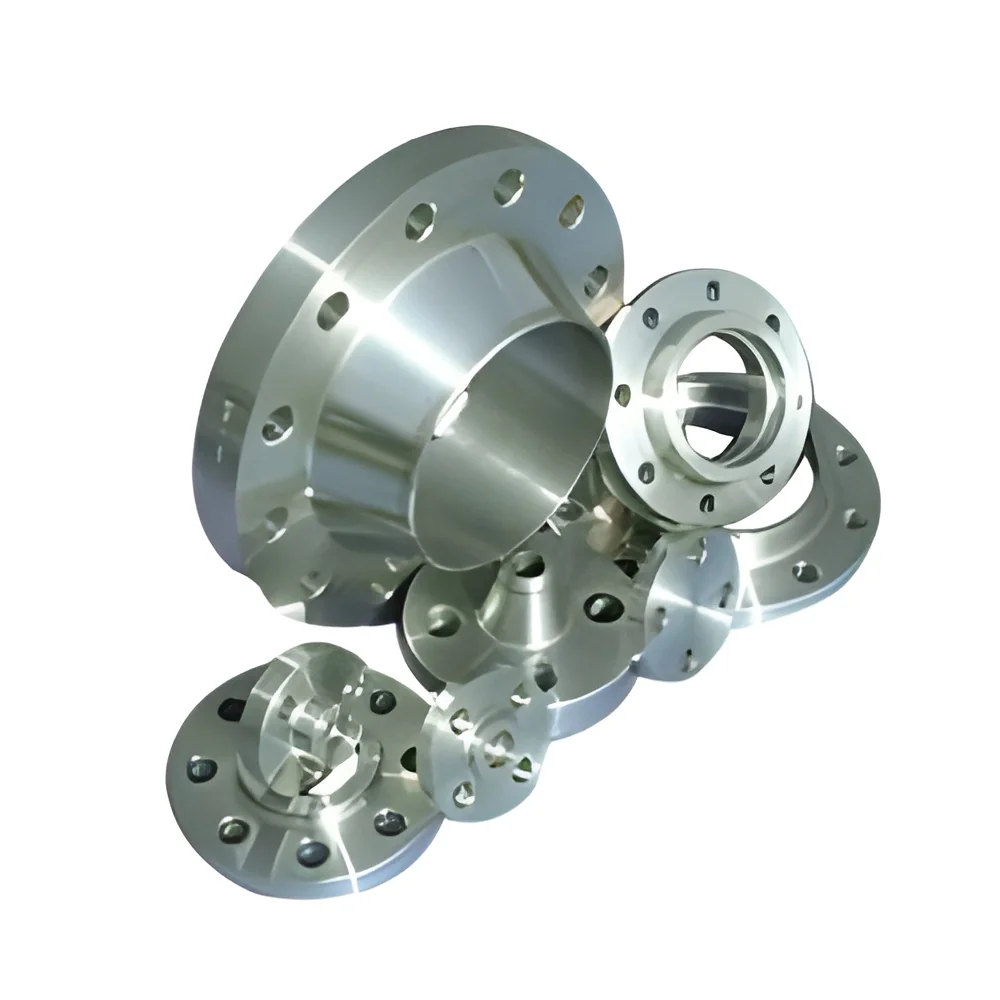
Weld Neck Flanges
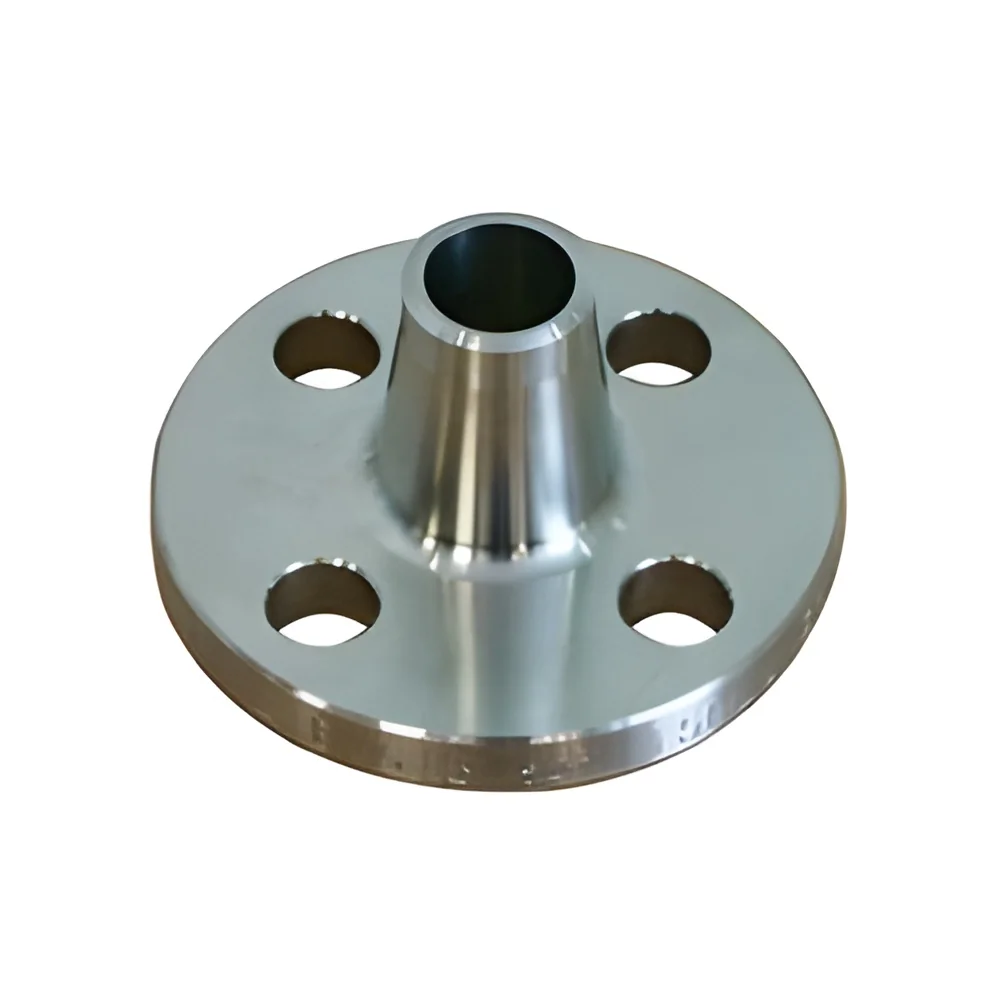
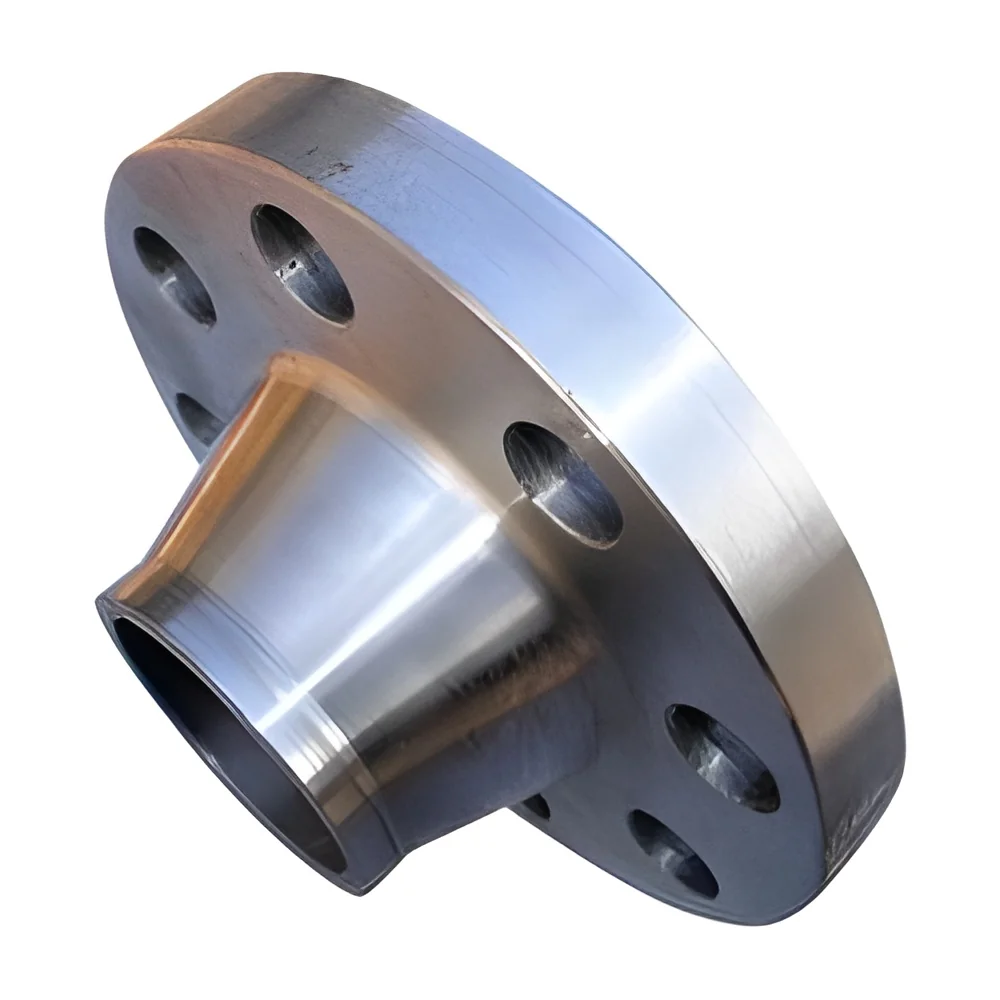
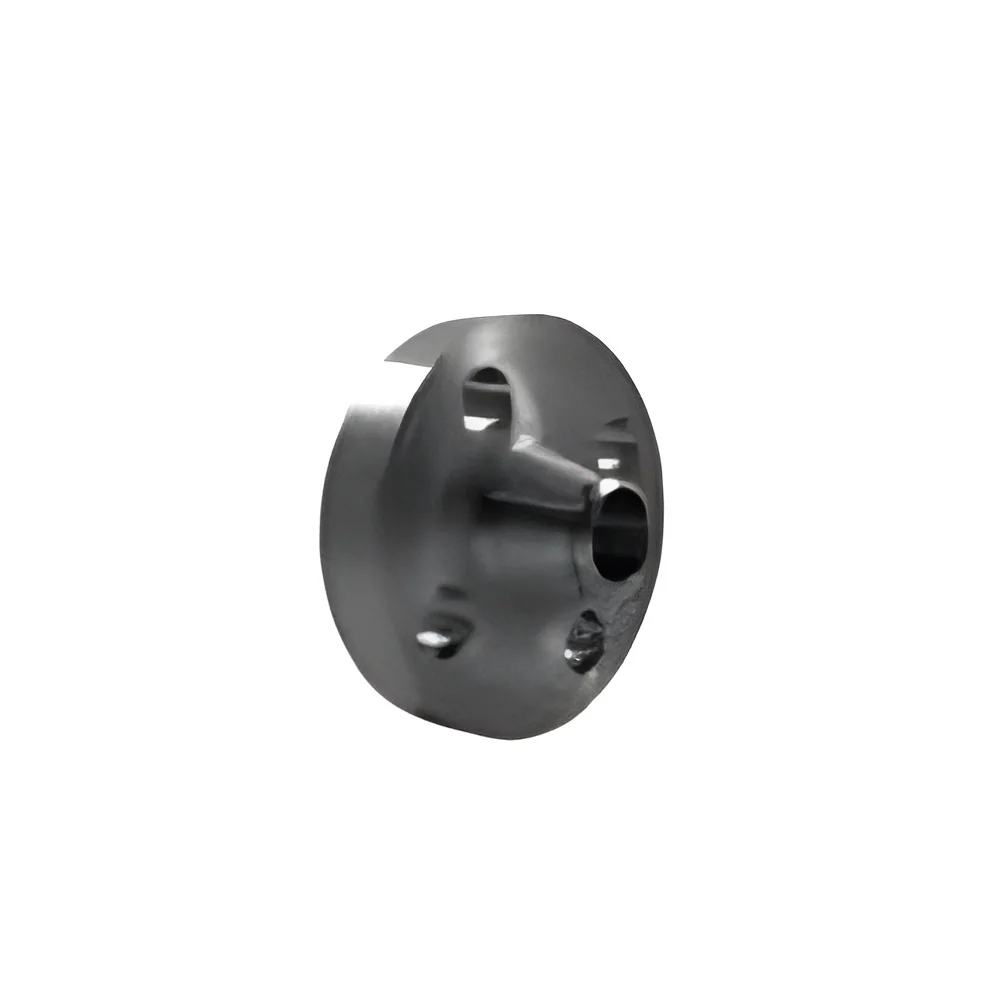
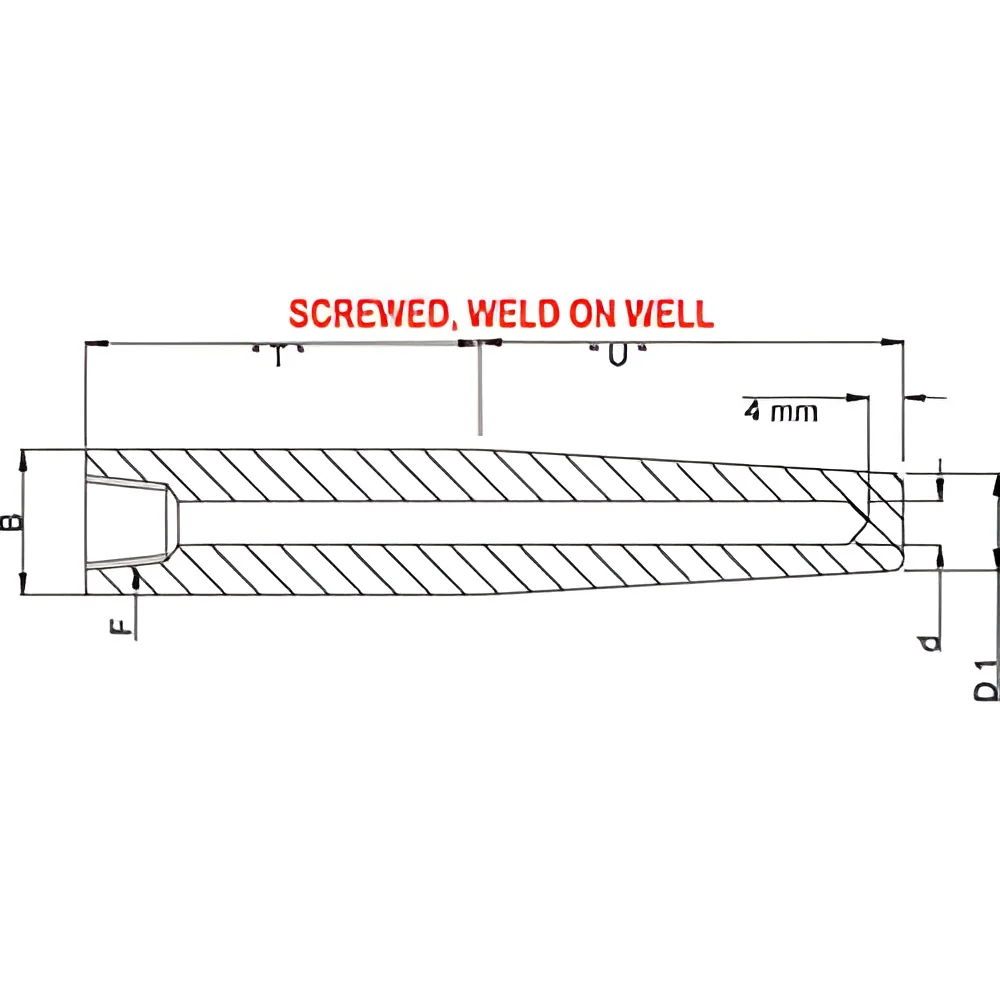
These flanges feature a long tapered neck, allowing for strong, welded connections to pipes. They are ideal for high-pressure applications and are often used in critical systems.
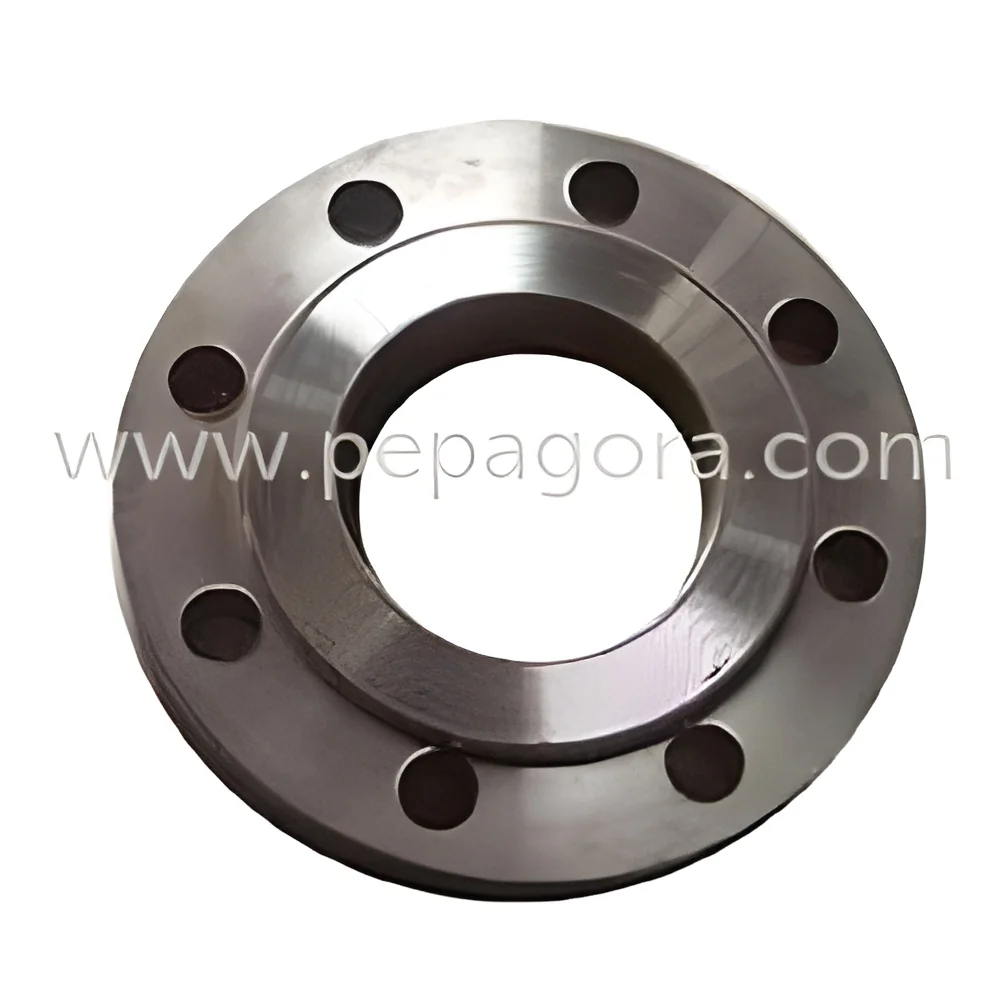
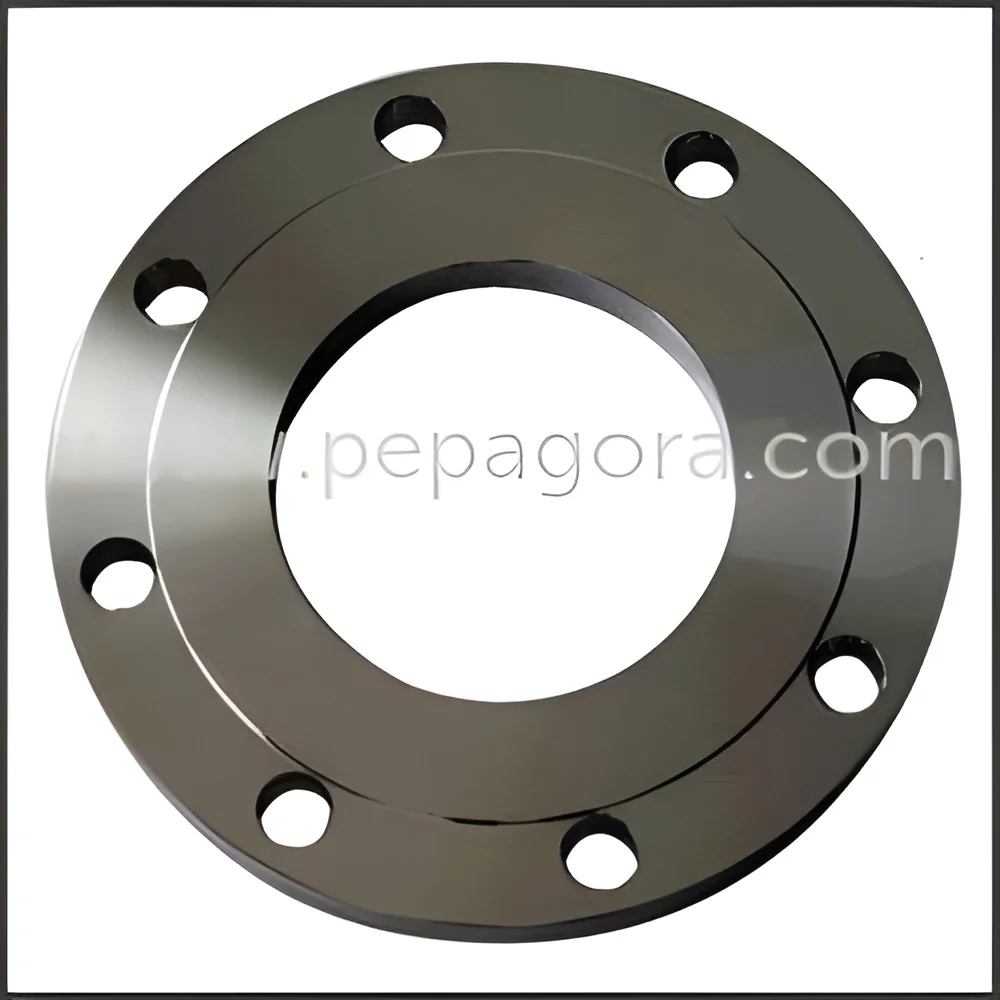
Slip-On Flanges
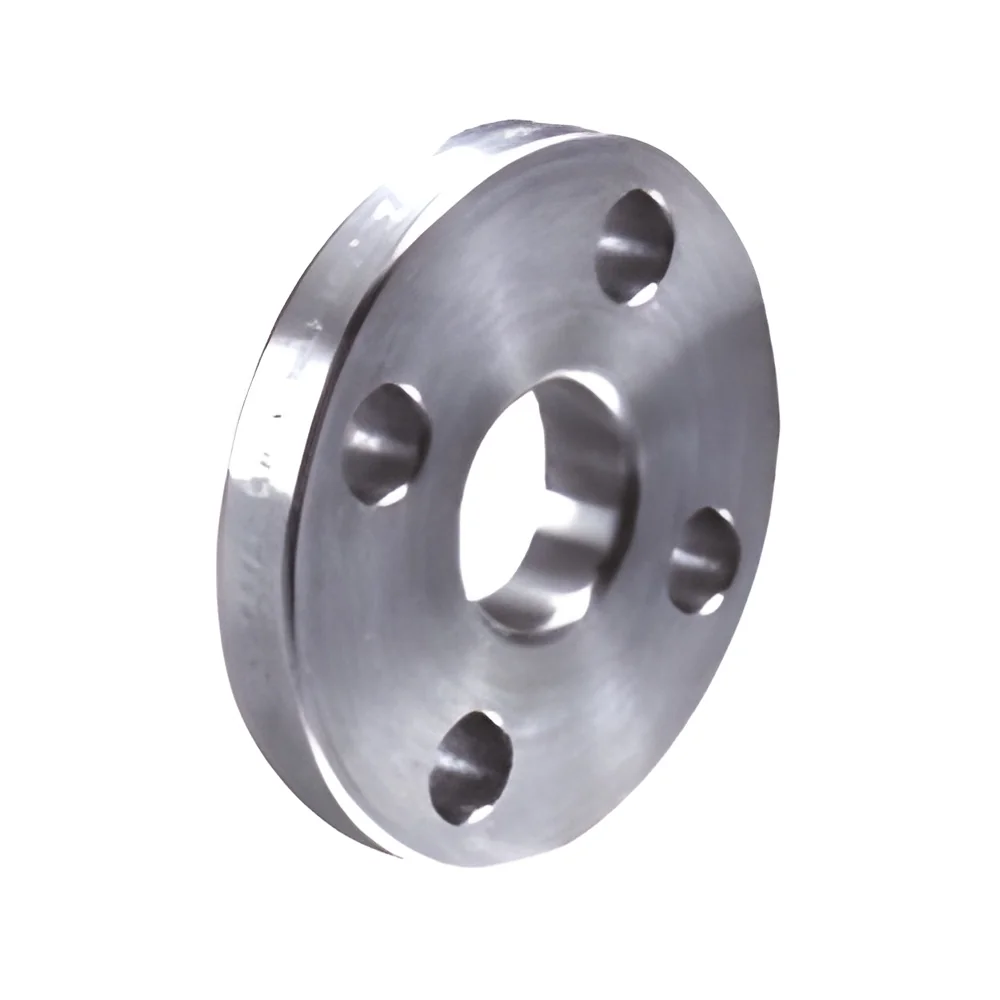
Designed to slip over the pipe end, these flanges are easy to install and are suitable for low-pressure applications. They are commonly used in chemical and water treatment industries.
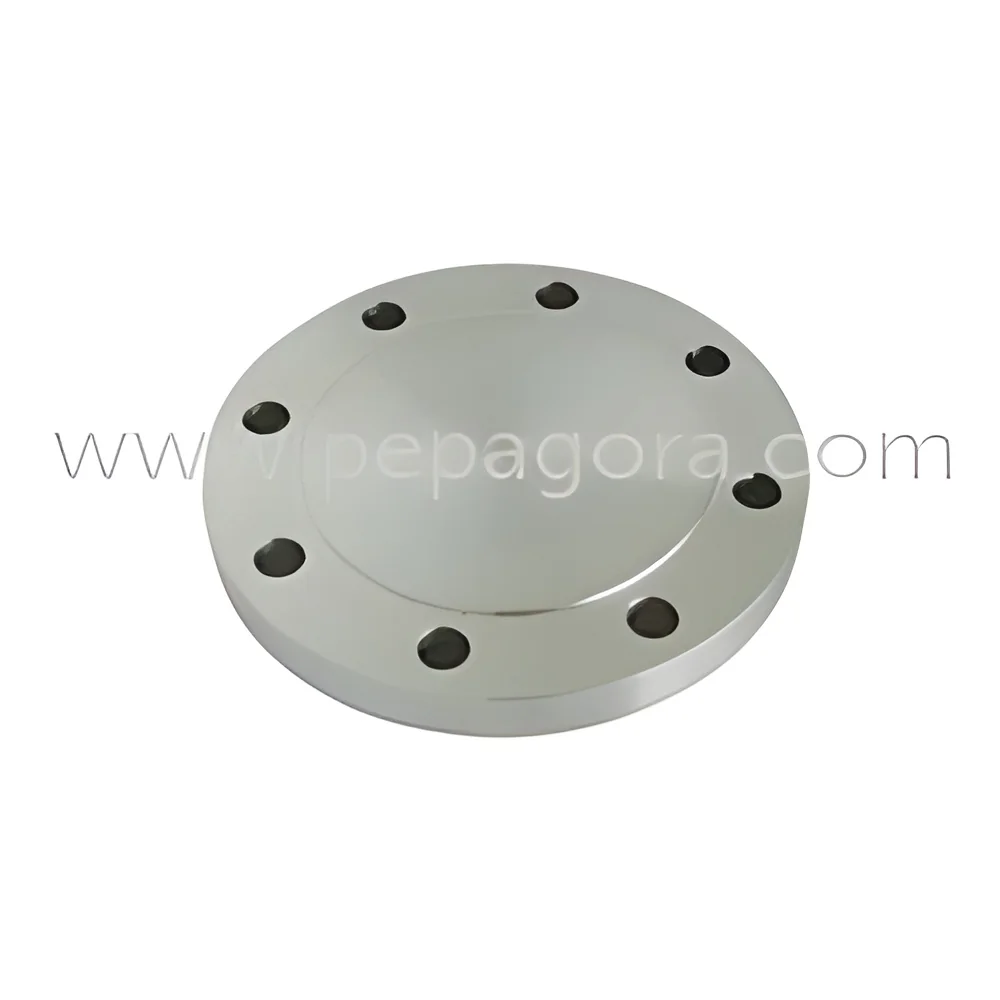
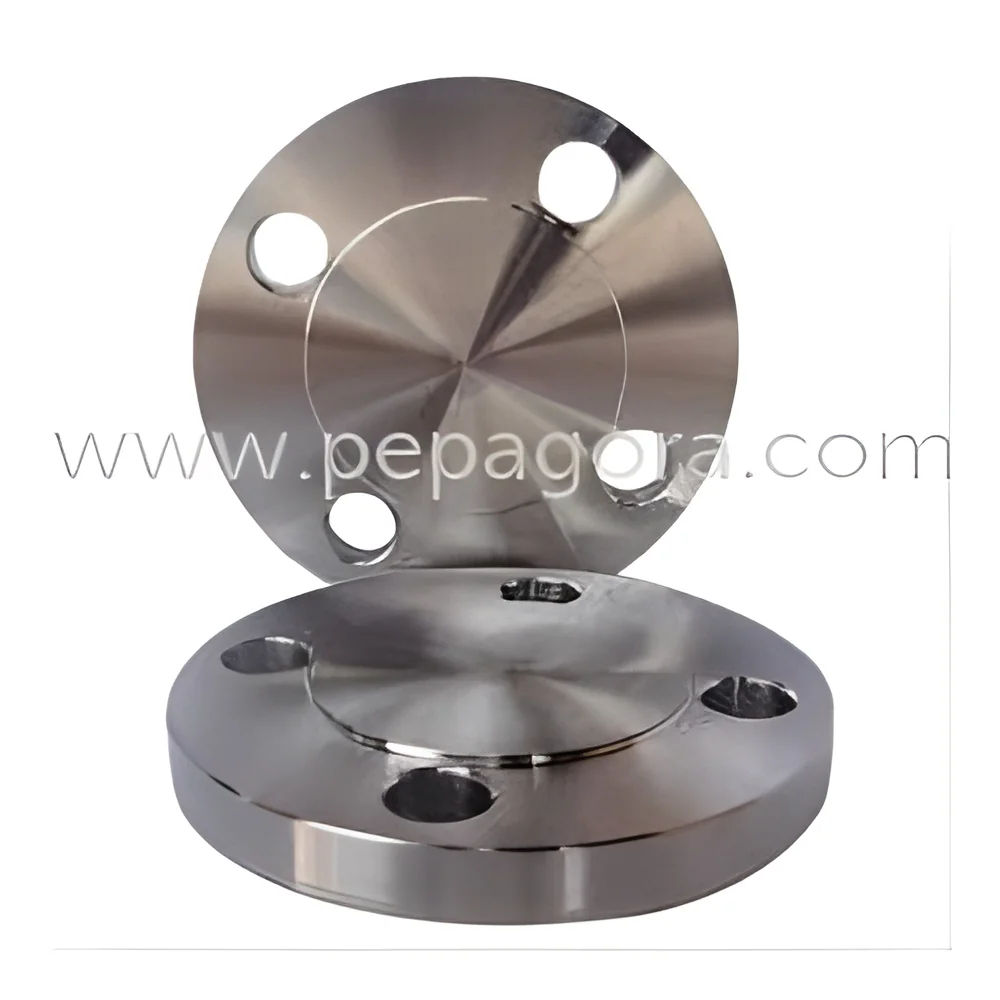
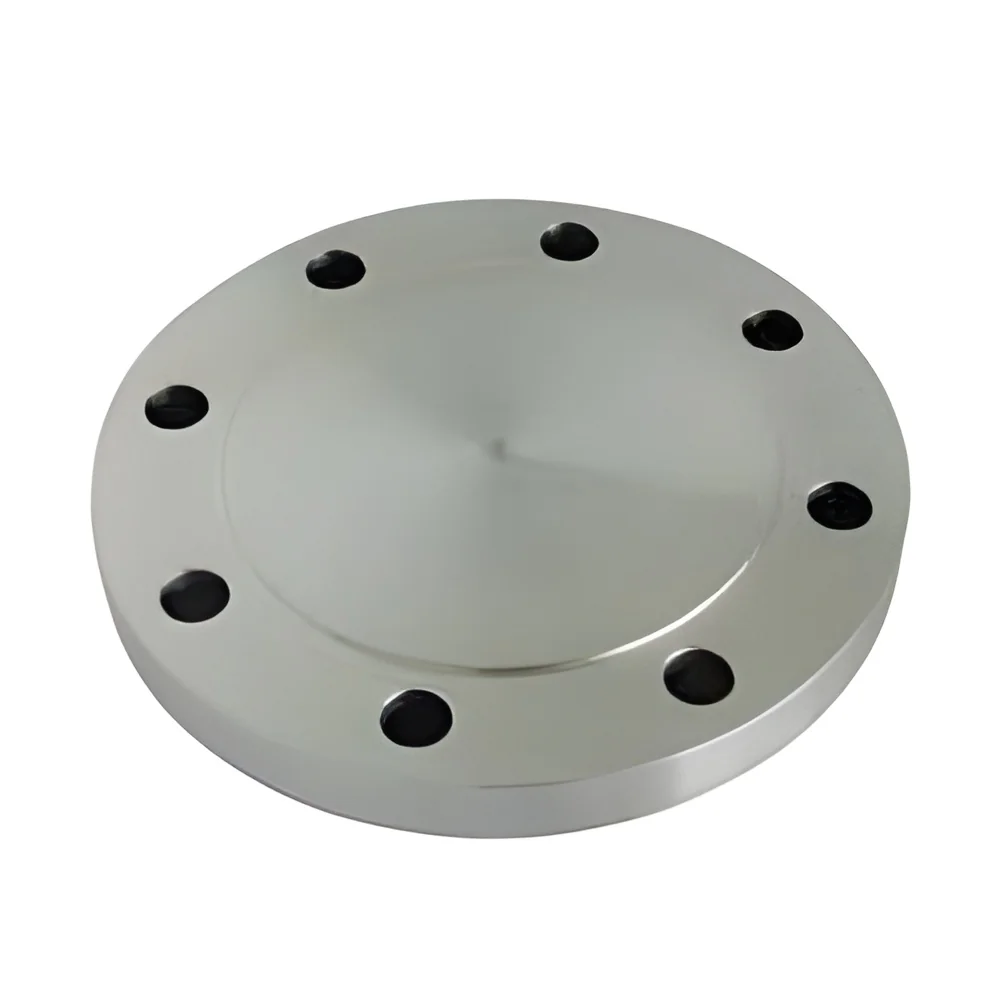
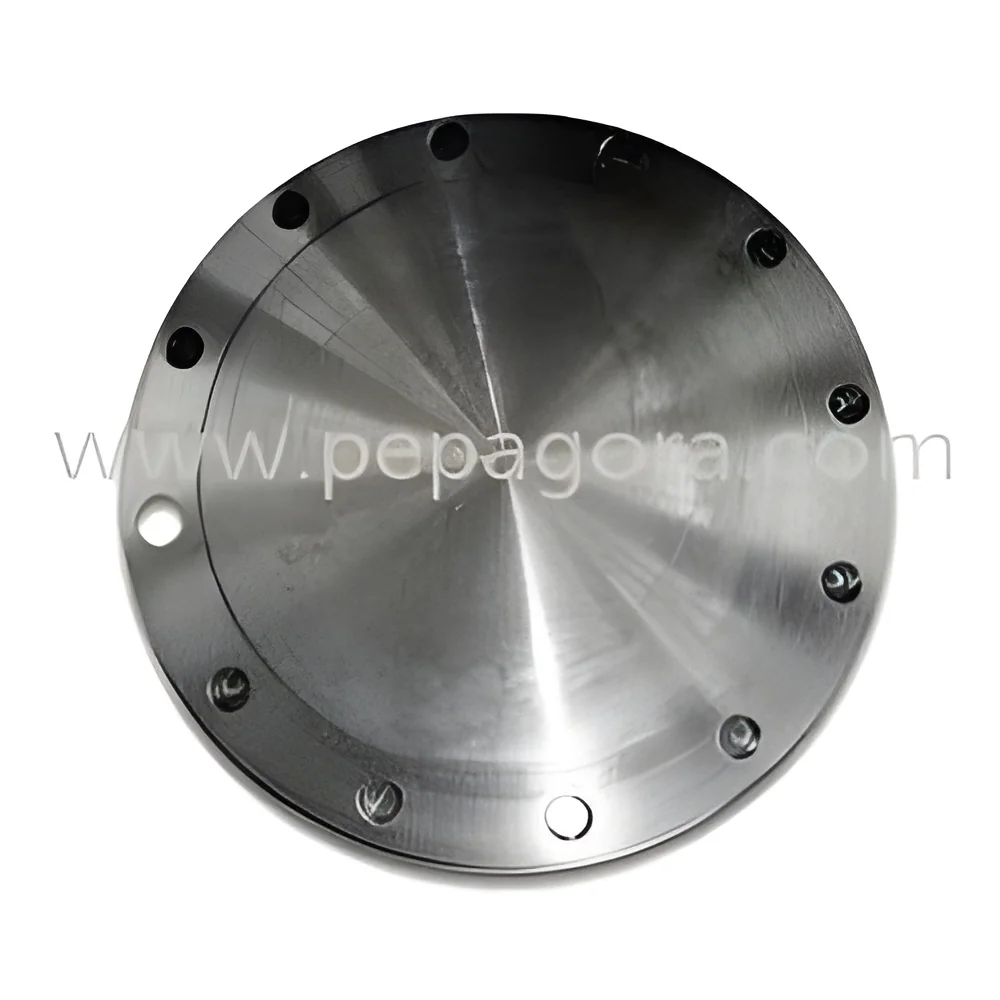
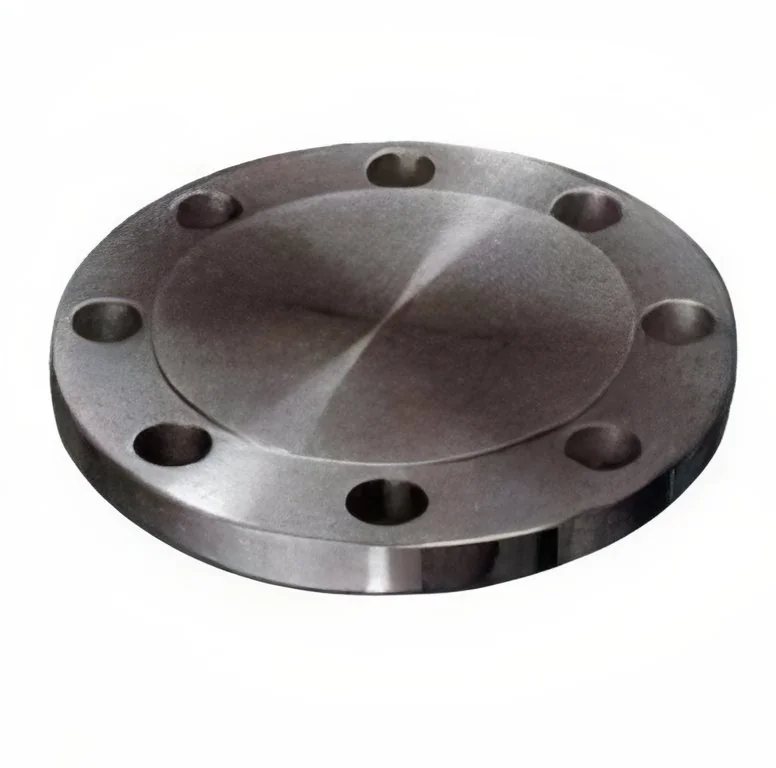
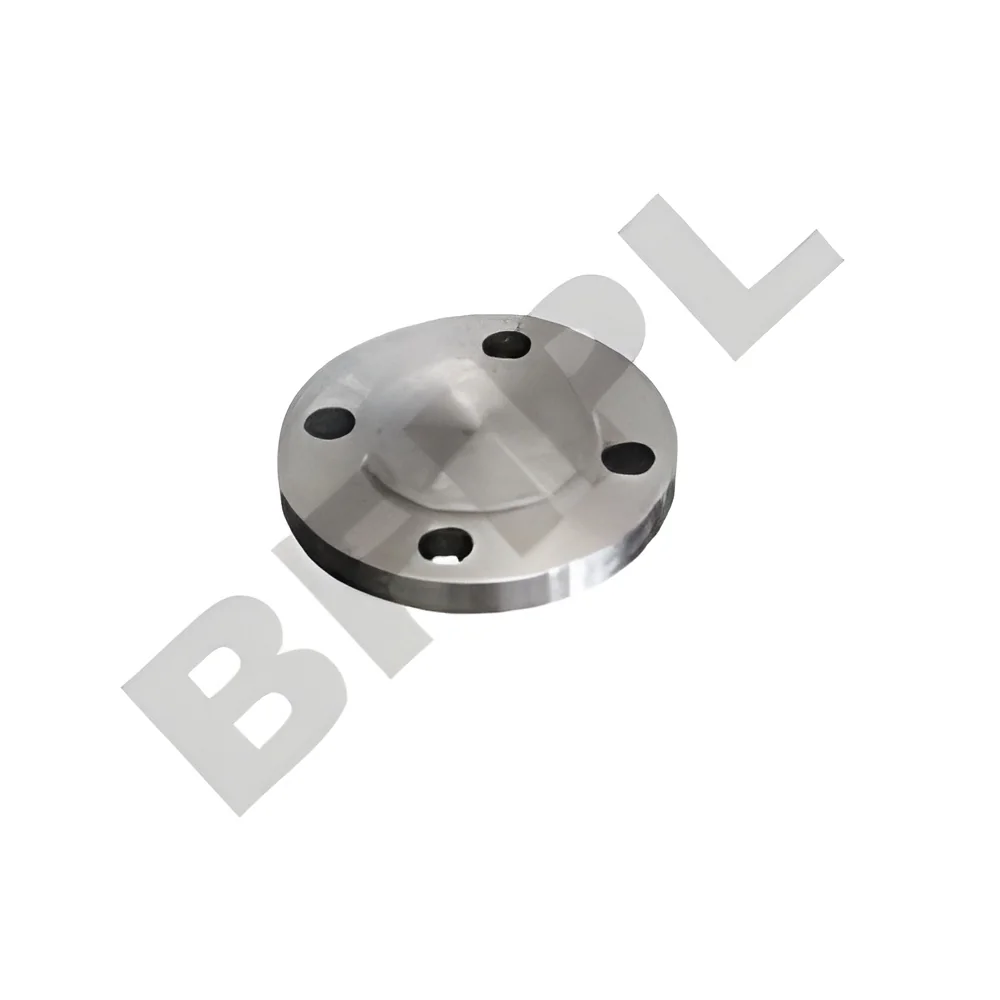
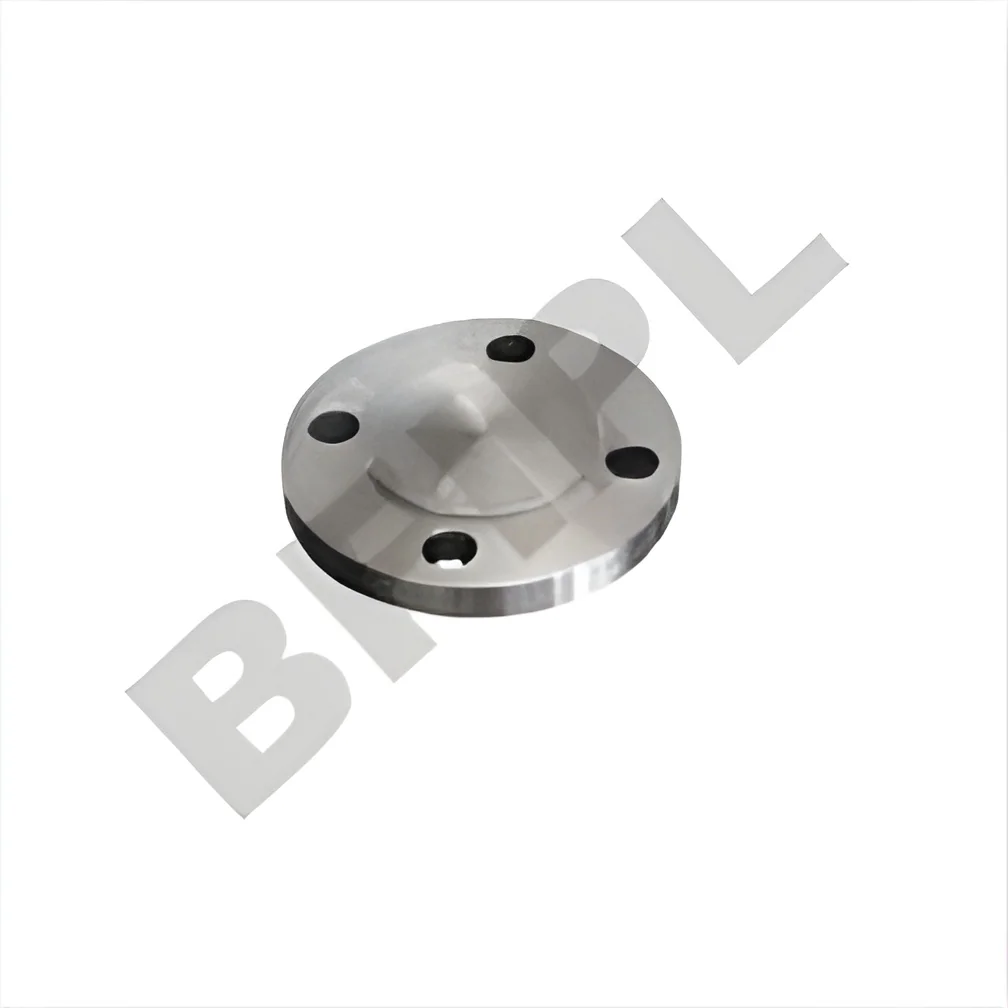
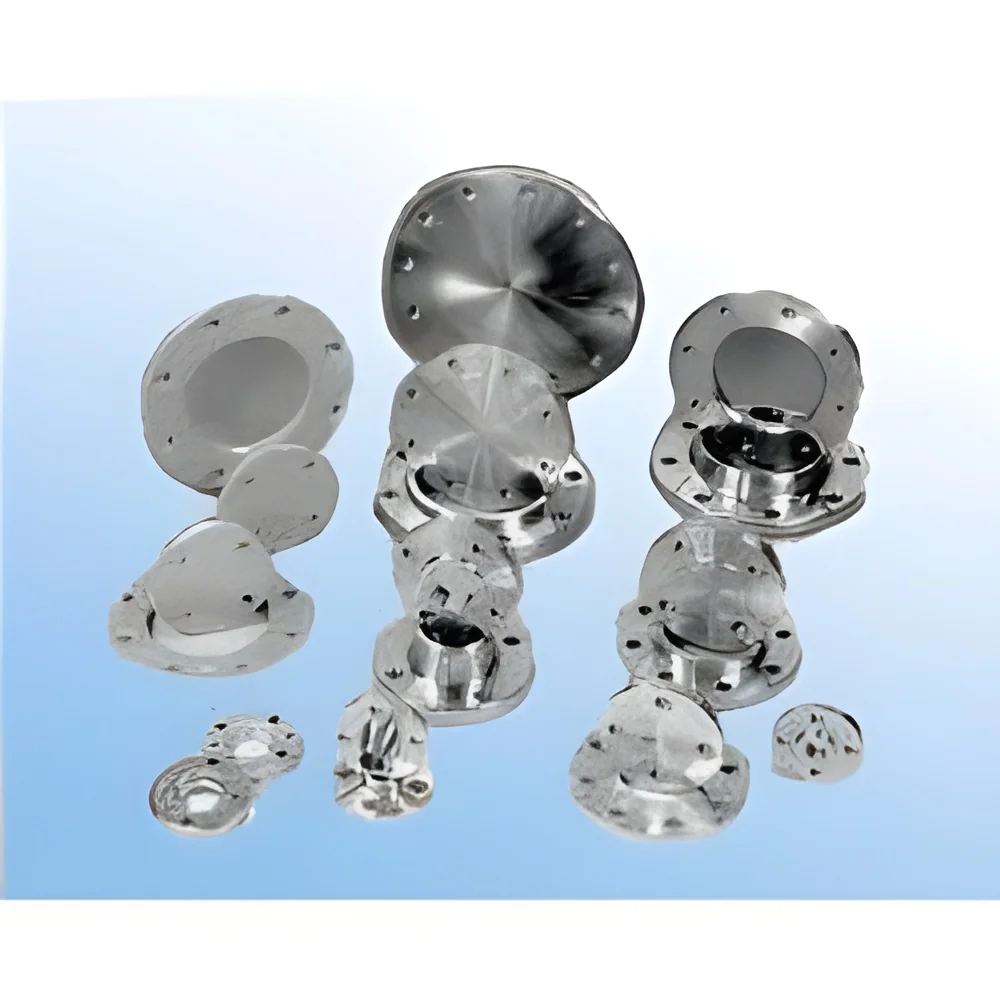
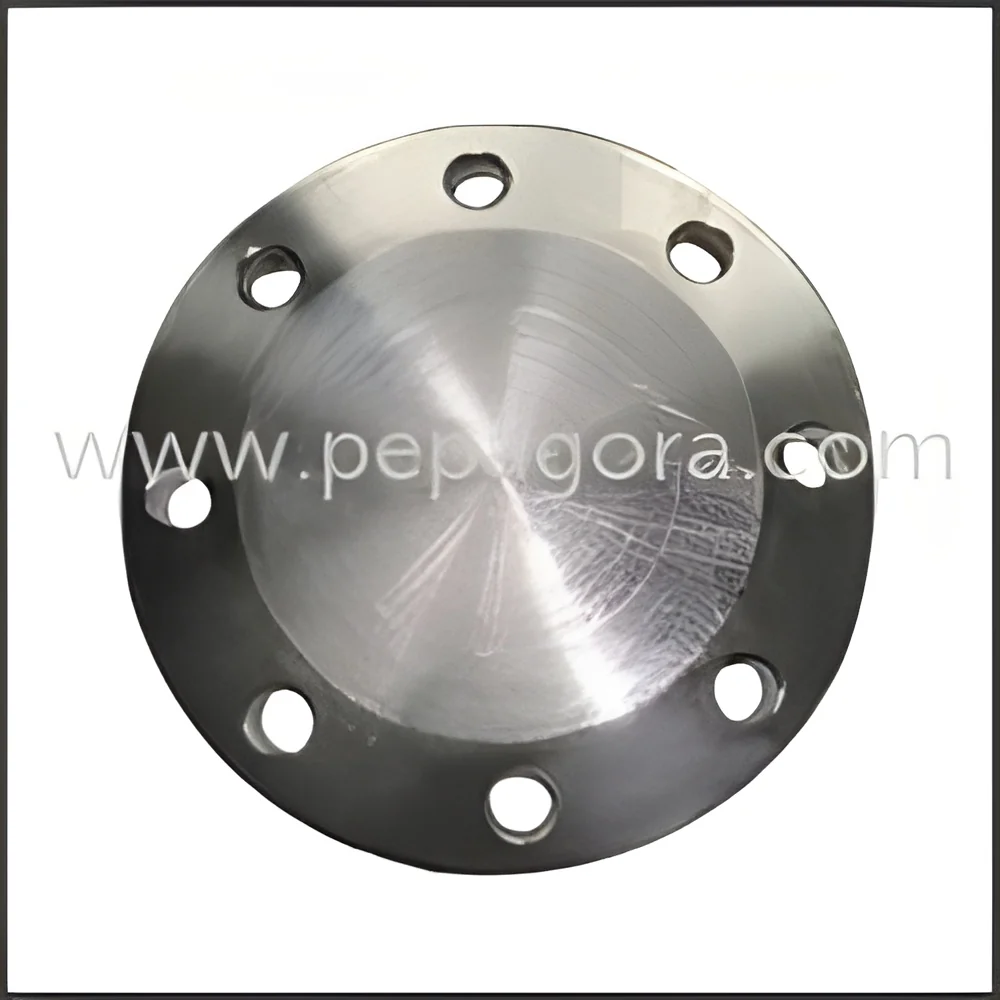
Blind Flanges
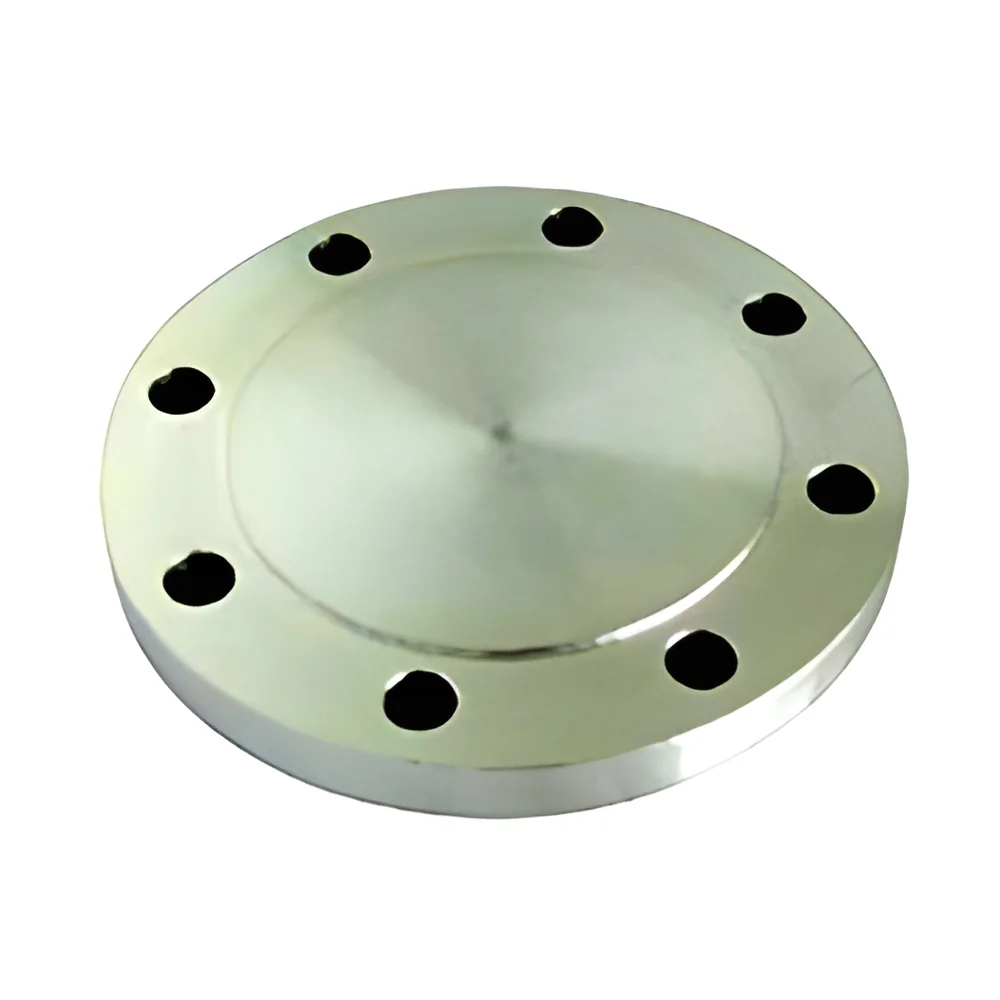
Blind flanges are solid discs used to close the ends of piping systems. They are essential for maintenance and testing purposes, providing a secure seal in various applications.
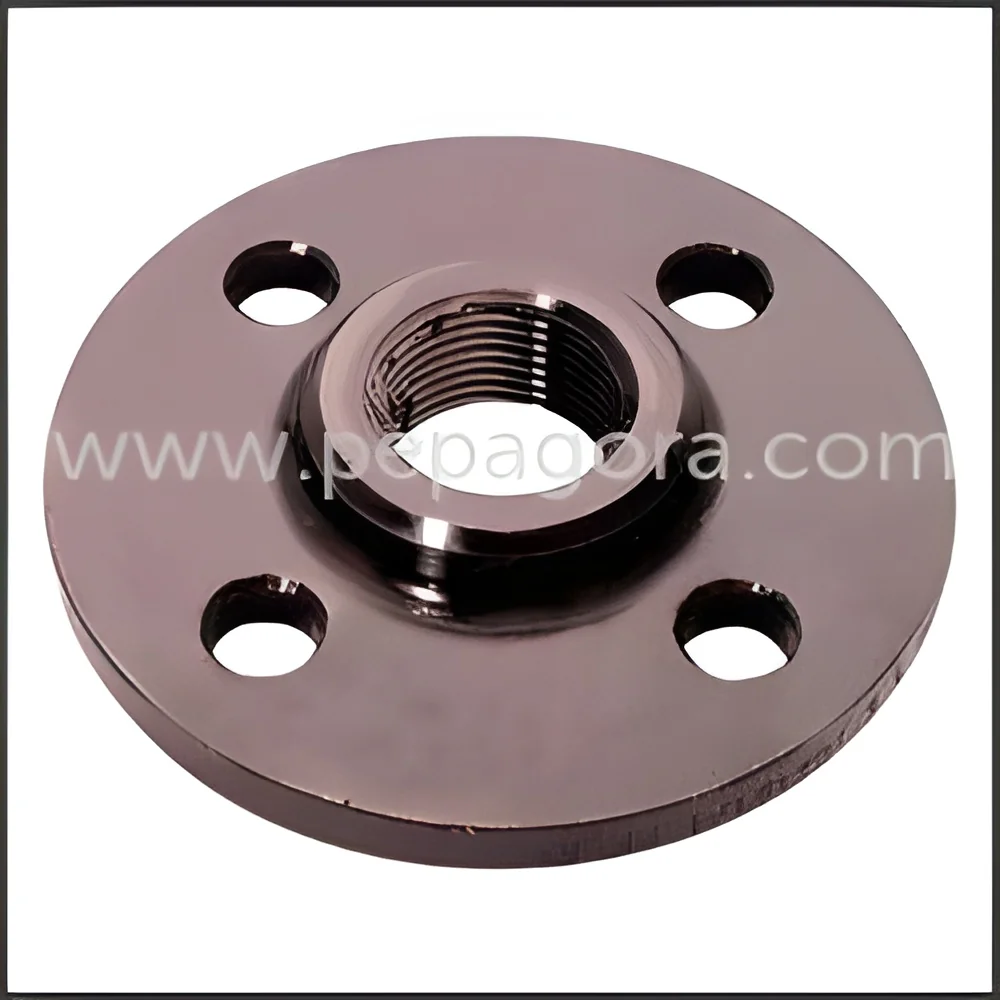
Threaded Flanges
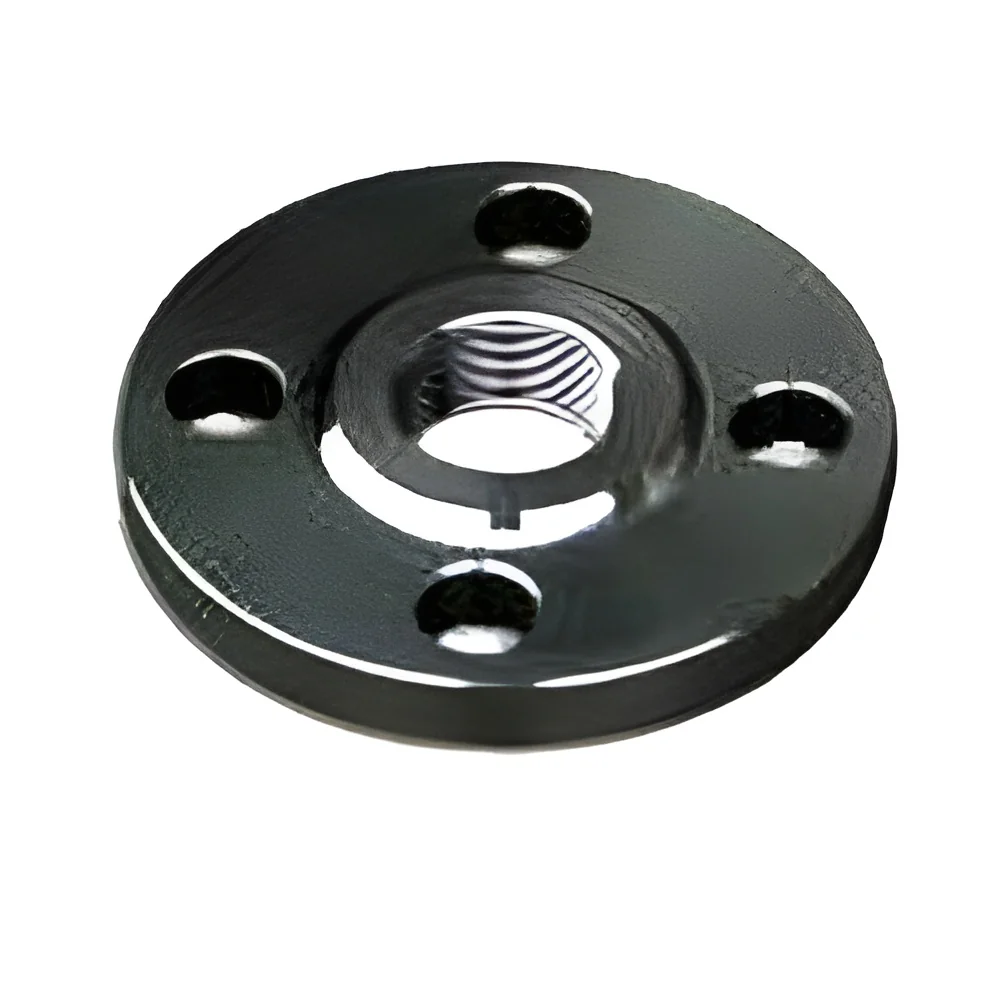
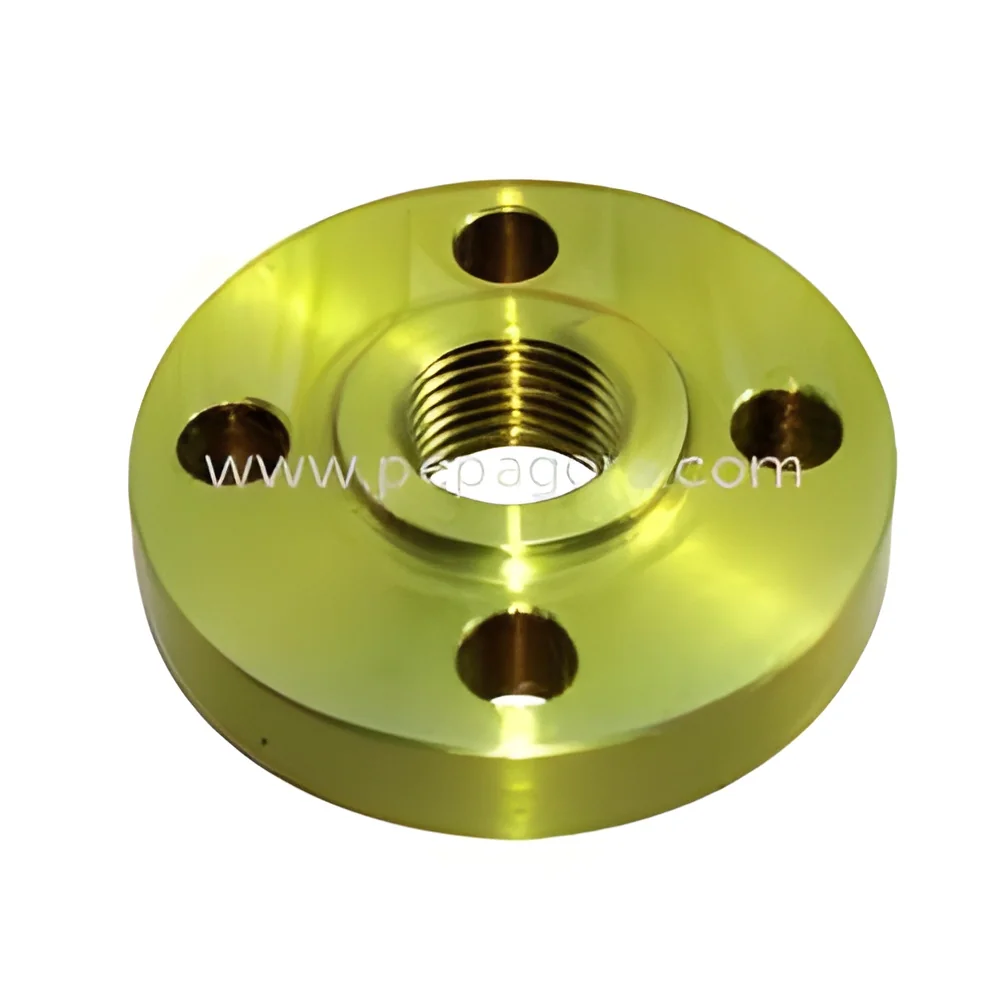
These flanges feature internal threads, allowing them to be screwed onto the pipe. They are useful in systems where welding is not feasible.
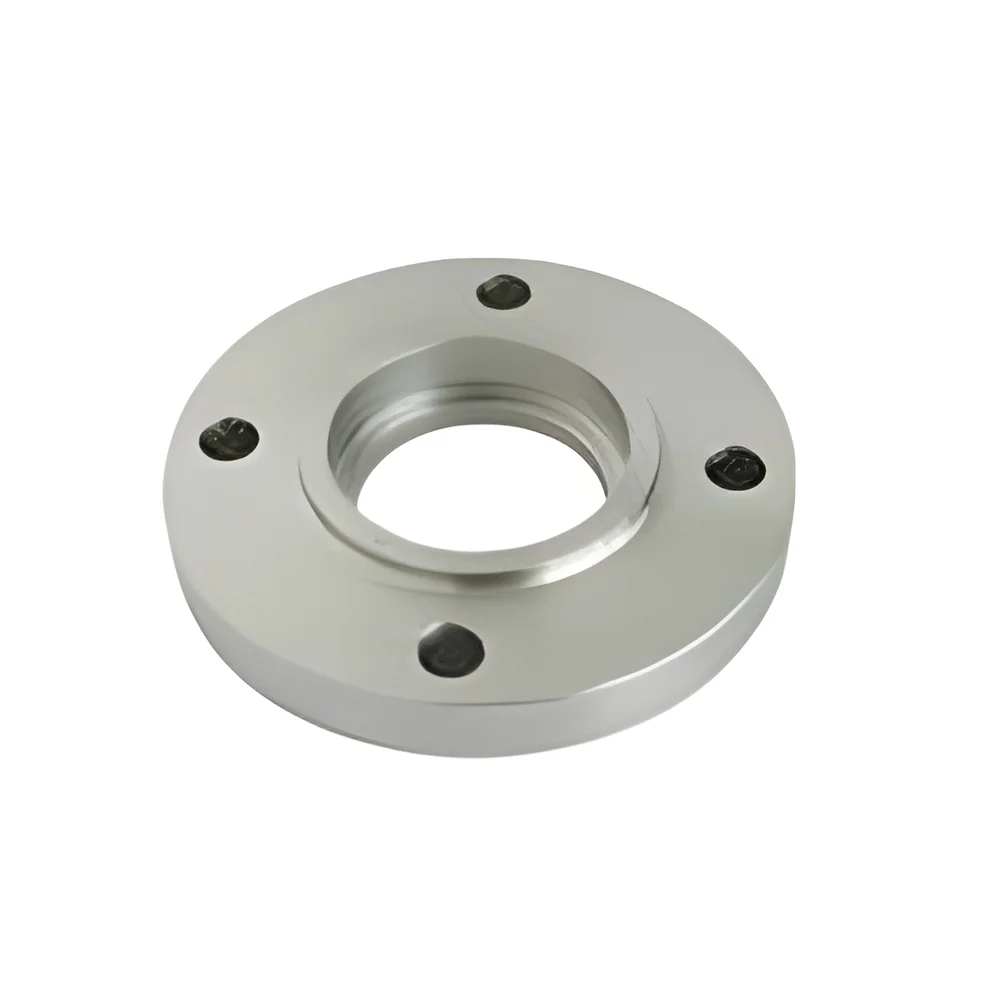
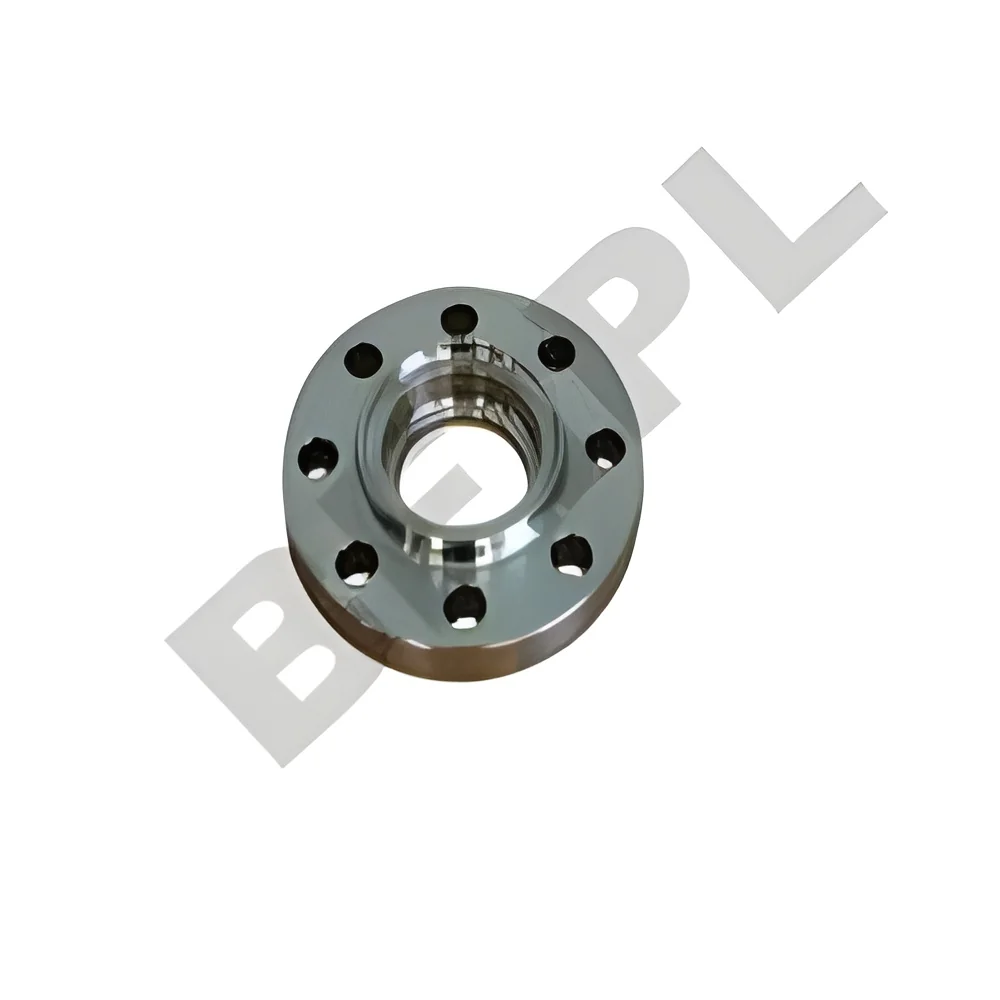
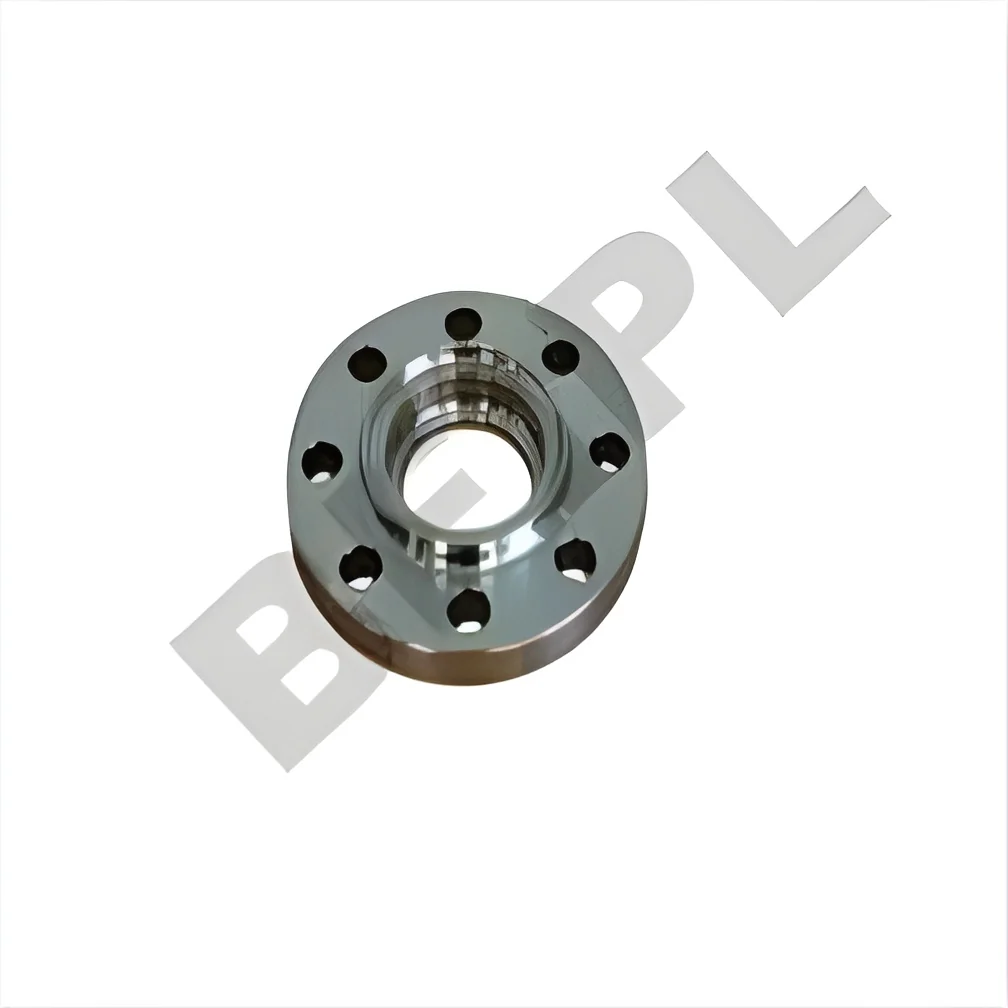
Socket Weld Flanges
These flanges allow for a snug fit with pipes, providing strong connections without the need for extensive welding. They are often used in high-pressure and high-temperature applications.
Benefits and Advantages
Metal flanges and fittings offer numerous advantages that contribute to their widespread use in industrial applications.
Key benefits include:
1. Durability: Constructed from robust materials, these components can withstand harsh environmental conditions and resist corrosion.
2. Versatility: Available in various sizes and configurations, they can be used in multiple applications across different industries.
3. Ease of Installation: Many designs allow for quick and straightforward installation, reducing downtime and labor costs.
4. Reliability: High-quality flanges and fittings ensure secure connections, minimizing the risk of leaks and system failures.
5. Compliance: Many products meet industry standards, providing assurance of quality and safety for users.
6. Cost-Effectiveness: Investing in durable flanges and fittings can reduce replacement frequency, leading to long-term savings.
Buying Guide for B2B Buyers
When sourcing metal flanges and fittings, it is essential to consider several key factors to ensure a successful purchase.
1. Quality Assessment: Look for products that meet industry standards and certifications. Evaluate the materials used and request samples if necessary to assess durability.
2. Supplier Verification: Vet potential suppliers by checking their reputation, customer reviews, and certifications. A reliable supplier will provide transparency and support throughout the purchasing process.
3. Pricing and MOQ: Understand the pricing structure and minimum order quantities (MOQ) before making a commitment. Compare prices from different suppliers to ensure competitive rates.
4. Delivery and Lead Times: Discuss delivery options and lead times with suppliers. Timely delivery is crucial for maintaining project schedules and avoiding delays.
5. Compliance Requirements: Ensure that the products comply with relevant safety and quality standards in your region. This is especially important for industries with strict regulatory requirements.
Compliance and Certifications
Quality standards play a critical role in the manufacturing of metal flanges and fittings. Many products adhere to ISO 9001 standards, which ensure consistent quality management systems. Additionally, compliance with HACCP and GDP guidelines is crucial for industries such as food processing and pharmaceuticals, where safety and hygiene are paramount.
Products are often CE certified, indicating compliance with European safety standards. This certification assures buyers that the products have passed rigorous testing for quality and performance.
Safety and testing requirements also vary by industry. It is essential for manufacturers to conduct thorough testing to ensure their products can withstand the pressures and conditions they will face in the field.
Regional compliance considerations must also be taken into account, as regulations may differ from one region to another. Buyers should ensure that the components they source meet local standards to avoid legal complications.
Why Source Metal Flanges & Fittings from Pepagora?
Pepagora offers a reliable platform for sourcing metal flanges and fittings, ensuring that buyers have access to high-quality products. One of the key advantages is the verified supplier network. Each supplier is thoroughly vetted to ensure they meet quality and compliance standards, giving buyers confidence in their purchases.
The streamlined Request for Quotation (RFQ) process simplifies the sourcing experience. Buyers can easily compare multiple quotes, ensuring they find the best option that fits their requirements.
Trade assurance and support are also significant benefits of sourcing through Pepagora. The platform provides buyer protection, ensuring that transactions are secure and that buyers receive the products as described.
Additionally, Pepagora has regional coverage that spans India, the GCC, and Southeast Asia. This wide geographic reach allows buyers to connect with local suppliers, reducing shipping times and costs while supporting regional economies.
Pepagora stands out as a trusted source for metal flanges and fittings, providing the resources and support needed for successful B2B transactions.

 IN
IN



 India
India