
 IN
INIndoor Sports Hall Construction
1 products available
What are Indoor Sports Hall Construction?
Key Features and Specifications
Common Applications and Use Cases
Product Variants and Subcategories
Benefits and Advantages
Buying Guide for B2B Buyers
Compliance and Certifications
Why Source Indoor Sports Hall Construction from Pepagora?


 India
India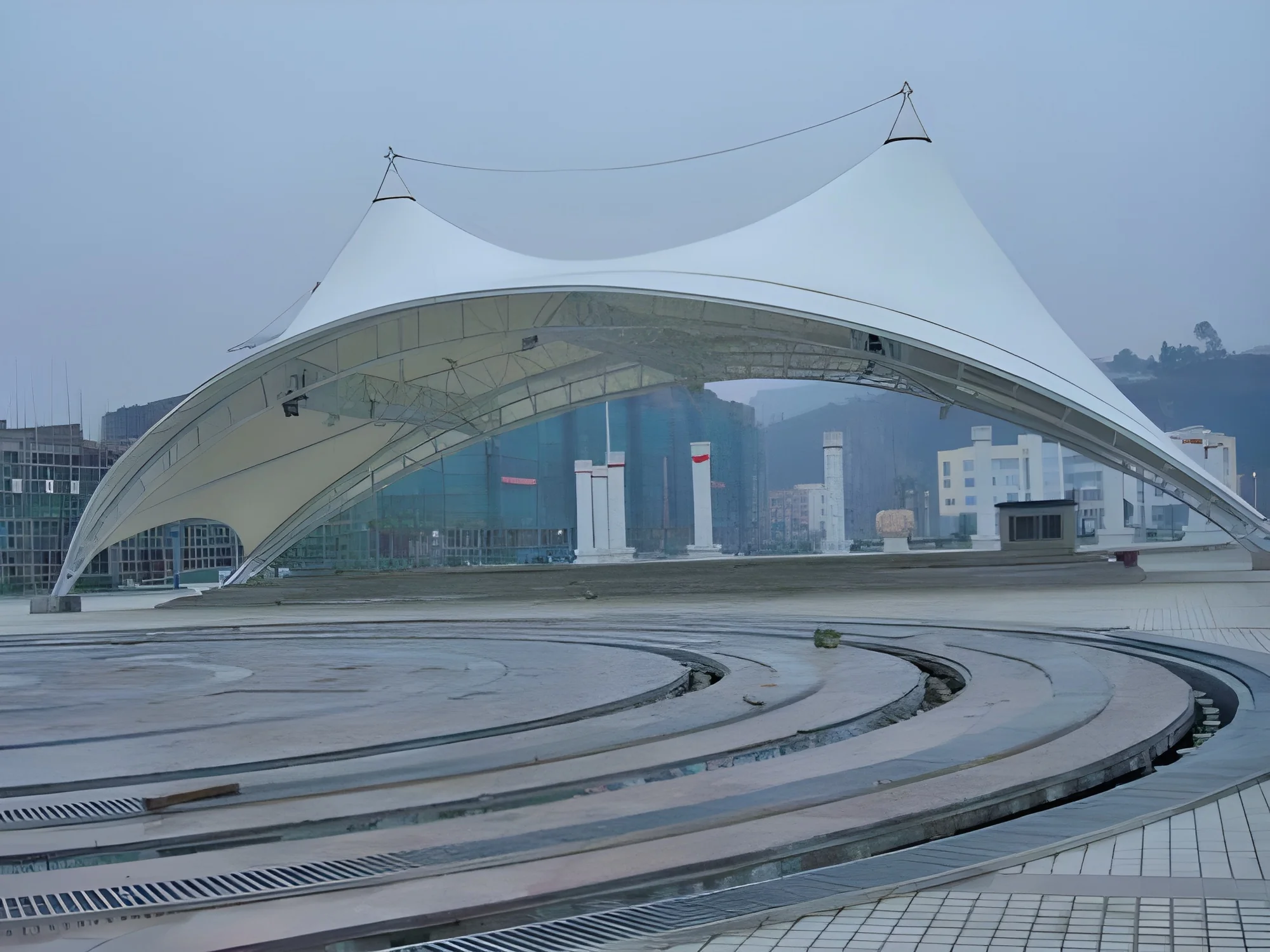
Frequently Asked Questions
What are Indoor Sports Hall Construction?
Indoor Sports Hall Construction refers to the process of designing and building dedicated indoor spaces for various sports activities. These facilities can accommodate sports such as basketball, badminton, volleyball, and gymnastics, providing a controlled environment for training and competitions.
What are the different types of Indoor Sports Hall Construction?
There are several types of Indoor Sports Hall Construction, including multi-sport halls, specialized sports facilities, and community sports centers. Each type is designed to meet specific requirements based on the sports to be played, the audience capacity, and additional amenities.
How do I choose the right Indoor Sports Hall Construction?
When selecting an Indoor Sports Hall Construction, consider factors such as the intended use, size, location, and budget. Consult with experienced architects and contractors who specialize in sports facilities to ensure the design meets your needs and complies with local regulations.
What are the standard specifications for Indoor Sports Hall Construction?
Standard specifications for Indoor Sports Hall Construction typically include dimensions, flooring materials, lighting, ventilation, and acoustic treatments. These specifications may vary based on the sports being accommodated and should adhere to the guidelines set forth by relevant sports governing bodies.
What is the price range for Indoor Sports Hall Construction?
The price range for Indoor Sports Hall Construction can vary significantly based on size, location, and materials used. Generally, costs can start from a few lakhs to several crores, depending on the complexity and specifications of the project.
What quality standards apply to Indoor Sports Hall Construction?
Quality standards for Indoor Sports Hall Construction include compliance with safety regulations, use of durable materials, and adherence to design specifications. Facilities should be constructed to withstand wear and tear associated with sports activities and ensure a safe environment for users.
Where can I find Indoor Sports Hall Construction suppliers in India?
You can find Indoor Sports Hall Construction suppliers in India through online B2B marketplaces, industry trade shows, and local construction directories. Websites like Pepagora.com can connect you with manufacturers and suppliers specializing in sports facility construction.
Can Indoor Sports Hall Construction be customized?
Yes, Indoor Sports Hall Construction can be customized to meet specific requirements such as size, layout, and amenities. Customization options often include specialized flooring, seating arrangements, and additional facilities like locker rooms and rest areas.
What is the typical minimum order quantity for Indoor Sports Hall Construction?
The typical minimum order quantity (MOQ) for Indoor Sports Hall Construction varies by supplier and project scope. It is advisable to discuss MOQs directly with suppliers to determine the most suitable options for your specific needs.
What is the typical lead time for Indoor Sports Hall Construction?
The typical lead time for Indoor Sports Hall Construction can range from a few months to over a year, depending on the project's size and complexity. Factors such as permitting, design approvals, and material availability can also impact the timeline.
Why Businesses Trust Pepagora
Thousands of companies trust Pepagora to source smarter and sell faster
Expand Your Sales Globally

Source Smarter,Grow Faster
