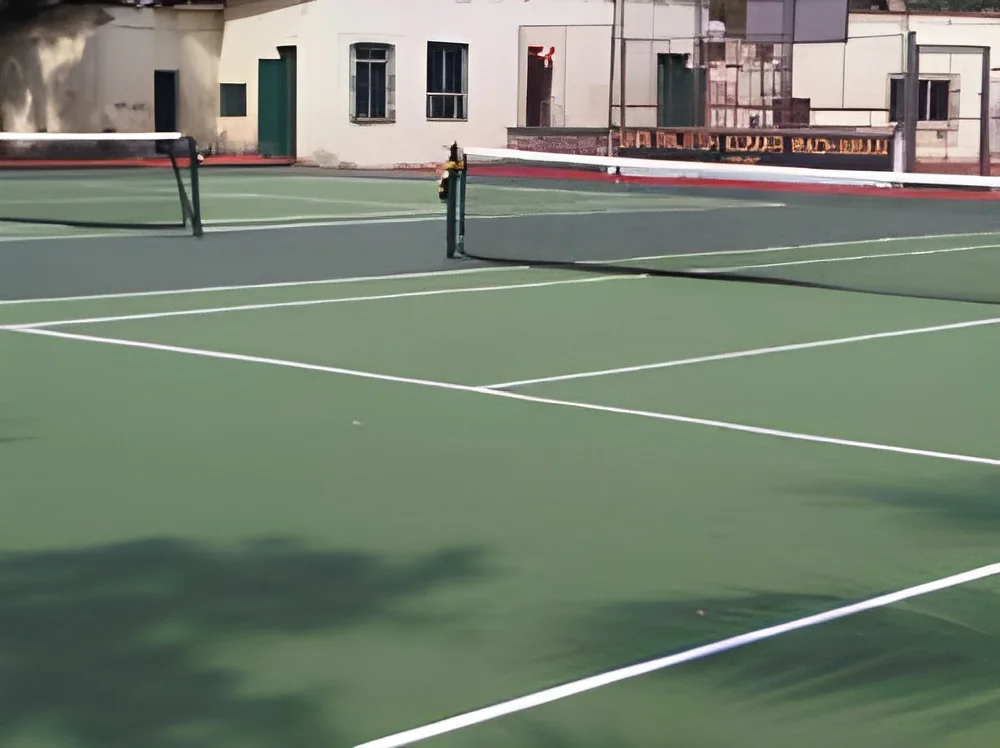
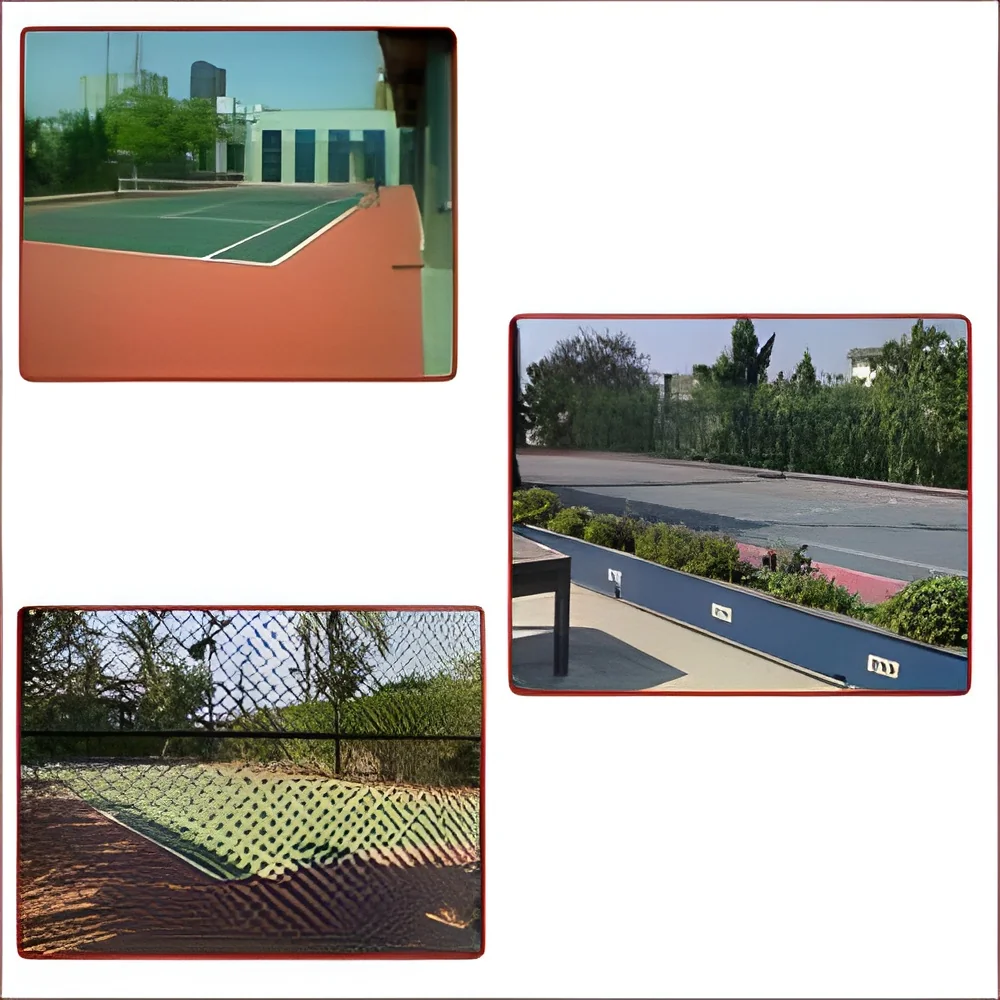
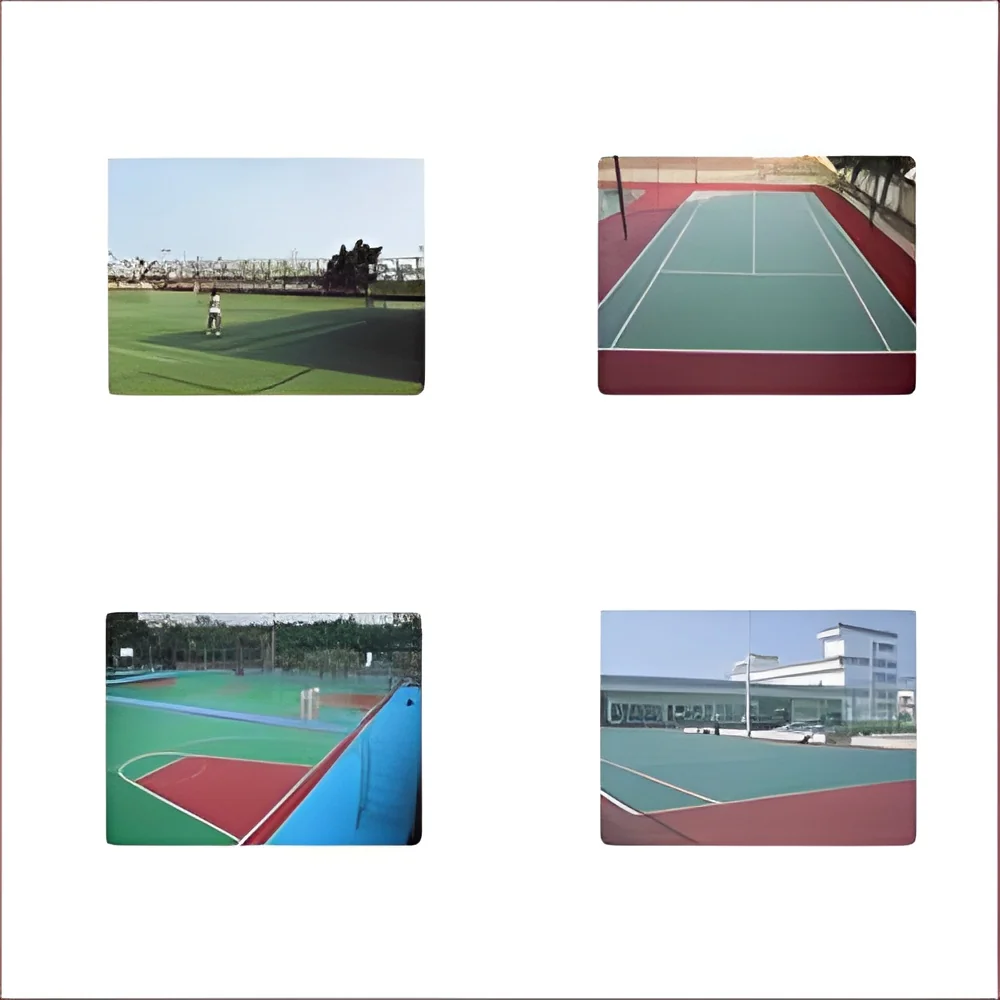
𝗪𝗵𝗮𝘁 𝗮𝗿𝗲 𝗧𝗲𝗻𝗻𝗶𝘀 𝗖𝗼𝘂𝗿𝘁 𝗖𝗼𝗻𝘀𝘁𝗿𝘂𝗰𝘁𝗶𝗼𝗻?
Tennis court construction involves the design and development of courts specifically for the game of tennis. This includes the preparation of the playing surface, installation of necessary structures, and ensuring compliance with professional regulations. The courts can be constructed using various materials, including asphalt, concrete, and clay, each offering distinct playing characteristics and maintenance requirements.
These courts are primarily used in sports facilities, schools, and recreational centers, catering to both professional players and amateurs. The construction process considers factors such as drainage, surface texture, and lighting to enhance player experience and performance. The relevance of tennis court construction has grown with the increasing popularity of tennis as a sport, leading to a higher demand for quality facilities worldwide.
In the current market context, tennis court construction is a significant segment within the sports infrastructure industry. With the rise of community sports initiatives and professional tournaments, there is a strong emphasis on building courts that meet international standards. This growth presents various opportunities for businesses involved in construction, maintenance, and sports management.
𝗞𝗲𝘆 𝗙𝗲𝗮𝘁𝘂𝗿𝗲𝘀 𝗮𝗻𝗱 𝗦𝗽𝗲𝗰𝗶𝗳𝗶𝗰𝗮𝘁𝗶𝗼𝗻𝘀
Tennis court construction incorporates several essential features and specifications that ensure the courts meet performance and safety standards. The selection of materials, construction techniques, and compliance with regulatory frameworks are crucial for successful project execution.
Key specifications include:
1. Surface Type
- Options include hard courts, clay courts, and grass courts.
- Each type has unique characteristics affecting playability and maintenance.
2. Dimensions
- Standard court dimensions are 78 feet long and 36 feet wide for doubles.
- The area must accommodate safe play and spectator access.
3. Drainage System
- Effective drainage is vital to prevent water accumulation.
- Systems should be designed to handle local rainfall patterns.
4. Lighting
- Courts may require lighting for evening play.
- Adjustable lighting intensity is preferred for flexibility.
5. Fencing
- Surrounding fencing provides safety and keeps balls in play.
- Heights typically range from 10 to 12 feet.
6. Accessibility Features
- Consideration for players with disabilities is essential.
- Ramps and designated seating areas enhance inclusivity.
7. Surface Texture
- The texture affects player movement and ball speed.
- Options include smooth or textured finishes depending on the surface type.
8. Compliance Standards
- Adherence to international tennis federation guidelines is critical.
- Regular inspections ensure ongoing compliance.
In summary, understanding the key features and specifications of tennis court construction allows businesses to make informed decisions on the materials and techniques required for quality installations.
𝗖𝗼𝗺𝗺𝗼𝗻 𝗔𝗽𝗽𝗹𝗶𝗰𝗮𝘁𝗶𝗼𝗻𝘀 𝗮𝗻𝗱 𝗨𝘀𝗲 𝗖𝗮𝘀𝗲𝘀
Tennis court construction serves a variety of industries and sectors, each with specific needs and applications.
1. Sports Clubs: Many sports clubs invest in tennis courts to attract members and host tournaments, promoting an active lifestyle.
2. Schools and Universities: Educational institutions often build courts for student use, enhancing their sports programs and fostering student engagement.
3. Municipal Recreation Centers: Local governments construct public courts to provide community access to sports, encouraging social interaction and physical fitness.
4. Private Residences: High-end residential properties may feature personal tennis courts, enhancing property value and offering leisure options.
5. Hotels and Resorts: Many hospitality businesses include tennis facilities to cater to guests seeking recreational activities during their stay.
6. Professional Training Facilities: Specialized centers are built for professional players, often featuring multiple courts for training and practice.
7. Community Sports Programs: Nonprofits and community organizations may develop courts to support youth engagement in sports and promote health.
𝗣𝗿𝗼𝗱𝘂𝗰𝘁 𝗩𝗮𝗿𝗶𝗮𝗻𝘁𝘀 𝗮𝗻𝗱 𝗦𝘂𝗯𝗰𝗮𝘁𝗲𝗴𝗼𝗿𝗶𝗲𝘀
Tennis court construction can involve various product variants, each tailored to specific applications and preferences.
Hard Court Construction
Hard courts are typically made of asphalt or concrete and are known for their durability and low maintenance. They provide a fast playing surface suitable for competitive play and are often used in professional tournaments.
Clay Court Construction
Clay courts offer a slower playing surface, allowing for more strategic play. They require more maintenance than hard courts but are favored for their softer impact on players’ joints.
Grass Court Construction
Grass courts provide a unique playing experience with a fast surface that can change based on weather conditions. They are traditionally used for prestigious tournaments like Wimbledon but require significant maintenance.
Synthetic Surface Construction
Synthetic courts are designed to mimic the characteristics of natural surfaces while providing enhanced durability. They are suitable for various climates and require less maintenance than traditional surfaces.
𝗕𝗲𝗻𝗲𝗳𝗶𝘁𝘀 𝗮𝗻𝗱 𝗔𝗱𝘃𝗮𝗻𝘁𝗮𝗴𝗲𝘀
Tennis court construction offers numerous benefits for businesses and organizations.
1. Enhanced Player Experience: Quality courts improve player performance and enjoyment, attracting more users and promoting regular play.
2. Increased Property Value: Facilities with well-constructed tennis courts can enhance the overall value of properties, making them more appealing to buyers.
3. Community Engagement: Public courts promote physical activity and social interaction, contributing to healthier communities.
4. Versatile Usage: Tennis courts can be used for various activities beyond tennis, including other racquet sports or community events.
5. Long-Term Investment: Durable construction materials ensure longevity, resulting in lower maintenance costs over time.
6. Compliance with Standards: Proper construction ensures adherence to sports regulations, making the facility suitable for hosting tournaments.
𝗕𝘂𝘆𝗶𝗻𝗴 𝗚𝘂𝗶𝗱𝗲 𝗳𝗼𝗿 𝗕𝟮𝗕 𝗕𝘂𝘆𝗲𝗿𝘀
When sourcing tennis court construction, businesses should consider several essential factors to ensure a successful project.
1. Quality Assessment: Evaluate the quality of materials and construction techniques used. High-quality surfaces and proper installation techniques are crucial for longevity and performance.
2. Supplier Verification: Vet potential suppliers to ensure they have a proven track record in tennis court construction. Look for references and past project portfolios to assess their capabilities.
3. Pricing and MOQ: Understand the pricing structure and minimum order quantities (MOQs) required by suppliers. This helps in budgeting and planning for future projects.
4. Delivery and Lead Times: Discuss logistics and delivery timelines to ensure timely project completion. Consider potential delays and plan accordingly.
5. Compliance Requirements: Be aware of local regulations and compliance standards that apply to tennis court construction. Ensure that suppliers are familiar with these requirements to avoid future complications.
𝗖𝗼𝗺𝗽𝗹𝗶𝗮𝗻𝗰𝗲 𝗮𝗻𝗱 𝗖𝗲𝗿𝘁𝗶𝗳𝗶𝗰𝗮𝘁𝗶𝗼𝗻𝘀
In the field of tennis court construction, adherence to quality standards and certifications is essential for ensuring safety and performance.
Relevant quality standards, such as ISO 9001, ensure that suppliers maintain high levels of quality management throughout the construction process. Compliance with these standards guarantees that products meet international quality benchmarks.
Industry certifications, such as CE marking, indicate that the constructed courts comply with European safety and environmental standards. This certification is important for projects in regions that require such compliance.
Safety and testing requirements are critical to ensuring that courts are safe for use. Regular inspections and maintenance checks should be conducted to verify that the courts remain in good condition.
Regional compliance considerations may vary based on local laws and regulations, making it essential to work with suppliers who are knowledgeable about the requirements in specific areas.
𝗪𝗵𝘆 𝗦𝗼𝘂𝗿𝗰𝗲 𝗧𝗲𝗻𝗻𝗶𝘀 𝗖𝗼𝘂𝗿𝘁 𝗖𝗼𝗻𝘀𝘁𝗿𝘂𝗰𝘁𝗶𝗼𝗻 𝗳𝗿𝗼𝗺 𝗣𝗲𝗽𝗮𝗴𝗼𝗿𝗮?
Pepagora provides a trusted platform for sourcing tennis court construction with several key advantages that benefit businesses looking to invest in quality facilities.
Verified Supplier Network: Pepagora connects buyers with a network of verified suppliers who have been thoroughly vetted for their experience and quality of work. This ensures that businesses can find reliable partners for their construction needs.
Streamlined RFQ Process: The request for quotation (RFQ) process is efficient and user-friendly. Buyers can easily submit their requirements and receive competitive quotes from multiple suppliers, facilitating informed decision-making.
Trade Assurance and Support: Pepagora offers trade assurance to protect buyers during transactions. This includes support services to resolve any issues that may arise, ensuring a smooth purchasing experience.
Regional Coverage: With a strong presence in India, the GCC, and Southeast Asia, Pepagora provides access to a wide range of suppliers across different regions. This geographic reach allows businesses to source locally while benefiting from competitive pricing and quality construction.

 IN
IN