What are Fencing & Boundary Netting?
Fencing and boundary netting are essential materials used to establish physical barriers for security, safety, and delineation of property lines. Fencing typically refers to solid structures, such as wooden or metal barriers, while boundary netting consists of mesh or net-like materials designed to enclose areas without obstructing visibility. Both serve as effective deterrents against intruders, animals, and environmental elements, playing a critical role in various industries.
The primary uses of fencing and boundary netting span across agriculture, construction, sports, and residential applications. In agriculture, they protect crops from wildlife and livestock. In construction, they secure job sites, preventing unauthorized access. Sports facilities utilize netting to keep balls within the play area, while homeowners use fencing for privacy and security. The relevance of these products in today's market is significant, as businesses and individuals increasingly prioritize safety and security in their operations and living environments.
Key Features and Specifications
Fencing and boundary netting products come with several features and specifications that ensure they meet diverse needs. Understanding these specifications can help buyers select the right materials for their specific applications.
Key specifications include:
1. Material Type
- Options may include metal, wood, plastic, or fabric.
- Each material has unique properties affecting durability, visibility, and installation.
2. Height
- Common heights range from 3 to 12 feet.
- Height requirements depend on the intended use and local regulations.
3. Mesh Size
- Varies from small openings (less than 1 inch) to larger openings (up to several inches).
- Smaller openings are ideal for containing smaller animals, while larger openings may suit specific visibility needs.
4. Coating Type
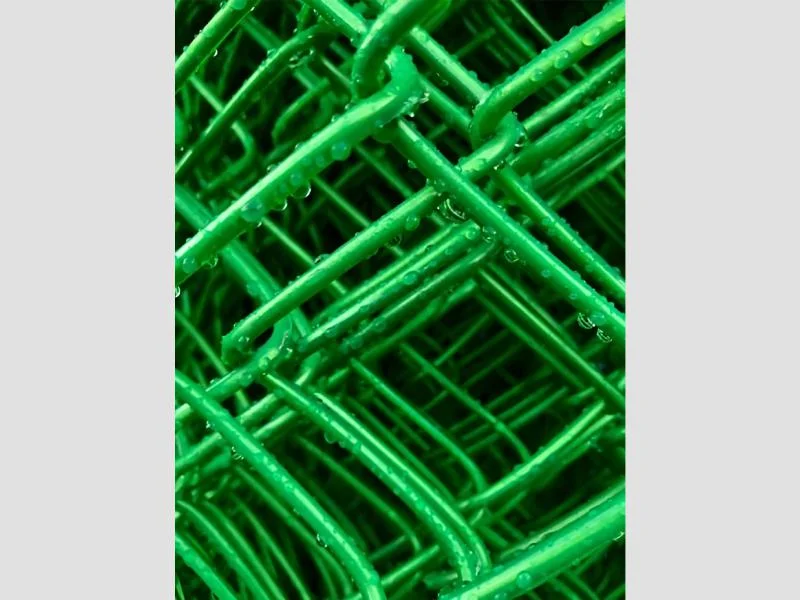
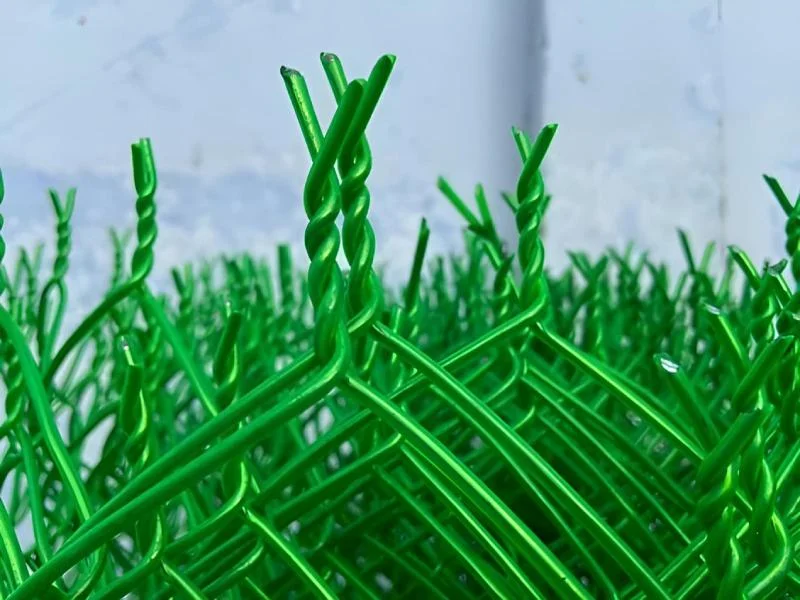
- Options include powder-coated, galvanized, or vinyl-coated.
- Coatings enhance corrosion resistance and longevity.
5. Tensile Strength
- Measured in pounds per square inch (psi).
- Higher tensile strength indicates greater durability against tension and impact.
6. UV Resistance
- Essential for outdoor applications to prevent degradation over time.
- Products with UV stabilizers last longer in sunlight.
7. Weight
- Varies based on material and design.
- Heavier materials may offer increased stability and security.
8. Installation Type
- Options include pre-assembled panels or roll-out netting.
- Installation methods can affect cost and time required for setup.
These specifications provide a comprehensive overview of what to expect when selecting fencing and boundary netting products.
Common Applications and Use Cases
Fencing and boundary netting serve a wide array of industries, each with unique applications.
1. Agriculture: Farmers use fencing to protect crops from wildlife and to contain livestock, ensuring productivity and safety on the farm.
2. Construction: Job sites are secured with fencing to prevent unauthorized access, thereby protecting equipment and materials from theft or vandalism.
3. Sports: Facilities employ boundary netting to keep balls in play areas, ensuring safety for spectators and players alike.
4. Residential: Homeowners install fences for privacy, security, and aesthetic appeal, enhancing their property value and safety.
5. Industrial: Warehouses and manufacturing plants utilize fencing to secure perimeters and control access to sensitive areas.
6. Transportation: Airports and rail yards employ fencing to ensure safety and security, preventing unauthorized entry into restricted zones.
7. Wildlife Conservation: Fencing is used in wildlife reserves to protect endangered species from poaching and habitat destruction.
Product Variants and Subcategories
Fencing and boundary netting products come in various types, catering to specific needs and applications.
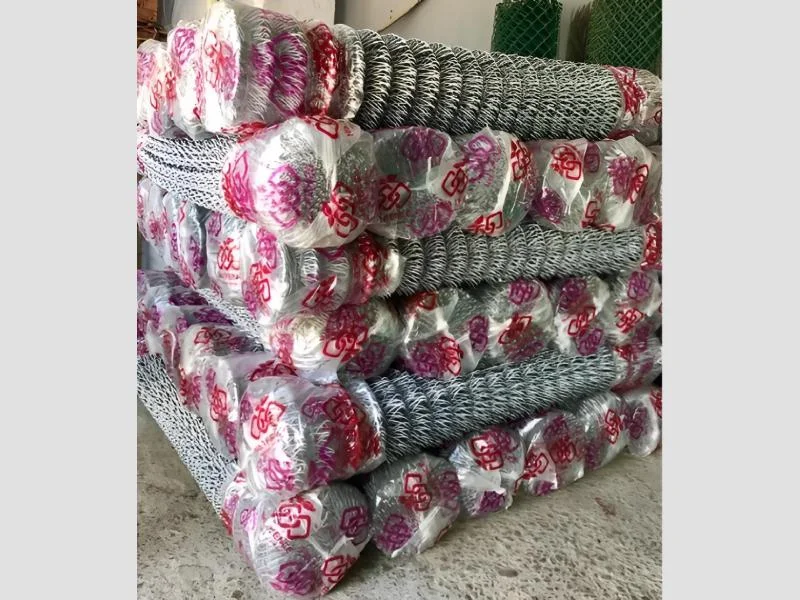
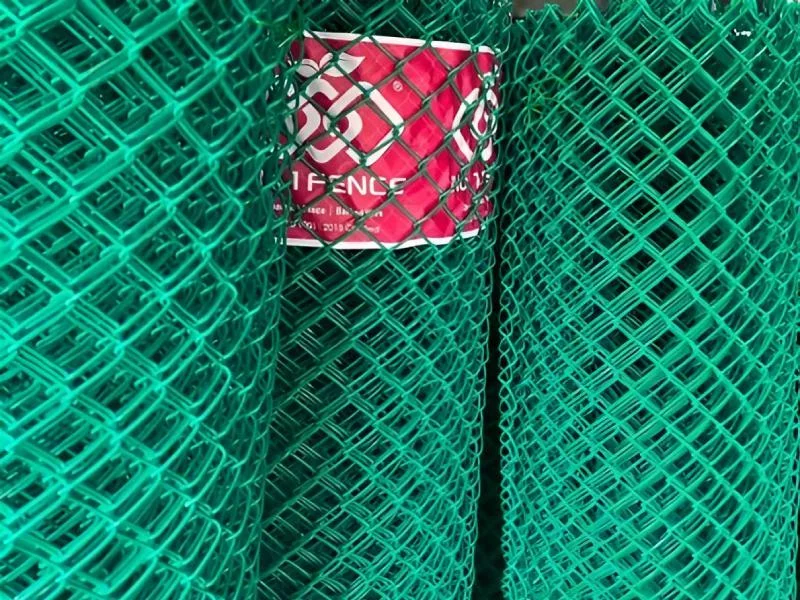
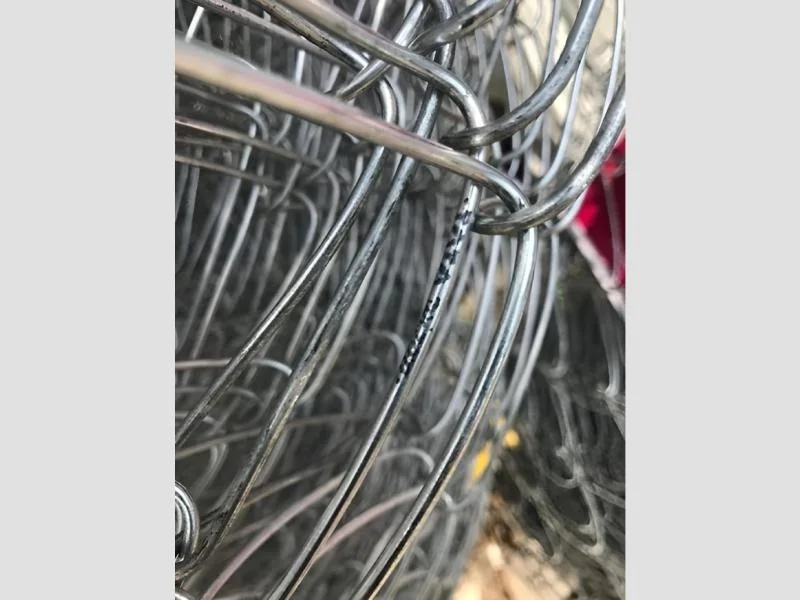
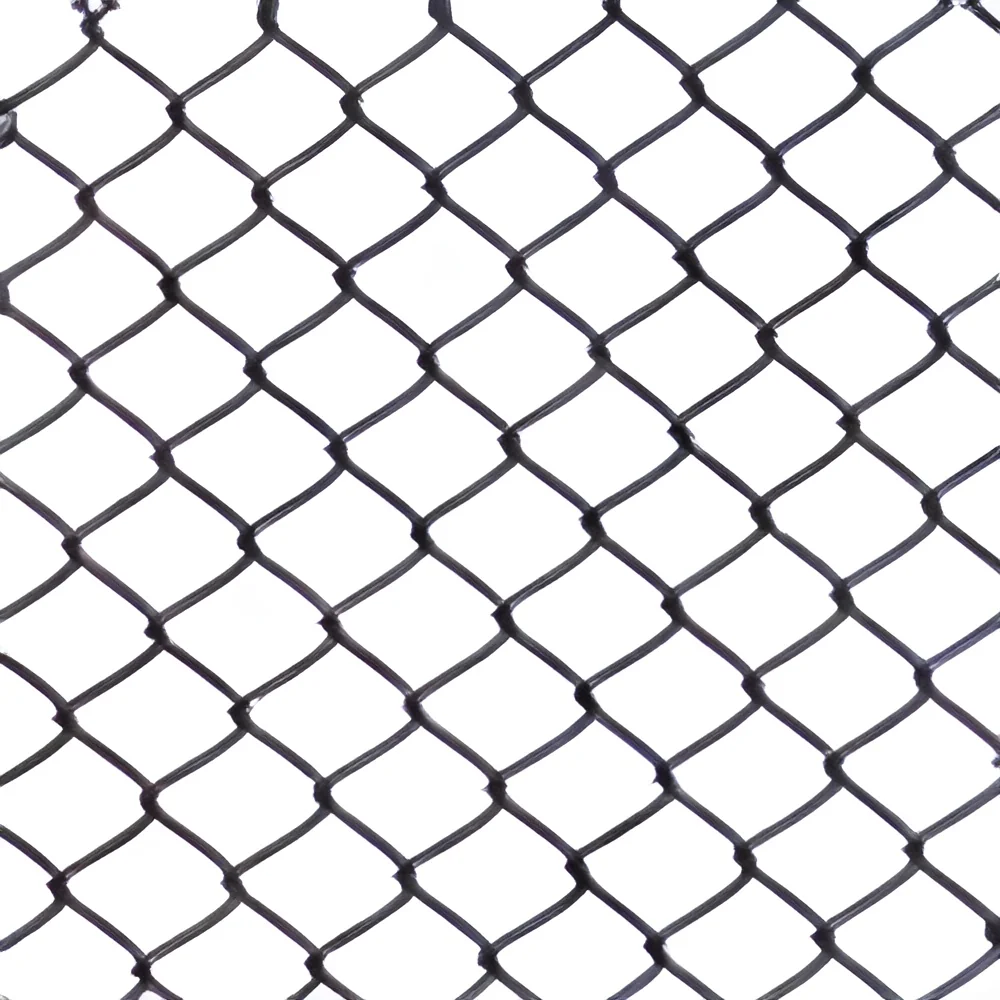
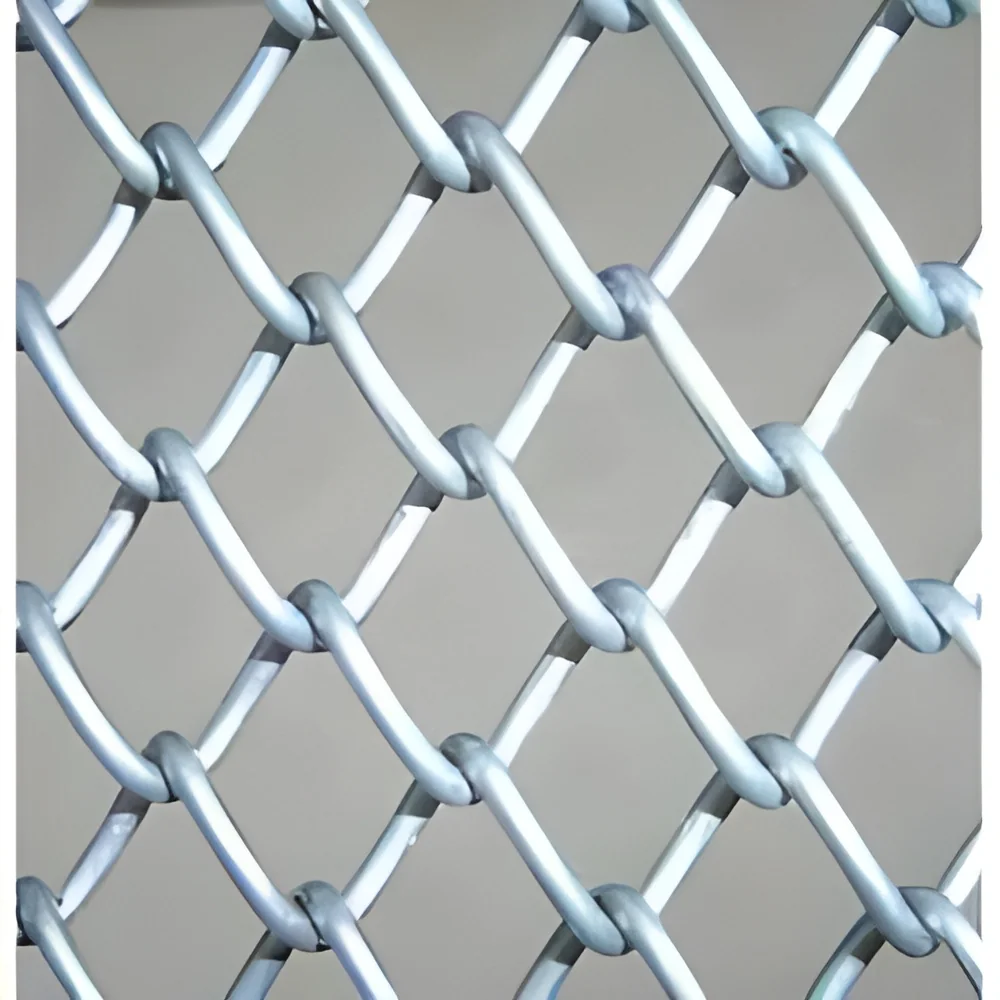
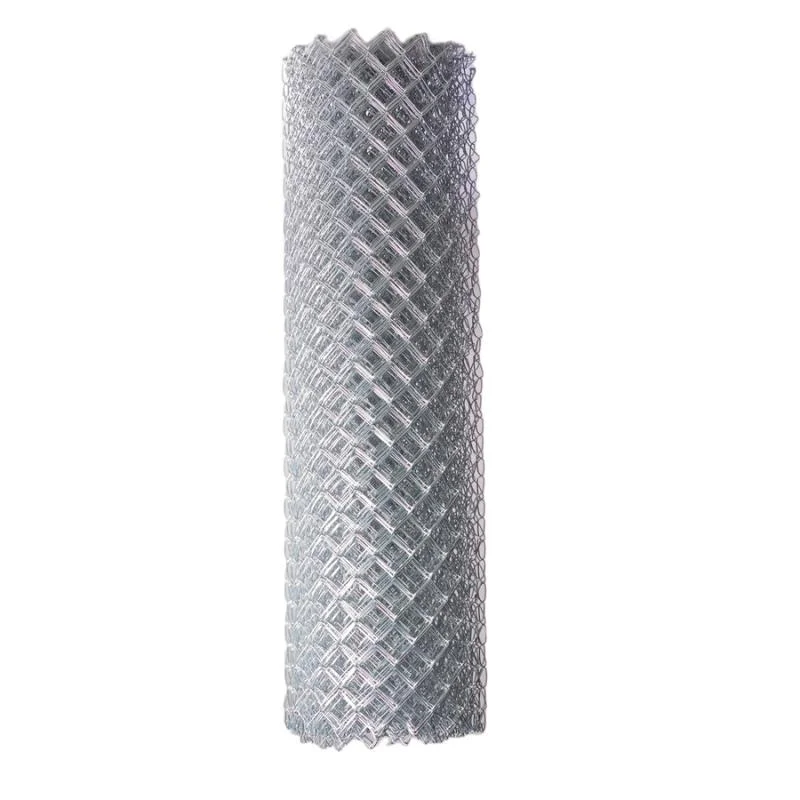
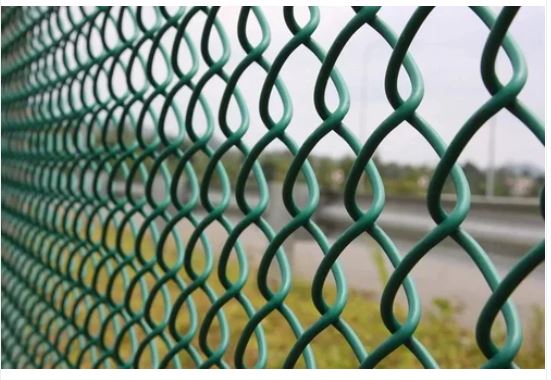
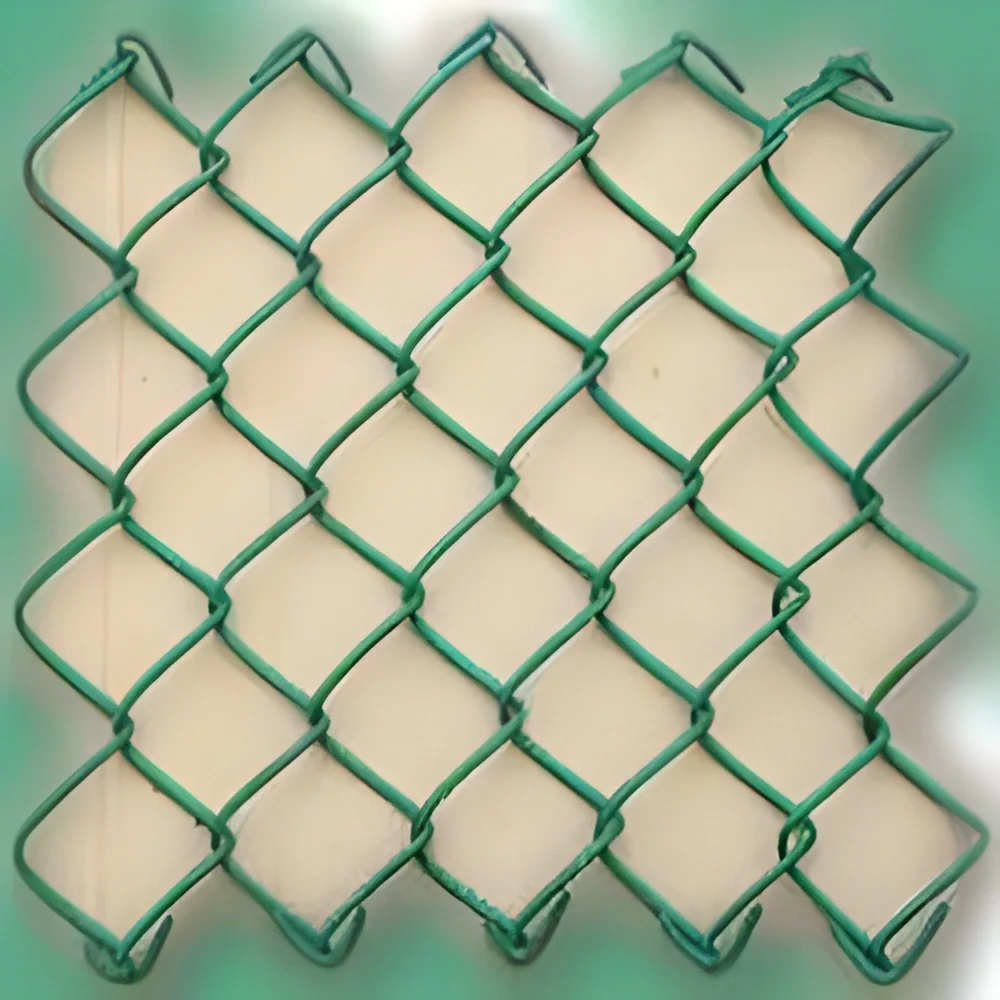
Chain-Link Fencing: This widely used variant consists of interlocking steel wires creating a diamond pattern. It is durable, cost-effective, and provides visibility while securing perimeters.
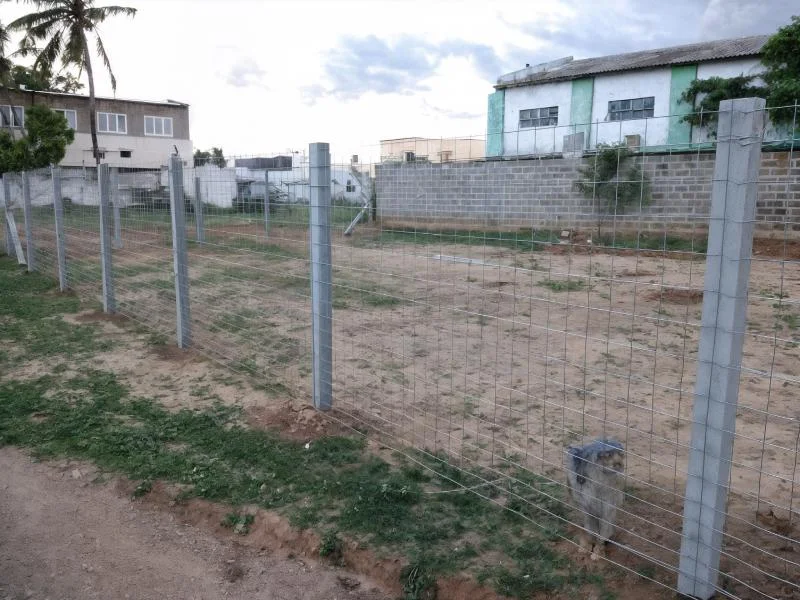
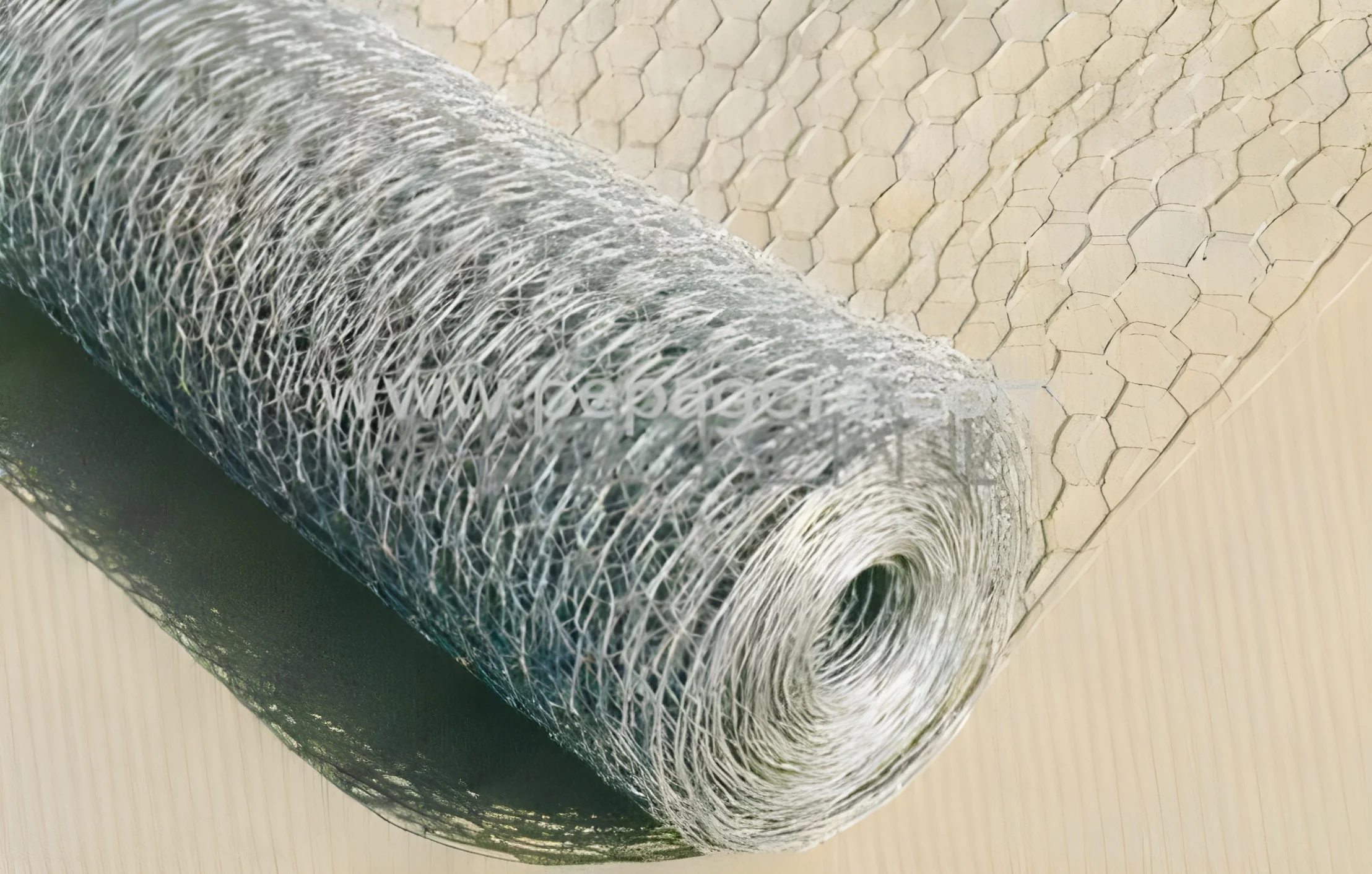
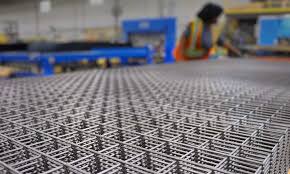
Welded Wire Fencing: This variant features welded intersections, making it sturdier than traditional wire fencing. It is ideal for agricultural use, providing a long-lasting solution for livestock containment.
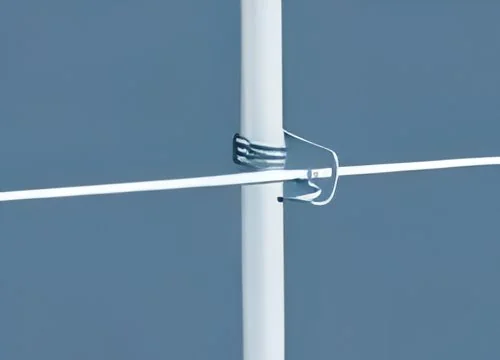
Electric Fencing: Often used in agricultural settings, electric fencing deters animals from crossing boundaries. It delivers a mild electric shock, offering an effective barrier without physical obstruction.
Garden Netting: Lightweight and flexible, garden netting protects plants from pests and birds. It is easy to install and can be cut to size for various applications.
Privacy Fencing: Made from solid materials such as wood or vinyl, this variant offers complete privacy and security for residential properties.
Benefits and Advantages
Fencing and boundary netting provide numerous advantages that make them essential for various applications.
1. Enhanced Security: These products create physical barriers that deter unauthorized access and protect assets.
2. Safety: Fencing and netting help prevent accidents by keeping children and pets safe within designated areas.
3. Versatility: Available in various materials and designs, they can cater to diverse uses across multiple industries.
4. Cost-Effectiveness: Many options are available at competitive prices, making them accessible for businesses and individuals alike.
5. Low Maintenance: Many modern fencing materials are designed to withstand weather conditions, requiring minimal upkeep over time.
6. Aesthetic Appeal: Fencing can enhance the visual appeal of properties, adding value while serving practical purposes.
Buying Guide for B2B Buyers
When sourcing fencing and boundary netting, there are several important factors to consider to ensure the right choice.
1. Quality Assessment: Evaluate the durability and reliability of materials. Look for products that meet industry standards and have positive reviews from other buyers.
2. Supplier Verification: Research potential suppliers to confirm their reputation and reliability. Check for certifications and customer feedback to ensure quality.
3. Pricing and MOQ: Understand the market pricing and minimum order quantities. Compare different suppliers to find the best value for your needs.
4. Delivery and Lead Times: Discuss logistics with suppliers to determine delivery timelines. Ensure that the lead times align with your project schedules.
5. Compliance Requirements: Be aware of any regulatory needs specific to your industry. Ensure that the products meet necessary safety and quality standards.
Compliance and Certifications
Fencing and boundary netting products must adhere to relevant quality standards to ensure safety and reliability. ISO 9001 is a widely recognized standard that indicates effective quality management systems. Compliance with industry certifications, such as CE marking, demonstrates that products meet European safety standards.
Safety and testing requirements are essential in various applications, particularly in construction and agriculture. These requirements ensure that products can withstand environmental stressors and meet safety regulations.
Additionally, regional compliance considerations may vary, so it is crucial to be aware of local regulations regarding fencing and boundary netting installation and usage.
Why Source Fencing & Boundary Netting from Pepagora?
Pepagora provides a trusted platform for sourcing fencing and boundary netting, offering several key advantages to buyers.
Verified Supplier Network: Pepagora connects buyers with a network of reliable and verified suppliers. This ensures that customers can find high-quality products that meet their specific needs.
Streamlined RFQ Process: The platform offers a user-friendly request for quotation process, allowing buyers to easily compare quotes from different suppliers. This saves time and enhances decision-making.
Trade Assurance and Support: Pepagora provides trade assurance to protect buyers, ensuring that they receive the products as promised. Dedicated support is available to assist throughout the purchasing process.
Regional Coverage: With a strong presence in India, the GCC, and Southeast Asia, Pepagora offers buyers access to a wide range of fencing and boundary netting products tailored to regional requirements. This geographic reach ensures that businesses can find the right solutions for their specific applications.

 IN
IN