What are Swimming Pool Construction?
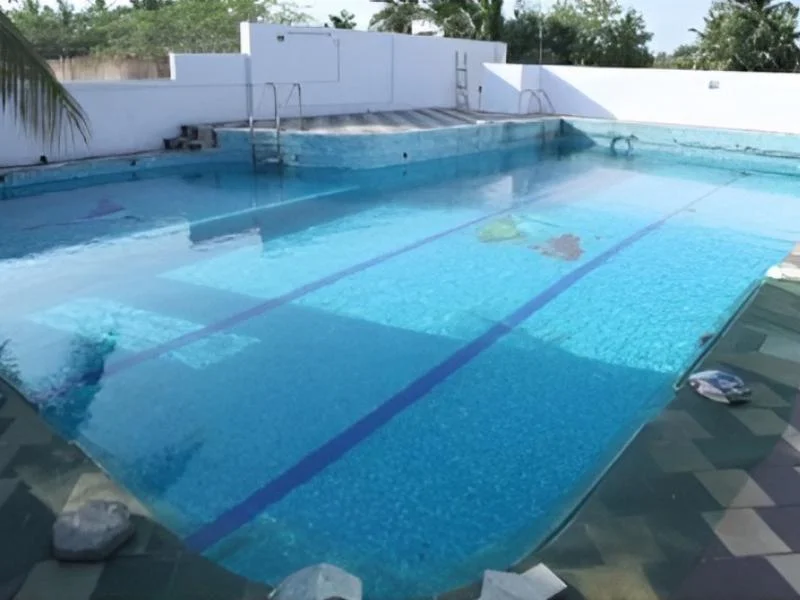
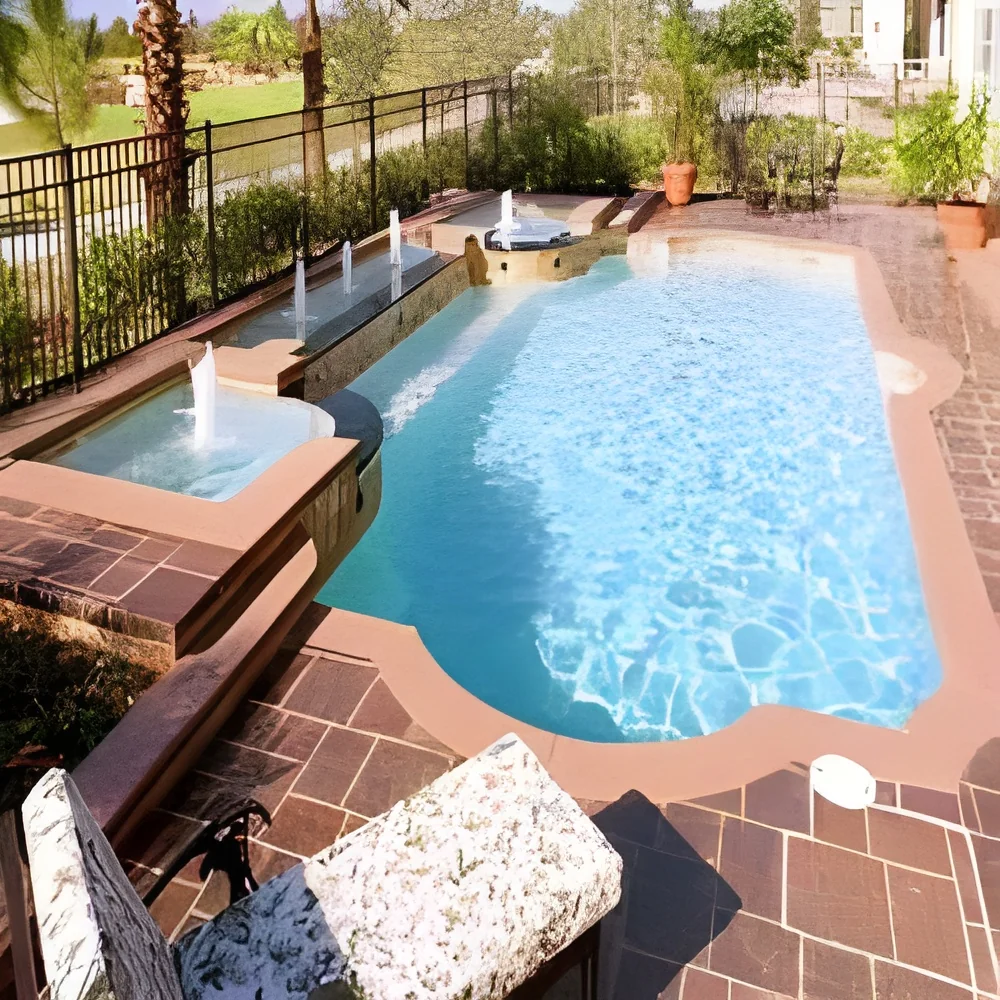
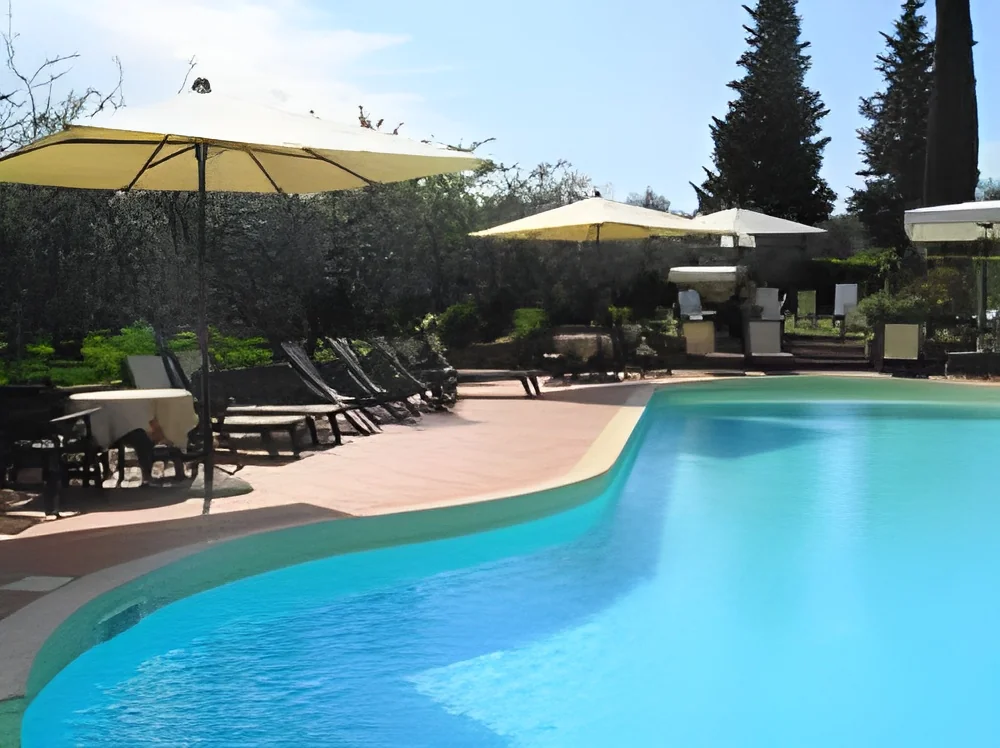
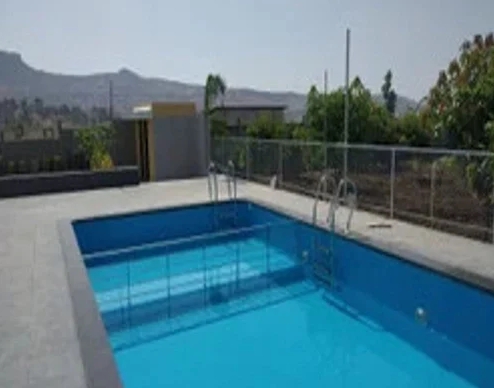
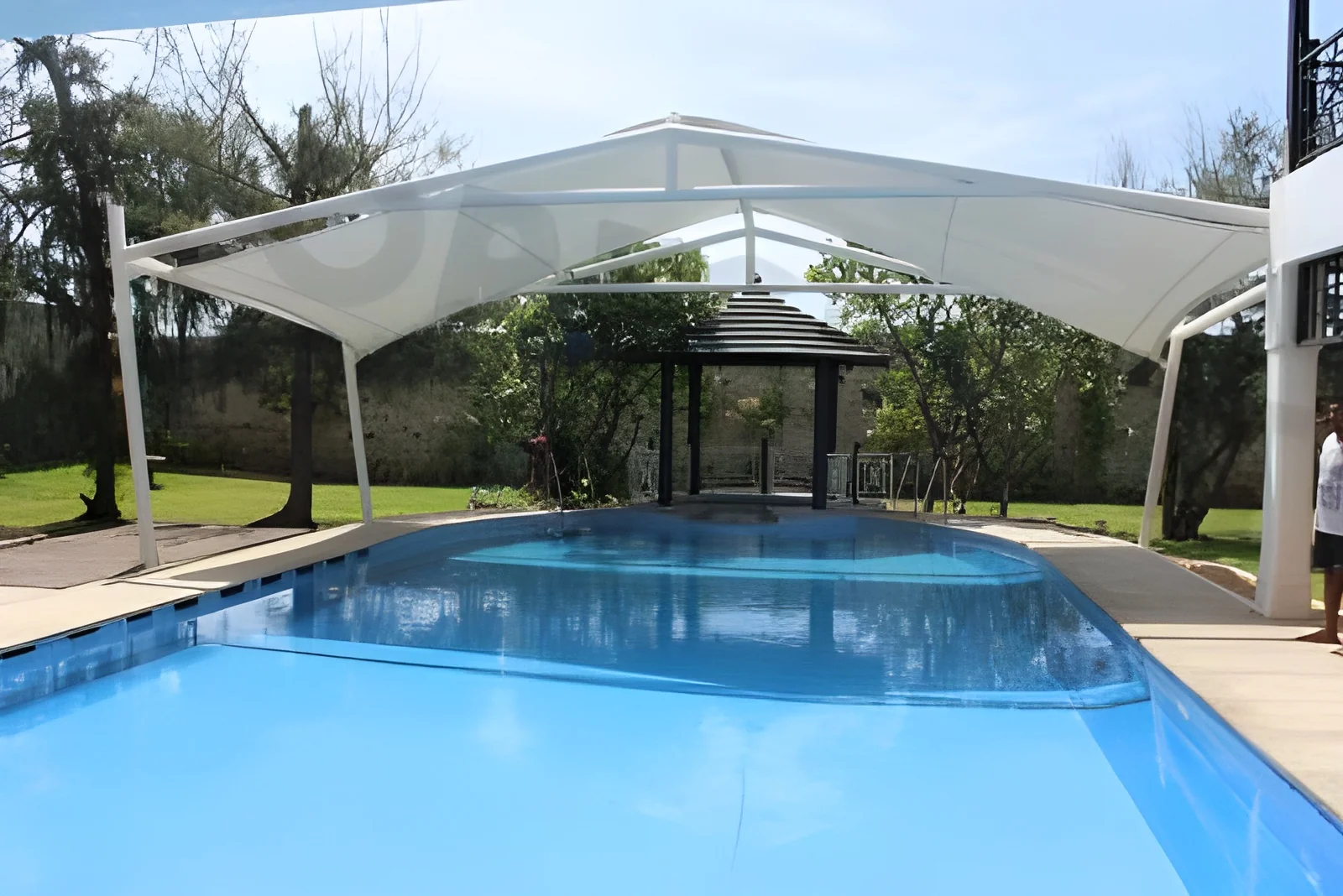
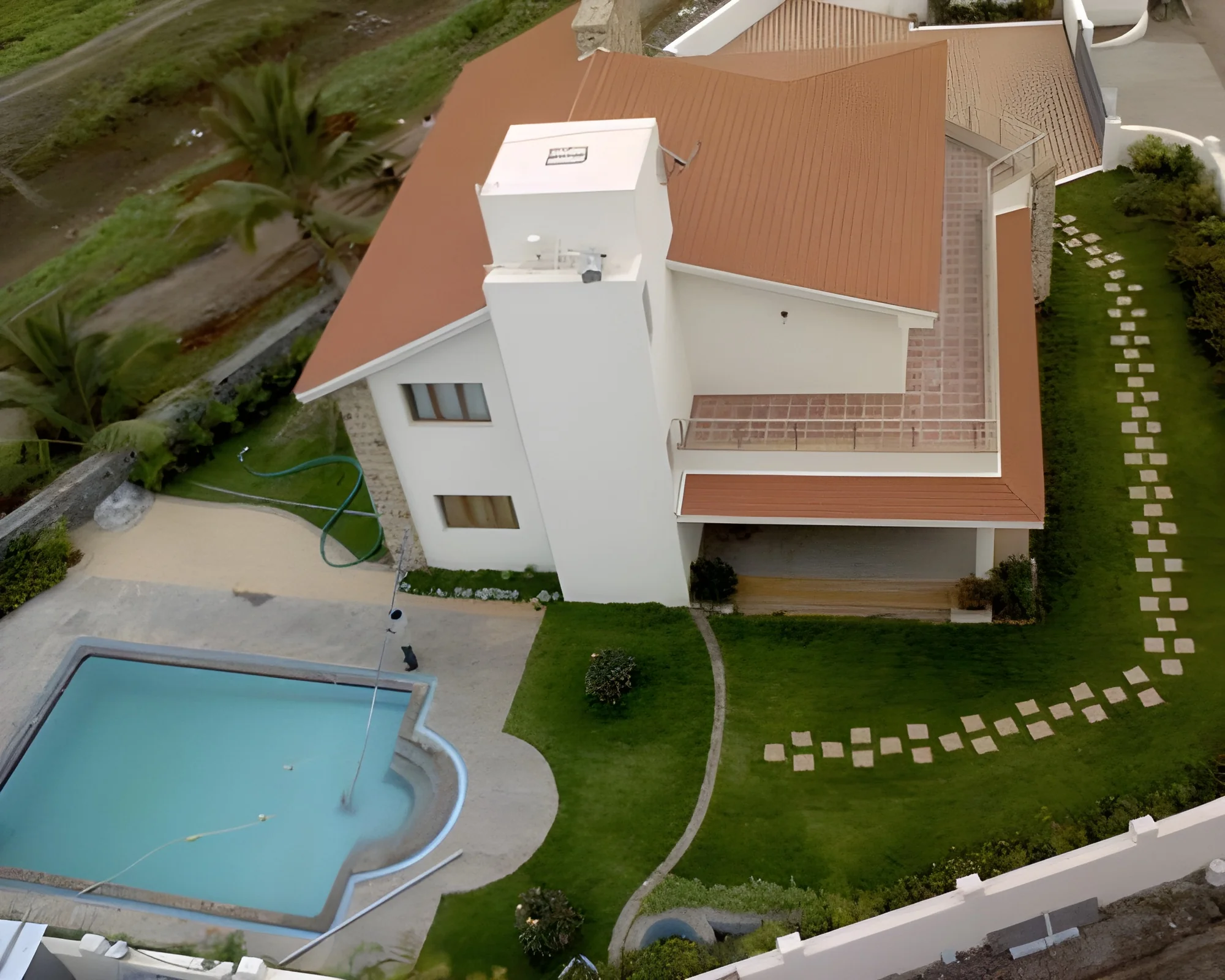
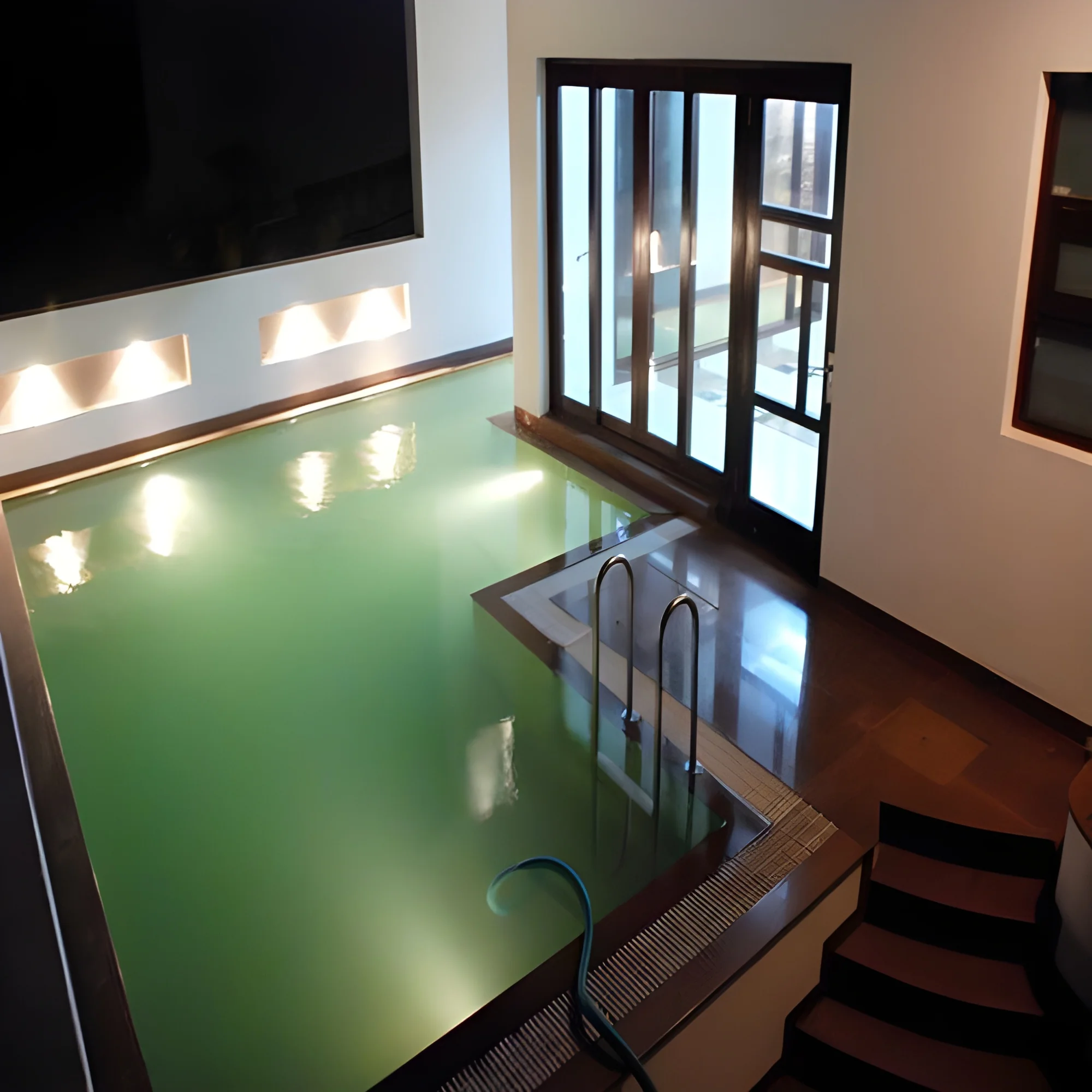
Swimming pool construction refers to the process of designing and building swimming pools, which can vary significantly in size, shape, and materials used. This process includes several stages, such as planning, excavation, installation of plumbing and electrical systems, and finally, finishing touches like tiling or landscaping. Swimming pools can be constructed using concrete, vinyl, or fiberglass, each offering different benefits and aesthetic options.
Swimming pool construction serves a variety of purposes in both residential and commercial settings. For homeowners, pools provide recreational opportunities and enhance property value. In commercial environments, such as hotels and fitness centers, well-constructed pools are essential for attracting customers and providing amenities. The swimming pool construction industry is a significant sector within the broader construction market, driven by trends in leisure, wellness, and outdoor living.
The market for swimming pool construction continues to grow as more individuals and businesses invest in outdoor leisure facilities. With rising disposable incomes and a focus on lifestyle enhancements, the demand for high-quality, aesthetically pleasing pools remains strong. This growth presents opportunities for construction companies and suppliers to provide innovative solutions and technologies to meet consumer expectations.
Key Features and Specifications
When considering swimming pool construction, several key features and specifications are essential to ensure a successful project. These specifications help define the quality and suitability of the construction for various applications.
Key specifications include:
1. Material Type
- Options include concrete, fiberglass, and vinyl.
- Each material offers different durability, maintenance needs, and aesthetic choices.
2. Pool Size and Depth
- Customizable dimensions to fit specific site requirements.
- Depth options can range from shallow to deep designs, catering to different user needs.
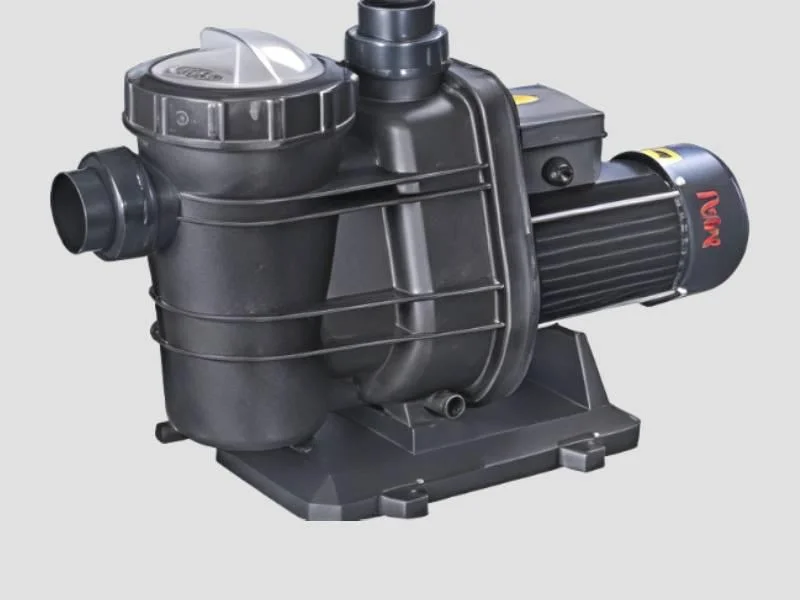
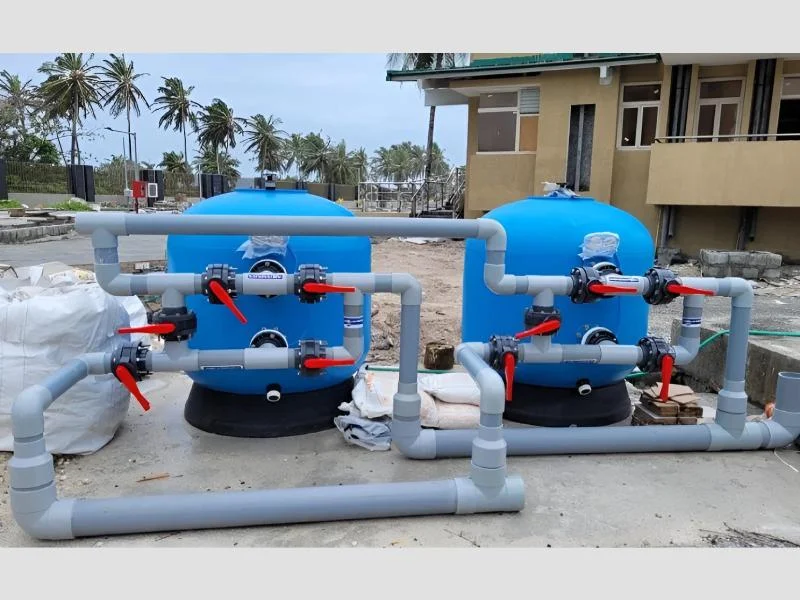
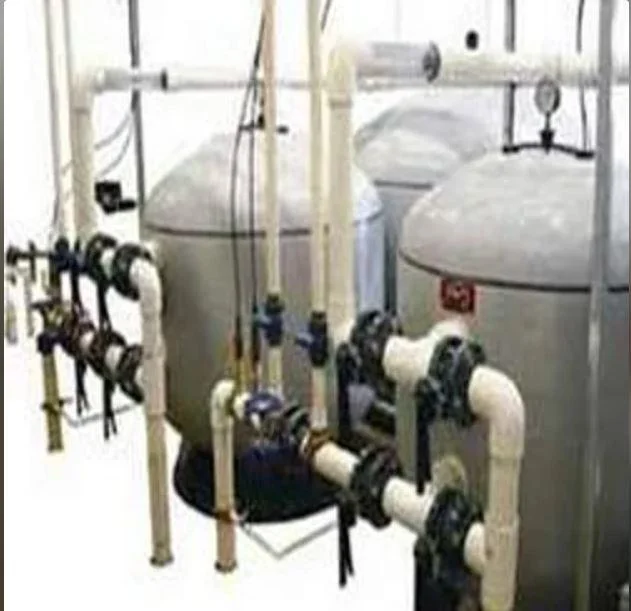
3. Filtration System
- Essential for maintaining water quality.
- Systems vary in complexity from basic sand filters to advanced cartridge and diatomaceous earth filters.
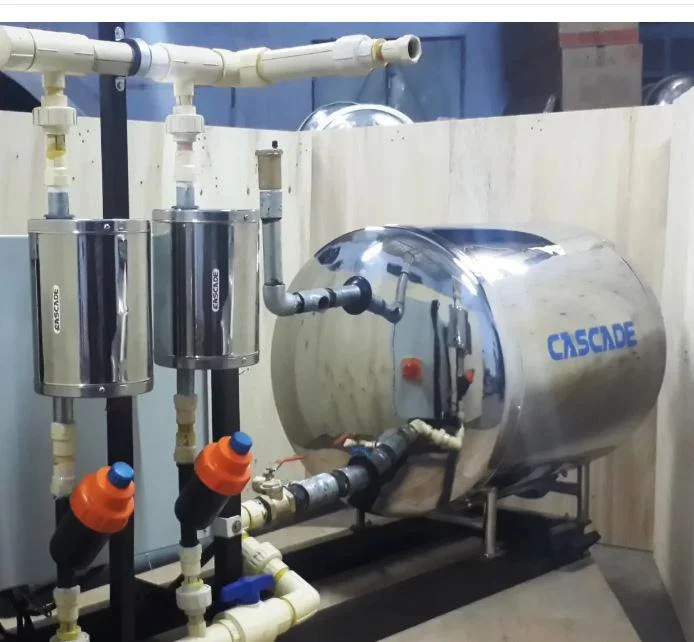
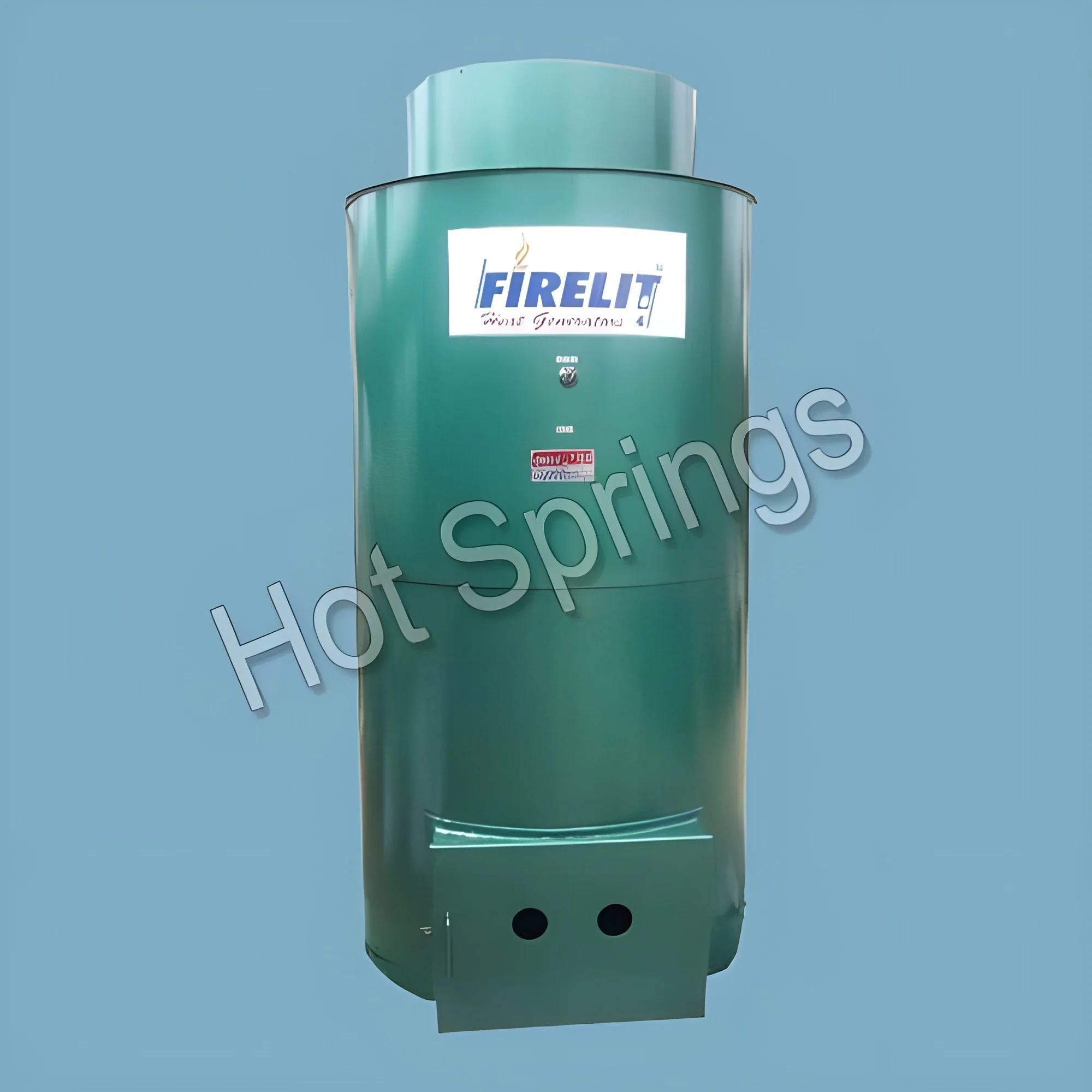
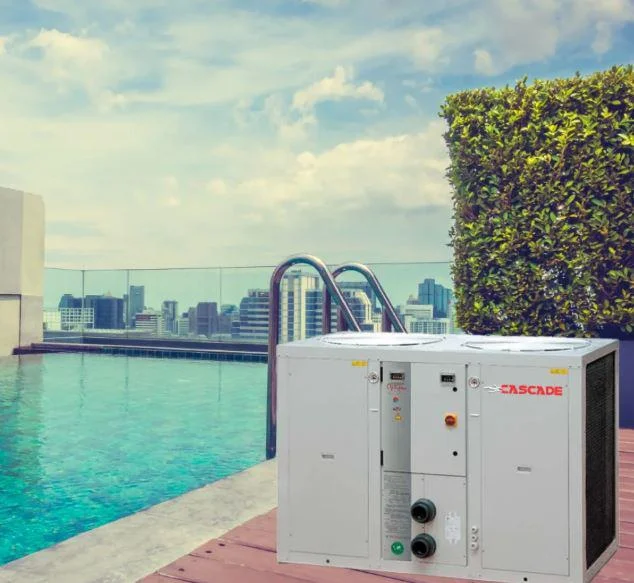
4. Heating Options
- Availability of heating systems to extend the swimming season.
- Options include gas heaters, heat pumps, and solar heating systems.
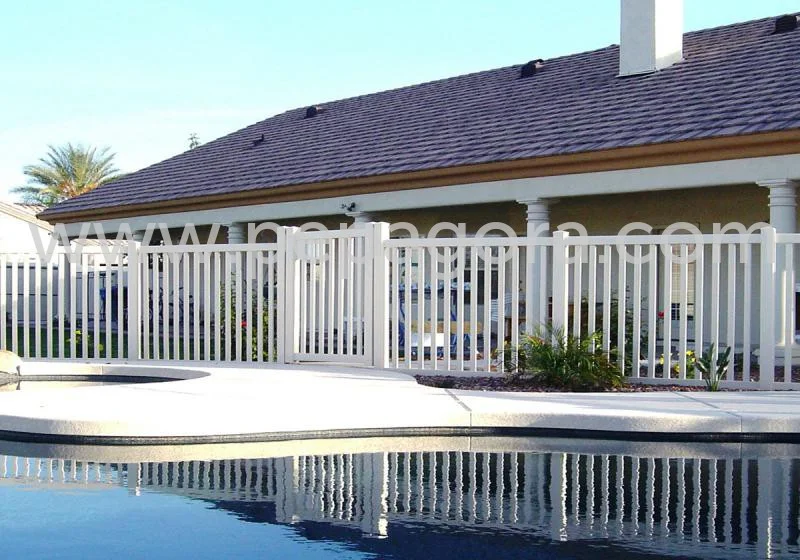
5. Safety Features
- Includes pool covers, alarms, and fencing.
- Compliance with local safety regulations is critical.
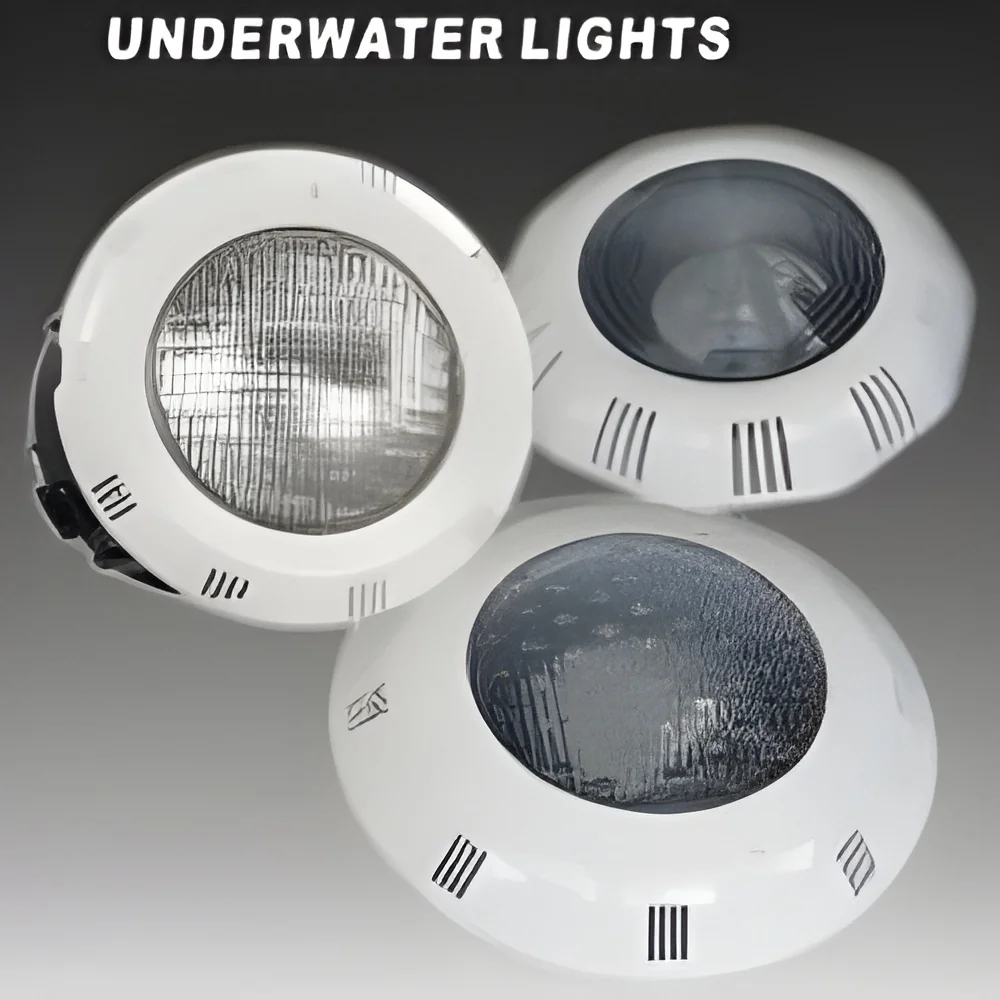
6. Lighting
- Options for underwater and surrounding area lighting to enhance aesthetics and safety.
- Energy-efficient LED lights are a popular choice.
7. Landscaping Integration
- Incorporation of surrounding landscaping for aesthetic appeal.
- Features can include decking, gardens, and pathways.
8. Customization Options
- Ability to personalize designs to meet client preferences.
- Options range from unique shapes to specialized features like waterfalls or slides.
In summary, understanding these specifications is crucial for any business or individual considering swimming pool construction, as they dictate the performance, safety, and enjoyment of the pool.
Common Applications and Use Cases
Swimming pool construction finds application across various industries, each with unique requirements and benefits.
1. Residential: Homeowners construct pools primarily for leisure and entertainment. Pools add value to property and provide a private space for relaxation.
2. Hospitality: Hotels and resorts invest in swimming pools to attract guests and enhance their experience. Pools often become focal points for relaxation and socialization.
3. Fitness: Gyms and fitness centers incorporate pools for aquatic exercise programs. Swimming pools offer a unique way to promote health and wellness.
4. Education: Schools and universities often build pools for swim teams and physical education classes. These facilities support student health and skill development.
5. Community: Public pools serve local communities, providing recreational opportunities and venues for events. They enhance community engagement and promote healthy lifestyles.
6. Rehabilitation: Therapy pools are used in rehabilitation centers for physical therapy and recovery. They offer low-impact exercise options for patients.
7. Aquaculture: Specialized pools are constructed for fish farming and aquaculture operations. These pools support sustainable food production.
Product Variants and Subcategories
Swimming pool construction can feature a variety of designs and structures, catering to diverse needs and preferences. Each variant offers unique characteristics and applications.
Concrete Pools
Concrete pools are highly customizable and durable. They can be built in various shapes and sizes, making them ideal for unique landscapes. These pools are designed for long-lasting use and can incorporate custom features like spas and waterfalls.
Fiberglass Pools
Fiberglass pools are pre-molded and installed quickly, offering a smooth surface that is easy to maintain. They are available in various shapes and colors, providing aesthetic flexibility. Ideal for residential settings, fiberglass pools come with built-in features that reduce installation time.
Vinyl Pools
Vinyl pools are cost-effective and offer a wide range of design options. They consist of a vinyl liner over a structure, allowing for different shapes and depths. This type of pool is popular for residential applications due to its affordability and ease of maintenance.
Benefits and Advantages
Investing in swimming pool construction offers several key benefits that enhance the value of properties and the quality of life for individuals.
1. Increased Property Value: A well-constructed pool can significantly enhance the value of a property, making it more attractive to potential buyers.
2. Recreation and Relaxation: Pools provide a space for leisure, promoting relaxation and enjoyment for families and guests.
3. Health and Fitness: Swimming is an excellent form of exercise that can improve physical fitness. Pools provide opportunities for aquatic workouts and therapy.
4. Social Engagement: Pools serve as a gathering place for family and friends, fostering social interactions and community building.
5. Aesthetic Appeal: A beautifully designed pool enhances the overall aesthetics of a property, creating a desirable outdoor space.
6. Customization: Swimming pools can be customized to fit individual preferences, allowing for unique designs and features that reflect personal style.
Buying Guide for B2B Buyers
When sourcing swimming pool construction, businesses should consider several critical factors to ensure they make informed decisions.
1. Quality Assessment: Assess the quality of materials and construction techniques used. High-quality construction ensures longevity and reduces maintenance costs.
2. Supplier Verification: Vet suppliers through reviews and references. Ensuring that suppliers have a track record of successful projects can mitigate risks.
3. Pricing and MOQ: Understand the pricing structure and minimum order quantities. Requesting detailed quotes can help in budgeting and financial planning.
4. Delivery and Lead Times: Discuss delivery schedules and lead times with suppliers to ensure projects remain on schedule. Reliable timelines are critical for successful project management.
5. Compliance Requirements: Ensure that all construction meets local regulations and compliance standards. Understanding these requirements can prevent legal issues and delays.
Compliance and Certifications
Swimming pool construction must adhere to various quality standards and certifications to ensure safety and performance.
Relevant quality standards, such as ISO 9001, focus on quality management systems that ensure consistent quality in construction processes. Compliance with these standards is crucial for maintaining industry credibility.
Industry certifications like CE indicate that the construction meets European safety, health, and environmental protection standards. This certification is essential for products sold in European markets.
Safety and testing requirements are vital, particularly for commercial pools. Regular inspections and adherence to safety protocols ensure that pools are safe for public use.
Regional compliance considerations vary, with different regions having unique regulations governing pool construction. Understanding local laws is essential to avoid legal complications and ensure successful project completion.
Why Source Swimming Pool Construction from Pepagora?
Pepagora provides a trusted platform for sourcing swimming pool construction with several key advantages.
Verified Supplier Network: Pepagora has a robust network of verified suppliers, ensuring that buyers can connect with reputable companies. This verification process enhances trust and reliability in the sourcing process.
Streamlined RFQ Process: The platform offers a streamlined request for quotation (RFQ) process, allowing businesses to easily compare offers from multiple suppliers. This efficiency helps buyers find the best deals and services.
Trade Assurance and Support: Pepagora offers trade assurance, providing protection for buyers against potential risks. This support ensures a safer purchasing experience and enhances buyer confidence.
Regional Coverage: Pepagora's geographic reach includes India, the GCC, and Southeast Asia, allowing businesses to find local suppliers that understand regional markets. This coverage facilitates easier communication and logistics for construction projects.

 IN
IN