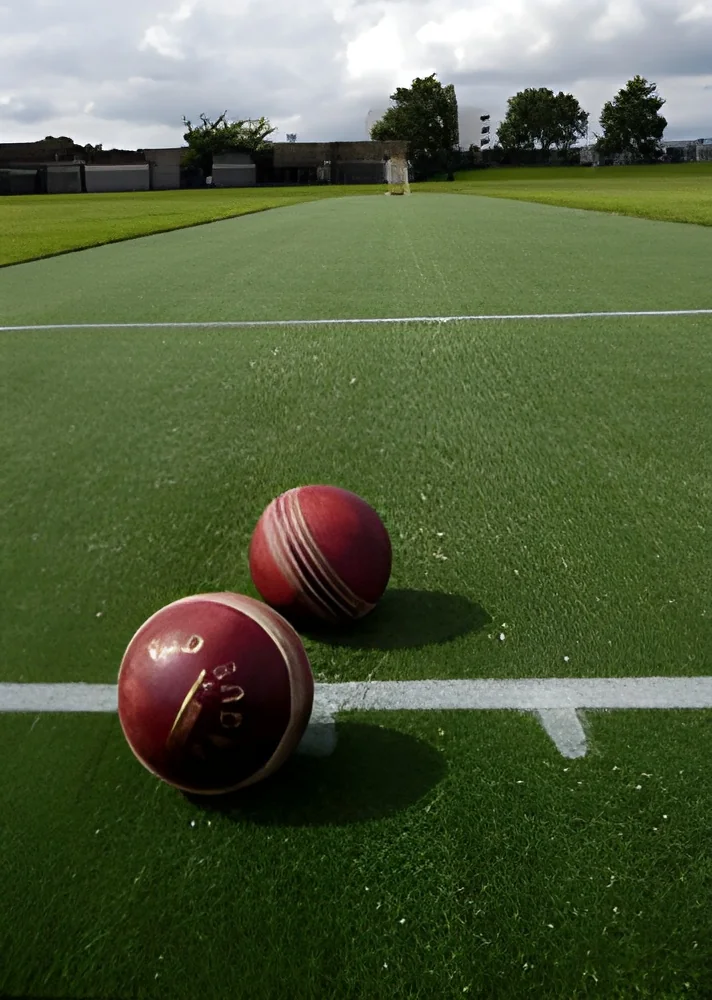
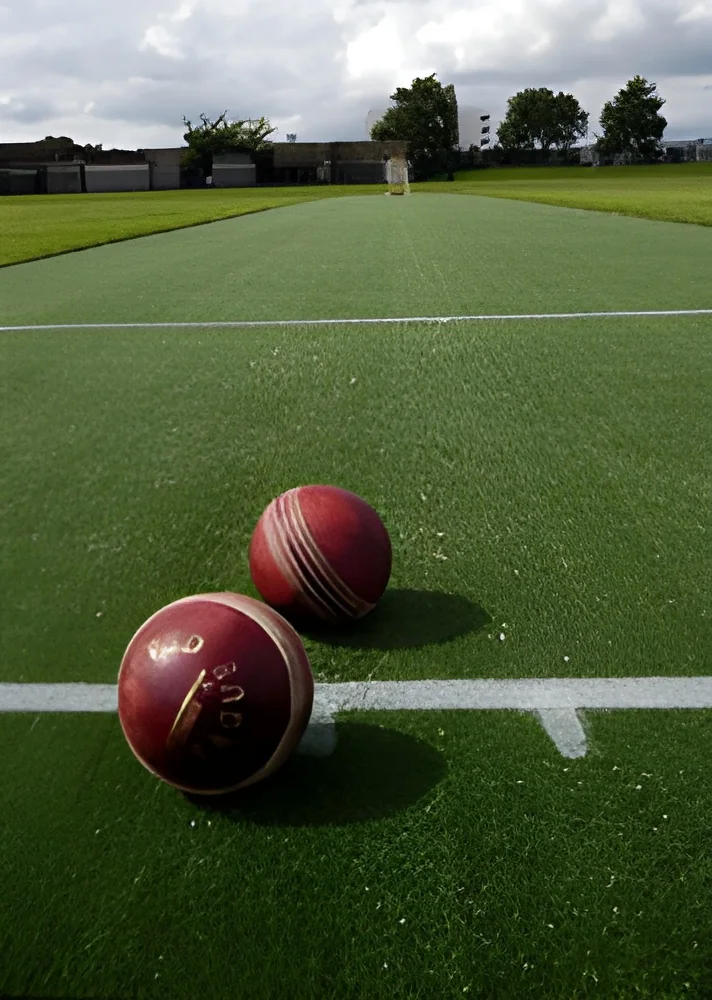
What are Cricket Ground Development?
Cricket Ground Development refers to the comprehensive process of designing, constructing, and maintaining cricket facilities. This includes the playing field, practice areas, seating, and amenities for players and spectators. The development process ensures that the ground meets the specific requirements for hosting cricket matches, including pitch preparation, drainage systems, and spectator accommodations.
The primary uses of cricket ground development are for professional, semi-professional, and amateur cricket matches. Businesses involved in sporting event management, venue construction, and sports facility maintenance often engage in cricket ground development. These businesses aim to create an environment that fosters both competitive play and fan engagement, while also adhering to the regulations set forth by governing bodies.
The relevance of cricket ground development extends beyond just the sport itself. With cricket being a major sport in countries such as India, Australia, and England, the demand for high-quality cricket facilities continues to grow. This provides significant opportunities for businesses in construction, landscaping, and sports management sectors to cater to the evolving needs of cricket organizations.
Key Features and Specifications
Cricket ground development involves various features and specifications critical to its successful execution. These specifications ensure that the facility meets performance and safety standards.
Key specifications include:
1. Playing Surface Quality
- The grass and soil composition must support optimal playing conditions.
- Specifications often include turf type and maintenance requirements.
2. Drainage Systems
- Effective drainage is essential to prevent waterlogging.
- Specifications typically include the types of materials used and their installation depth.
3. Seating Capacity
- Ground development should accommodate a specific number of spectators.
- This includes design considerations for accessibility and comfort.
4. Practice Facilities
- Dedicated areas for batting and bowling practice must be included.
- Specifications may involve the dimensions and surface type of these areas.
5. Lighting Systems
- Adequate lighting is crucial for evening matches.
- Specifications include the brightness levels and energy efficiency of lighting fixtures.
6. Fencing and Safety Features
- Safety barriers are necessary to protect spectators and players.
- Specifications might outline types of materials used and height requirements.
7. Amenities
- Facilities such as restrooms, concession stands, and first aid stations are vital.
- Specifications should cover the accessibility and placement of these amenities.
In conclusion, a successful cricket ground development project requires adherence to specific features and specifications to create a safe and functional environment for players and fans alike.
Common Applications and Use Cases
Cricket ground development finds applications across various sectors.
1. Professional Sports: Major cricket leagues and international matches require high-quality ground development to meet global standards.
2. Educational Institutions: Schools and universities often develop cricket grounds to promote sports among students and host inter-school competitions.
3. Community Clubs: Local cricket clubs invest in ground development to provide recreational opportunities for community members.
4. Event Management: Companies specializing in sports events utilize developed cricket grounds to organize tournaments and promotional events.
5. Government Projects: National and state governments may fund cricket ground development to promote sports tourism and local talent.
6. Sports Academies: Training facilities for aspiring cricketers often include well-equipped grounds for practice and match simulations.
7. Corporate Sponsorship: Businesses may sponsor the development of cricket grounds as part of their corporate social responsibility initiatives.
Product Variants and Subcategories
Cricket ground development encompasses various project types and designs, catering to different needs.
Standard Cricket Ground Design
This variant focuses on the traditional layout, including essential features like pitch, outfield, and spectator areas. It is commonly used for local matches and educational institutions.
High-Performance Cricket Facility
Designed for professional use, this variant includes advanced features such as specialized turf, high-quality lighting, and extensive seating. It is suitable for hosting international matches and tournaments.
Multi-Purpose Sports Complex
This variant incorporates cricket grounds alongside facilities for other sports, promoting versatility and community engagement. It can serve schools, colleges, or community centers with diverse athletic needs.
Benefits and Advantages
Investing in cricket ground development offers numerous benefits.
1. Enhanced Player Experience: Quality grounds improve player performance and safety, leading to better match outcomes.
2. Increased Spectator Engagement: Well-designed spectator areas enhance the overall match experience, attracting larger crowds.
3. Long-Term Cost Efficiency: A well-constructed ground reduces maintenance costs and extends the facility's lifespan.
4. Compliance with Regulations: Adhering to cricket governing body standards ensures eligibility for hosting official matches.
5. Community Development: Cricket grounds promote social interaction and community involvement through organized events and activities.
6. Brand Visibility: Businesses can leverage cricket grounds for advertising and sponsorship opportunities, increasing their market presence.
Buying Guide for B2B Buyers
When sourcing cricket ground development, it is essential to consider various factors to ensure a successful project.
1. Quality Assessment: Evaluate the materials and construction methods used to ensure durability and performance. Look for case studies or past projects by potential suppliers.
2. Supplier Verification: Vet suppliers based on their reputation, experience, and customer feedback. This can help mitigate risks associated with project delays or quality issues.
3. Pricing and MOQ: Understand the cost structures associated with cricket ground development. Minimum order quantities may vary depending on project scope and supplier capabilities.
4. Delivery and Lead Times: Assess the logistics involved in the construction process. Timely delivery of materials and adherence to project timelines are critical for successful completion.
5. Compliance Requirements: Ensure that the development complies with local regulations and standards. This may include safety codes, environmental regulations, and cricket governing body requirements.
Compliance and Certifications
Cricket ground development must adhere to several quality standards and certifications to ensure safety and performance.
ISO 9001 is a key standard that outlines the requirements for a quality management system. Compliance with this standard indicates a commitment to consistent quality in project execution.
CE certification is relevant in the construction of sports facilities, ensuring that products meet European safety and environmental standards.
Safety and testing requirements are essential to ensure that all materials used in the development are safe for players and spectators. This includes assessments of structural integrity and surface quality.
Regional compliance considerations may vary, so it is crucial to be aware of local regulations governing sports facility development. This includes zoning laws and environmental impact assessments.
Why Source Cricket Ground Development from Pepagora?
Pepagora provides a trusted platform for sourcing cricket ground development with several key advantages.
Verified Supplier Network: Pepagora connects buyers with a network of verified suppliers. This ensures that businesses can find reputable partners for their projects, reducing risks associated with supplier reliability.
Streamlined RFQ Process: The platform offers a streamlined Request for Quotation (RFQ) process. Buyers can easily submit their project requirements and receive competitive quotes from multiple suppliers, simplifying the procurement process.
Trade Assurance and Support: Pepagora offers trade assurance programs that protect buyers from potential risks. This support includes assistance with contract management and dispute resolution.
Regional Coverage: With a strong presence in India, the Gulf Cooperation Council (GCC), and Southeast Asia, Pepagora ensures that buyers from various regions can access cricket ground development solutions tailored to their local needs.
This comprehensive approach positions Pepagora as a leading choice for businesses looking to invest in cricket ground development.

 IN
IN